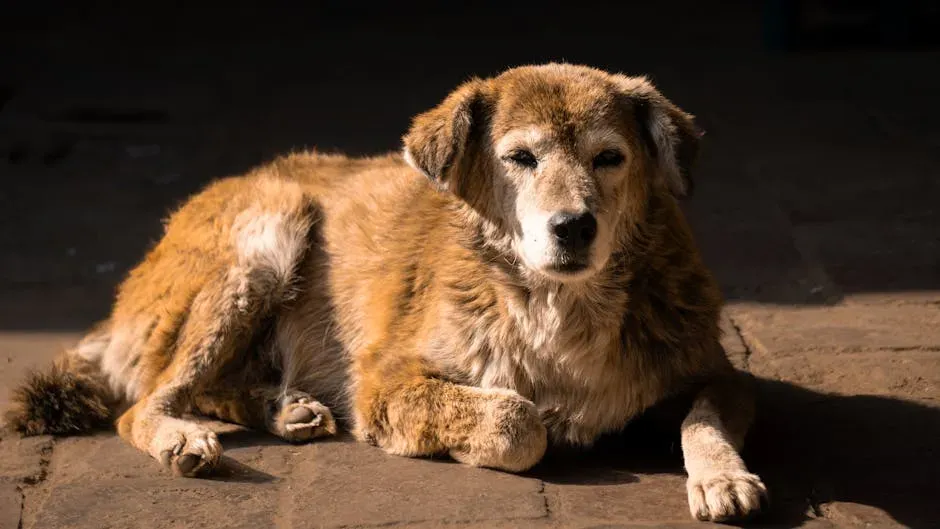
1. Seeking Solitude More Than Usual
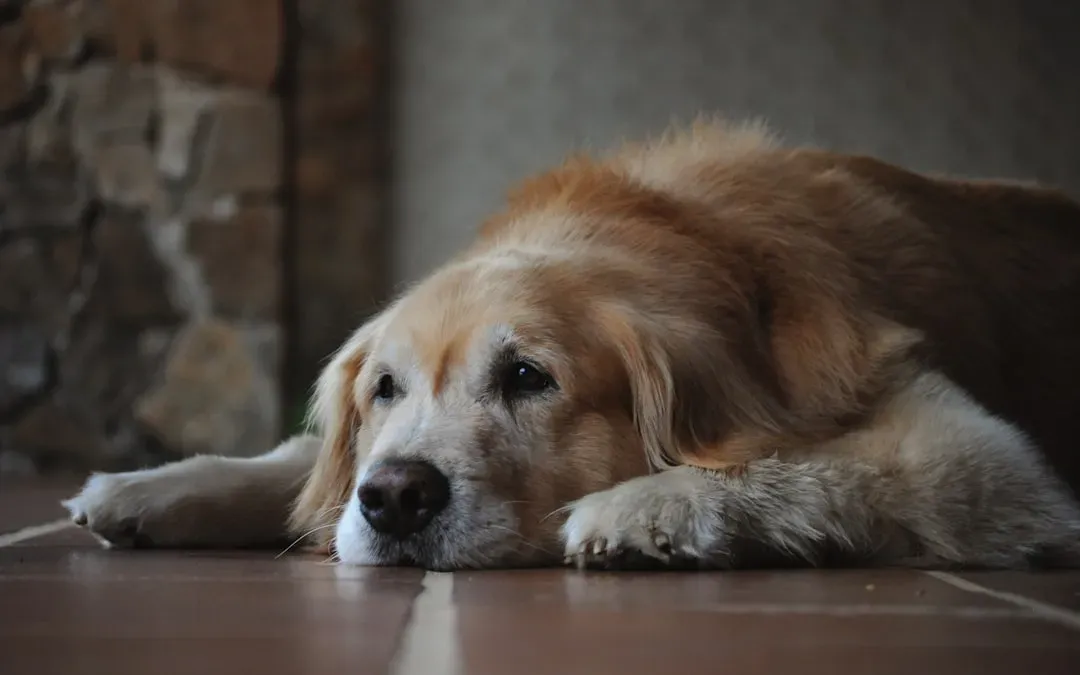
It’s common for older dogs to enjoy their quiet time, but if your dog starts isolating themselves more frequently, it might be more than just a preference for peace. Dogs nearing the end of their lives often seek solitude as a way to cope with discomfort or confusion. They might retreat to hidden corners or spend extended periods away from family members.
While it’s easy to dismiss this behavior as typical for a senior dog, it’s essential to monitor these changes closely. Providing a comfortable and quiet space can help, but also ensure you’re offering gentle companionship to reassure them during this time.
2. Sudden Loss of Interest in Favorite Activities

Has your once playful pup suddenly lost interest in their cherished toys or daily walks? A noticeable decline in enthusiasm for activities they once loved can be a sign that their body is preparing for the end. This isn’t just a sign of old age; it’s an indication that their energy levels and overall well-being are declining.
Understanding this change allows you to adjust their routine, offering more rest and less strenuous activities, ensuring their comfort in their final days.
3. Uncharacteristic Clinginess or Neediness
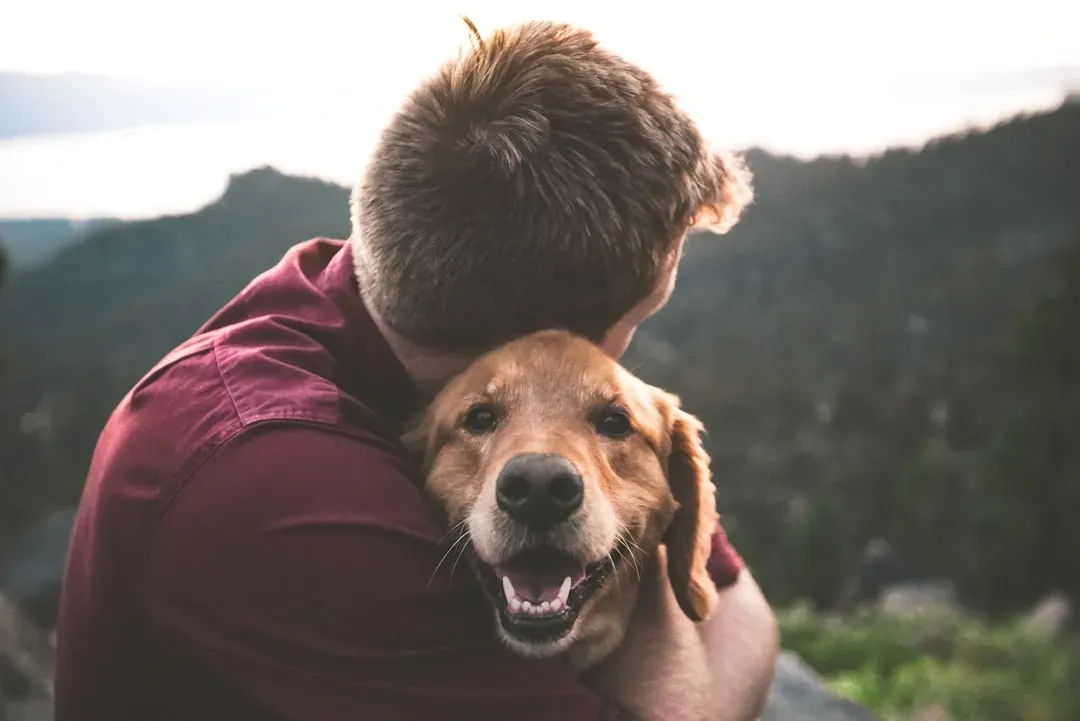
While some dogs withdraw, others may exhibit the opposite behavior by becoming unusually clingy. If your independent dog suddenly follows you everywhere or seeks constant physical contact, it could be their way of seeking reassurance as they sense changes in their body.
Embracing this need for closeness can provide them with the comfort they seek. Spend quality time together, offering gentle petting and soothing words to ease their anxiety.
4. Decreased Appetite and Thirst
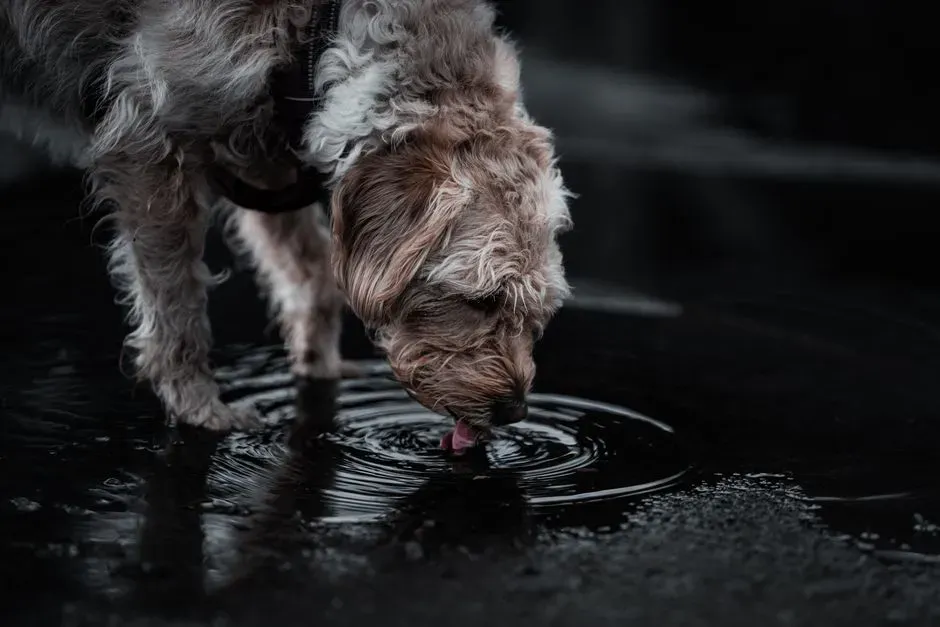
A gradual decline in appetite is often attributed to aging, but a sudden or significant decrease can signal that the end is near. Dogs may refuse their favorite treats or show disinterest in meals altogether. Similarly, reduced water intake can lead to dehydration, further complicating their health.
Offering easily digestible foods and ensuring fresh water is always available can help. However, it’s crucial to consult with your veterinarian to discuss the best course of action during this stage.
5. Increased Confusion or Disorientation
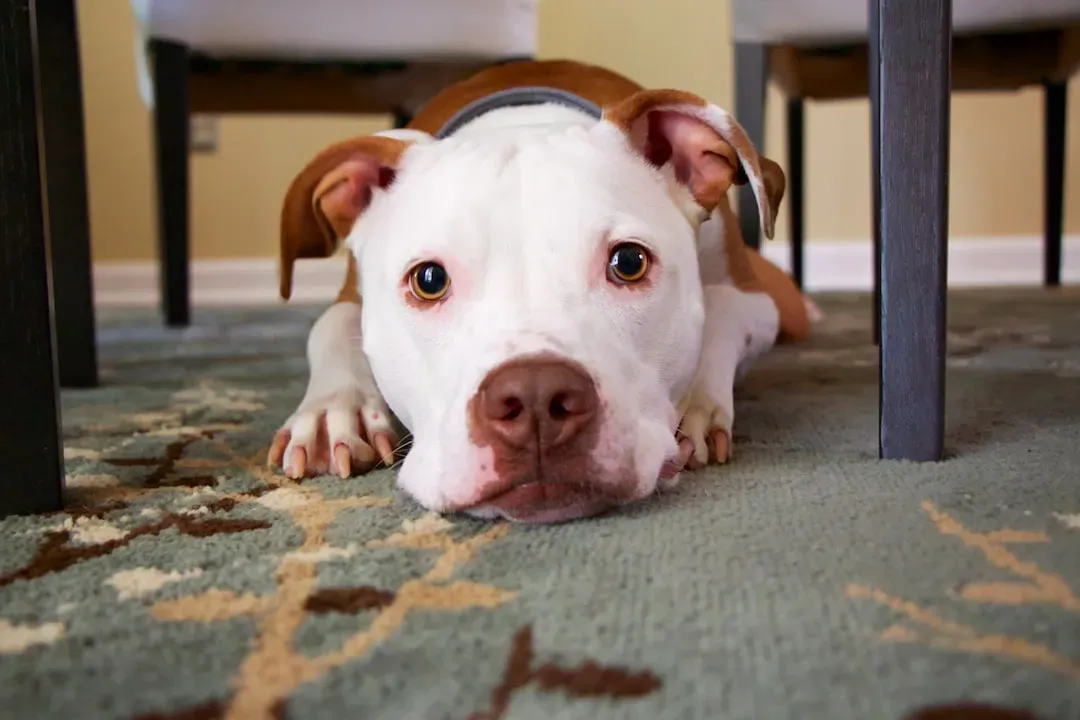
Disorientation isn’t just a quirky senior moment; it can be a sign that your dog’s cognitive functions are declining. They might get lost in familiar places, stare blankly at walls, or seem unsure about their surroundings.
Maintaining a consistent environment and routine can help reduce their confusion. Avoid rearranging furniture or introducing new elements that might add to their disorientation.
6. Changes in Breathing Patterns
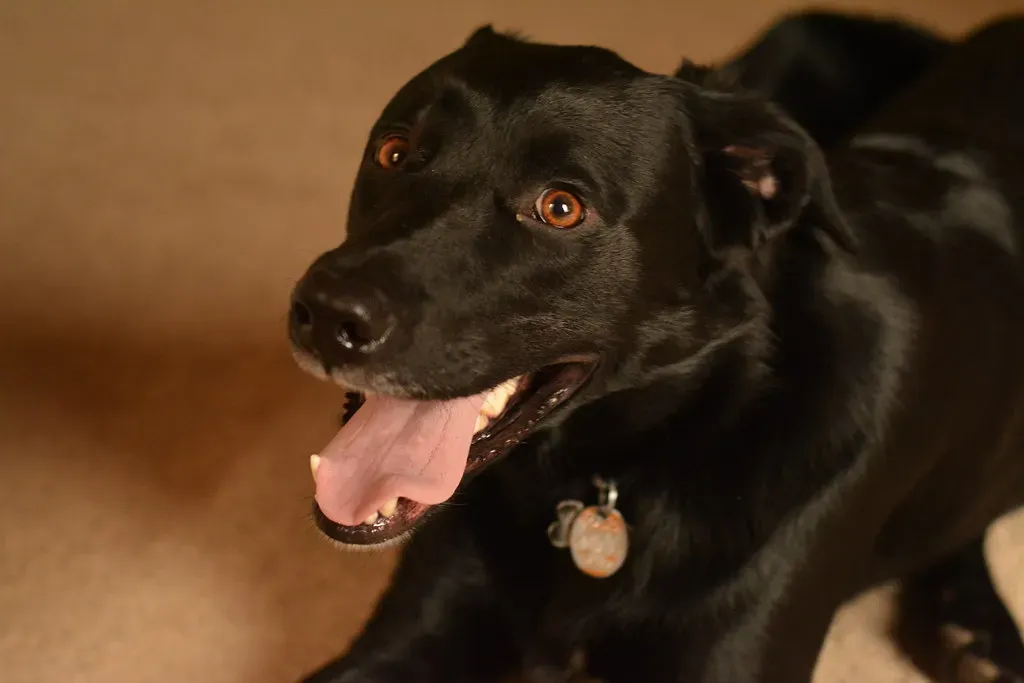
Labored breathing, irregular panting, or extended pauses between breaths are not typical signs of aging. These changes can indicate that your dog’s body is struggling to maintain normal functions as they approach the end of life.
Ensuring they have a calm and comfortable resting place, free from stressors, can help ease their breathing. If you notice significant distress, consult your veterinarian for guidance on palliative care options.
7. Loss of Bladder or Bowel Control
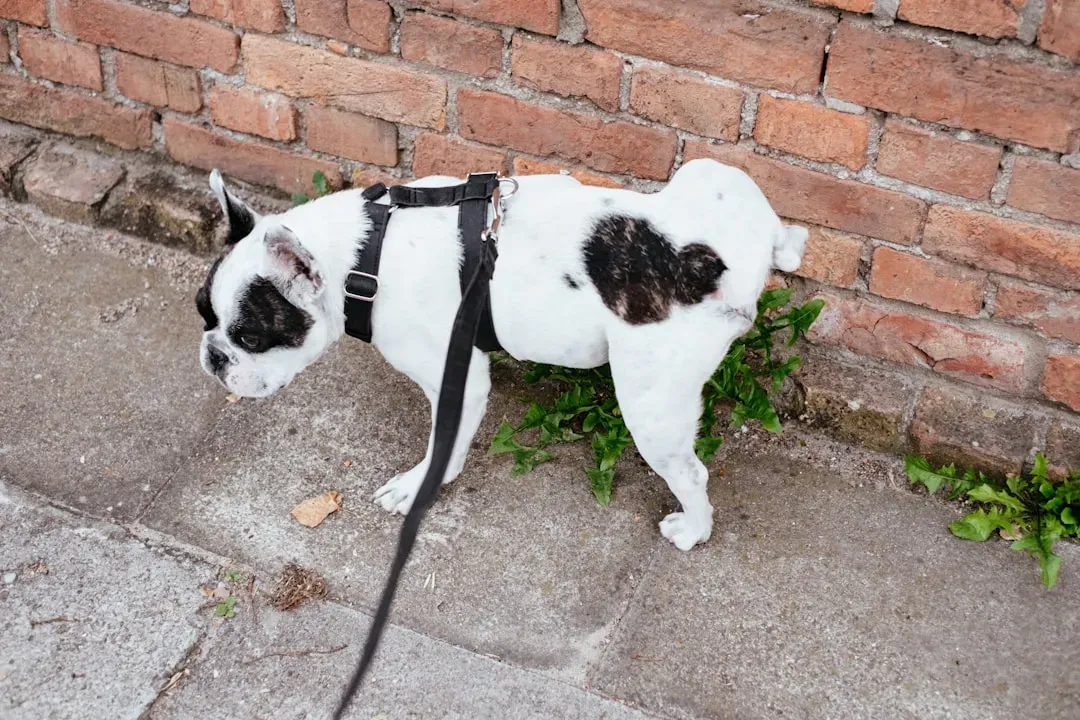
Incontinence can be mistaken for a minor inconvenience of old age, but sudden loss of bladder or bowel control can indicate that your dog’s body is shutting down. They might have accidents indoors or seem unaware of their need to relieve themselves.
Using absorbent pads and keeping their resting area clean can help manage this symptom. It’s also essential to approach these incidents with patience and understanding, recognizing that they are beyond your dog’s control.
Conclusion