
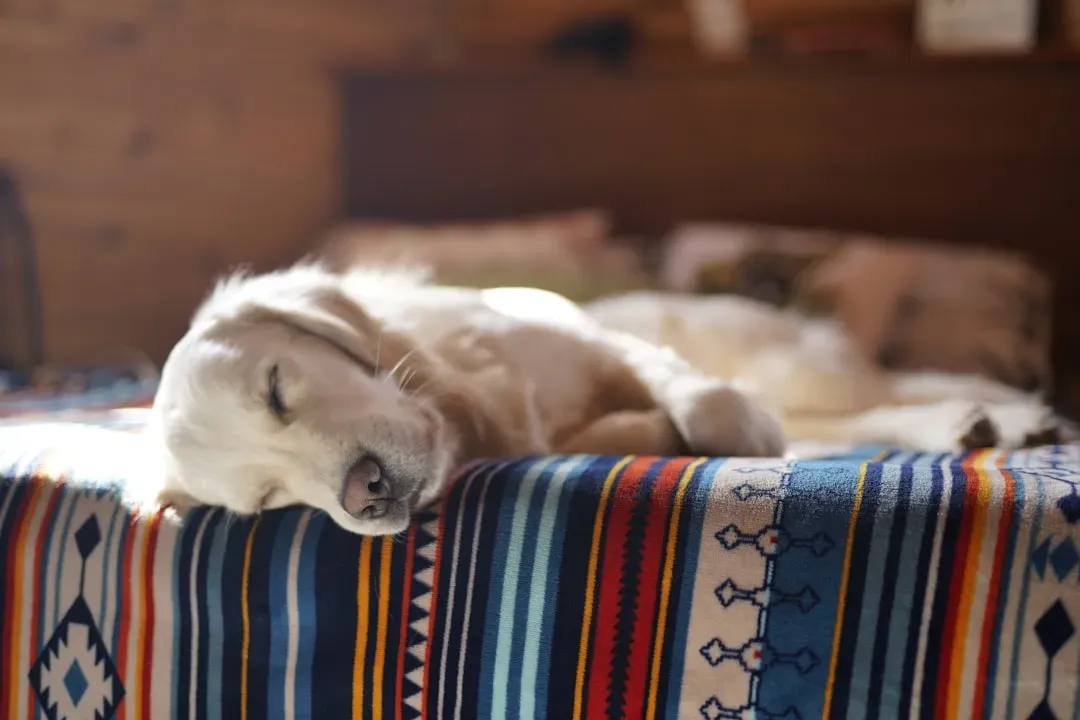
Imagine this: your dog, who usually curls up in their favorite spot, suddenly starts sleeping by the doorway. It might seem like a quirky change, but experts suggest there’s more to it. This behavior could indicate that your canine companion is sensing a threat imperceptible to you.
Instinctual Guardianship: A Legacy from Ancestral Wolves
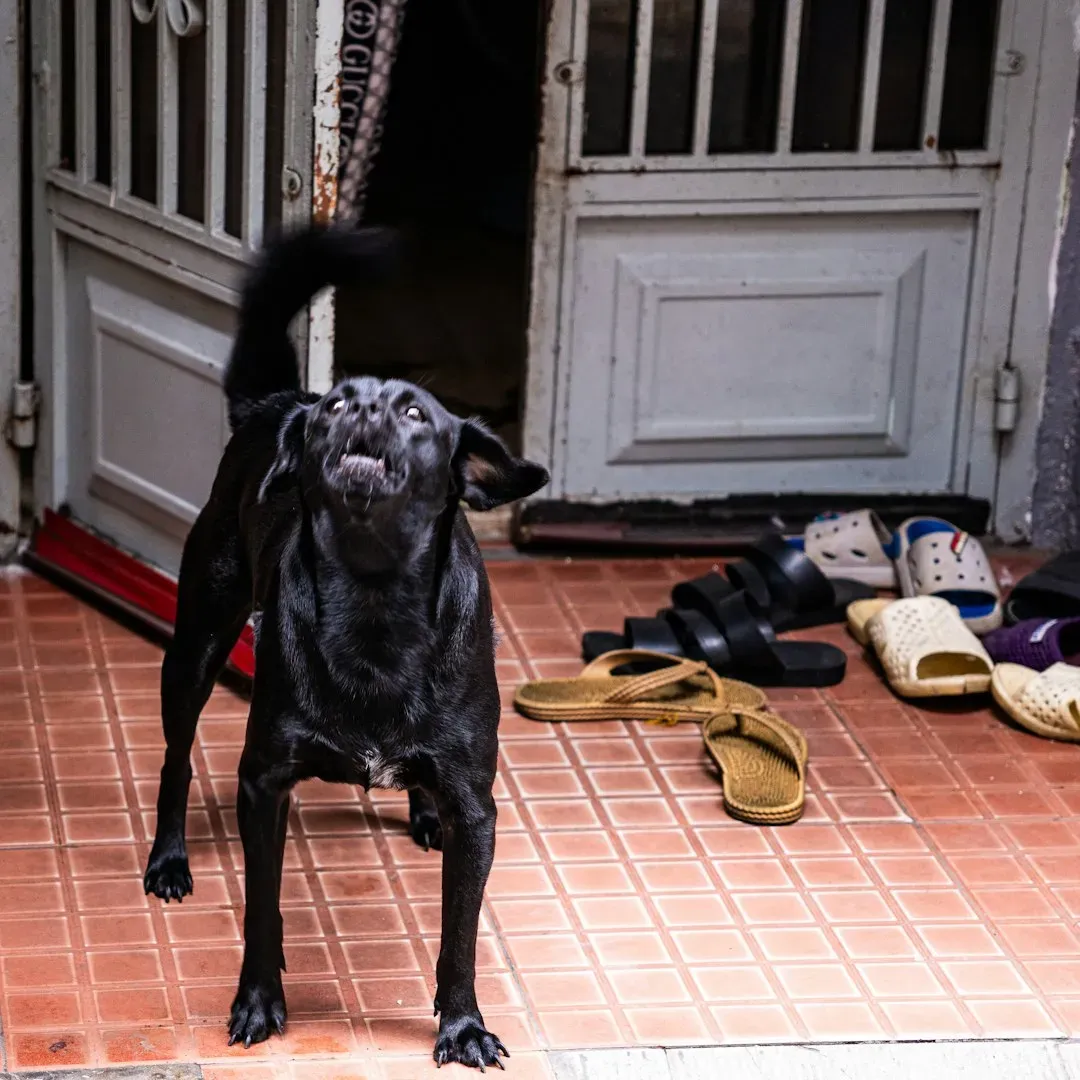
Dogs have inherited a strong protective instinct from their wolf ancestors. In the wild, wolves would position themselves at den entrances to monitor for potential dangers. Similarly, when your dog chooses to sleep by the door, they might be acting as a sentinel, keeping watch over their territory and loved ones.
This behavior isn’t just about guarding; it’s also about being prepared. By staying near entry points, dogs can quickly respond to any unusual activity, ensuring the safety of their pack – you.
Heightened Senses: Detecting What Humans Cannot
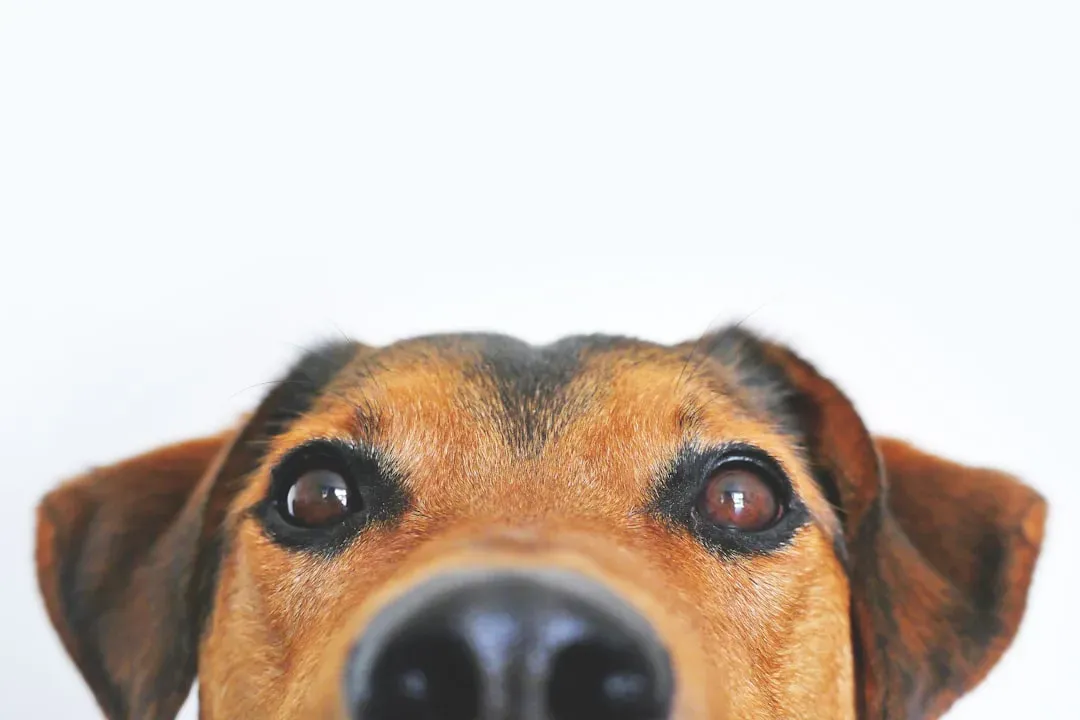
Dogs possess extraordinary senses that allow them to perceive threats beyond human capabilities. Their sense of smell is estimated to be tens of thousands of times more sensitive than ours, enabling them to detect subtle changes in the environment. Additionally, dogs can hear frequencies and sounds that are inaudible to humans, such as the high-pitched squeaks of rodents or distant footsteps.
These heightened senses mean that your dog might be aware of potential dangers – like an approaching stranger or a gas leak – long before you notice anything amiss. Their decision to sleep by the door could be a proactive measure to guard against these unseen threats.
Emotional Bond: Protecting Their Human Family
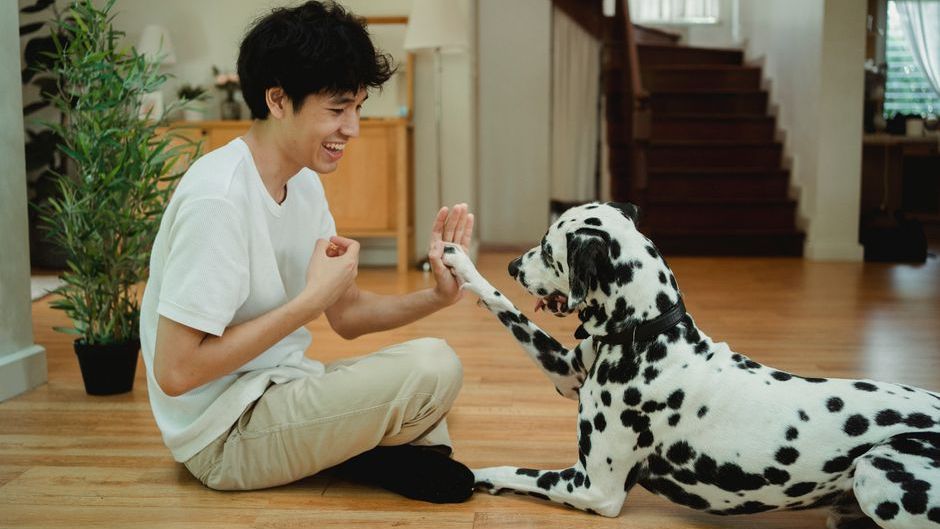
The bond between dogs and their human families is profound. Dogs often view their owners as part of their pack and feel a deep-seated responsibility to protect them. This protective behavior can manifest in various ways, including choosing strategic resting spots that offer a vantage point to monitor the household.
By sleeping near the doorway, your dog positions themselves to intercept any potential intruders or dangers, acting as a first line of defense for their beloved family members.
Environmental Factors: Responding to Subtle Changes
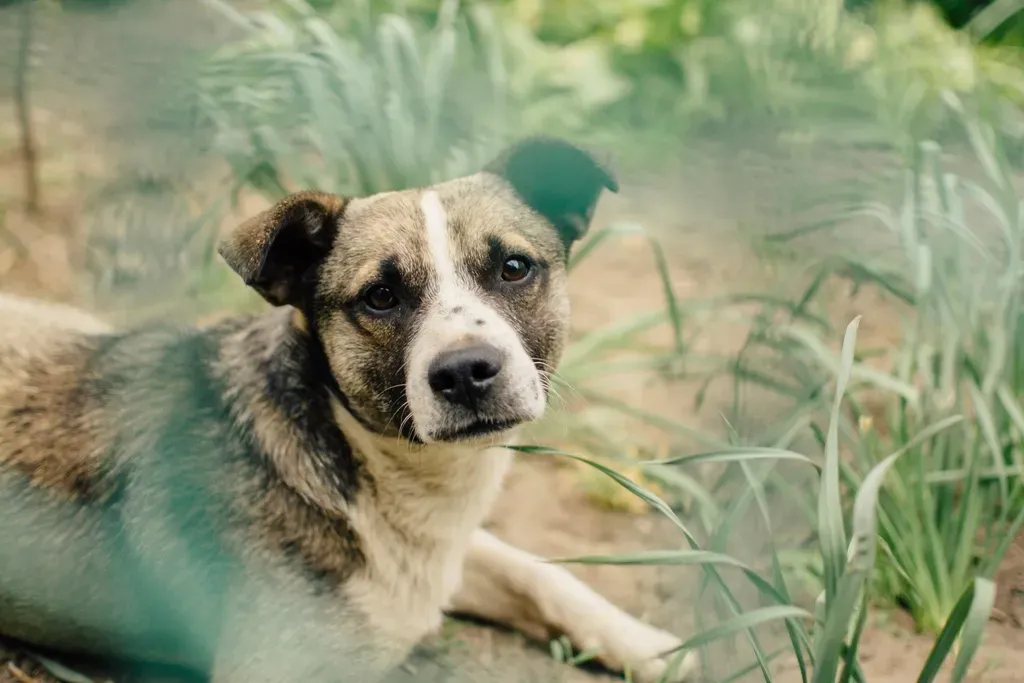
Sometimes, a dog’s choice to sleep by the door is influenced by environmental factors. Changes in the household, such as new visitors, unfamiliar scents, or even shifts in routine, can prompt a dog to become more vigilant. Their behavior may be a response to these subtle changes, ensuring they are ready to react if necessary.
It’s essential to observe if there have been any recent changes in your environment that might be triggering this behavior. Understanding the context can help you address any underlying issues and provide reassurance to your canine companion.
Health Considerations: Ruling Out Medical Causes
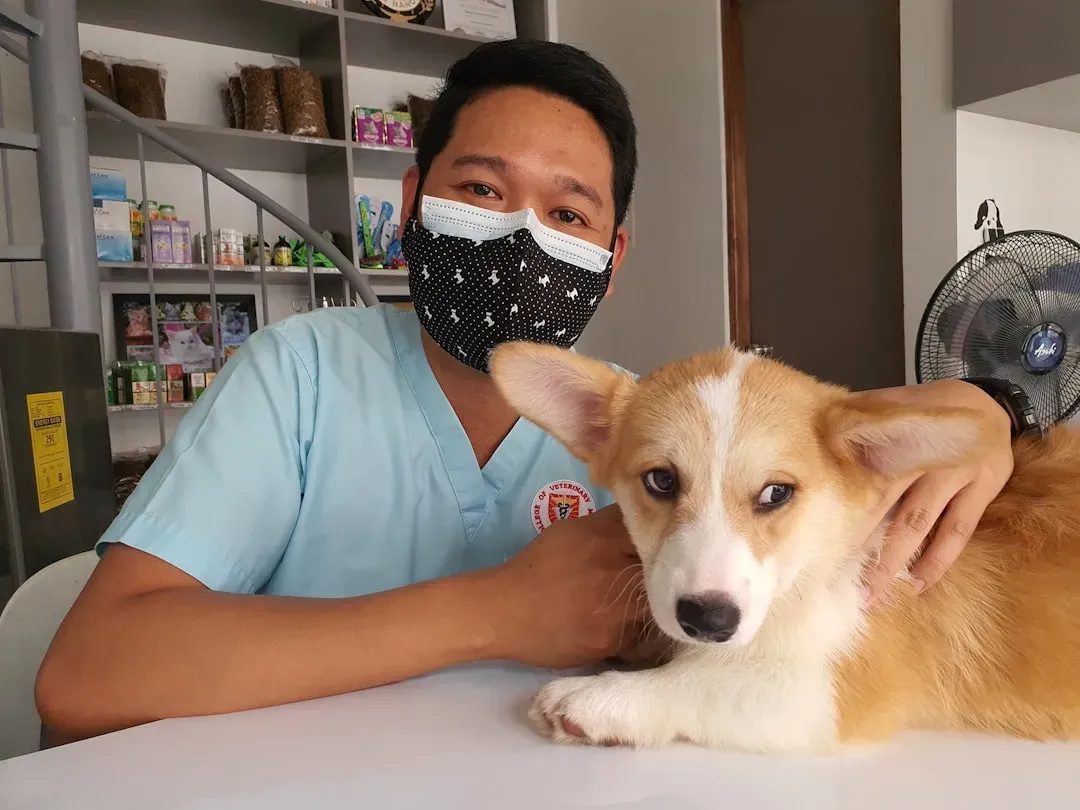
While behavioral factors are often at play, it’s crucial to consider that sudden changes in sleeping habits could also be indicative of health issues. Conditions such as anxiety, discomfort, or cognitive decline can lead a dog to seek new resting spots.
If your dog’s behavior persists or is accompanied by other concerning signs, consulting with a veterinarian is advisable to rule out any medical causes and ensure your pet’s well-being.
Training and Reassurance: Addressing the Behavior
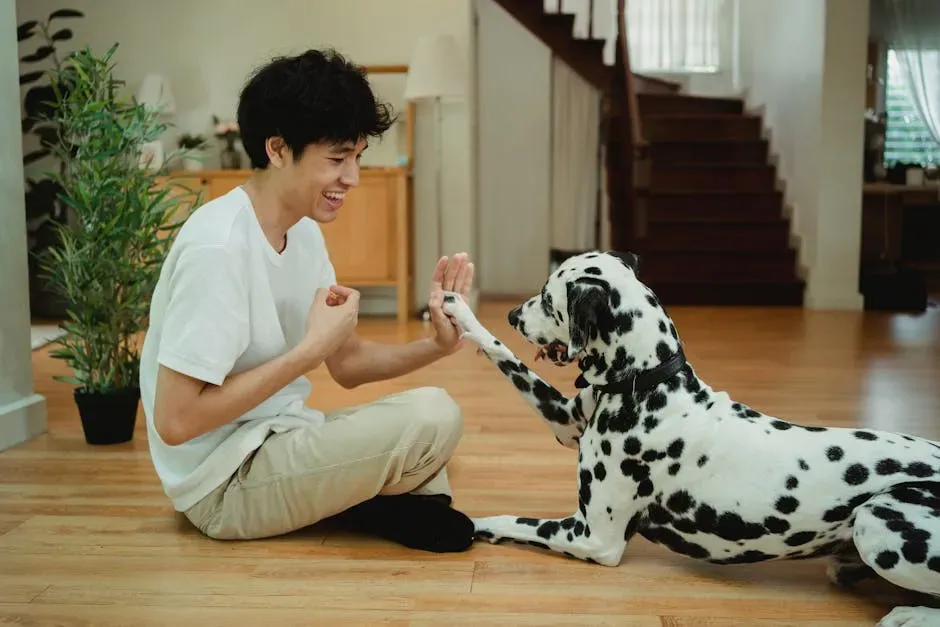
If your dog’s new sleeping spot becomes problematic – perhaps they’re blocking pathways or exhibiting signs of stress – it’s important to address the behavior thoughtfully. Positive reinforcement training can help redirect them to a more appropriate resting area without causing distress.
Providing a comfortable and secure space elsewhere in the home, coupled with reassurance and routine, can help alleviate any anxiety your dog might be experiencing, reinforcing their sense of safety.
Conclusion: Trusting Your Dog’s Instincts
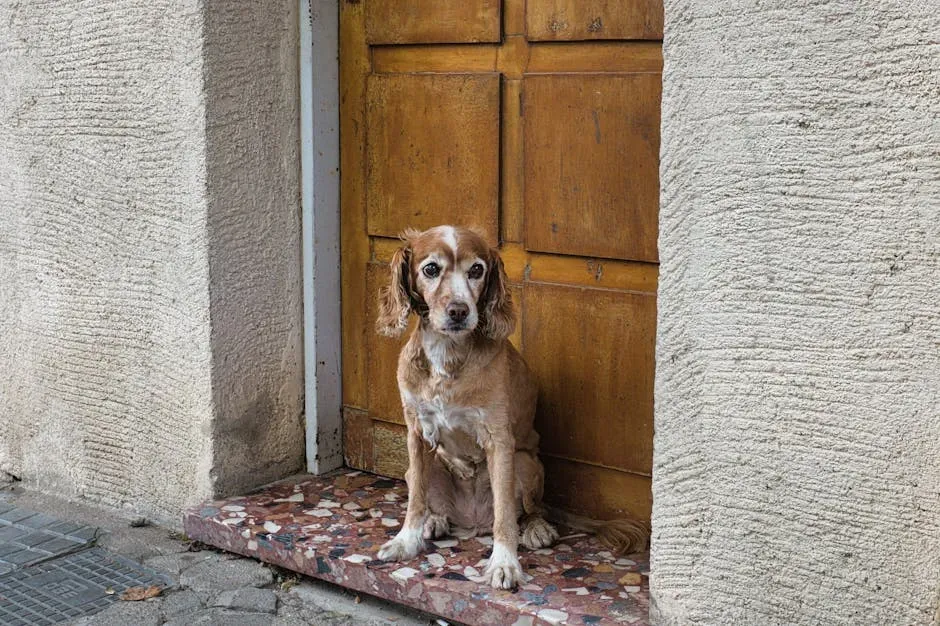
When your dog suddenly starts sleeping by the doorway, it’s not just a random choice. This behavior is deeply rooted in their instincts and heightened senses, serving as a protective measure for their human family. By understanding and respecting these actions, we can strengthen the bond with our canine companions and appreciate the unique ways they express their devotion and vigilance.
So, the next time you notice your dog by the door, consider what unseen elements they might be guarding you against. Could they be sensing something you’re not?


