
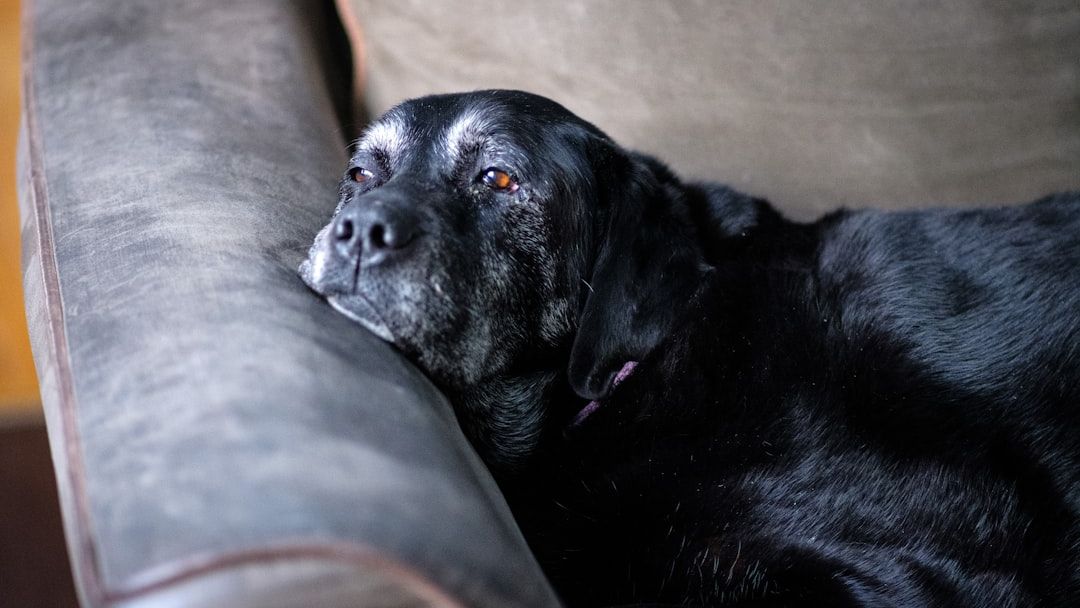
It’s a heart-wrenching reality that our beloved canine companions have shorter lifespans than we do. As they age, they may exhibit subtle or overt signs indicating they’re nearing the end of their journey. Recognizing these signs can help you provide the comfort and care they need during this tender time.
1. Loss of Appetite and Thirst
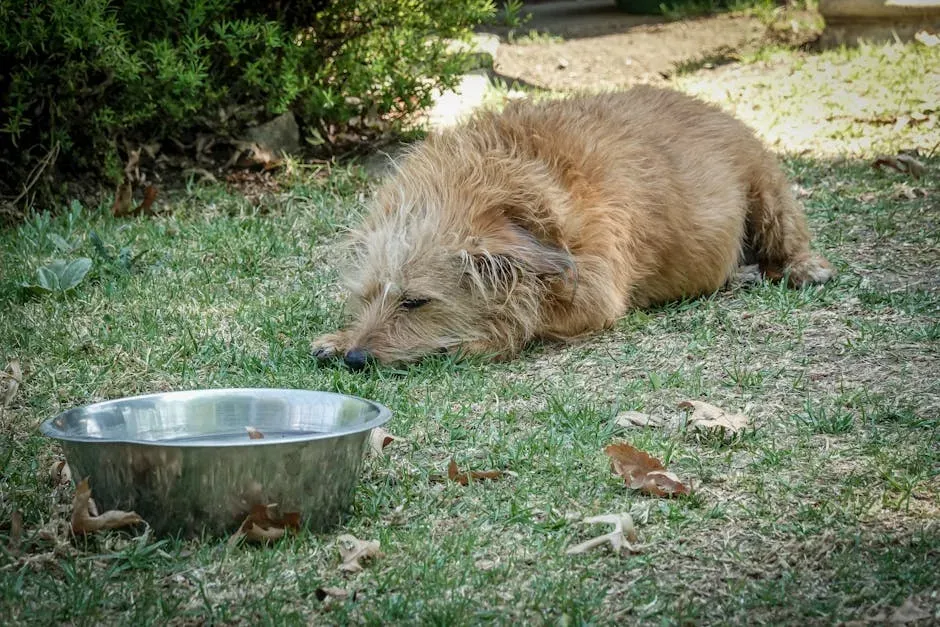
One of the earliest indicators that a senior dog is preparing to depart is a noticeable decline in appetite and water intake. They might turn away from their favorite meals or treats, and their water bowl may remain untouched. This change often stems from a slowing metabolism and diminished organ function, making the act of eating and drinking less appealing or even uncomfortable.
As their body prepares for the end, the digestive system becomes less efficient, leading to nausea or discomfort after eating. It’s essential to monitor these changes closely, as prolonged refusal to eat or drink can lead to dehydration and further weakness, exacerbating their decline.
2. Significant Weight Loss

Accompanying the loss of appetite is often a noticeable reduction in body weight. Muscle mass diminishes, and fat reserves deplete, giving your dog a frail appearance. This weight loss isn’t merely a result of eating less; it’s also due to the body’s decreased ability to process nutrients effectively.
Even if your dog consumes small amounts of food, their body might not absorb the necessary nutrients, leading to continued weight loss. This physical transformation can be distressing to witness, but it’s a natural part of the aging process as the body prepares to shut down.
3. Decreased Mobility and Coordination
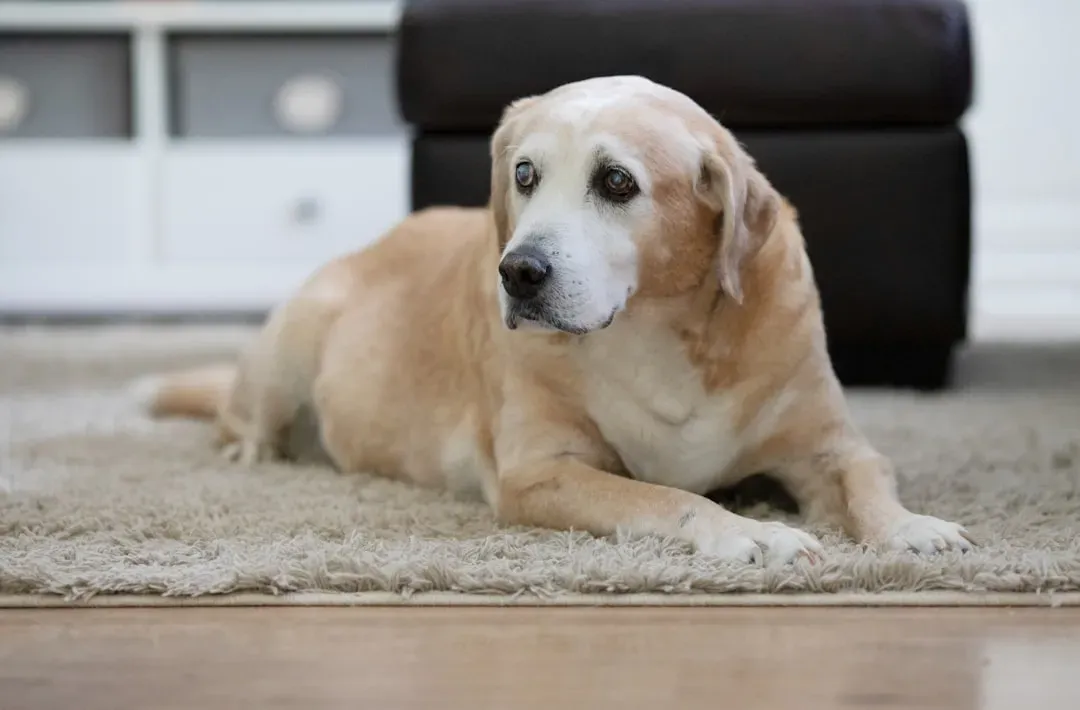
As dogs age, arthritis and muscle weakness can impede their ability to move comfortably. You might notice your senior dog struggling to stand, climb stairs, or even walk short distances. Their once graceful movements may become wobbly or unsteady.
This decline in mobility often leads to increased periods of rest and a reluctance to engage in activities they once enjoyed. It’s crucial to provide supportive bedding and minimize the need for movement to ensure their comfort during this stage.
4. Increased Fatigue and Lethargy
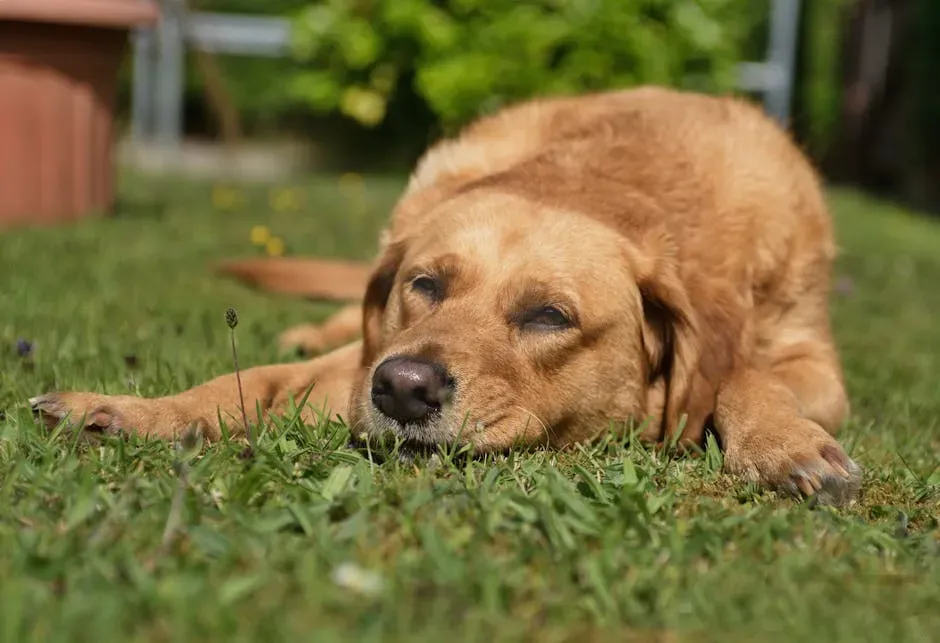
Senior dogs nearing the end of their lives often exhibit profound lethargy. They may sleep more than usual, showing little interest in their surroundings or interactions. Activities that once excited them, like greeting you at the door or playing fetch, may no longer elicit a response.
This increased fatigue is the body’s way of conserving energy as it focuses on essential functions. It’s important to respect their need for rest and avoid forcing them into activities they’re no longer interested in.
5. Changes in Breathing Patterns
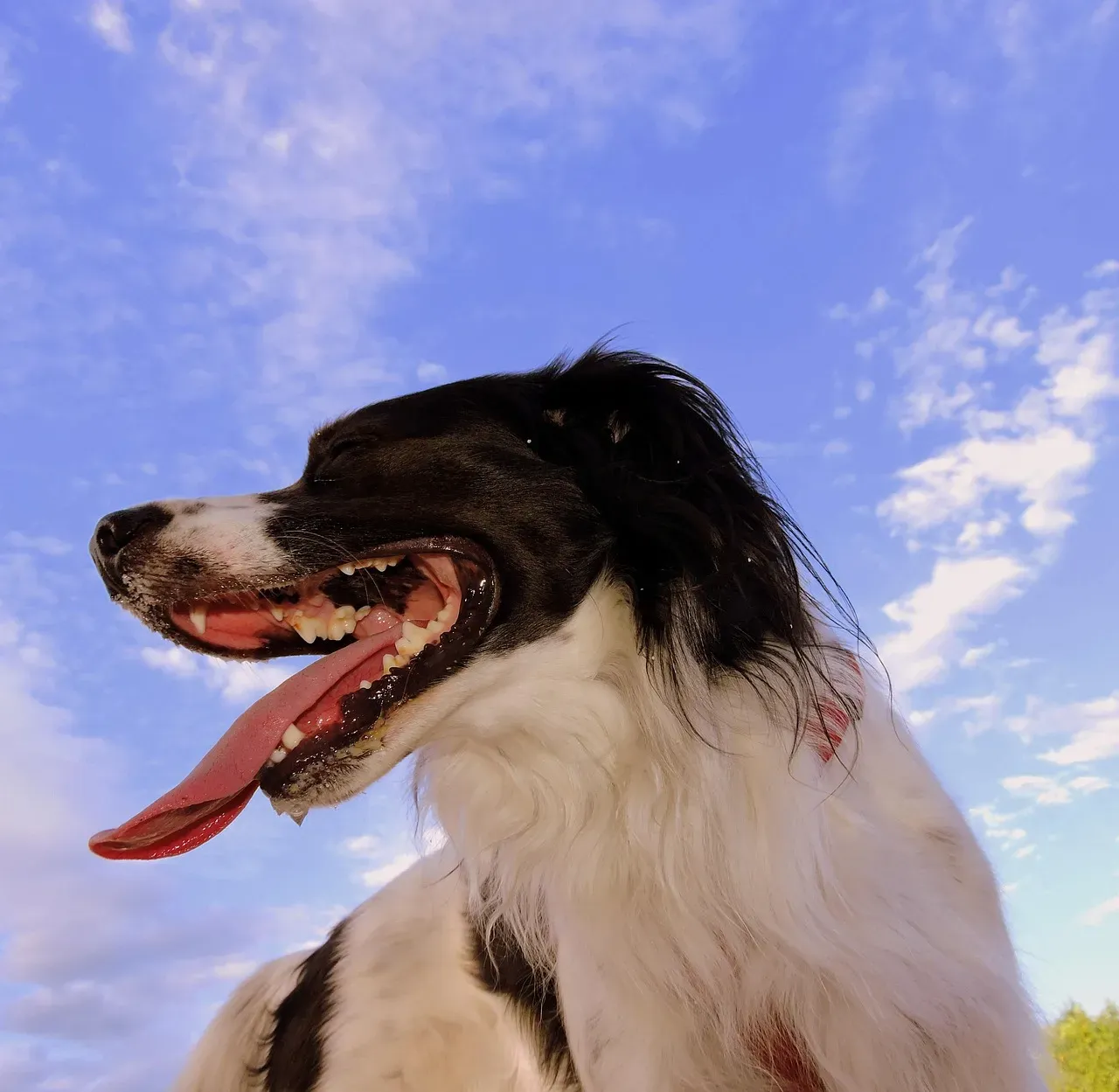
Altered breathing is a common sign in dogs approaching the end of life. You might observe shallow, labored, or irregular breaths. Some dogs may pant excessively, even when at rest, or experience periods where breathing seems to pause momentarily.
These changes can result from decreased lung function or fluid accumulation in the lungs. Monitoring their breathing and consulting with a veterinarian can help manage any discomfort associated with these respiratory changes.
6. Loss of Bladder and Bowel Control
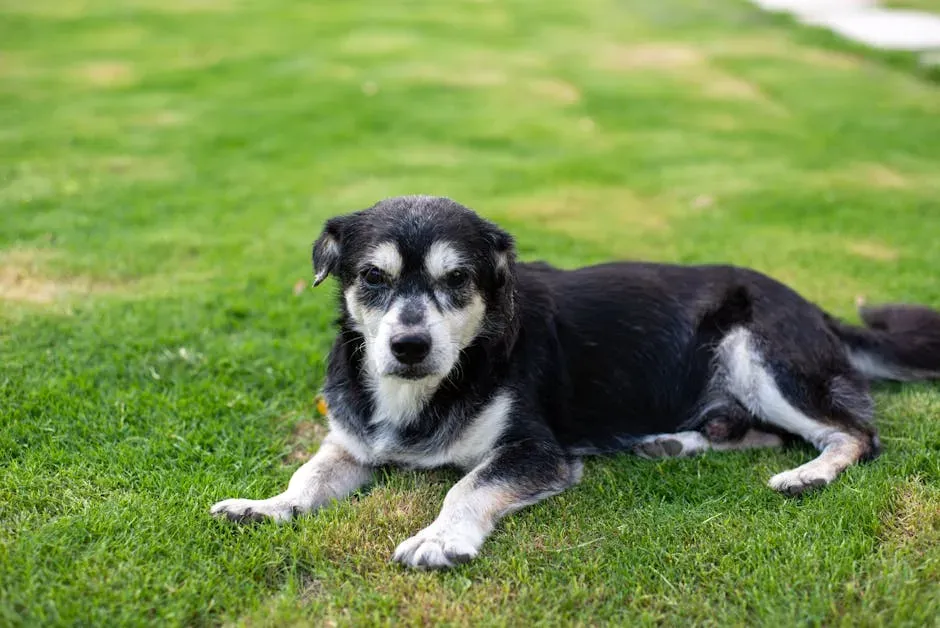
Incontinence is a frequent occurrence in senior dogs nearing the end. They may have accidents indoors or be unable to control their bladder and bowel movements. This loss of control isn’t a behavioral issue but rather a result of weakened muscles and diminished nerve function.
Maintaining cleanliness and providing absorbent bedding can help keep your dog comfortable. It’s essential to approach these incidents with patience and understanding, recognizing them as part of the natural aging process.
7. Withdrawal from Social Interaction
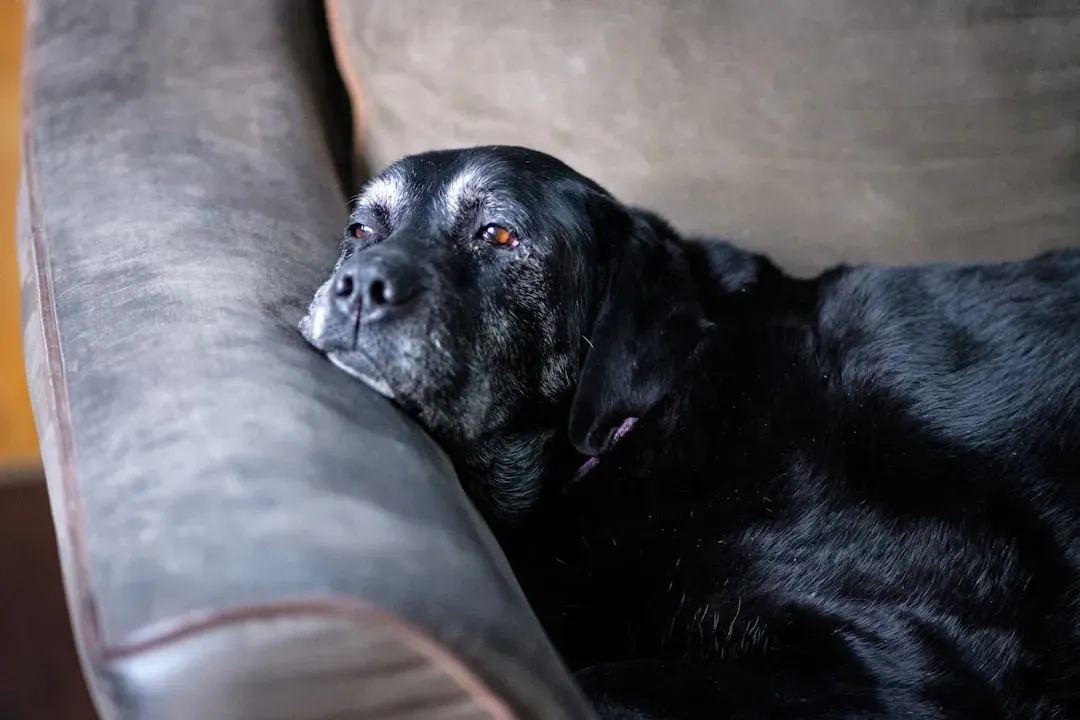
Dogs are social creatures, but as they near the end of their lives, they may seek solitude. Your once affectionate companion might prefer to rest in quiet, secluded areas, avoiding interaction with family members or other pets.
This withdrawal can be a coping mechanism as they deal with discomfort or confusion. Respecting their need for space while offering gentle companionship can provide them with the comfort they need during this time.
8. Behavioral Changes and Confusion
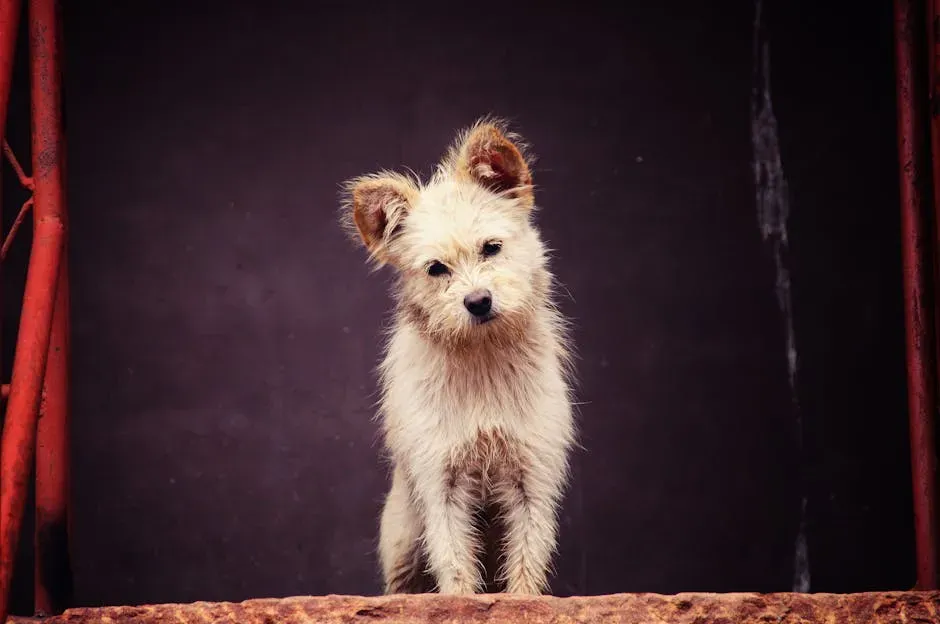
Cognitive decline is common in aging dogs. You might notice signs of disorientation, such as staring blankly at walls, getting stuck in corners, or forgetting familiar routines. They may also exhibit increased irritability or anxiety without apparent cause.
These behavioral changes can be challenging to manage, but maintaining a consistent routine and providing a calm environment can help reduce their anxiety and confusion.
9. Dull Eyes and Poor Coat Condition

Physical appearance can also indicate a dog’s declining health. Their eyes may lose their sparkle, appearing dull or cloudy. The coat might become dry, brittle, or develop bald patches due to decreased grooming behavior.
These changes reflect the body’s reduced ability to maintain normal functions. Gentle grooming and ensuring they remain clean can help keep them comfortable and prevent skin issues.
Recognizing these signs is a profound act of love and compassion. It allows you to make informed decisions about your senior dog’s care, ensuring their final days are filled with comfort and dignity. While the thought of saying goodbye is heart-wrenching, understanding and accepting these signs can help you provide the best possible support during this tender time.
Have you noticed any of these signs in your senior dog? How have you adapted to meet their changing needs?


