
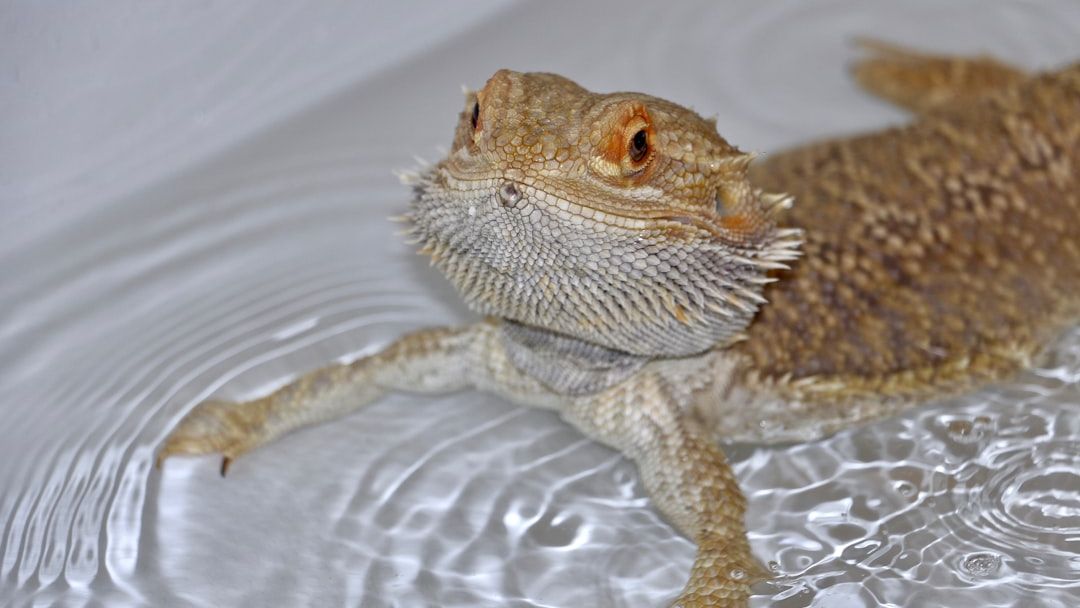
Ever noticed your scaly friend looking a bit under the weather? Dehydration might be the culprit. Ensuring your reptile stays hydrated isn’t just about filling a water dish; it’s about understanding their unique needs and behaviors. Let’s dive into eight effective strategies to keep your reptile both hydrated and happy.
Provide a Shallow Water Dish
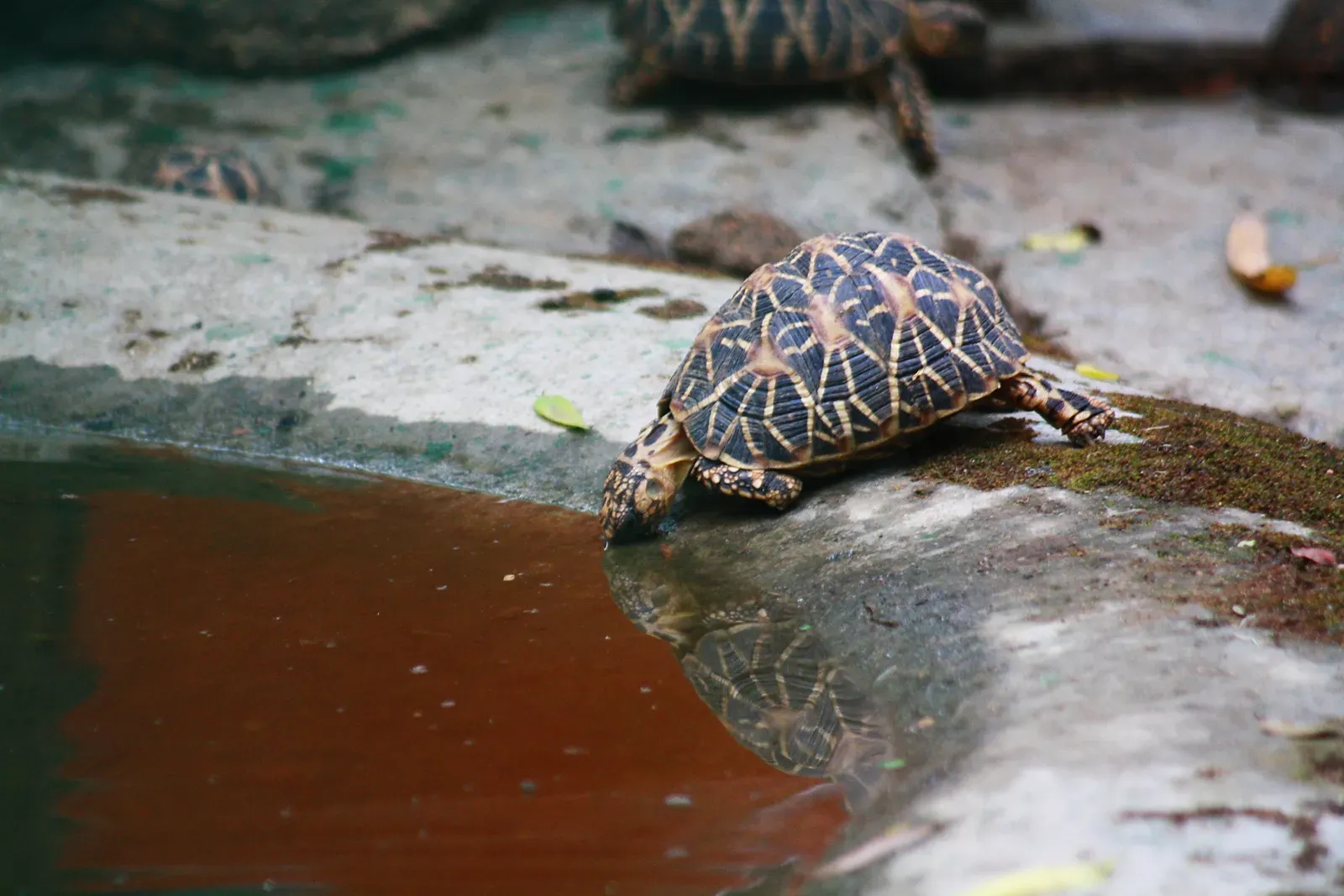
A simple yet essential step is offering a shallow water dish in your reptile’s enclosure. This allows them to drink at their leisure and, for some species, even take a refreshing soak. Ensure the dish is cleaned and refilled daily to prevent bacterial growth. For species like snakes and tortoises, the dish should be large enough for them to bathe, aiding in hydration and shedding. ([rspca.org.uk](https://www.rspca.org.uk/adviceandwelfare/pets/other/water?utm_source=openai))
Mist the Enclosure Regularly
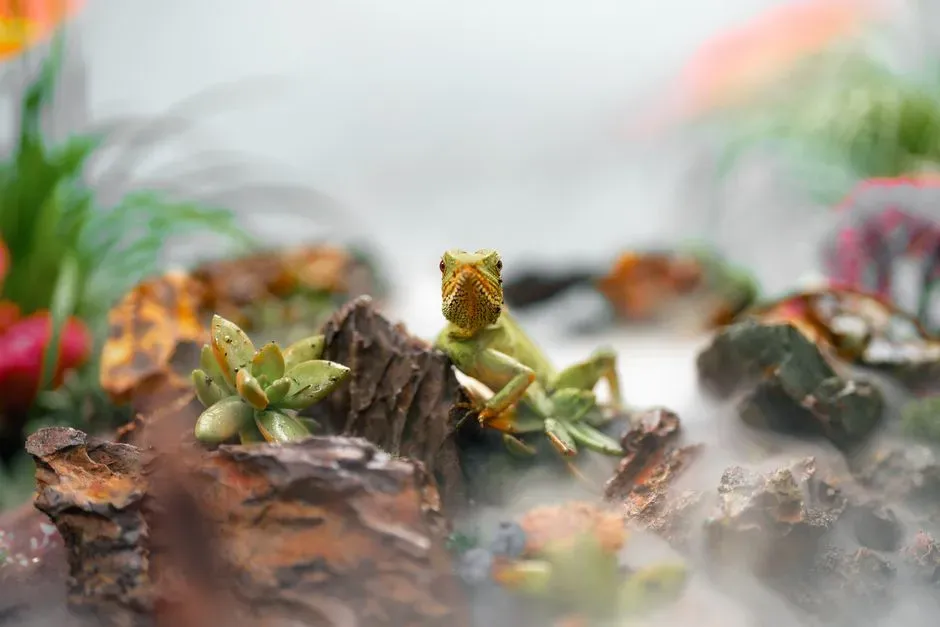
Many reptiles, especially those from humid environments, benefit from regular misting. Spraying the enclosure with water increases humidity and provides droplets for reptiles to drink. This is particularly crucial for species like chameleons, which often prefer drinking from water droplets on leaves rather than standing water. ([rspca.org.uk](https://www.rspca.org.uk/adviceandwelfare/pets/other/water?utm_source=openai))
Offer Water-Rich Foods
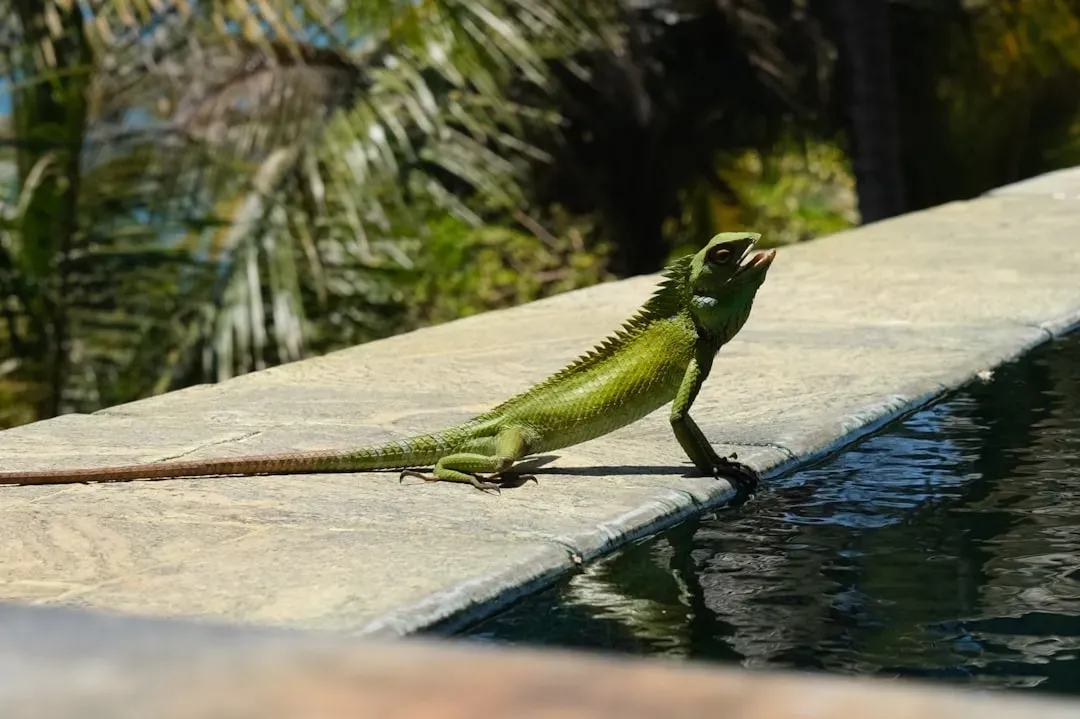
Incorporating water-rich foods into your reptile’s diet can significantly boost their hydration. For herbivorous reptiles, fresh vegetables and fruits like cucumbers, melons, and leafy greens are excellent choices. Insectivorous reptiles can benefit from gut-loaded insects that have been fed moisture-rich foods. This method not only hydrates but also provides essential nutrients.
Provide a Humid Hide
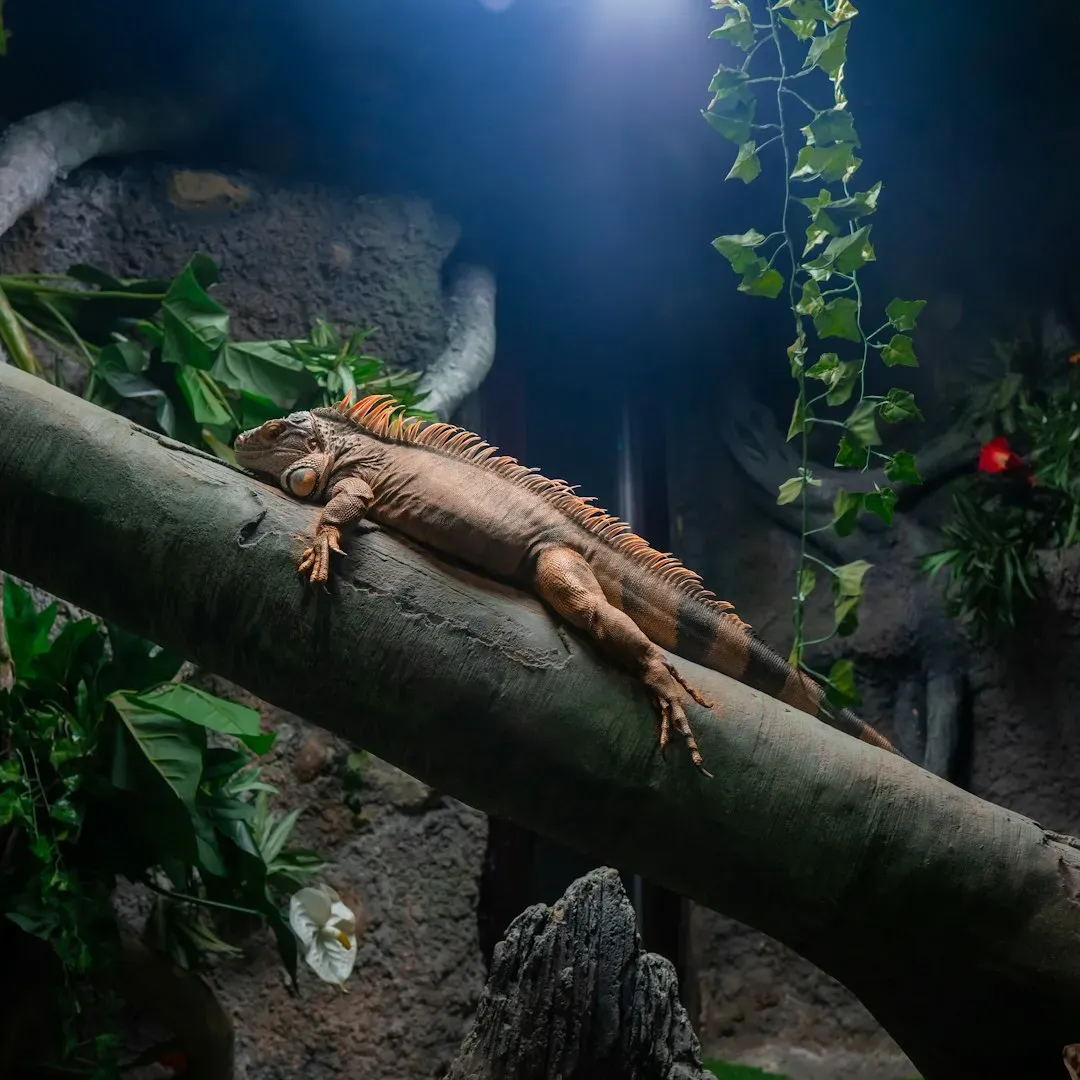
A humid hide is a secluded, moisture-rich area within the enclosure that reptiles can retreat to. This is especially beneficial during shedding periods, as it aids in loosening old skin. To create one, place damp sphagnum moss or paper towels inside a hide box. Ensure it’s checked and moistened regularly to maintain the desired humidity levels.
Monitor and Maintain Proper Humidity Levels
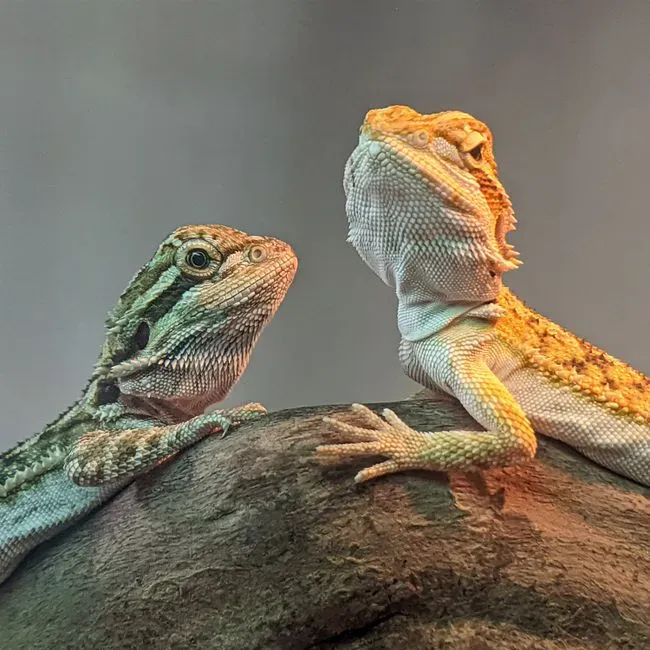
Different reptile species have varying humidity requirements. Using a hygrometer, regularly monitor the enclosure’s humidity to ensure it aligns with your reptile’s needs. For instance, tropical species may require higher humidity, while desert dwellers need lower levels. Adjust misting frequency and ventilation accordingly to maintain optimal conditions.
Encourage Drinking Through Dripping Systems
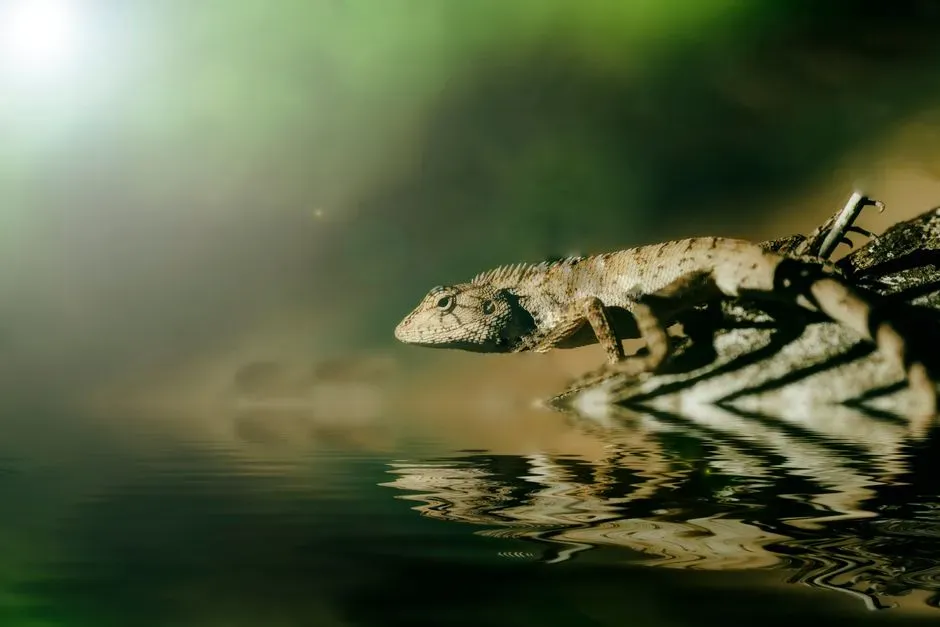
Some reptiles are more inclined to drink from moving water sources. Installing a drip system that allows water to trickle onto leaves or into a dish can entice them to drink. This method is particularly effective for species like chameleons, which often ignore standing water but will drink from droplets on surfaces. ([rspca.org.uk](https://www.rspca.org.uk/adviceandwelfare/pets/other/water?utm_source=openai))
Regular Soaking Sessions
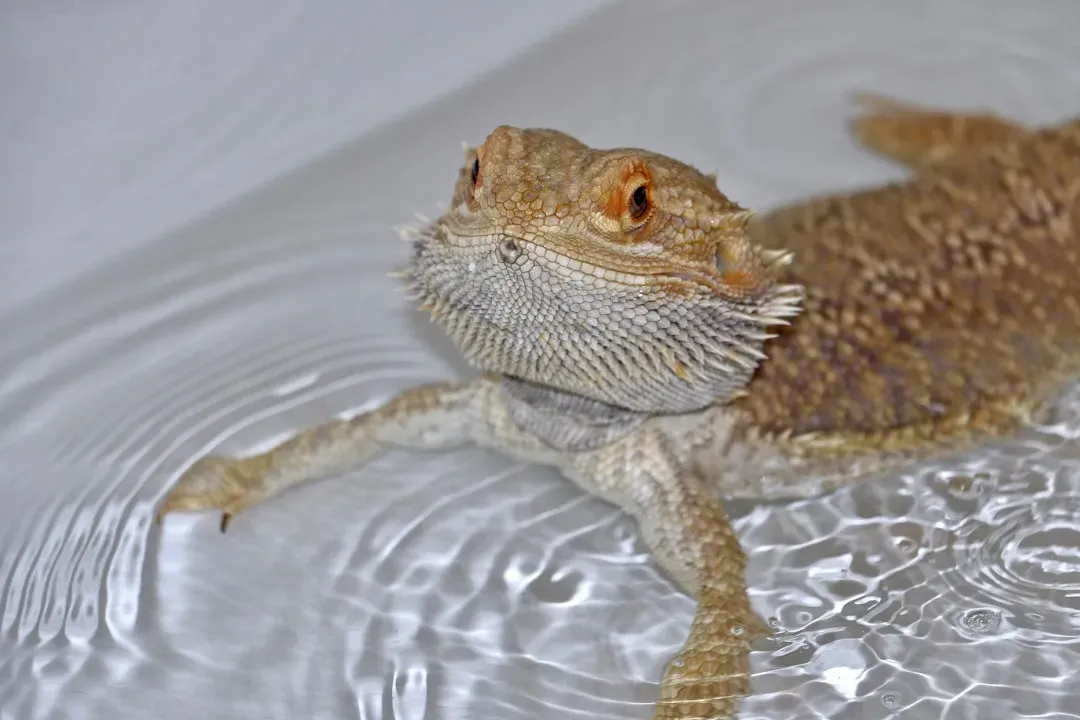
Periodic soaking can be beneficial, especially for species prone to dehydration or those experiencing shedding difficulties. Place your reptile in a shallow container with lukewarm water for about 10-15 minutes. Always supervise these sessions to ensure safety and prevent drowning. This practice not only hydrates but also promotes healthy skin and shedding.
Recognize and Address Dehydration Signs
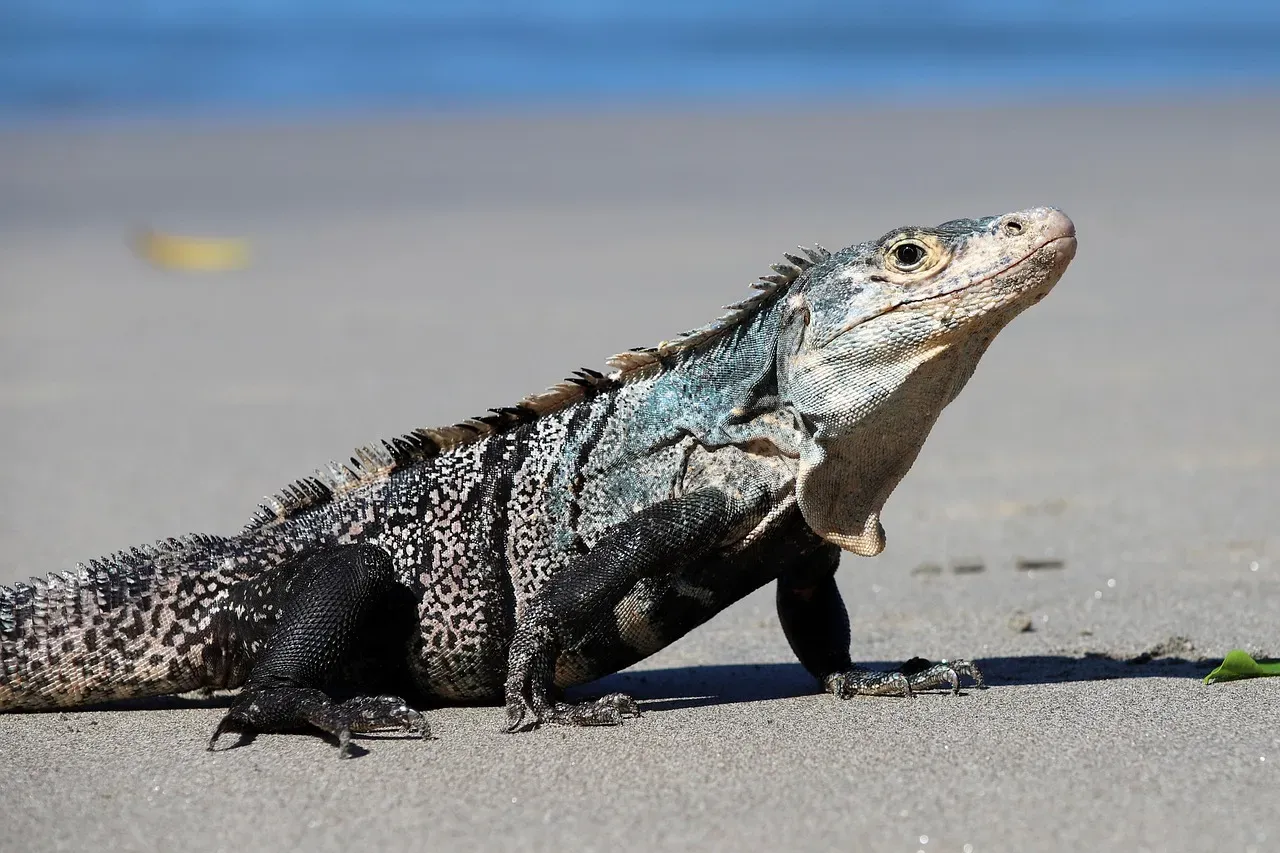
Being vigilant about your reptile’s health is crucial. Signs of dehydration include sunken eyes, wrinkled skin, lethargy, and decreased appetite. If you notice any of these symptoms, it’s essential to take immediate action by increasing hydration efforts and consulting a veterinarian if necessary. Early detection and intervention can prevent more severe health issues.
Ensuring your reptile remains hydrated is a multifaceted approach that goes beyond just providing water. By understanding their specific needs and behaviors, you can create an environment that promotes both hydration and overall well-being. Remember, a hydrated reptile is a happy reptile. Are you ready to implement these strategies and see the difference in your scaly companion’s health?


