
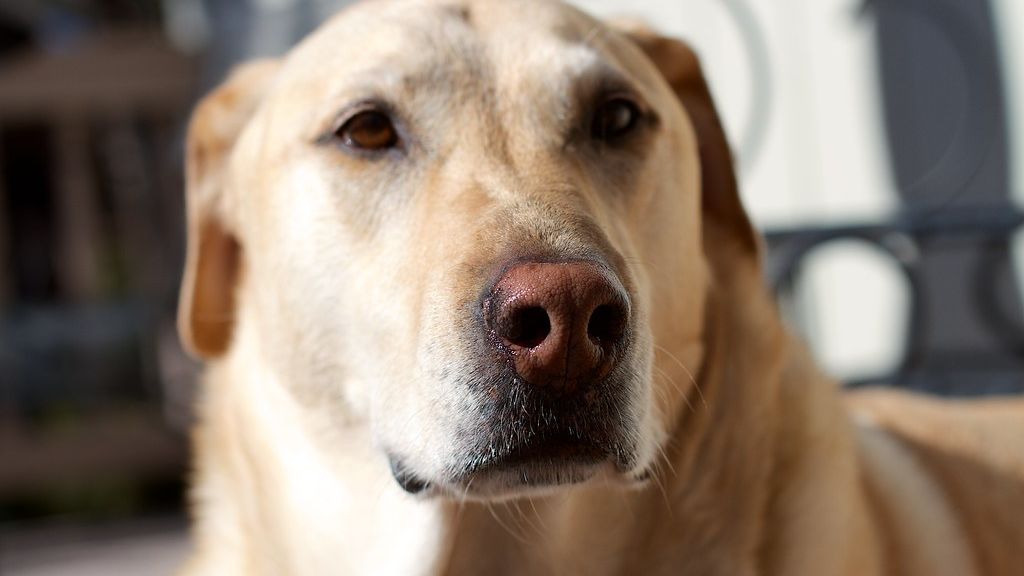
Ever noticed your dog acting a bit off when you’re having a tough day? It’s not just your imagination. Dogs are incredibly attuned to their owners’ emotions, often mirroring our stress in ways we might not immediately recognize. Understanding these subtle cues can deepen the bond with your furry friend and help both of you navigate stressful times more smoothly.
1. Increased Yawning
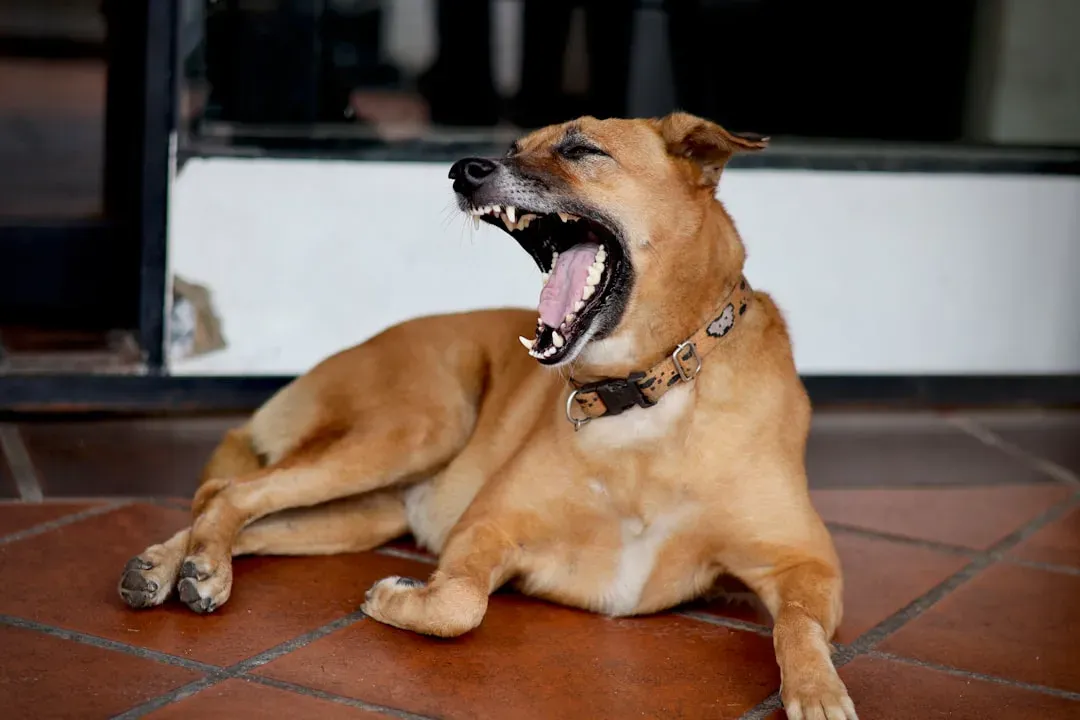
While yawning is a natural behavior indicating tiredness, frequent yawning in dogs can be a sign of stress. If your dog starts yawning excessively, especially during moments when you’re feeling anxious or overwhelmed, it might be their way of coping with the tension they’re sensing from you.
This behavior serves as a calming signal, a dog’s attempt to self-soothe in a stressful environment. Observing this can be a gentle reminder to check in with your own stress levels and find ways to relax, benefiting both you and your canine companion.
2. Lip Licking and Nose Licking
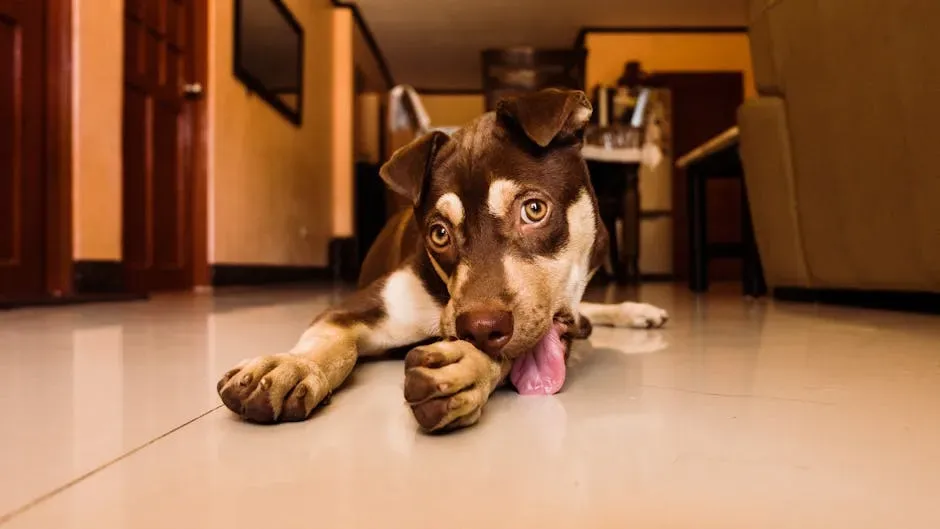
Dogs often lick their lips or noses when they’re feeling uneasy. If you notice your dog doing this more frequently, especially during times when you’re stressed, it’s likely they’re picking up on your emotional state and responding with their own signs of anxiety.
This subtle behavior is a dog’s way of communicating discomfort or uncertainty. Paying attention to these cues can help you address both your and your dog’s stress, fostering a more harmonious environment.
3. Pacing or Restlessness

Restlessness in dogs, such as pacing back and forth, can indicate they’re feeling unsettled. If your dog becomes more restless when you’re experiencing stress, it’s a sign they’re mirroring your anxiety and trying to find a way to cope.
Recognizing this behavior can prompt you to take a moment to calm yourself, which in turn can help soothe your dog. Engaging in a relaxing activity together, like a leisurely walk, can be beneficial for both of you.
4. Avoidance or Hiding
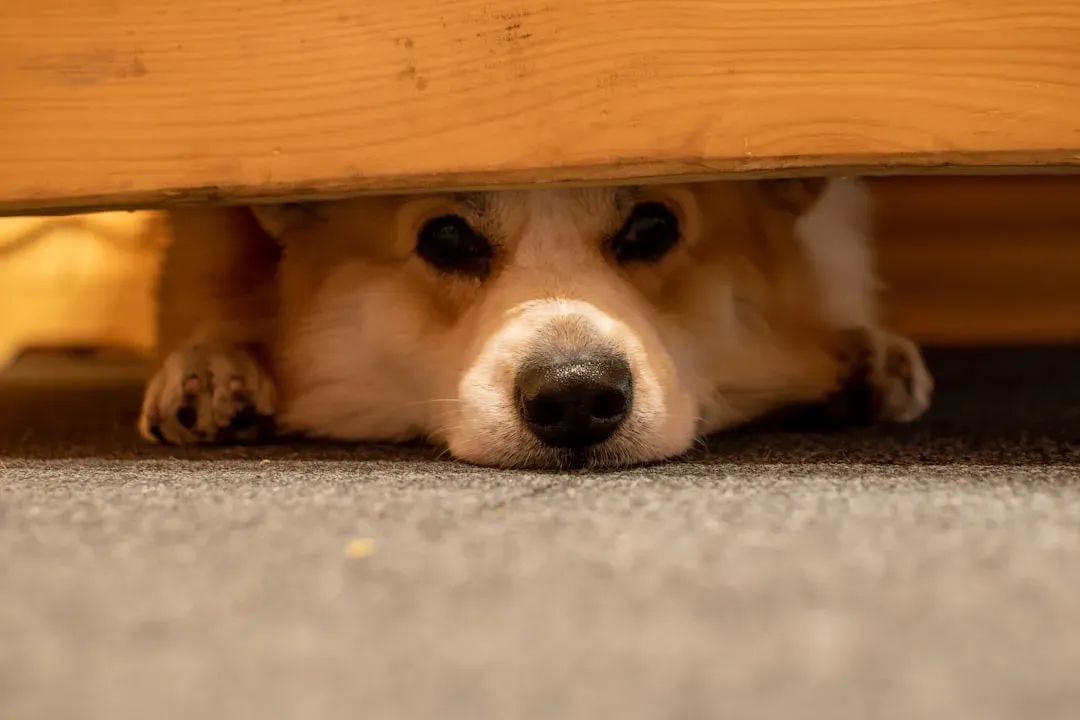
When dogs sense tension or stress in their environment, they might choose to withdraw, seeking solitude as a coping mechanism. If your dog starts hiding or avoiding interaction during your stressful periods, it’s a clear indication they’re affected by your mood.
Understanding this behavior can encourage you to create a calm and safe space for your dog, ensuring they feel secure even when you’re dealing with personal stress.
5. Excessive Shedding

Stress can cause dogs to shed more than usual. If you notice an uptick in your dog’s shedding during times of personal anxiety, it’s likely a physical manifestation of the stress they’re sensing from you.
Regular grooming and creating a peaceful environment can help manage this symptom. Additionally, addressing your own stress can have a positive impact on your dog’s well-being.
6. Changes in Appetite
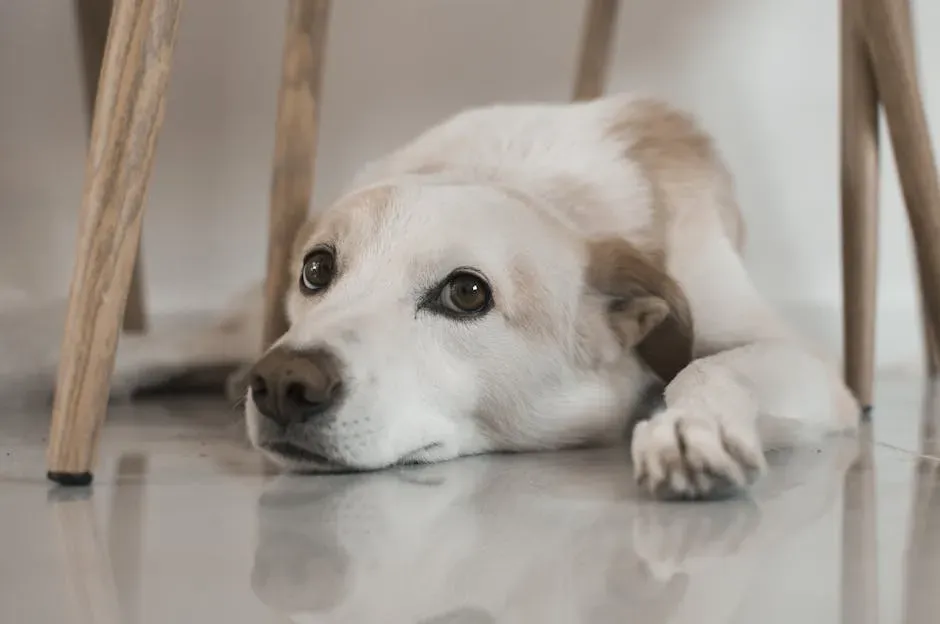
Just like humans, dogs can experience changes in appetite when stressed. If your dog suddenly loses interest in food or starts eating less during your stressful periods, it’s a sign they’re affected by your emotional state.
Monitoring their eating habits and ensuring they have a consistent routine can help. Also, finding ways to manage your own stress can positively influence your dog’s appetite and overall health.
7. Increased Vocalization
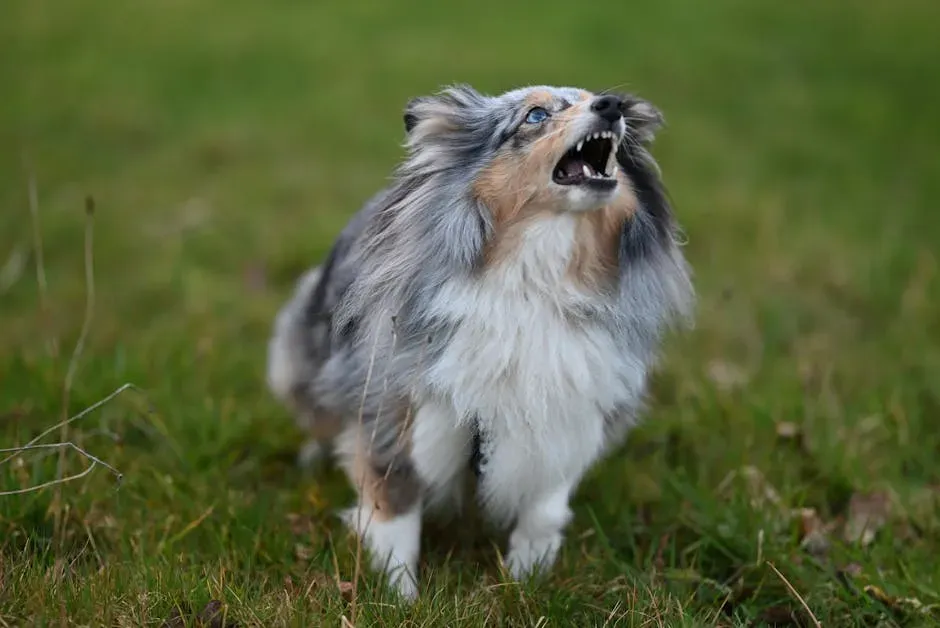
Dogs may bark, whine, or howl more when they’re feeling anxious. If your dog becomes more vocal during times when you’re stressed, it’s likely they’re expressing their own discomfort in response to your emotions.
Addressing the root cause of your stress and providing reassurance to your dog can help reduce this behavior, leading to a quieter and more peaceful household.
8. Destructive Behavior
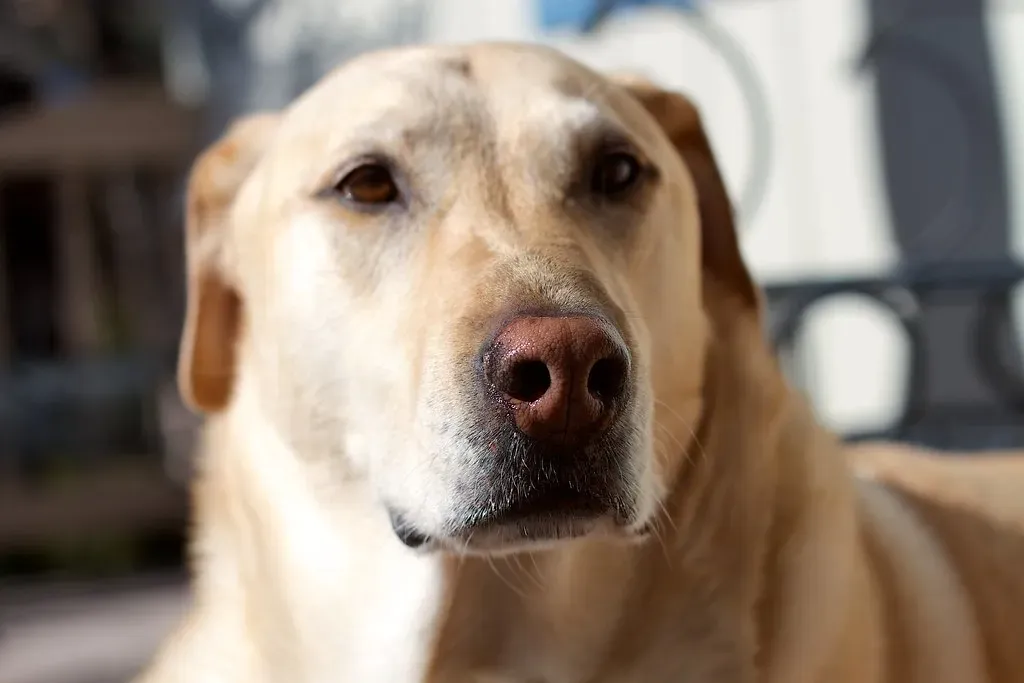
Chewing on furniture, digging, or other destructive behaviors can be signs of stress in dogs. If these behaviors escalate during your stressful periods, it’s a clear indication your dog is reacting to your emotional state.
Providing appropriate outlets for their energy and ensuring they have engaging activities can help mitigate this behavior. Additionally, managing your own stress can create a more stable environment for your dog.
9. Excessive Licking or Grooming
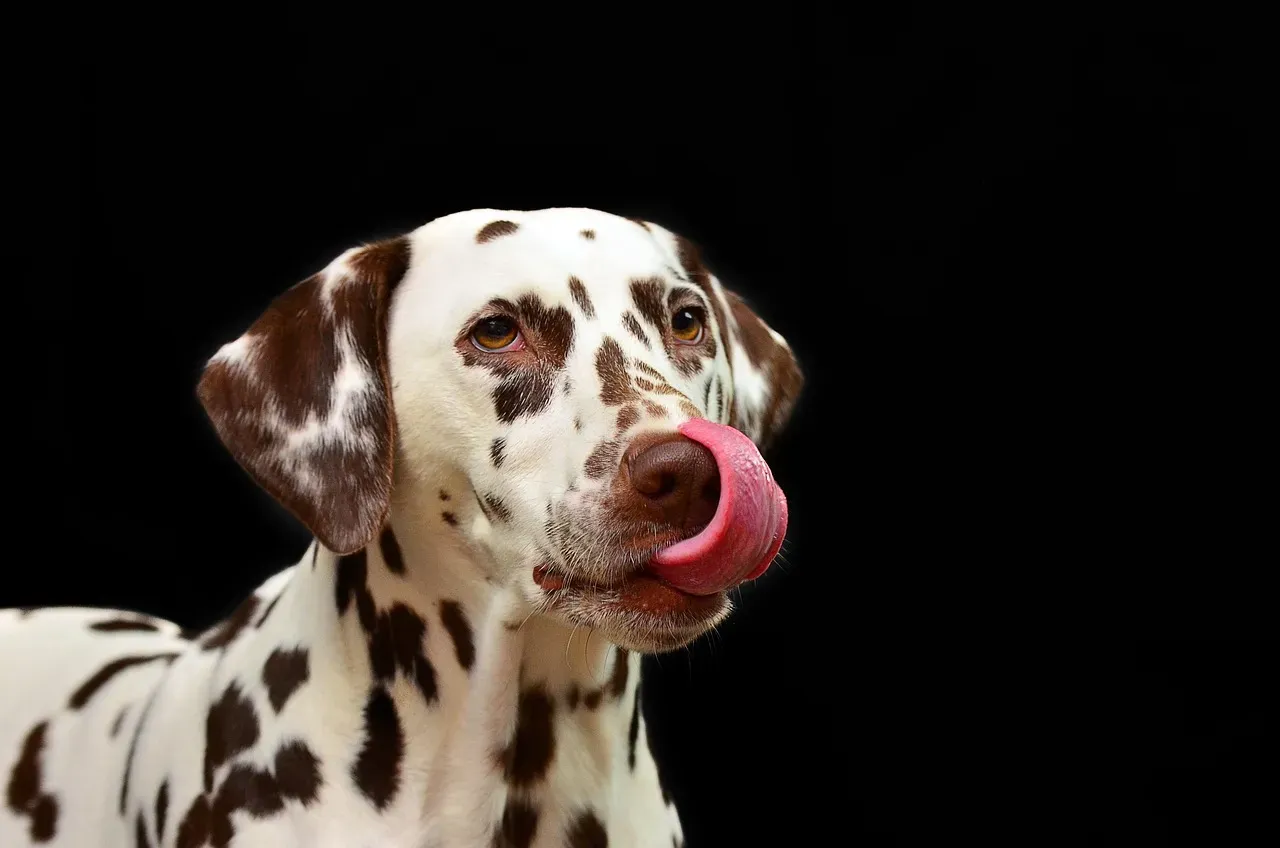
When dogs feel stressed, they might lick themselves excessively as a self-soothing behavior. If you notice your dog grooming more than usual during your anxious times, it’s a sign they’re affected by your stress.
Encouraging playtime and providing distractions can help redirect this behavior. Moreover, finding effective ways to manage your own stress can have a calming effect on your dog.
Conclusion

Our dogs are more connected to us than we often realize, reflecting our emotions in their behaviors. By paying attention to these subtle signs, we can not only support our furry friends but also gain insight into our own stress levels. After all, isn’t it remarkable how our canine companions can teach us so much about ourselves?


