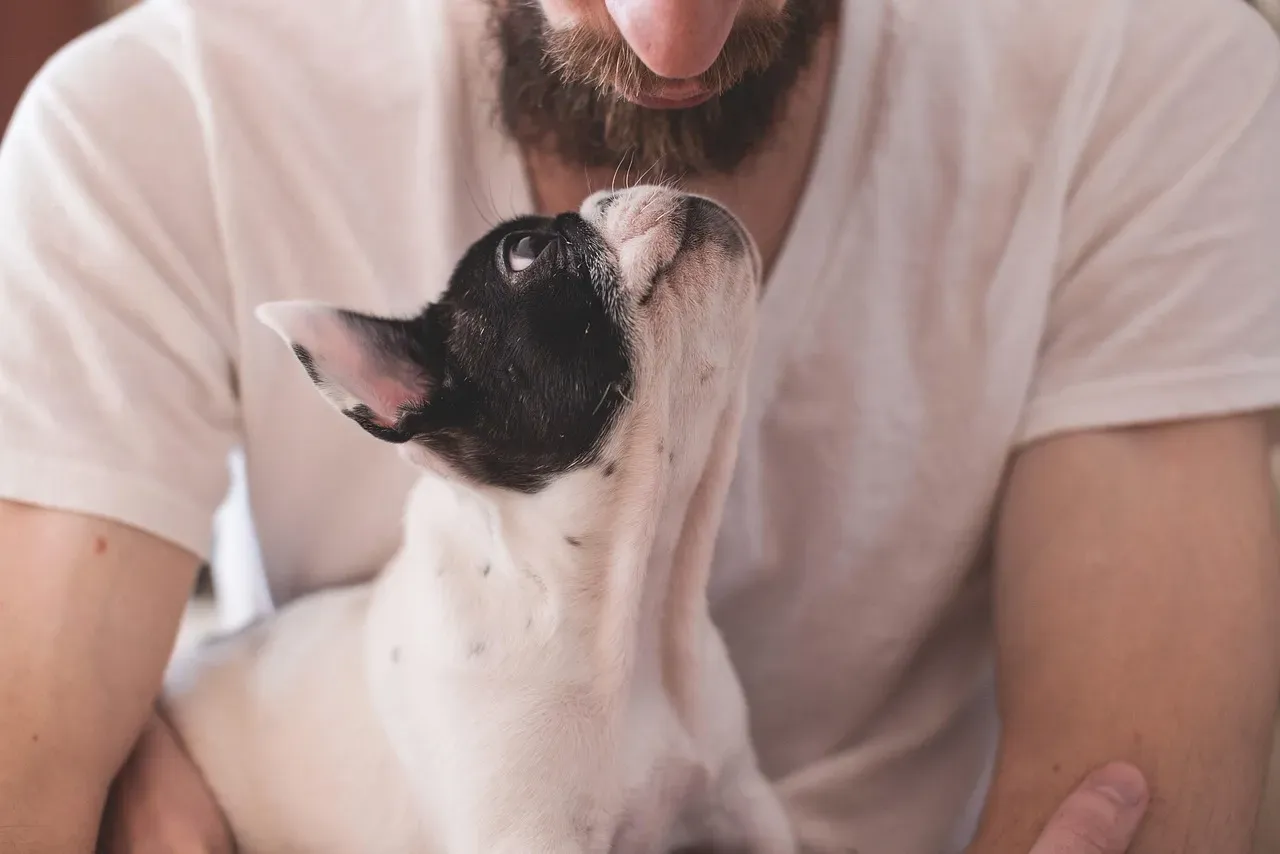
Dogs are more than just our loyal companions; they’re creatures with rich emotional lives and memories that shape their behaviors and relationships. The experiences your dog had as a puppy play a significant role in how they express love and trust toward you today. Understanding these formative moments can deepen the bond you share with your furry friend.
Early Socialization Experiences
Early Socialization Experiences (Image Credits: Pixabay)During the critical socialization period, which occurs between 3 to 14 weeks of age, puppies are highly receptive to new experiences. Positive interactions with various people, environments, and other animals during this time can lead to a well-adjusted adult dog. Conversely, a lack of exposure or negative experiences can result in fearfulness or aggression later in life. Ensuring your puppy encounters a variety of positive situations helps them develop confidence and trust, which they carry into their adult relationships.
Maternal Bonding and Care
Maternal Bonding and Care (Image Credits: Pixabay)The quality of care a puppy receives from its mother significantly influences its future behavior. Studies have shown that higher levels of maternal care are associated with more confident and less fearful adult dogs. This early nurturing teaches puppies about trust and security, forming the foundation for their future interactions with humans. A puppy that experiences attentive and loving care is more likely to develop strong, affectionate bonds with its human companions.
Early Training and Positive Reinforcement
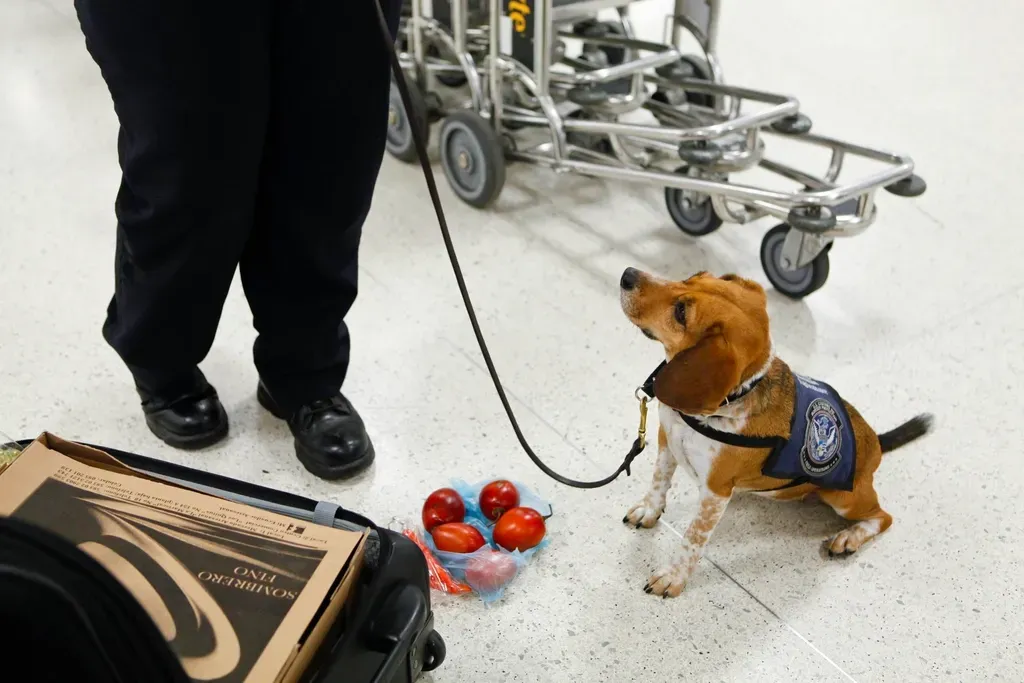
Early Training and Positive Reinforcement (Image Credits: Rawpixel)Introducing basic training and positive reinforcement techniques during puppyhood establishes a framework for communication and mutual respect. Puppies that learn commands and receive rewards for good behavior develop a sense of trust and understanding with their owners. This early training not only teaches obedience but also strengthens the emotional connection between you and your dog, fostering a loving and cooperative relationship.
Exposure to Various Environments
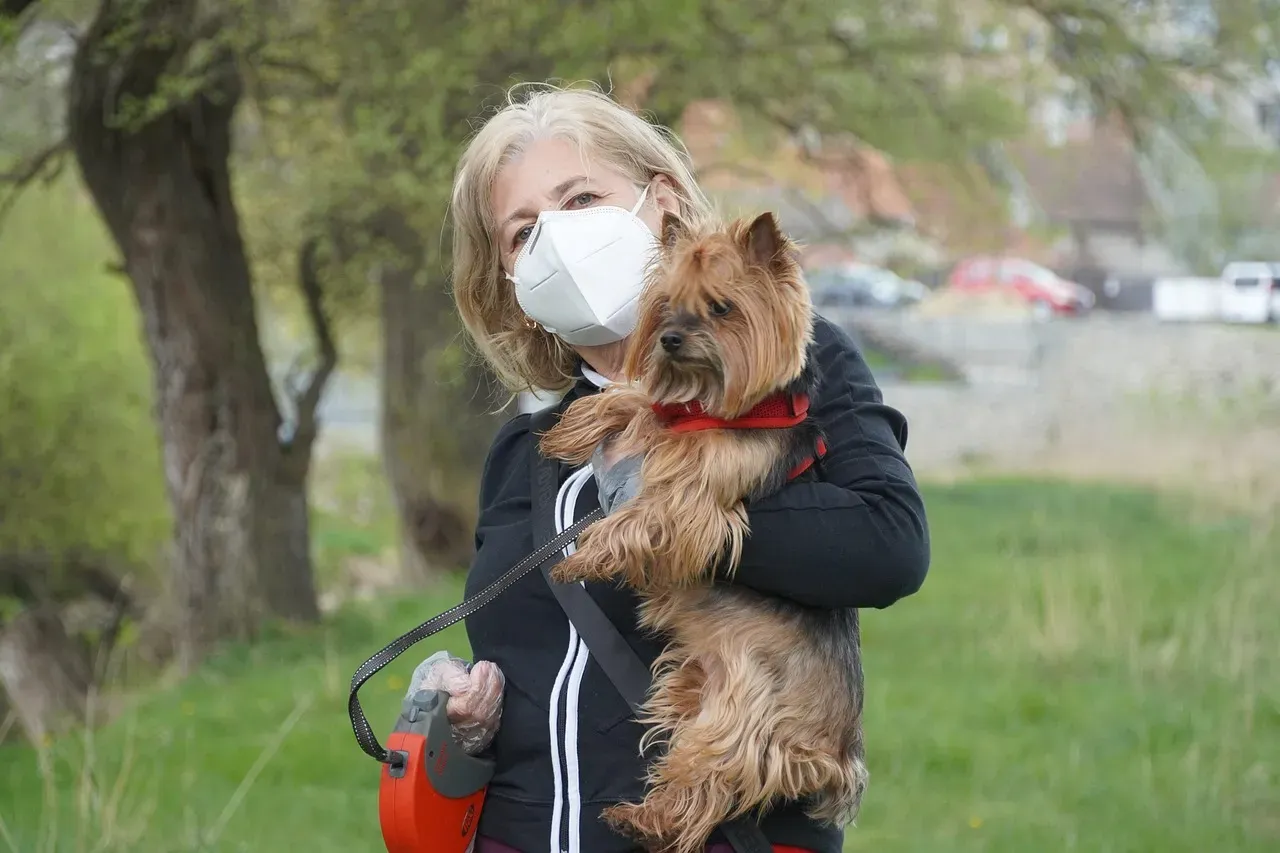
Exposure to Various Environments (Image Credits: Pixabay)Puppies exposed to diverse environments, such as different terrains, sounds, and social settings, tend to be more adaptable and less fearful as adults. This exposure helps them build resilience and confidence, reducing anxiety in unfamiliar situations. A well-socialized puppy is more likely to approach new experiences with curiosity rather than fear, leading to a more harmonious relationship with their owner.
Play and Interaction with Siblings
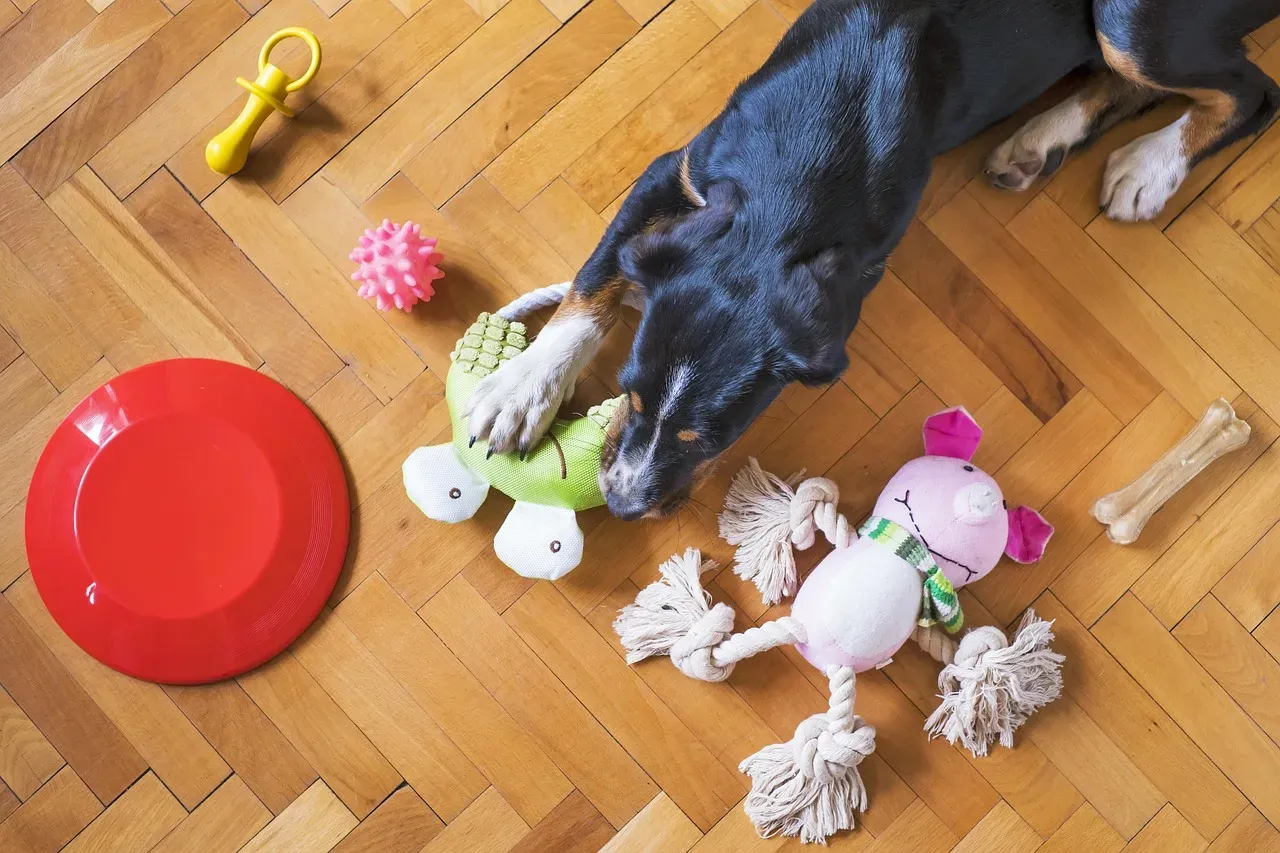
Play and Interaction with Siblings (Image Credits: Pixabay)Playtime with littermates teaches puppies essential social skills, including bite inhibition and appropriate play behavior. These interactions help them understand boundaries and develop self-control. Puppies that miss out on this crucial playtime may struggle with social cues, potentially leading to behavioral issues. Ensuring your puppy has ample opportunity to play with siblings or other dogs can lead to a more balanced and affectionate adult dog.
Handling and Human Touch
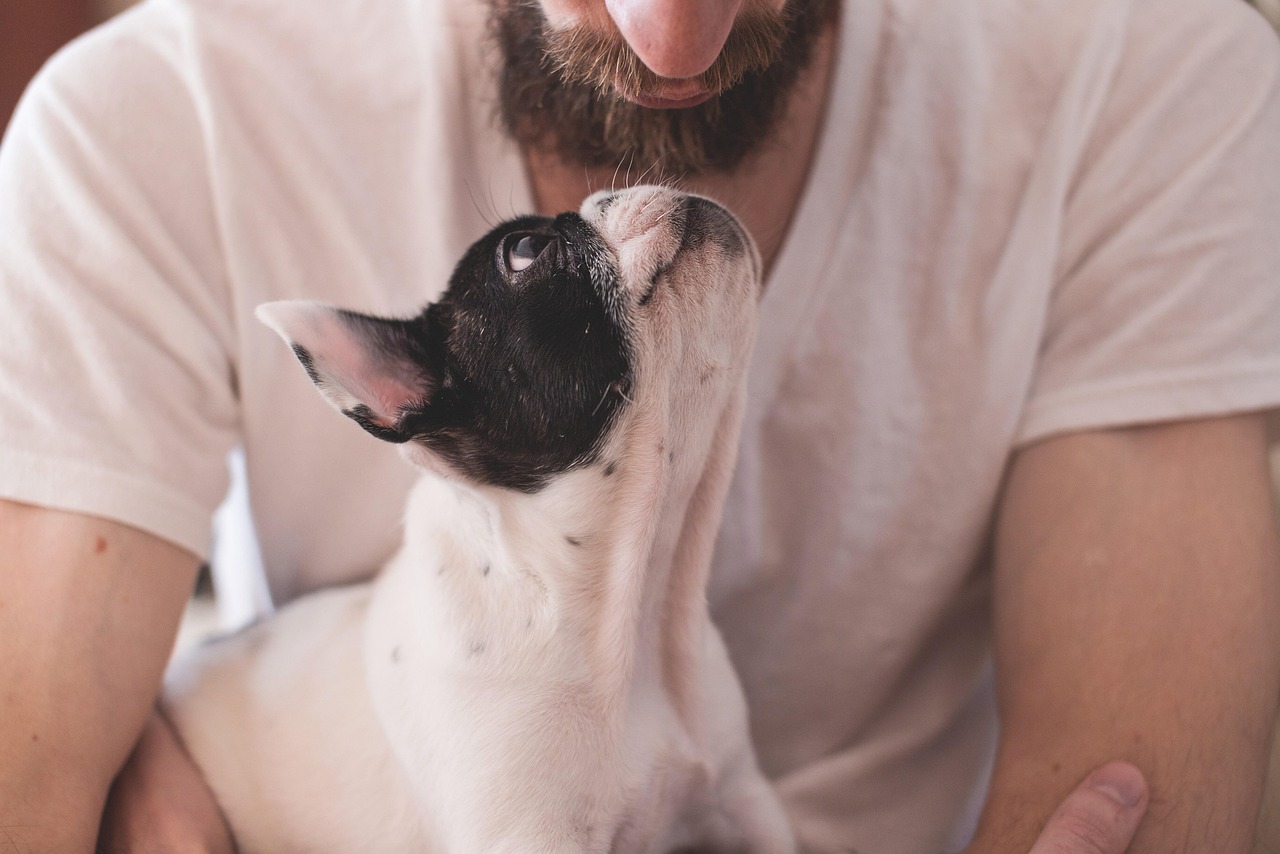
Handling and Human Touch (Image Credits: Pixabay)Regular, gentle handling by humans during puppyhood helps dogs become comfortable with touch and human interaction. Puppies that are frequently held, petted, and groomed are more likely to enjoy physical affection as adults. This comfort with human touch translates into a dog that seeks out cuddles and closeness, strengthening the bond between you and your pet.
Introduction to Routine and Structure
Introduction to Routine and Structure (Image Credits: Pixabay)Establishing routines and structure during puppyhood provides a sense of security and predictability. Puppies that learn consistent feeding times, walk schedules, and bedtime routines are less likely to experience anxiety. This early introduction to structure helps them understand expectations and builds trust in their human companions, leading to a more loving and cooperative relationship.
Positive Experiences with Strangers
Positive Experiences with Strangers (Image Credits: Pixabay)Puppies that have positive encounters with a variety of people are more likely to be friendly and trusting as adults. Introducing your puppy to different individuals in a controlled and positive manner helps them associate strangers with good experiences. This early socialization reduces fear and aggression, making your dog more affectionate and open to new people throughout their life.
Overcoming Early Adversity
Overcoming Early Adversity (Image Credits: Pixabay)Puppies that experience adversity, such as neglect or trauma, may carry those memories into adulthood, affecting their behavior and ability to trust. However, with patience, positive reinforcement, and consistent care, many dogs can overcome these early challenges. Building a loving and secure environment helps them replace negative associations with positive ones, allowing them to develop a strong, affectionate bond with their owners.The experiences your dog had as a puppy have a profound impact on how they express love and trust today. By understanding and nurturing these early moments, you can strengthen the bond you share with your canine companion. Reflecting on your dog’s puppyhood can provide valuable insights into their behavior and deepen your appreciation for the journey you’ve shared. After all, isn’t it remarkable how those early experiences continue to shape the love they show you every day?