Dogs have long been celebrated for their unwavering loyalty, often forming bonds so profound that the loss of their human companion can lead to deep grief. In some cases, this sorrow manifests in behaviors as extreme as refusing to eat, highlighting the depth of their attachment. Certain breeds are particularly known for such intense connections. Here are eight dog breeds that veterinarians and experts recognize for forming bonds so deep they often struggle to survive after their owner dies.
Akita
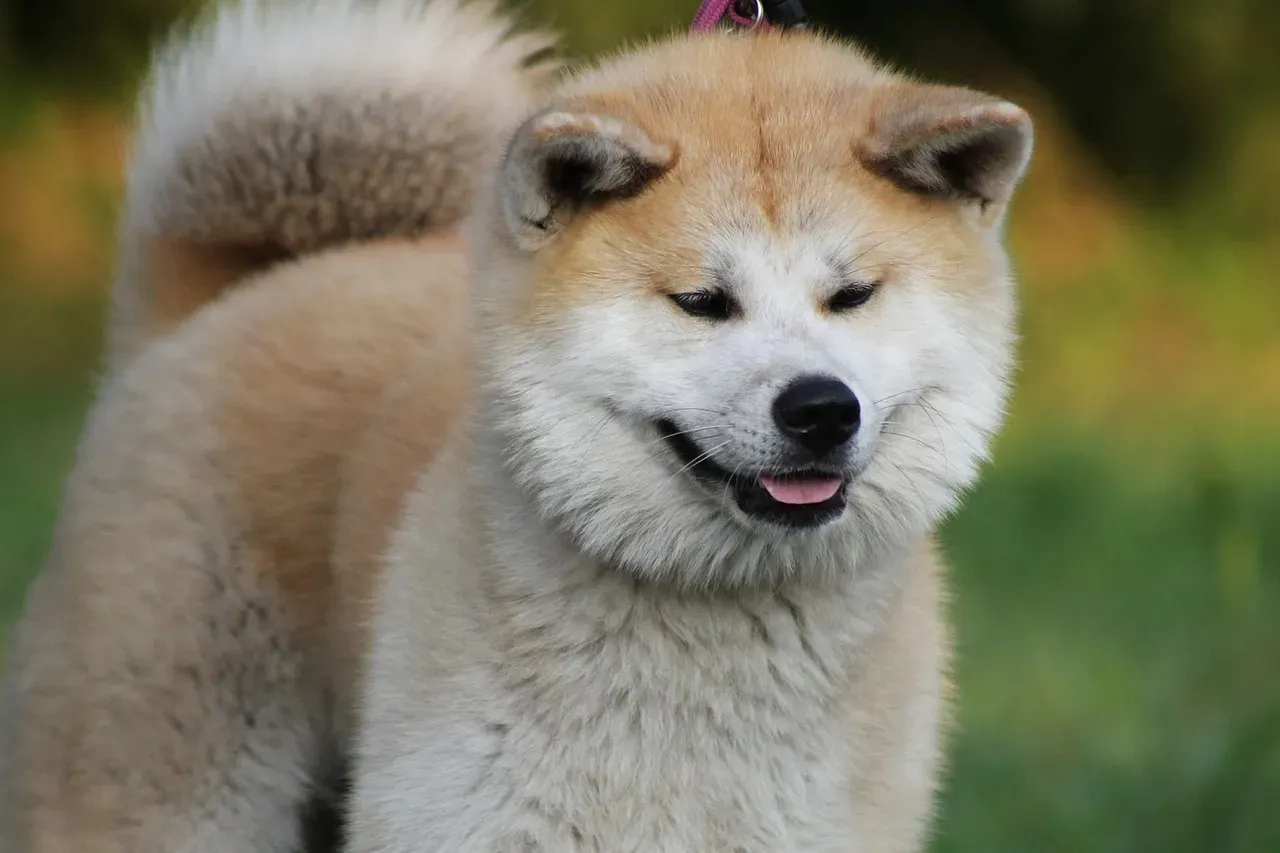
Akita (Image Credits: Pixabay)Originating from Japan, the Akita is renowned for its profound loyalty. The story of Hachiko, an Akita who waited daily at a train station for his deceased owner, epitomizes this breed’s devotion. Such unwavering attachment can lead to significant distress if they lose their human companion.Akitas are known to form strong bonds with their owners, often becoming deeply attached to a single person. This intense connection means that the loss of their owner can result in severe grief, sometimes leading to behaviors like refusing food or becoming withdrawn.
German Shepherd
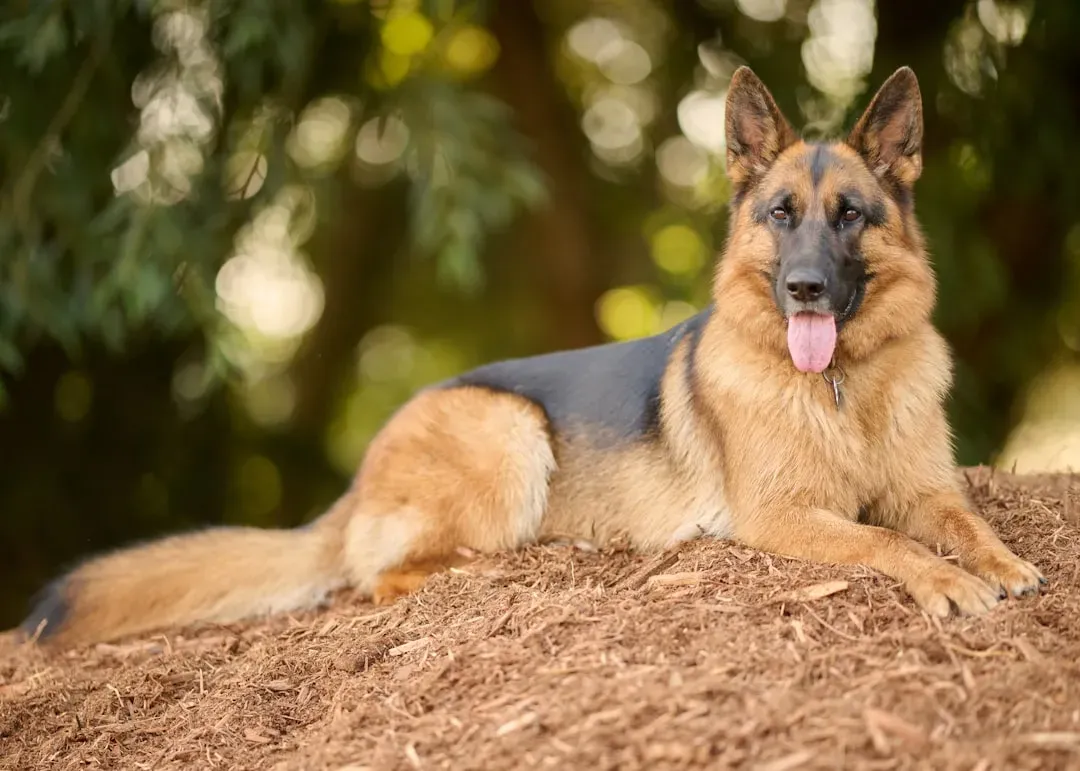
German Shepherd (Image Credits: Unsplash)German Shepherds are celebrated for their intelligence and loyalty. Often serving in roles that require close human interaction, such as police or service dogs, they develop deep bonds with their handlers. The loss of their owner can lead to noticeable behavioral changes, including depression and loss of appetite.Their protective nature and strong attachment make them susceptible to intense grief. Veterinarians have observed cases where German Shepherds exhibit signs of mourning, such as lethargy and disinterest in activities they once enjoyed, following the death of their owner.
Labrador Retriever
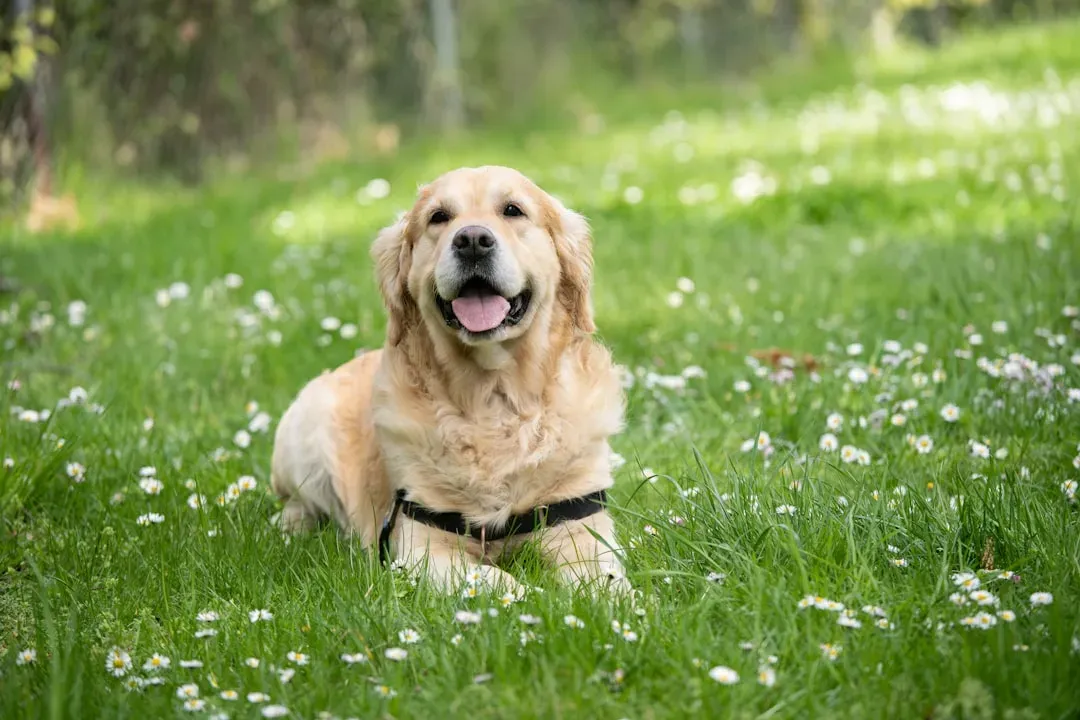
Labrador Retriever (Image Credits: Unsplash)Labrador Retrievers are known for their friendly and affectionate nature. They thrive on companionship and often form close bonds with their families. The sudden absence of their owner can lead to signs of distress, including decreased appetite and increased anxiety.Their sociable disposition means they may seek out other family members for comfort. However, the depth of their bond with their primary caregiver can result in noticeable mourning behaviors, such as restlessness and vocalizations, when that person is no longer present.
Chihuahua
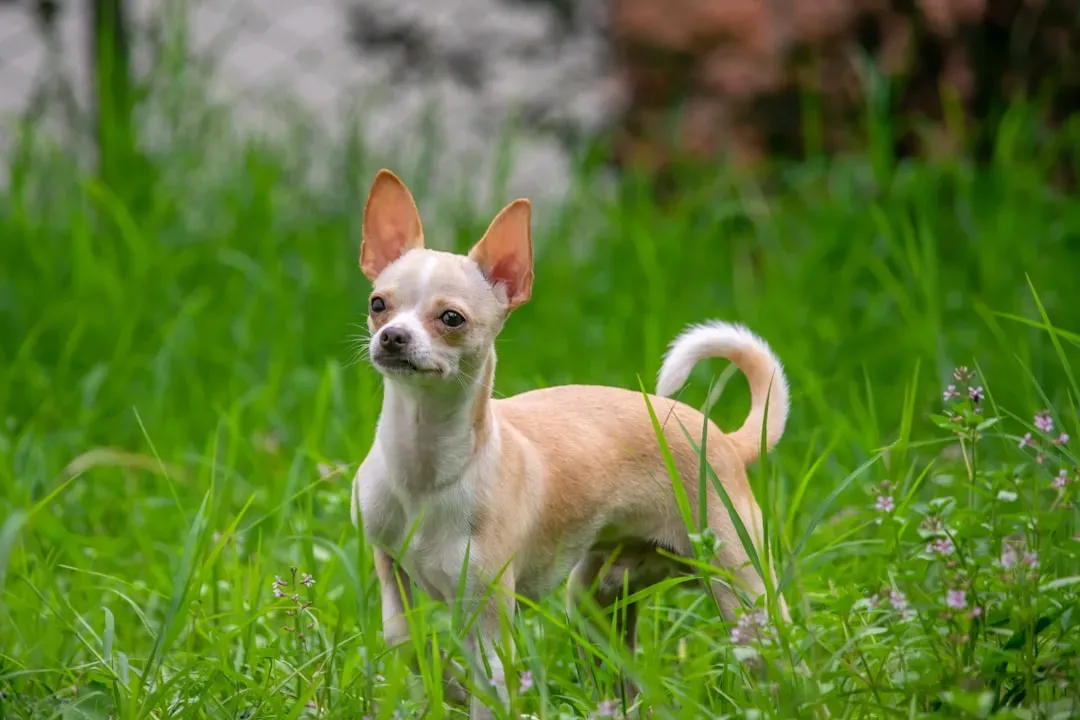
Chihuahua (Image Credits: Unsplash)Despite their small size, Chihuahuas possess a big heart and often form intense attachments to their owners. They are known to be particularly loyal to a single person, making them vulnerable to separation anxiety and grief if that individual passes away.Their strong-willed nature combined with their deep bond can lead to behaviors like refusing to eat or becoming withdrawn in the absence of their owner. Veterinarians note that Chihuahuas may require extra care and attention during such times to help them cope with their loss.
Doberman Pinscher
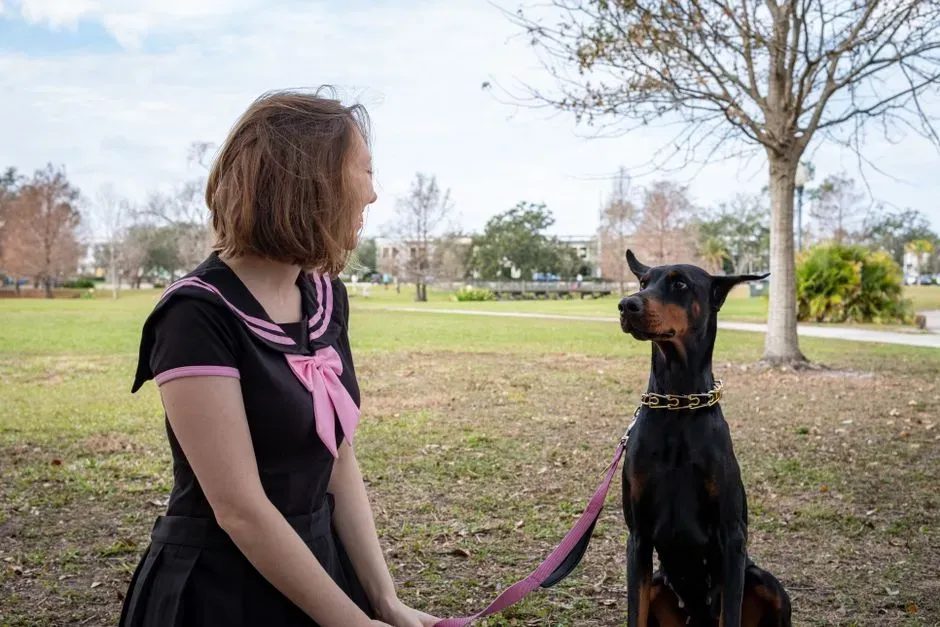
Doberman Pinscher (Image Credits: Pexels)Doberman Pinschers are known for their loyalty and protective instincts. They often form strong bonds with their owners, making them excellent guard dogs and companions. The loss of their owner can lead to significant behavioral changes, including depression and loss of appetite.Their keen sensitivity to their environment means they can become anxious or restless when their routine is disrupted. Veterinarians have observed that Dobermans may exhibit signs of mourning, such as decreased interest in play and increased clinginess to other family members, following the death of their owner.
Border Collie
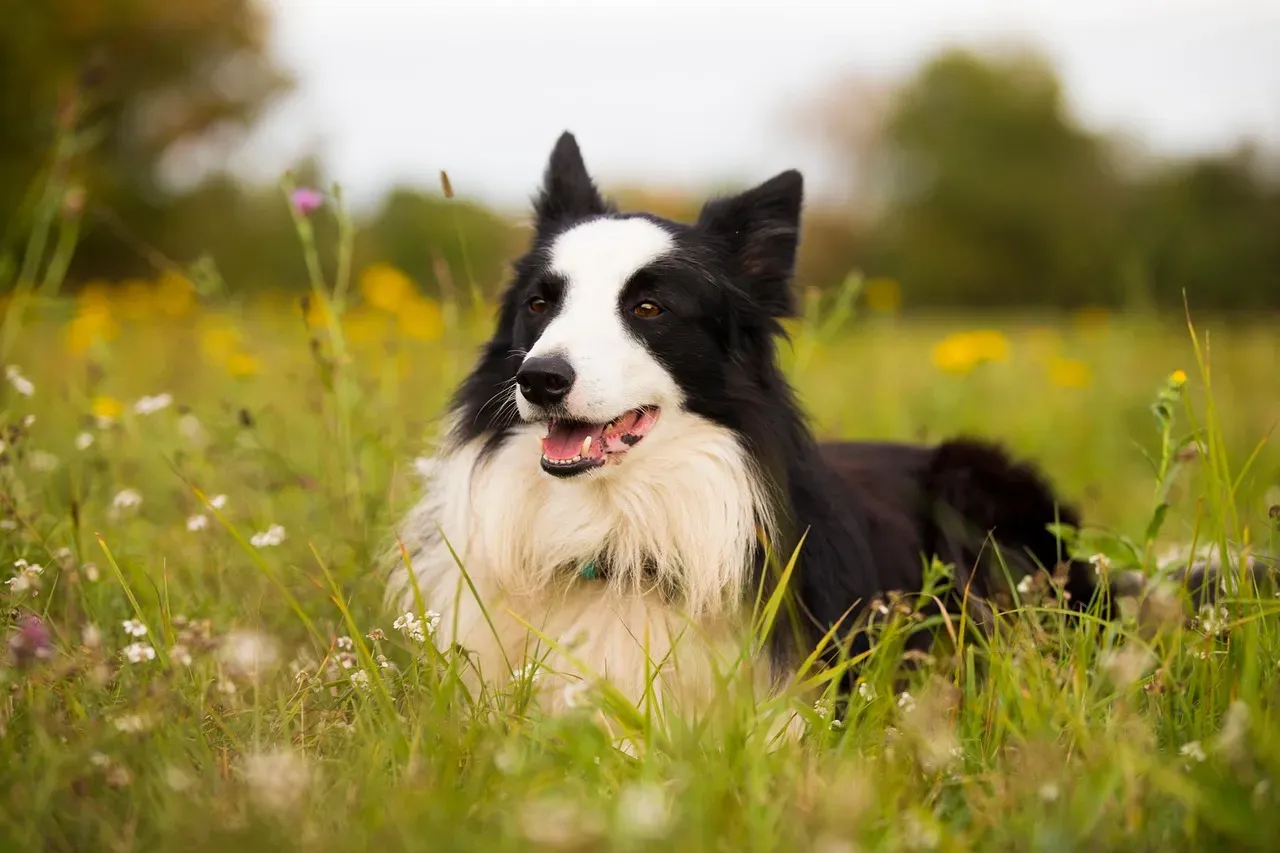
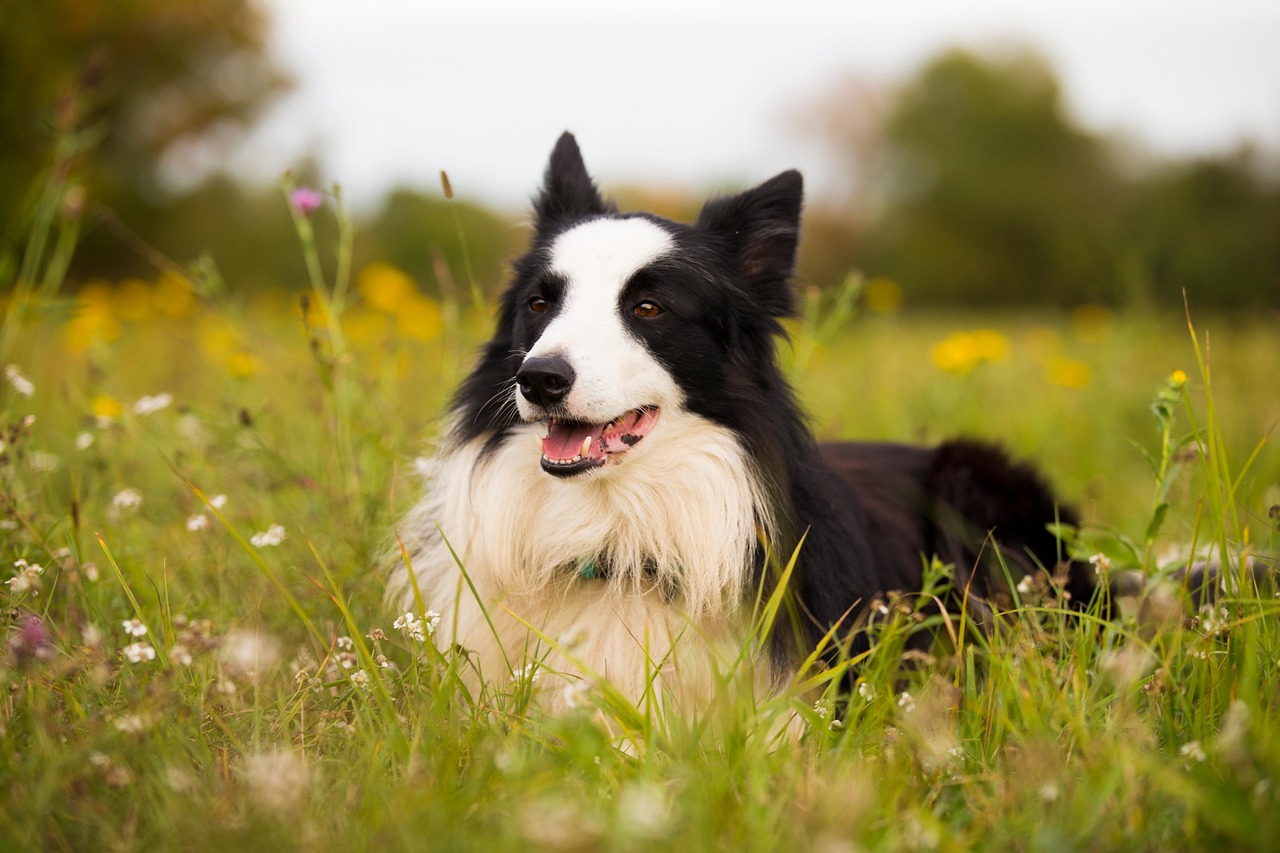
Border Collie (Image Credits: Pixabay)Border Collies are highly intelligent and energetic dogs that thrive on companionship and mental stimulation. They often form close bonds with their owners, and the loss of that connection can lead to signs of grief, including decreased appetite and lethargy.Their need for engagement means that a sudden change in their environment, such as the loss of an owner, can result in noticeable behavioral changes. Veterinarians recommend providing them with mental and physical activities to help them cope during such times.
Great Dane
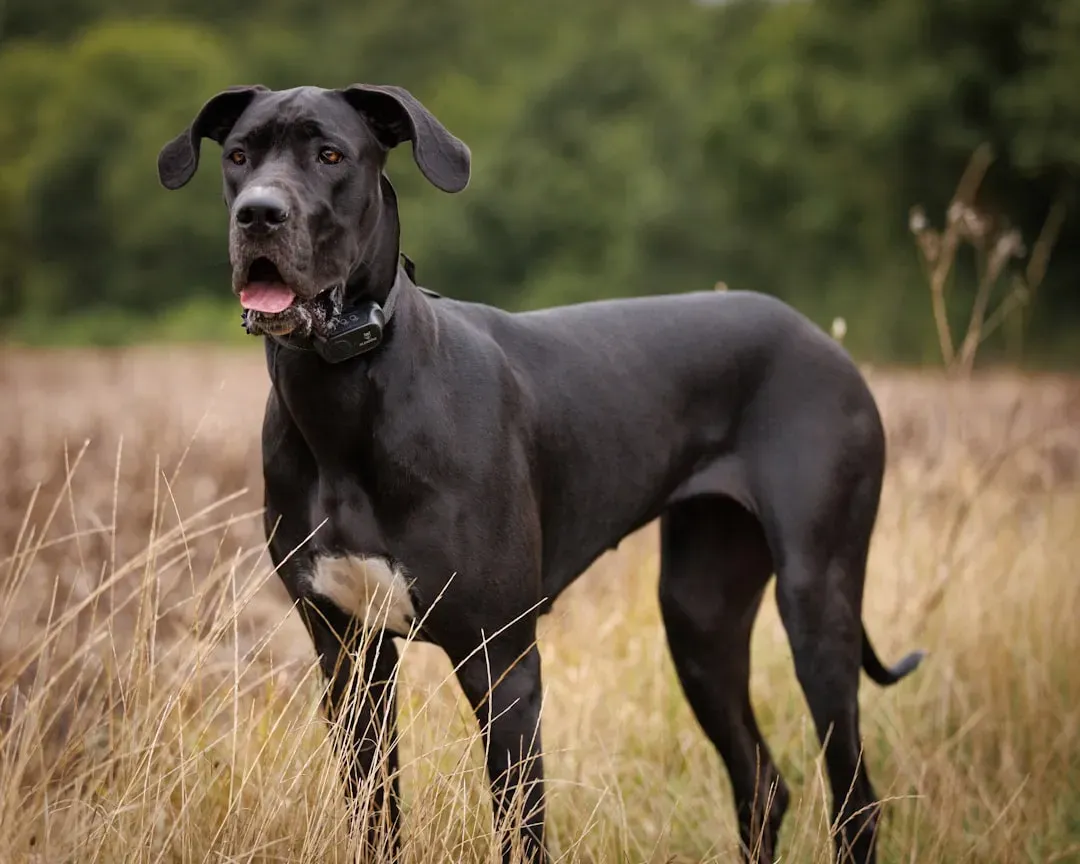
Great Dane (Image Credits: Unsplash)Great Danes, often referred to as “gentle giants,” are known for their affectionate nature and strong bonds with their families. The loss of their owner can lead to significant distress, including refusal to eat and withdrawal from social interactions.Their size and sensitivity make them particularly vulnerable to changes in their environment. Veterinarians advise providing them with consistent routines and companionship to help them navigate through their grief.
Newfoundland
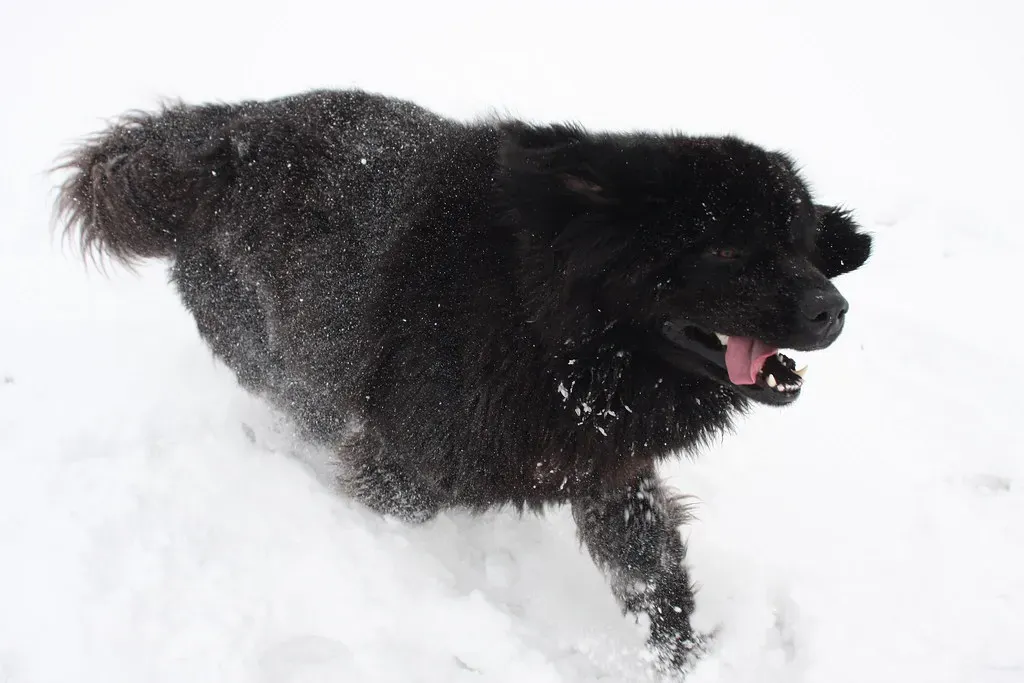
Newfoundland (alicjap, Flickr, CC BY 2.0)Newfoundlands are gentle and loyal dogs that often form deep attachments to their owners. They are known for their affectionate nature and desire to be close to their human companions. The loss of their owner can result in behaviors such as decreased appetite and increased lethargy.Their calm demeanor means they may become withdrawn or depressed when faced with the absence of their primary caregiver. Veterinarians recommend providing them with comfort and maintaining routines to help them adjust during such times.The profound bonds that dogs form with their owners are a testament to their loyalty and capacity for love. While all dogs can experience grief, certain breeds are particularly susceptible to intense mourning behaviors, including refusing to eat, following the loss of their human companion. Recognizing and understanding these behaviors is crucial in providing the necessary support to help them navigate through their grief.