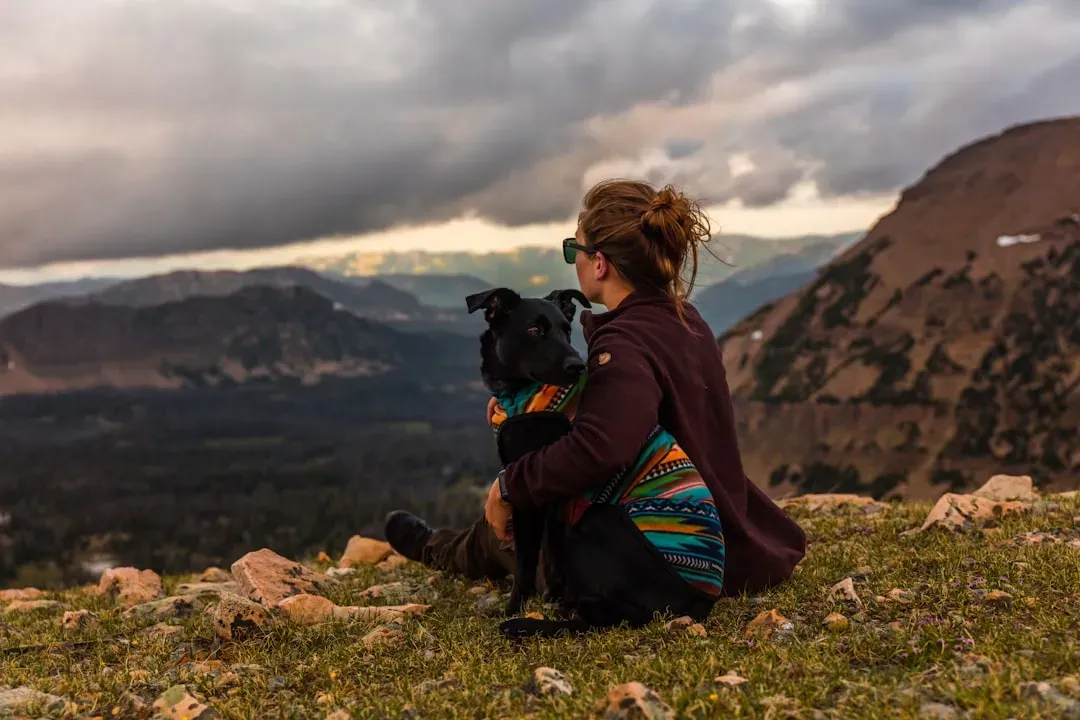
Traveling with your furry friend can be one of the most rewarding experiences, but not all destinations roll out the welcome mat for canine companions. Some states present challenges that can turn a dream trip into a stressful ordeal. From scorching temperatures to stringent regulations, here are the 10 worst U.S. states for traveling with your dog this summer.
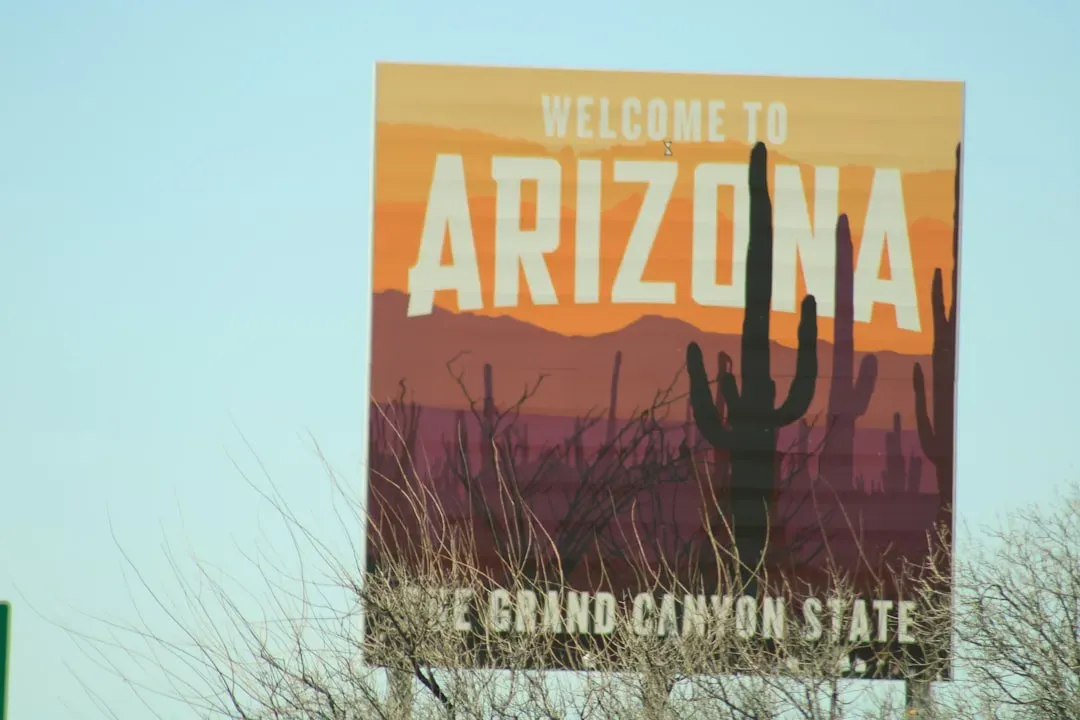
Arizona: The Scorching Furnace
Arizona: The Scorching Furnace (Image Credits: Unsplash)Arizona’s desert climate is notorious for its extreme summer heat, with temperatures often soaring above 110°F. Such intense heat poses serious risks to dogs, including heatstroke and burnt paw pads from scorching pavement.Beyond the heat, Arizona’s arid environment offers limited shade and water sources, making outdoor activities hazardous for pets. Even brief walks can become perilous, necessitating constant vigilance and hydration.
Texas: A Heatwave Haven
Texas: A Heatwave Haven (Image Credits: Pixabay)Texas experiences sweltering summers, with average temperatures hovering around 82.5°F and often climbing higher. The combination of heat and humidity can be overwhelming for dogs, especially those not acclimated to such conditions.Additionally, Texas’s vast size means long travel distances between destinations, which can be taxing for pets confined to vehicles for extended periods. Ensuring frequent breaks and access to water is crucial.
Florida: Humidity and Heat Combined
Florida: Humidity and Heat Combined (Image Credits: Unsplash)Florida’s tropical climate brings not only high temperatures but also oppressive humidity, creating a stifling environment for dogs. The heat index frequently exceeds 100°F, making outdoor activities risky.Moreover, Florida’s diverse wildlife, including alligators and venomous snakes, adds an element of danger to outdoor excursions with pets. Staying vigilant and keeping dogs on a leash is essential.
Louisiana: Swampy and Sweltering
Louisiana: Swampy and Sweltering (Image Credits: Pexels)Louisiana’s humid subtropical climate results in hot, muggy summers that can be uncomfortable for both humans and dogs. The state’s swampy terrain also means a higher prevalence of mosquitoes, increasing the risk of heartworm disease in dogs.Furthermore, Louisiana’s frequent thunderstorms and potential for hurricanes during the summer months can disrupt travel plans and pose safety concerns for pets. It’s important to have contingency plans in place.
Mississippi: Heat and Humidity Overload
Mississippi: Heat and Humidity Overload (Image Credits: Unsplash)Mississippi’s climate mirrors that of its neighboring states, with high temperatures and humidity levels that can be taxing for dogs. The combination can lead to rapid dehydration and heat exhaustion in pets.Additionally, Mississippi has areas with limited pet-friendly accommodations and amenities, making it challenging to find suitable lodging and activities for travelers with dogs.
Alabama: A Hotbed of Heat
Alabama: A Hotbed of Heat (Image Credits: Unsplash)Alabama’s summers are characterized by high temperatures and humidity, creating an environment where heat-related illnesses in dogs are a significant concern. The state’s rural areas may also lack immediate access to veterinary care in emergencies.Moreover, Alabama’s laws regarding pet transportation can be stringent. For instance, certain municipalities have regulations against leaving dogs unattended in vehicles, even for short periods.
South Carolina: The Heat is On
South Carolina: The Heat is On (Image Credits: Unsplash)South Carolina experiences hot and humid summers, with temperatures often reaching the mid-90s. The heat index can make it feel even hotter, posing risks for dogs during outdoor activities.The state’s coastal areas, while beautiful, can have restrictions on dogs during peak tourist seasons, limiting beach access for pet owners. It’s essential to check local ordinances before planning beach outings.
Georgia: Peaches and Heat
Georgia: Peaches and Heat (Image Credits: Pexels)Georgia’s climate brings hot summers with high humidity levels, creating conditions that can be challenging for dogs, especially those with thick coats or respiratory issues. The urban heat island effect in cities like Atlanta exacerbates the heat.Additionally, Georgia has specific regulations regarding pet transportation. For example, some areas require dogs to be restrained while in a moving vehicle to prevent distractions and ensure safety.
Oklahoma: Tornadoes and Temperature Extremes
Oklahoma: Tornadoes and Temperature Extremes (Image Credits: Unsplash)Oklahoma’s summers are not only hot but also bring the threat of severe weather, including tornadoes. Traveling with a dog during such unpredictable conditions can be stressful and potentially dangerous.The state’s rural expanses mean that veterinary services may be sparse in certain areas, making it imperative for travelers to be prepared for emergencies and have a plan in place.
Arkansas: The Natural State’s Natural Heat
Arkansas: The Natural State’s Natural Heat (Image Credits: Unsplash)Arkansas experiences hot and humid summers, with temperatures often climbing into the 90s. The state’s natural beauty, while enticing, can present challenges such as rugged terrain and limited shade, making hikes and outdoor activities strenuous for dogs.Furthermore, Arkansas has areas with limited pet-friendly accommodations, requiring travelers to plan ahead to ensure their canine companions are welcome.While the joy of traveling with your dog is undeniable, it’s crucial to consider the challenges posed by certain states during the summer months. From extreme heat to specific regulations, being informed and prepared can make all the difference in ensuring a safe and enjoyable trip for both you and your furry friend. After all, isn’t the goal to create happy memories together, rather than facing unexpected hurdles?