
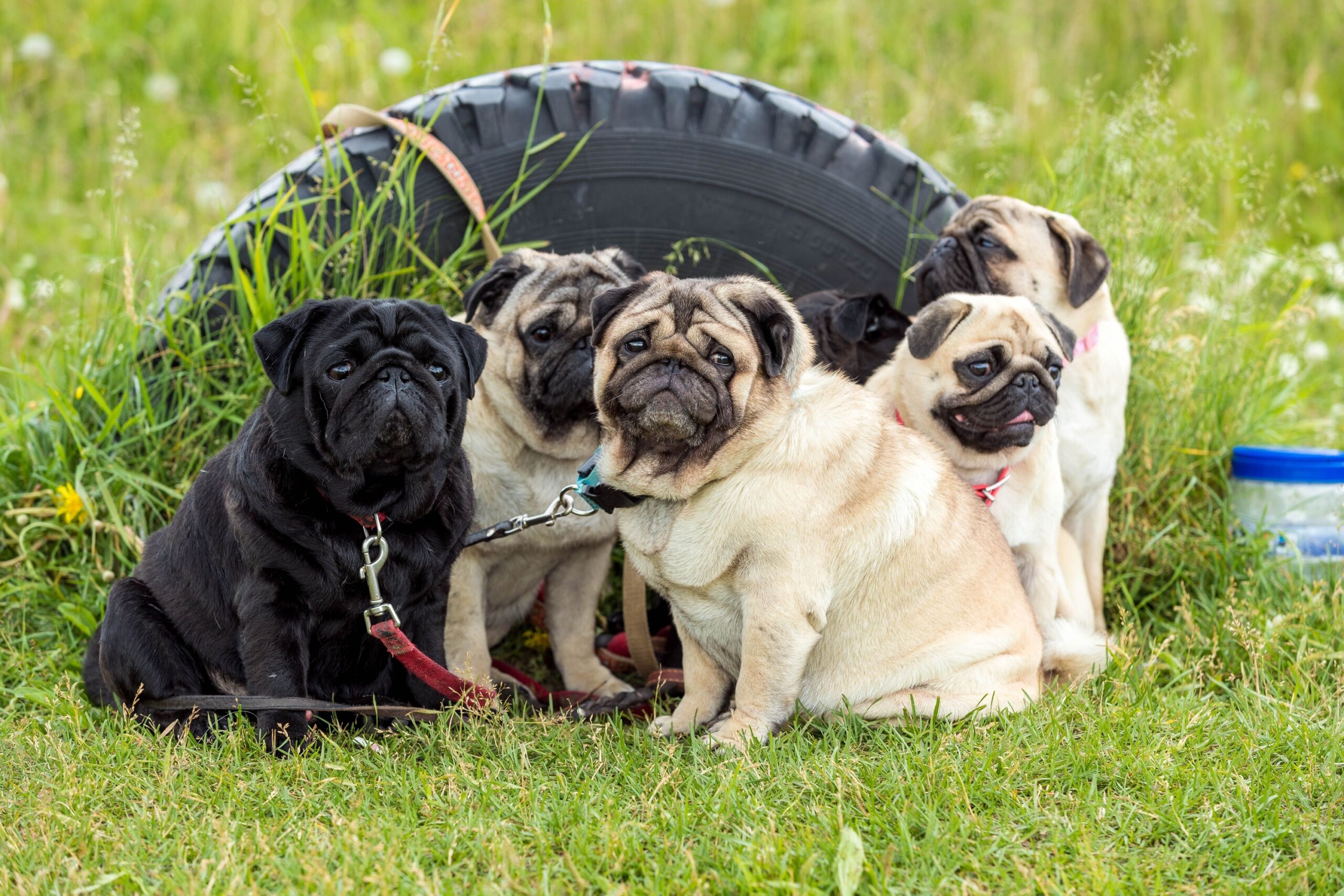
When your dog, who once couldn’t get enough of their favorite squeaky toy, suddenly ignores it, it’s more than just puzzling – it’s a potential red flag. Veterinarians emphasize that such behavioral changes warrant attention, as they can signal underlying health or emotional issues.
Physical Discomfort: A Silent Culprit
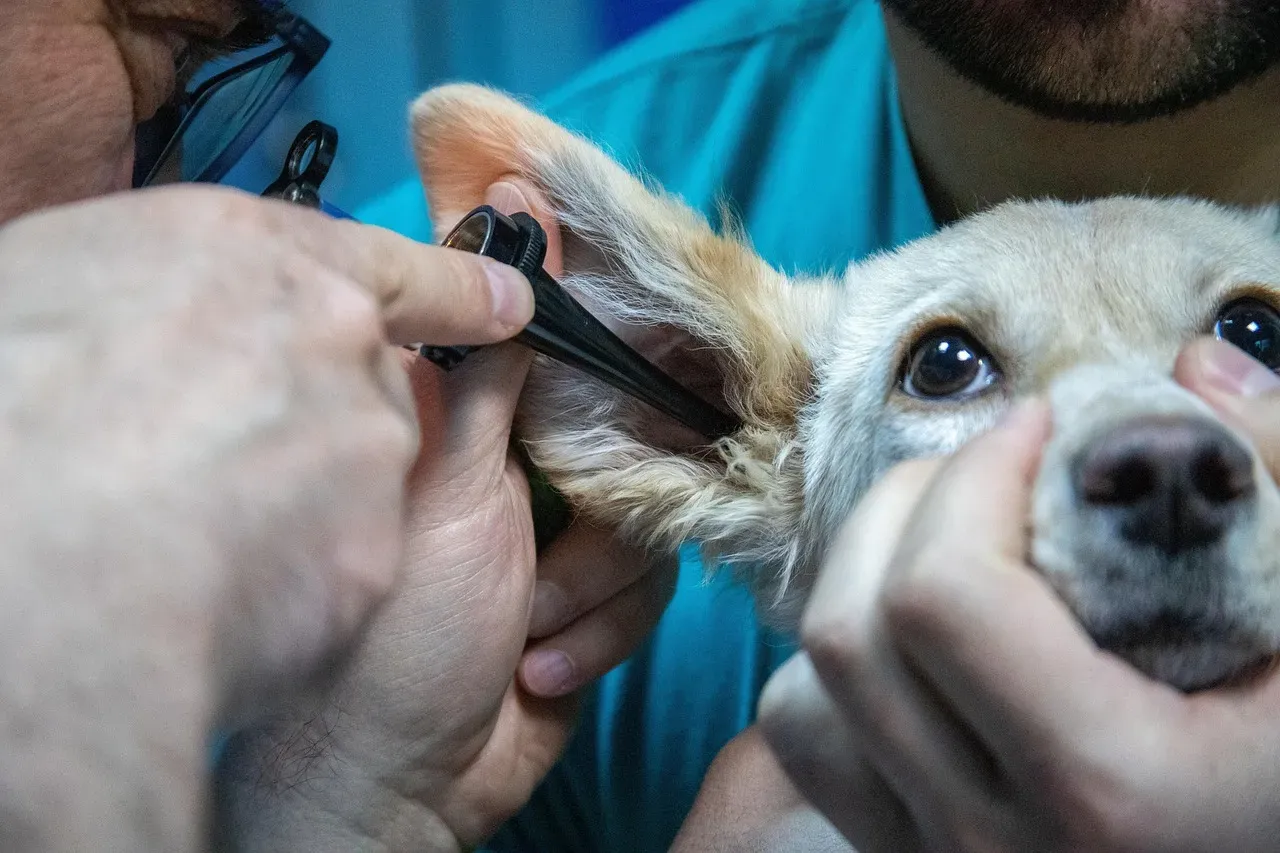
Dogs are adept at masking pain, making subtle signs like disinterest in play crucial indicators. Conditions such as arthritis, dental problems, or injuries can make activities that were once enjoyable now painful. For instance, a dog with a sore tooth might avoid chew toys to prevent discomfort. Observing for other signs like limping, difficulty eating, or changes in posture can help identify physical issues.
Emotional Well-being: The Impact of Stress and Anxiety

Just like humans, dogs can experience stress and anxiety, leading to behavioral changes. Major life events – such as moving to a new home, the loss of a companion, or changes in the household – can cause a dog to withdraw from activities they once loved. A dog that used to eagerly fetch a ball might now prefer solitude, indicating emotional distress.
Age-Related Changes: The Natural Slowdown

As dogs age, their energy levels and interests naturally shift. Senior dogs may not have the same enthusiasm for play due to decreased stamina or cognitive changes. It’s essential to differentiate between normal aging and signs of cognitive decline, such as disorientation or altered sleep patterns, which may require veterinary attention.
Boredom and Lack of Stimulation: The Need for Novelty
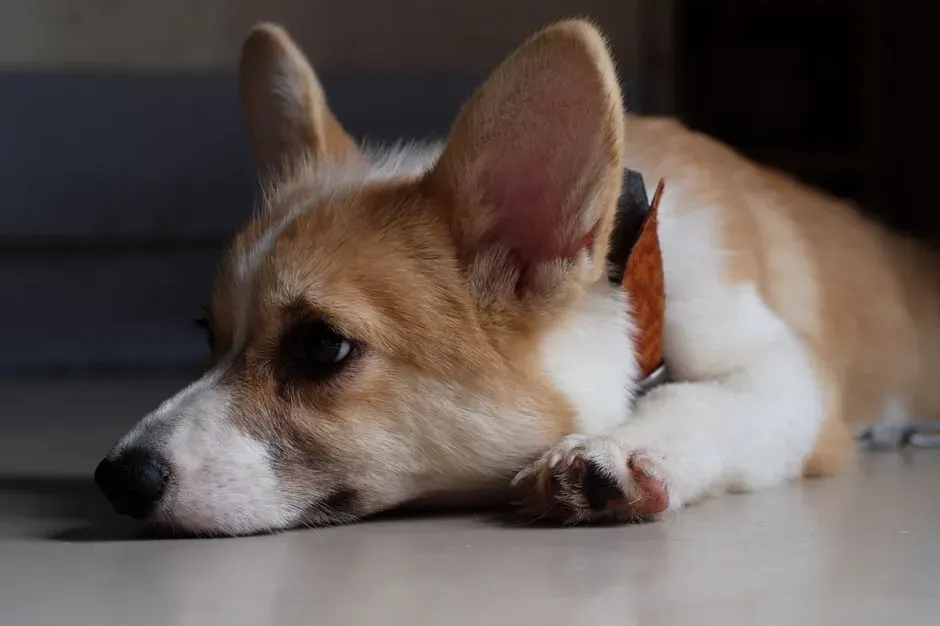
Dogs thrive on mental and physical stimulation. Repeated exposure to the same toys can lead to boredom, causing them to lose interest. Rotating toys, introducing new ones, or engaging in interactive play can rekindle their enthusiasm. For example, incorporating puzzle toys that dispense treats can provide both mental stimulation and reward.
Health Issues: Beyond the Obvious
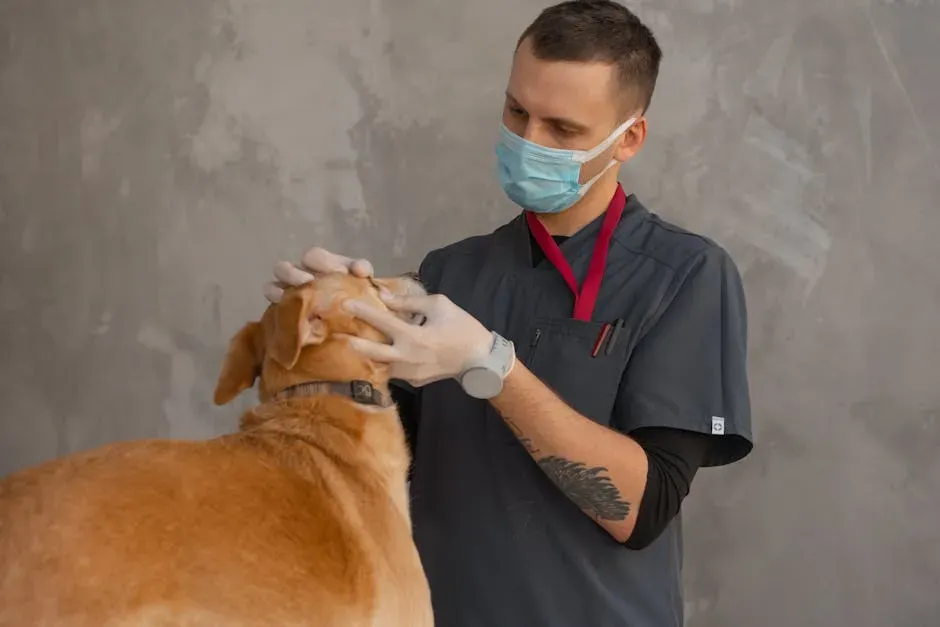
Sometimes, a loss of interest in toys can be an early sign of more serious health concerns, such as metabolic disorders or infections. If the change in behavior is sudden and accompanied by other symptoms like lethargy, appetite changes, or gastrointestinal issues, it’s imperative to consult a veterinarian promptly.
Environmental Factors: The Influence of Surroundings

Changes in the environment, such as new noises, unfamiliar people, or alterations in routine, can affect a dog’s behavior. A previously playful dog might become withdrawn if they feel insecure or stressed in their surroundings. Ensuring a stable and comforting environment can help maintain their interest in play.
When to Seek Veterinary Advice
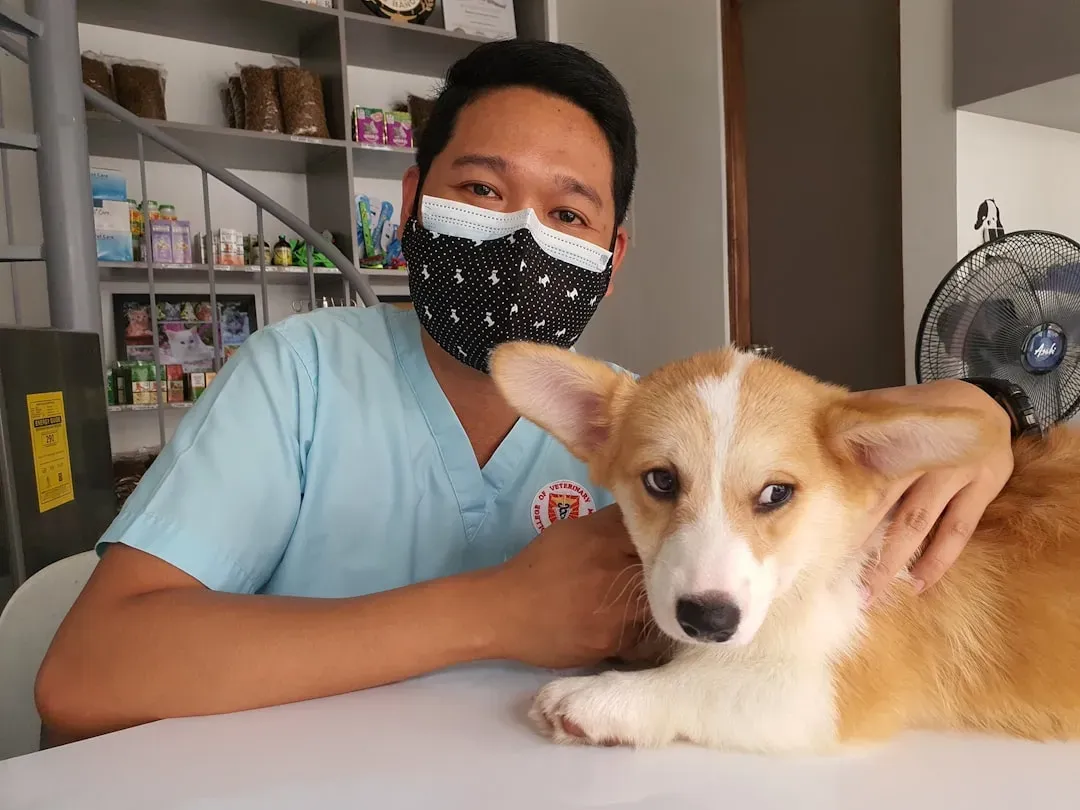
If your dog suddenly loses interest in their favorite toys, especially if accompanied by other behavioral or physical changes, it’s advisable to consult a veterinarian. Early detection of underlying issues can lead to more effective treatment and a better quality of life for your canine companion.
In conclusion, while it’s easy to dismiss a dog’s disinterest in toys as mere boredom, it’s often a sign that something more significant is at play. By paying close attention to these changes and seeking professional advice when necessary, you can ensure your dog remains happy, healthy, and engaged. After all, isn’t their well-being worth that extra attention?


