
The transformation of the formidable gray wolf into the loyal companion we now call the dog is a tale that has intrigued scientists and dog lovers alike. Could it be that ancient wolves took the initiative to domesticate themselves, forging a bond with humans that would span millennia?
The Self-Domestication Hypothesis: Wolves as Pioneers
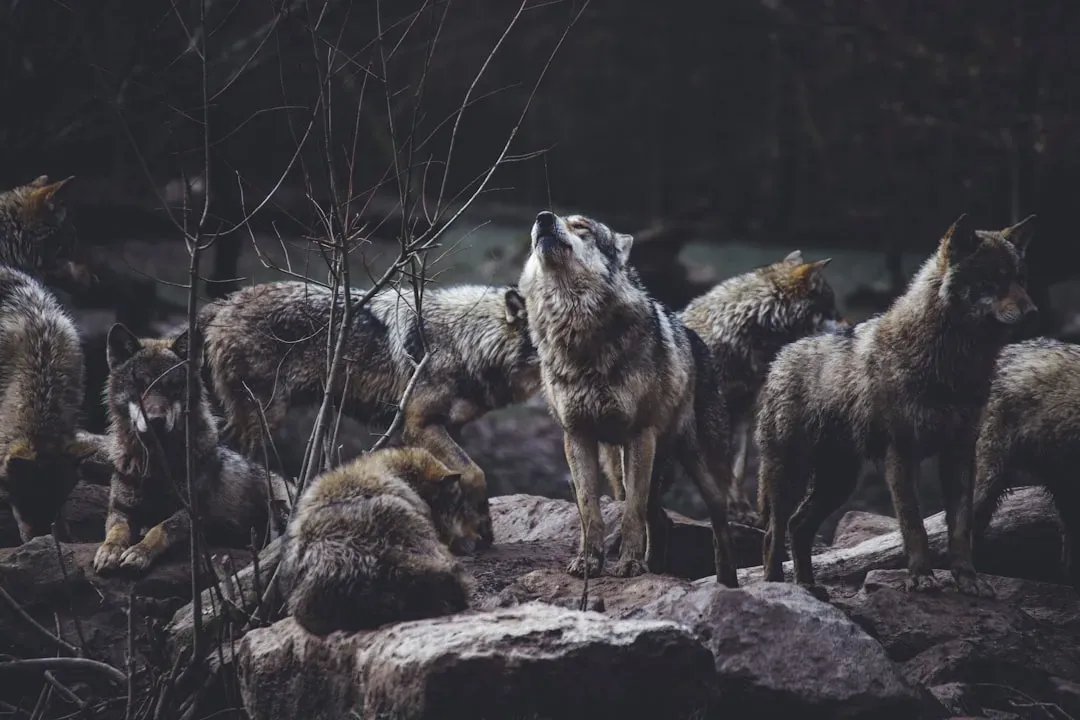
Imagine a time when human campsites were bustling hubs, leaving behind scraps and leftovers. Some wolves, perhaps the more daring or less fearful ones, might have been drawn to these easy meals. Over generations, these bolder wolves could have adapted to human presence, leading to a mutualistic relationship where both species benefited. This theory suggests that wolves initiated their own domestication by exploiting the resources humans inadvertently provided.
This perspective challenges the traditional view that humans actively tamed wolves. Instead, it posits that wolves’ natural behaviors and adaptability played a significant role in their domestication. By choosing to stay close to human settlements, these wolves set the stage for a partnership that would evolve over thousands of years.
Mathematical Models Support the Timeline
Skeptics have often questioned whether self-domestication could occur within the known timeframe. However, recent mathematical simulations have provided compelling evidence. These models demonstrate that, under the right conditions, wolves could have evolved into domesticated dogs in as little as 8,000 years. This aligns with archaeological findings, suggesting that the timeline for self-domestication is not only plausible but probable.
The simulations take into account factors such as wolf behavior, human population density, and the availability of resources. They show that wolves with a predisposition for reduced aggression and increased sociability would have had a survival advantage in proximity to humans, leading to the gradual emergence of domesticated traits.
Human Intervention: The Pup Adoption Hypothesis
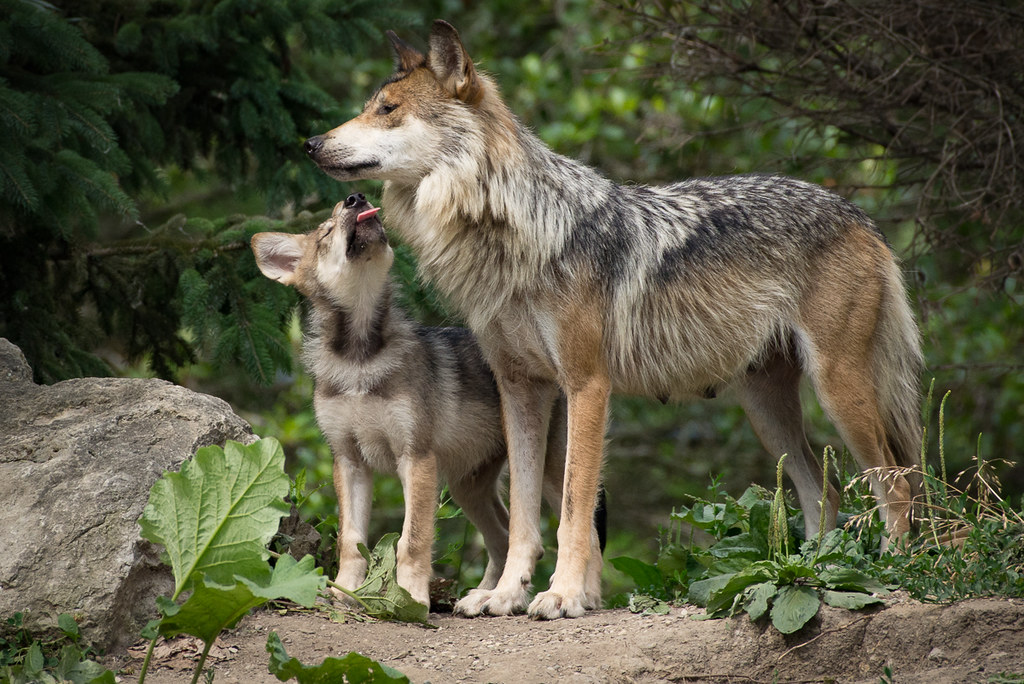
Contrasting the self-domestication theory is the idea that humans played a more direct role. This hypothesis suggests that early humans might have adopted wolf pups, raising them within their communities. Over time, these human-reared wolves would have been selectively bred for traits like docility and loyalty, accelerating the domestication process.
This approach implies a deliberate effort by humans to integrate wolves into their societies. By nurturing wolf pups and selecting for favorable behaviors, humans could have expedited the development of the domestic dog, creating a symbiotic relationship that benefited both species.
Ecological and Behavioral Considerations
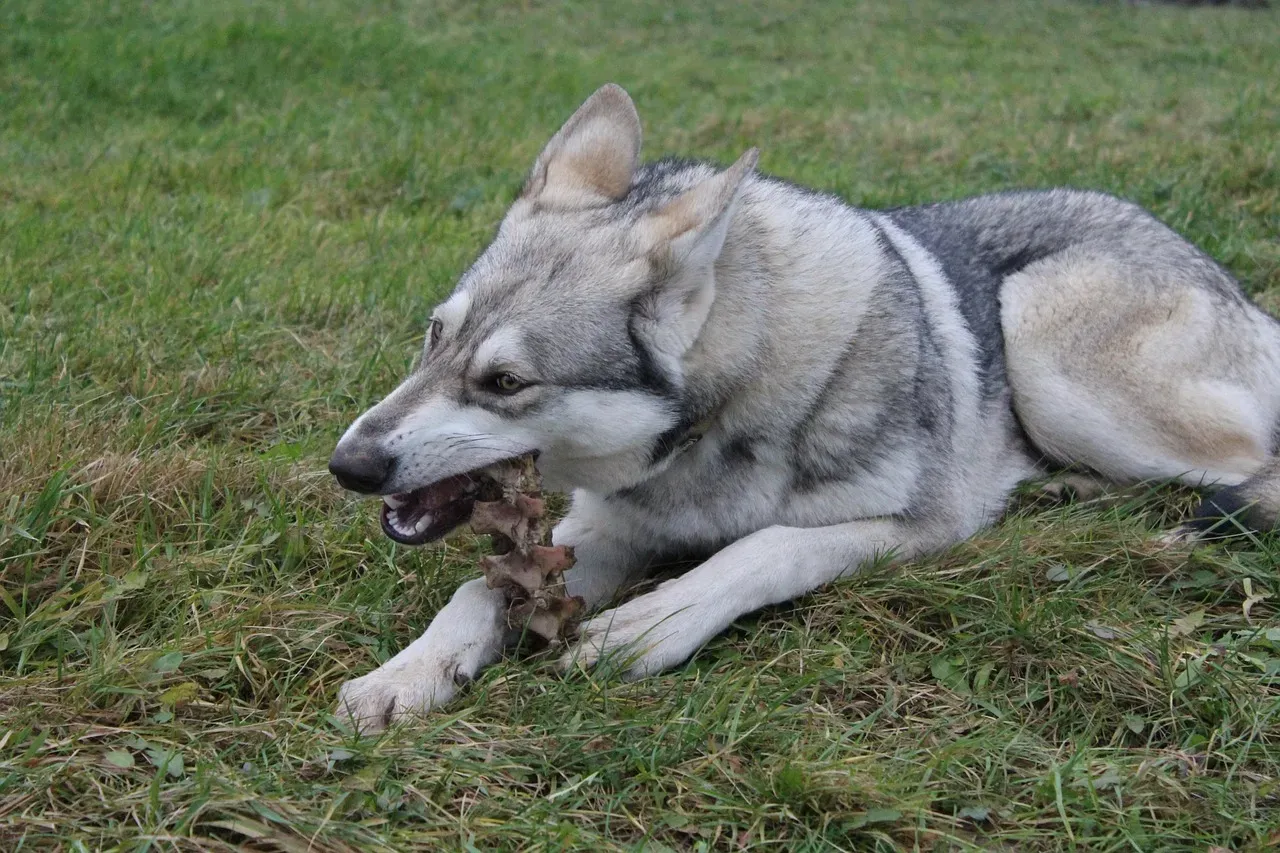
Wolves possess several traits that make them suitable candidates for domestication. Their social structures, diverse diets, and remarkable memory capabilities suggest a natural predisposition to adapt to new environments. However, their inherent wariness of humans poses a significant challenge to the self-domestication theory. This fear would have made close interactions less likely, potentially hindering the development of a cooperative relationship.
On the other hand, the adoption of wolf pups by humans would have facilitated early socialization, reducing fear and fostering trust. This human-mediated approach could have overcome the natural barriers posed by wolves’ cautious nature, leading to a more seamless integration into human communities.
Genetic Evidence and Physical Changes
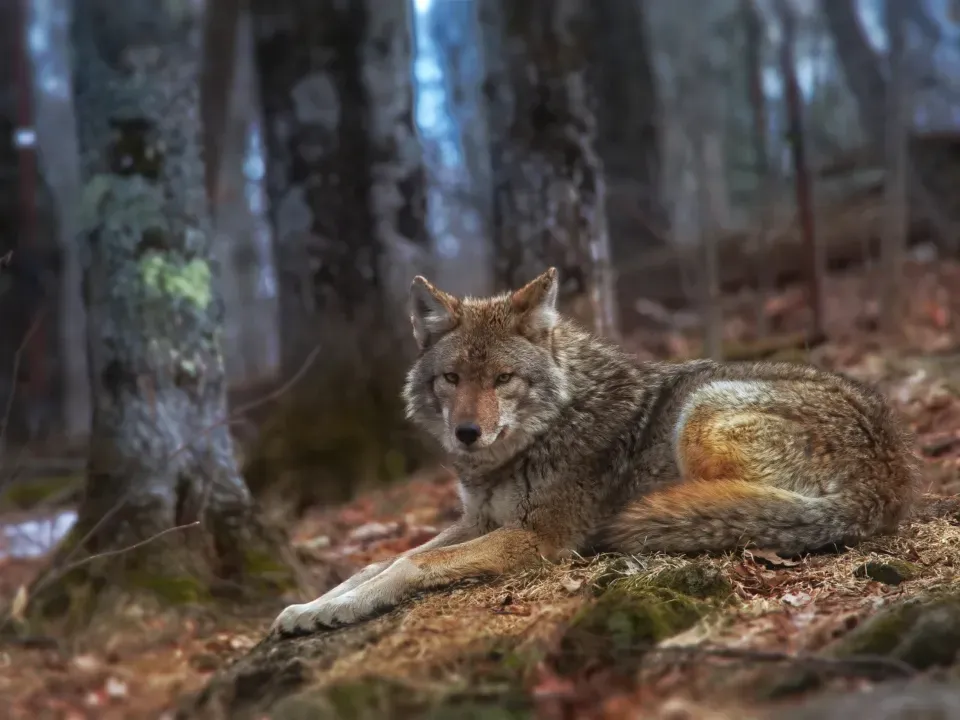
Genetic studies have revealed that domesticated dogs exhibit certain traits not found in their wild counterparts. These include variations in coat color, ear shape, and tail curl. Such changes are often associated with domestication and suggest a process of selection, whether natural or human-driven. The presence of these traits supports the idea that domestication involved significant genetic shifts over time.
Additionally, the emergence of these physical characteristics aligns with behavioral changes, such as increased sociability and reduced aggression. This combination of genetic and behavioral evolution underscores the complexity of the domestication process and the interplay between natural selection and human influence.
Archaeological Insights into Early Dog-Human Relationships

Archaeological findings provide tangible evidence of the deep-rooted connection between humans and dogs. Burial sites dating back thousands of years show humans interred alongside their canine companions, indicating a bond that transcended mere utility. These discoveries suggest that dogs held significant emotional and cultural value in ancient societies.
Such evidence challenges the notion that domestication was purely a functional endeavor. Instead, it points to a relationship built on mutual respect and affection, highlighting the profound impact that dogs have had on human history and culture.
Conclusion: A Complex Tapestry of Domestication
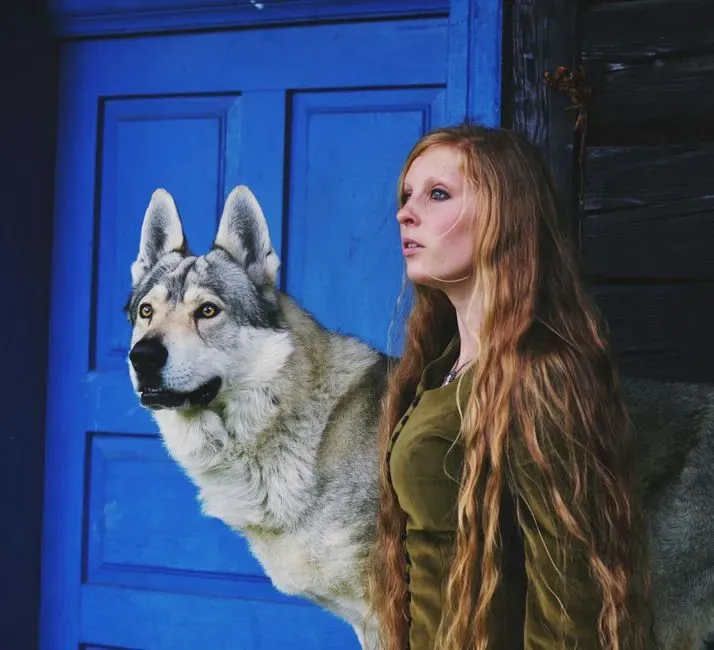
The journey from wolf to dog is a multifaceted narrative woven with threads of natural adaptation and human intervention. While the self-domestication hypothesis offers a compelling account of wolves adapting to human environments, the role of humans in nurturing and selecting for specific traits cannot be overlooked. It is likely that the domestication of wolves into dogs was not a singular event but a dynamic interplay of ecological opportunities and human influence.
This intricate process underscores the depth of the bond between humans and dogs, a relationship that has evolved over millennia and continues to enrich our lives today. As we delve deeper into this history, we gain not only insights into our past but also a greater appreciation for our enduring companionship with these remarkable animals.


