
13 Things Your Dog Does Just to Stay Close to You
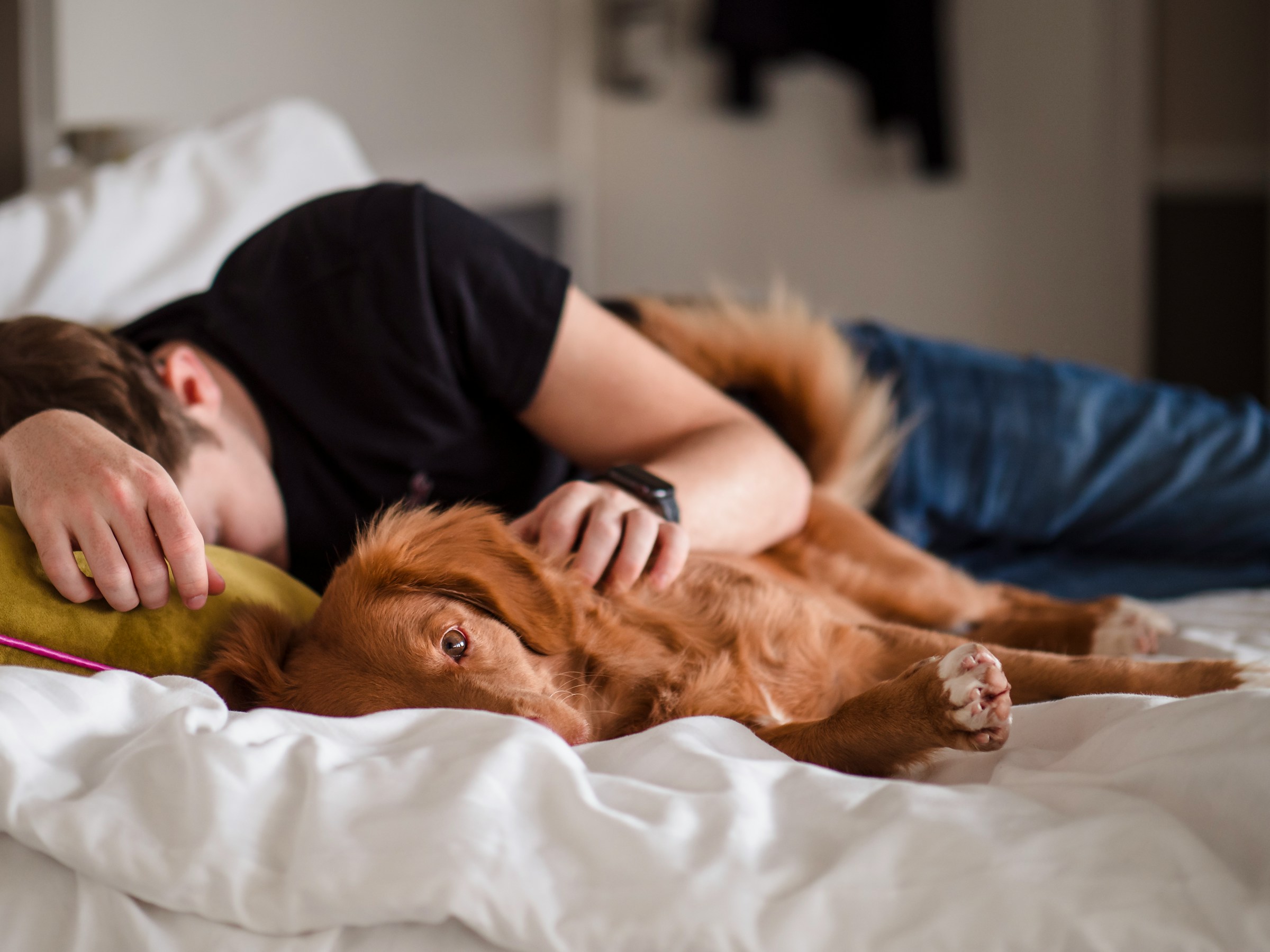
You probably think your dog follows you to the kitchen because of the bacon smell, sleeps against your leg because the floor is cold, or stares at you because dogs are just weird like that. That’s the story most owners tell themselves, and it’s mostly wrong.
Animal behaviorists have spent years studying why dogs do the things they do, and the real answers are a lot more touching than ‘he just wants food.’ Almost every clingy, quirky, impossible-to-ignore habit on this list is your dog’s way of saying one thing: stay close to you. Some of these might be happening in your house right now without you realizing what they actually mean.
13. Following You From Room to Room
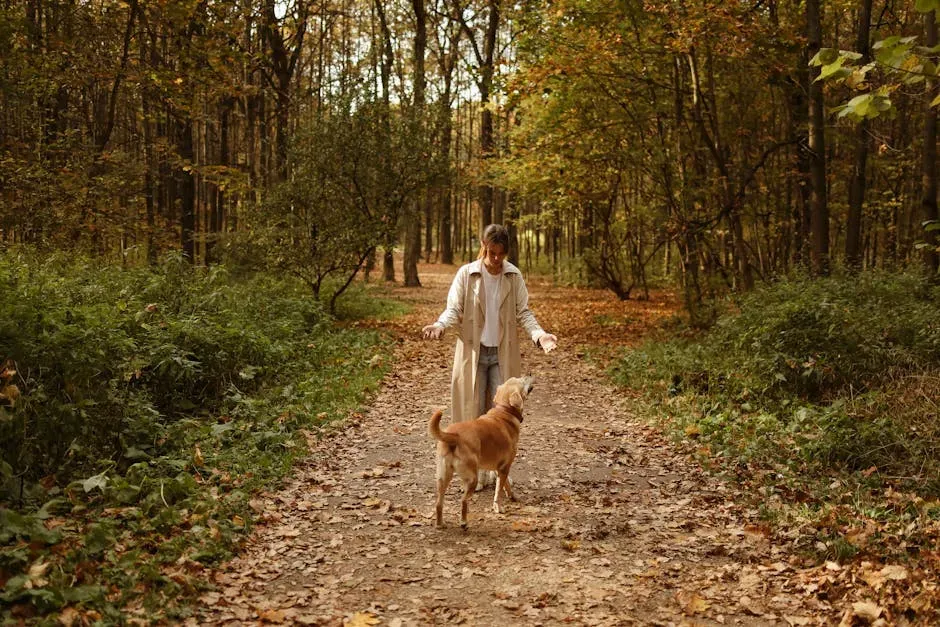
If your dog trails you like a furry shadow, it’s not nosiness. Dogs are wired as pack animals, and in your home, you’re the pack. This shadowing behavior is a trust signal, a way of saying ‘wherever you go, I go.’ Breeds like Labrador Retrievers and Border Collies, known for forming intense human bonds, tend to do this the most.
That said, if the following turns frantic or your dog panics the second you’re out of sight, that’s a different story. It could point to separation anxiety rather than simple devotion. A vet or dog behaviorist can help you tell the difference before it becomes a bigger problem.
Fast Facts
- Wolves relied on staying close to the pack for survival, and dogs never fully lost that instinct even after thousands of years living alongside humans.
- Working and herding breeds bred for close human partnership, like Border Collies and Labs, often show the strongest shadowing habits.
- Shadowing that turns into panic the second you leave a room is one of the earliest and most common signs of separation anxiety.
- Behaviorists generally recommend addressing anxious following early, before it develops into destructive behavior when your dog is left alone.
12. Sleeping Pressed Against You
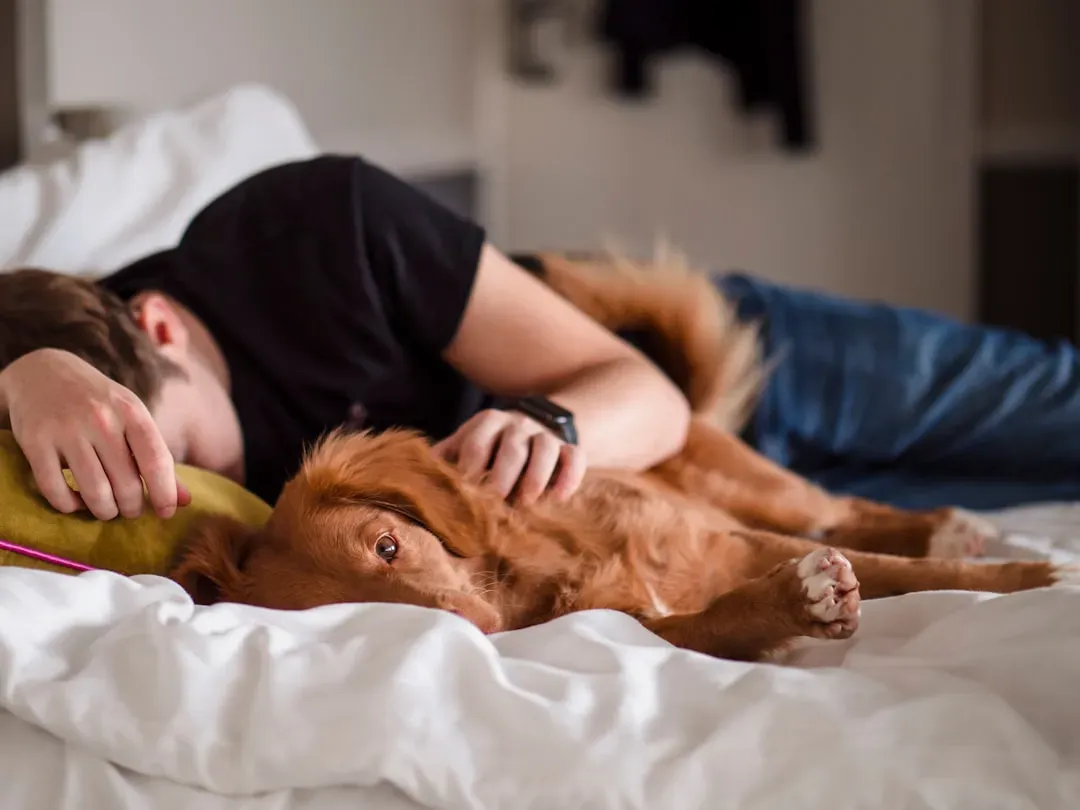
When your dog picks the spot right next to you instead of their own bed, that’s not laziness. In the wild, canines sleep in tight clusters with their pack for warmth and protection. By curling up against you, your dog is quietly filing you under ‘family’ in the most literal sense.
This closeness actually triggers a release of oxytocin, the same bonding hormone that spikes between parents and newborns, in both of you. It’s a real, physical reinforcement of your relationship. If your dog suddenly stops wanting to sleep near you, though, it’s worth a check-in with your vet, since that shift can sometimes signal discomfort or illness.
11. Leaning Into Your Leg
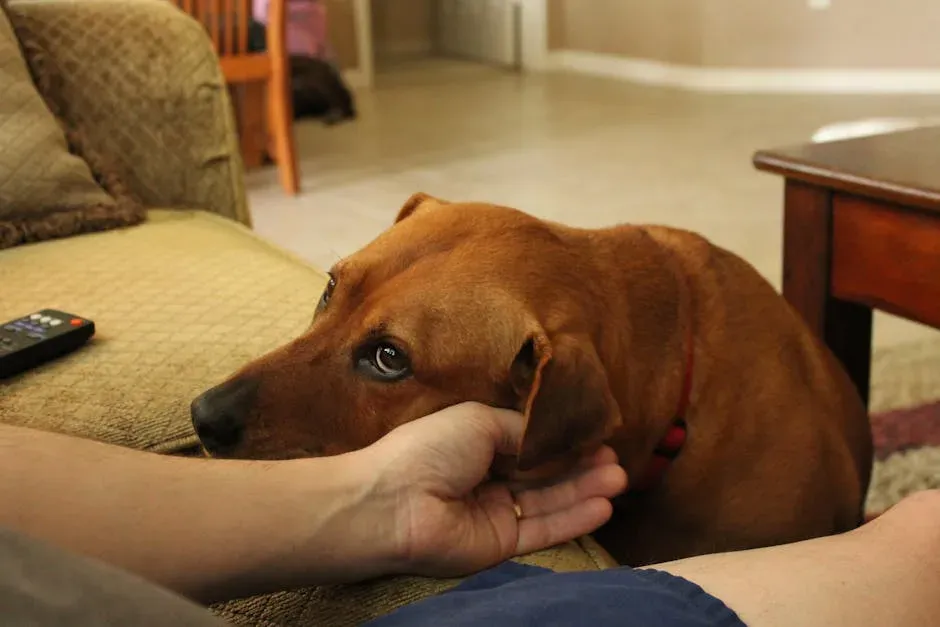
That moment when your dog presses their full body weight against your leg isn’t an accident. Leaning is a dog’s way of physically closing the gap between you two, especially when something around them feels uncertain. It’s their version of grabbing your hand in a crowded room.
Most of the time, this is completely harmless and even flattering. But if the leaning becomes constant or your dog seems tense while doing it, it might be worth paying attention to what’s triggering that stress, rather than just enjoying the snuggle.
10. Planting Themselves on Your Feet
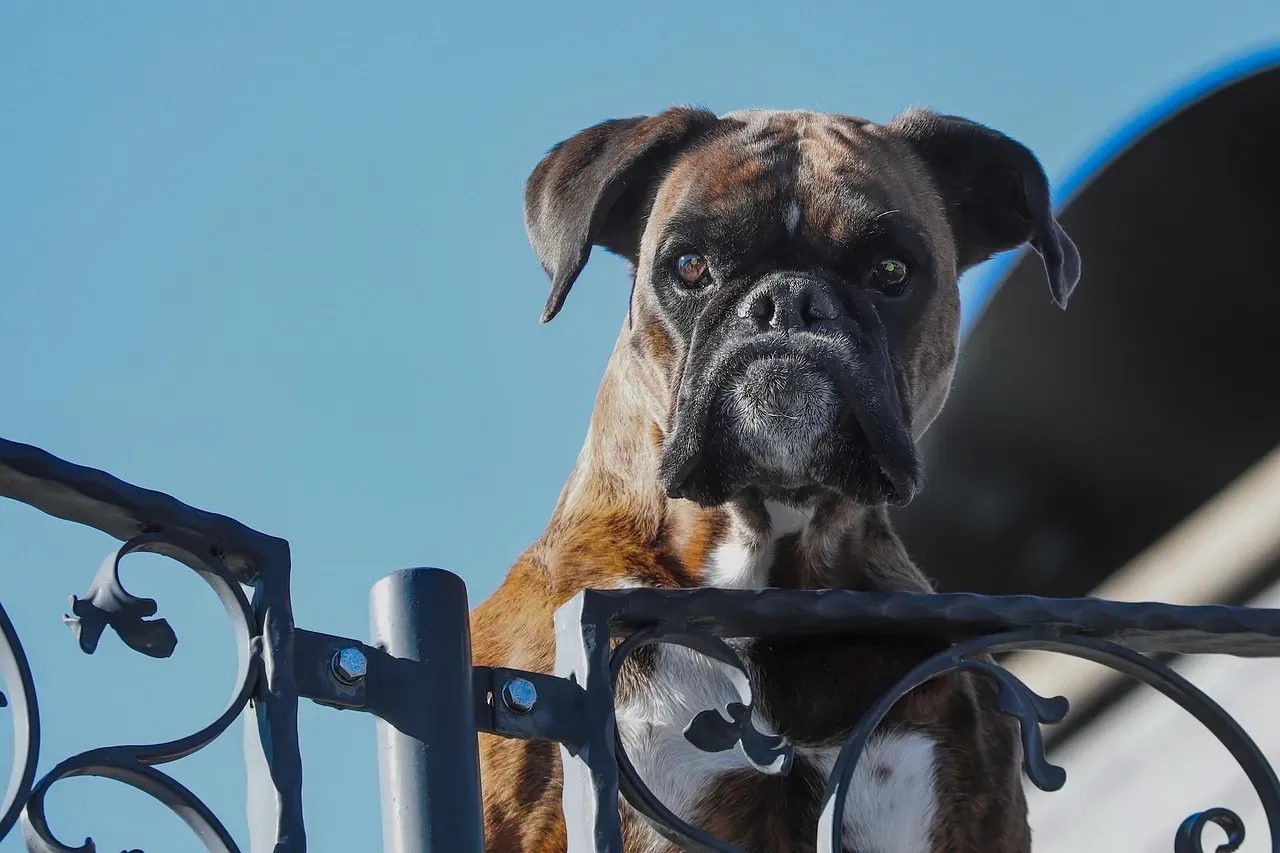
Sitting directly on your feet looks silly, but it’s not just about finding a warm spot. It’s part affection, part quiet claim-staking. By parking themselves there, your dog is keeping you inside their protective radius, treating you like something worth guarding.
This shows up a lot in breeds with strong guarding instincts, like German Shepherds and Dobermans. For them, sitting on your feet is basically a low-key way of saying ‘I’ve got eyes on you, don’t worry.’
9. Licking Your Hands Like It’s a Ritual
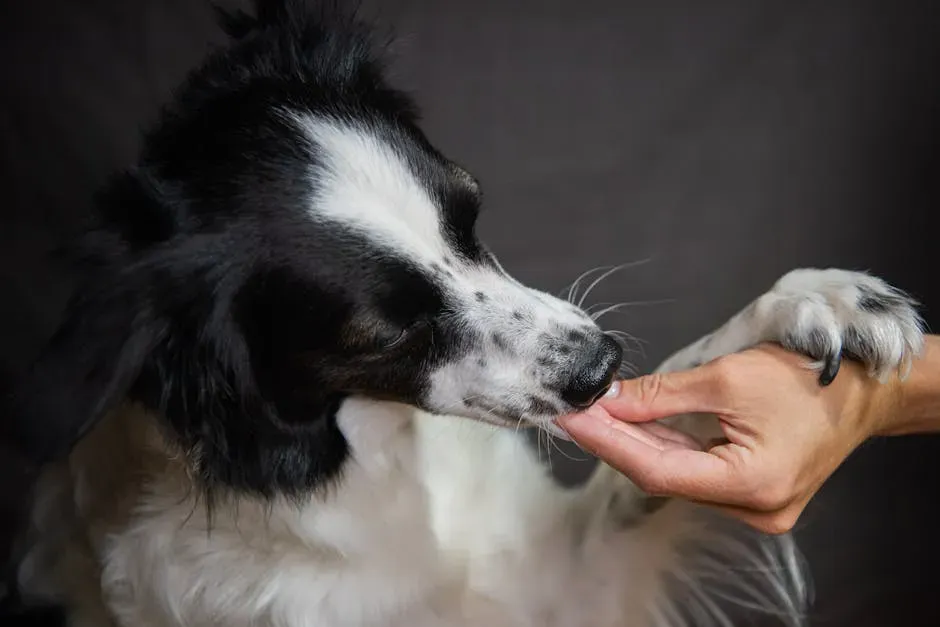
Licking is one of those behaviors dogs never really outgrow. When your dog licks your hands, it’s often pure affection, but it’s also a leftover habit from puppyhood, when licking was how they communicated with their mother.
Occasional licking is sweet and normal. But if it suddenly ramps up, it can be a sign of anxiety or boredom rather than love. More interactive playtime, or a conversation with your vet, can help sort out which one you’re dealing with.
Worth Knowing
- Puppies lick their mother’s face early on as a way to signal submission and request food, a habit rooted in basic canine communication.
- Many adult dogs carry that instinct forward, turning it into an affectionate greeting ritual aimed at the people they trust most.
- A sudden spike in licking can sometimes point to stress or boredom rather than simple affection.
- Redirecting excess licking toward a chew toy or a short play session is a common, low-stress way to manage it.
8. The Head Tilt That Melts You Every Time
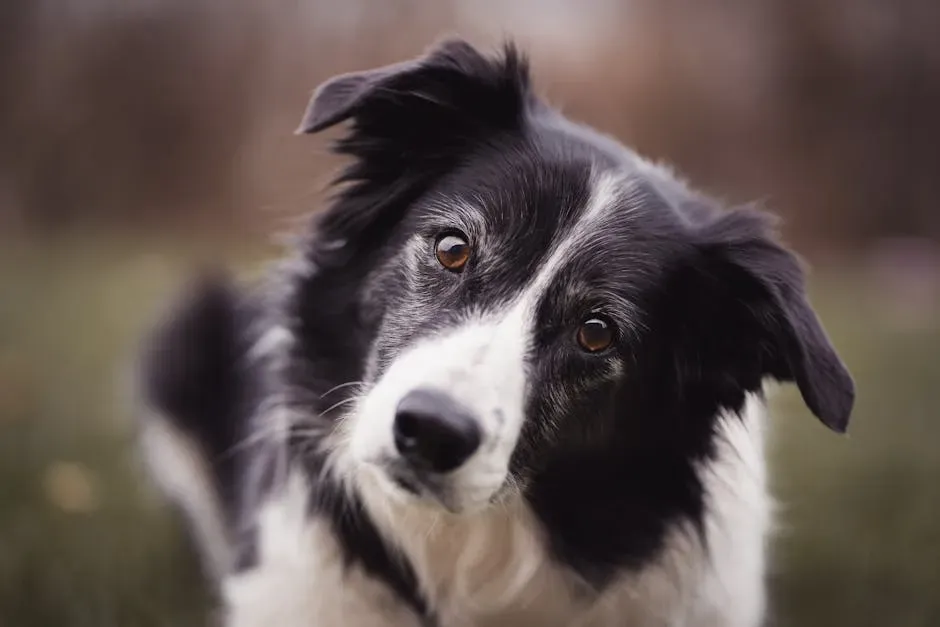
That head tilt isn’t just adorable, it’s your dog actively working to understand you. Dogs tilt their heads to pick up on tone, expression, and the specific sounds you’re making, almost like they’re trying to translate you in real time.
It’s a small window into how badly they want to connect with you and how closely they’re listening. If it starts happening constantly or seems paired with discomfort, though, it’s worth ruling out a hearing or ear issue with your vet.
7. Dropping Their Favorite Toy in Your Lap
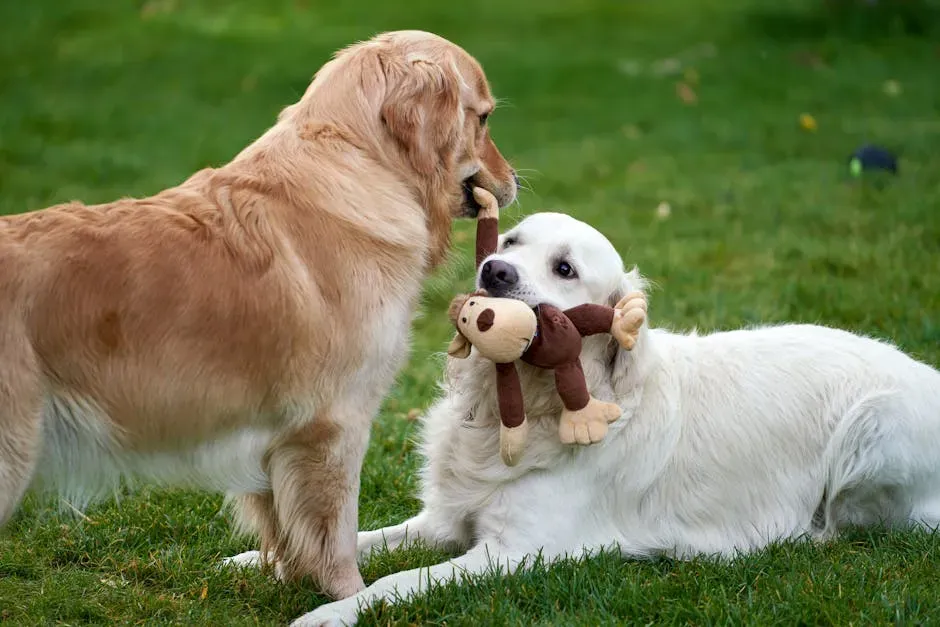
When your dog brings you their most prized toy, they’re not just angling for playtime. They’re inviting you into something that matters to them, which is a bigger deal than it sounds. It’s a small act of trust dressed up as fetch.
It also signals that they see you as someone worth pleasing. Playing along when they offer that toy reinforces the bond and tells them their gesture landed exactly the way they hoped it would.
6. Glancing Back at You Mid-Walk
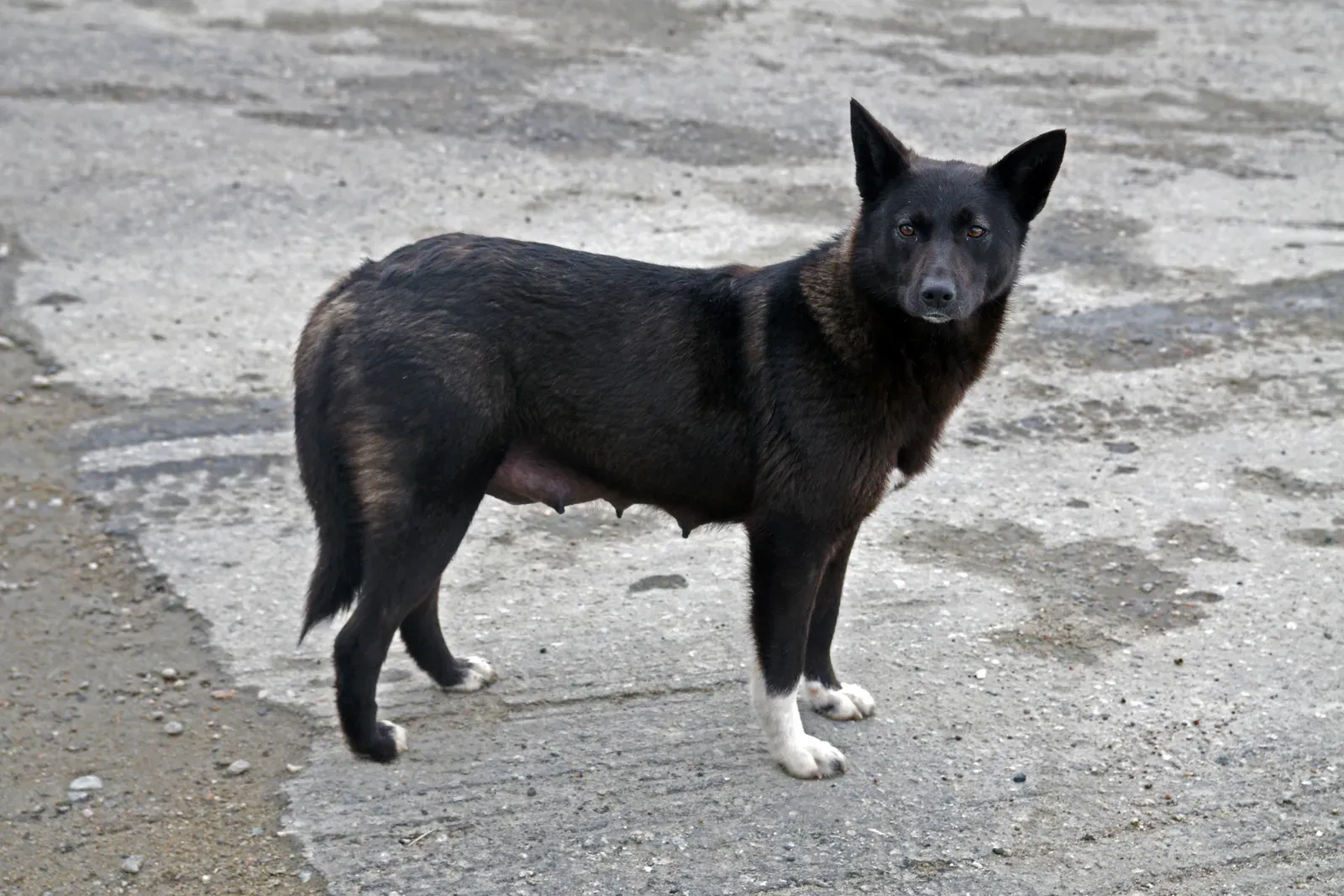
If your dog keeps checking over their shoulder on walks, that’s not distraction, it’s devotion. They’re confirming you’re still there, still paying attention, still part of the plan. It’s a small habit that says a lot about how attached they are to your presence.
Dogs that check in like this are usually more responsive to commands and more tuned in to your body language overall. It’s often a sign of a genuinely strong, well-built bond rather than just good training.
Quick Compare
- Frequent check-ins: Often paired with quicker response to commands and calmer behavior off-leash.
- Rare check-ins: More common in dogs still building trust, or independent-minded breeds like scent hounds.
- Puppies: Naturally check in less until they’ve had time to build a stronger bond with their owner.
5. Trailing You Into the Bathroom
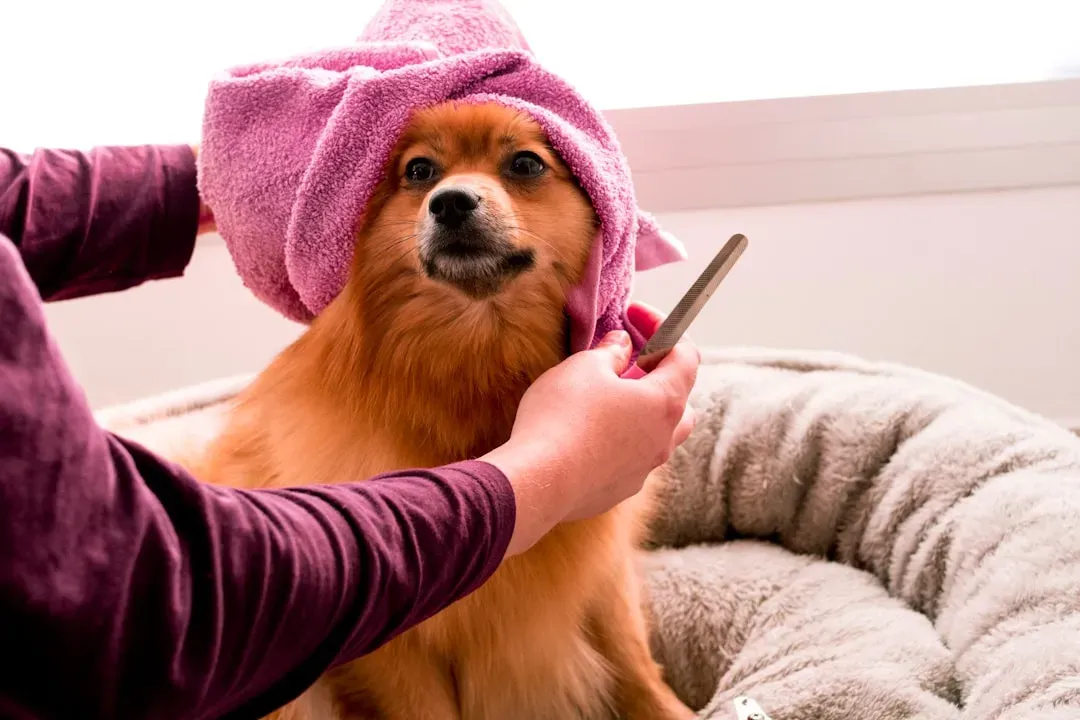
It can feel a little invasive, but when your dog follows you into the bathroom, it’s really just loyalty with zero boundaries. They don’t want to be separated from you, even for the two minutes it takes to brush your teeth. Dogs with especially tight bonds to their owners do this constantly.
If you’d rather have some privacy, you can train your dog to wait outside the door using positive reinforcement. But don’t take it personally, it’s one of the purest forms of ‘I just don’t want to miss anything with you.’
4. Locking Eyes With You Across the Room
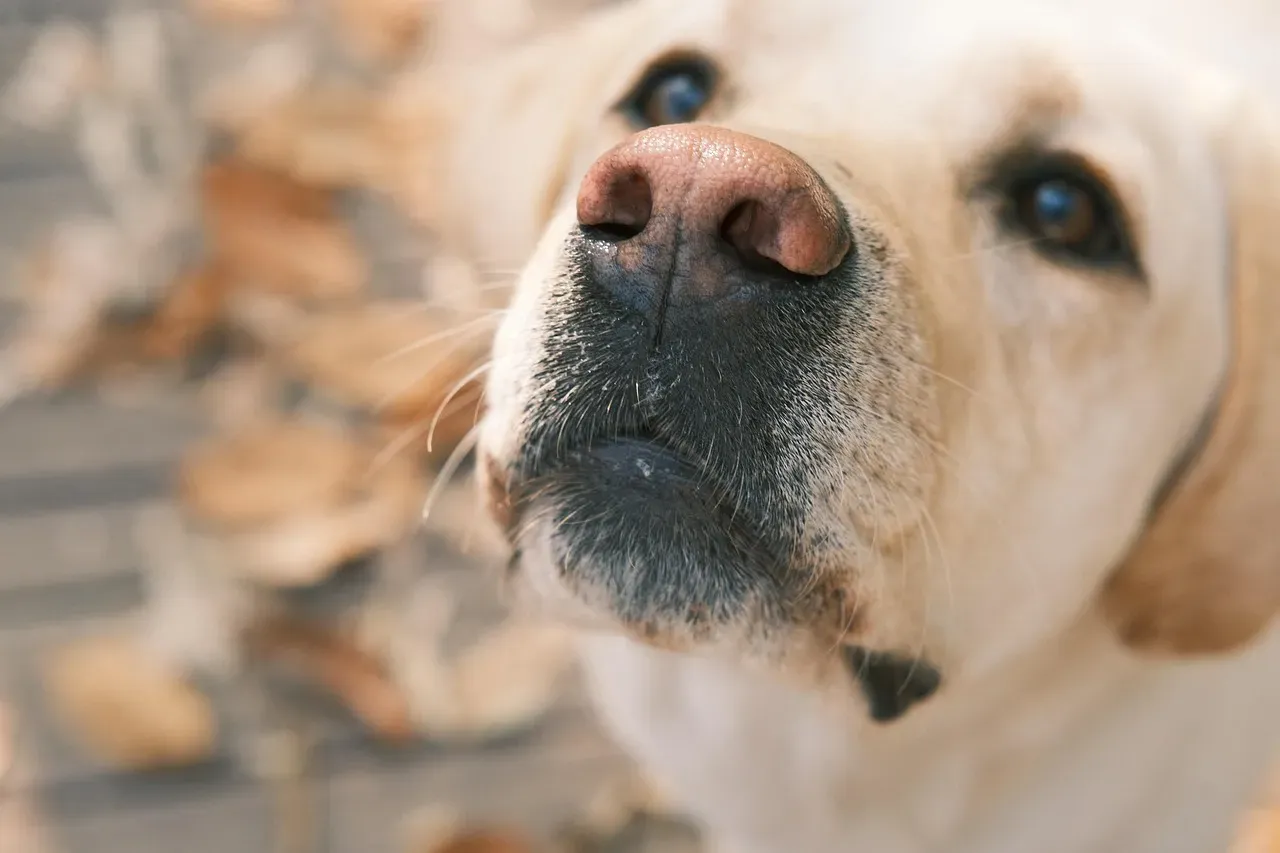
Here’s something most owners don’t know: prolonged eye contact between dogs and humans is rare in the animal kingdom. In the wild, direct staring between canines is usually read as a threat. Somewhere along the way, dogs evolved past that instinct specifically for us.
When your dog holds your gaze, it triggers the same oxytocin bump seen between parents and infants staring at each other. That stare isn’t awkward or random, it’s one of the most direct bonding signals your dog has in their entire toolkit.
3. Letting Out a Deep Sigh When They Curl Up Beside You
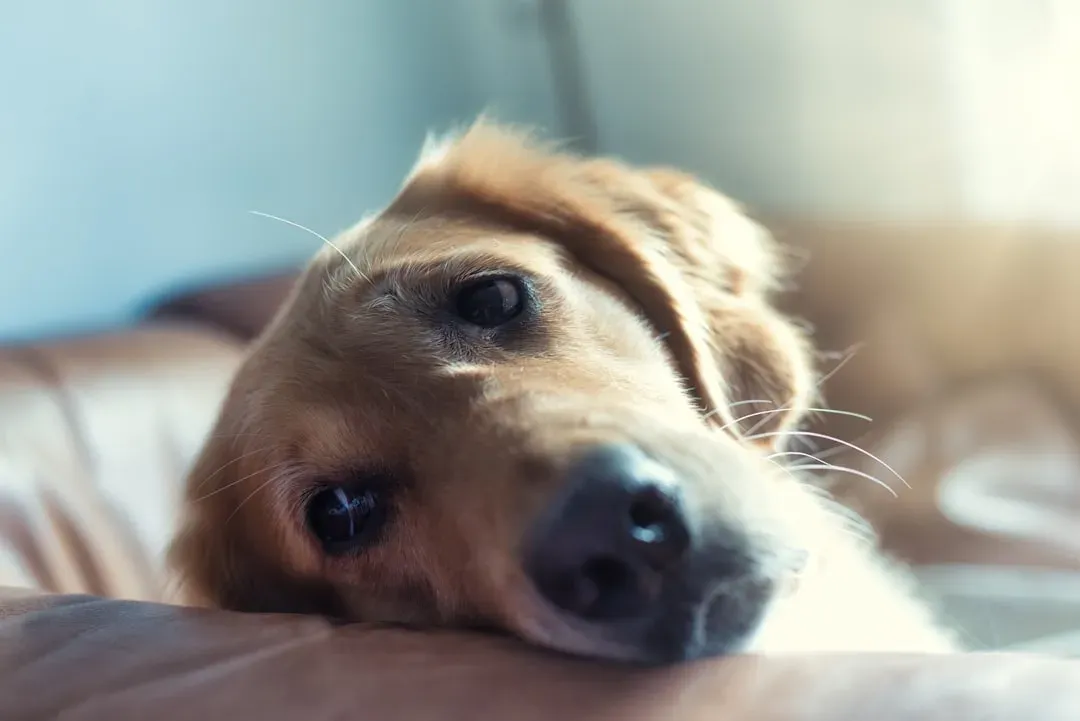
That long, dramatic sigh your dog lets out when they finally settle next to you isn’t for show. It’s a physical release of tension that only happens when a dog feels completely safe. Around strangers or in unfamiliar places, that full-body relaxation just doesn’t show up the same way.
Save that sigh for you, and only you, and your dog is quietly telling you something important: this is the one place they don’t have to stay on guard.
2. Catching Your Yawn Like It’s Contagious
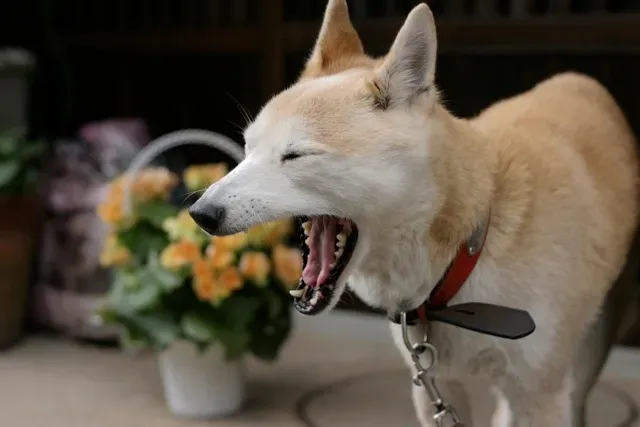
Yawning is contagious among humans, and it turns out dogs catch it too, especially from the people they’re closest to. A dog who yawns right after you do isn’t bored, they’re mirroring you, which is considered a subtle sign of empathy.
It’s a small, almost involuntary way of syncing up with your state, physically tuning in without even trying. Dogs with weaker bonds to a person are far less likely to mirror them this way.
1. Picking You Over Anyone Else in a Crowded Room
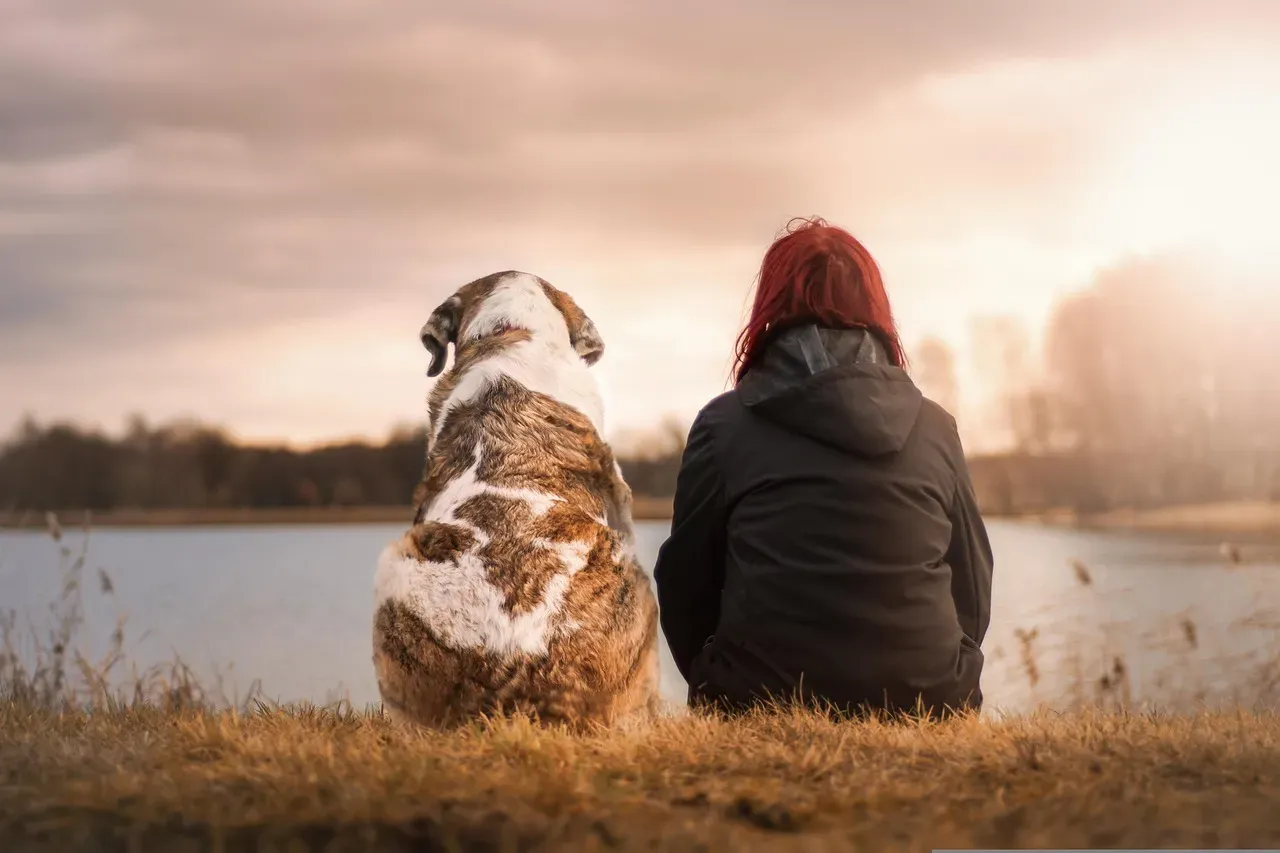
This is the one that gets people every time. Put a dog in a room full of guests, family, and strangers, and watch who they actually gravitate toward. More often than not, they’ll cut through the crowd and land right next to their person, no matter how many other hands are offering pets.
It’s not about who has the treats or the loudest voice. It’s about who their world actually orbits around, and for most dogs, that’s painfully, beautifully obvious.
Why It Stands Out
- Choosing one person in a room full of admirers reflects the depth of the primary bond a dog has formed with that individual.
- This preference tends to be strongest with whoever handles the dog’s daily feeding, walks, and routine care.
- Unlike tricks or commands, this kind of preference isn’t trained, it shows up instantly and entirely on the dog’s own terms.
Dogs are not our whole life, but they make our lives whole.
Roger Caras
Here’s the part I’ll say plainly: none of this is neediness, and it’s not your dog being ‘too much.’ It’s loyalty, offered constantly and without conditions, in a hundred small physical ways most of us barely notice until we actually look for them. The next time your dog parks themselves on your feet or sighs into your side, don’t brush it off as a quirk. That’s the closest thing to ‘I choose you’ a dog knows how to say, and honestly, we don’t deserve them.