

Ever noticed your dog settling down next to you, letting out a deep, heartfelt sigh? It’s a moment that can tug at your heartstrings, leaving you wondering what’s going on in her mind. Is she content, bored, or perhaps trying to tell you something more? Let’s delve into the reasons behind this endearing behavior.
A Sign of Deep Contentment

When your dog nestles beside you and exhales deeply, it’s often a sign of pure satisfaction. This sigh is her way of expressing that she’s comfortable and happy in your presence. Her body language – relaxed muscles, soft eyes, and a gentle demeanor – reinforces this sense of well-being.
In these moments, your dog is communicating trust and affection. She’s letting you know that being close to you brings her peace and joy, strengthening the bond you share.
Transitioning into Relaxation

Dogs, much like humans, use sighing as a way to shift from activity to rest. After a playful session or a walk, a sigh can signal that she’s winding down and preparing to relax. This physiological response helps her body transition from an alert state to a more restful one.
Observing this behavior can be a cue for you to provide a calm environment, allowing her to fully unwind and recharge for the next adventure.
Expressing Mild Disappointment

Sometimes, a sigh might indicate a touch of disappointment. If your dog was hoping for playtime or a treat and realizes it’s not forthcoming, she might let out a sigh as a subtle expression of her unmet expectations.
While this isn’t a cause for concern, it’s a gentle reminder of her desires. Paying attention to these cues can help you understand her needs and keep her engaged and happy.
Seeking Your Attention
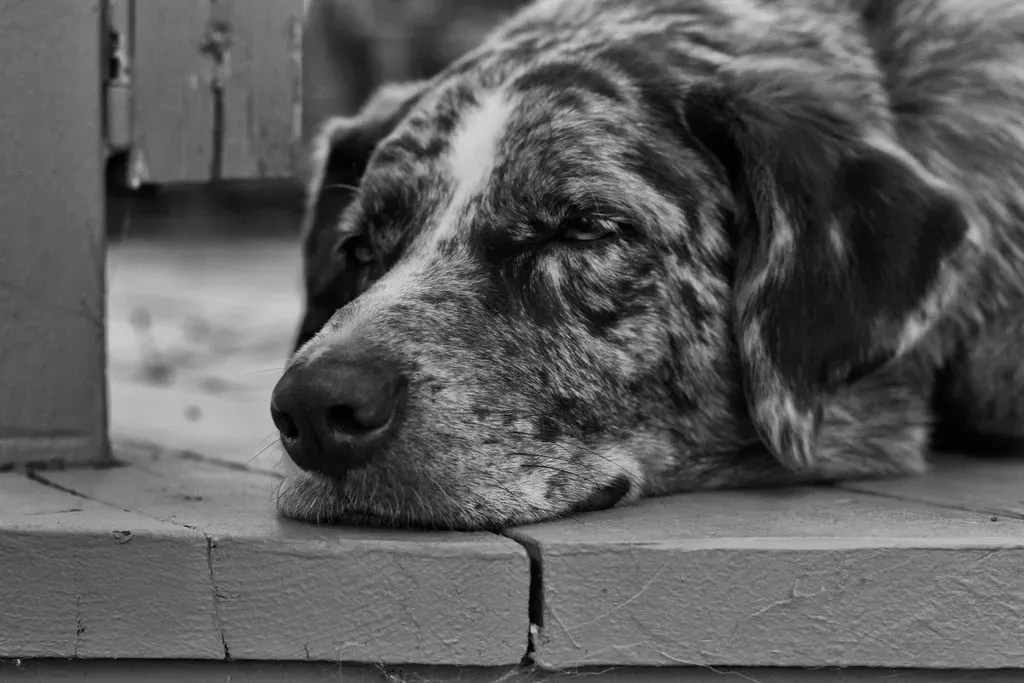
Dogs are astute and quickly learn which behaviors garner attention. If sighing has previously led to petting or play, your dog might use it as a strategy to capture your focus. This learned behavior showcases her intelligence and desire for interaction.
Recognizing this can help you balance responding to her needs while also encouraging other forms of communication and engagement.
A Natural Physiological Response

Beyond emotional expressions, sighing serves a biological function. It helps reinflate the alveoli in the lungs, ensuring efficient oxygen exchange. This involuntary action maintains respiratory health and is a normal part of her breathing pattern.
Understanding this aspect underscores that sighing is a natural and necessary behavior, contributing to her overall well-being.
Indicating Boredom or Frustration
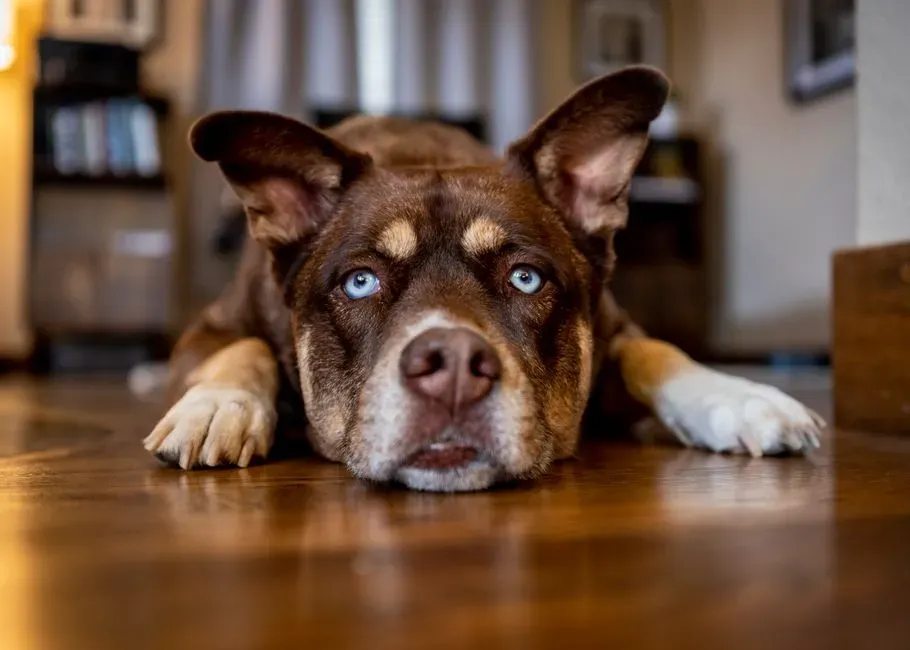
If your dog sighs frequently and appears restless, it might be a sign of boredom or mild frustration. She could be signaling a need for more stimulation, whether through play, exercise, or mental challenges.
Incorporating interactive toys, training sessions, or additional walks can alleviate these feelings, keeping her engaged and content.
When to Be Concerned

While sighing is typically harmless, it’s essential to be attentive to context. If sighs are accompanied by signs of discomfort, such as whining, limping, or changes in appetite, it could indicate pain or health issues.
In such cases, consulting your veterinarian is crucial to ensure her health and address any underlying problems promptly.
In conclusion, your dog’s sighs are a window into her emotional and physical state. They often signify contentment and relaxation, reflecting the trust and comfort she feels with you. By paying attention to these subtle cues, you can deepen your understanding of her needs and strengthen the bond you share. So, the next time she sighs beside you, take it as a heartfelt expression of her love and trust. Isn’t it wonderful to know that such a simple act can convey so much?


