

Losing a beloved dog is a heart-wrenching experience that can leave an indelible mark on your life. Beyond the emotional turmoil, the loss can manifest in various physical and psychological ways that science has only recently begun to acknowledge. Here are 15 profound changes that can occur in your body when you lose a canine companion.
1. Intense Emotional Grief

The bond between humans and dogs is profound, often equating to that of close family members. When this bond is severed, it can trigger a deep emotional grief comparable to losing a human loved one. This grief can encompass feelings of sadness, loneliness, and even depression.
The emotional pain can be overwhelming, leading to tears, mood swings, and a sense of emptiness. Acknowledging and processing these emotions is crucial for healing.
2. Physical Symptoms of Grief

Grief doesn’t just affect the mind; it takes a toll on the body as well. Common physical manifestations include fatigue, headaches, and muscle tension. Some individuals may experience changes in appetite, leading to weight loss or gain.
Sleep disturbances are also prevalent, with some finding it hard to fall asleep, while others may sleep excessively. These physical symptoms are the body’s response to the emotional stress of loss.
3. Increased Stress Levels

The loss of a dog can elevate stress hormones like cortisol, leading to heightened anxiety and restlessness. This physiological response can make daily tasks seem daunting and reduce overall productivity.
Chronic stress can weaken the immune system, making one more susceptible to illnesses. It’s essential to find healthy coping mechanisms to manage this stress.
4. Cardiovascular Impact

In some cases, the intense grief from losing a pet can lead to “broken-heart syndrome,” or takotsubo cardiomyopathy. This condition mimics heart attack symptoms, including chest pain and shortness of breath.
While typically temporary, it’s a stark reminder of how emotional pain can manifest physically. Seeking medical attention for such symptoms is crucial.
5. Compromised Immune Function

Prolonged grief can suppress the immune system, making the body more vulnerable to infections and illnesses. This is due to the continuous release of stress hormones that can hinder immune responses.
Maintaining a balanced diet, regular exercise, and adequate sleep can help bolster the immune system during such challenging times.
6. Changes in Routine and Activity Levels

Dogs often provide structure to our daily routines, from morning walks to feeding times. Their absence can disrupt these routines, leading to decreased physical activity and a sense of aimlessness.
Establishing new routines and finding alternative activities can help fill the void and promote physical well-being.
7. Social Withdrawal

The loss of a dog can lead to social isolation, as some individuals may withdraw from friends and family. This withdrawal can stem from a desire to grieve privately or from a lack of understanding from others.
Engaging with supportive communities or seeking professional counseling can aid in navigating this isolation.
8. Cognitive Impairments

Grief can cloud the mind, leading to difficulties in concentration, memory lapses, and decision-making challenges. This mental fog can affect work performance and daily responsibilities.
Practicing mindfulness and allowing oneself grace during this period can help mitigate these cognitive effects.
9. Sleep Disturbances
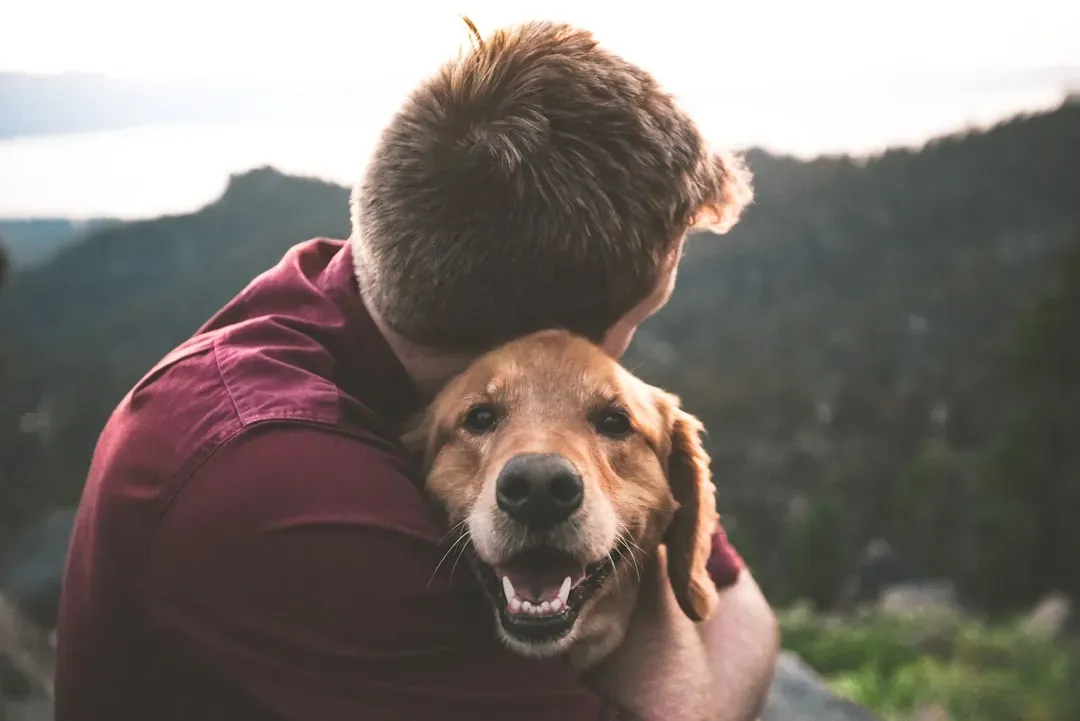
The emotional turmoil of losing a dog can disrupt sleep patterns, leading to insomnia or excessive sleeping. Dreams about the pet or the silence in the home can exacerbate these disturbances.
Establishing a bedtime routine and creating a restful environment can promote better sleep quality.
10. Appetite Changes

Grief can lead to significant changes in appetite, with some individuals losing interest in food, while others may overeat as a coping mechanism. These changes can result in weight fluctuations and nutritional imbalances.
Being mindful of eating habits and ensuring balanced nutrition is essential during the grieving process.
11. Increased Risk of Depression

The profound loss of a canine companion can trigger or exacerbate depressive symptoms. Feelings of hopelessness, persistent sadness, and a lack of interest in previously enjoyed activities are common indicators.
Seeking support from mental health professionals can provide strategies to cope with these feelings.
12. Heightened Anxiety
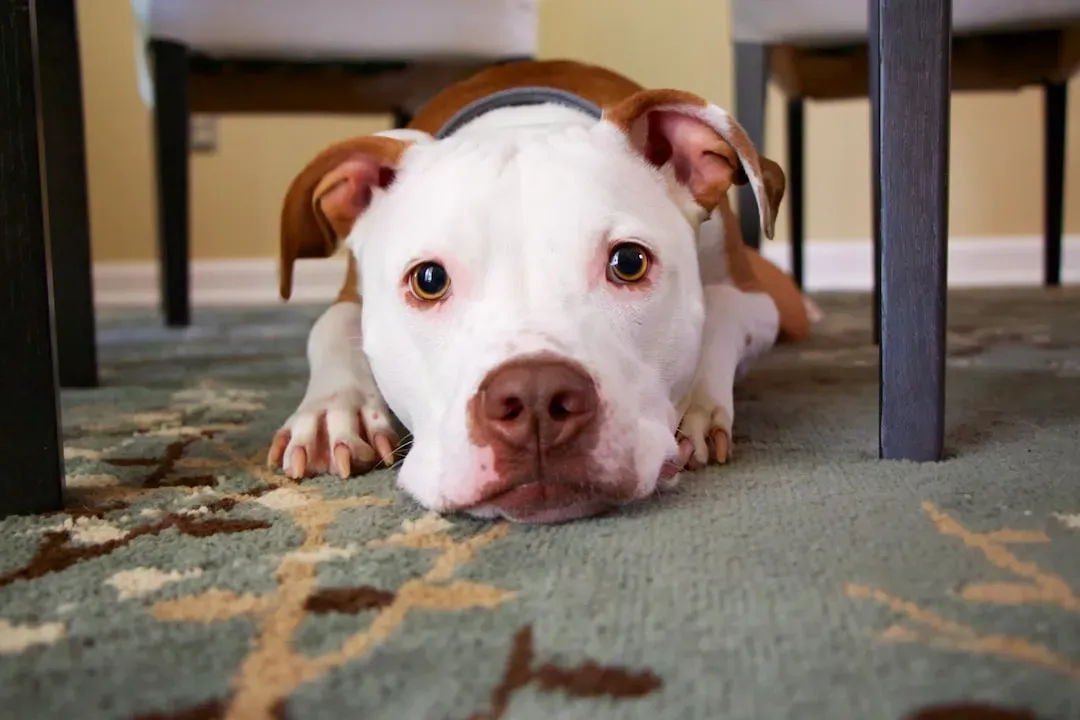
The absence of a dog can lead to increased anxiety, especially if the pet provided a sense of security or routine. This anxiety can manifest as restlessness, irritability, or panic attacks.
Engaging in relaxation techniques, such as deep breathing or meditation, can help manage anxiety levels.
13. Guilt and Self-Blame

Many pet owners experience feelings of guilt or self-blame after the loss of their dog, questioning decisions made regarding their pet’s health or care. These feelings can be overwhelming and hinder the healing process.
It’s important to recognize that these emotions are a natural part of grief and to seek support to process them.
14. Sensory Hallucinations

Some individuals report hearing their dog’s bark or feeling their presence after their passing. These sensory experiences are a common part of the grieving process and are linked to the brain’s way of coping with loss.
Understanding that these experiences are normal can provide comfort during mourning.


