
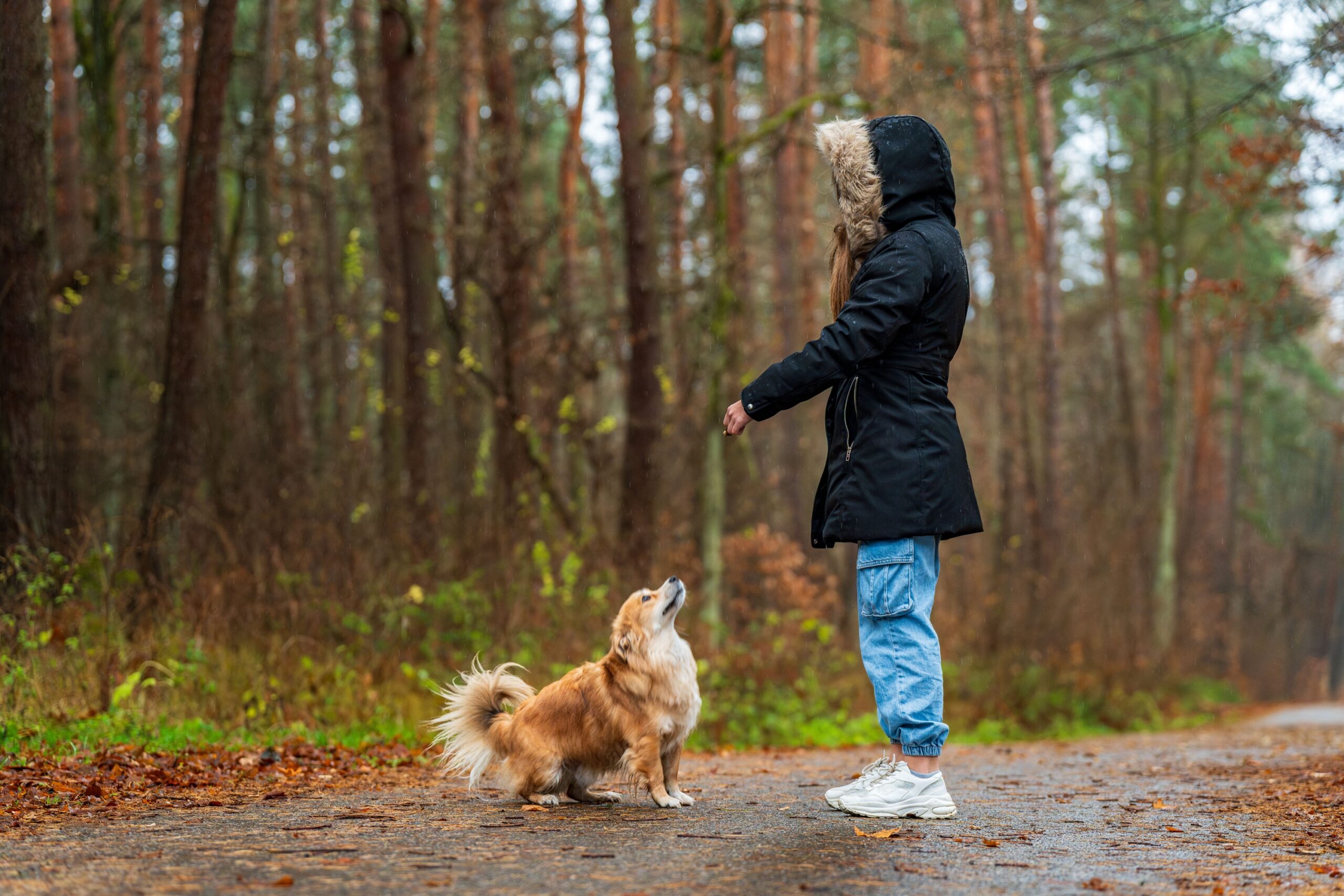
Dogs have long been celebrated for their loyalty and companionship, but did you know they might also be keeping a vigilant eye on your health? Many dog owners have reported instances where their furry friends exhibited behaviors that seemed to indicate an awareness of their human’s well-being. Let’s delve into nine such behaviors that suggest your dog might be acting as your personal health monitor.
Unusual Sniffing of Specific Body Areas

If your dog suddenly becomes fixated on sniffing a particular part of your body, it might be more than just curiosity. Dogs possess an extraordinary sense of smell, allowing them to detect subtle changes in human body chemistry. This keen olfactory ability has been harnessed in medical settings, where trained dogs can identify certain cancers by detecting volatile organic compounds emitted by diseased cells.
While your pet isn’t a trained medical detection dog, their persistent attention to a specific area could be their way of signaling that something is amiss. It’s always wise to consult a healthcare professional if you notice such behavior, as early detection can be crucial.
Increased Clinginess or Protective Behavior

A sudden surge in your dog’s clinginess or protective instincts might be their response to changes in your health. Dogs are adept at picking up on human emotions and physical states. If you’re feeling unwell or stressed, your dog may sense this and respond by staying close to offer comfort and protection.
This behavior isn’t just about seeking attention; it’s a testament to the deep bond between humans and dogs. Your canine companion’s increased attentiveness could be their way of ensuring you’re safe and supported during times of vulnerability.
Alerting to Seizures or Blood Sugar Changes
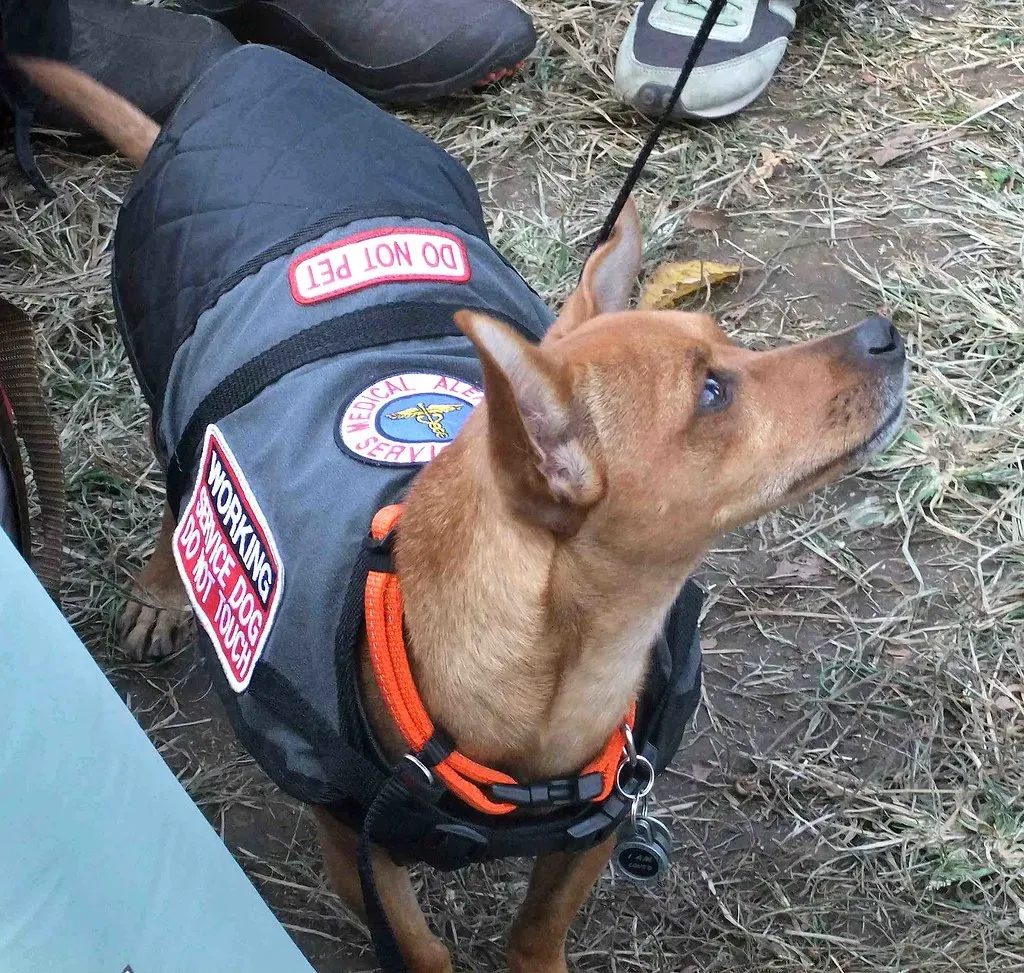
Some dogs have demonstrated the ability to detect impending seizures or fluctuations in blood sugar levels. They may alert their owners by barking, pawing, or exhibiting other attention-seeking behaviors. This remarkable skill is attributed to their ability to detect chemical changes in the body that precede such events.
While not all dogs possess this ability, those that do can provide invaluable assistance to individuals with conditions like epilepsy or diabetes. Their alerts can offer precious moments to take preventive action, potentially averting serious health crises.
Persistent Licking of a Particular Spot

If your dog persistently licks a specific area on your body, it might be more than just a display of affection. There have been accounts of dogs licking areas where underlying health issues, such as tumors or infections, were later discovered. This behavior could be their way of drawing attention to a problem they perceive through their acute senses.
While it’s essential not to jump to conclusions, it’s worth paying attention to such behavior. If your dog is fixated on a particular spot, consider having it checked by a medical professional to rule out any potential issues.
Changes in Their Own Behavior Reflecting Your Health

Dogs often mirror the emotional and physical states of their owners. If you’re feeling under the weather, you might notice your dog becoming more subdued or exhibiting signs of distress. This empathetic response is a reflection of their deep connection to you and their sensitivity to changes in your well-being.
Such behavioral changes in your dog can serve as a reminder to pay attention to your own health. Their reactions might prompt you to seek medical advice or take better care of yourself during times of illness or stress.
Refusing to Leave Your Side

A dog that refuses to leave your side, especially when you’re feeling unwell, is displaying a classic sign of concern. This behavior underscores their role as loyal companions who are attuned to your needs. Their constant presence can provide comfort and may even have therapeutic effects, such as reducing stress and promoting a sense of well-being.
This unwavering companionship is a testament to the unique bond shared between humans and dogs. Their presence can be a source of solace during challenging times, reminding us of the healing power of companionship.
Bringing You Items Without Prompting

If your dog starts bringing you items like blankets, pillows, or even your medication without being asked, it could be their way of trying to care for you. This behavior might stem from their observation of your routines and an intuitive desire to assist when they sense you’re not at your best.
While it might seem amusing or coincidental, such actions highlight the depth of understanding and empathy dogs can exhibit. Their attempts to provide comfort or assistance reflect their integral role in our lives as more than just pets.
Acting Anxious or Restless When You’re Ill

Dogs can become noticeably anxious or restless when their owners are unwell. This behavior may manifest as pacing, whining, or an inability to settle. It’s believed that they pick up on changes in your scent, behavior, or routine, which can cause them distress.
Their anxiety is a reflection of their concern for your well-being. Recognizing this behavior can serve as a prompt to assess your health and seek medical attention if necessary.
Noticing Subtle Changes Before You Do

Dogs often detect subtle changes in their owners before the owners themselves are aware of them. This could include changes in mood, energy levels, or even the onset of illness. Their acute senses and close bond with humans make them highly attuned to such shifts.
Paying attention to your dog’s behavior can provide valuable insights into your own health. Their reactions might alert you to issues that require attention, allowing for earlier intervention and better outcomes.
Conclusion
The behaviors exhibited by dogs that suggest they are monitoring our health are both fascinating and heartwarming. While they are not a substitute for medical professionals, their attentiveness can serve as an


