
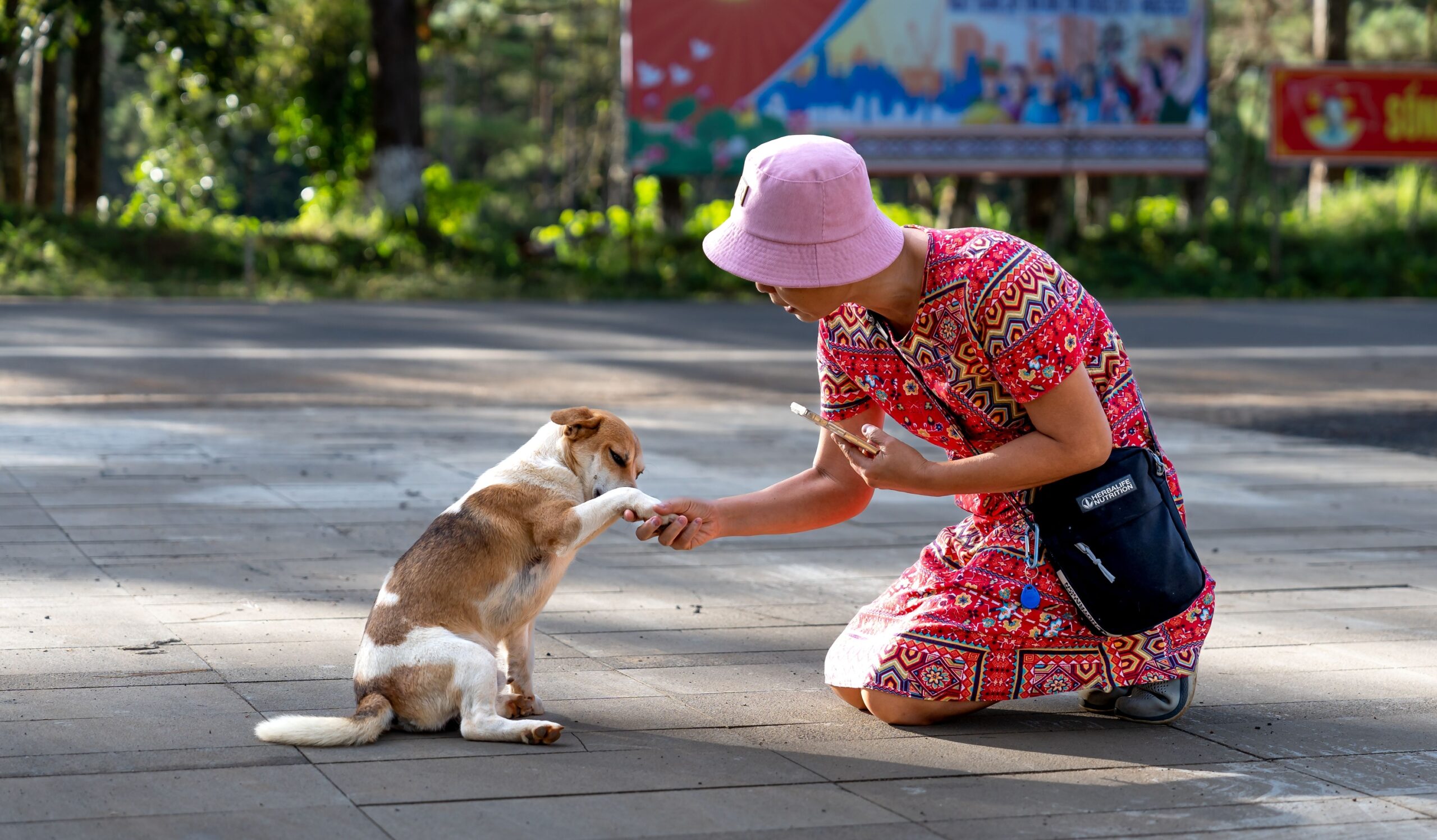
Ever wondered why your dog showers you with exuberant affection after a long day apart but barely lifts its head when you return from a quick errand? Recent research sheds light on this behavior, revealing that dogs adjust their greeting intensity based on the duration of your absence.
Dogs Perceive Time Through Environmental Cues
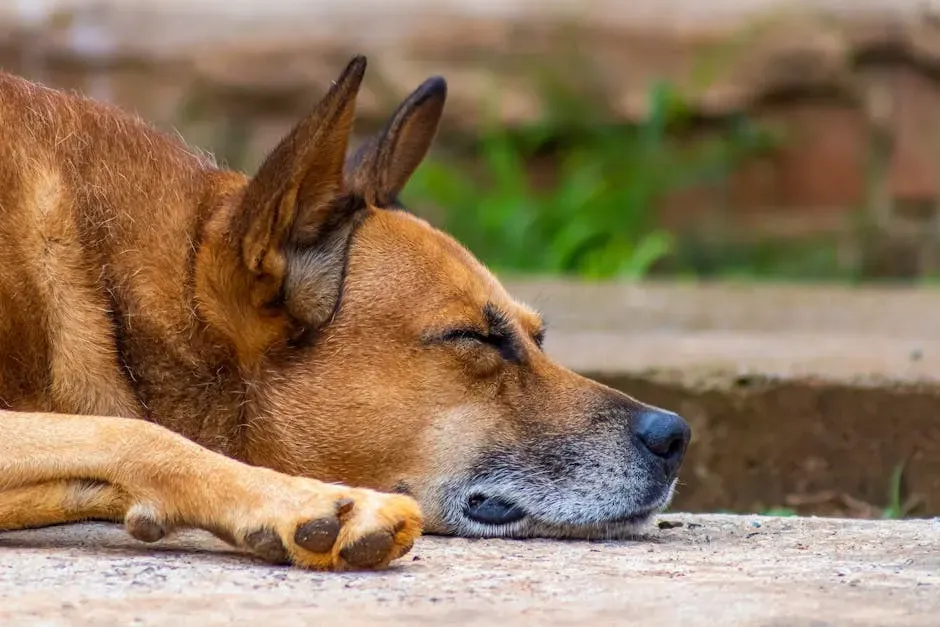
Dogs lack the human ability to read clocks, yet they possess a keen sense of time. They rely on environmental cues such as light changes, daily routines, and scent decay to gauge the passage of time. For instance, the fading scent of their owner can signal how long they’ve been gone.
This sensitivity allows dogs to anticipate events and adjust their behavior accordingly. It’s why your dog might wait by the door around the time you usually return from work, demonstrating their internal timekeeping abilities.
Greeting Intensity Correlates with Absence Duration
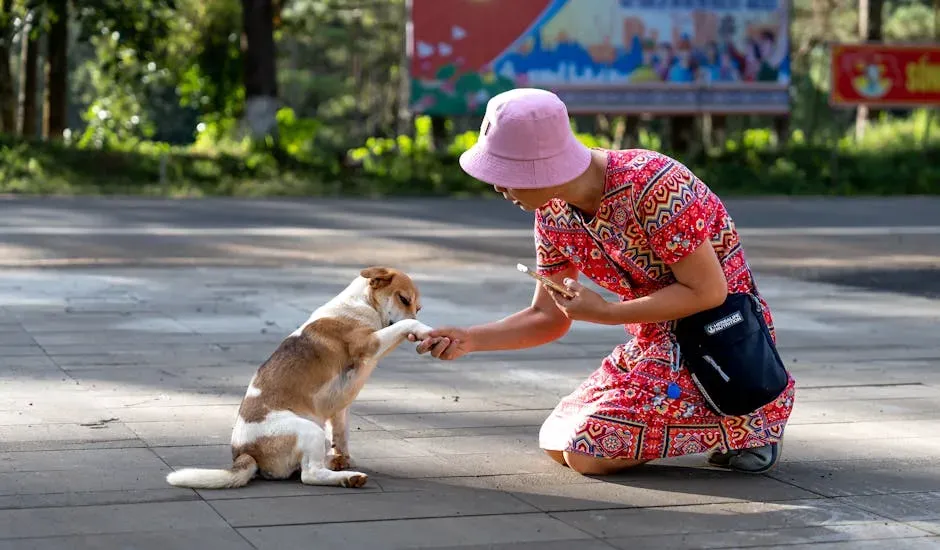
Studies have shown that the length of time a dog is separated from its owner directly influences the enthusiasm of their greeting upon reunion. Short absences often result in mild acknowledgments, while longer separations elicit more vigorous and prolonged greetings.
This behavior suggests that dogs not only miss their owners but also keep track of time, adjusting their emotional responses based on how long they’ve been apart. It’s a testament to the depth of the bond between dogs and their humans.
Physical Contact Enhances Emotional Bonds
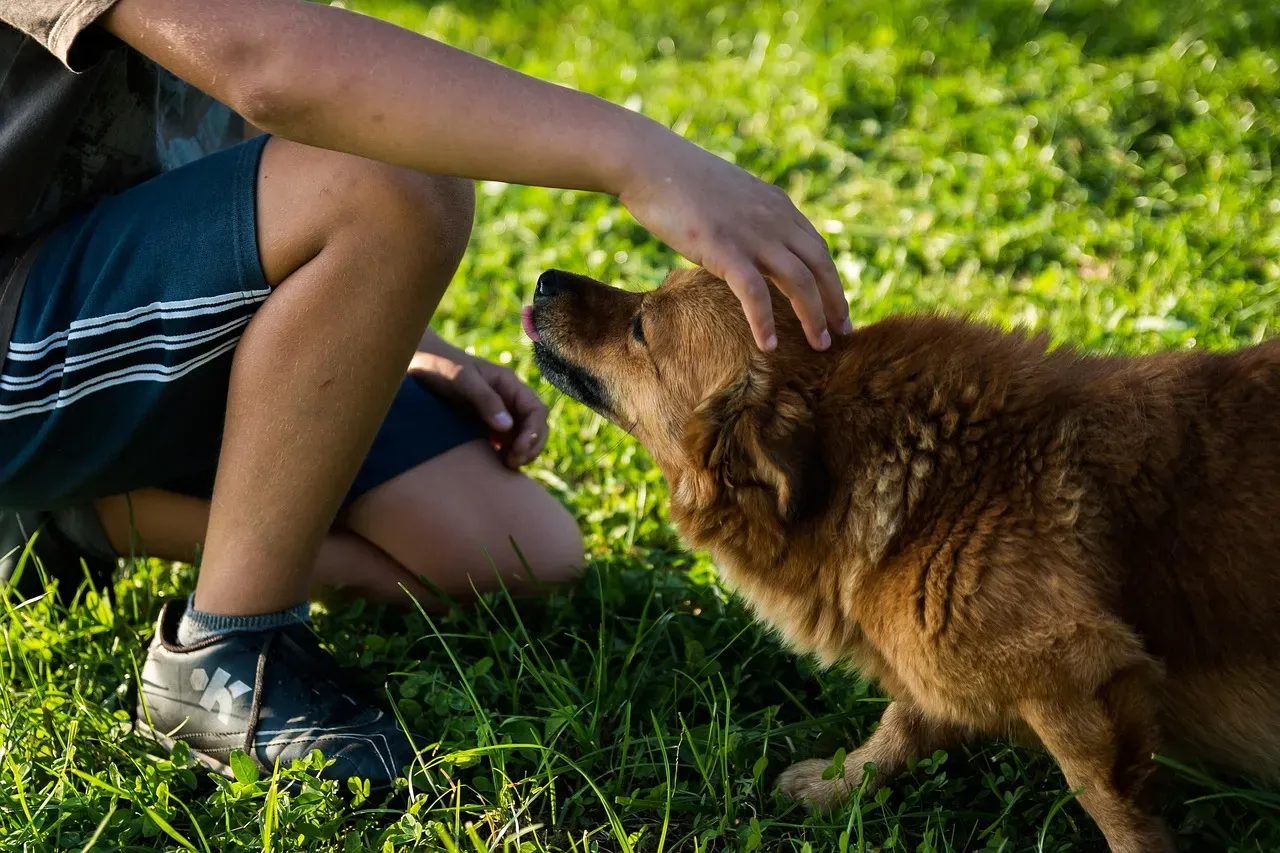
Research indicates that the way owners greet their dogs significantly impacts the dog’s emotional state. Combining verbal greetings with physical touch, such as petting, leads to higher levels of oxytocin in dogs, fostering a stronger emotional connection.
Conversely, greetings that lack physical contact may not provide the same level of emotional reassurance. This underscores the importance of touch in reinforcing the human-dog bond during reunions.
Separation Anxiety Influences Greeting Behavior
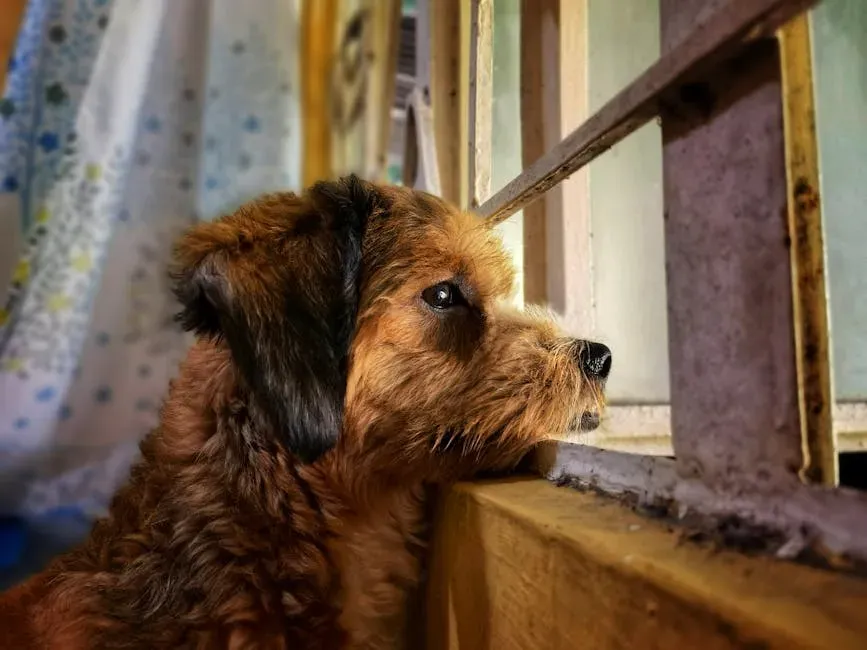
Dogs experiencing separation anxiety often display heightened greeting behaviors, including excessive excitement or clinginess upon their owner’s return. This intense response can be a coping mechanism for the stress endured during the owner’s absence.
Understanding this behavior is crucial for addressing separation anxiety. Implementing gradual desensitization techniques and providing mental stimulation can help alleviate the distress associated with being left alone.
Individual Differences Affect Greeting Responses
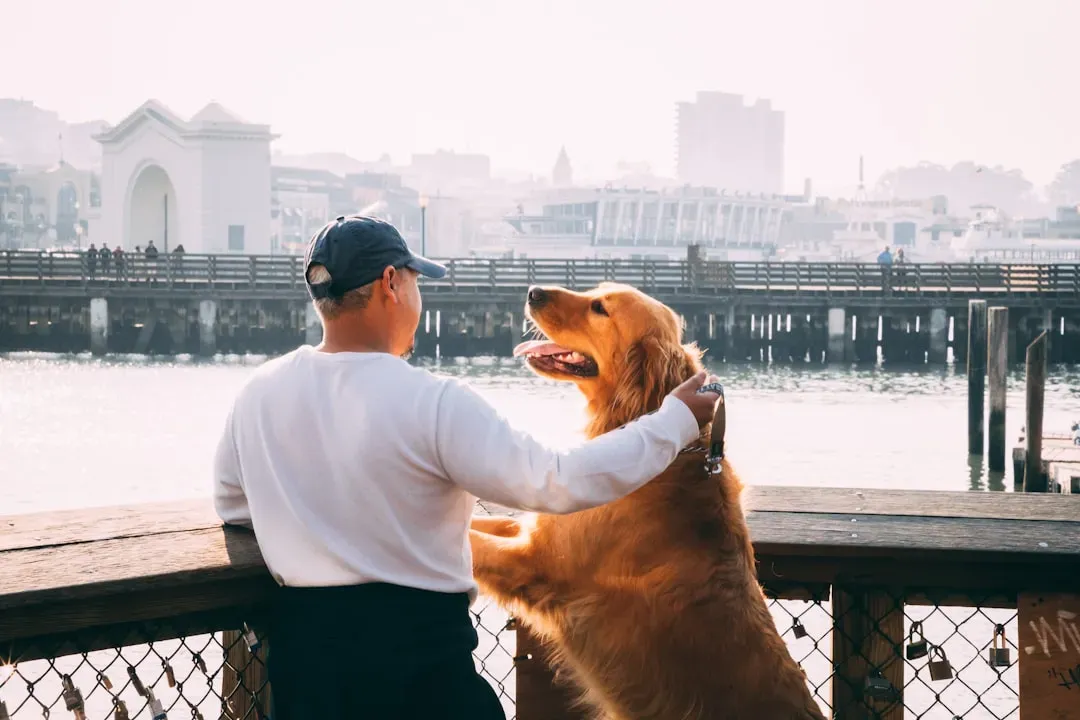
Not all dogs react the same way to their owner’s absence. Factors such as breed, age, personality, and past experiences play significant roles in determining a dog’s greeting behavior. Some dogs may remain calm regardless of the separation length, while others might become overly excited even after short absences.
Recognizing these individual differences is essential for interpreting your dog’s behavior accurately and responding appropriately to their needs.
Training Can Modify Greeting Behaviors
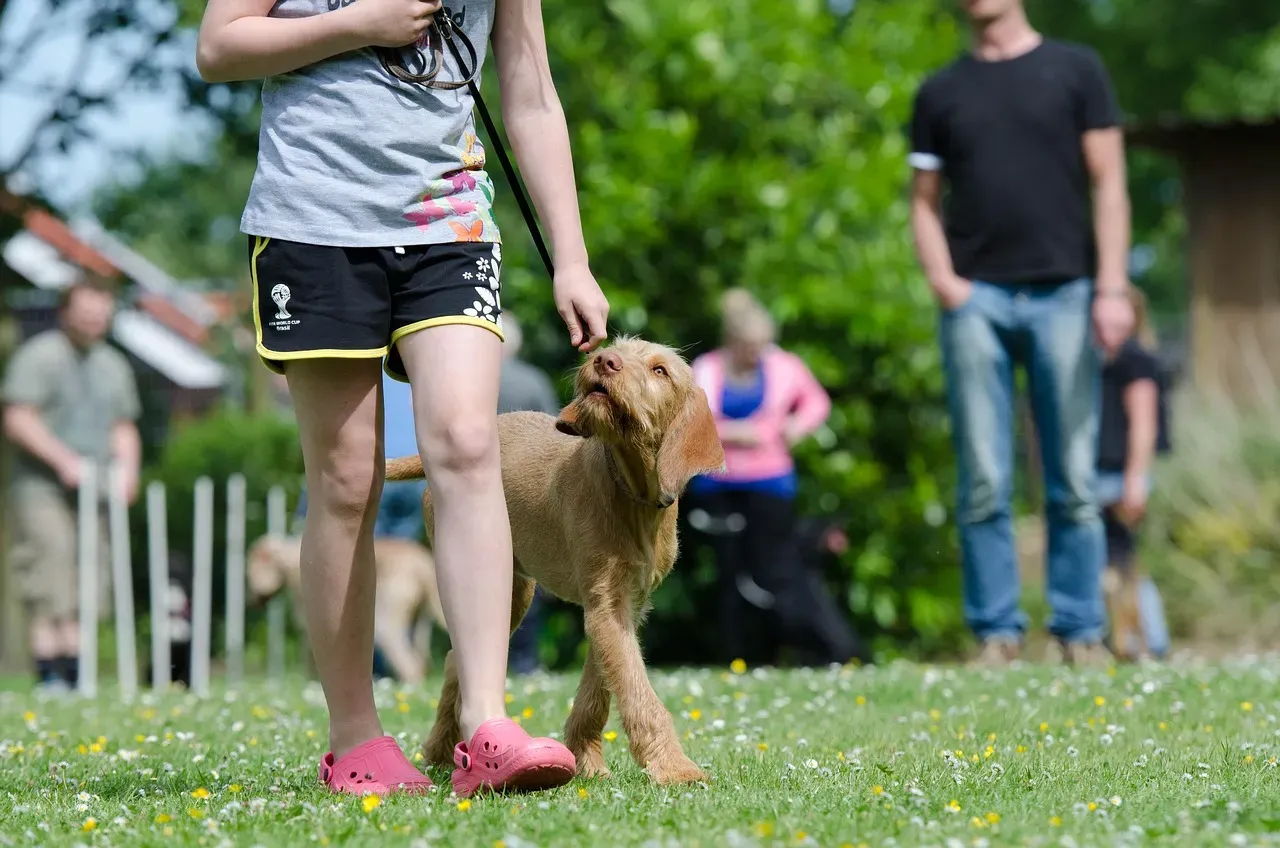
Owners can influence their dog’s greeting behaviors through consistent training. Encouraging calm greetings by rewarding relaxed behavior and ignoring overexcitement can help manage overly enthusiastic responses.
Training not only improves greeting manners but also enhances the overall communication between you and your dog, leading to a more harmonious relationship.
Conclusion
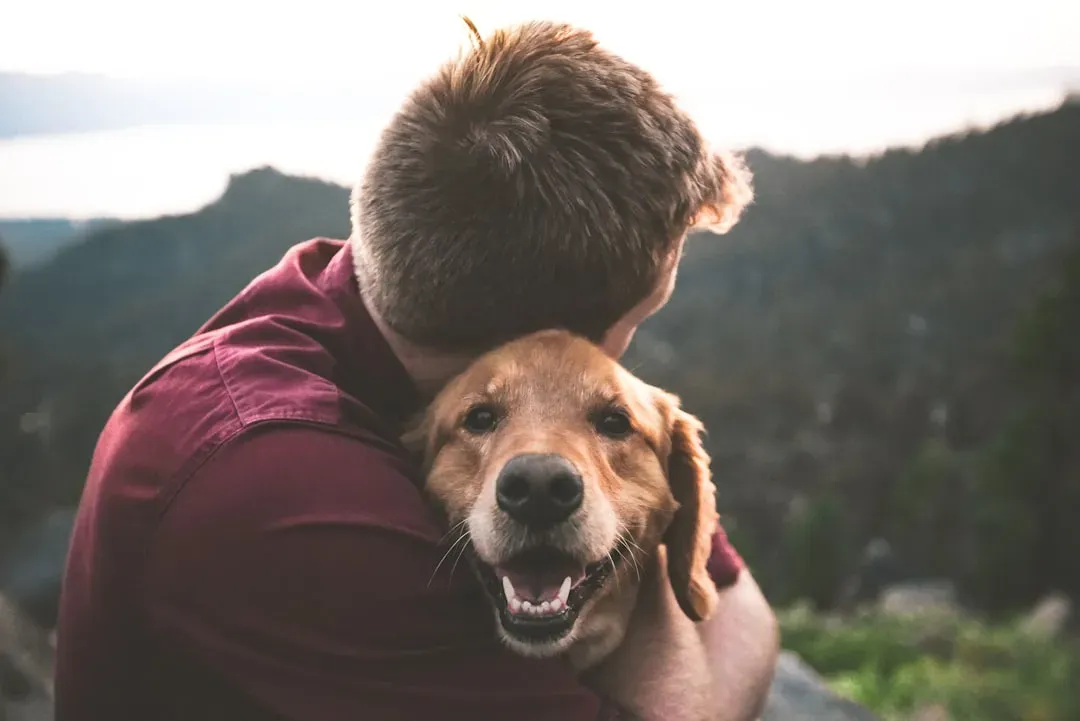
Understanding that dogs calibrate their greeting intensity based on the duration of your absence offers valuable insights into their emotional world. This behavior highlights their ability to perceive time and their deep attachment to their owners. By acknowledging and respecting these responses, we can strengthen the bond we share with our canine companions.
So, the next time your dog greets you with boundless enthusiasm after a long day, remember – it’s their way of saying, “I’ve missed you immensely!”


