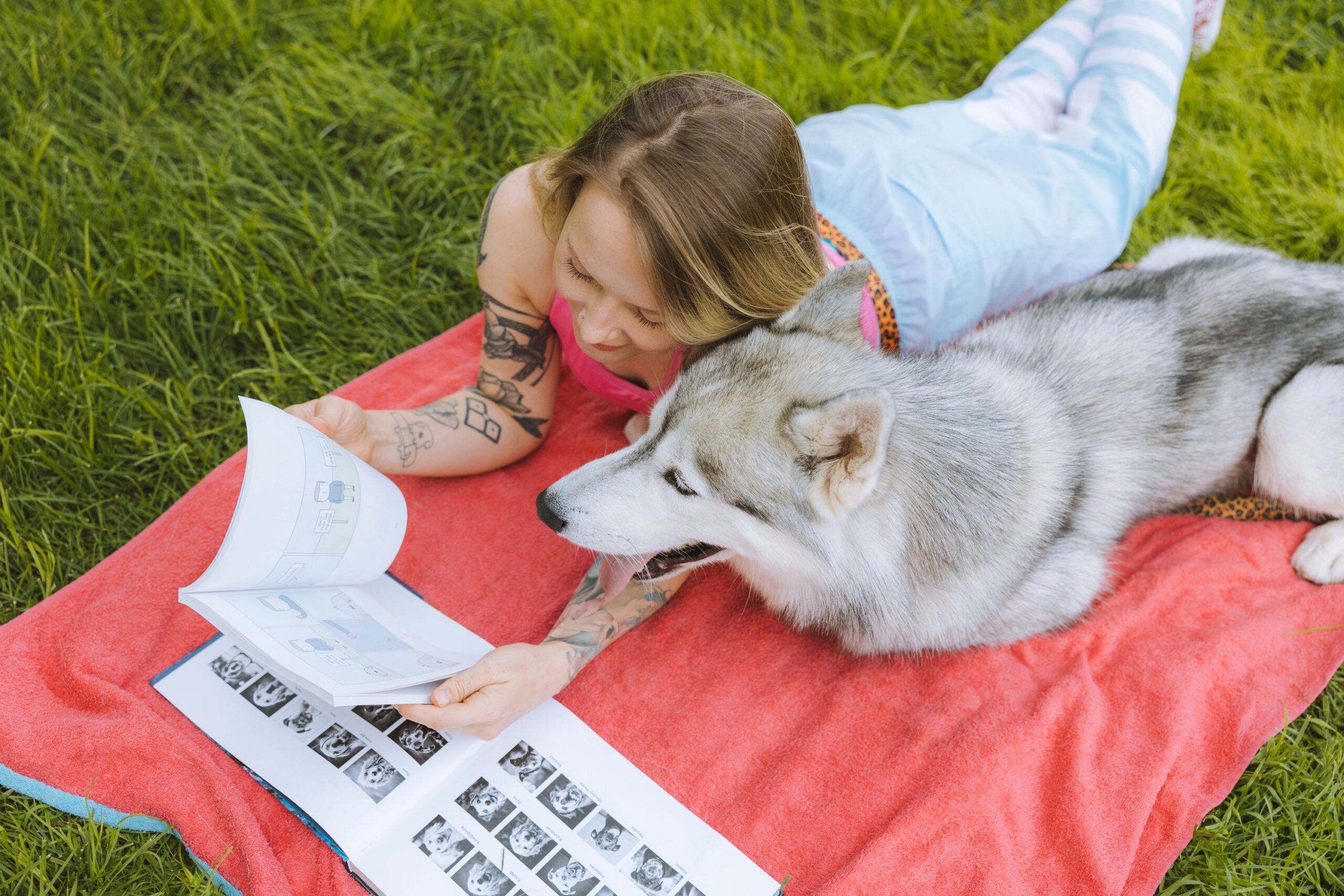
As we age, our lifestyles naturally evolve, often in ways that unexpectedly benefit our canine companions. For dog owners over 60, certain everyday habits can significantly contribute to extending their dog’s lifespan, even without conscious effort. Let’s explore these life-enhancing practices.
Consistent Daily Walks
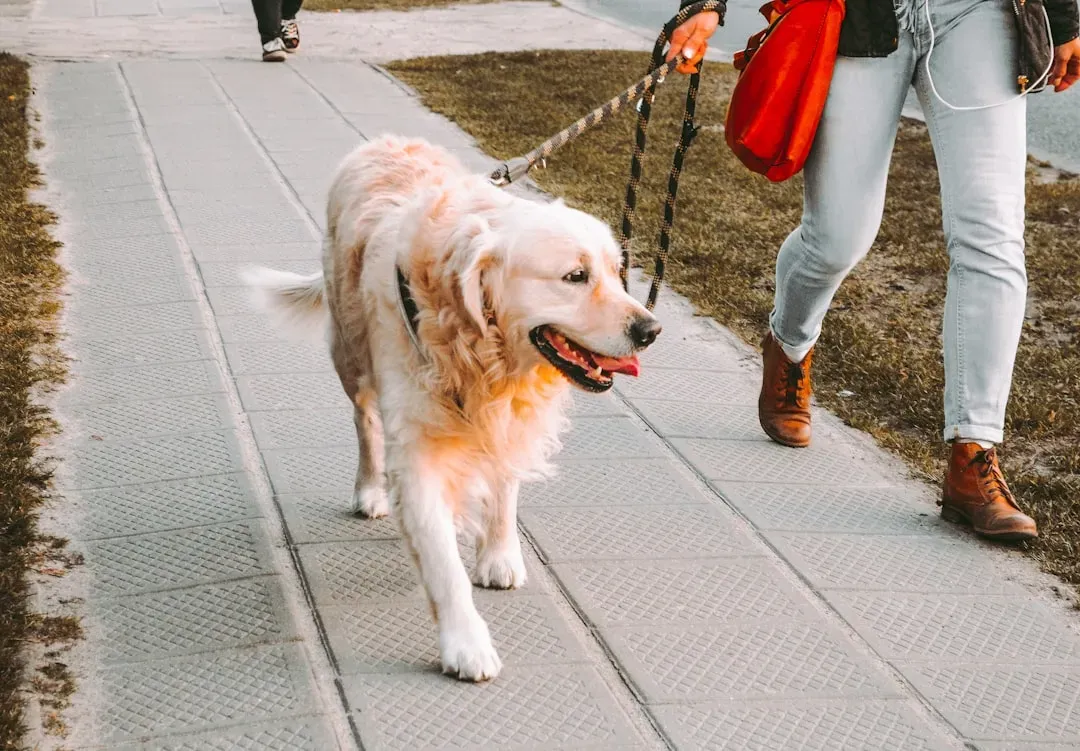
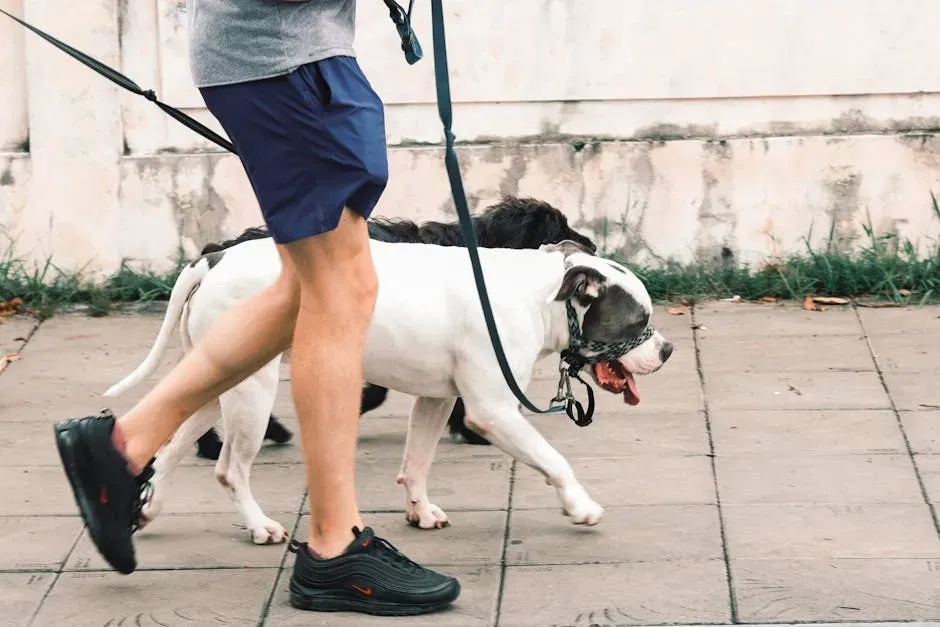
Consistent Daily Walks (Image Credits: Unsplash)Many seniors maintain a routine of daily walks, providing their dogs with regular, moderate exercise. This consistency helps manage the dog’s weight, supports joint health, and enhances cardiovascular fitness. Unlike sporadic intense activities, these steady walks reduce the risk of injury and promote overall well-being.Moreover, these walks offer mental stimulation through exposure to various scents and environments, keeping the dog’s mind active and engaged. The shared experience also strengthens the bond between owner and pet, fostering emotional health for both.
Maintaining a Regular Routine
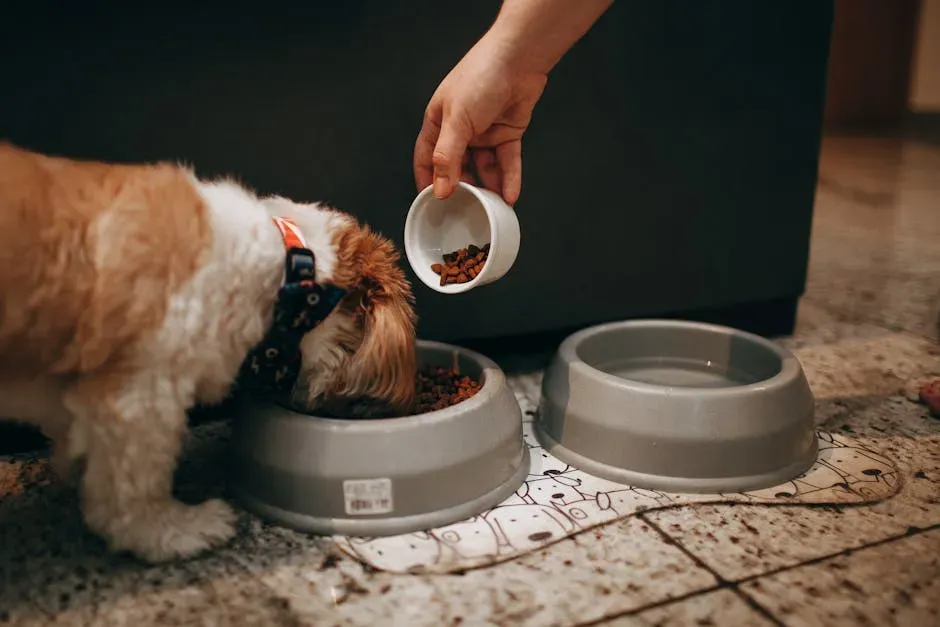
Maintaining a Regular Routine (Image Credits: Pexels)Seniors often adhere to consistent daily schedules, which translates to regular feeding, exercise, and rest times for their dogs. This predictability reduces stress and anxiety in pets, as they know what to expect each day.A stable routine supports healthy digestion and sleep patterns, contributing to the dog’s overall health. It also makes it easier to notice any deviations in behavior or appetite, allowing for prompt attention to potential health issues.
Providing a Balanced Diet
Providing a Balanced Diet (Image Credits: Pexels)With more time to focus on meal preparation, many older dog owners ensure their pets receive well-balanced, nutritious diets. This attention to proper nutrition helps maintain a healthy weight and supports bodily functions.Incorporating appropriate supplements, such as omega-3 fatty acids, can further promote joint health and cognitive function. Regular consultations with a veterinarian can help tailor the diet to the dog’s specific needs as they age.
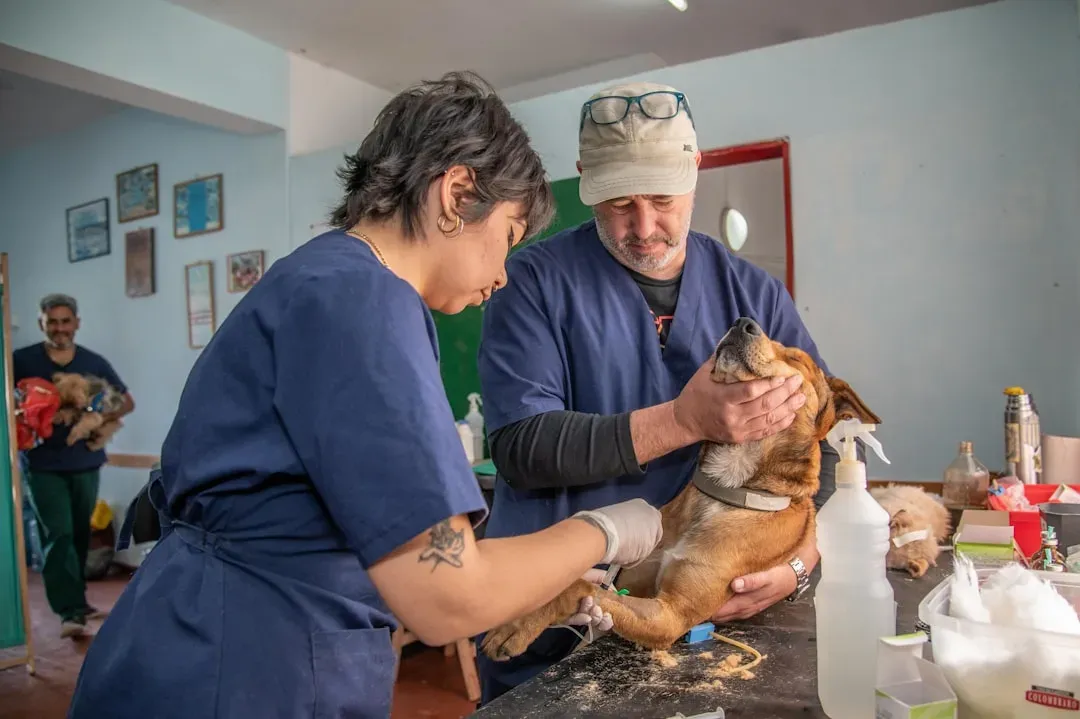
Regular Veterinary Check-Ups
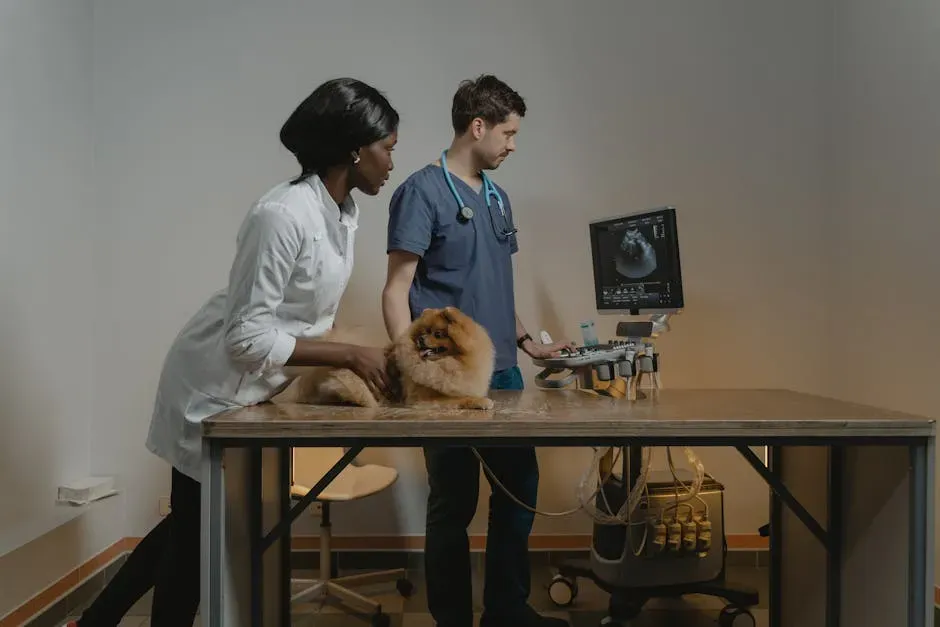
Regular Veterinary Check-Ups (Image Credits: Unsplash)Seniors often prioritize health, leading to regular veterinary visits for their dogs. These check-ups facilitate early detection of potential health issues, allowing for timely intervention and management.Preventative care, including vaccinations and dental cleanings, becomes a routine part of the dog’s healthcare, contributing to a longer, healthier life. Establishing a strong relationship with a trusted veterinarian ensures comprehensive care tailored to the dog’s needs.
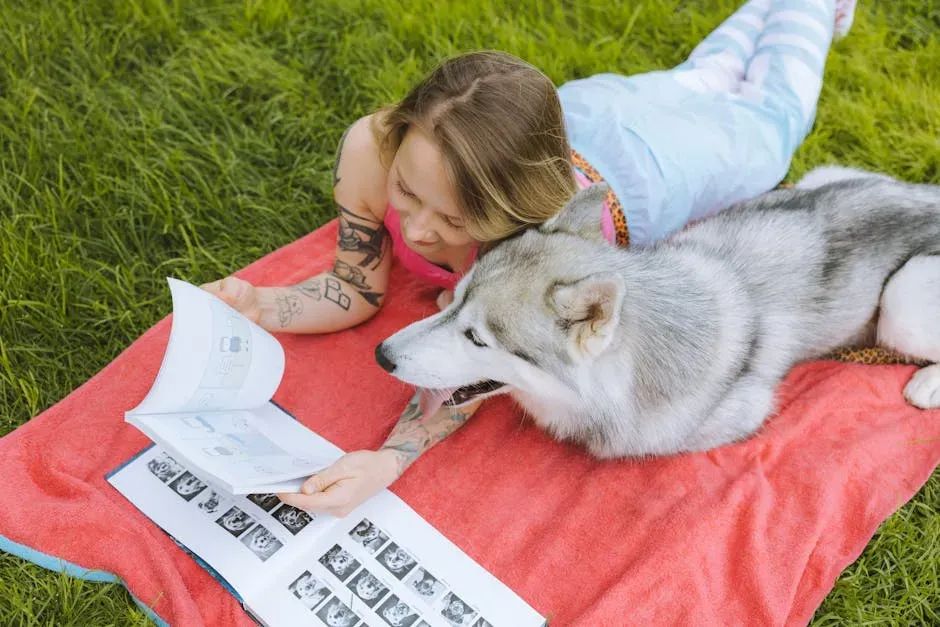
Engaging in Mental Stimulation
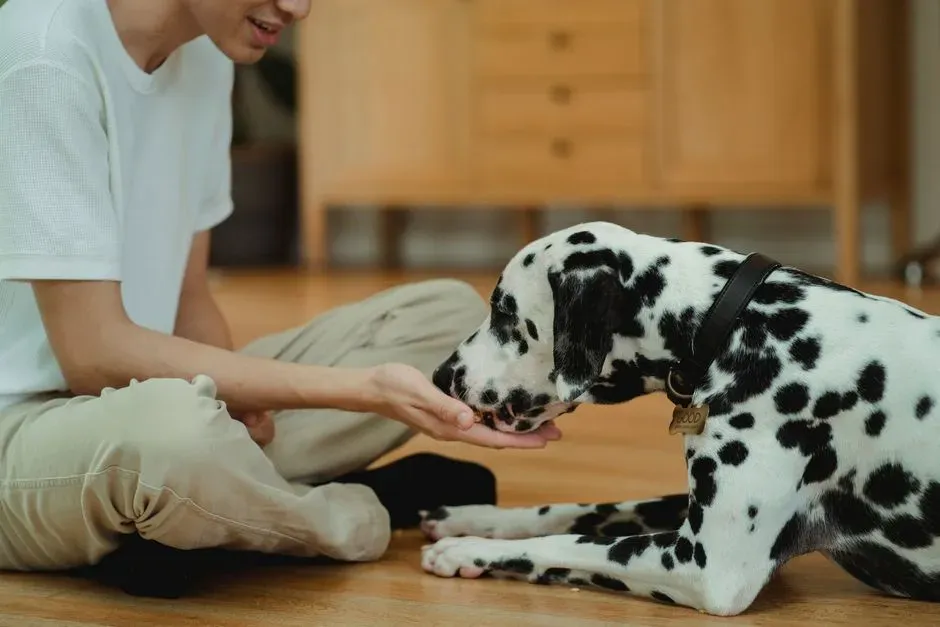
Engaging in Mental Stimulation (Image Credits: Pexels)Retirement provides more opportunities for interactive play and training sessions, keeping dogs mentally stimulated. Activities like puzzle toys, scent games, and learning new commands challenge the dog’s mind and prevent cognitive decline.Mental engagement is crucial for preventing boredom-related behaviors and maintaining a sharp mind. Regular mental exercises can also strengthen the bond between owner and dog, enhancing mutual understanding and communication.
Ensuring a Safe Home Environment
Ensuring a Safe Home Environment (Image Credits: Pexels)With more time spent at home, seniors often make adjustments to create a safer environment for their dogs. This includes securing hazardous items, providing non-slip surfaces, and ensuring comfortable resting areas.A safe home reduces the risk of accidents and injuries, contributing to the dog’s longevity. Simple modifications, like using baby gates to restrict access to certain areas, can prevent potential hazards.
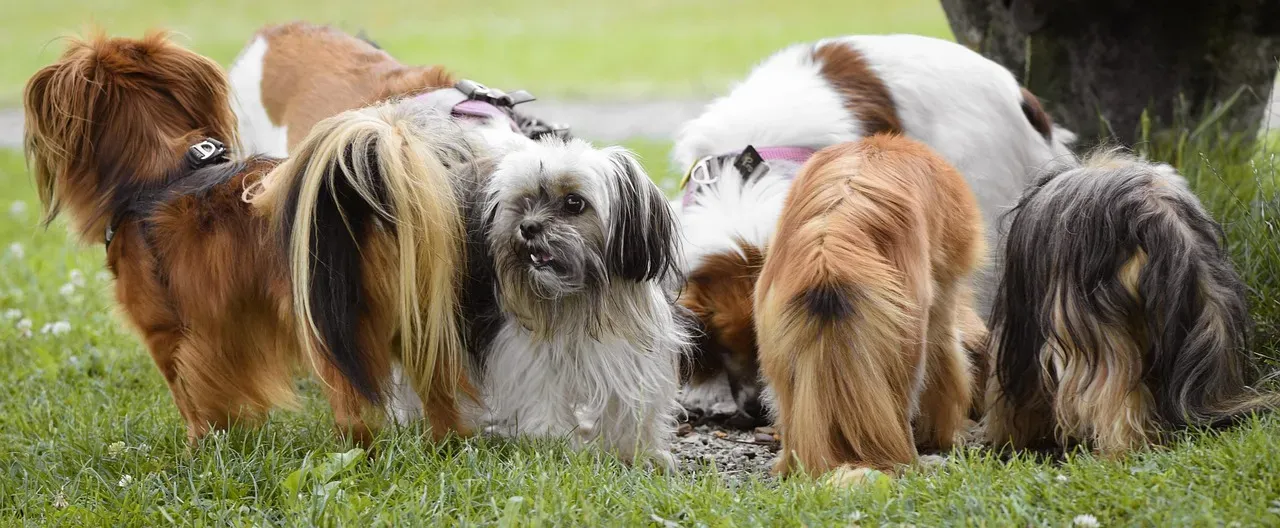
Maintaining Social Connections
Maintaining Social Connections (Image Credits: Pixabay)Older adults often engage in social activities that include their dogs, such as attending community events or visiting friends. These interactions provide dogs with valuable socialization opportunities, reducing anxiety and promoting positive behavior.Regular socialization helps prevent behavioral issues and keeps the dog well-adjusted to various environments and situations. It also offers mental stimulation and can be a source of joy for both the dog and owner.
Practicing Patience and Gentle Handling
Practicing Patience and Gentle Handling (Image Credits: Pexels)With age often comes increased patience, leading to gentler handling and training methods. This approach fosters trust and reduces stress in dogs, contributing to their emotional well-being.Positive reinforcement techniques become more prevalent, encouraging desired behaviors without fear or anxiety. A calm and patient demeanor from the owner creates a harmonious living environment for the dog.
Monitoring Health and Behavior Changes
Monitoring Health and Behavior Changes (Image Credits: Pexels)Spending more time together allows seniors to closely observe their dogs for any changes in behavior or health. Early detection of issues like decreased appetite, lethargy, or unusual behaviors enables prompt veterinary consultation.Proactive health monitoring can lead to early diagnosis and treatment, potentially extending the dog’s lifespan. Keeping a journal of observations can be helpful for tracking patterns and discussing concerns with the veterinarian.
Providing Comfortable Living Conditions
Providing Comfortable Living Conditions (Image Credits: Pixabay)Older dog owners often prioritize comfort, ensuring their pets have cozy bedding and a quiet space to rest. This attention to comfort is especially beneficial for senior dogs with joint issues or arthritis.A comfortable environment supports better sleep quality and overall health. Adjusting the home’s temperature and providing orthopedic beds can further enhance the dog’s comfort.
Maintaining Grooming and Hygiene
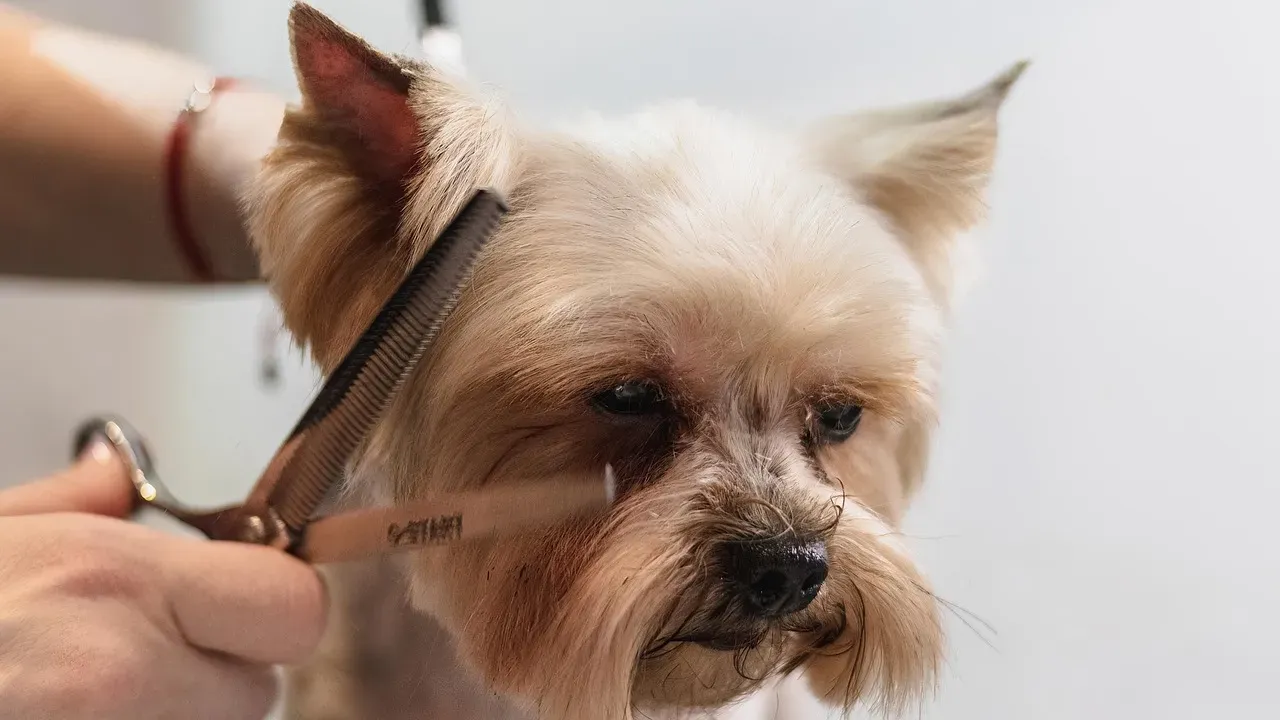
Maintaining Grooming and Hygiene (Image Credits: Pixabay)Regular grooming becomes a bonding activity, keeping the dog’s coat clean and free of mats. Routine grooming sessions also allow for early detection of skin issues, lumps, or parasites.Maintaining hygiene reduces the risk of infections and contributes to the dog’s overall health. Brushing teeth regularly can prevent dental diseases that might affect the dog’s well-being.
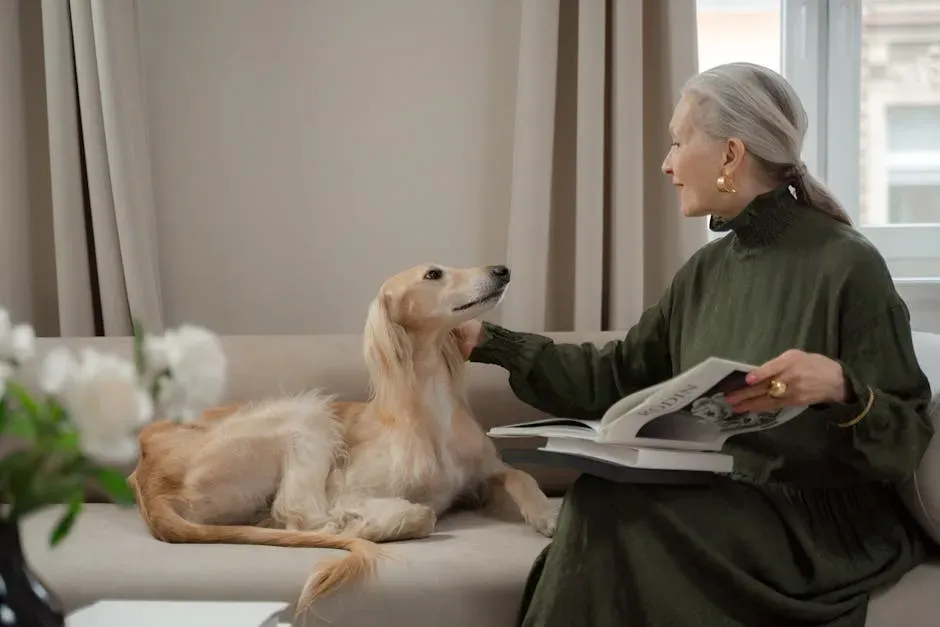
Offering Unconditional Love and Companionship
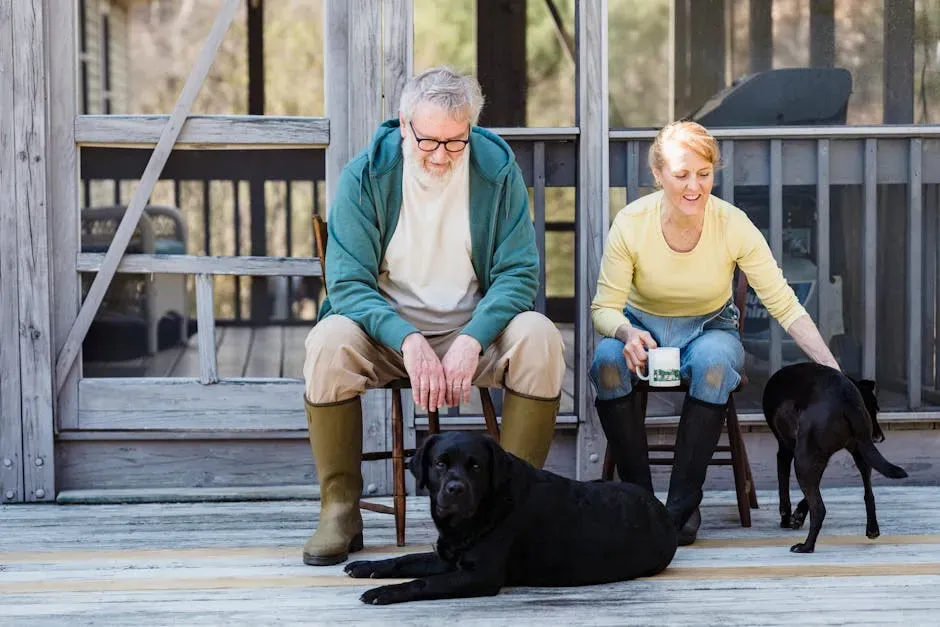
Offering Unconditional Love and Companionship (Image Credits: Pexels)Perhaps the most significant habit is the unwavering companionship and love provided by seniors to their dogs. This emotional support reduces stress and anxiety in pets, promoting a sense of security and happiness.A loving environment has a profound impact on a dog’s quality of life and longevity. The mutual affection and companionship enrich the lives of both the dog and the owner, creating a fulfilling relationship.In conclusion, the natural routines and habits of dog