
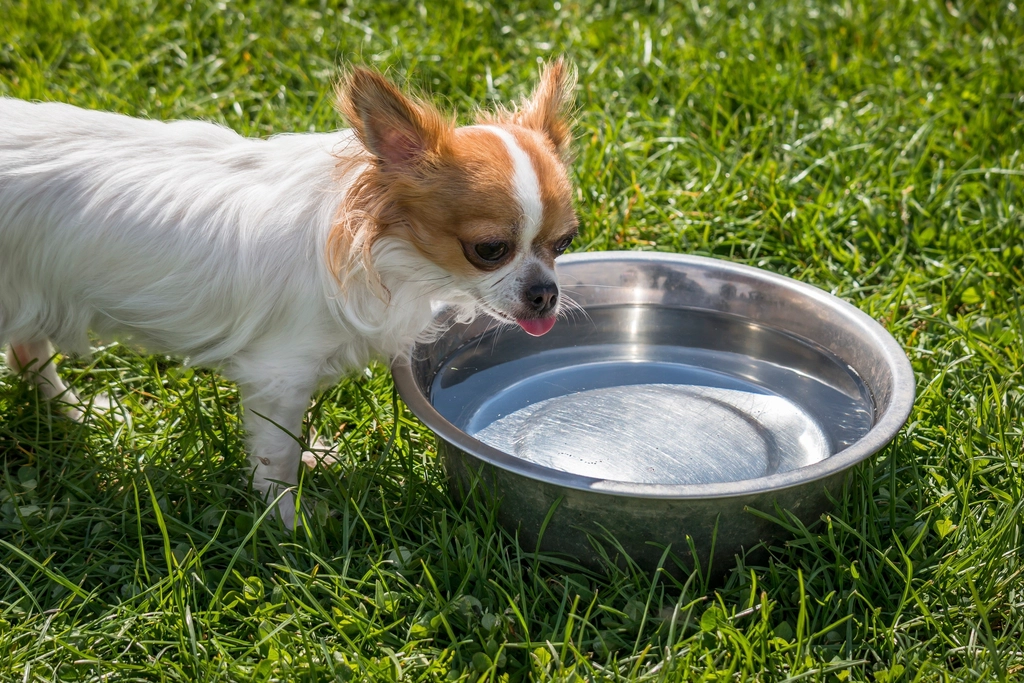
Imagine this: your dog, who usually sips water throughout the day, suddenly starts draining the bowl dry. No extra playtime, no heatwave – just an unquenchable thirst. It’s easy to brush it off, but experts warn that this behavior is often a red flag for underlying health issues. Let’s dive into why a sudden spike in your dog’s water intake should prompt a swift visit to the vet.
Recognizing the Red Flags
When your dog begins to drink more water than usual without an obvious reason, it’s not just a quirky habit. This change, known as polydipsia, often pairs with increased urination (polyuria). You might notice more frequent bathroom breaks or even accidents indoors. These signs are your dog’s way of signaling that something isn’t right internally.
Ignoring these symptoms can lead to the progression of potential health issues. Early detection is crucial, as it allows for timely intervention and better management of any underlying conditions.
Common Culprits Behind Increased Thirst
Several health conditions can cause your dog to drink more water. Diabetes mellitus is a prime suspect, where high blood sugar levels lead to excessive thirst and urination. Kidney disease is another common cause; as the kidneys fail to concentrate urine properly, your dog compensates by drinking more.
Cushing’s disease, characterized by an overproduction of cortisol, also leads to increased water intake. Other potential causes include liver disease, high blood calcium levels, and certain infections. Each of these conditions requires specific treatments, making a veterinary diagnosis essential.
The Role of Medications and Diet
Sometimes, the cause isn’t a disease but a side effect of medications. Drugs like corticosteroids and diuretics can increase thirst. If your dog has recently started a new medication and is drinking more, consult your vet to discuss possible side effects and adjustments.
Dietary changes can also influence water consumption. Switching from wet to dry food reduces water intake from meals, prompting your dog to drink more. High-sodium treats or foods can have a similar effect. Monitoring your dog’s diet and discussing any changes with your vet can help identify the cause of increased thirst.
Environmental Factors and Behavioral Changes
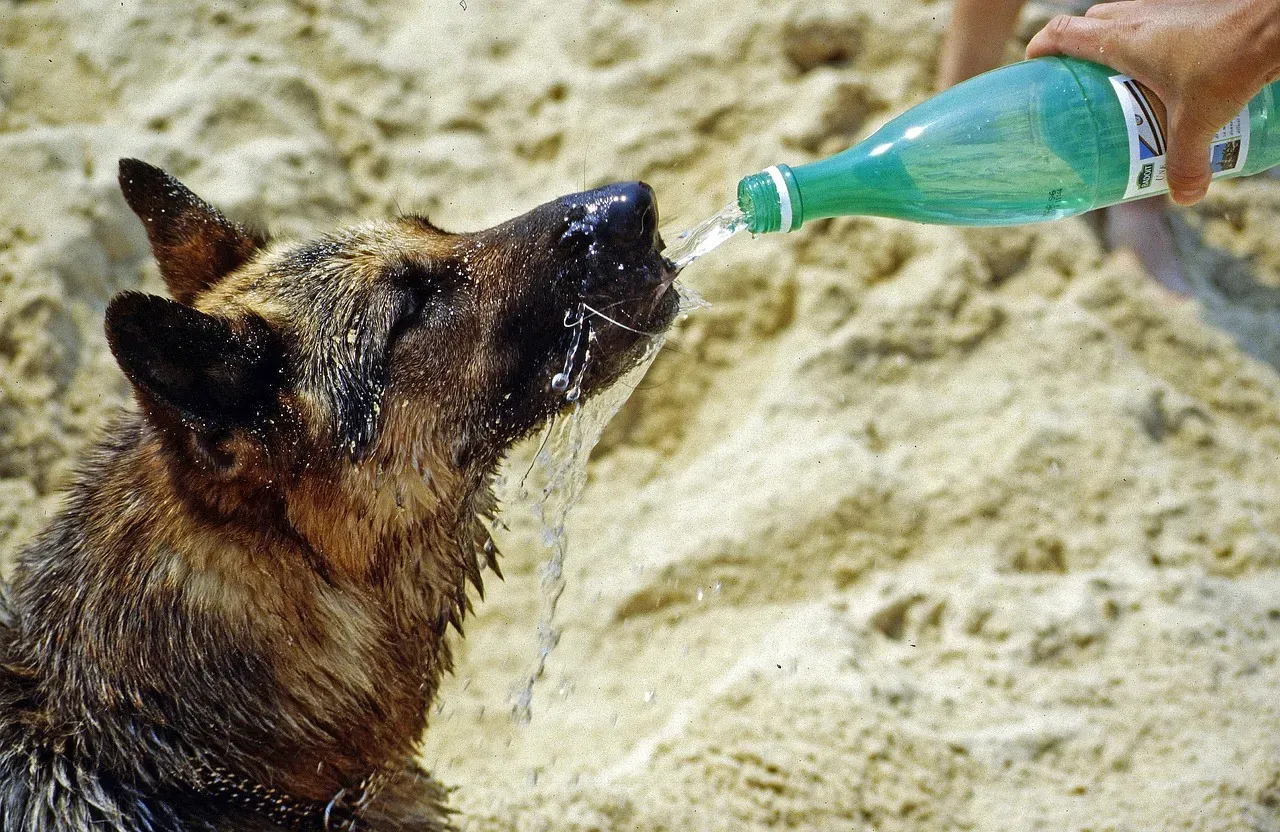
While health issues are a primary concern, environmental factors like hot weather or increased physical activity can naturally lead to more water consumption. However, these are usually temporary and coincide with the environmental change.
Behavioral factors, such as stress or anxiety, can also cause increased drinking. If your dog’s routine has changed or they’re experiencing stress, this could be a contributing factor. Observing your dog’s behavior and environment can provide clues to the cause of their increased thirst.
Diagnostic Steps Your Vet May Take
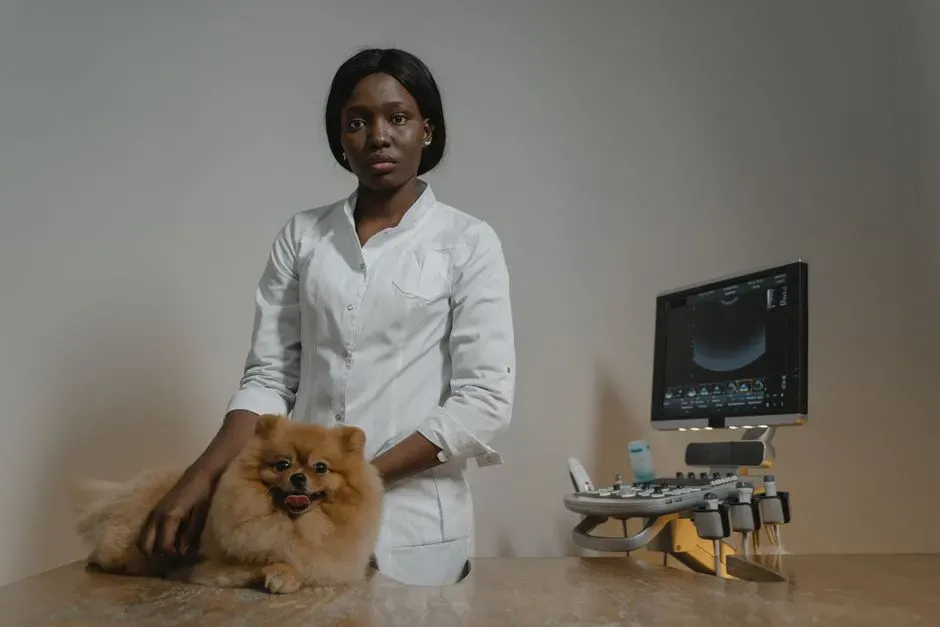
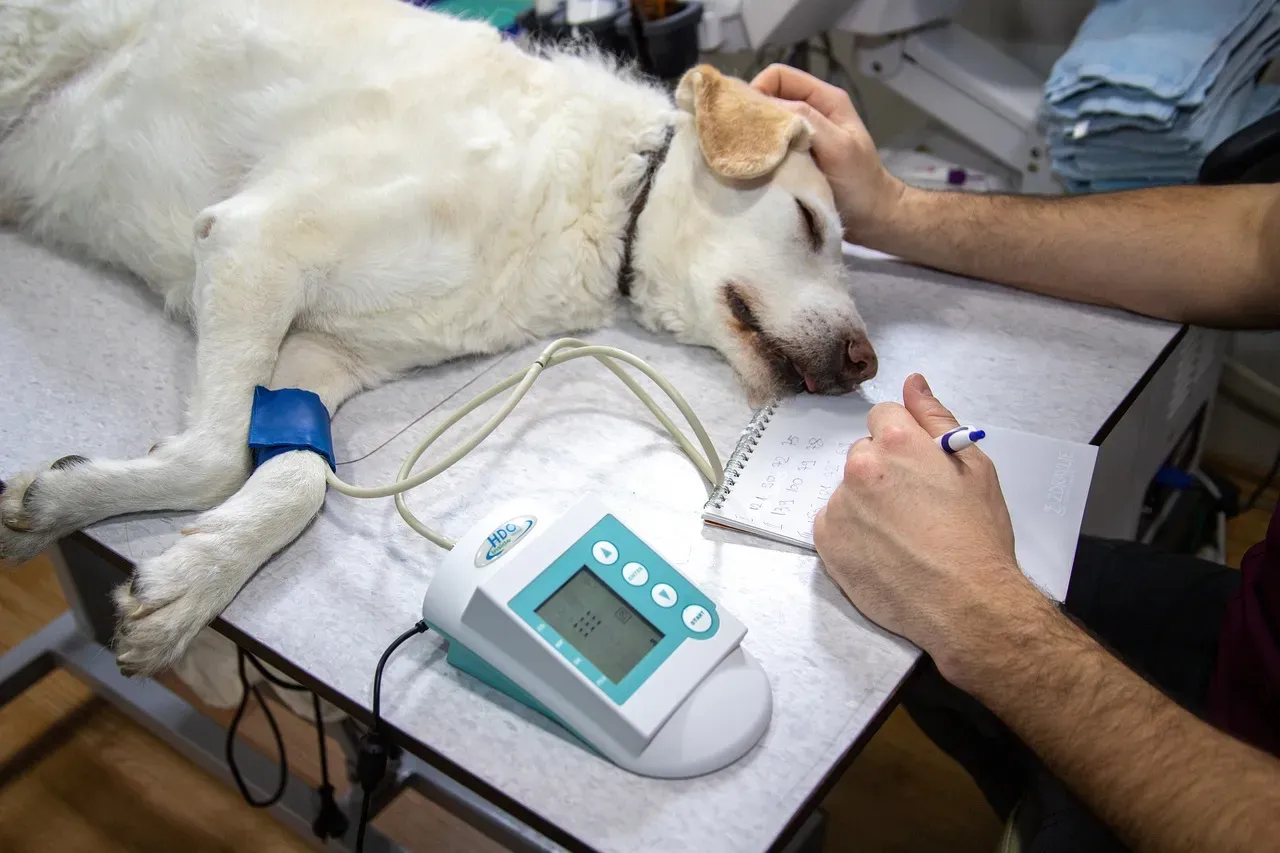
When you bring your dog to the vet for increased thirst, expect a thorough examination. Blood tests can reveal issues like diabetes or kidney disease, while urine tests assess kidney function and detect infections. Imaging studies, such as ultrasounds, may be used to examine internal organs for abnormalities.
These diagnostic tools help pinpoint the exact cause of your dog’s symptoms, allowing for targeted treatment plans. Early diagnosis often leads to better outcomes, so prompt veterinary attention is vital.
Preventive Measures and Monitoring
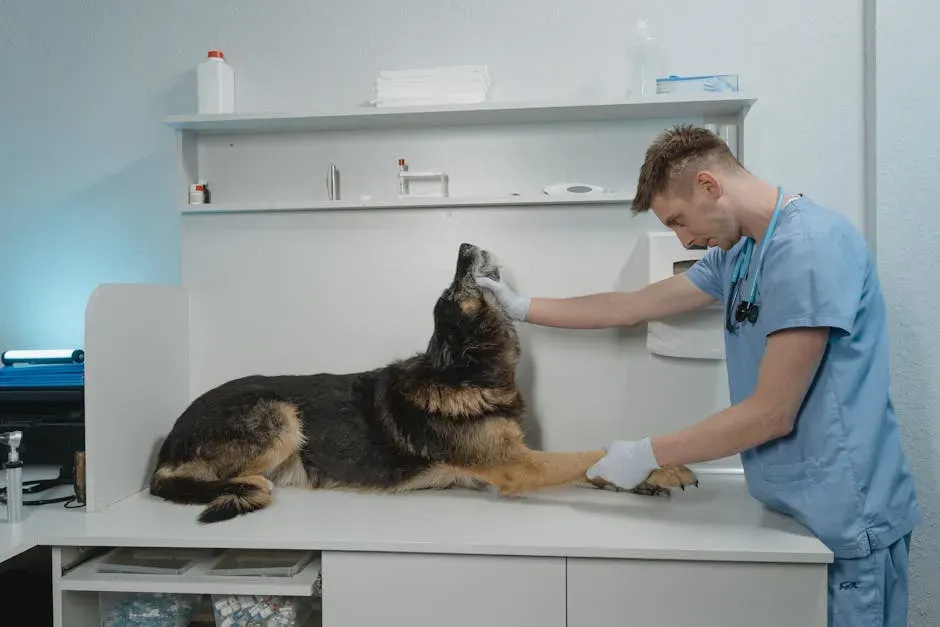
Regular veterinary check-ups are key to catching potential health issues early. Keeping an eye on your dog’s water intake and noting any sudden changes can provide valuable information to your vet. Maintaining a consistent diet and routine helps in identifying deviations that may signal health problems.
Providing fresh water at all times is essential, but if you notice your dog drinking excessively, don’t hesitate to seek professional advice. Your vigilance can make a significant difference in your dog’s health and well-being.
Conclusion
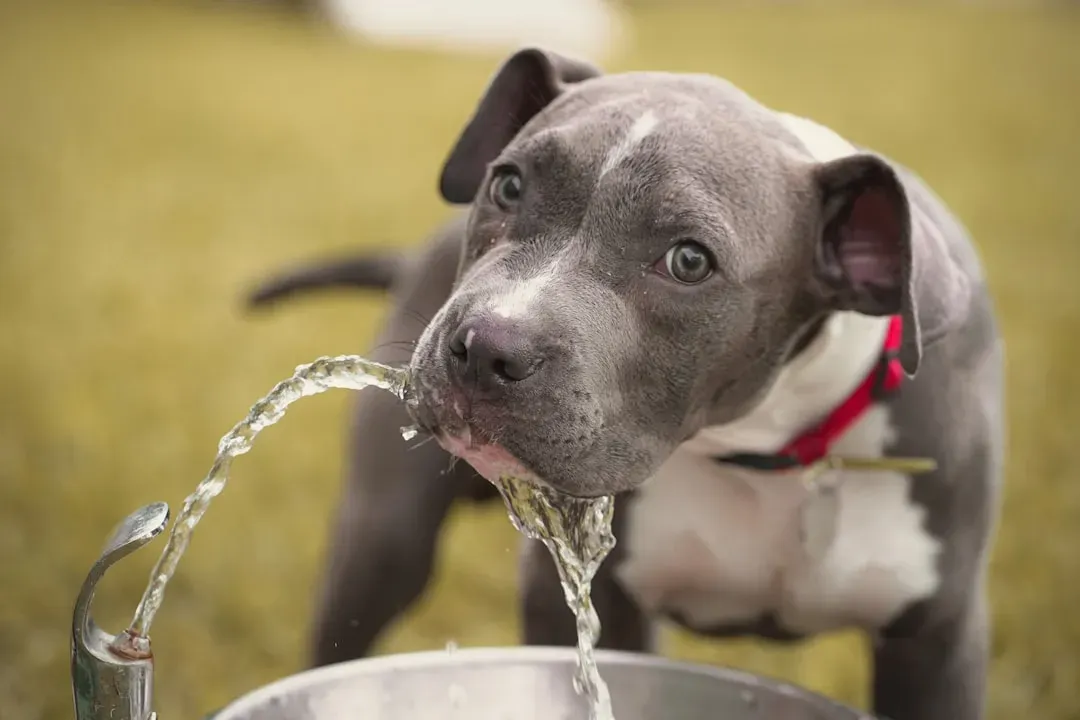
A sudden increase in your dog’s water consumption is more than just a quirky behavior – it’s a potential cry for help. While it might be tempting to dismiss it as a passing phase, the reality is that this change often signals underlying health issues that require prompt attention. By recognizing the signs and acting swiftly, you can ensure your furry friend receives the care they need. So, the next time you notice your dog lingering at the water bowl, ask yourself: could this be a sign of something more serious?


