
10 Reasons the Dog That Chose You Is Not a Coincidence – According to Animal Behaviorists
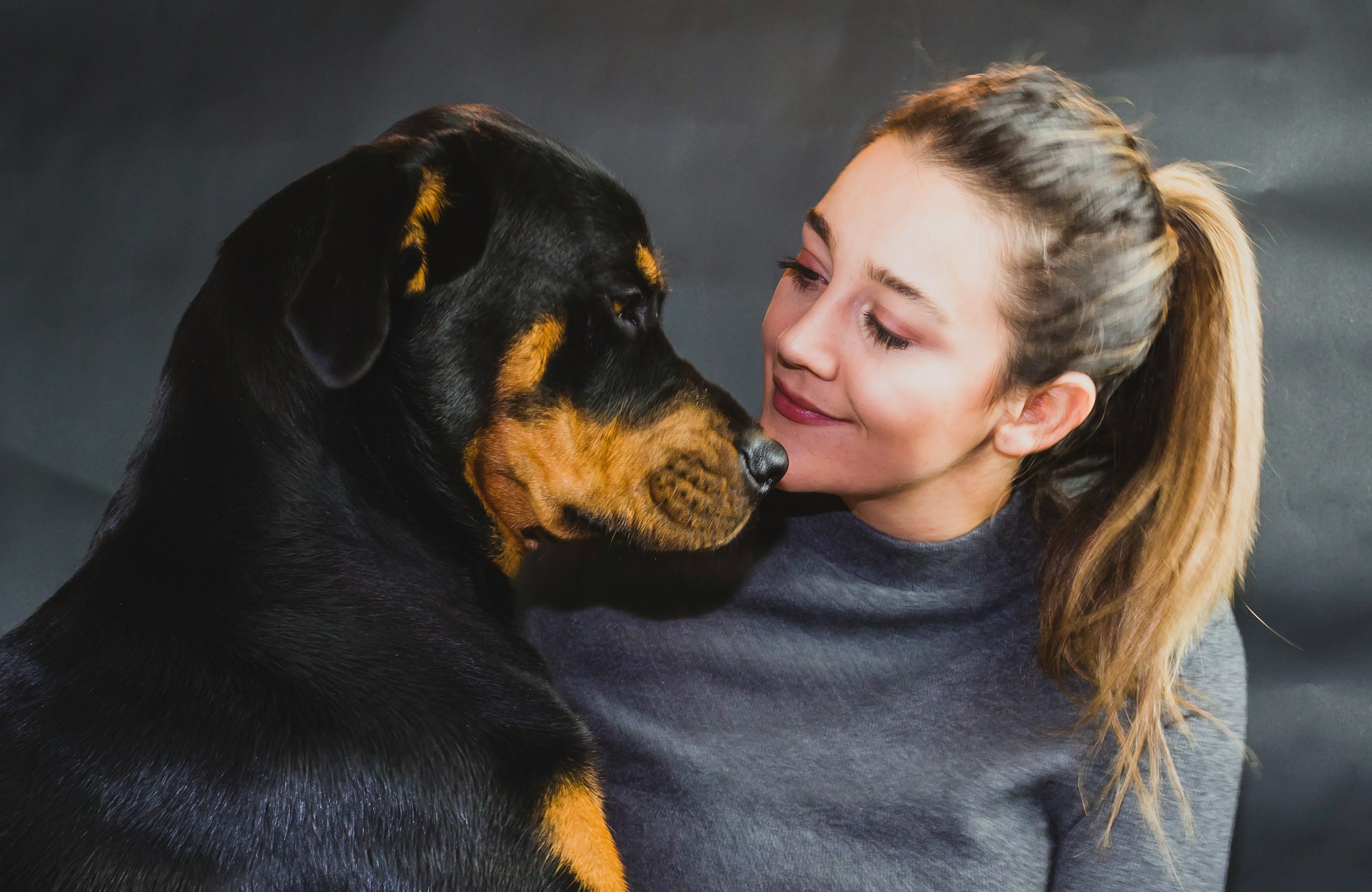
Have you ever felt that your dog picked you, rather than the other way around? This isn’t just a heartwarming notion; animal behaviorists suggest there’s more at play. Let’s delve into ten compelling reasons why your canine companion’s choice was far from random.
1. Dogs Are Drawn to Familiar Scents
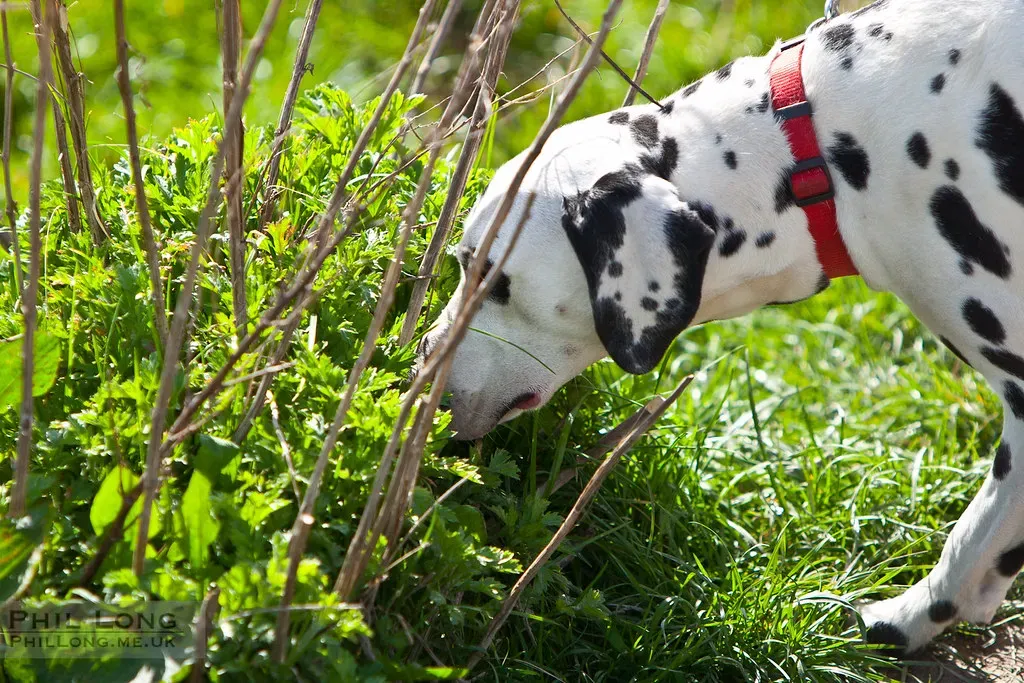
Dogs possess an extraordinary sense of smell, capable of detecting subtle chemical changes in humans. They can be attracted to individuals whose scent they find comforting or familiar. This olfactory connection can lead a dog to choose a person whose natural aroma resonates with them, fostering an immediate bond.
Moreover, dogs can detect pheromones and other scent markers that indicate a person’s emotional state. If your scent exudes calmness and safety, a dog may gravitate toward you, seeking the comfort your presence provides.
2. Body Language Speaks Volumes
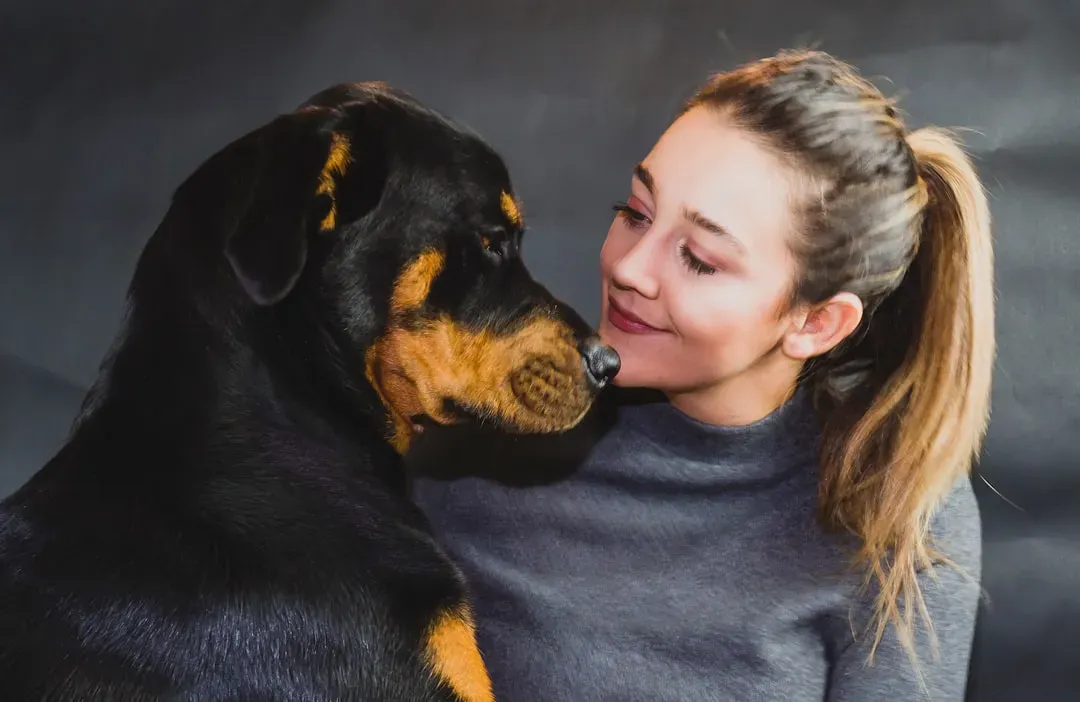
Canines are adept at reading human body language. They often prefer individuals who exhibit open, relaxed postures and avoid those who seem tense or aggressive. Your non-verbal cues can make you more approachable in a dog’s eyes.
Subtle gestures, like a gentle smile or a slow blink, can signal to a dog that you’re friendly and non-threatening. These cues can be pivotal in a dog’s decision to choose you over someone else.
3. Energy Levels Must Align
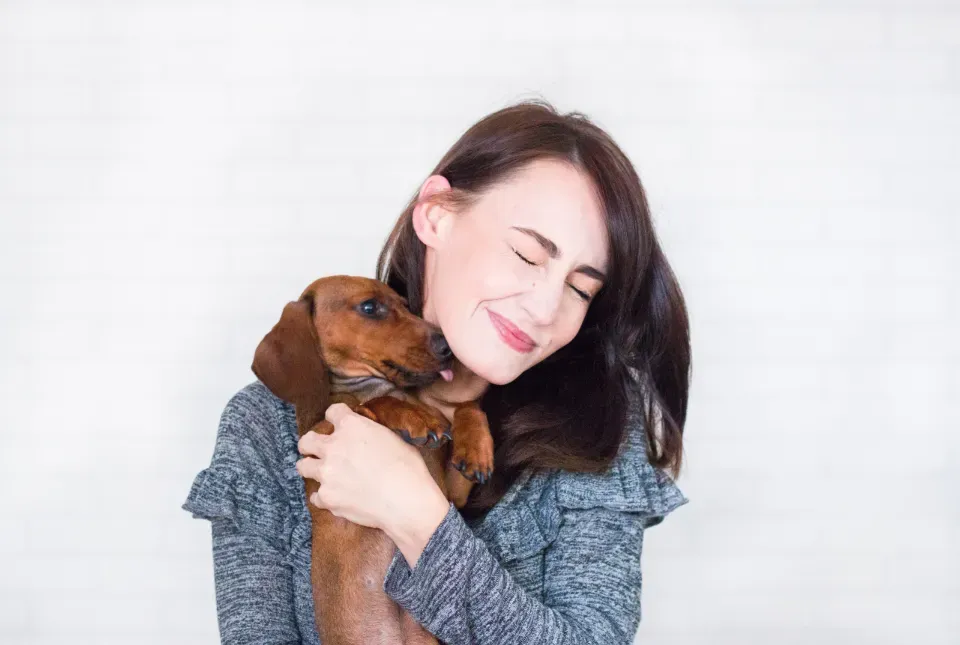
Dogs often seek out humans whose energy levels match their own. A high-energy dog might be drawn to an active person, while a more laid-back dog may prefer someone with a calm demeanor. This alignment ensures compatibility in daily activities and interactions.
When a dog’s energy mirrors yours, it leads to a harmonious relationship. Shared activities become more enjoyable, and the bond between you strengthens over time.
4. Past Experiences Shape Preferences
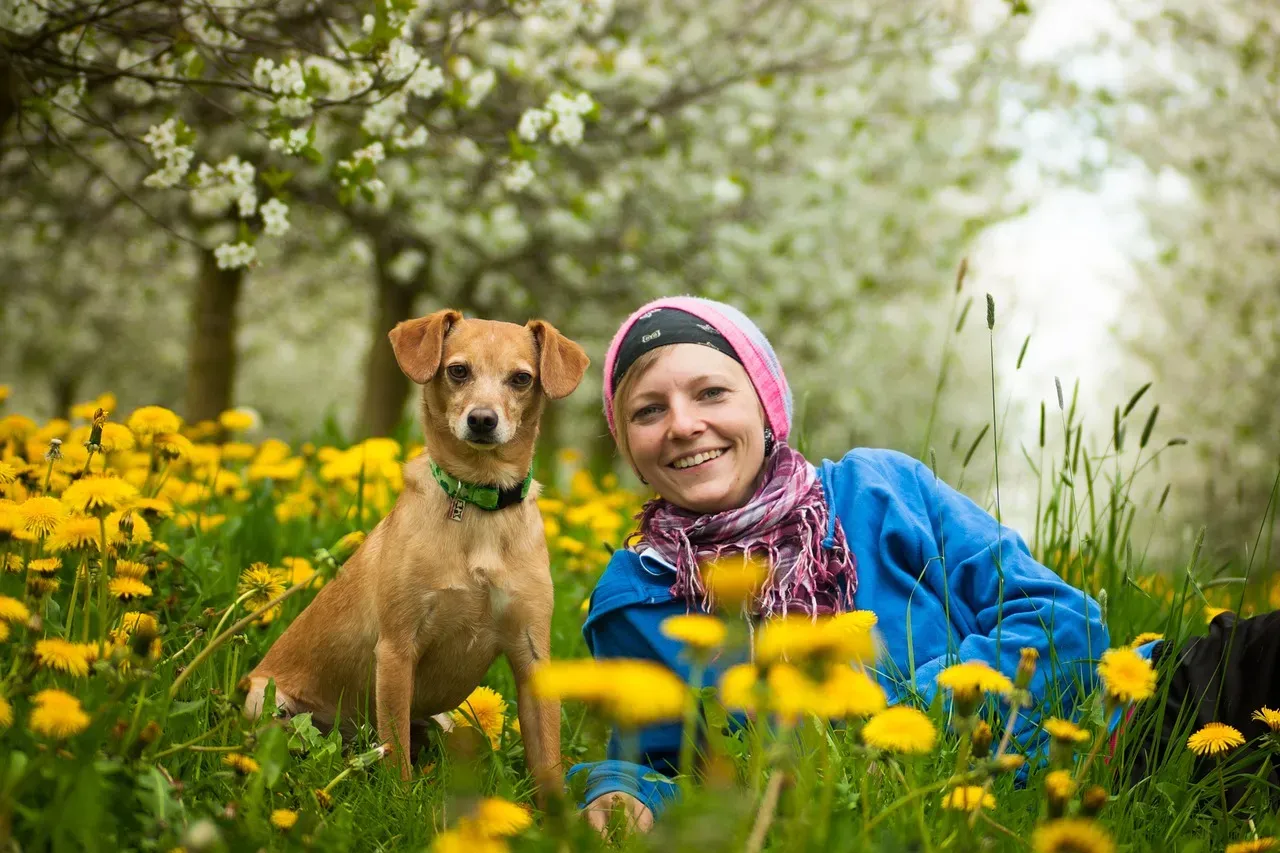
A dog’s history plays a significant role in their choices. Positive experiences with certain types of people can make a dog more inclined to choose someone who resembles those individuals, whether in appearance, behavior, or demeanor.
Conversely, negative past experiences might make a dog wary of specific traits. If you embody characteristics associated with positive memories, a dog is more likely to choose you as their trusted human.
5. Breed Instincts Influence Choices
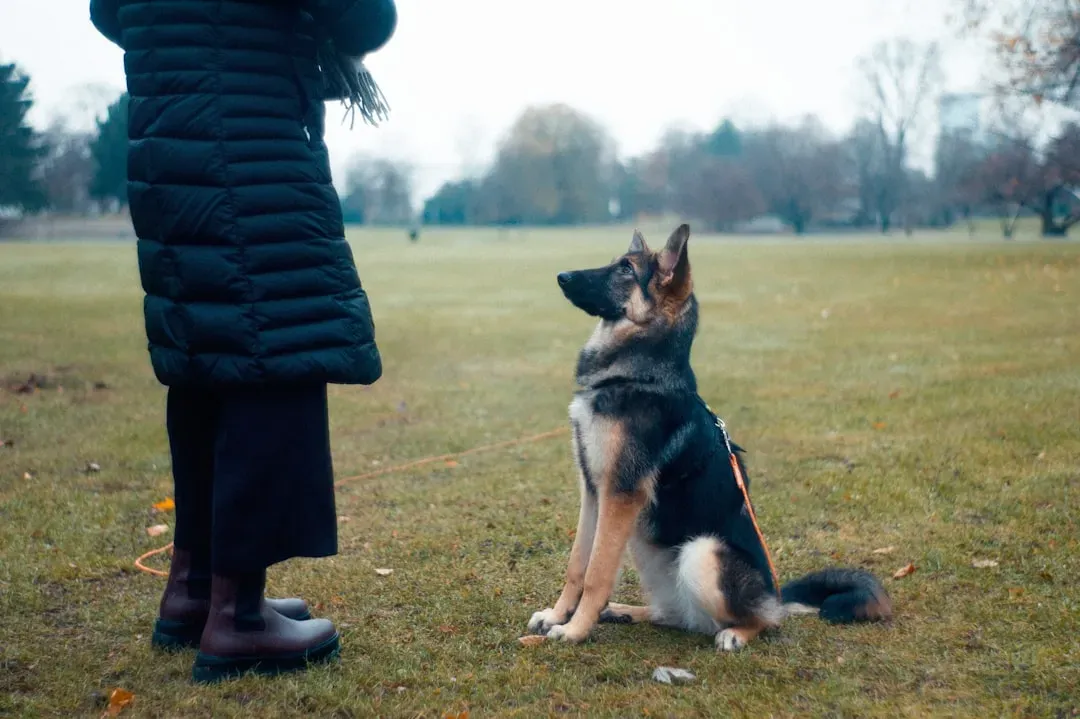
Different breeds have inherent traits that guide their preferences. For instance, herding breeds might be drawn to individuals who exhibit leadership qualities, while companion breeds may seek out nurturing personalities.
Understanding a breed’s natural inclinations can provide insight into why a particular dog might choose you. Your behaviors and traits might align perfectly with what their breed instinctively seeks in a human companion.
6. Emotional Resonance Creates Bonds
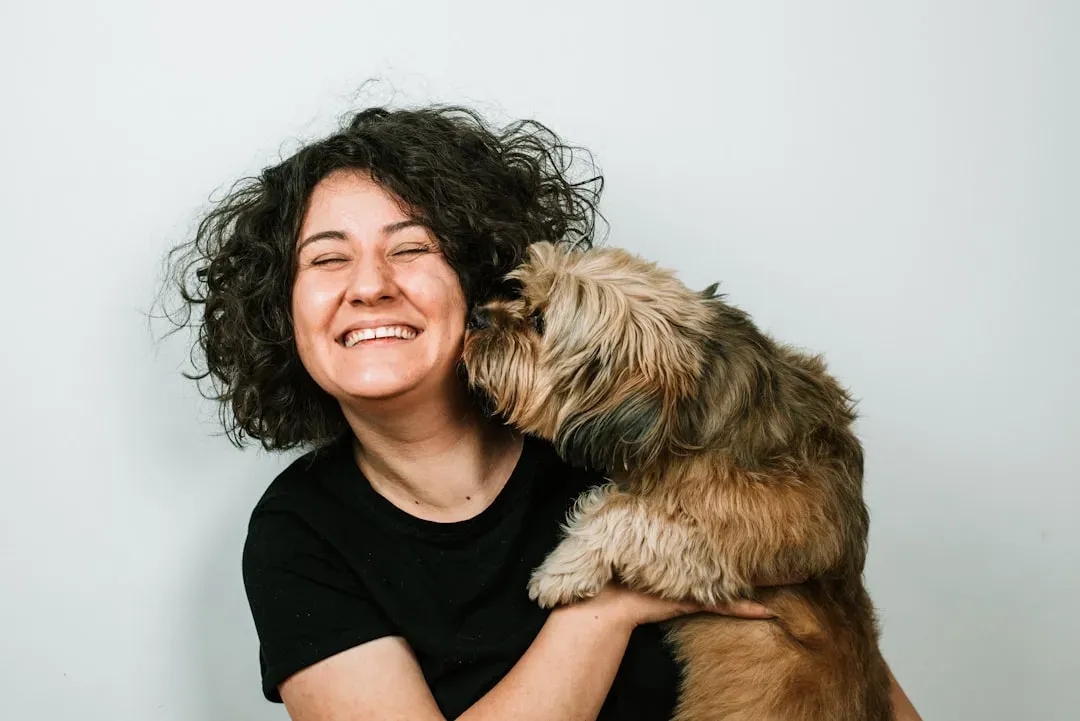
Dogs are sensitive to human emotions and can be drawn to individuals who exhibit feelings that resonate with them. If you’re experiencing joy, sadness, or calmness, a dog might choose you because they feel a connection to your emotional state.
This emotional attunement allows dogs to provide comfort during tough times and share in your happiness, deepening the bond between you.
7. Consistency and Routine Attract Dogs
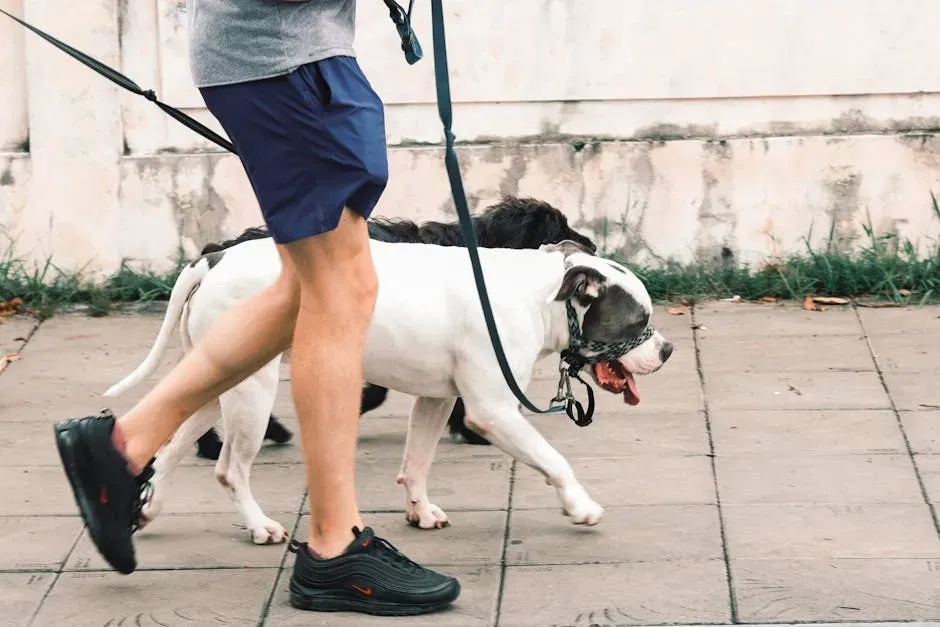
Canines thrive on routine and predictability. If you maintain a consistent schedule and environment, a dog may be more inclined to choose you, associating your presence with stability and security.
Your reliability in daily routines, like feeding times and walks, can make a dog feel safe and understood, leading them to prefer your company over others.
8. Voice Tone and Communication Matter
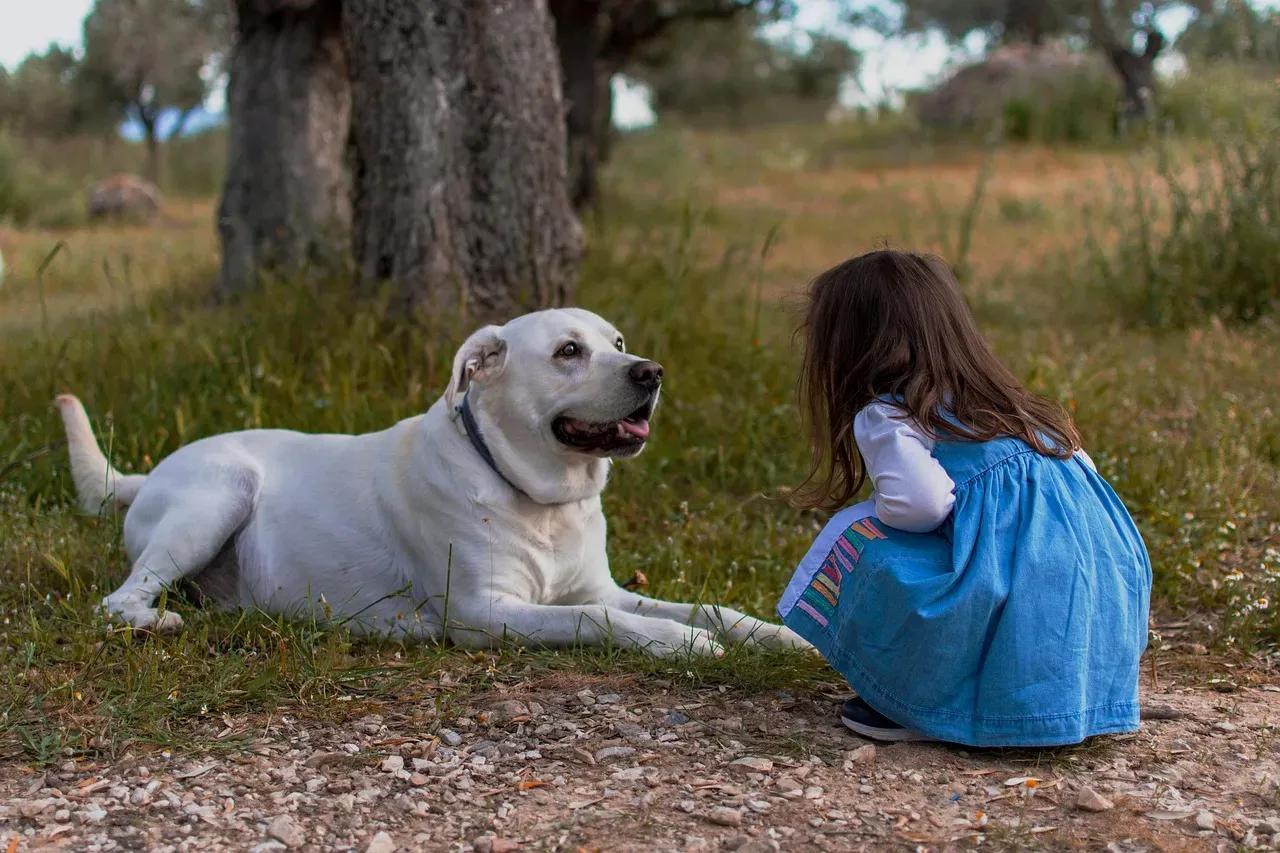
The way you speak can influence a dog’s preference. A calm, soothing voice can attract a dog, while a harsh or loud tone might deter them. Your vocal expressions convey emotions that dogs are keen to interpret.
Engaging in gentle, positive communication can make a dog feel at ease, encouraging them to choose you as their favored human.
9. Mutual Interests Foster Connection
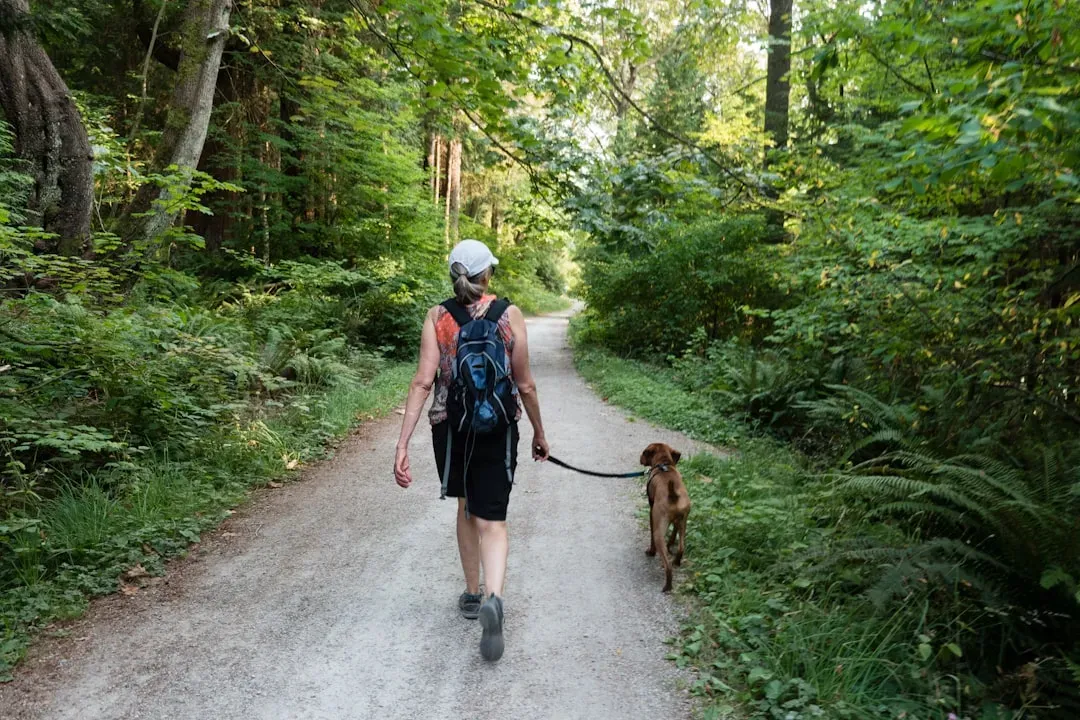
Shared activities and interests can draw a dog to you. If you enjoy outdoor adventures, a dog with a love for exploration might choose you as their companion for exciting escapades.
Engaging in activities that both you and the dog enjoy strengthens your bond and makes you a more appealing choice for the canine.
10. Unconscious Cues Signal Compatibility
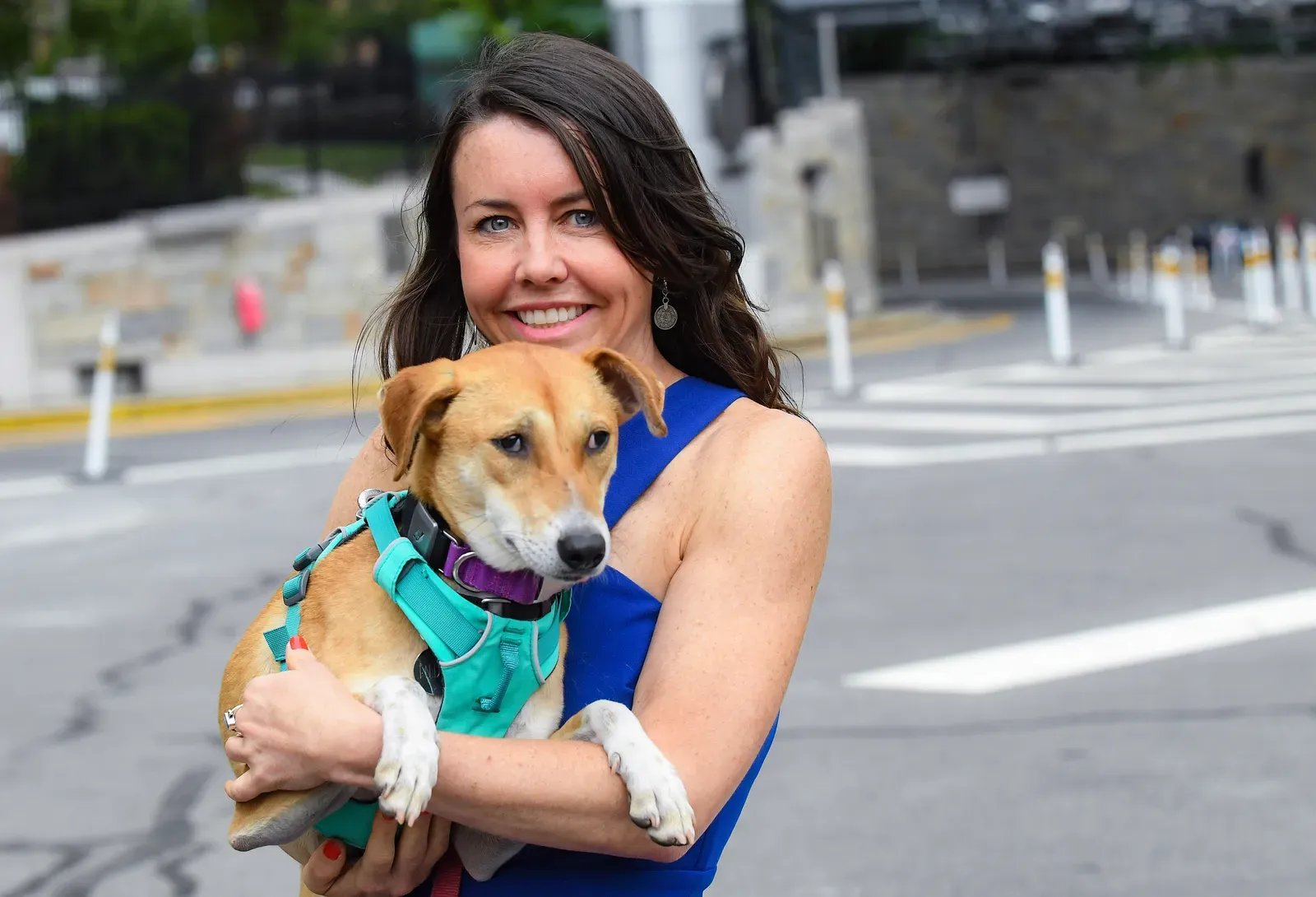
Sometimes, it’s the subtle, unconscious signals you emit that attract a dog. Your natural movements, breathing patterns, or even the way you sit can make a dog feel comfortable and drawn to you.
These involuntary cues can create a sense of harmony between you and the dog, leading them to choose you over others without you even realizing why.
In conclusion, the idea that a dog chooses their human isn’t mere happenstance. It’s a complex interplay of sensory perceptions, emotional connections, and instinctual behaviors. Recognizing these factors not only deepens our appreciation for our canine companions but also underscores the profound, intentional bonds we share. So, the next time your dog snuggles up to you, remember: it’s not just love; it’s science.