
12 Things Your Dog Does When They Think You Are Leaving Forever Versus Just Going to the Shops
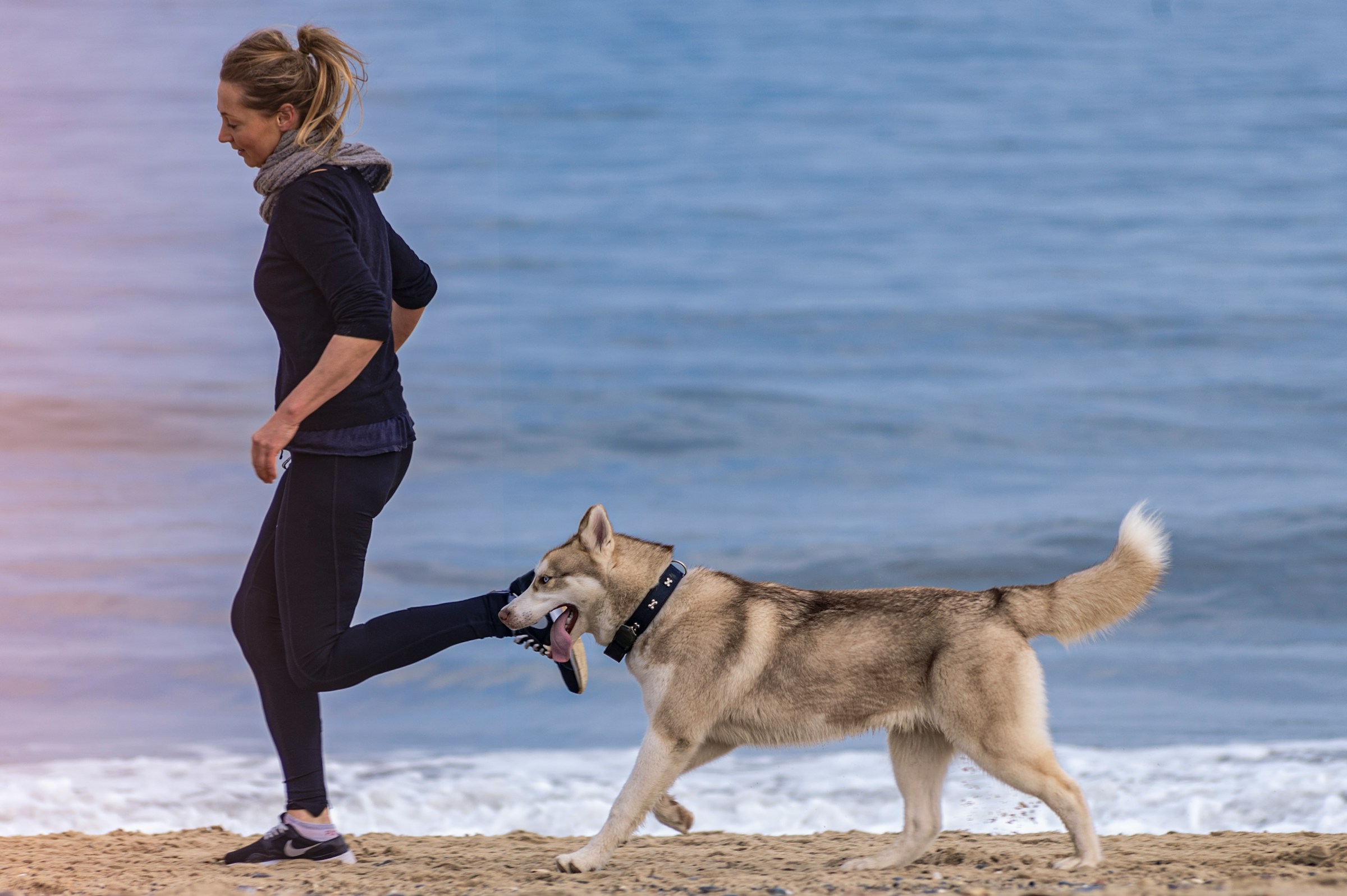
Ever wondered what goes through your dog’s mind when you grab your keys? Do they think you’re just popping out for milk, or do they fear you’re leaving them forever? Let’s dive into the fascinating world of canine behavior to uncover the subtle (and not-so-subtle) signs your furry friend displays in both scenarios.
1. The Intensity of the Goodbye

When you’re merely heading to the local store, your dog might offer a casual tail wag or a brief glance. It’s as if they’re saying, “See you soon!” However, if they sense a prolonged absence, the farewell becomes more dramatic. They might cling to you, whine, or even block the door, showcasing their anxiety about the impending separation.
2. Monitoring Your Pre-Departure Cues
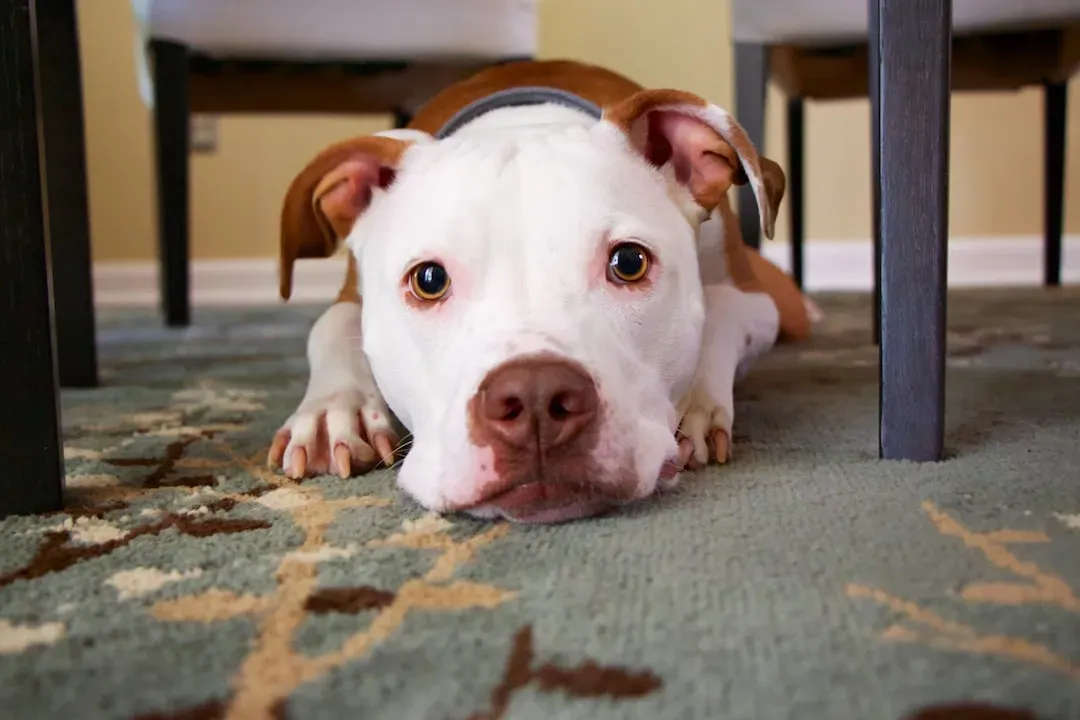
Dogs are astute observers. They pick up on routines and cues. Grabbing your shopping bag might elicit little reaction. But packing a suitcase or donning work attire? That could trigger pacing, drooling, or other signs of distress, as they associate these actions with longer departures.
3. Post-Departure Behavior
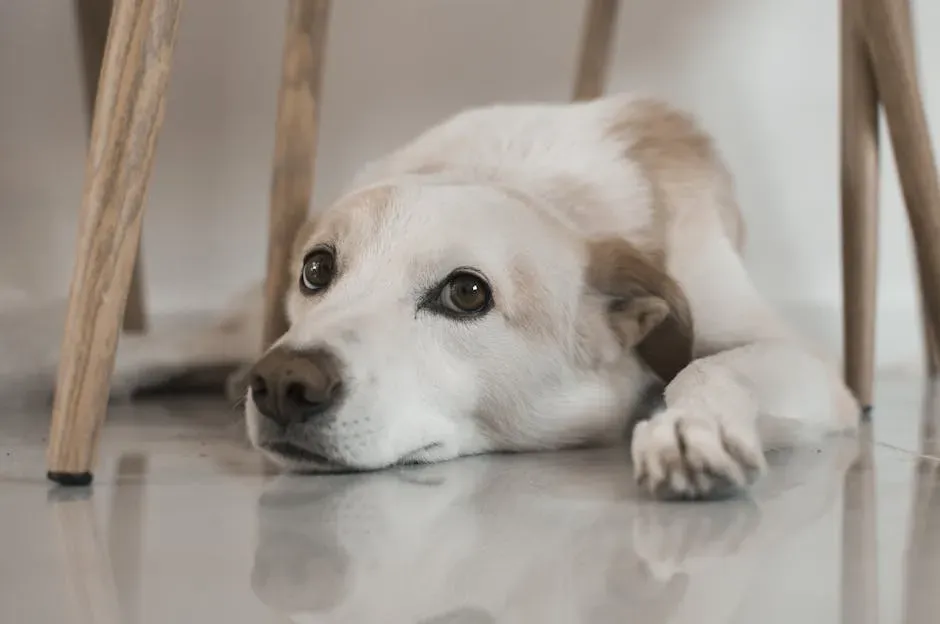
A quick trip might see your dog settling down shortly after you leave. They might nap or play with their toys. In contrast, if they believe you’re gone for an extended period, they could exhibit destructive behaviors like chewing furniture or scratching doors, driven by anxiety.
4. Vocal Expressions
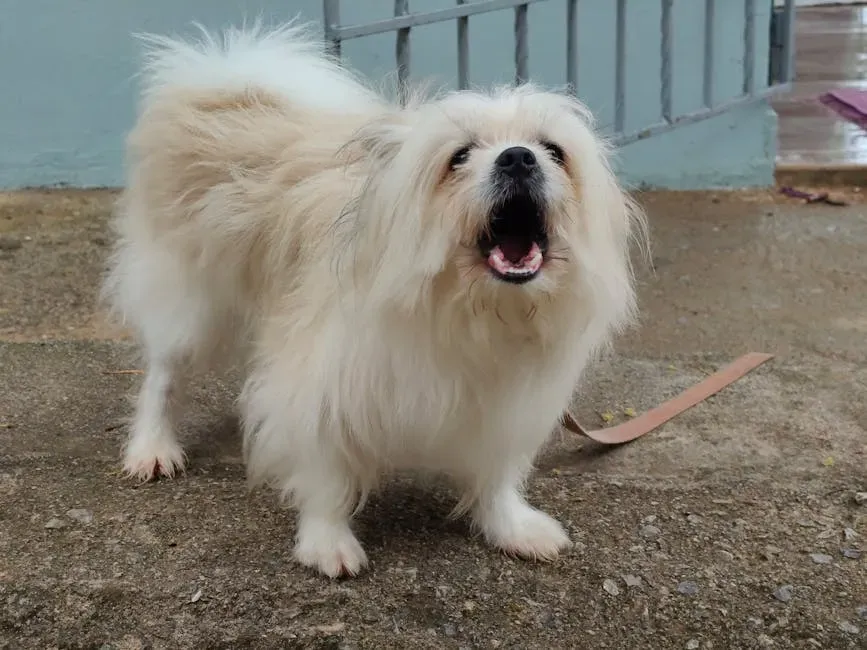
A short absence might result in minimal vocalization. But if your dog thinks you’re leaving for long, expect prolonged barking, howling, or whining. This is their way of expressing distress and attempting to call you back.
5. Changes in Eating Habits

For brief outings, your dog’s appetite remains unaffected. However, during longer separations, some dogs might refuse to eat due to stress, while others might overeat as a coping mechanism.
6. House Soiling

A quick errand usually doesn’t disrupt your dog’s house training. But if they believe you’re gone indefinitely, anxiety can lead to accidents indoors, even in well-trained dogs.
7. Self-Soothing Behaviors

During short absences, dogs might engage in normal activities. But if they think you’re leaving for long, they might resort to excessive licking or chewing on themselves as a way to cope with anxiety.
8. Greeting Intensity Upon Return
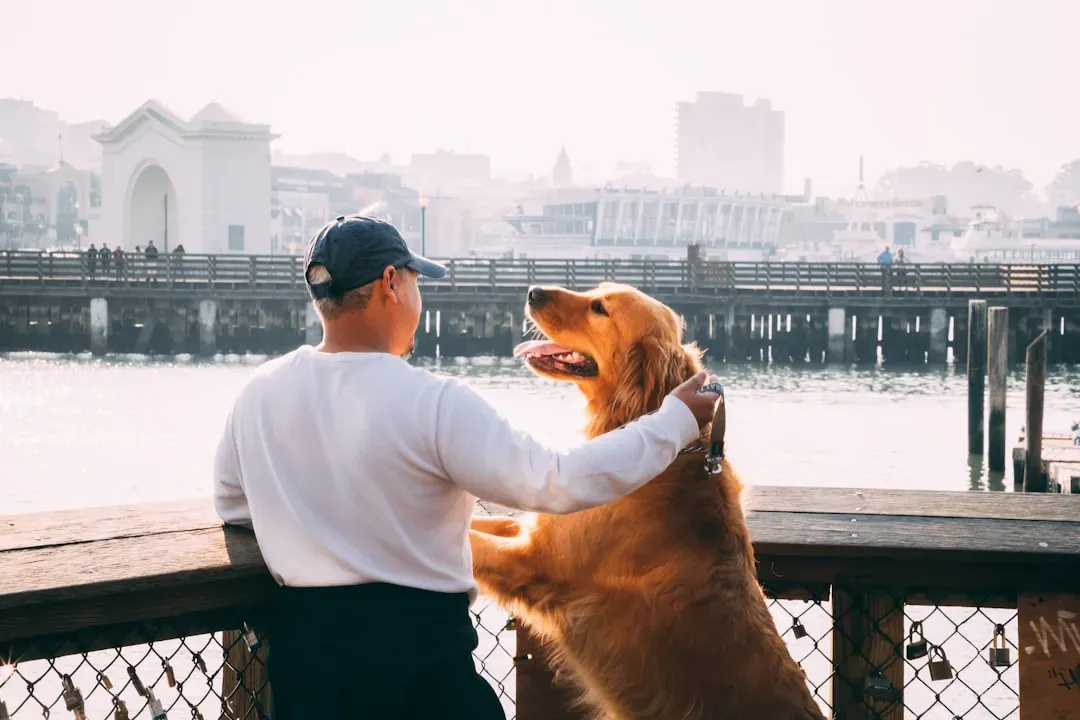
Returning from a short trip might earn you a happy tail wag. But after a perceived long absence, your dog might greet you with overwhelming enthusiasm, jumping, licking, and even vocalizing their relief.
9. Following You Around
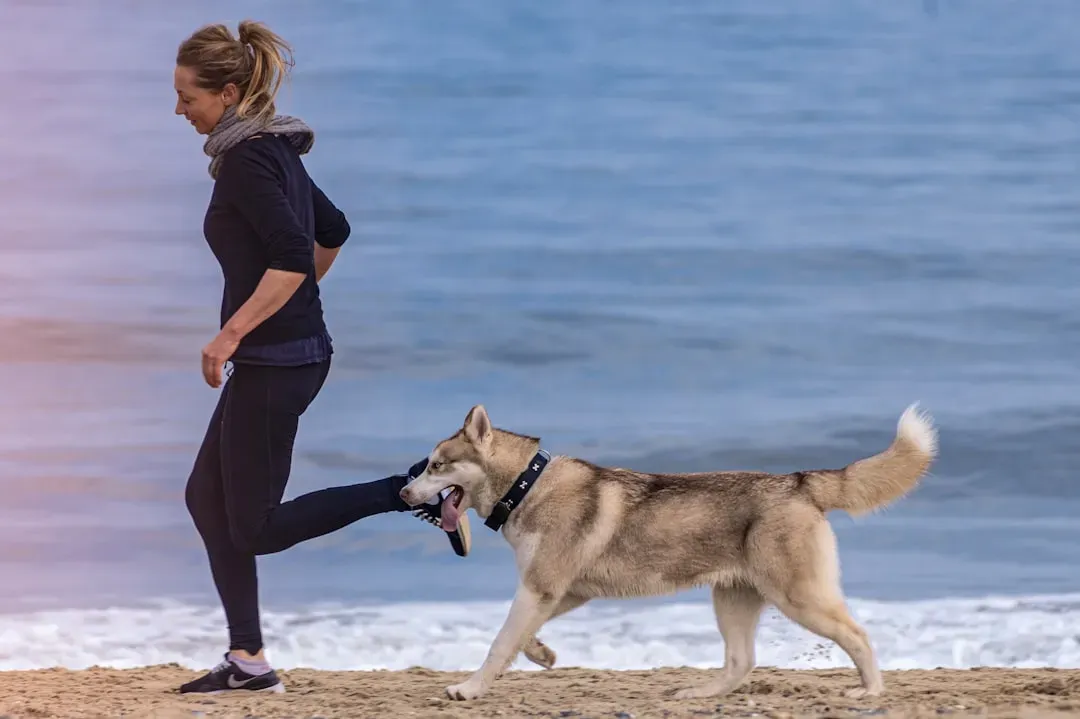
Before a short departure, your dog might stay relaxed. But if they sense a longer absence, they might shadow you closely, not wanting to let you out of their sight.
10. Attempting to Escape
Believing you’re leaving for a long time can drive some dogs to try to escape, scratching at doors or windows in an attempt to follow you.
11. Changes in Sleep Patterns

Short absences might not affect your dog’s sleep. However, during longer perceived separations, they might sleep more due to depression or less due to anxiety.
12. Displaying Signs of Depression
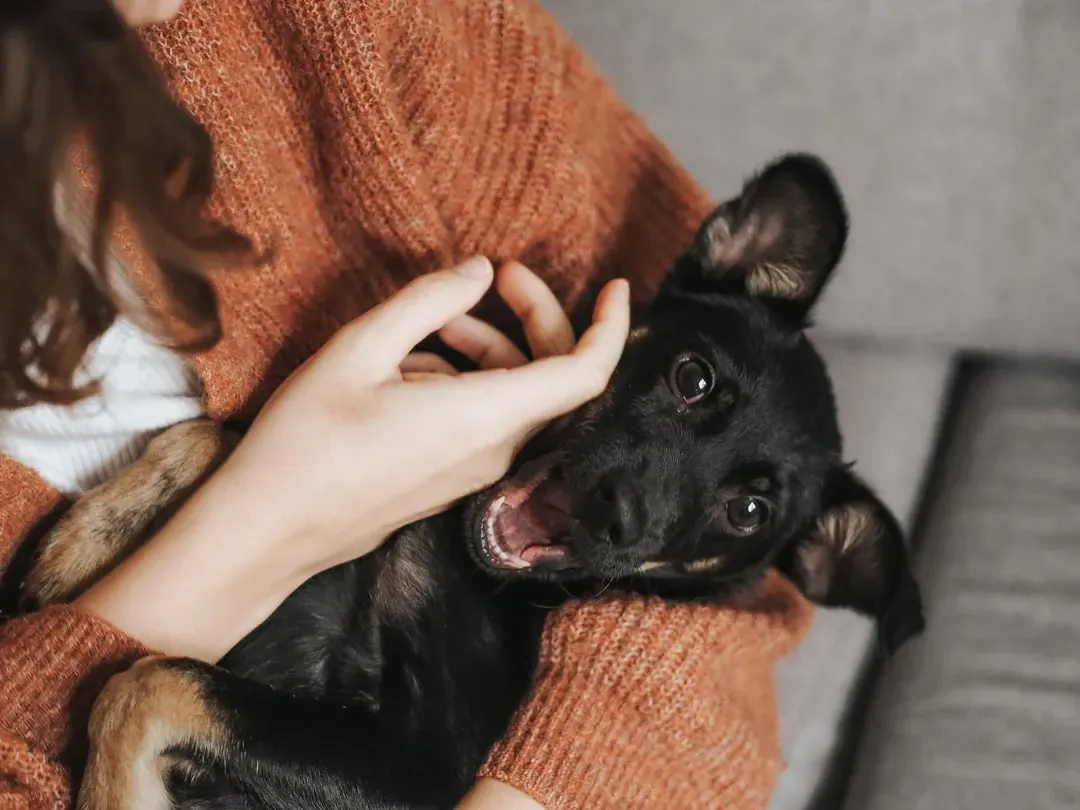
If your dog thinks you’re leaving for an extended period, they might become withdrawn, lose interest in play, or show other signs of depression.
Understanding these behaviors can help you address your dog’s needs and ensure they feel secure, whether you’re stepping out for a moment or leaving for longer. After all, our canine companions rely on us for their emotional well-being. So, next time you grab your keys, consider the message you’re sending to your furry friend. Are they thinking, “Back soon,” or “Gone forever”?