
Most dogs start out whispering. A quiet glance, a small lick, a gentle shift in body language. But when those early, polite messages get ignored, many dogs switch to something louder: urgent behavior that says, very clearly, “Listen to me now.” The problem is, we often miss the transition and only notice things once they look dramatic or “bad.”
If you’ve ever said your dog “suddenly snapped,” this article is for you. Dogs almost never go from calm to crisis in one step. They climb a ladder of communication, and by the time you see these nine behaviors, your dog is no longer asking nicely. They are pleading, warning, or trying hard to cope. Learning to read these signals can literally prevent bites, reduce anxiety, and transform your relationship with your dog.
1. The Hard Stare That No Longer Looks “Cute”
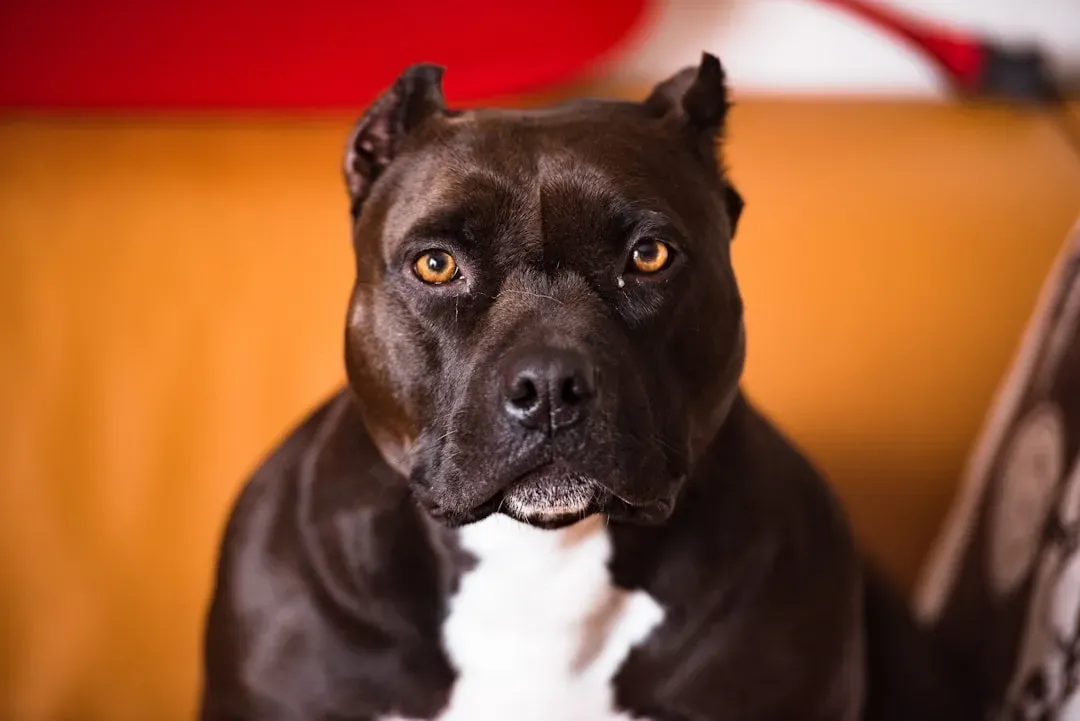
You know that soft, blinky eye contact dogs give when they’re relaxed? A hard stare is the opposite of that. The eyes go wide or narrow, blinking slows down or stops, the pupils may dilate, and the dog fixes their gaze like a laser on a person, another dog, or an object. It can look intense, almost frozen, and it often comes with a stiff body and a closed mouth.
People sometimes call this a dog “staring you down” or “giving side-eye,” but to the dog, this is serious communication. A hard stare often means your dog is uncomfortable and is tracking a potential threat, resource, or pressure point. If you see this, especially around food, toys, kids, or strangers, it’s time to create distance, reduce the pressure, and take the situation seriously, not to scold or challenge the dog.
2. Lip Lifts and Tooth Flashes That Aren’t About Smiling
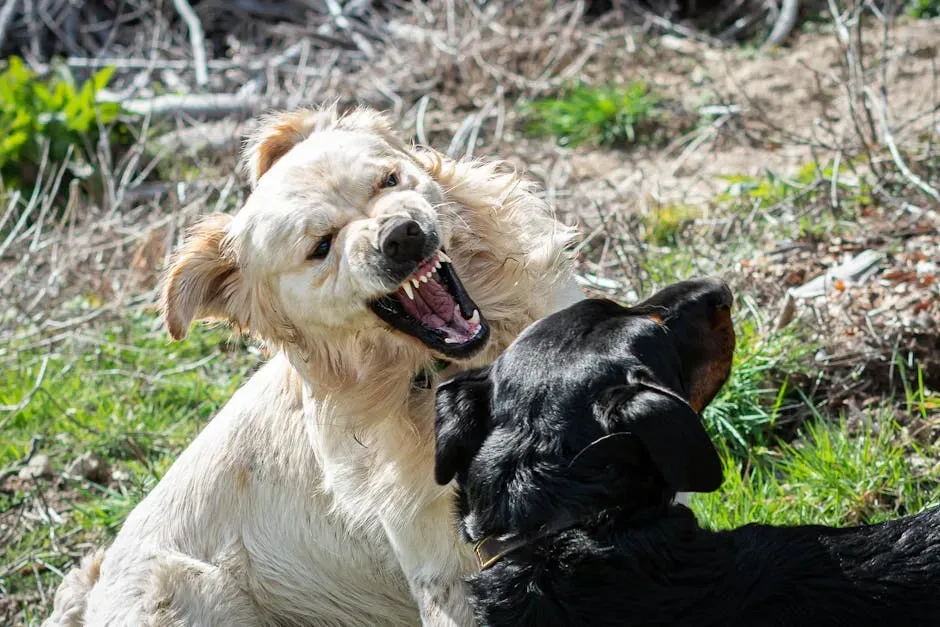
Humans love to say their dog is “smiling,” but most of the time when teeth are showing, the dog is not in a joking mood. A quick lip lift, a wrinkled muzzle, or a flash of the canine teeth is a huge, urgent warning: “Please back off.” Sometimes only one corner of the lip lifts, or you might see tiny ripples at the sides of the mouth before the teeth become fully visible.
Many dogs show these signals after their softer cues were ignored – like turning away, freezing slightly, or trying to move out of reach. When those polite messages fail, they feel forced to escalate. Punishing a growl or a lip lift teaches a dog that clear communication is dangerous, which can push them straight to snapping without warning next time. Instead, treat the lip lift as a gift: your dog is telling you exactly how they feel. Listen and give them space.
3. Freezing in Place Like a Statue
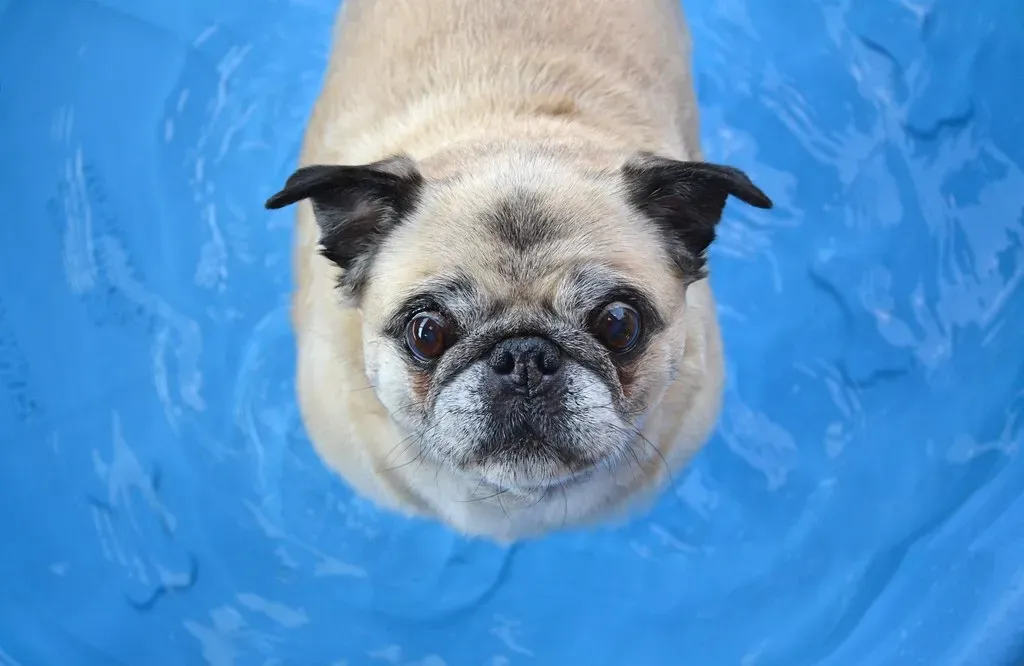
A lot of people think upset dogs are always loud and dramatic: barking, lunging, snarling. In reality, one of the most urgent danger signs is silence and stillness. A dog that suddenly goes very still, stops wagging, and holds their breath for a second or two is telling you the situation has reached a critical point. Trainers often call this a “freeze,” and it frequently happens right before a bite.
This kind of freeze is very different from a relaxed dog lying still. Look for a stiff tail, locked muscles, closed mouth, and an overall “statue” vibe. It can last just a split second. You might notice it when a child hugs a dog, when someone reaches for a bone, or when another dog invades their space. If you see that freeze, do not push further. Calmly interrupt, increase distance, and, if this happens repeatedly, bring in a qualified trainer or behavior professional.
4. Escalating Growls That Shift in Tone or Intensity
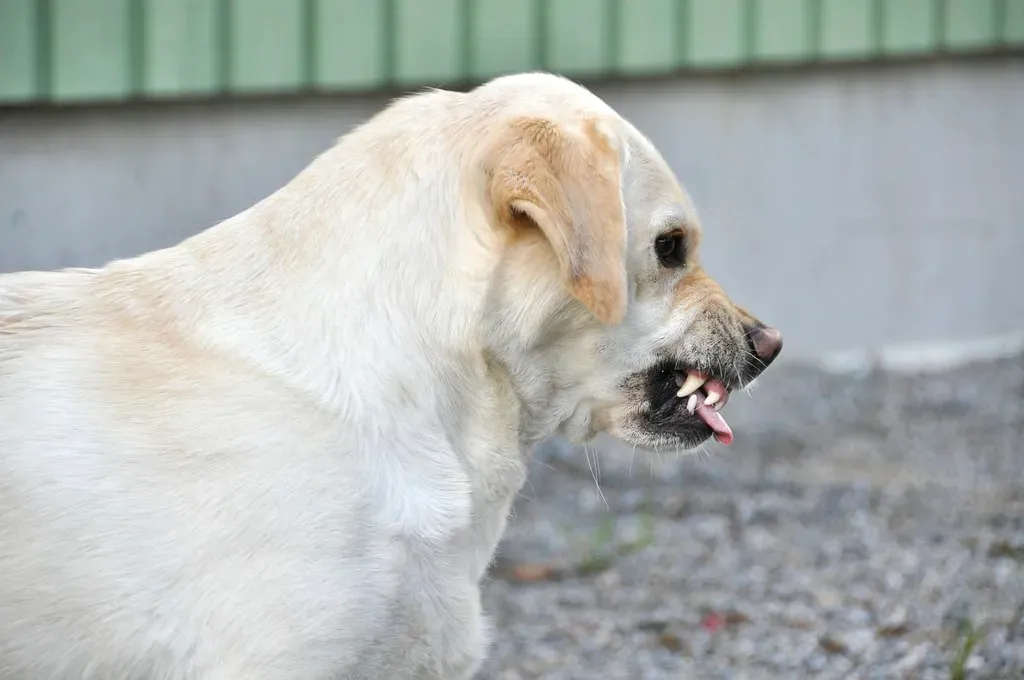
Growling is one of the clearest urgent messages a dog has, yet humans often treat it like a crime instead of communication. A dog might start with a low, quiet growl, hoping you will understand and give them some relief. If that doesn’t work, the growl can become louder, longer, and more intense, almost like a siren ramping up over time.
That change in tone and intensity means your dog feels increasingly trapped or threatened. They are not being “dominant” or “spiteful”; they are trying to protect themselves, their resources, or their sense of safety. Responding by yelling, punishing, or physically correcting the dog may shut the growl off in the moment, but it does not remove the underlying stress. Long term, that makes the dog more dangerous, not less, because they learn that warning is useless.
5. Repeated Avoidance and Escape Attempts That You Keep Interrupting
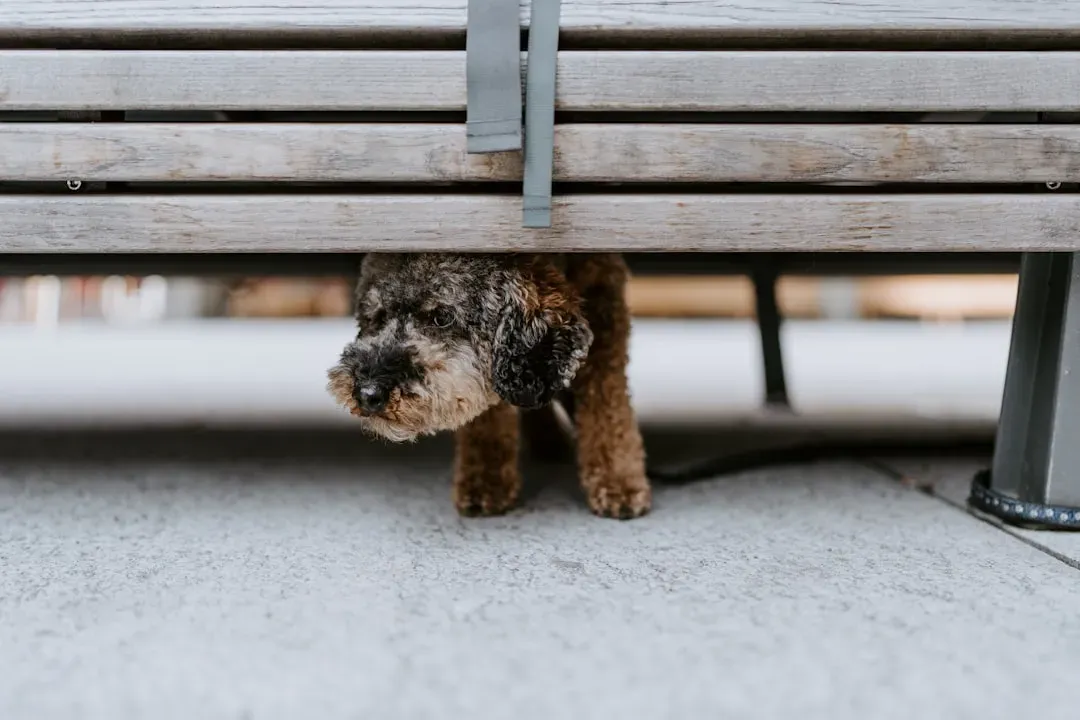
When dogs are desperate, they often try very hard to leave. That might look like constantly moving behind you at the dog park, pulling toward the exit at the vet, ducking away from hands that reach to pet them, or trying to hide under furniture. Many people think their dog is being “dramatic” or “stubborn,” but from the dog’s perspective, they’re just trying to survive a situation that feels overwhelming.
What turns this into urgent communication is when those escape efforts are blocked over and over. The dog learns they cannot flee, so the only option left is to fight or shut down. If your dog is consistently trying to get away from certain people, dogs, places, or types of handling, that’s not random. It’s a big red flag that their stress has crossed a line and you need to advocate for them instead of forcing them through it.
6. Sudden, Intense Barking Outbursts in Specific Contexts
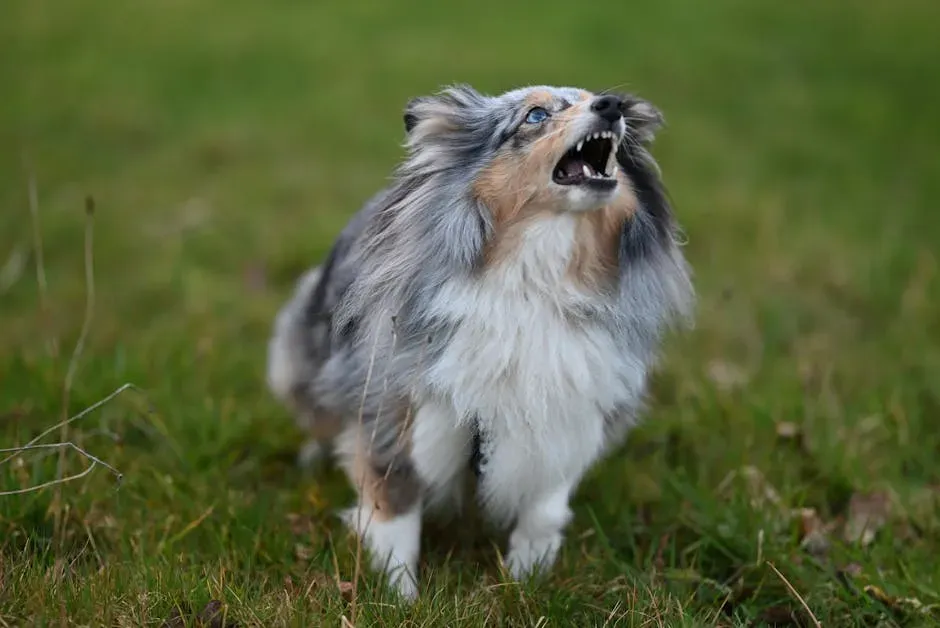
Not all barking is urgent. Some dogs just like to chat about everything. But if your normally manageable barker suddenly has abrupt, explosive outbursts in certain situations – like when a stranger stands too close, a dog walks by, or someone approaches the house – that barking often signals high emotional arousal. It can sound sharp, frantic, and repetitive, with the body leaning forward and the hackles possibly raised.
These big reactions are not about your dog being “bad” or “protective” in a noble way; they’re usually rooted in fear, frustration, or both. When the barking seems to flip on like a switch and your dog struggles to calm down afterward, that is your sign they are overwhelmed. The barking is less of a conversation and more like an alarm bell that will not stop until the threat, real or perceived, is taken away or managed.
7. Self-Soothing That Turns Into Obsessive Licking or Chewing
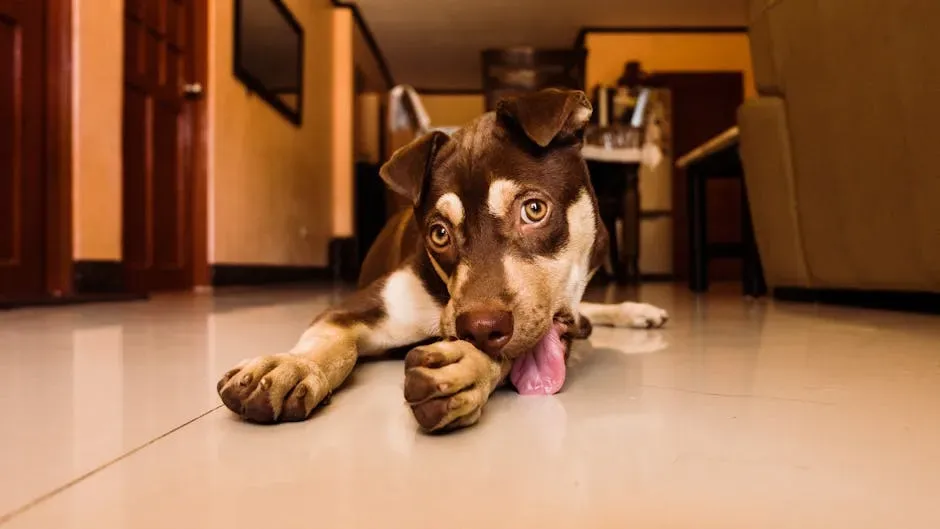
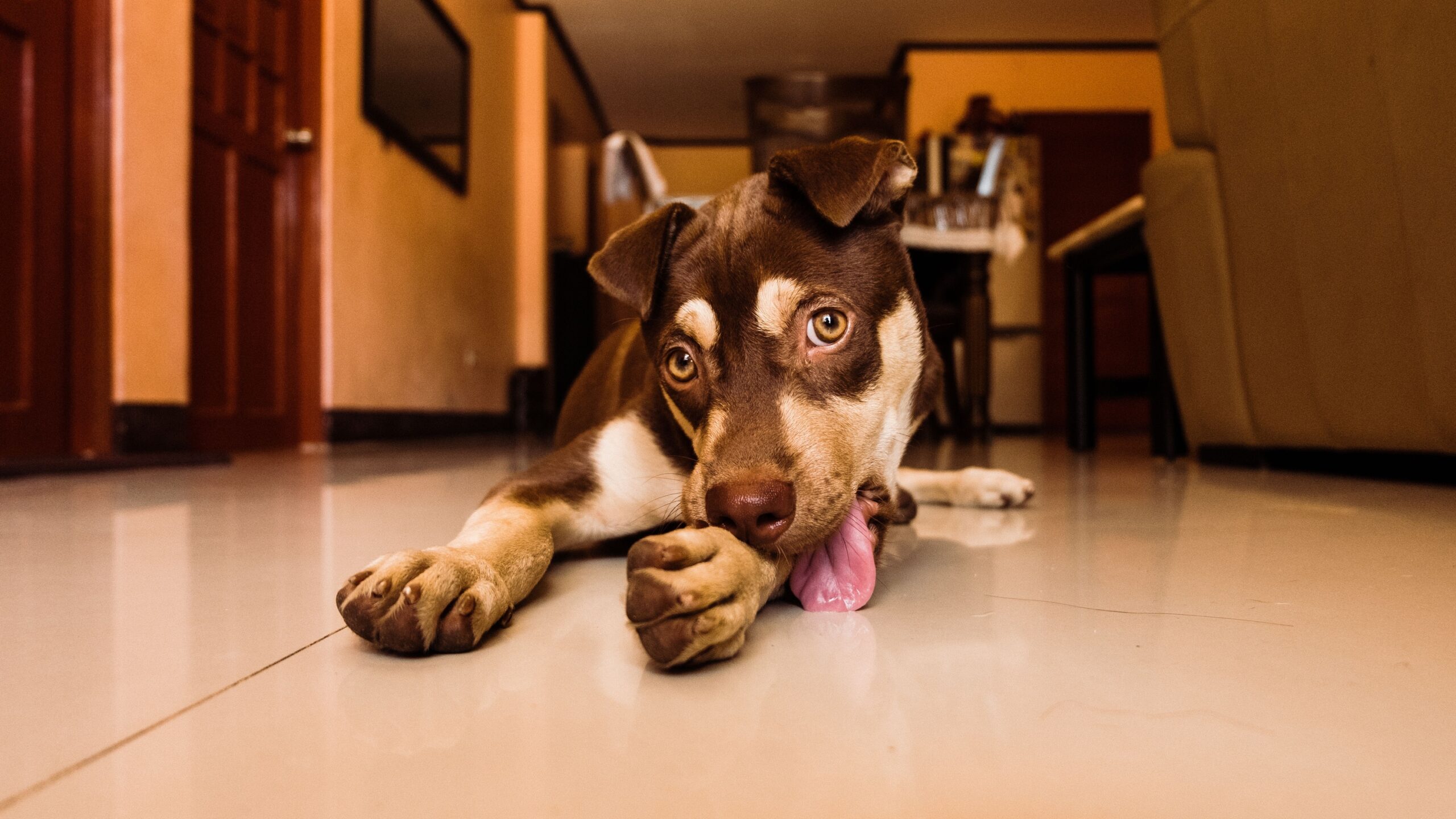
Dogs use grooming to cope with stress just like humans might chew their nails or tap their feet. A few licks or a gentle chew on a toy is completely normal. The shift to urgency comes when the licking becomes intense, repetitive, and hard to interrupt. You might notice your dog licking their paws raw, chewing at their skin, or obsessively working one spot on the couch or floor.
This kind of behavior is your dog’s nervous system trying to regulate itself when the environment or daily life feels too much. It can be related to anxiety, pain, or a mix of both, and it absolutely warrants attention. Ignoring it or just telling the dog to “stop” is like silencing a smoke alarm without checking for fire. You need to look at their overall stress levels, daily routine, health, and emotional world to figure out why their coping strategy has gone into overdrive.
8. Sudden, Intense Clinginess or Refusal to Be Touched
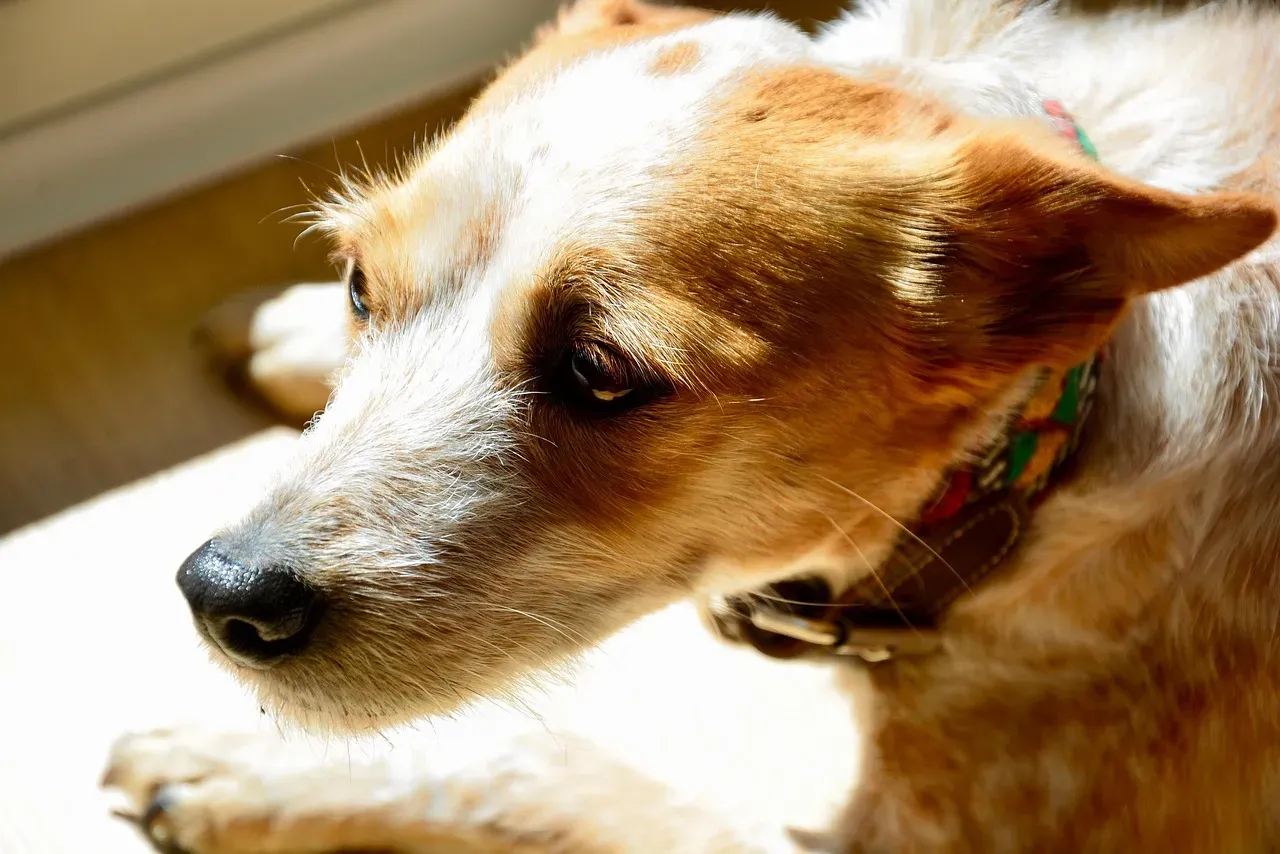
Two opposite behaviors can both be urgent messages: desperate clinginess and unexpected rejection of touch. A dog that was usually independent but now follows you everywhere, leans into you constantly, or panics when left alone may be sounding the alarm about rising anxiety or a shift in how safe they feel. On the flip side, a dog that normally loves cuddles but suddenly stiffens, moves away, or snaps when touched is also telling you something is wrong.
Both patterns can be linked to pain, illness, fear, or major life changes like a move, a new baby, or a loss in the household. In my own experience, the first sign my older dog was in pain was that he went from sleeping across the room to gluing himself to my leg, then later started flinching when I brushed his back. It was not “moodiness”; his body and brain were screaming for help long before the medical problem was obvious.
9. Resource Guarding That Seems to Appear “Out of Nowhere”
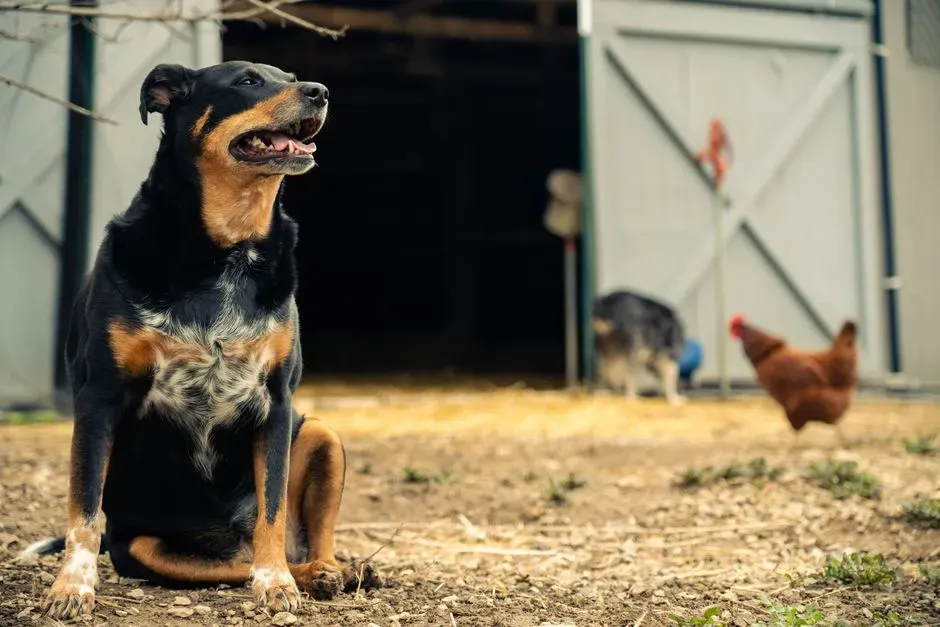
Guarding food, toys, beds, or even people is one of the clearest ways a dog communicates urgency. The behaviors can include stiffening over a bowl, hovering over a bone, blocking access to a person, or reacting with growls and snaps when someone approaches. Owners often say it came “out of nowhere,” but in reality, the dog was probably giving smaller signals for a long time that no one recognized.
Guarding is almost always about fear of loss, not about trying to “be the boss.” The dog has learned that when humans or other animals come near, the good thing often disappears, so they start making louder and louder statements to prevent that from happening. If your dog is suddenly guarding, or their guarding is escalating, this is not something to shrug off or “correct” with force. It is an urgent behavioral message that your dog does not feel safe and needs a structured, positive behavior plan and, in many cases, professional guidance.
Conclusion: Your Dog Is Not Overreacting – They’re Overwhelmed

When we label these behaviors as rude, stubborn, or “aggressive,” we miss the truth: they are survival strategies from an animal doing their best in a confusing human world. A hard stare, a growl, a freeze, a frantic bark – none of these are random. By the time your dog is acting with this level of intensity, they are past polite requests and firmly in the territory of emotional emergency. Ignoring or punishing that reality is not fair to them and, frankly, not safe for you.
My own opinion is that we owe dogs more than just food and walks; we owe them the respect of listening when they speak, especially when the message is uncomfortable to hear. If you start treating these nine behaviors as warning lights on your dog’s dashboard instead of misbehavior to be shut down, you will prevent problems, deepen trust, and probably see a calmer, happier companion emerge. The real question is not whether your dog is communicating – but now that you know what urgency looks like, are you willing to listen?


