
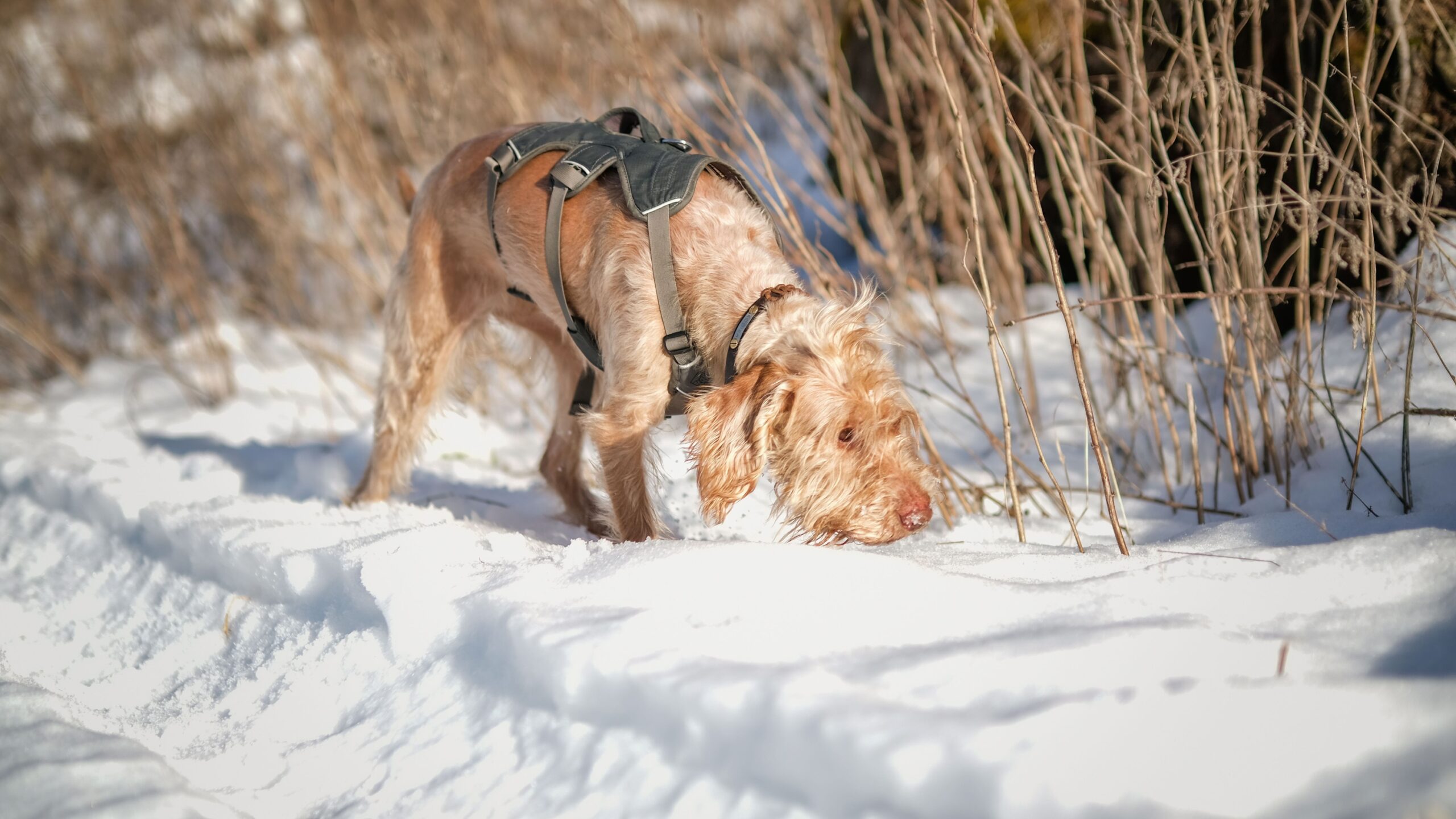
Picture this: you’ve planned a brisk, efficient walk, but your dog has other ideas. They slam on the brakes at every lamp post, zigzag to a random patch of grass, and seem far more interested in sniffing last night’s neighborhood gossip than getting from A to B. It’s easy to label this as stubborn, untrained, or even disrespectful behavior.
But what if your dog is not misbehaving at all? What if they’re doing exactly what a healthy, normal, well-functioning dog should do? When you realize that a walk is first and foremost a sensory expedition for your dog, especially through their nose, all those “annoying” stops start to look less like defiance and more like reading the morning paper. Once you see walks from their perspective, it changes how you feel about the leash in your hand, and honestly, it makes the whole experience a lot more magical.
Why Sniffing Is Your Dog’s Superpower, Not a Bad Habit
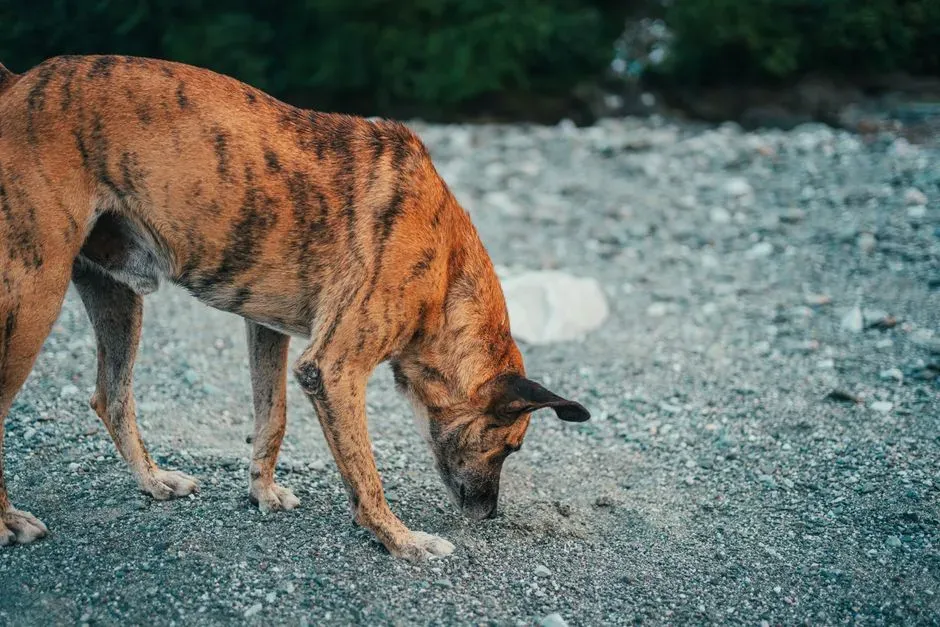
For humans, the world is mostly what we see. For dogs, the world is what they smell. A dog’s nose has many times more scent receptors than ours, and their brain dedicates a huge portion of its processing power to odor. Put simply, smell is their primary way of understanding reality, like sight is for us. When we drag a dog past interesting odors, it is almost like someone yanking your head away every time you try to look at a beautiful view.
That’s why when your dog pauses at a random patch of dirt or a cracked bit of pavement, it is not trivial to them. They’re picking up layers of information: who passed by, how recently, whether that animal was stressed, excited, or in heat. It is closer to them scrolling through social media or reading a news feed than just “smelling something.” Calling it a distraction or bad behavior is like calling you disobedient for glancing at a stunning sunset.
Every Smell Is a Status Update: What Your Dog Is Actually “Reading”
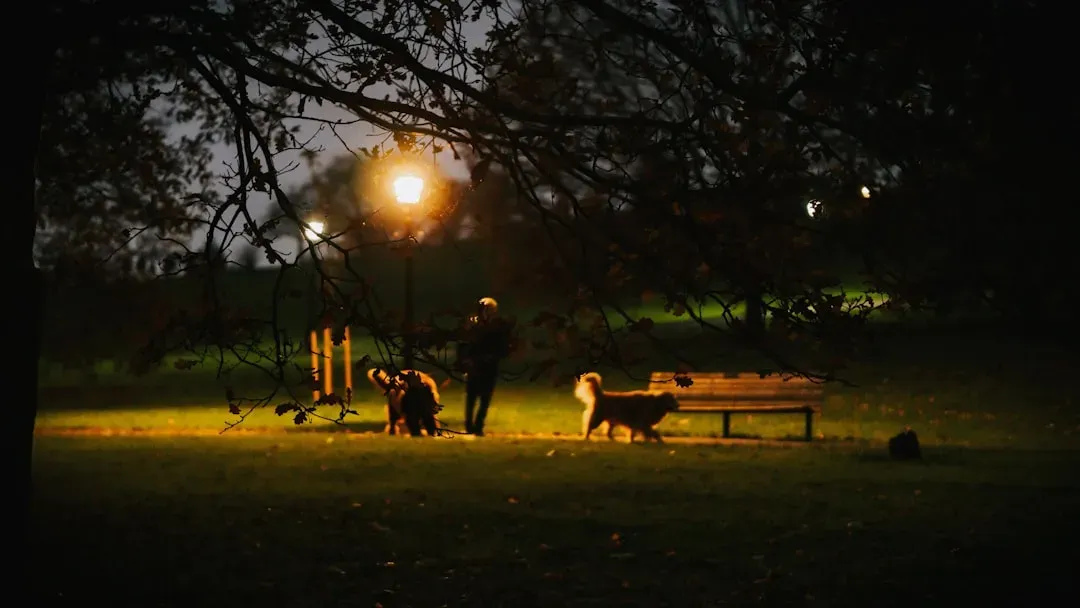
Think of your local walking route as a living, shifting bulletin board. That lamppost your dog loves? It’s basically a community message board full of scent marks left by other dogs and animals. Urine and scent glands carry information about age, sex, health, and emotional state. Your dog is decoding these tiny chemical messages with every deep sniff they take.
When they linger on one spot longer than you expect, they might be comparing overlapping messages, like reading comments on a thread rather than just the main post. Fresh scent, older scent, different individuals layered one over another; all of this is information. To you it is one boring pole, to your dog it is a timeline of who has been there, when they were there, and how they were feeling. That is not insubordination; that is your dog catching up on the neighborhood news.
The Myth of the “Disobedient” Walker: Training vs. Natural Behavior
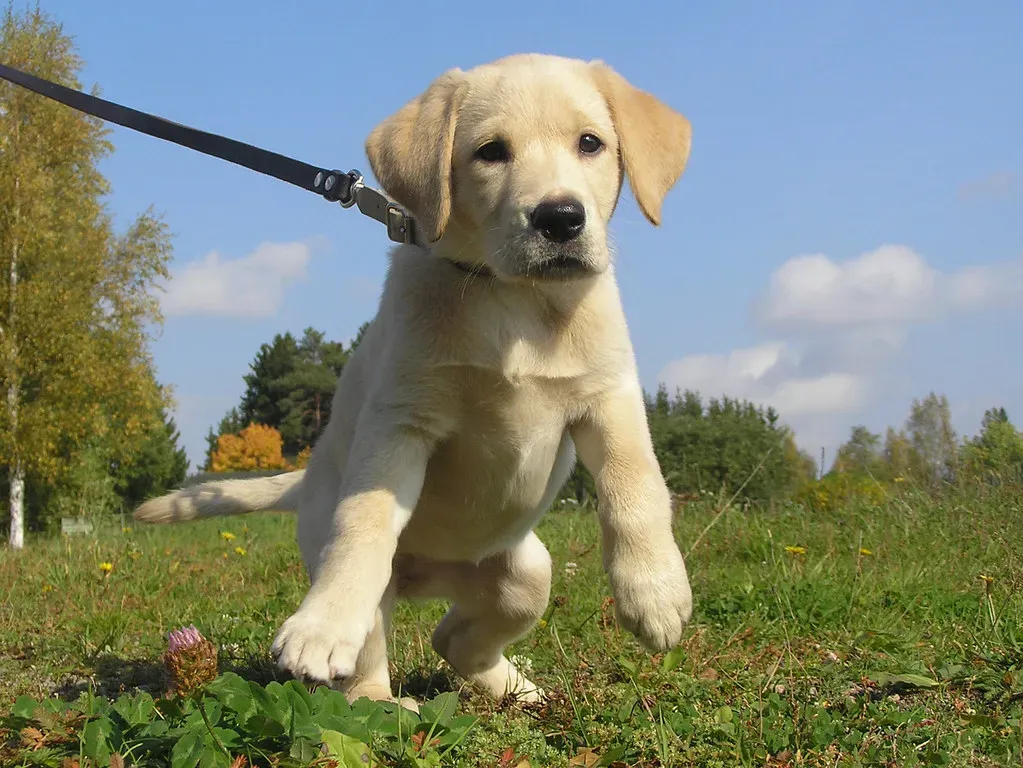
Many owners assume that if a dog pulls or stops a lot, they must be poorly trained. But there is a difference between a dog who has never been taught leash skills and a dog who is appropriately interested in its surroundings. Even the best-trained dogs need the freedom to use their nose; otherwise, walks turn into rigid, joyless marches that meet human expectations but starve canine needs.
Labeling a dog as naughty or stubborn for following their nose can quietly damage the relationship. You start to feel frustrated or even embarrassed, and your dog feels more tension on the leash and more correction from you. Instead of seeing curiosity as a problem to fix, it is far healthier to ask, “How can we shape this natural instinct into a walk that works for both of us?” That question is where good training lives: at the intersection of natural behavior and realistic boundaries.
Sniffing as Mental Exercise: Why a Slow Walk Can Be Exhausting
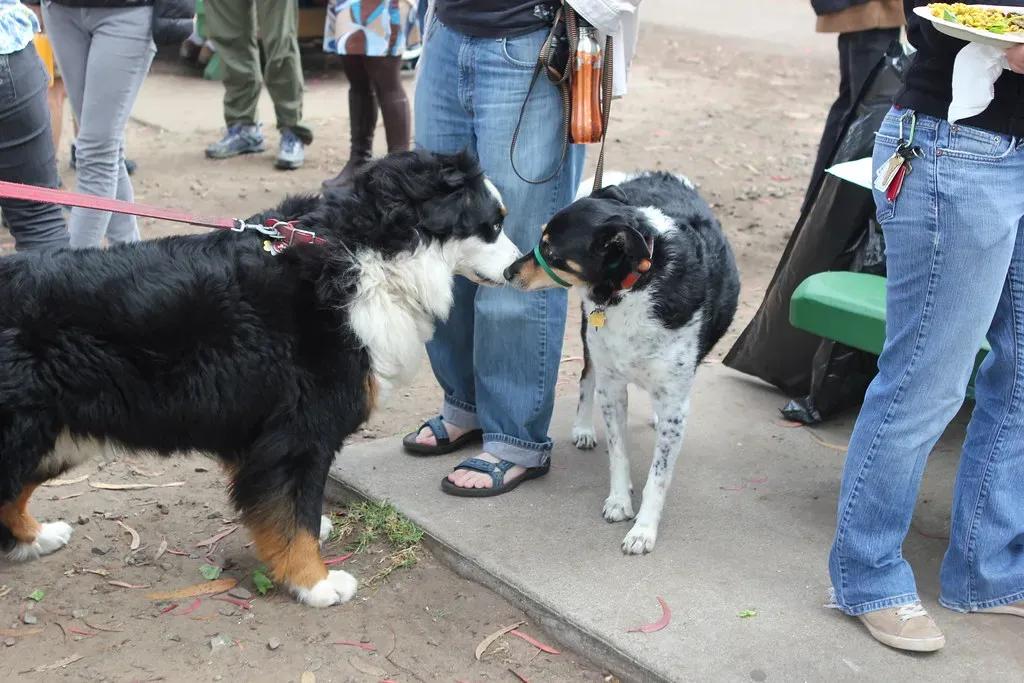
Have you ever noticed that after a long, sniff-heavy walk, your dog often crashes for a nap, even if you did not cover much distance? That is not laziness; it is mental fatigue. Processing scent-rich environments takes real cognitive effort. Every odor is like a little puzzle: who, what, where, when, and sometimes even why. It is similar to how you might feel after concentrating on a complex book or an intense meeting.
This is why so many trainers say that quality matters more than distance for many dogs. A slow, stop-and-go walk with plenty of sniffing can be far more satisfying than a fast, straight-line march through the neighborhood. Mentally tired dogs are generally calmer, more relaxed, and less likely to seek mischief at home. Allowing more sniffing time can sometimes reduce unwanted behaviors not because your dog is “more obedient,” but because their brain finally got the workout it craved.
When to Set Boundaries: Healthy Sniffing vs. Chaos on the Leash
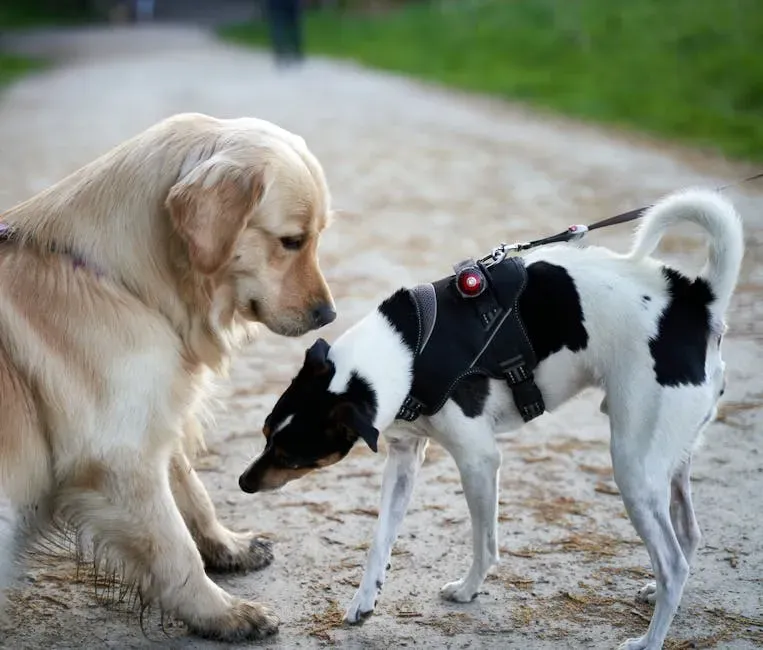
Of course, letting your dog sniff does not mean letting them drag you into the road or yank your shoulder out of its socket. There is a balance between honoring natural behavior and staying safe and respectful in public spaces. It is fair to expect your dog to walk reasonably on a loose leash and to respond when you ask them to move on, especially near traffic, other people, or sensitive areas like someone’s front garden.
A helpful approach is to decide when the walk is “for sniffing” and when it is “for moving,” and give your dog clear signals for each. You might allow more freedom in parks or quiet streets and ask for more structure on busy sidewalks. The key is that you are not punishing the dog for wanting to sniff; you are simply giving that instinct a frame. In my own experience, once I started thinking in terms of “sniff time” and “move time,” walks became less of a tug-of-war and more of a shared rhythm.
How to Turn Sniffy Walks Into Training Opportunities
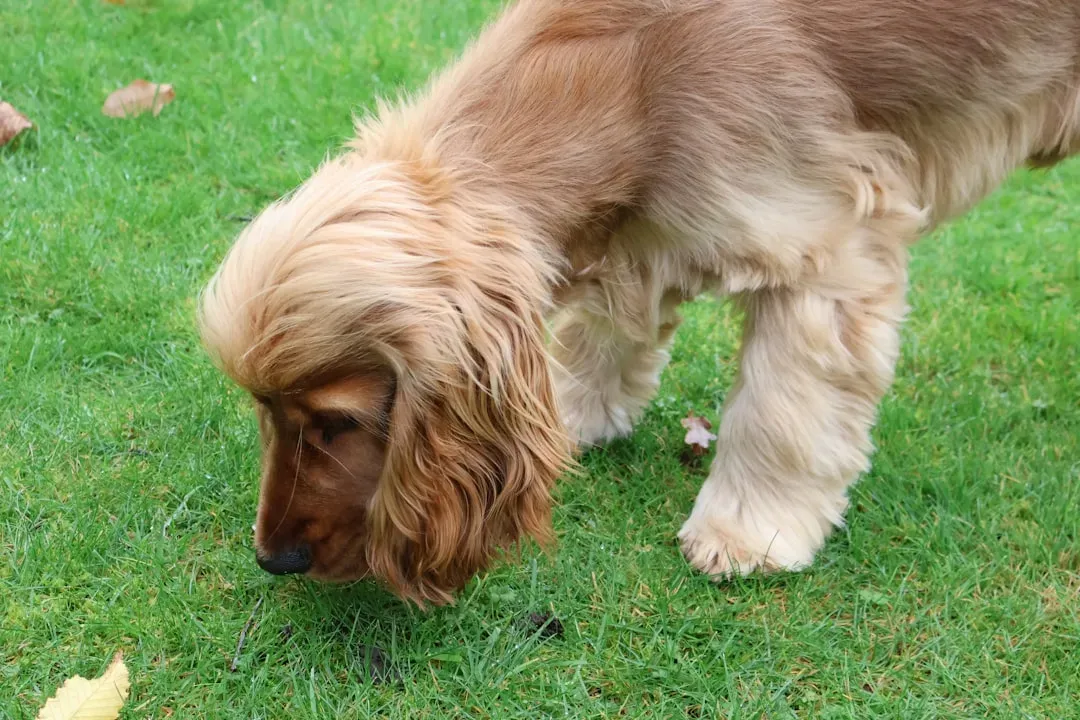
Instead of fighting your dog’s nose, you can actually use it as a reward. For many dogs, the chance to sniff a specific spot is more valuable than a food treat. You can ask for a brief behavior, like a sit or a short heel, and then release them with a cue that means “go sniff.” Suddenly, sniffing is not random chaos; it is something your dog earns by checking in with you.
This approach quietly shifts the dynamic. Your dog starts seeing you as the gateway to the really good stuff in the environment, rather than an obstacle they have to drag past. Over time, many dogs offer better eye contact and looser leash walking because they understand that cooperating with you does not mean sacrificing their precious nose time. It is a win-win: your standards stay intact, and your dog’s needs are still fully met.
Rethinking What a “Good Walk” Looks Like
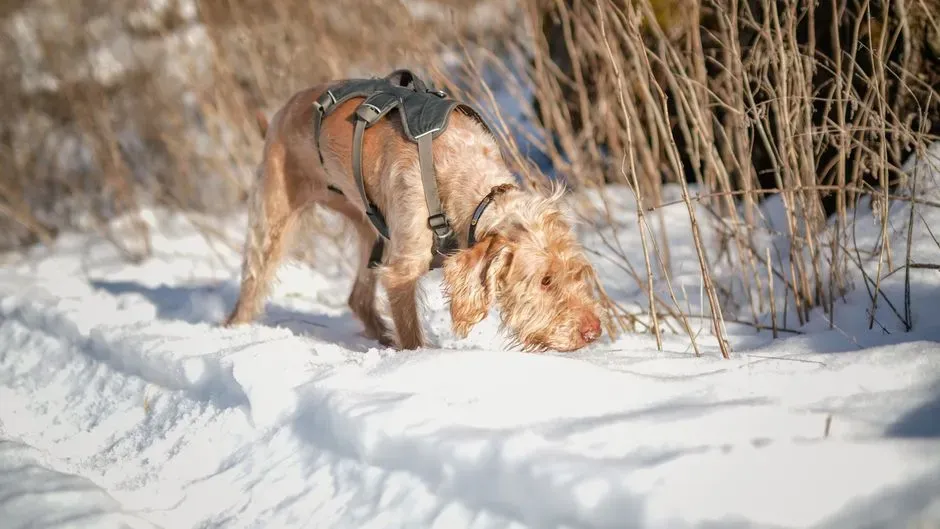
We often judge a walk by how far we went or how tired the dog looks afterward. But if a dog trudges along beside you without ever getting to sniff, they might be physically exercised but emotionally underfed. A truly good walk, from a dog’s perspective, is one where they had time to investigate, gather information, and feel like an active participant in the world rather than luggage on a rope.
That might mean accepting that your planned power walk becomes a meandering tour of mailboxes, tree trunks, and grass tufts. It might mean leaving earlier or walking a shorter route with more built-in sniff breaks. When I finally let go of the idea that a “proper” walk had to look like a human fitness routine, I started enjoying the slower pace. It felt less like I was dragging my dog through my agenda and more like we were exploring the neighborhood together, each in our own way.
Conclusion: From Frustration to Partnership on the Leash
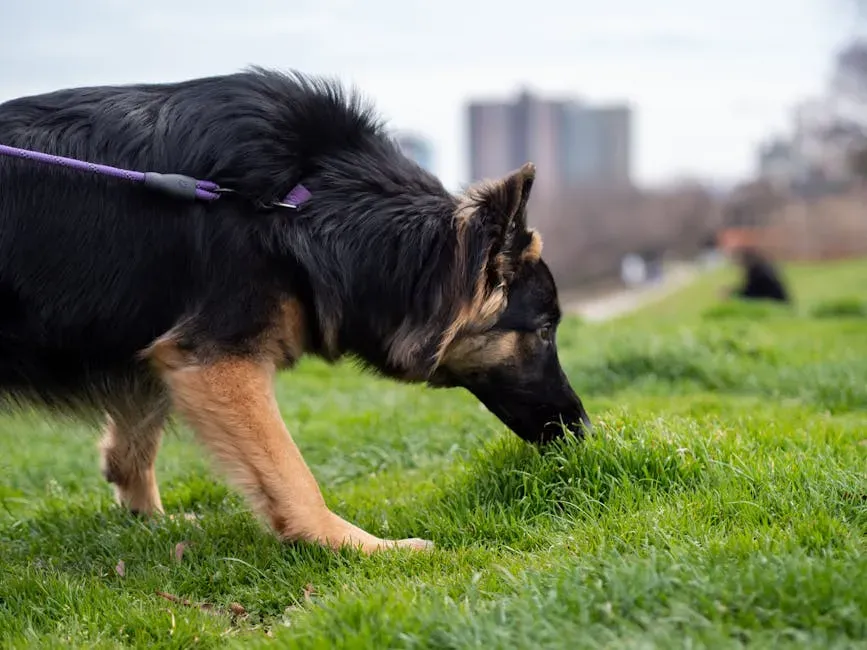
When you stop seeing your dog’s sniffing as insubordination and start recognizing it as their main way of being alive in the world, the whole story changes. What looked like a badly trained, distracted pet often turns out to be a normal, curious animal trying to do what evolution built them to do. In my view, the real mistake is not the dog’s; it is our habit of forcing them into a strictly human idea of what a walk should be.
That does not mean throwing structure out the window. It means building training around the dog’s reality instead of against it, using the leash to guide rather than to shut down their instincts. If more owners treated walks as shared experiences instead of obedience tests, I suspect we would see fewer battles on the sidewalk and stronger bonds at home. Next time your dog stops to sniff, you might still feel a twinge of impatience, but maybe you will also wonder: what story are they reading that I will never smell?


