
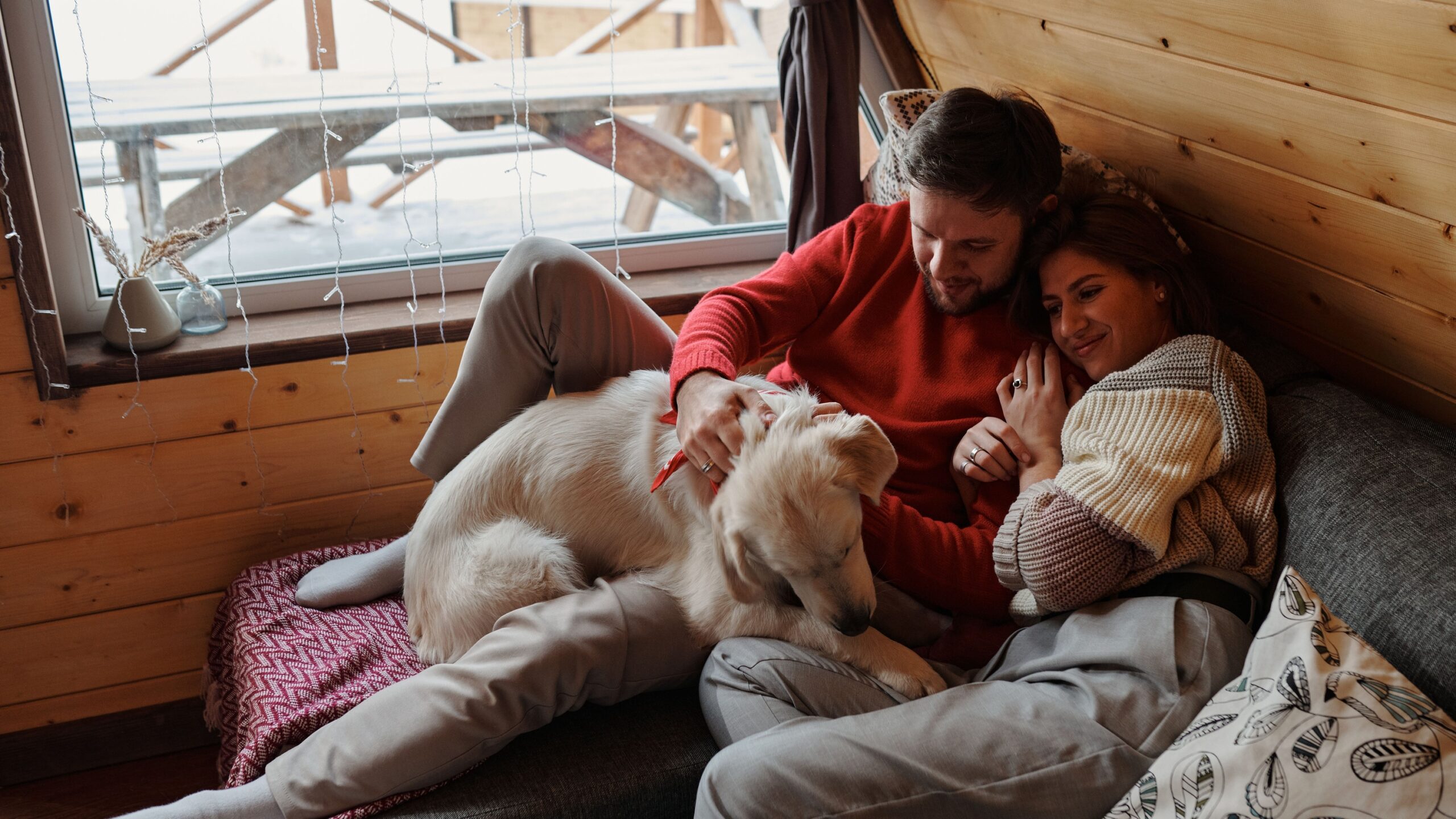
You know that feeling when you’ve had the worst day, snapped at everyone, ignored your phone, and your dog still greets you like you’re the best thing on the planet? That quiet, unconditional loyalty is one of the most disarming forces in the world. Some breeds seem almost hardwired to forgive faster, love harder, and keep showing up no matter how imperfect you are.
This list is about those dogs: the emotional glue-guns of the canine world. We’ll dig into what makes certain breeds such relentless love machines, from their history and temperament to how they read your mood better than most people. This isn’t about “perfect” dogs; it’s about the ones who keep choosing you, even on days you’re not proud of. Ready to meet the ten breeds that simply do not know how to stop loving you?
Labrador Retriever: The Gold Standard of Unshakable Devotion
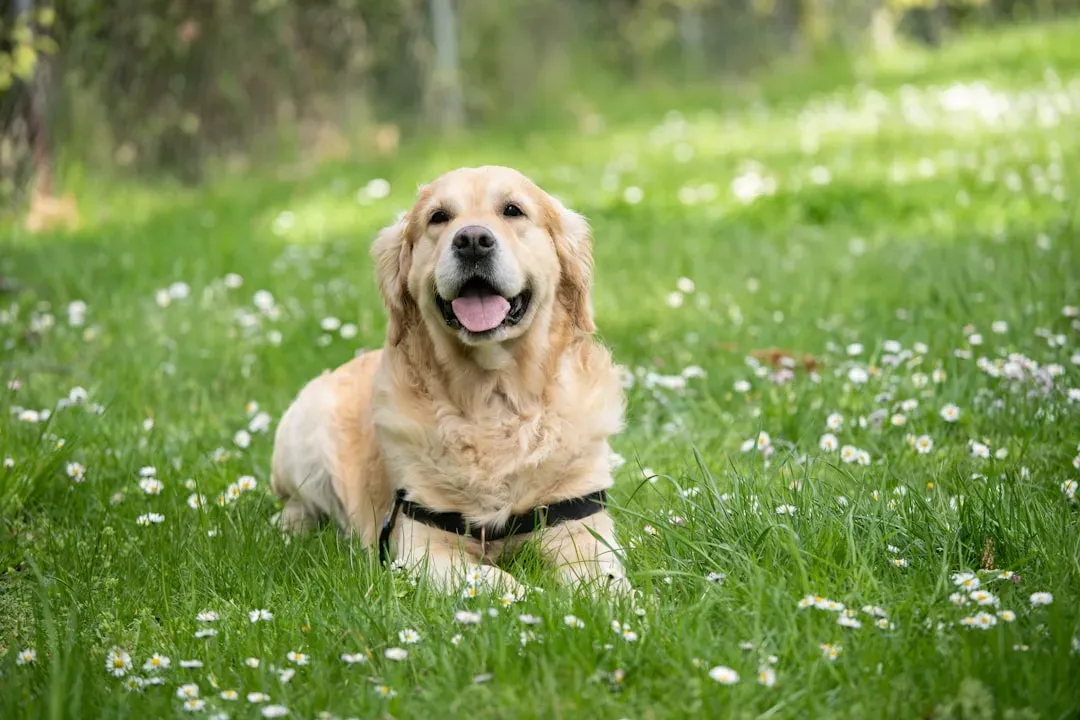
Labradors are often called the world’s favorite family dog for a reason: they bond deeply and broadly, often loving every member of the household as if each one is their personal mission. Bred as working retrievers, they’re wired to cooperate with humans and stay closely tuned to your cues, which translates into a dog that constantly checks in, follows you from room to room, and rarely holds a grudge. Even when you’re rushed, distracted, or short-tempered, most Labs respond with a wag, a nudge, or a hopeful stare that says they’re still on your team.
They’re also famously forgiving. You can accidentally step on their paw, yell across the room, or come home late again, and a typical Lab will still bounce toward you like you’re a returning hero. Their high social drive and stable temperament make them a common choice for service and therapy work, where the ability to keep trusting and loving under pressure is essential. Living with a Lab often feels like having a furry emotional safety net draped across your life.
Golden Retriever: Emotional Sunshine Wrapped in Fur
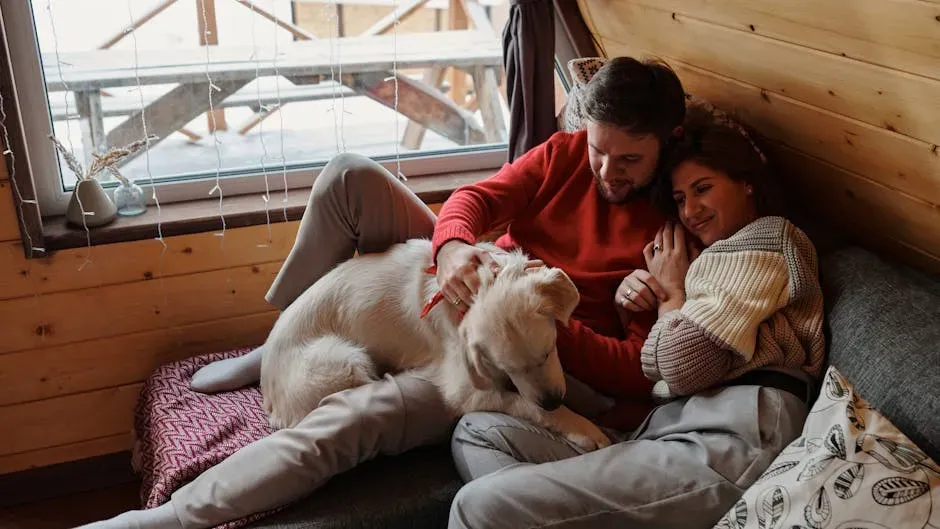
If Labrador Retrievers are steady devotion, Golden Retrievers are emotional sunshine turned into a dog. They’re known for their gentle mouths and gentle hearts, often reading your mood and adjusting their energy like they have an internal empathy dial. Having a bad day? A Golden will quietly rest its head on your knee. Feeling upbeat? They’ll happily grab a toy and celebrate with you like it’s a national holiday.
Goldens were bred as hunting companions and later as family and assistance dogs, so they thrive on human connection and cooperation. Many owners describe them as almost painfully eager to please, sometimes to the point where you have to remind yourself to set boundaries. You can be distracted, grumpy, or inconsistent with training, and a well-bred Golden will usually respond with patience, tail wags, and another sincere attempt to do what you want. They don’t just love you; they seem convinced you and they are part of one emotional unit.
Cavalier King Charles Spaniel: A Velcro Heart in a Small Body
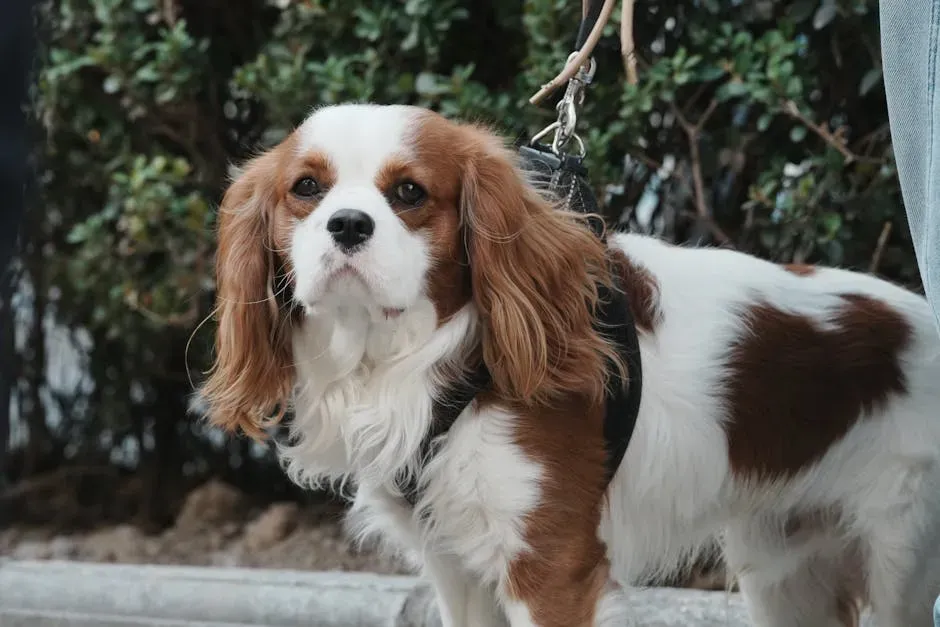
Cavalier King Charles Spaniels are living, breathing lap warmers built for human companionship. Historically, they were bred as companion dogs for nobility, spending long hours lounging in laps and following people through large estates. That history shows: Cavaliers often seem less like dogs and more like small, soft extensions of your own feelings, shadowing you from room to room and curling up the second you sit down.
They’re often described as “comfort seekers” and “comfort givers” in equal measure. A Cavalier rarely cares if you’re in pajamas at noon, stressed, or crying over something you can’t even explain. They’ll gently press against you, stare into your face with big, liquid eyes, and quietly insist that your lap is the center of the universe. Their need for closeness can feel intense, but if you want a dog that refuses to emotionally check out, a Cavalier is almost overqualified.
Boxer: The Clown That Loves You Like a Bodyguard
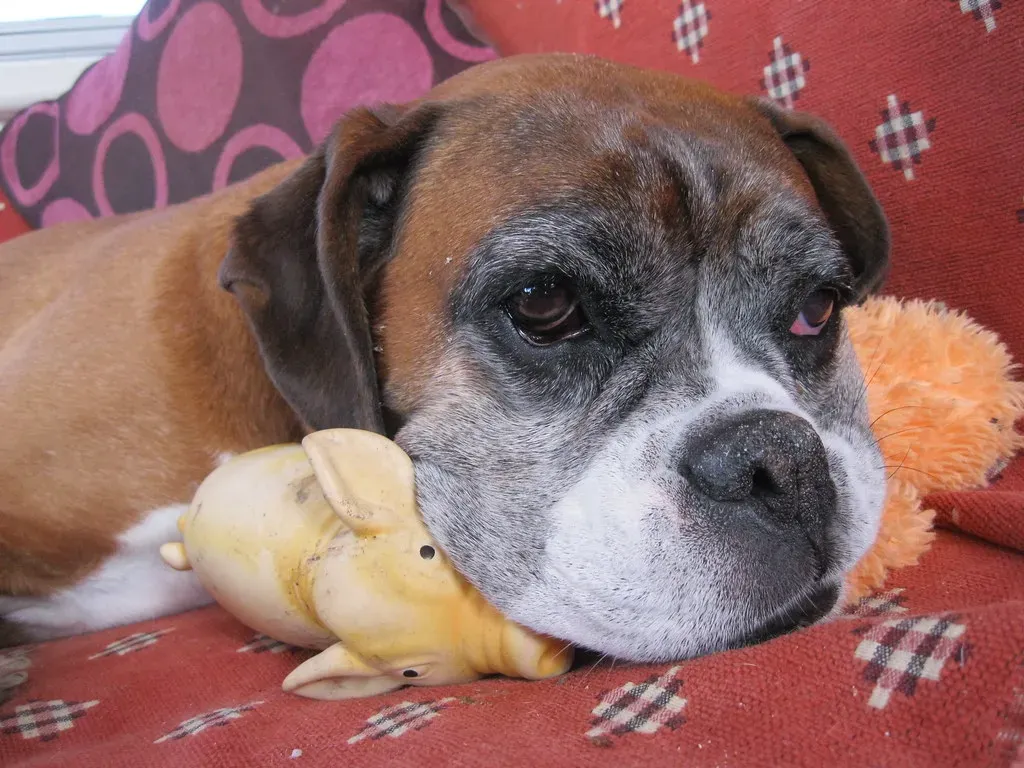
Boxers are the goofballs of the dog world, but underneath all that silliness is a startlingly loyal guardian. Bred as working and guard dogs, Boxers often attach fiercely to their families, staying alert and present even while acting like oversized puppies. They’ll nudge you for play, lean against you when you’re tired, and plant themselves between you and a stranger without a second thought.
What makes Boxers so lovable is the contrast: they can be wildly energetic and playful one moment, then serious and protective the next. They forgive your mistakes easily – late walks, inconsistent rules, missed training sessions – because their core priority is simply being with you. When you’ve had a rough day and feel like you’ve messed everything up, a Boxer’s wiggling butt and unapologetic enthusiasm can make you feel like maybe, just maybe, you’re not doing so badly after all.
Staffordshire Bull Terrier: The Misunderstood Cuddle Champion
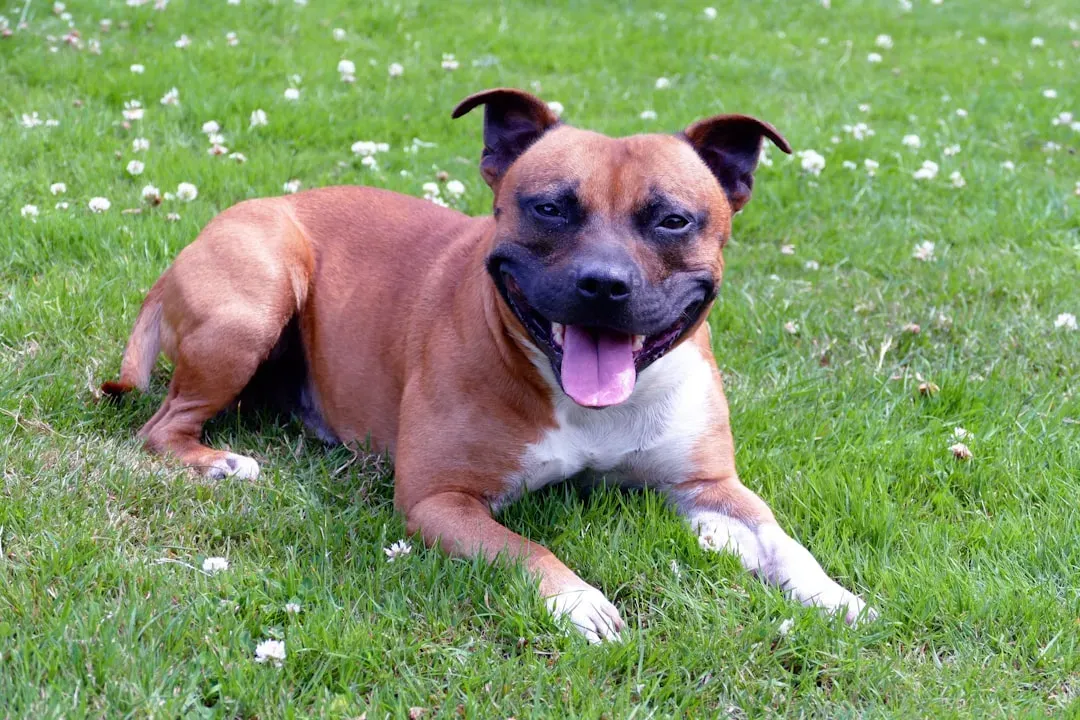
Staffordshire Bull Terriers have one of the most dramatic image gaps in the dog world: tough-looking on the outside, deeply affectionate on the inside. Historically, they were bred to be resilient but also intensely people-oriented, which is why so many owners describe them as incredibly clingy, cuddly, and obsessed with human contact. Many Staffies would genuinely rather be pressed against your side than doing almost anything else.
Their bad reputation in some circles doesn’t reflect how soft they are with people when well-bred and properly socialized. A typical Staffy lives for approval and connection, often staring at you with such raw adoration that it feels like too much. You can be exhausted, distracted on your phone, or not your best self, and a Staffy will still curl into your lap like you’re their entire universe. If unconditional devotion could be bottled, it might look a lot like a snoring Staffy draped across your chest.
Collie (Rough and Smooth): The Sensitive Soul Who Watches Over You
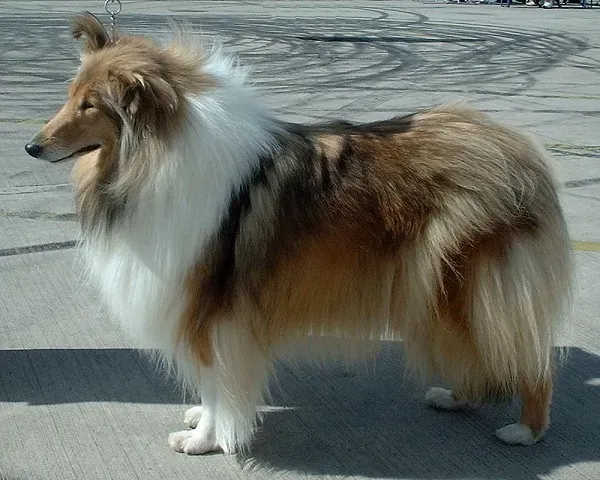
Collies – both the long-haired Rough Collie and the shorter-coated Smooth Collie – are famous for being gentle, intuitive, and quietly devoted. Originally bred for herding, they learned to read subtle human cues and make decisions that kept animals and people safe. That sensitivity shows up in modern homes as a dog that seems to notice every shift in your mood, from the way you walk to how you close a door.
I’ve met Collies that will calmly lie near a crying child, follow an anxious person from room to room, or gently interrupt arguments with soft nudges. They do not thrive on harsh treatment or chaos, but they often forgive faster than they should, continuing to seek connection even when the environment is less than ideal. They’re the type of dog that doesn’t just love you loudly; they love you by quietly watching over the edges of your life.
Pug: The Little Shadow With a Big Heart
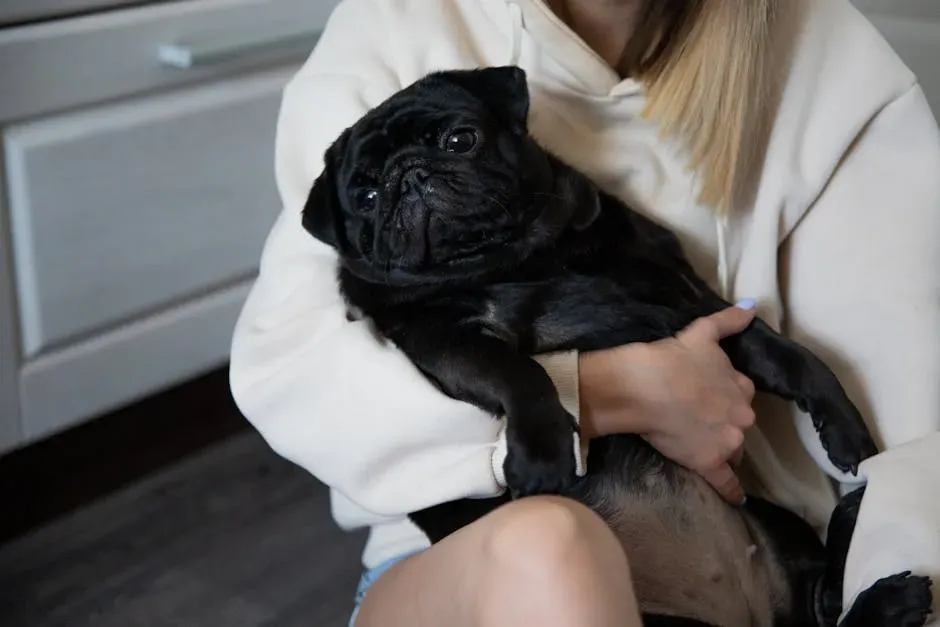
Pugs were bred as companion dogs for royalty and nobility in ancient China, and that “professional companion” job description has never really left them. They’re often called little shadows because they prefer to be wherever you are, whether that’s the couch, the bathroom, or the kitchen. Their wide eyes and expressive faces make them look permanently fascinated by your existence, even when you’re just scrolling your phone.
Despite their size, Pugs have a big emotional presence. They’re usually patient with kids, tolerant of routines that skip a walk here and there, and surprisingly forgiving when life gets messy. You can be too busy, a little snappy, or not the most organized owner, and a typical Pug will still snuffle closer, press against your leg, and snore their way through your stress. They don’t need you to be impressive; they just need you to be there.
Newfoundland: The Gentle Giant That Makes You Feel Safe
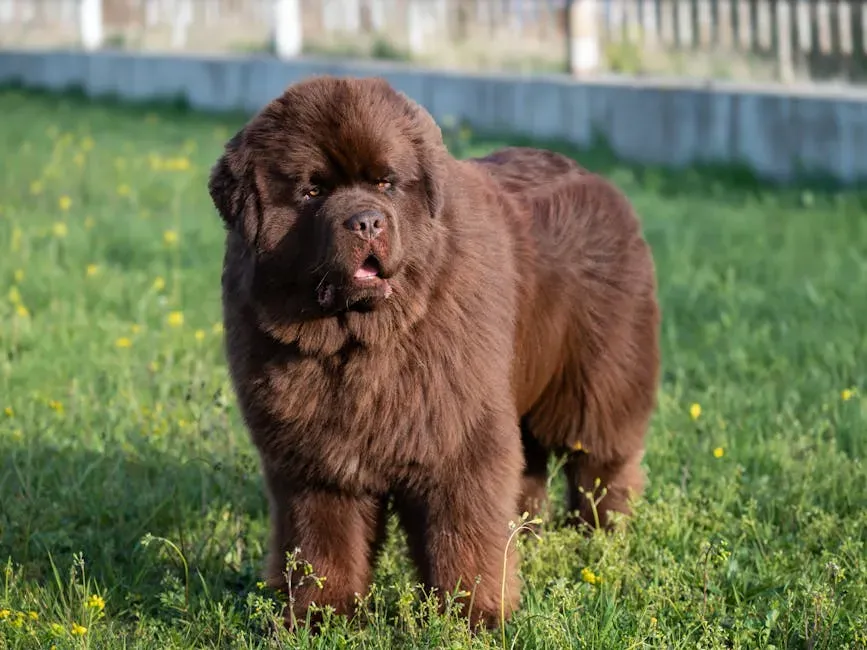
Newfoundlands are often described as “nanny dogs” because of their calm, steady nature and natural instinct to watch over children and vulnerable people. Historically used as water rescue and working dogs, they’re built to be strong, gentle, and unflappable under pressure. Living with a Newfoundland can feel like having a furry guardian angel who is always quietly monitoring the room, ready to step in if something goes wrong.
What’s striking about Newfies is how forgiving and tolerant they tend to be. They’ll patiently handle clumsy hugs, late dinners, and disrupted routines without emotional drama. When you’re tired, overwhelmed, or feel like you’re failing at adult life, a Newfoundland will simply lie at your feet or lean gently into you, grounding you with their sheer presence. It’s hard to stay convinced you’re completely alone when a hundred-plus pounds of love insists on sharing the couch.
Bichon Frise: The Eternal Optimist in a Cloud of Curls
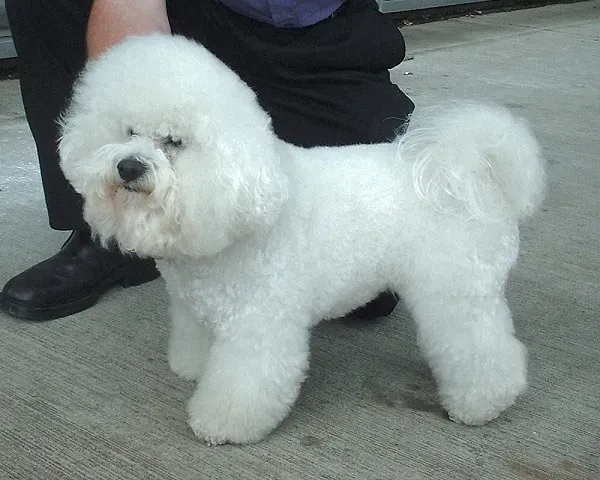
Bichon Frises are like little walking celebrations. Originally bred as companion and performing dogs, they thrive on human interaction and positive attention. Many Bichons behave like tiny social butterflies, eager to greet, play, and charm their way into every heart in the room, especially yours. Even when you’re exhausted or preoccupied, they tend to keep trying, offering play bows, circles, or happy hops until you crack a smile.
Their optimism can actually be disarming. You can have a frustrating day, ignore your own needs, and barely make eye contact with your dog, and a typical Bichon will still bounce toward you like this is the best moment ever. They rarely seem to hold onto slights; instead, they reset to cheerful by default. It’s like living with a small, fluffy reminder that joy is still available, even when you feel like you don’t deserve it.
Australian Shepherd: The Workaholic Who Loves You Through Your Chaos
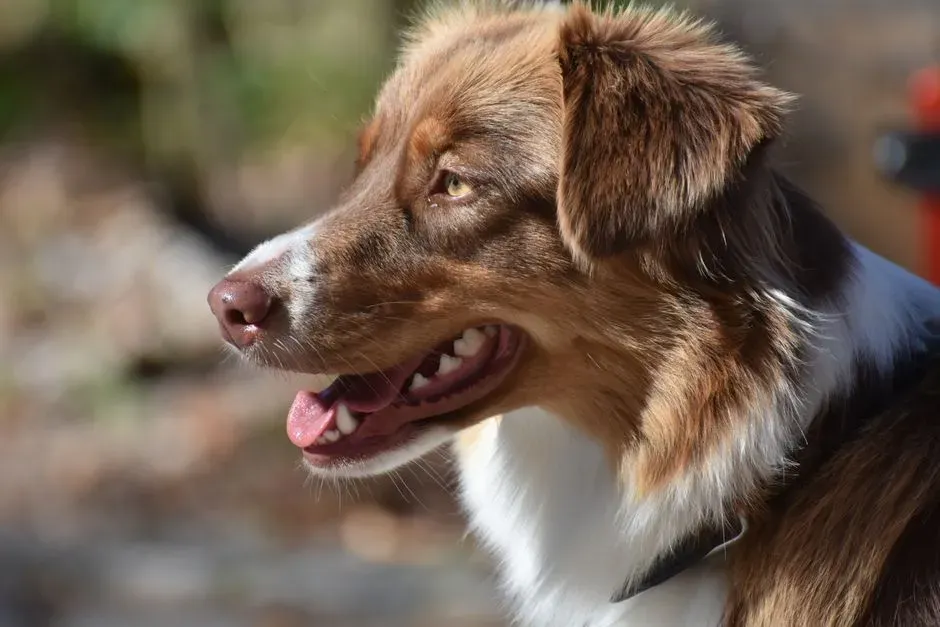
Australian Shepherds are known for their drive and intelligence, but underneath that working-dog exterior is a fiercely loyal heart. Aussies bond deeply with their people and often pick a favorite person to shadow relentlessly. Because they were bred to work closely with humans all day, they’re experts at reading body language and tiny changes in routine, which makes them surprisingly attuned to your stress, fatigue, or low moods.
They do need mental and physical stimulation, but even in less-than-ideal conditions, many Aussies keep trying to connect and cooperate. You can be inconsistent, messy, or overwhelmed, and they’ll still look up at you with focused eyes, waiting for a cue, a job, or just a shared moment. Their devotion can feel almost intense at times, like having a best friend who refuses to emotionally clock out, even when your life looks like a half-finished to-do list.
Cocker Spaniel: The Soft-Hearted Companion Who Always Comes Back

Cocker Spaniels were bred as hunting dogs but gradually became beloved family companions, and that mix shows in their temperament. They’re often sensitive, affectionate, and deeply attached to their people, sometimes reacting strongly to tone of voice or tension at home. A harsh word can hurt their feelings, but what’s remarkable is how quickly they try to reconnect – nosing your hand, leaning into you, or climbing into your lap at the first sign you’re calm again.
Many Cockers are happiest when they can be near their humans, whether that’s walking, playing, or just napping under a desk. You can make mistakes – raise your voice, delay walks, skip training sessions – and they usually keep trying to bridge the gap, as if they believe the relationship is always worth repairing. There’s something humbling about a dog that keeps crawling back into your arms, even after a tense moment you’re not proud of.
Conclusion: Dogs That Love You Past Your Rough Edges
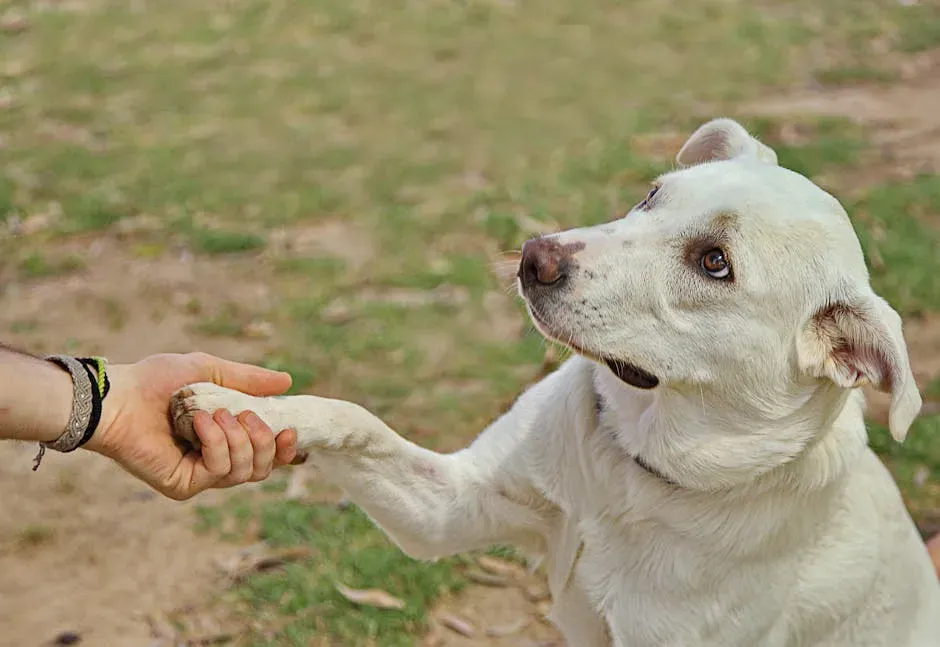
All dogs have the potential for deep, loyal love, but these breeds are especially notorious for refusing to give up on their humans. They forgive our bad moods, inconsistent routines, and clumsy mistakes with a kind of emotional generosity that can feel undeserved. Living with one of them is like being constantly reminded that you’re more than your worst days, simply because they keep greeting you like you’re worth coming back to.
Of course, their devotion doesn’t mean they can tolerate neglect or cruelty; the most loving dog in the world still needs structure, care, and respect to thrive. But when you meet them halfway, these dogs will sprint the rest of the distance, over and over again. Maybe that’s the real challenge they quietly set for us: can we learn to love them back with even a fraction of the loyalty they give so freely?


