

People love to talk about the price of a puppy, but the real financial story usually shows up with gray hairs and slower steps. The senior years are often when vet bills spike, special diets become non‑negotiable, and mobility aids or medications quietly start eating into your budget. It can be shocking how quickly the costs add up once your dog hits those golden years.
This does not mean you should avoid these breeds. It means going in with eyes wide open. Some breeds are simply more prone to expensive age‑related issues like joint disease, heart conditions, or cancer. If you know that ahead of time, you can plan, insure, and care for them without constant financial panic. Let’s walk through 12 breeds that often cost the most in their senior years, and what that really looks like in day‑to‑day life.
1. Great Dane: Giant Love, Giant Senior Bills

Great Danes are gentle, goofy couch ornaments when they are young, but aging turns their size into both a blessing and a budget problem. As they get older, their joints take a serious beating from carrying all that weight, so conditions like arthritis and hip or elbow dysplasia are very common. Treating big‑dog arthritis often means higher‑dose medications, more frequent vet visits, and sometimes expensive joint injections or physical therapy.
Because most Great Danes have a shorter lifespan than smaller breeds, some of their “senior” issues can start surprisingly early, around six or seven years old. Lifting or supporting a senior Dane frequently calls for ramps, orthopedic beds, and even harness systems for mobility, which are all pricier in giant sizes. I once fostered a senior giant mix and the cost difference in everything – from meds to beds – was like paying the “plus‑size tax” on every single item.
2. Bernese Mountain Dog: Beautiful Coat, Costly Final Years

Bernese Mountain Dogs are heartbreakingly sweet and, sadly, often heartbreakingly short‑lived. They are known to be prone to certain cancers, which are not only emotionally brutal but also some of the most expensive conditions to diagnose and manage. Diagnostic imaging, biopsies, chemotherapy, pain control, and palliative care can easily turn the last year of life into a continuous stream of vet invoices.
On top of that, their heavy build and working‑breed background leave them vulnerable to orthopedic issues and degenerative joint disease as they age. Senior Berners often need pain medications, joint supplements, specialized diets, and sometimes surgery or advanced imaging when things go wrong. If you fall in love with this breed – and many people do – you need to be prepared for the possibility that the last chapter may be medically intense and financially demanding.
3. German Shepherd: Loyal Guardians With Expensive Golden Years
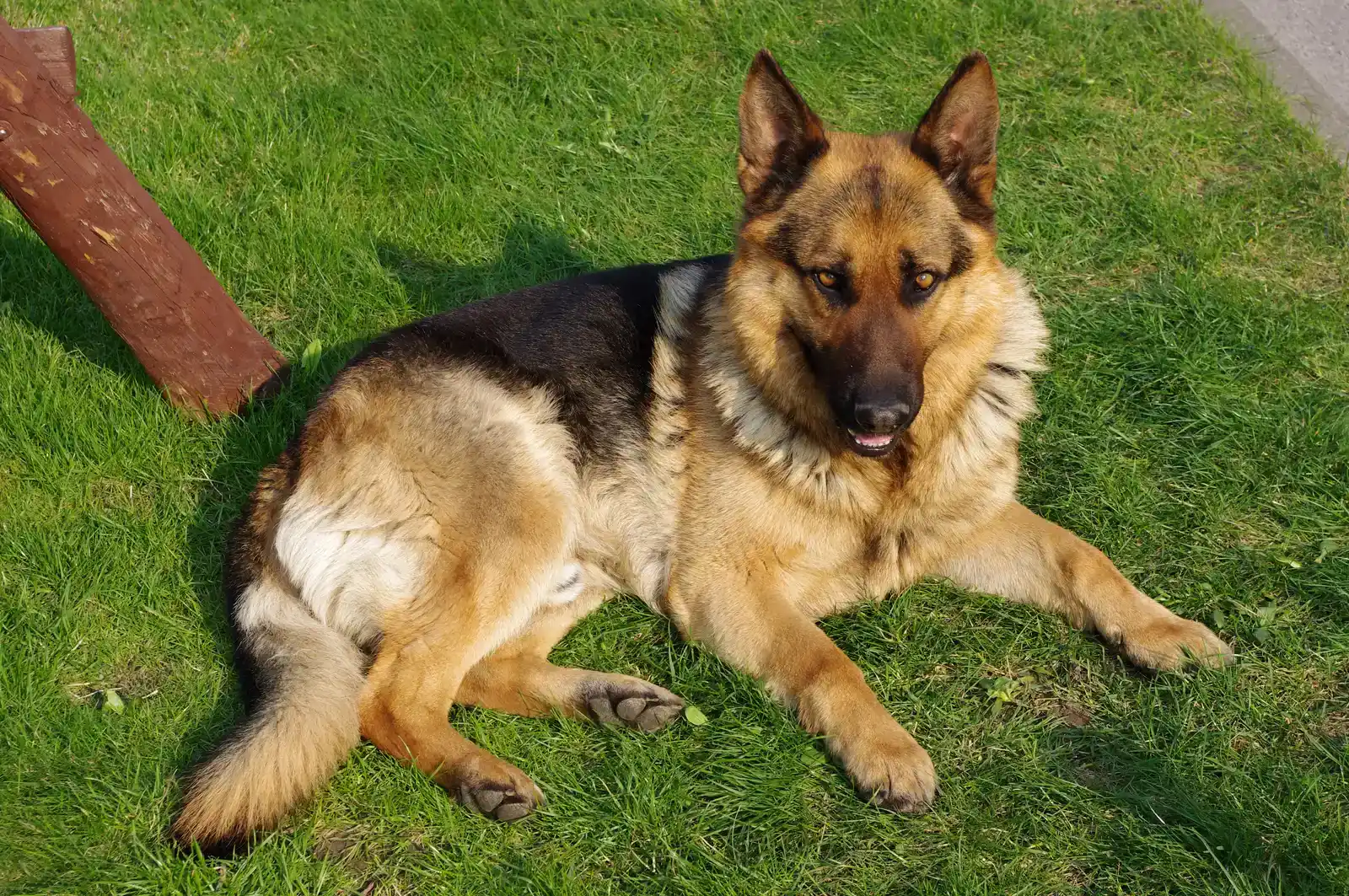
German Shepherds are legendary working dogs, but that impressive physique comes with a downside: they are notorious for hip dysplasia and degenerative myelopathy. In their senior years you may see hind‑end weakness, trouble standing, and difficulty climbing stairs, all of which can lead to a long list of medical interventions. Wheelchairs, slings, ramps, and regular pain management can quickly turn into a serious cost center.
They are also predisposed to certain digestive problems, skin conditions, and sometimes chronic ear or allergy issues. Ongoing testing, prescription diets, and long‑term medications mean that the “maintenance cost” just to keep them comfortable in old age can be high. It is a bit like owning a well‑engineered sports car: fantastic when everything is tuned just right, but keeping it in good shape over time is not cheap or hands‑off.
4. Labrador Retriever: America’s Favorite Dog, Quietly Pricey in Old Age

Labrador Retrievers feel like the everyman’s dog, so people sometimes assume they are automatically low maintenance. Senior Labs tell a different story. Decades of popularity and overbreeding have left many lines prone to hip and elbow dysplasia, cruciate ligament tears, and obesity‑related joint wear. In older age, that often equals pain meds, anti‑inflammatories, possibly surgery, and regular checkups to adjust treatment.
Labs are also at risk for age‑related conditions like arthritis, diabetes, and certain cancers, all of which come with ongoing treatment costs. Add in their legendary appetite, and you can easily end up feeding a senior dog prescription food to manage weight, joints, or digestion. When you put it all together, the so‑called “easy family dog” can quietly become a big, lovable, recurring expense after about eight or nine years old.
5. Golden Retriever: Big Hearts, Big Health Concerns

Golden Retrievers are emotionally priceless, but financially they can be a challenge in their later years. They have a high risk of certain cancers and age‑related diseases that often show up right when you feel like you know them best. Treating these conditions can involve bloodwork, imaging, surgery, chemotherapy, or long‑term medications, all of which add up fast.
On top of that, older Goldens commonly deal with arthritis, spinal issues, ear infections, and skin problems. Many end up on allergy medications, special diets, or long‑term anti‑inflammatories to stay comfortable. For a lot of Golden owners, the last few years are a careful balancing act between giving their dog the best possible care and figuring out what is financially and emotionally sustainable for the family.
6. Bulldog (English Bulldog): The Walking Vet Bill in Old Age

Bulldogs are adorable and deeply charismatic, but there is no honest way to say they age cheaply. Many of them live with structural challenges from day one: narrowed airways, compact spines, shallow eye sockets, and crowded joints. As seniors, breathing issues, chronic skin fold infections, dental problems, and joint pain often intensify, frequently requiring regular vet visits and multiple medications at the same time.
Surgery in this breed tends to be higher risk because of their breathing and body shape, which means extra monitoring and sometimes referral to specialty hospitals. Older Bulldogs can also struggle more with heat, anesthesia, and even routine procedures, which may push you toward costlier, specialist‑level care. Owning one into their senior years sometimes feels like signing up for a long‑term, high‑stakes health project wrapped in a snorting, snoring body.
7. French Bulldog: Trendy Now, Expensive Later

French Bulldogs are wildly popular, but that popularity often hides the reality of their health, especially as they age. Their flat faces can cause ongoing breathing problems that get worse over time, sometimes leading to expensive airway surgeries or emergency care during heat or respiratory crises. Senior Frenchies may also struggle with spinal issues, allergies, and chronic ear infections that require repeated treatment.
Because of their body structure, many French Bulldogs need extra support for even basic procedures like dental work or minor surgery, which can push you into higher vet costs. Imaging, specialist consultations, and advanced pain management are not unusual once they hit double‑digit ages, if they reach that point. The dog that looked “small and easy” at eight months can quietly become one of the most medically complex companions you will ever love by eight or nine years old.
8. Rottweiler: Powerful Dogs With Powerful Medical Needs

Rottweilers are strong, confident dogs, but their senior years can be medically intense and costly. They are prone to joint issues such as hip and elbow dysplasia, and their solid build means any mobility problem is amplified. When a big dog starts struggling to get up, you often need pain medications, potentially surgery, and sometimes rehab or hydrotherapy to keep them moving comfortably.
Rottweilers also have known risks for certain cancers and heart issues, which can require diagnostics like X‑rays, ultrasounds, or cardiology consults. The combination of oncology and orthopedics is about as expensive as dog care gets. For dedicated owners, it is absolutely worth it, but it is not the kind of breed you should go into without thinking about long‑term financial planning, especially for those last few years.
9. Boxer: High‑Energy Youth, High‑Cost Senior Care

Boxers live life with their whole body, which is part of why so many people fall for them. Unfortunately, they are also one of the breeds frequently associated with cancer and heart disease. That means that by the time they hit their senior years, many are dealing with complex, chronic conditions that require cardiology visits, regular monitoring, or cancer treatments that do not come cheap.
As they get older, Boxers can develop neurologic or mobility problems, digestive issues, and skin troubles that call for ongoing medications and testing. A senior Boxer might have a little pharmacy’s worth of pills each day: something for the heart, something for pain, something for the stomach, and something for allergies. It is a breed where emotional commitment and financial commitment really have to grow in parallel as they age.
10. Cavalier King Charles Spaniel: Small Dog, Surprisingly Big Senior Expenses

Cavaliers look like storybook dogs, but they are one of the classic examples of a small breed with big medical baggage. Many are prone to a serious heart condition that often becomes more evident and more expensive to manage as they age. Heart medications, regular echocardiograms, and frequent vet checkups can turn the last several years into a tightly managed medical routine.
They can also suffer from a neurological condition that causes significant pain and discomfort, as well as typical small‑breed problems like dental disease. Advanced pain management, neurologist consults, extractions, and specialized imaging push costs well beyond what most people expect from a little lap dog. If you adore this breed – and there is a lot to adore – you almost have to think about health insurance as non‑optional from the very beginning.
11. Pug: Comical Faces, Serious Senior‑Year Costs

Pugs are walking comedians, but behind the funny faces there is a long list of potential medical issues that tend to pile up with age. Their flat faces can cause chronic breathing problems, and their bulging eyes are more vulnerable to injuries and diseases that might need emergency care or even surgery. As they get older, many Pugs also develop arthritis, spinal issues, or neurological problems that affect their mobility.
Because of their structure, they can be more sensitive to heat, anesthesia, and even simple respiratory infections, making routine care a bit higher risk and often more expensive. Long‑term medications for breathing, skin folds, eyes, and joints are common in senior Pugs. They are proof that a small dog is not always a cheap dog, especially when that small dog was designed to have exaggerated features.
12. Irish Wolfhound: Gentle Giants With Costly Final Chapters

Irish Wolfhounds are breathtakingly gentle and calm, but like other giant breeds, they tend to have shorter lifespans and concentrated health issues. Their senior years can start earlier than many people expect, sometimes around six or seven years old, and they are at risk for heart problems, bone cancers, and serious joint disease. Each of those conditions on its own can be expensive; together, they can make the last years financially intense.
Their size amplifies everything: higher medication doses, larger specialty beds, more robust support harnesses, and sometimes modifications to your home just to help them move around safely. End‑of‑life care for a dog this big can also involve logistical costs, from transportation to special handling. If you are drawn to this breed – and it is easy to be – you need to be just as prepared for the emotional weight of their short lives as for the financial realities of their senior care.
Conclusion: Love Deeply, Plan Honestly

Looking at this list, it is tempting to think you should just avoid any breed with potential senior‑year expenses, but that feels too simple and frankly unfair to these dogs. Every one of these breeds offers something incredible: loyalty, humor, gentleness, or just that indescribable feeling of “this is my dog.” The real takeaway is not to run from them, but to go in clear‑eyed, with a plan, a savings cushion, and ideally solid pet insurance from the start.
My personal view is that the most responsible dog ownership is a blend of heart and spreadsheet: fall in love, absolutely, but also ask the hard questions about health, lifespan, and long‑term costs before you bring that puppy home. If you understand what the senior years might look like, you are far less likely to be blindsided or forced into heartbreaking decisions purely because of money. In the end, the real question is not whether these breeds are worth it – their companionship almost always is – but whether you are ready to support them fully when their bodies start to fade but their hearts still light up when they see you. Are you planning for that chapter as carefully as you are dreaming about the first one?


