
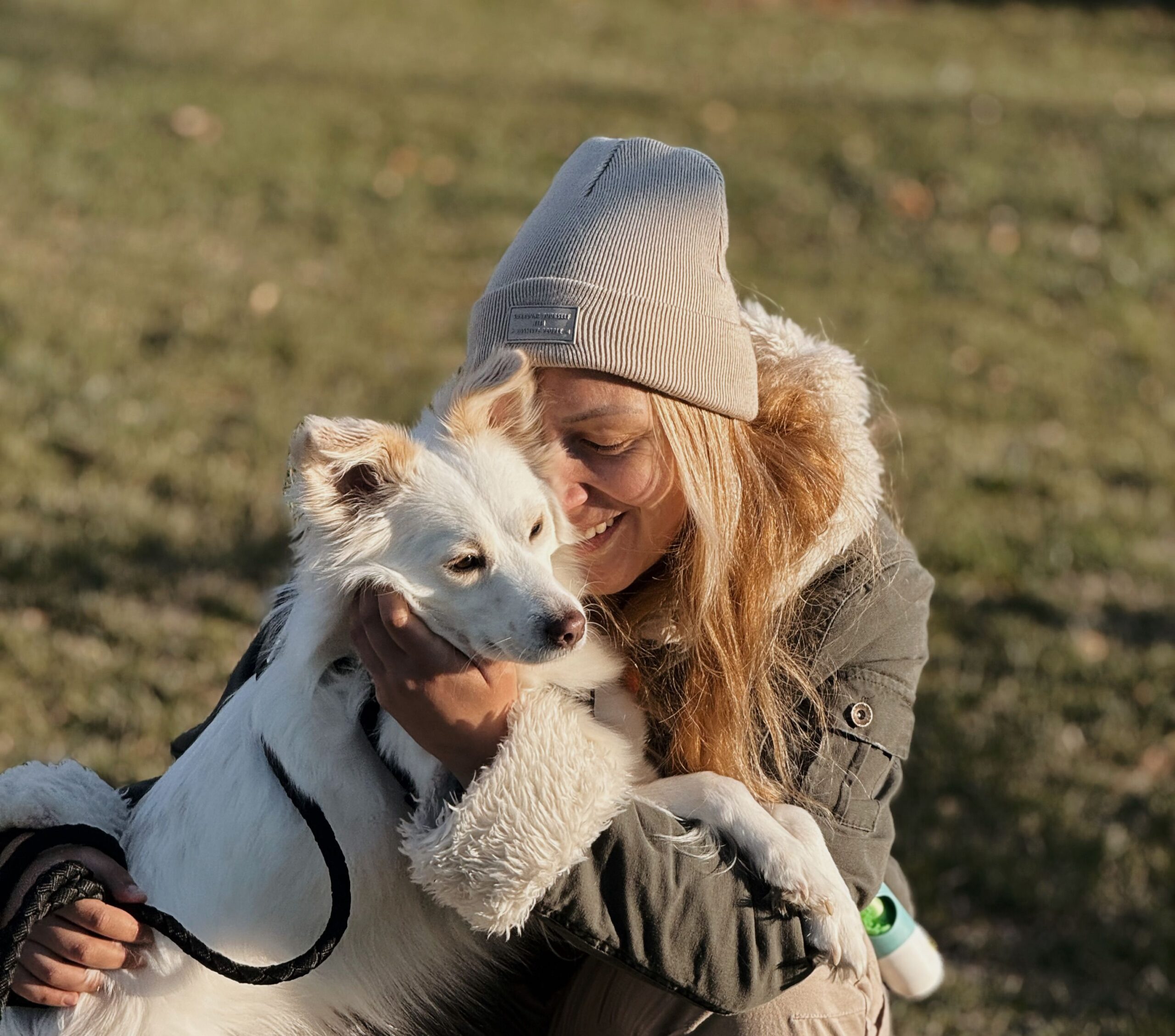
If your dog is your furry shadow, glued to you from bathroom trips to late-night snack runs, you’re not alone. Many dog owners secretly love it, but also quietly wonder: is this adorable or a sign that something’s wrong?
The truth is, there are some very normal, deeply wired reasons your dog wants to be wherever you are – and a few red-flag situations where that clinginess can hint at stress, anxiety, pain, or confusion. Understanding the difference can help you enjoy the sweet side of your dog’s devotion without missing important warning signs.
Your Dog Is Hardwired To Stick With The “Pack”
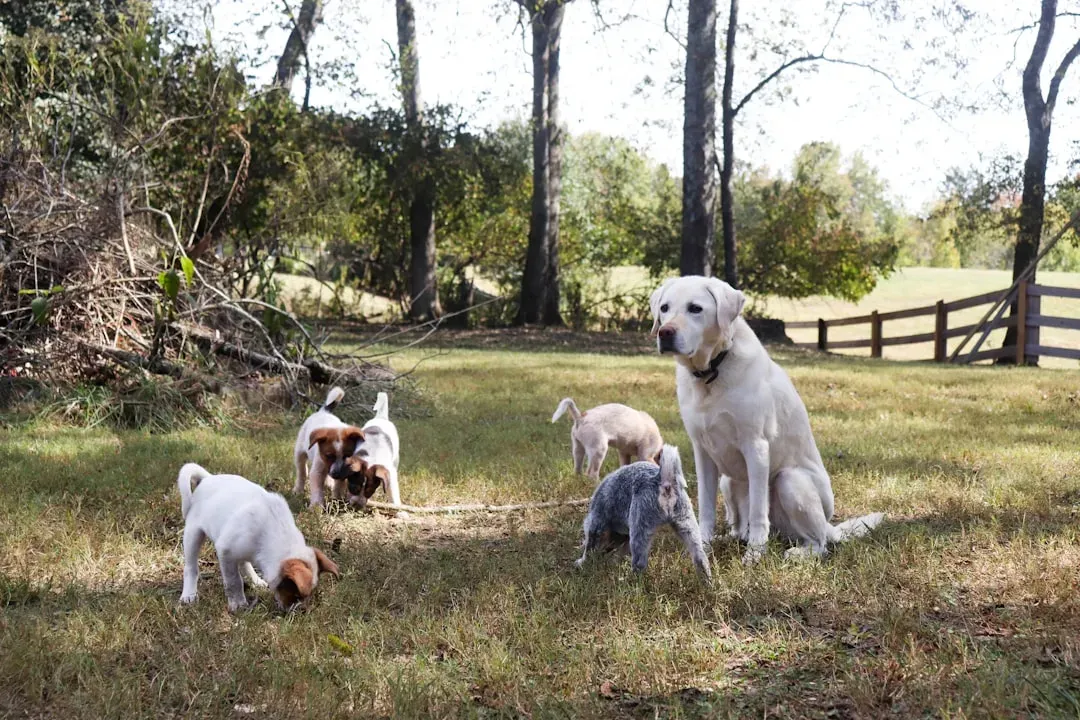
Here’s a wild thought: from your dog’s point of view, you are basically their moving home base. Dogs evolved from social, group-living canids who survived by sticking close to their pack, and that instinct didn’t vanish just because they now sleep on memory-foam dog beds instead of in a den. Following you from room to room is often just their way of staying connected to the group – and you are the group.
In multi-dog households, you’ll often see the same thing: the dogs trail each other, rest near each other, and move as a loose unit. You just happen to be the most important “pack member” in the house, because you control all the good stuff: food, walks, doors, toys, and affection. From an evolutionary perspective, staying near the source of safety and resources is simply smart.
Your Dog Has Learned That You’re The Source Of All The Fun
Think about your dog’s day from their perspective: when something exciting happens, you’re usually involved. Walks, meals, treats, playtime, car rides, visitors, even access to the backyard door – almost everything interesting starts with you standing up and moving. So over time, your dog learns a simple rule: follow the human, and good things happen.
This is called learned behavior. If every time you walk toward the kitchen, snacks appear, your dog will absolutely become your culinary shadow. If grabbing your keys means adventure, your dog will watch you like a hawk. It’s not manipulation; it’s just cause-and-effect learning, and for many dogs it becomes a habit so strong that trailing you feels automatic.
Your Dog Feels Safest When You’re Close
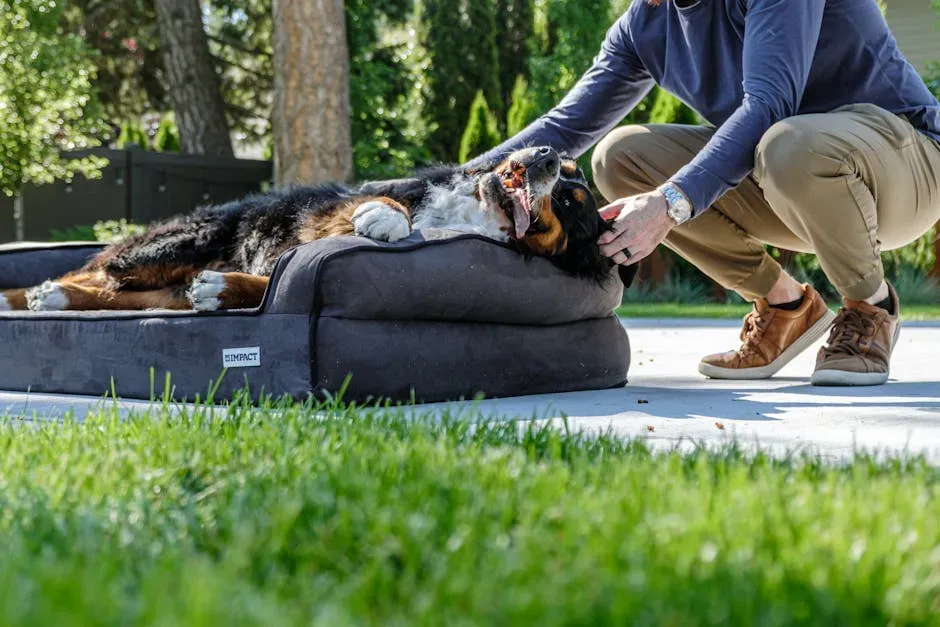
For a lot of dogs, you are not just company – you’re their emotional anchor. Some dogs naturally have more cautious or sensitive personalities, and being alone in a room feels a bit like being left in a strange city without a map. Walking with you, lying at your feet, or even touching you with a paw or hip can make the world feel less unpredictable.
You can see this especially in rescue dogs, dogs with a history of neglect, or dogs who went through big life changes like a move, divorce, or a new baby. Your presence becomes their security blanket. When they follow you everywhere, they’re not trying to annoy you; they’re quietly saying, “I feel okay when I’m near you.”
Your Dog Is Bonded To You – Maybe More Than Anyone Else
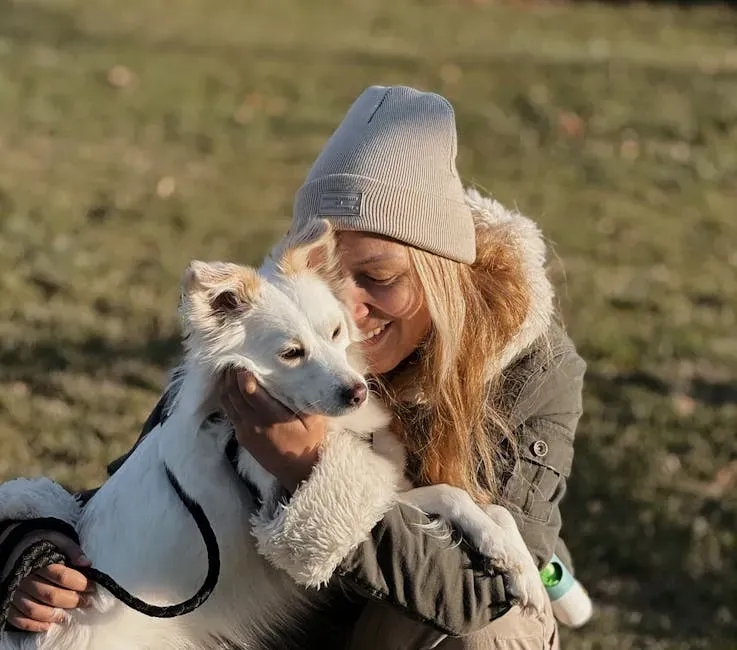
Most dogs pick a “favorite person,” even in a loving family. It’s usually the one who spends the most quality time, trains them, plays with them, or just understands them best. If that’s you, congrats and condolences: you get the endless loyalty and the bathroom escort service. Their constant following is often a sign of deep attachment and trust.
There’s also a bit of chemistry behind this. Positive interactions between you and your dog – gentle touch, eye contact, calm talk, training sessions – can trigger feel-good bonding hormones in both of you. Over time, your dog can start to seek you out the way a child seeks out a beloved parent, simply because being near you reliably feels good and comforting.
Your Routine Has Accidentally Encouraged Velcro Behavior
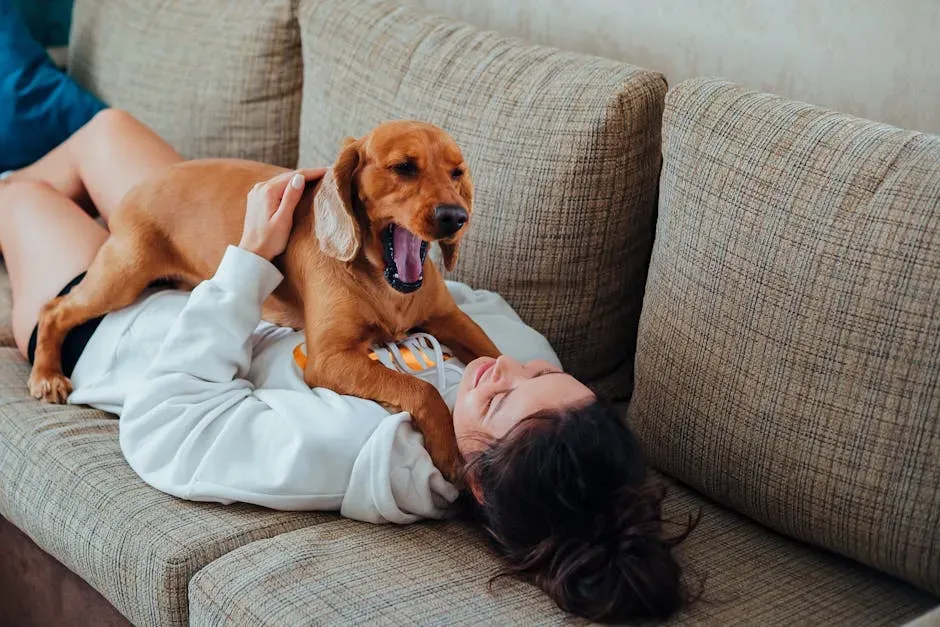
Sometimes we unintentionally train our dogs to become velcro dogs. If your dog follows you into the kitchen and you often give a little snack, or they whine at the bathroom door and you always open it and gush over them, you’re reinforcing the message that sticking close gets attention and rewards. Dogs repeat what works, even if we never meant to teach it.
This doesn’t mean you’ve done anything “wrong,” but it does mean their shadowing can be partially a habit you shaped without realizing it. If you respond every single time they stick to you with petting, talking, or food, the behavior gets stronger. It’s like a social slot machine – if they sometimes hit the jackpot, they’ll keep playing.
Your Dog Is Simply Curious And Hates Missing Out
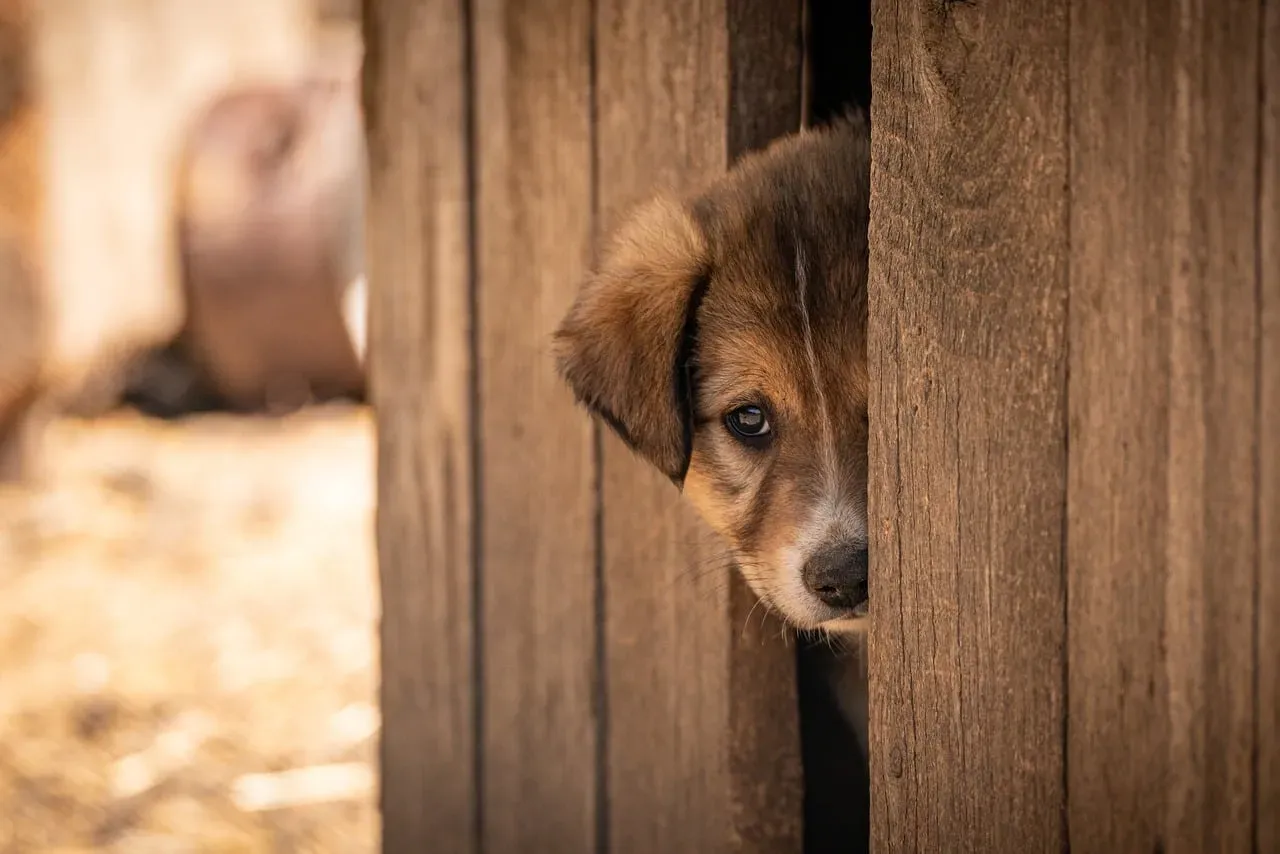
Some dogs are born with serious FOMO – fear of missing out. These are the dogs who have to know what’s behind every door, who’s at the window, what you’re doing at the sink, and why the closet just opened. Following you is less about love and more about information gathering. They’re little detectives, and you’re the main case.
Working breeds, herding dogs, and highly intelligent types often fall into this category, but any personality can have it. To a curious dog, watching you is entertainment and data collection rolled into one. They learn your micro-routines – the way grabbing a certain jacket means a walk, or the way you stack dishes before starting the dishwasher – and following you is part job, part hobby.
Your Dog Is Bored And You’re The Only Interesting Thing Around

A lot of dogs simply don’t get enough mental and physical stimulation, especially in modern indoor lives. If their day is mostly lying around, a bit of yard time, and waiting for you to get off your phone or laptop, then every move you make is headline news. Trailing you becomes a way to pass time, like scrolling social media for a human who’s bored.
In these cases, following you may ease their restlessness but doesn’t really solve the boredom underneath. You might see pacing, attention-seeking behaviors, or mischief when you try to shut them out. When you add more enrichment – puzzle toys, sniffy walks, training games, or independent chews – their need to track your every step often eases up.
When To Worry: Your Dog Panics Or Melts Down When You Leave
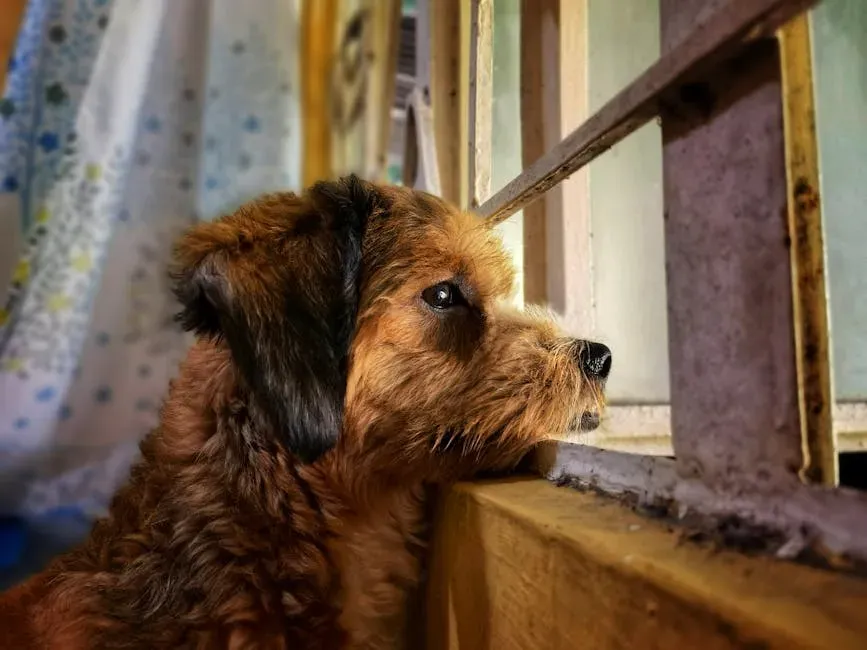
Clingy behavior becomes more concerning when your dog moves from “I like being near you” to “I cannot cope without you.” If your dog shows signs of distress when you leave – intense barking, whining, drooling, trembling, pacing, or destructive behavior aimed at doors or windows – that crosses into separation anxiety territory, not just cute devotion.
Another red flag is if they refuse to eat, drink, or relax until you return, or if neighbors report that your dog vocalizes almost nonstop when you’re gone. That’s not just missing you; that’s genuine panic. Separation anxiety can seriously affect your dog’s quality of life and is not something they just “grow out of” without thoughtful training and, sometimes, professional help.
When To Worry: Sudden Clinginess Paired With Physical Changes
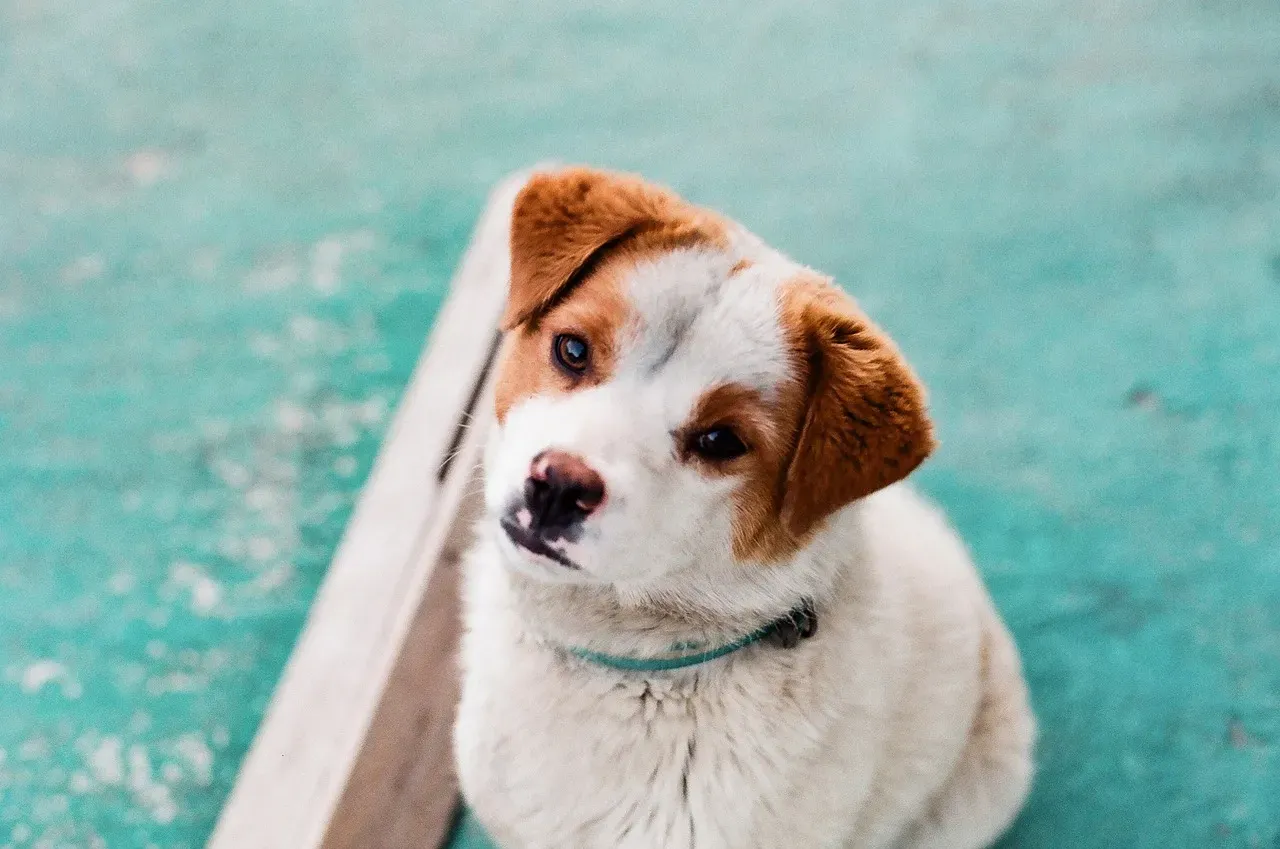
If your dog was previously independent and suddenly starts following you obsessively, that shift deserves attention, especially if it comes with other changes. Signs like limping, weight loss or gain, increased thirst, changes in appetite, restlessness at night, or unusual accidents in the house can point to underlying medical issues. In that context, newly intense clinginess may be your dog’s way of signaling discomfort or seeking comfort.
Pain, nausea, hormonal changes, cognitive decline in older dogs, and even some neurological or metabolic conditions can all make dogs more anxious and needy. Because they can’t say “I don’t feel right,” they turn to the person they trust most. A sudden behavior change is often a reason to schedule a vet visit, not just chalk it up to “they’re getting more attached.”
When To Worry: Your Dog Can’t Function Normally Without You Nearby
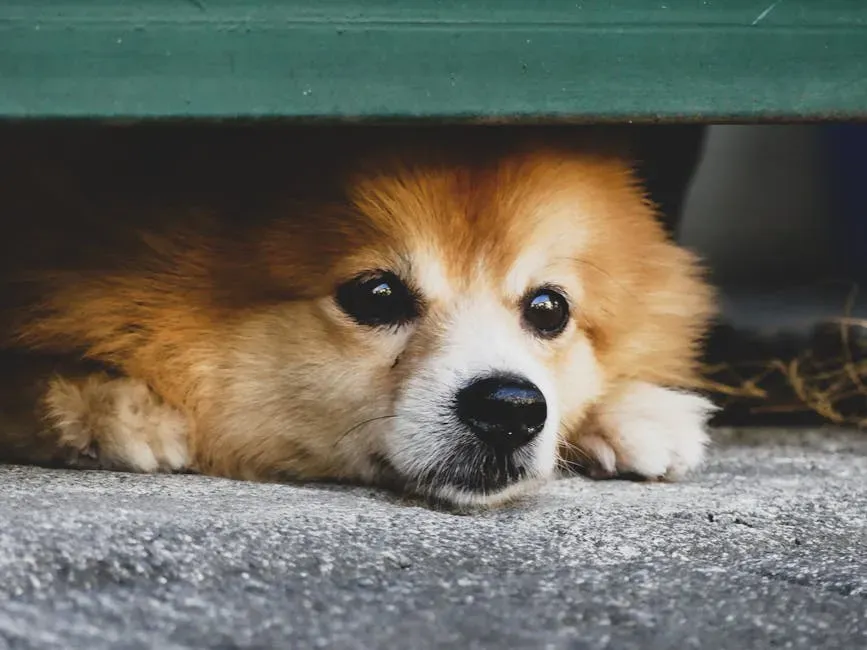
Another time to be concerned is when your presence becomes a crutch that prevents your dog from doing normal dog things. If they refuse to sleep unless they physically touch you, will not go out to potty without you standing right there, or completely shut down around other people or familiar dogs unless you’re next to them, their following may be more about fear than affection.
In more serious cases, a dog might freeze, hide, or show signs of stress if a door closes between you, or even become so hyper-attached that other family members cannot care for them. That level of dependence is exhausting for you and deeply stressful for your dog. It suggests they haven’t learned that the world can be safe and predictable even when you are not within arm’s reach.
How To Gently Encourage Healthy Independence
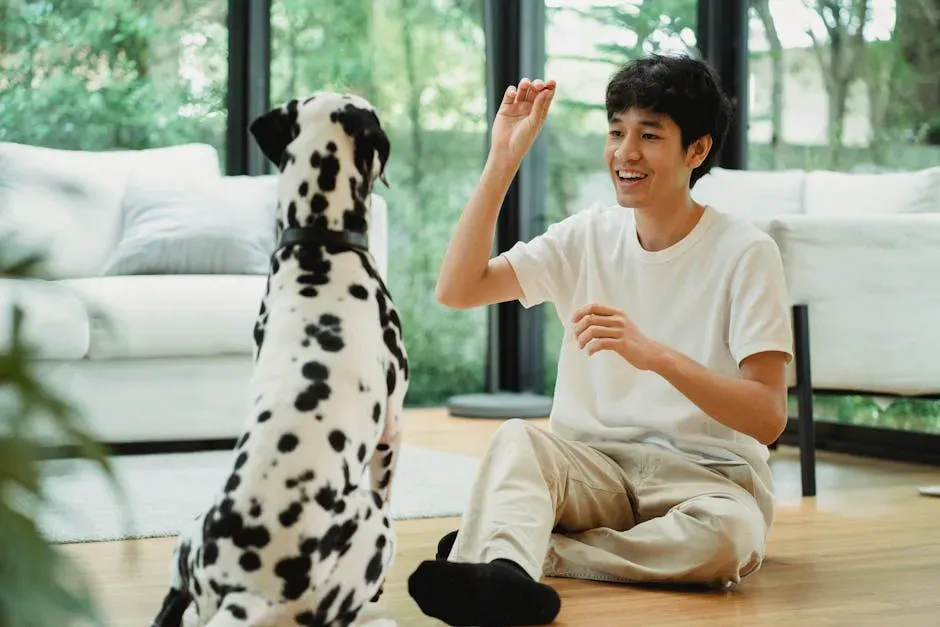
If your dog’s shadowing is basically cute but a bit much, you can nudge them toward healthier independence without damaging your bond. Start by building small moments of separation that feel easy and safe. For example, give them a special chew or food puzzle in one room while you step into another for a few minutes, then calmly return before they get worked up. You’re teaching them that short separations happen and nothing bad follows.
Pair that with a richer daily life: sniffy walks at their pace, simple training sessions, scent games, chew time, and chances to explore without you constantly talking to them. The more their world expands beyond “follow the human,” the more confident and relaxed they become. If anxiety seems intense or doesn’t improve, looping in a qualified trainer or behavior professional is not overreacting – it’s protecting your dog’s mental health.
Opinionated Conclusion: Devotion Is Beautiful – But It Shouldn’t Hurt Either Of You
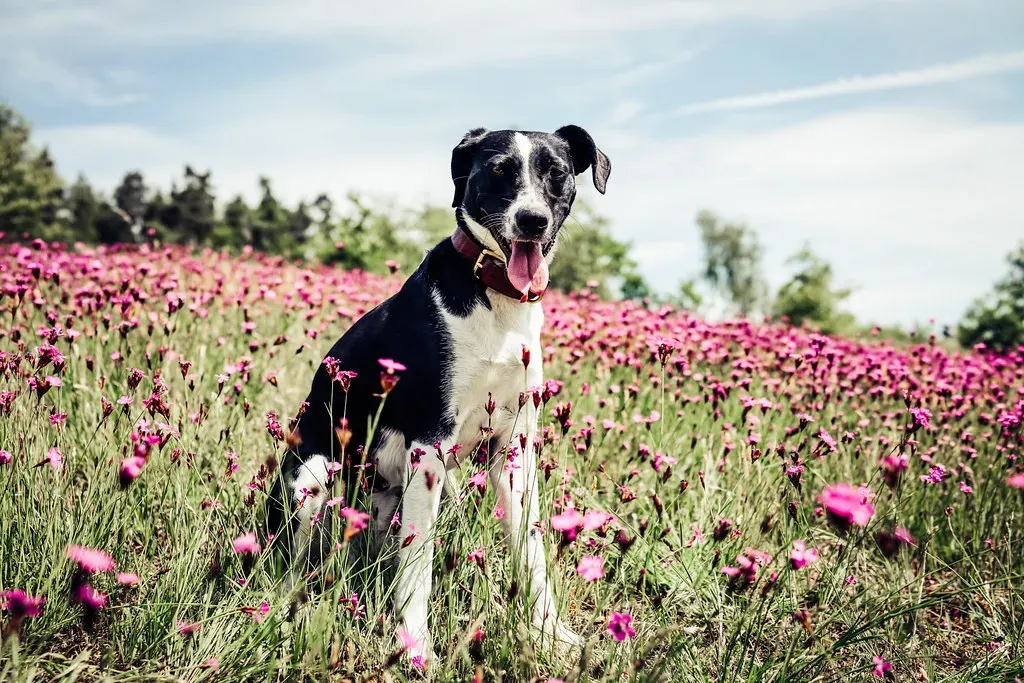
Personally, I love a dog that chooses to snooze by my feet, and I don’t think we need to pathologize every loyal shadow. We bred dogs to care about us, to read us, to stick by us – so of course many of them want to be wherever we are. In a world that can feel cold and disconnected, having a creature who lights up just because you walked into the room feels like a small miracle.
But devotion should not equal distress. If your dog’s need to follow you everywhere is fueled by fear, anxiety, or pain, then it is not just an endearing quirk; it is a quiet cry for help. Our job is not to push them away, but to make their world big enough and safe enough that they can breathe even when we step out of sight. The real question is not “Why is my dog always following me?” but “Is my dog truly at ease when I am gone?” – and if not, what are you willing to change so the answer can finally be yes?


