
Some horses are expensive to buy. Others are expensive to keep. And then there are a handful of breeds that can quietly devour your bank account month after month, even if you never set foot in a show ring. Between specialized diets, high insurance premiums, sensitive legs, and the ever-rising cost of professional training, certain breeds are basically four-legged luxury projects.
What makes one horse wildly more expensive than another when, on the surface, they all just eat hay and stand in a field? In reality, the difference can be enormous: genetics, discipline, region, and fashion trends in the sport horse market all play a role. Let’s walk through ten breeds that are notorious for draining wallets, and look at what actually drives those costs in the real world.
1. Thoroughbred: The High-Performance Money Pit

Race-bred Thoroughbreds sit in their own financial universe. Top-level racehorses can sell for prices that look more like real estate deals than livestock purchases, thanks to pedigrees stacked with champions and the chance – however slim – of winning prize money or becoming a high-fee breeding stallion. Even retired off-track Thoroughbreds often come with hidden costs, because their bodies have already worked incredibly hard at a young age.
Owning a Thoroughbred means committing to high-calorie feed, meticulous leg care, and often a steady stream of veterinary checkups. Many of them are athletic, hot-brained, and accident-prone, which can mean higher insurance premiums and more frequent treatment for tendon strains, ulcers, or hoof issues. When you add in the cost of trainers who specialize in transitioning ex-racehorses into new disciplines, the initial “cheap” purchase price of an off-track Thoroughbred can feel like the smallest part of the bill.
2. Arabian: Elegant, Sensitive, and Surprisingly Expensive

Arabians are famous for their dish faces, high tails, and dramatic presence, but what really cranks up their cost is the competition scene built around them. Halter and performance Arabians that win at major shows typically come from tightly managed breeding programs, and their price tags reflect that combination of bloodlines, marketing, and show records. Even if you buy a more modest Arabian, you’re stepping into a world where specialized trainers, tack, and transport to prestige events can add up fast.
Arabians also tend to thrive on attention and careful handling, which can translate into more lessons, more professional help, and more time spent at the barn. While many Arabians are quite hardy, owners often invest heavily in top-notch farriery, saddle fitting (due to their distinctive back shape), and high-quality feeds to keep that polished, show-ready look. The end result: a horse that can be shockingly expensive to present at the level where this breed really shines.
3. Warmbloods (Hanoverian, Dutch, Holsteiner): Luxury Sports Cars in Horse Form

European warmbloods dominate modern show jumping, dressage, and eventing, and their prices reflect that dominance. Well-bred Hanoverians, Dutch Warmbloods, Holsteiners, and similar types are often purpose-bred, professionally started, and produced by riders who compete on the international stage. You are not just buying a horse; you are buying years of professional development, a brand-name studbook, and a shot at big-time sport.
Once you own a warmblood, the ongoing costs follow the same pattern. These horses frequently live at full-service training barns with high board, regular coaching, and intensive competition schedules. They may need customized feed programs for muscle and joint support, advanced farrier work for optimal performance, and regular bodywork like chiropractic or massage. The monthly budget for a serious warmblood competitor can rival a car payment, a gym membership, and a vacation fund combined.
4. Friesian: Black Beauty With a Luxury-Care Price Tag
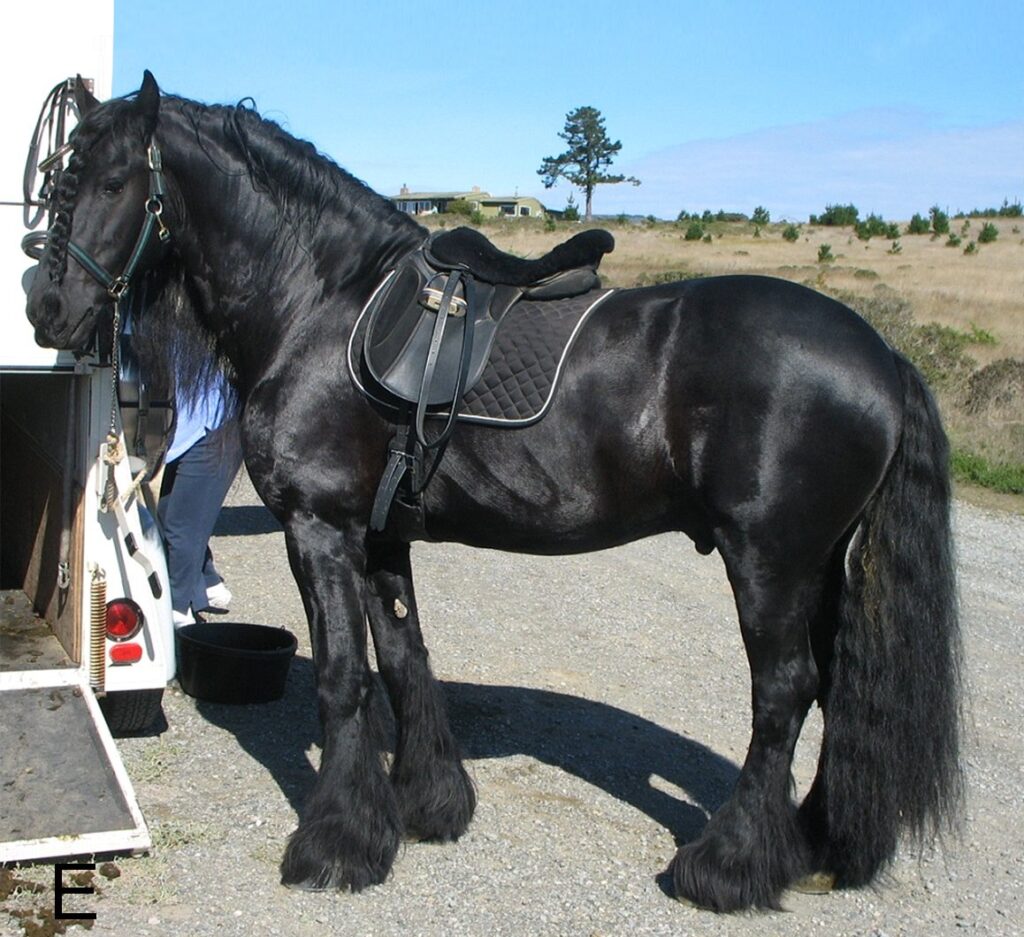
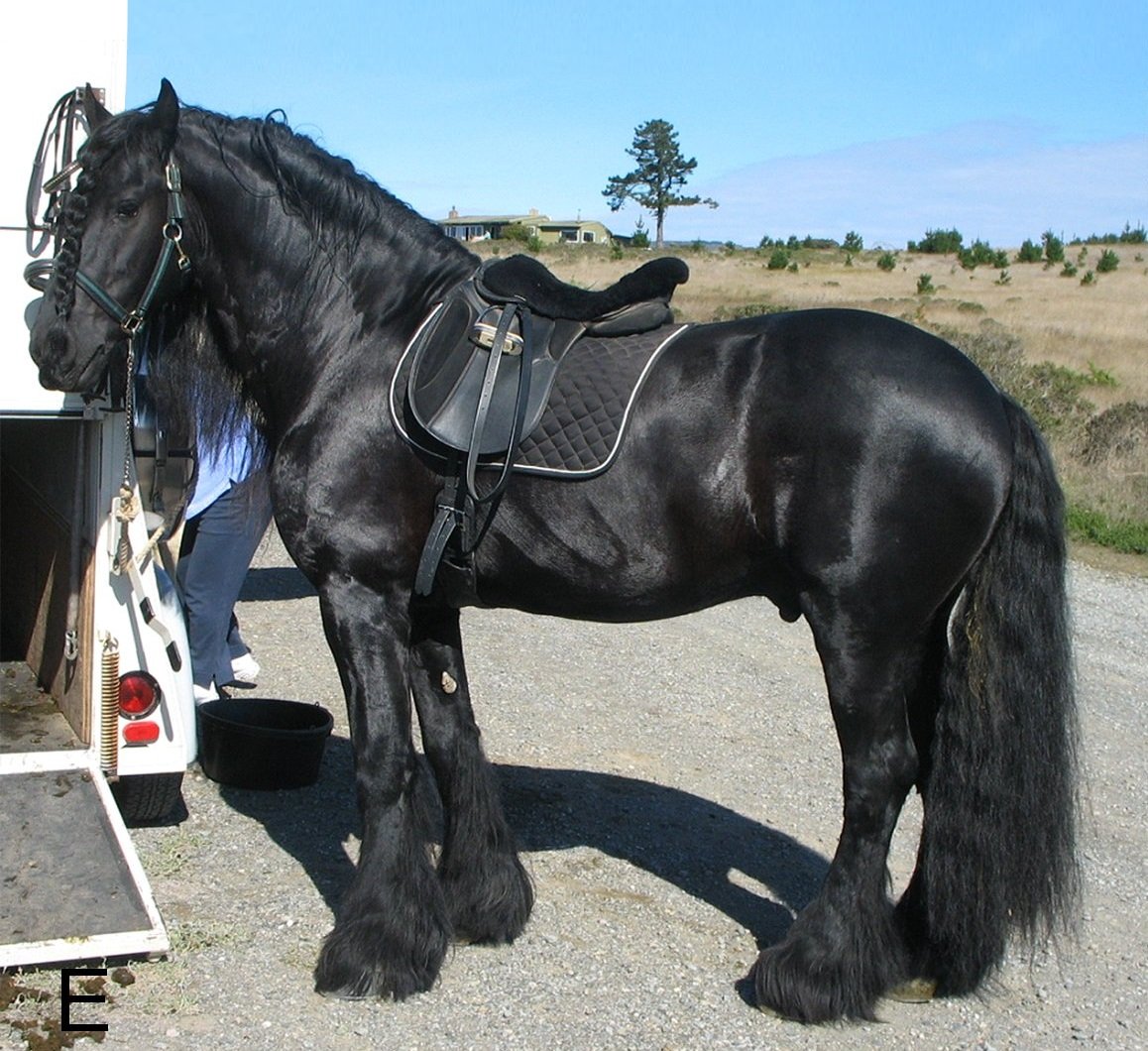
Friesians are instantly recognizable: flowing manes, feathered legs, and that deep black coat that looks like it belongs in a fantasy movie. But all that glamour is not cheap to maintain. Their abundant hair requires constant grooming and often specialized shampoos, detanglers, and time – lots of time – or the risk of skin problems and painful tangles goes up. The feathers around their legs, while gorgeous, can trap moisture and dirt, making them more prone to scratches and other skin conditions that need vet care.
On top of grooming, Friesians can be predisposed to certain health issues, including some genetic conditions that responsible breeders test for. Owners often spend more on veterinary screening, preventative care, and careful weight management, because these horses tend to be heavier-bodied and can strain joints if not kept fit. Factor in higher purchase prices driven by limited supply and intense demand worldwide, and the dream of owning a Friesian can turn into a very real ongoing financial commitment.
5. Andalusian and Lusitano: Baroque Beauty With Premium Upkeep
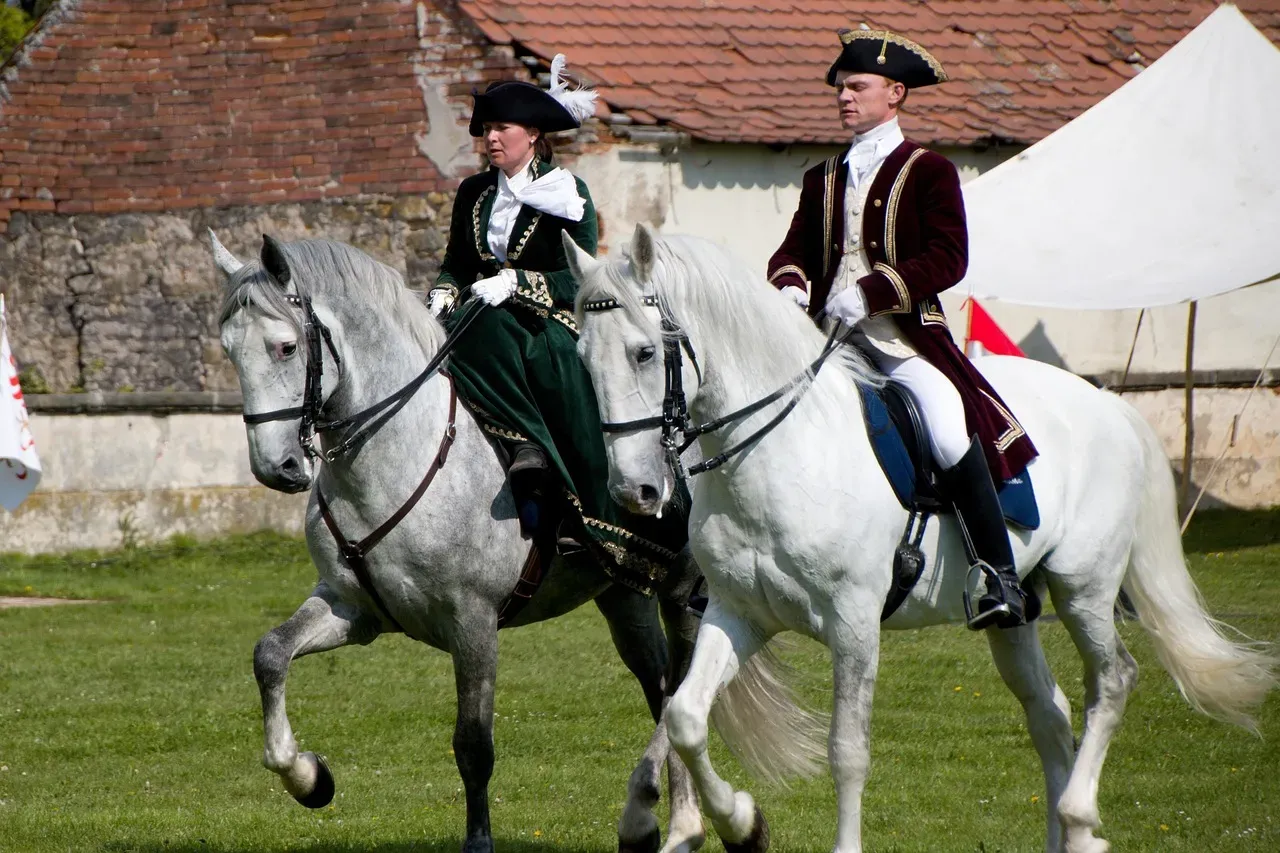
Andalusians and Lusitanos, with their arched necks and expressive movement, are favorites in classical dressage and exhibitions. Many of the best-bred individuals come from established stud farms in Spain and Portugal, and importing or buying from such lines means paying for that reputation. Purebred horses with documented pedigrees and performance potential can quickly move into the “luxury asset” category, especially when trained under top-level dressage riders.
Maintaining an Iberian horse at a high standard involves more than just feed and a stall. Riders often invest heavily in custom saddles to accommodate short backs and broad shoulders, along with trainers familiar with traditional Iberian schooling methods. Their rich mane and tail need regular care to avoid breakage and skin irritation, and many owners keep them in show condition year-round, which means consistent grooming, conditioning, and sometimes professional clipping and braiding before events.
6. American Saddlebred: The High-Stepping Show Ring Specialist
American Saddlebreds are bred for animation, presence, and a flashy way of going that commands attention in the show ring. Producing that result usually takes intensive training, specialized shoeing, and a barn infrastructure focused on saddle seat or related disciplines. Many competitive Saddlebreds live at training barns year-round, meaning owners pay professional training board, which is significantly higher than basic pasture or stall board.
On top of training costs, Saddlebred show circuits can be demanding. Travel, entry fees, and the specialized tack and attire associated with saddle seat riding all add to the bill. Because the breed is often shod with specific packages to enhance motion, farrier bills can be higher and more frequent. Even if you are not chasing world championships, just staying active in the Saddlebred show world typically requires a budget that might surprise someone coming from more casual horse ownership.
7. American Quarter Horse (Top Performance and Halter Lines)
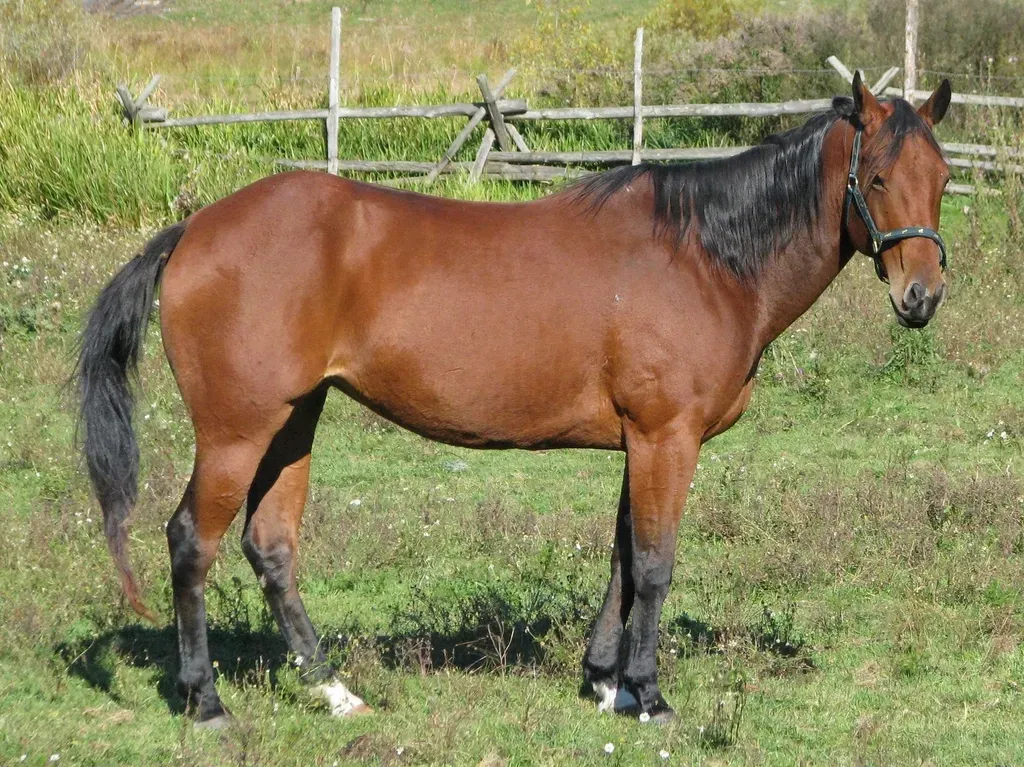
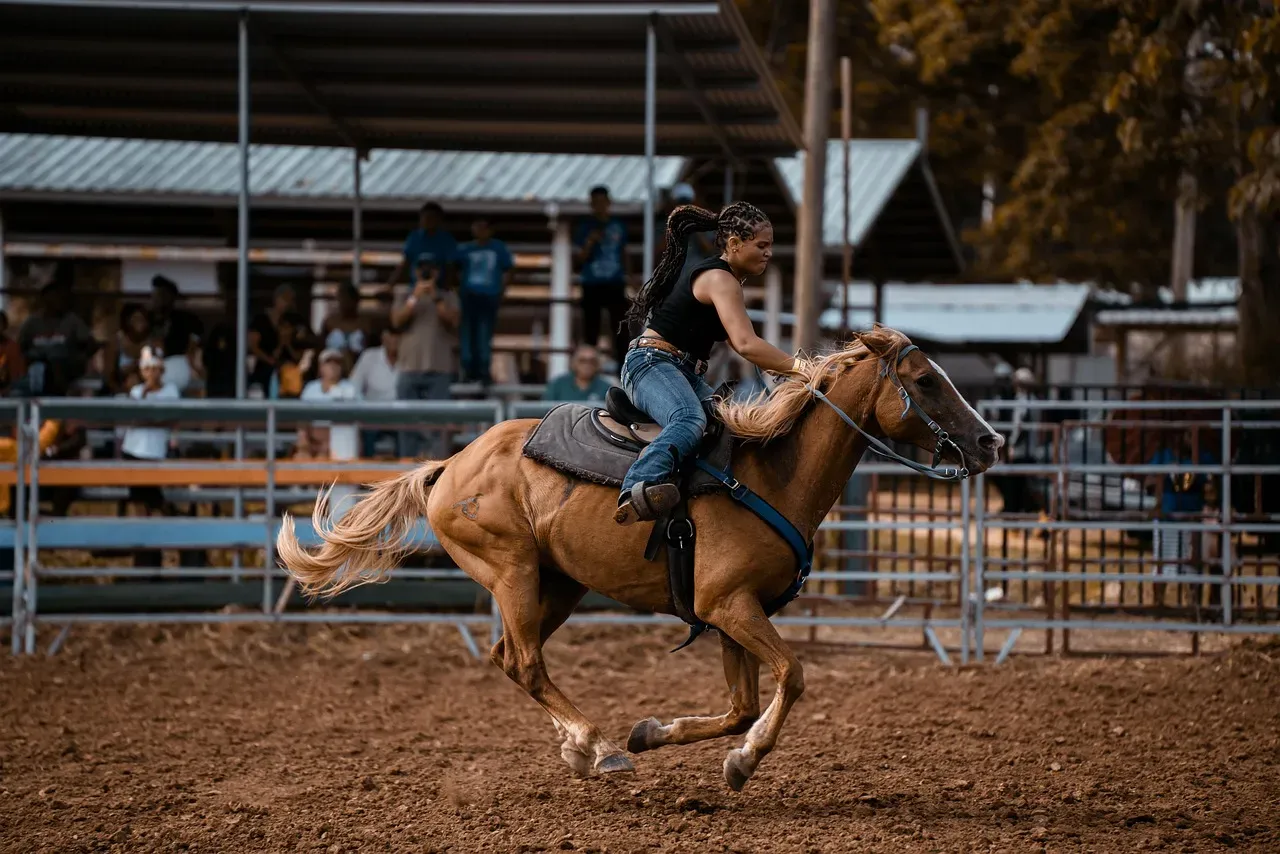
The American Quarter Horse is one of the most common breeds in the world, and you can absolutely find reasonably priced, low-maintenance individuals. The twist is that elite Quarter Horses in disciplines like cutting, reining, barrel racing, and halter can become startlingly expensive. Horses from fashionable bloodlines with proven show records can sell for very high figures, especially if they are already winning at major futurities or championships.
Once you step into that high-performance environment, costs spiral. Owners often send horses to top trainers for months or years, pay premium rates for specialized farriery to optimize traction and balance, and budget for frequent hauling to events across the country. Some performance lines are also predisposed to genetic issues that responsible owners test and manage, which adds to veterinary expenses. The irony is that the “everyman” ranch horse has, at the top end, become one of the most financially intense projects in the horse world.
8. Irish Sport Horse: Eventing Star With International-Level Bills
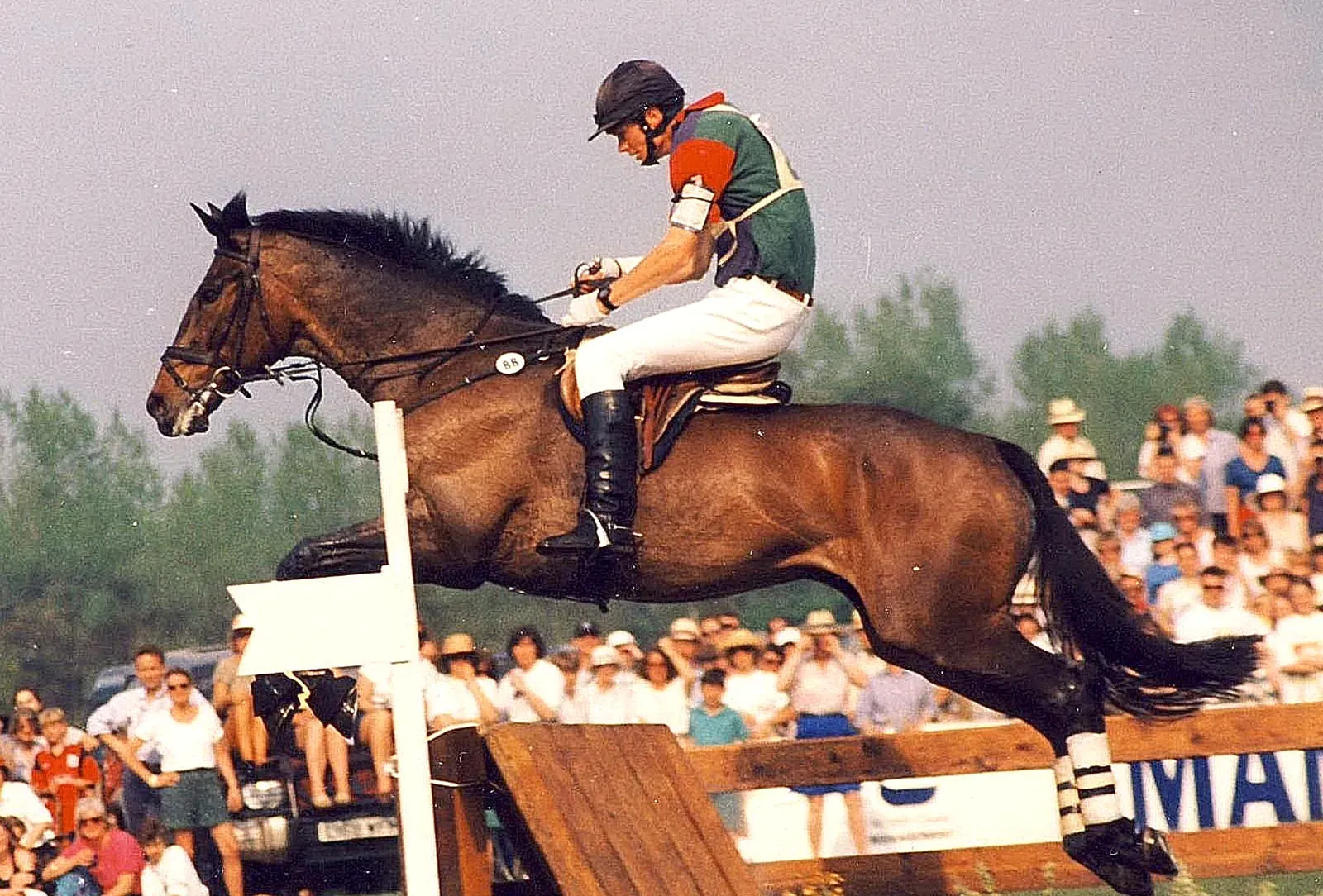
Irish Sport Horses are renowned as eventers and all-around sport horses, combining Irish Draught strength with Thoroughbred blood. Many of the best individuals are bred and started in Ireland, then exported to riders in the United States and elsewhere, and that international pipeline alone inflates their price. The moment you add shipping, quarantine, and import fees, the cost of owning one can jump dramatically compared to similar horses bred locally.
Because these horses are often aimed at jumping and eventing, their maintenance programs reflect the demands of those disciplines. Owners invest heavily in joint support, high-calorie but carefully balanced diets, protective boots, and frequent veterinary checks for things like tendon health and ulcers. Competition calendars with cross-country schooling, horse trials, and multi-day events add travel and lodging costs. Even if you never run at the very top level, keeping an Irish Sport Horse sound, fit, and competitive is rarely a budget pastime.
9. Gypsy Vanner (Gypsy Cob): Hair, Feathers, and Hidden Costs
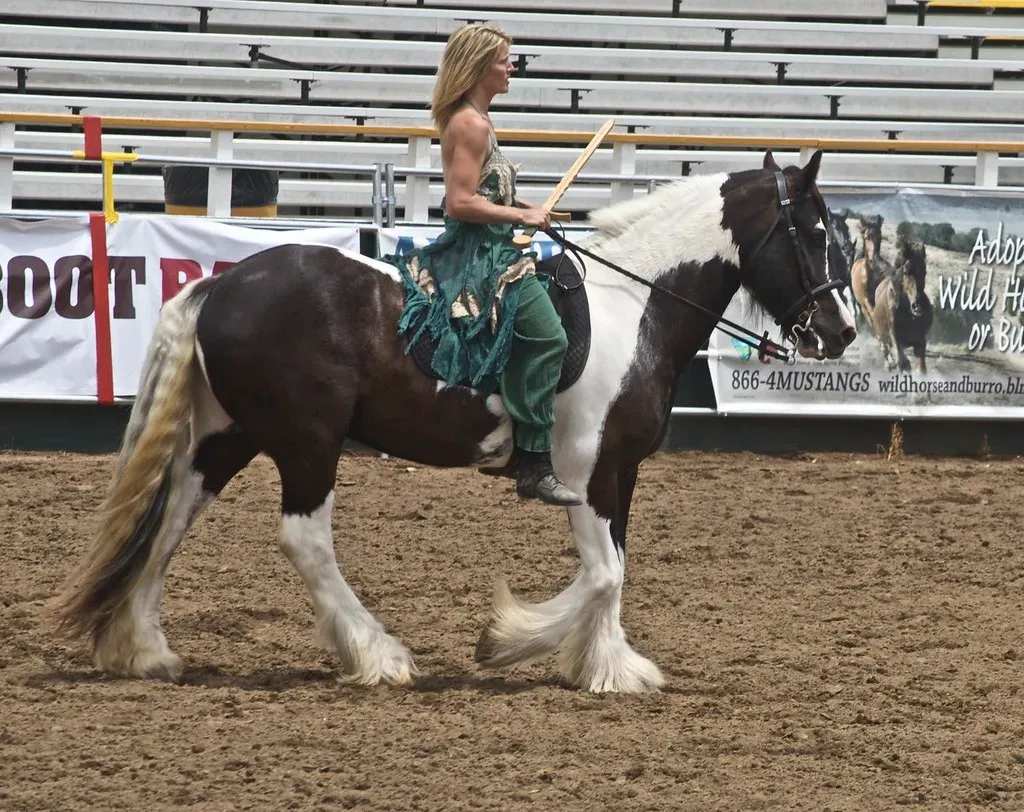
Gypsy Vanners, also known as Gypsy Cobs, have exploded in popularity thanks to their striking appearance: heavy bone, abundant feathering, and often bold pinto colors. Their rarity outside certain regions and the popularity of their “storybook” look can drive initial purchase prices well above what you might expect for a primarily pleasure or show horse. Importing from established breeders in the United Kingdom or Ireland compounds that expense.
The real surprise comes when you add up grooming and health care. Those thick feathers and flowing manes can trap moisture and dirt, increasing the risk of skin infections, mites, and chronic irritation if not managed intensely. Owners often spend serious money on specialized products, regular baths, and sometimes clipping to stay ahead of problems. Combined with higher feed costs for a heavier-bodied horse and show fees in breed-specific classes, Gypsy Vanners prove that “cute” and “cheap” are not the same thing.
10. Miniature Horse: Small Size, Big Bills
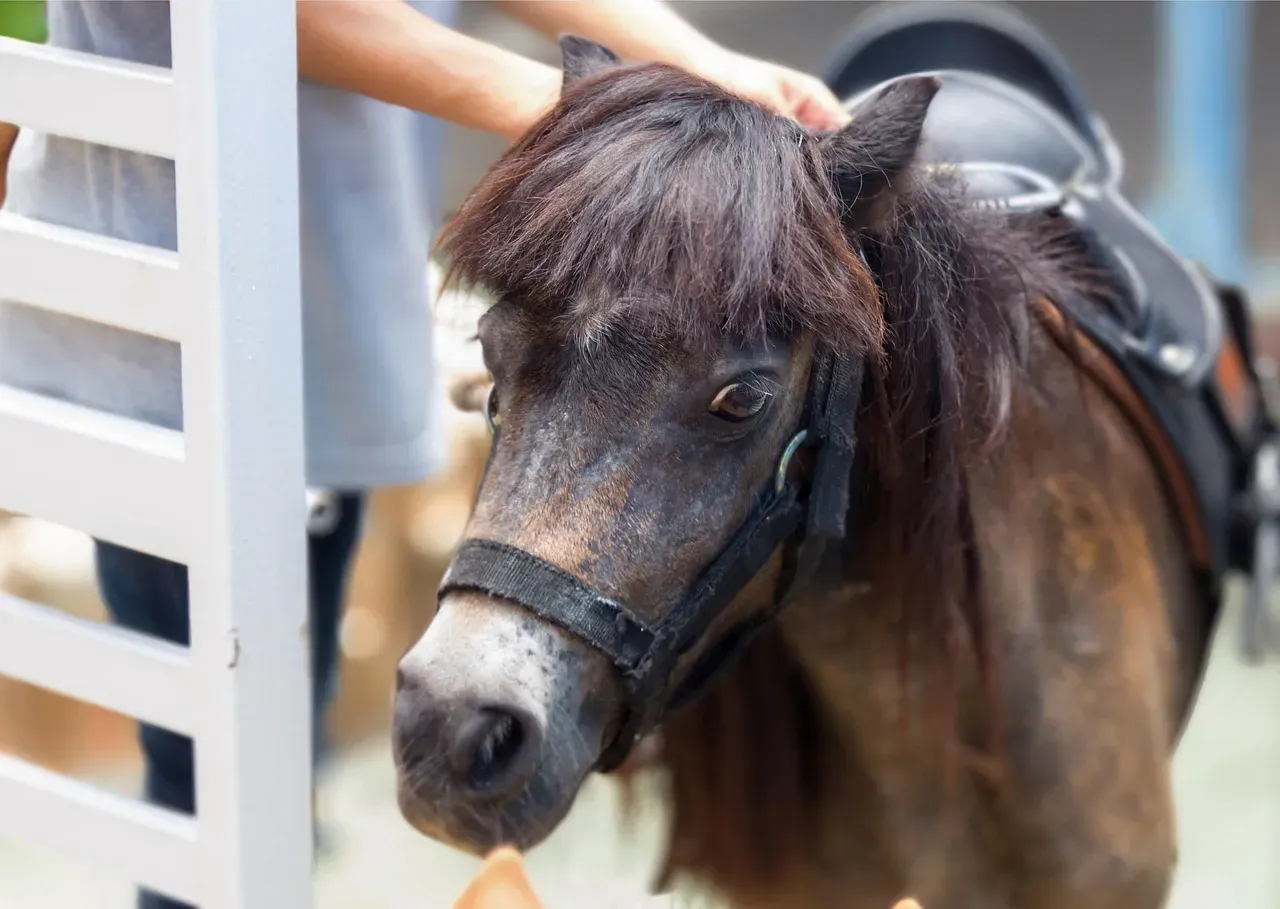
Miniature horses might look like the bargain version of horse ownership, but many owners learn quickly that “mini” only applies to height, not to costs. Quality minis bred for show halter, driving, or therapy work can carry surprisingly steep purchase prices, especially if they come from lines that consistently produce champions. Their small size also means medical issues can escalate quickly, leading cautious owners to be very proactive with veterinary care.
Minis are prone to certain metabolic issues and dental problems, so regular vet checks, hoof trims, and carefully managed diets are essential. You still need fencing, shelter, farriery, vaccinations, and sometimes training for driving or therapy programs. I remember helping a friend with her miniature show string and laughing at how the only thing that felt small was the horse itself – every other bill, from entries to fuel to vet care, matched or exceeded what I was paying for a full-sized gelding.
Conclusion: When Is an Expensive Horse Really “Worth It”?

Owning one of these breeds can be a dream come true or a slow-motion financial shock, depending on how honestly you plan for the total cost of care. The purchase price is only the opening chapter; the real story is told in training bills, farrier visits, vet checks, show fees, and the quiet, constant drip of everyday barn expenses. In my experience, the happiest owners are not the ones with the fanciest horses, but the ones whose budgets and expectations realistically match the kind of animal they bring home.
There is nothing wrong with falling in love with a Friesian’s mane or a warmblood’s extended trot – those moments are why many of us stay in the horse world. The key is going in with open eyes, understanding that some breeds and disciplines simply live in a different financial universe. If you choose one of these high-cost horses and still feel excited after seeing the numbers on paper, that is probably your answer. Looking at your own situation, which would you rather own: a modest horse you can enjoy freely, or a dream breed that stretches your budget every single month?


