
Some dogs seem to “get” housetraining almost overnight. Others look you dead in the eye, pee on the carpet, and trot away like nothing happened. If you’ve ever wondered why your friend’s puppy was house-trained in a week while you’re still scrubbing floors months later, you’re not imagining it: breed tendencies, genetics, and temperament really do play a role.
This article walks through ten breeds that are famously challenging to housetrain and five that are often impressively quick studies. None of this is a guarantee, of course – dogs are individuals – but it can help you set expectations, choose the right training strategies, and stay sane when you’re standing outside at 5 a.m. waiting for “just one more pee.”
1. Dachshund: Big Attitude, Tiny Bladder
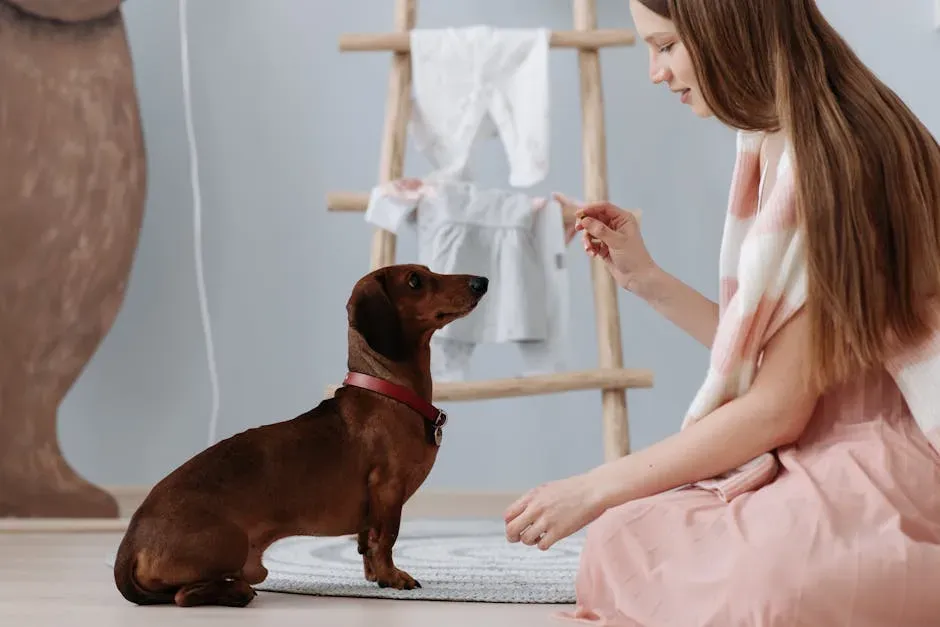
Dachshunds are legendary for being stubborn and slow to housetrain, and there are reasons for that. They are small dogs with small bladders, originally bred as independent hunters, which means they’re used to making their own decisions rather than waiting for instructions. That independence can translate into “I’ll pee when and where I feel like it, thanks.”
On top of that, their short legs and long bodies mean cold or wet grass can feel pretty miserable, so they often resist going outside in bad weather. Many owners find success only when they commit to a strict schedule, very frequent potty breaks, and an almost ridiculous level of praise and reward for going in the right spot. If you expect a Dachshund to just “pick it up” with minimal effort, you’re setting both of you up for frustration.
2. Chihuahua: Tiny Dog, Huge Challenge
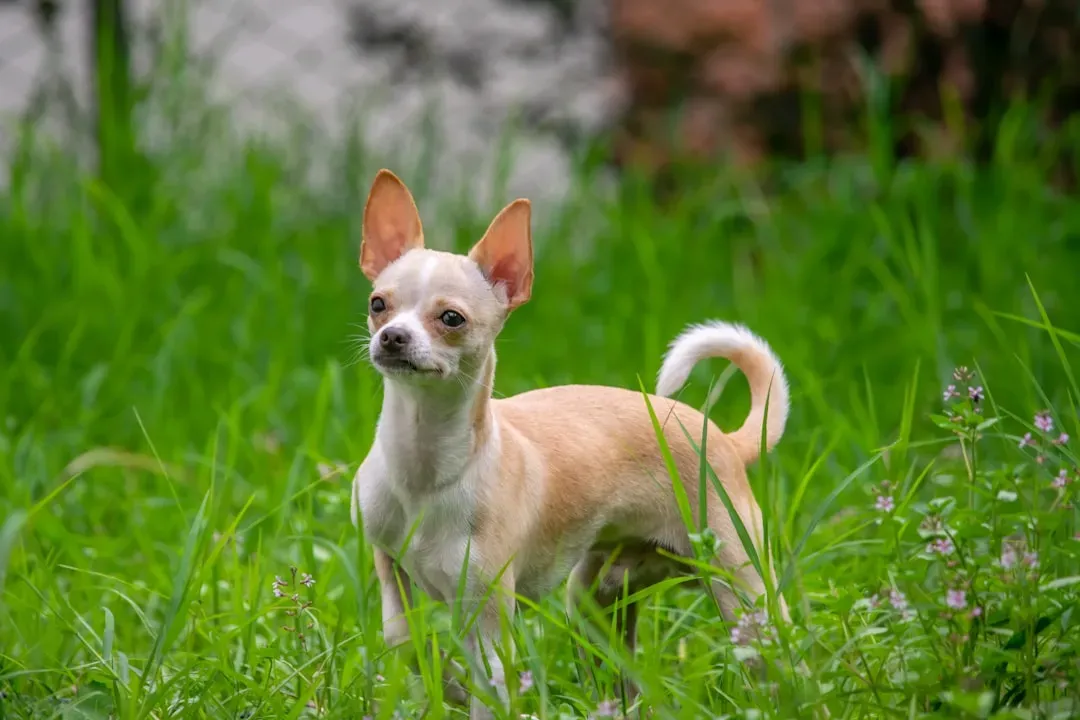
Chihuahuas are another classic “hard to housetrain” example. Their diminutive size means they can empty their bladder in seconds in a corner of the room, and you might not even notice right away. Because accidents are small and sometimes easy to miss, habits can become deeply ingrained before owners realize how often it’s happening.
They also tend to feel cold easily and may resist going outside in rain or chilly weather, preferring to sneak off to a warm rug. Many people also unintentionally “baby” Chihuahuas and let them get away with behaviors they would never tolerate from a larger dog, including inconsistent potty rules. The best fix is to treat a Chihuahua like a big dog when it comes to routine and boundaries – structured potty times, clear expectations, and generous rewards for getting it right.
3. Bichon Frise: Adorable but Inconsistent
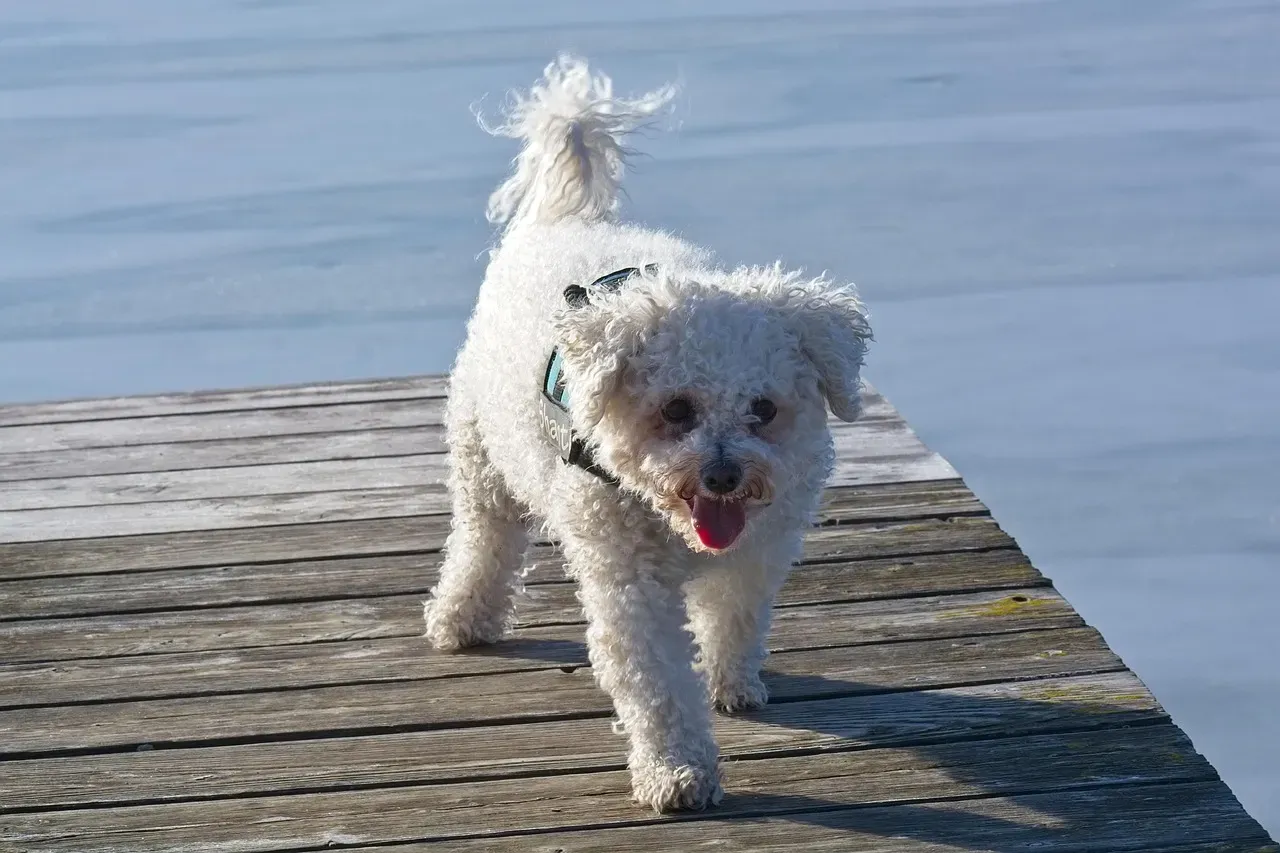
The Bichon Frise is cute, charming, and often a bit confusing to housetrain. This breed is highly people-oriented and sensitive, which sounds like it should make training easy, but their sensitivity can backfire if correction is too harsh or inconsistent. They may become anxious around elimination and start hiding their accidents rather than understanding what you want.
Bichons also have coats that can disguise just how often they’re drinking water, and living mostly indoors means they are right next to soft carpets and rugs all day. Many owners report that crate training plus an extremely consistent schedule makes all the difference, but it may still take longer than average. If you’re patient and stay positive, though, a Bichon can absolutely become reliable – it just rarely happens “by accident.”
4. Pug: Clownish, Charming, and Sometimes Confused
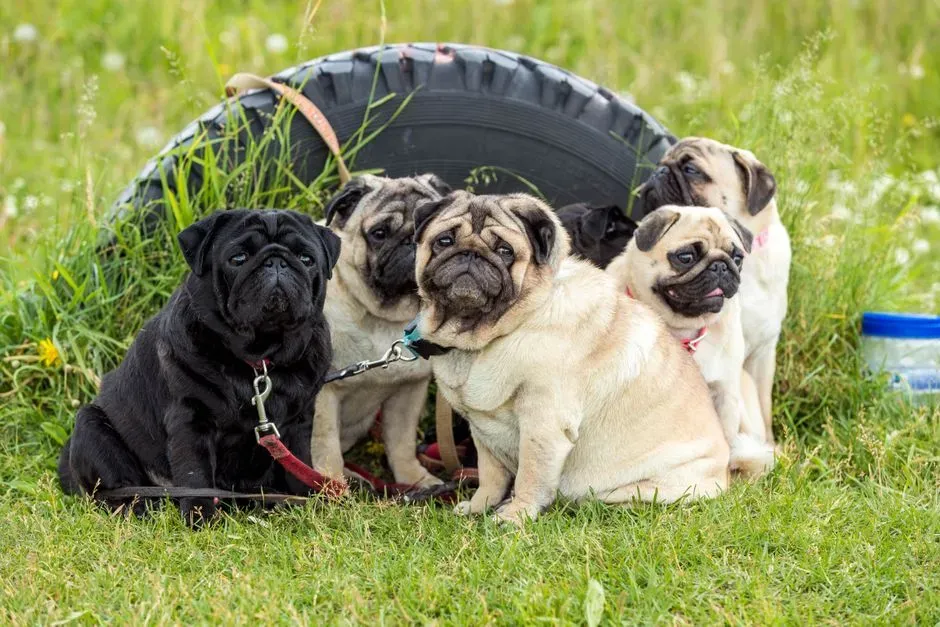
Pugs are lovable clowns, but when it comes to housetraining, that goofy personality can turn into selective attention. They can be quite food-motivated, which is great for training, but they’re also easily distracted and sometimes just disinterested in repeating the same boring bathroom routine. That combination makes them slower to form solid habits if the training isn’t tightly managed.
Their brachycephalic (short-nosed) structure can also mean they tire more quickly in heat or humidity, so long outdoor potty walks might not be appealing or even safe. For many Pugs, short, frequent trips outside and high-value treats for success work better than a few long walks. Owners need to be ready to keep things upbeat and structured, rather than just assuming the dog will “figure it out” with casual effort.
5. Shih Tzu: Royal Attitude Toward House Rules
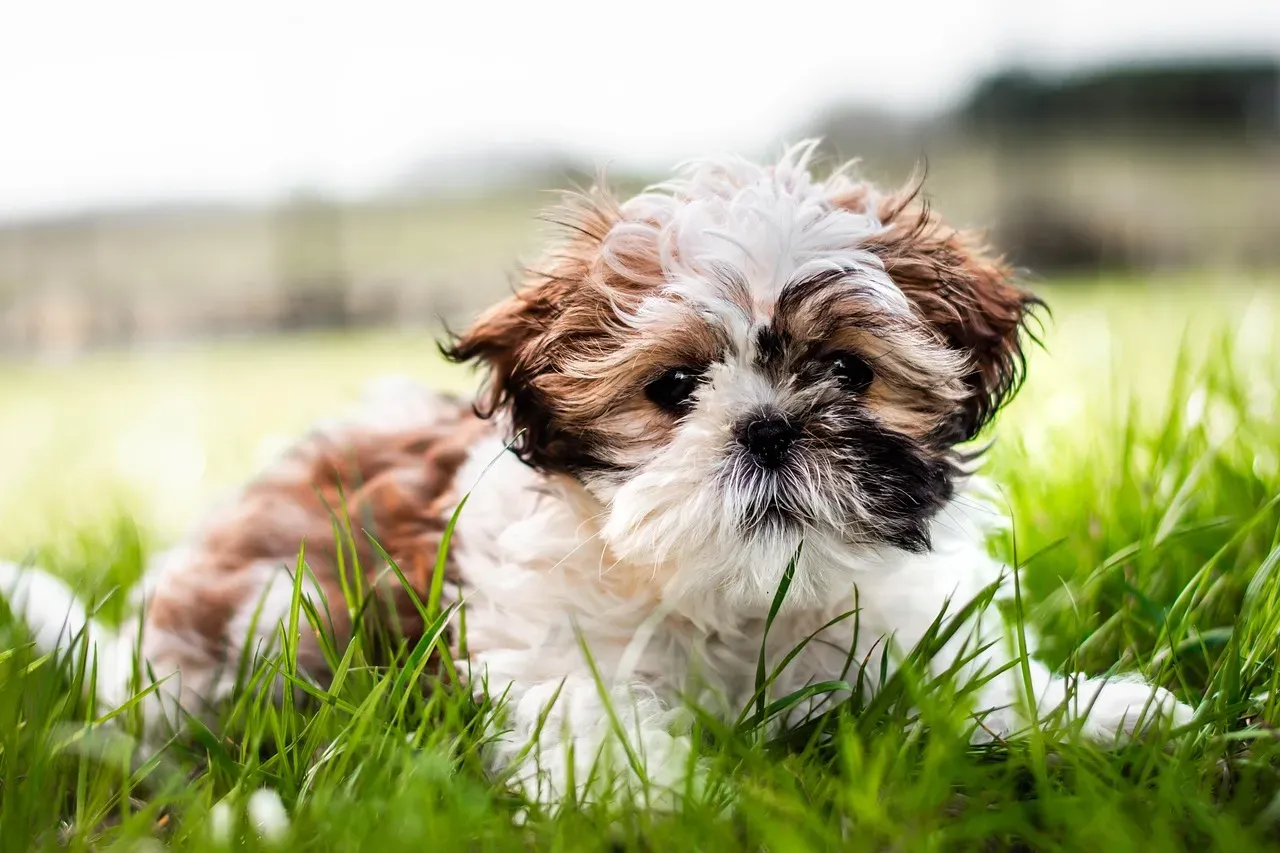
Shih Tzus were bred as companion dogs for nobility, and sometimes they still seem to think they’re above mundane details like bathroom schedules. They can be affectionate and devoted, but also quietly stubborn and unmotivated by scolding. If they decide that going on the rug is more comfortable than stepping into damp grass, they will happily repeat that behavior until you make the correct choice very rewarding.
Their long coats can make it hard to notice subtle signs that they need to go out – like sniffing or circling – especially when they’re still puppies. Short, structured outdoor sessions, trimmed fur around the back end, and a clear routine can help. What really matters, though, is that you out-stubborn the Shih Tzu: calm consistency beats frustration every time.
6. Beagle: Nose First, Bathroom Later
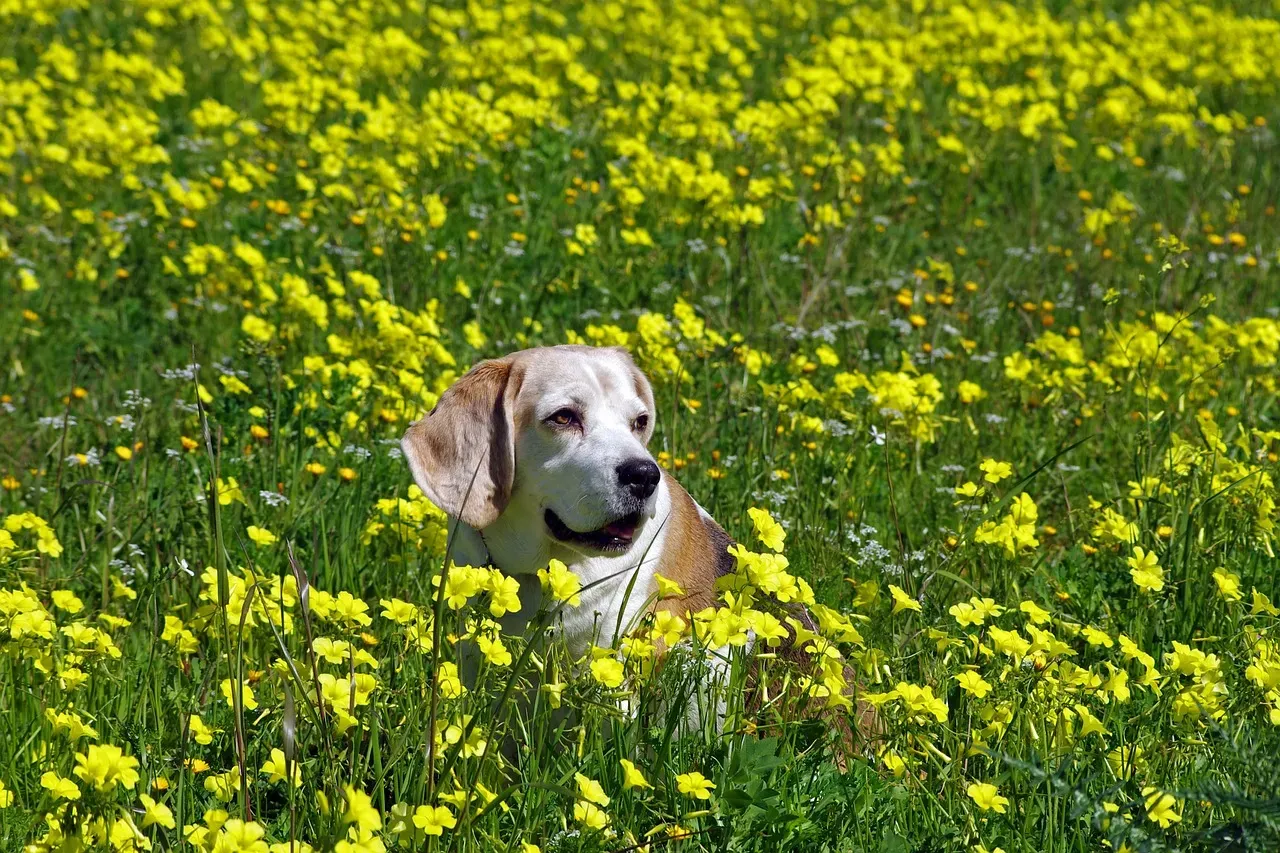
Beagles are scent hounds, and their noses tend to run the show. When you take a Beagle outside, they’re often so captivated by smells that they forget why they went out there in the first place. That means they might explore for twenty minutes, then come inside and finally remember they need to pee – on your floor.
They are also known for having an independent streak; many were bred to work away from people in packs, following a scent trail without constant human guidance. To housetrain a Beagle well, you usually need to keep them on leash during potty breaks, limit distracting sniff time until after they’ve gone, and reinforce like crazy when they eliminate in the right spot. Without that structure, their nose wins and your carpet loses.
7. Jack Russell Terrier (and Similar Terriers): Energy Over Focus
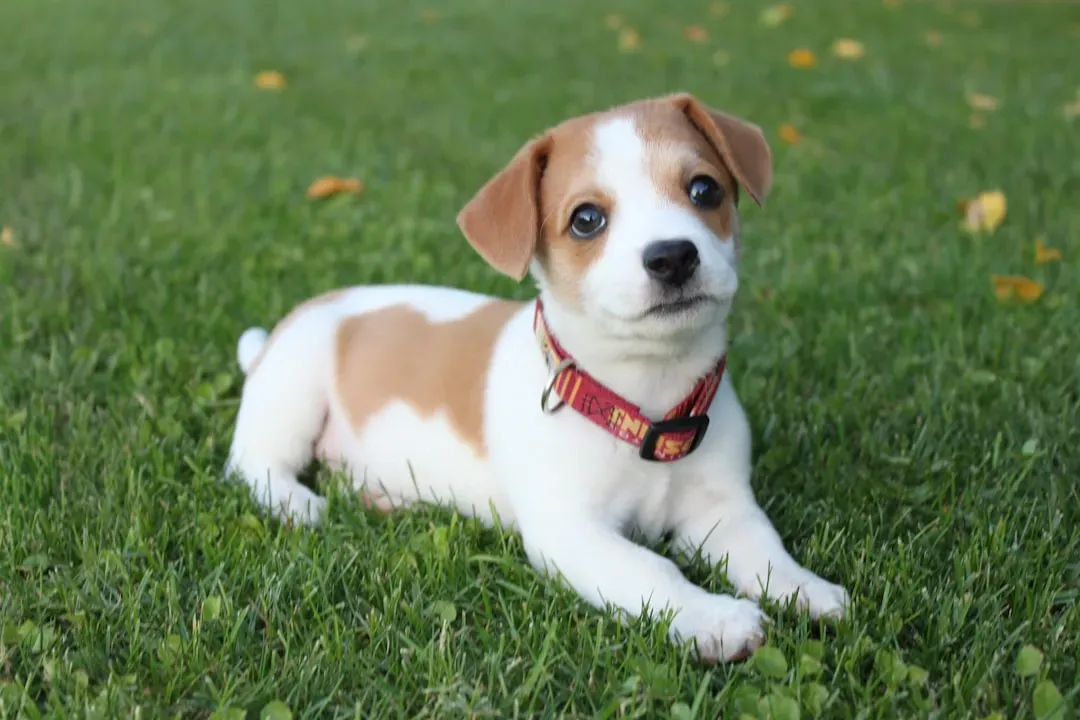
Jack Russell Terriers, and many small terriers in general, are incredibly energetic and driven, but not always in the direction you want. Their active minds and bodies can make it hard for them to settle into a calm routine, including predictable bathroom habits. They may be too busy chasing imaginary critters in the yard to remember to actually go.
Many terriers also have a classic stubborn streak; they were bred to work independently and persistently, traits that do not always translate smoothly into quick housetraining. The key is to channel that drive into a game-like structure – such as rewarding them quickly and generously for going, then releasing them to play. If housetraining feels like a boring chore to a terrier, they’ll treat it exactly that way.
8. Maltese: Sensitive Souls With Inconsistent Routines
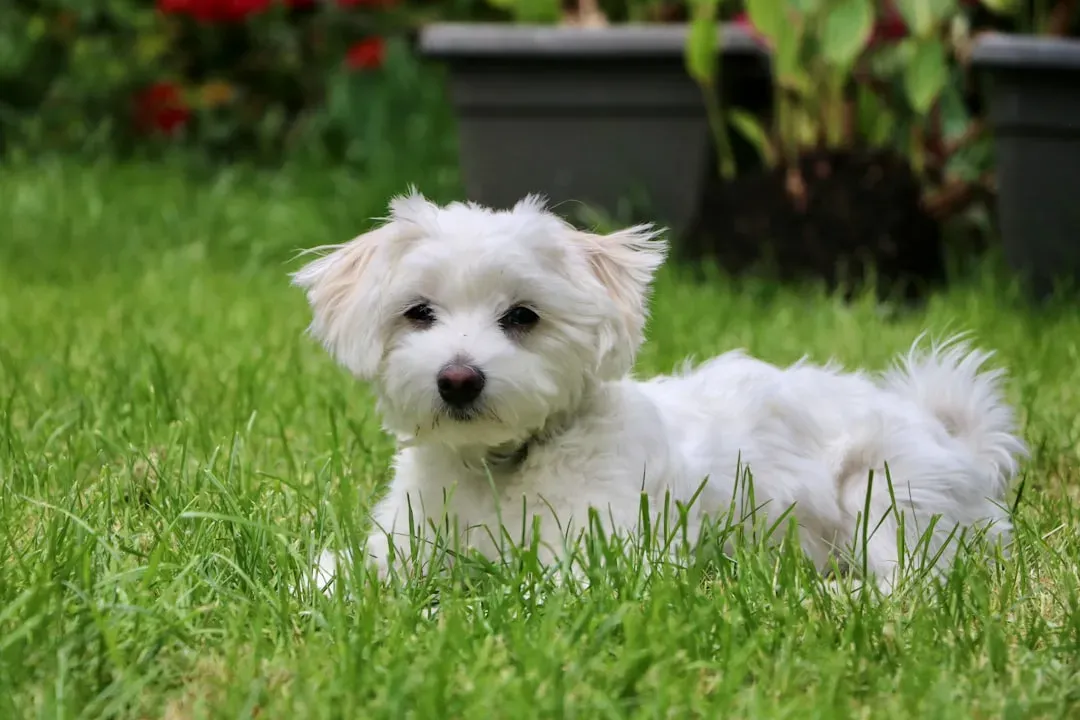
Maltese dogs are gentle, affectionate, and often very sensitive to their environment and your mood. That sensitivity can be a blessing and a curse. If they sense irritation or anger around accidents, they may become nervous about eliminating in front of you at all, leading them to sneak away and hide their messes instead of learning the rules.
Because they are small and usually live very close to their humans, they can end up being carried outside or inside without a clear routine that they understand. Sometimes owners just scoop them up and move them around, instead of walking them out on a schedule and giving them a consistent potty cue. Treat a Maltese like a tiny, fragile toy and you’ll often end up with fragile housetraining; treat them like a real dog with structure and patience, and results improve dramatically.
9. English Bulldog: Slow to Move, Slow to Learn the Routine
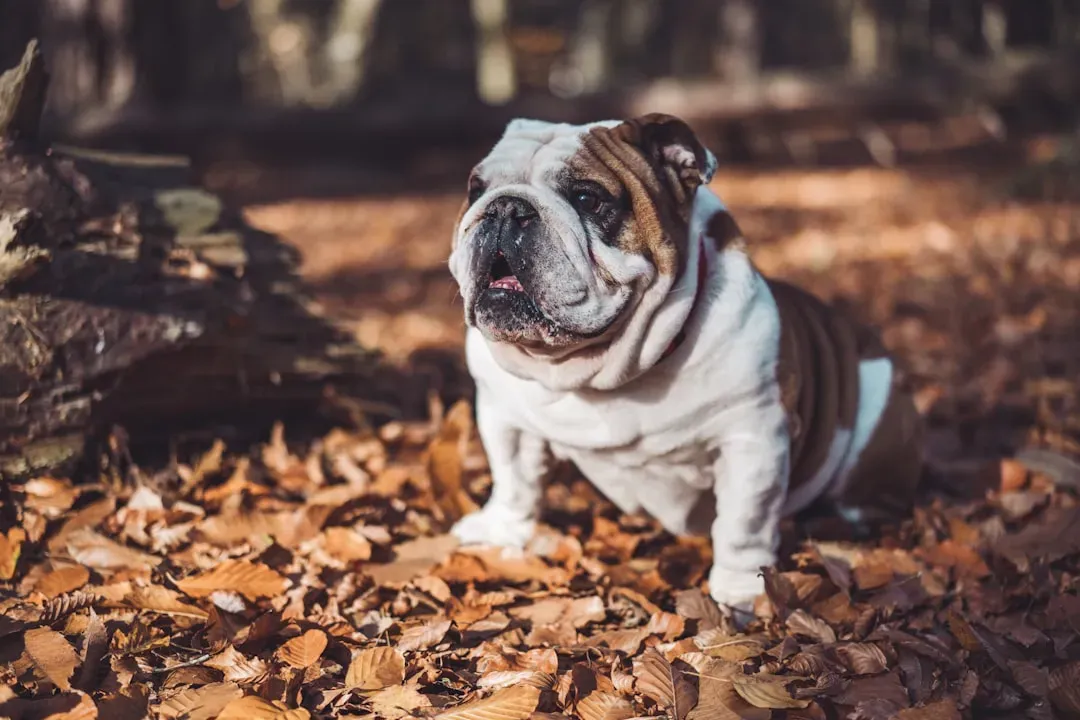
English Bulldogs are famous for being laid-back, and that laid-back attitude can spill over into training. They can be a bit slow to respond and somewhat resistant to doing anything that doesn’t feel immediately rewarding. Combine that with a somewhat stubborn nature, and you have a dog that may take longer than average to fully housetrain.
Their physical build means they can struggle in extreme heat or cold, so getting them outside at the right times requires some planning. If walks are uncomfortable, they may rush back in before fully emptying their bladder, leading to more accidents later. Short, frequent outdoor breaks, climate-aware scheduling, and irresistible rewards right after they go can help bulldogs build reliable habits without turning every trip outside into a battle.
10. Toy Poodle: Smart but Sometimes Too Clever
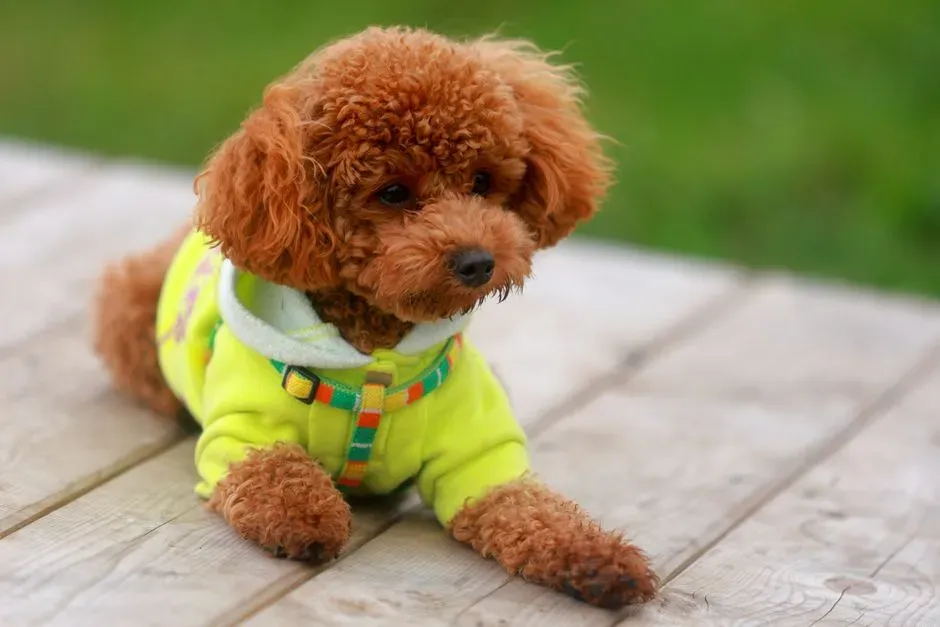
Toy Poodles are highly intelligent, which makes many people assume they’ll be naturally easy to housetrain. The reality is more nuanced. While they can definitely learn quickly, their sensitivity and observational skills mean they also learn your inconsistencies just as fast. If you sometimes ignore accidents or fail to supervise, they will quietly adjust to that loophole.
Because they are small, their accidents can go unnoticed, and because they are smart, they may choose quiet corners or soft mats that feel comfortable under their paws. The result is a dog who seems trained until you start finding hidden spots. Tight supervision, consistent crate use, and generous reinforcement of outdoor success help their intelligence work for you instead of against you.
11. Labrador Retriever: Eager Students in the Bathroom Department
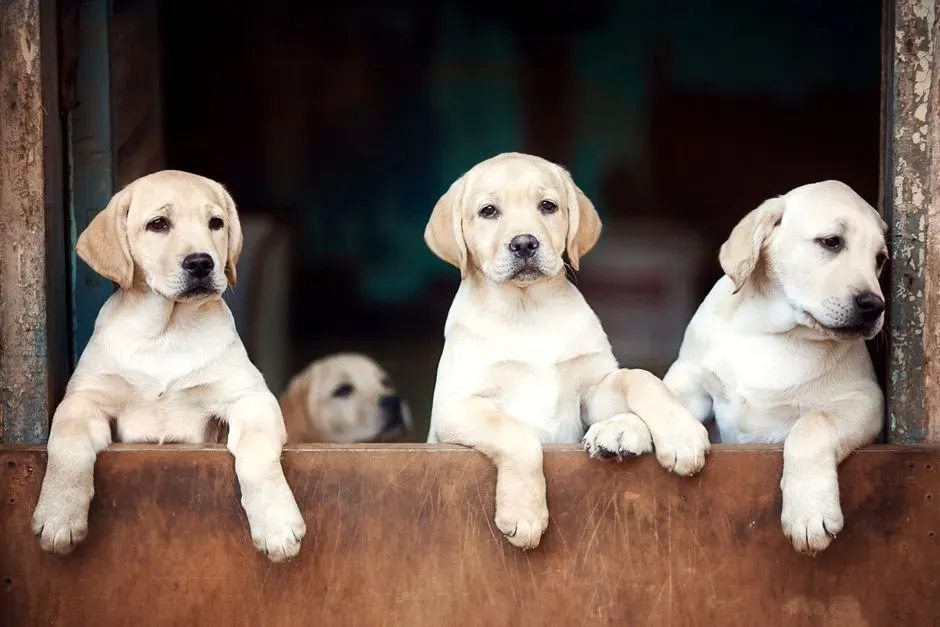
Now for the good news: Labradors are often among the easiest dogs to housetrain. They are typically extremely food-motivated and people-pleasing, which is a dream combination for teaching clear, reward-based habits. When a Lab puppy realizes that going outside leads to treats, praise, and maybe even a bit of play, they usually buy into the system quickly.
Labs are also larger dogs, so their bladder capacity is greater than that of tiny toy breeds, allowing slightly longer intervals as they mature. That does not mean they can hold it forever as babies, but it does mean that, with supervision and routine, many Labrador owners see reliable housetraining earlier than average. The main risk is actually overconfidence – owners sometimes relax too soon because the dog seems “done,” then get frustrated by the occasional setback.
12. Border Collie: Precision Learners Who Love Clear Rules
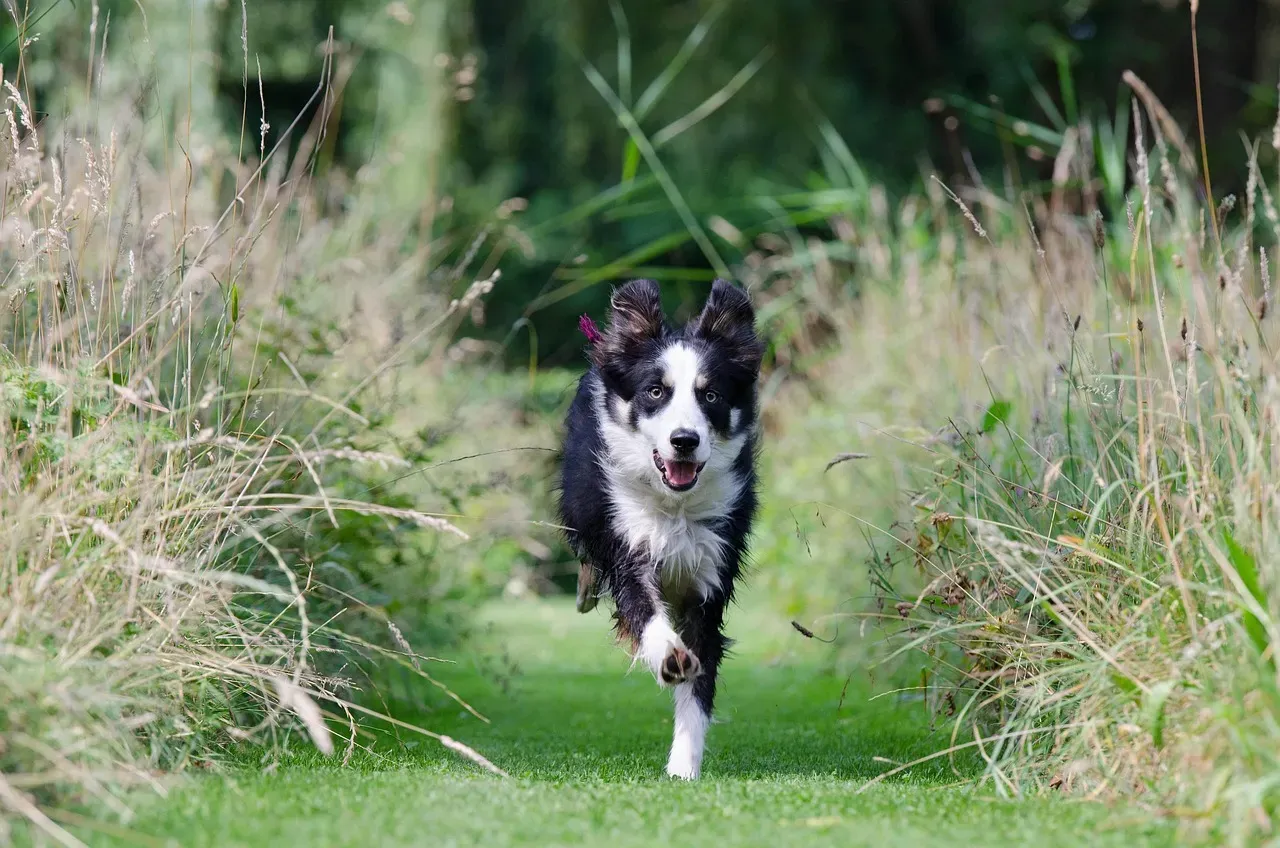
Border Collies are often compared to overachieving students, and that extends to housetraining when done right. They thrive on structure, mental tasks, and having a job to do. If you frame housetraining as a clear, consistent rule with predictable rewards, many Border Collies lock in the pattern quickly.
Because they are so observant, they pick up routines and environmental cues fast – such as putting on your shoes, grabbing the leash, or heading toward the back door. That helps them anticipate bathroom trips and hold it until the right moment. The potential downside is that if you’re chaotic or inconsistent, they may learn chaotic habits just as efficiently, so the responsibility is really on the human to be organized.
13. Standard Poodle: Smart, Sensitive, and Surprisingly Cooperative
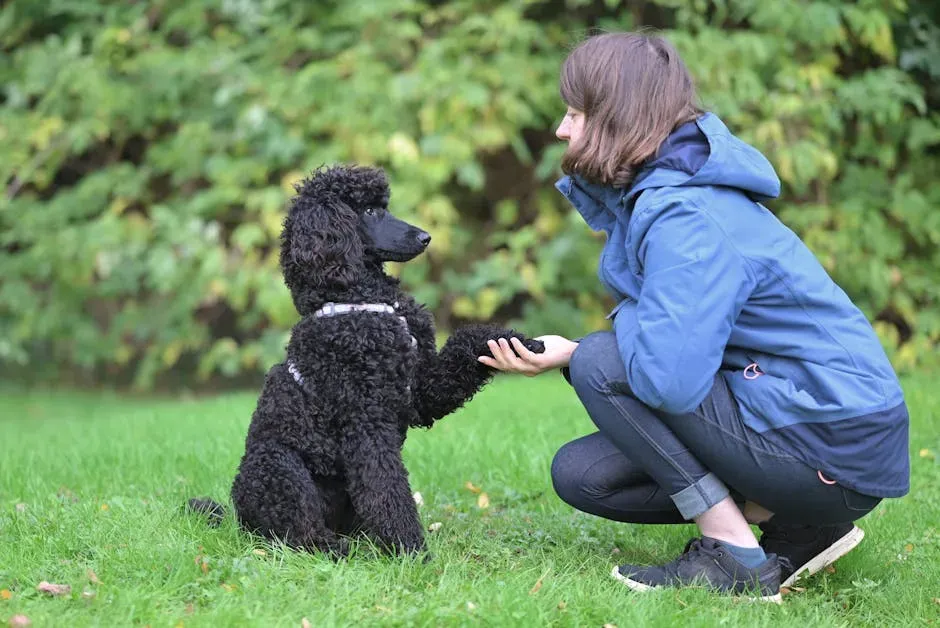
Standard Poodles combine intelligence with a strong desire to work with humans, which is an ideal recipe for housetraining. They usually catch on quickly when they understand the pattern: outside plus elimination equals access to the house, affection, and perhaps something tasty. Their larger size also means better bladder capacity compared to their toy counterparts.
They can be quite sensitive, though, so harsh punishment or yelling can backfire and create confusion or stress. Calm, predictable routines and quiet praise tend to work better. In many homes, Standard Poodles end up among the earliest reliably housetrained dogs, simply because they enjoy learning and solving the “puzzle” of what you want.
14. Golden Retriever: People-Pleasers With Predictable Patterns
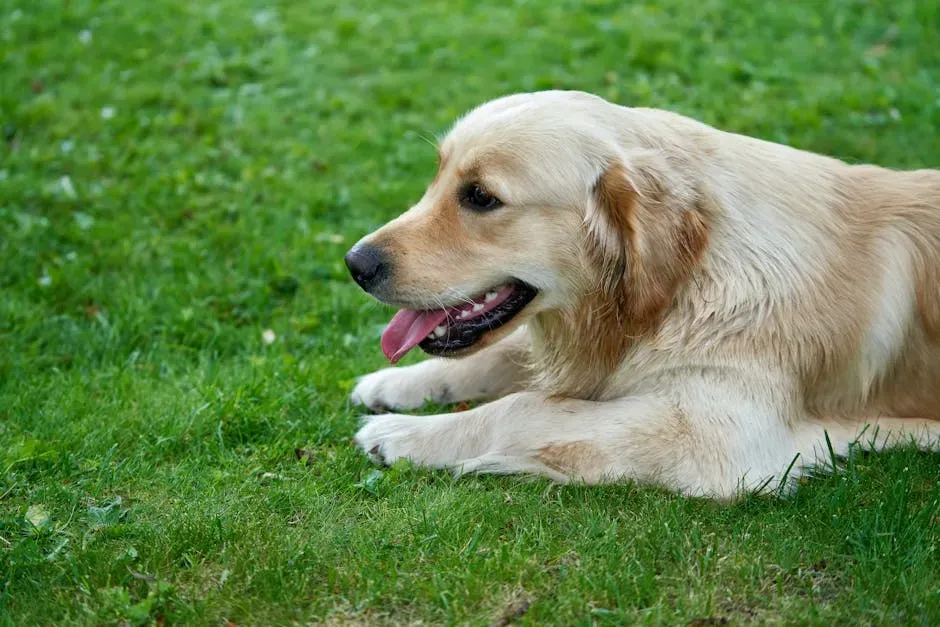
Golden Retrievers often make housetraining feel almost unfairly easy compared to some other breeds. They are famous for wanting to please their humans and usually respond well to praise and gentle correction. When you consistently show them that going outside is the right answer, they’re often eager to cooperate.
Goldens are also relatively routine-loving dogs; they tend to settle into predictable sleep, play, and bathroom cycles. That makes it easier to anticipate when they need to go out and prevent accidents before they happen. You still need to supervise, especially during the puppy stage, but many Golden owners report very few housetraining battles compared to smaller, more stubborn breeds.
15. German Shepherd: Rule-Focused and Fast to Learn
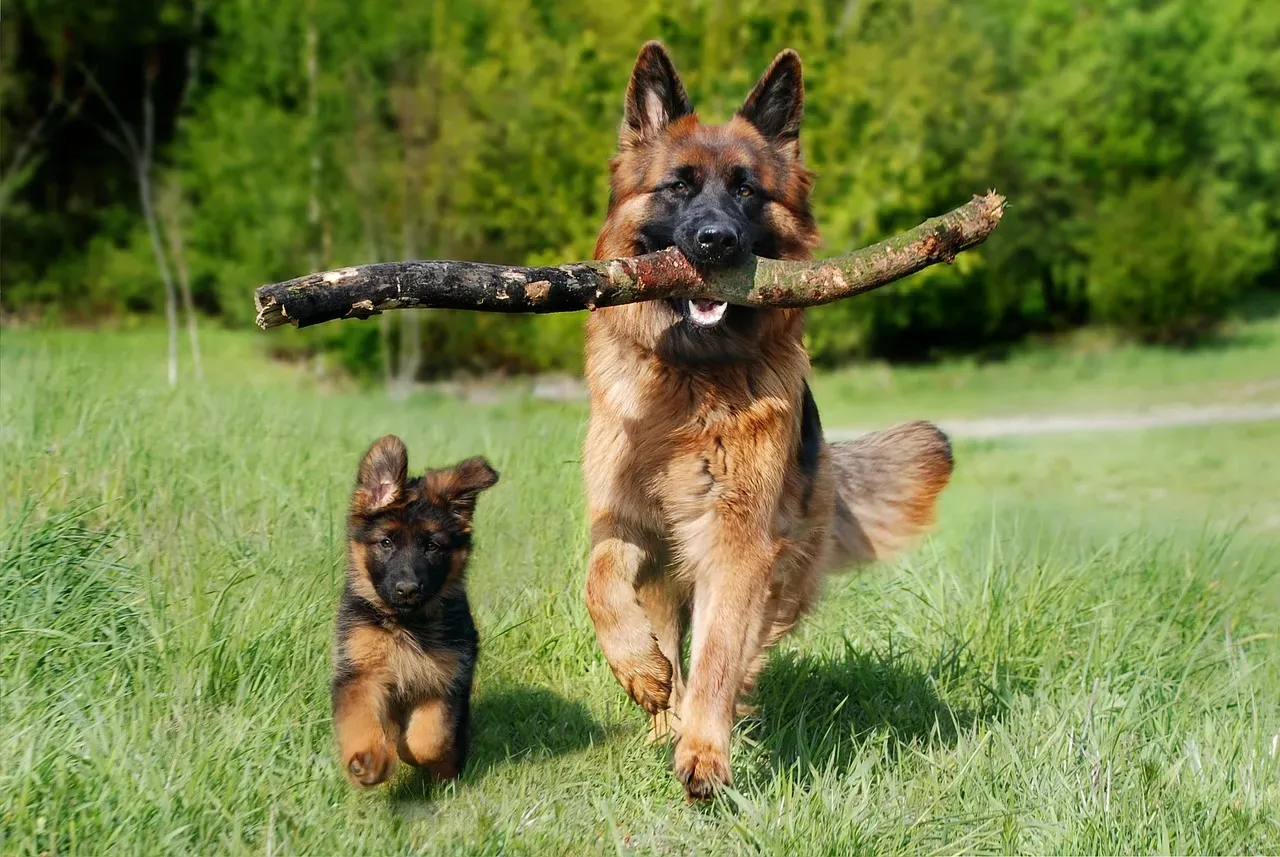
German Shepherds are known for their work ethic and responsiveness to clear commands, and that can make housetraining notably smooth. They usually like having rules and boundaries, and they often form strong associations between “right” and “wrong” behaviors when guided fairly. When you consistently show them that outdoor elimination is the rule of the house, they tend to get on board.
Their larger size and strong bladder control as they mature also help them learn to hold it until the proper time. They do need close supervision as puppies, like any breed, but many German Shepherds reach reliable housetraining relatively early when owners are structured and engaged. If you treat housetraining like part of their “job,” they usually rise to the occasion quickly.
Why Some Breeds Struggle While Others Seem Born House-Trained
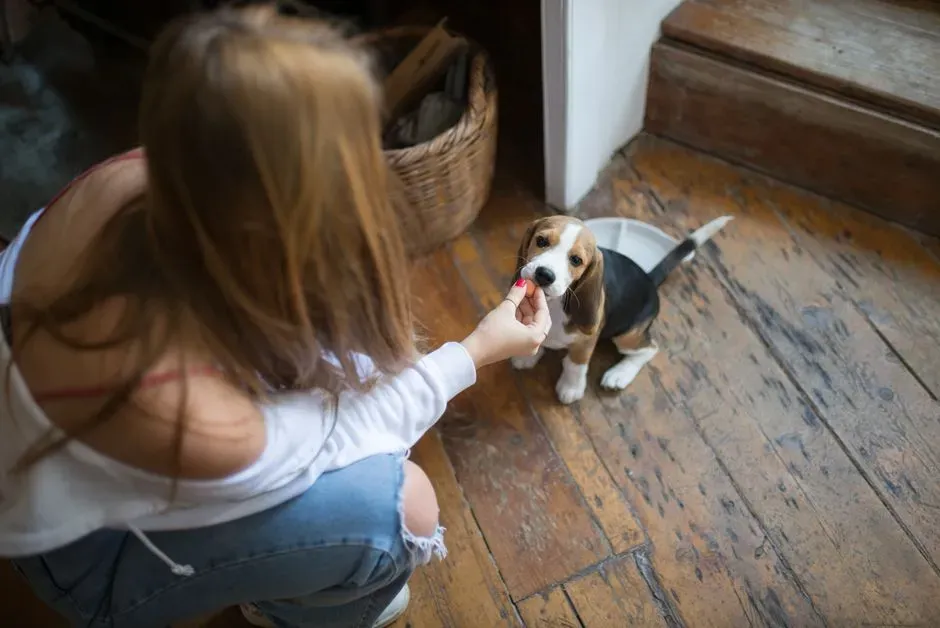
It’s tempting to assume housetraining is purely about effort, but breed tendencies really do matter. Smaller dogs have smaller bladders and often higher metabolic rates, which naturally leads to more frequent bathroom needs. Combine that with a dislike of cold or wet ground, and you get more indoor accidents unless you are extremely proactive.
On the flip side, breeds developed for close cooperation with humans – like retrievers and herding dogs – often come hardwired to pay attention to people and follow structure. That does not mean they are perfect, but it does mean they are usually easier to guide into consistent routines. In my experience, the biggest mismatches happen when someone expects a fiercely independent or tiny, pampered breed to behave like an eager-to-please working dog with minimal effort.
How Much Is Breed and How Much Is Training?
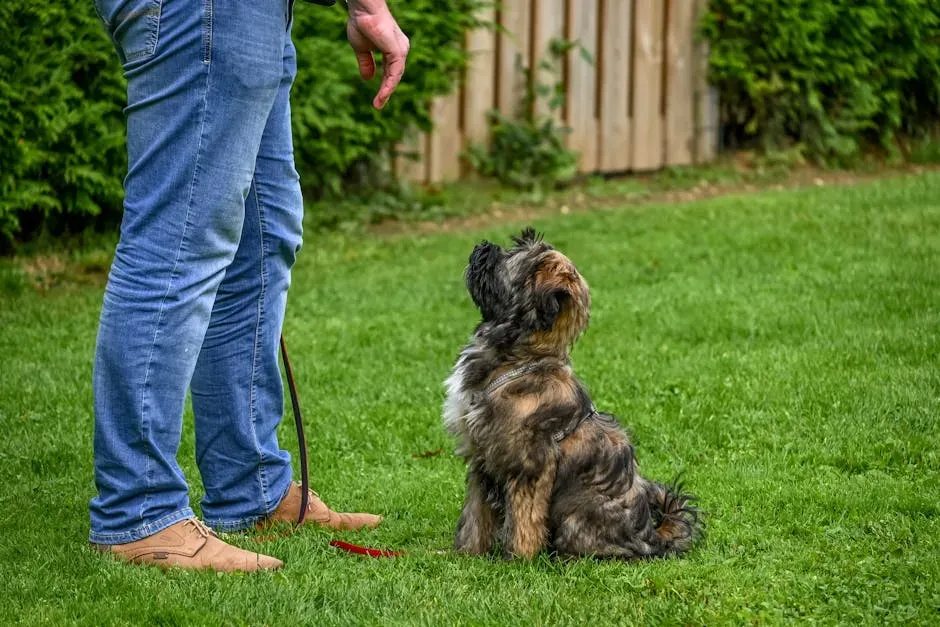
Even with strong breed tendencies, no list is destiny. Within every breed on the “difficult” side, there are dogs that house-train quickly, and within every “easy” breed, there are individuals that take longer or struggle. Genetics, early socialization, breeder practices, and the dog’s specific environment all shape how housetraining actually plays out.
What truly tilts the odds in your favor is consistent, reward-based training, close supervision, and realistic expectations. If you bring home a Dachshund or a Chihuahua expecting Golden Retriever ease, you’ll probably feel frustrated and blame the dog. If you go in knowing it may take months of careful management, you’re more likely to celebrate small wins and stick with the process.
Practical Housetraining Tips No Matter Your Dog’s Breed
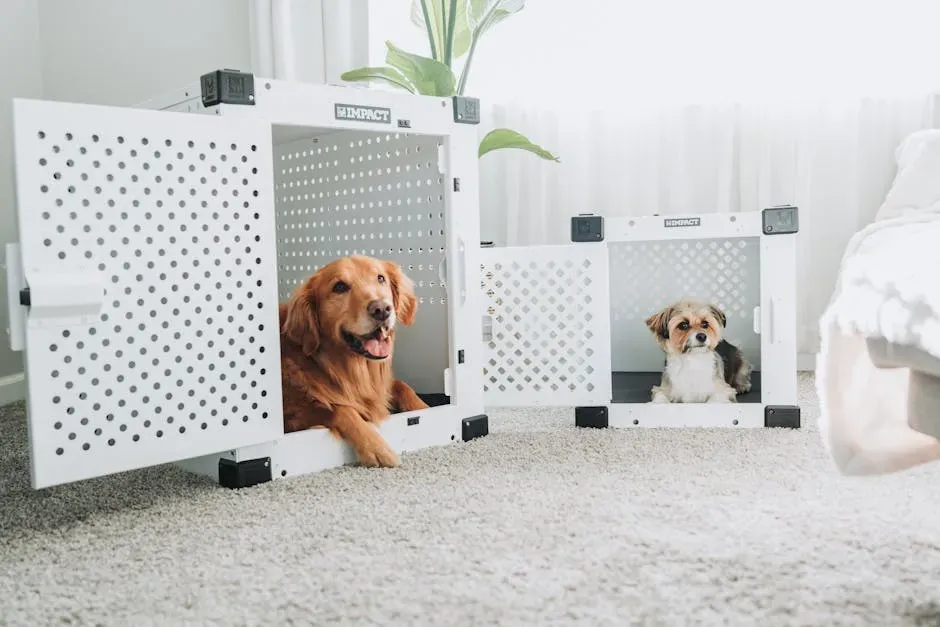
Regardless of whether your dog is on the “difficult” or “easy” list, the fundamentals stay the same. Frequent, predictable potty breaks, especially after sleeping, eating, or playing, are non-negotiable. Crate training, when done humanely, can be a powerful tool because most dogs naturally avoid soiling their sleeping area.
Reward timing is crucial: praise and treat your dog immediately after they eliminate in the right spot, not when you get back inside. At the same time, calmly interrupt accidents without yelling, and guide them outside instead of punishing after the fact. The more you think in terms of building a habit rather than “teaching a rule once,” the more progress you’ll see over time.
Weather, Lifestyle, and Other Hidden Factors
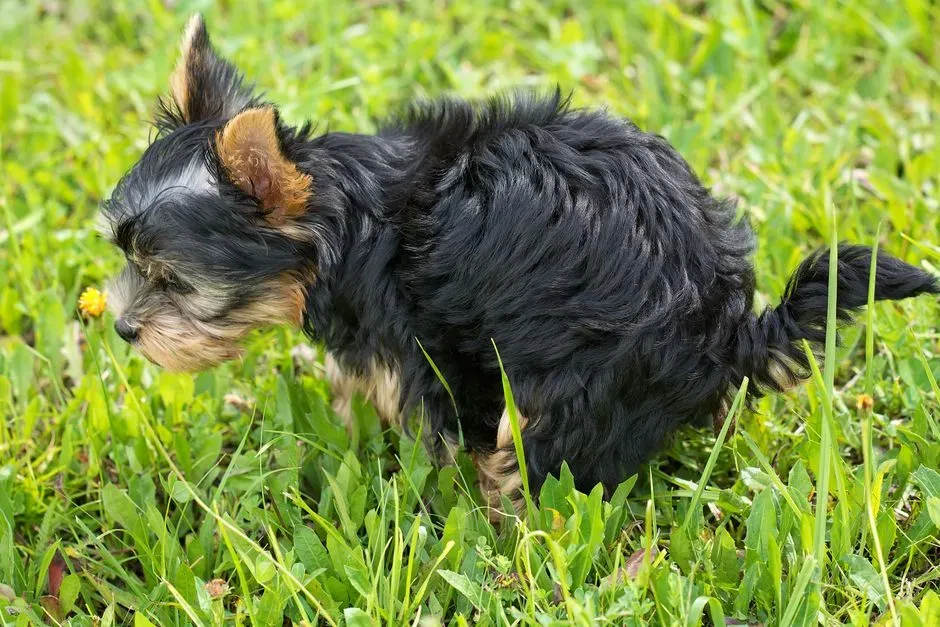
Sometimes housetraining struggles have less to do with breed and more to do with the realities of daily life. Apartment living, long work hours, and extreme weather all change the game. A small dog who hates rain living in a high-rise with long elevator rides will inherently be harder to manage than a sturdy dog with free access to a fenced yard.
Adjusting your setup can make a surprising difference. Things like covered potty areas, indoor grass pads for emergencies, hiring a dog walker, or adjusting feeding times can all support success. If you match your dog’s needs to your real lifestyle rather than an idealized version of it, housetraining feels a lot more manageable.
My Take: It’s Less About “Good Dogs” and More About Honest Expectations
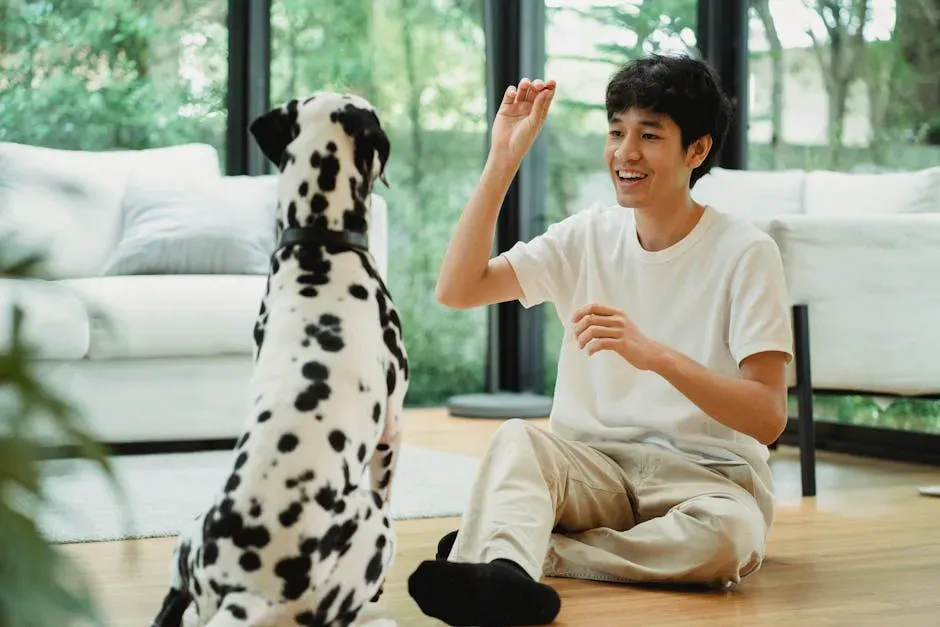
After seeing plenty of owners beat themselves up over housetraining, I’ve come to a pretty firm opinion: the problem is rarely that a dog is “bad.” More often, it’s that no one told the human that some breeds are simply a tougher ride and can take far longer than social media highlights suggest. We love the idea of the perfect puppy who just “gets it,” but reality is messier – literally.
If you pick a notoriously stubborn or tiny breed, you are signing up for extra work, and pretending otherwise is unfair to both of you. If you choose an eager, rule-following breed and still put in the right effort, you’ll probably feel like a genius trainer even if you’re just applying the basics well. In the end, the real question is not “Is this a good dog?” but “Am I willing to give this particular dog, with this particular wiring, the time and structure they need?” Did you expect the biggest housetraining challenge to be looking in the mirror instead of at the dog?


