
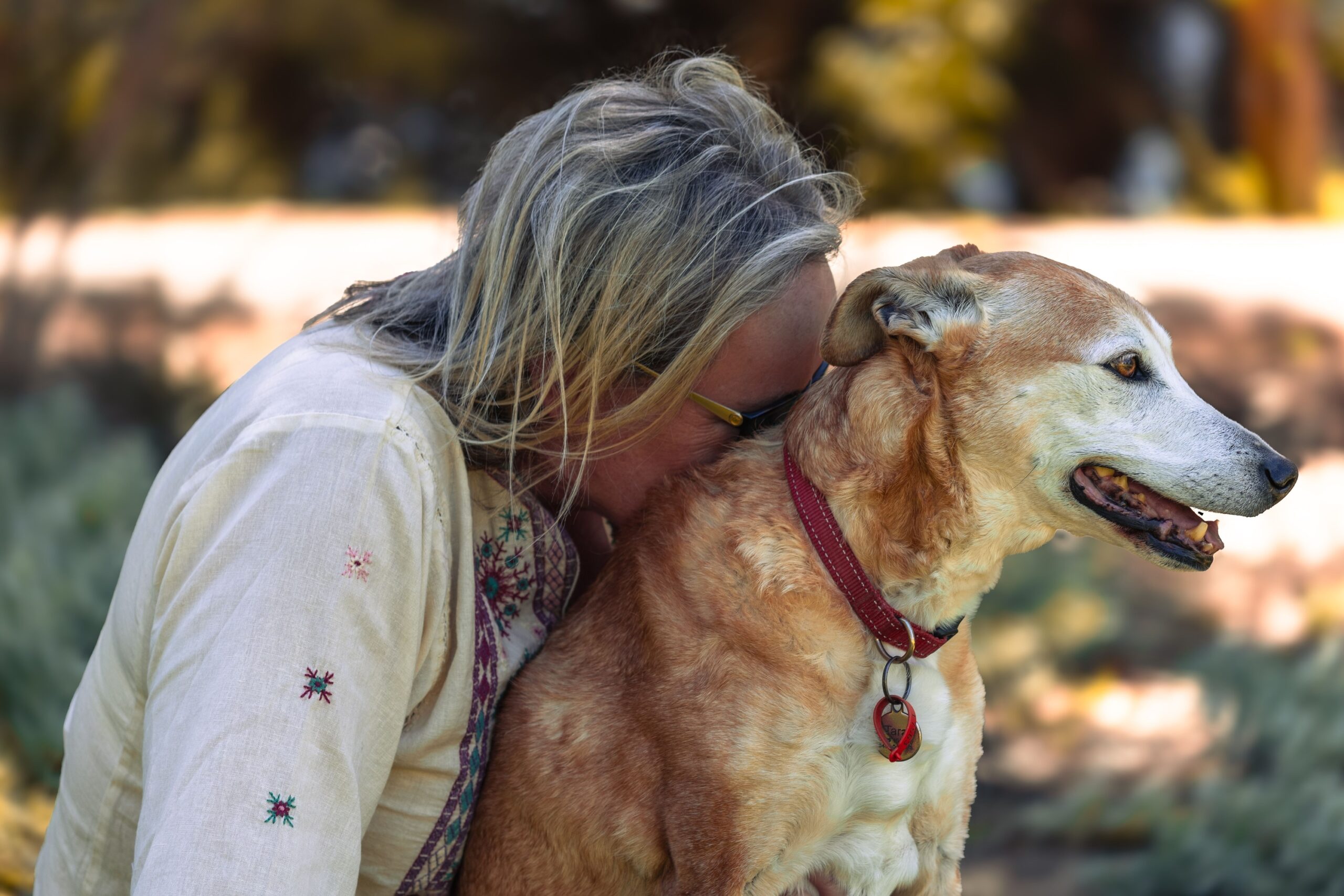
If you have ever walked into a room in a bad mood and watched your dog quietly slip away, it is not your imagination. Modern dog psychology suggests that our dogs are not just reacting to our tone of voice or body language; they are literally reading our faces. Even more striking, controlled studies indicate that dogs can tell the difference between happy and angry human expressions and tend to find angry faces aversive, even when they are shown only part of the face.
That sounds almost unsettling, right? It means your dog might be silently tracking emotional micro-shifts you barely notice in yourself. In a way, living with a dog is like living with a fur-covered emotional radar system, constantly scanning for cues about whether the world – and especially you – feel safe or threatening today.
Dogs Are Watching Your Face More Closely Than You Think
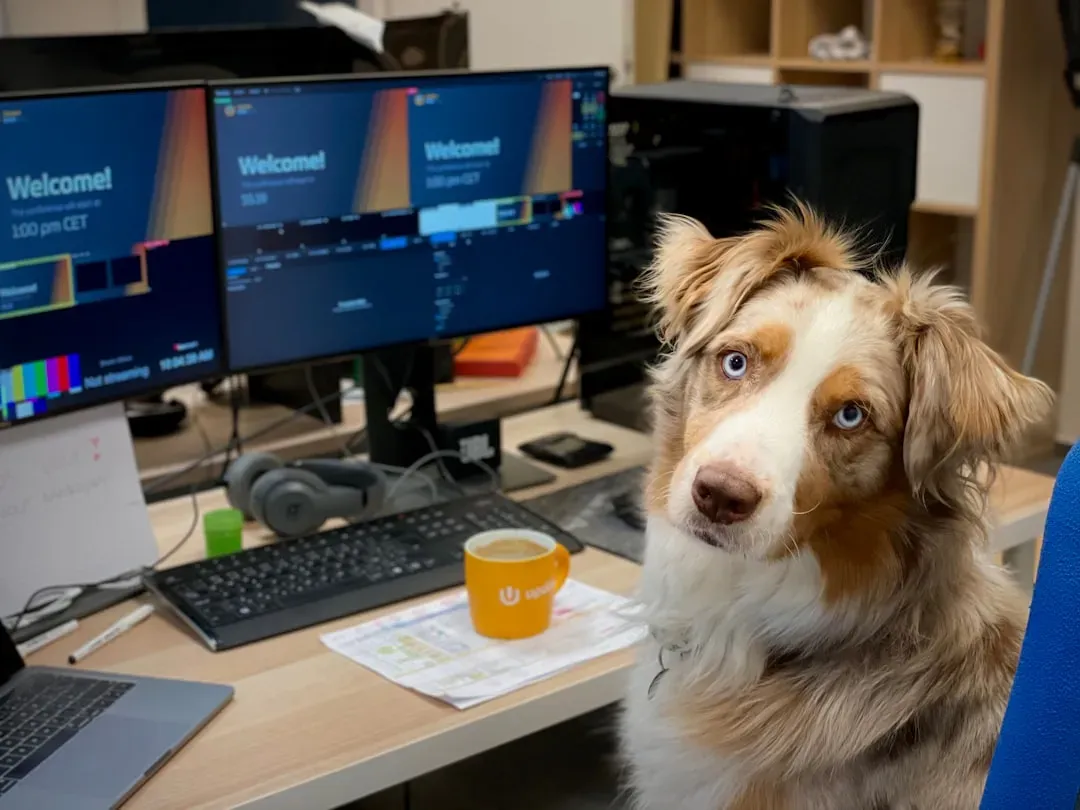
Many people assume dogs mostly rely on smell and sound, but research over the last decade has shown that they also use vision in surprisingly sophisticated ways. In lab experiments, dogs presented with photos of human faces can learn to distinguish between happy and angry expressions and will reliably choose one over the other depending on how they have been trained. What is fascinating is that researchers can shuffle which part of the face is visible, and dogs still perform above chance, suggesting they are not just memorizing a single image.
In some studies, dogs look longer at faces showing threatening or angry expressions, a classic sign of vigilance and unease. Crucially, they do not behave the same way when shown scrambled images or non-face shapes, which tells us this is not a random visual preference. They have somehow learned that human facial expressions carry emotional meaning, and angry faces, in particular, are something to pay attention to and often avoid.
Half a Face, Whole Message: How Dogs Use Partial Cues
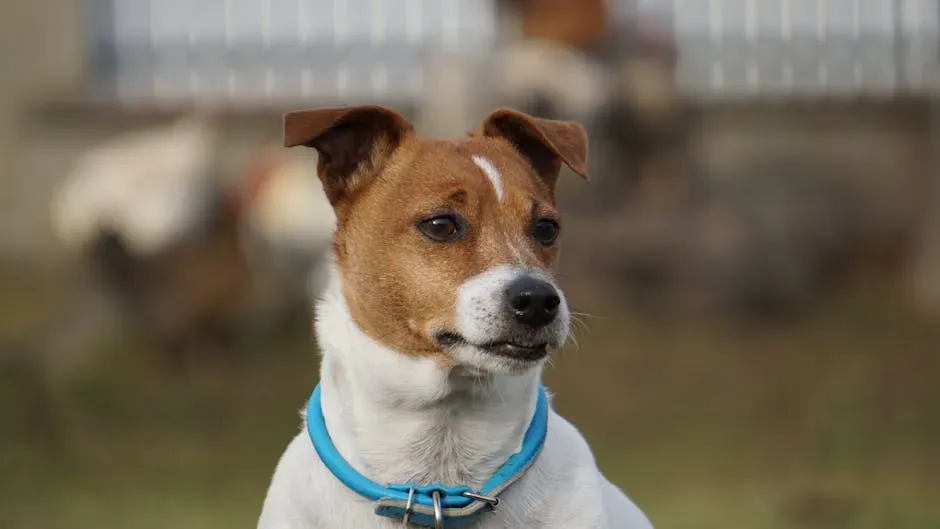
One of the most surprising findings in this area is that dogs can still tell an angry face from a happy one even when only half of the face is visible. Researchers have done clever experiments where they show dogs just the upper half (eyes and brows) or just the lower half (mouth area) of a human face. Even with this limited information, many dogs continue to distinguish between emotion types better than random chance, especially when they have previously been trained to do so.
This suggests that dogs do not rely on a single “tell” like bared teeth or a smile but instead integrate multiple visual cues when they are available and can fall back on partial cues when they are not. Think of it like reading a text when half the sentence is missing: if you know the context well enough, your brain fills in the gaps. Dogs live with humans so closely that the “context” of our expressions has become incredibly familiar, allowing them to make accurate guesses from incomplete information.
Why Angry Human Faces Feel Aversive to Dogs
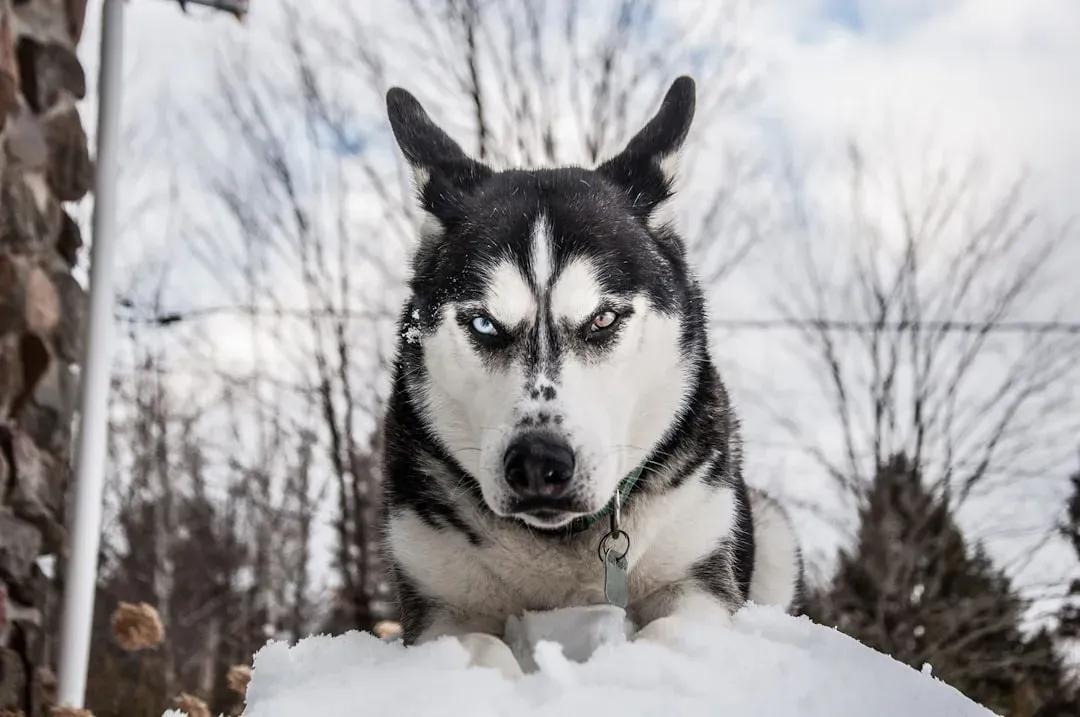
In several experiments, dogs show subtle but consistent signs that they find angry human expressions unpleasant or even threatening. They may avoid looking directly at angry faces, hesitate to approach them, or choose a neutral or happy expression when given options on a screen or in controlled tests. Their heart rate and stress-related behaviors can change too, hinting that these images are not just visually different; they feel emotionally loaded.
This makes sense from a survival and social standpoint. Dogs have evolved alongside humans for thousands of years, and being able to anticipate conflict or danger by picking up on early facial cues would be a huge advantage. In everyday life, angry human faces often precede raised voices, tense movements, or punishment. Over time, both evolution and individual learning likely teach dogs that an angry face is a red flag, something to steer clear of whenever possible.
The Role of Learning, Experience, and Past Treatment
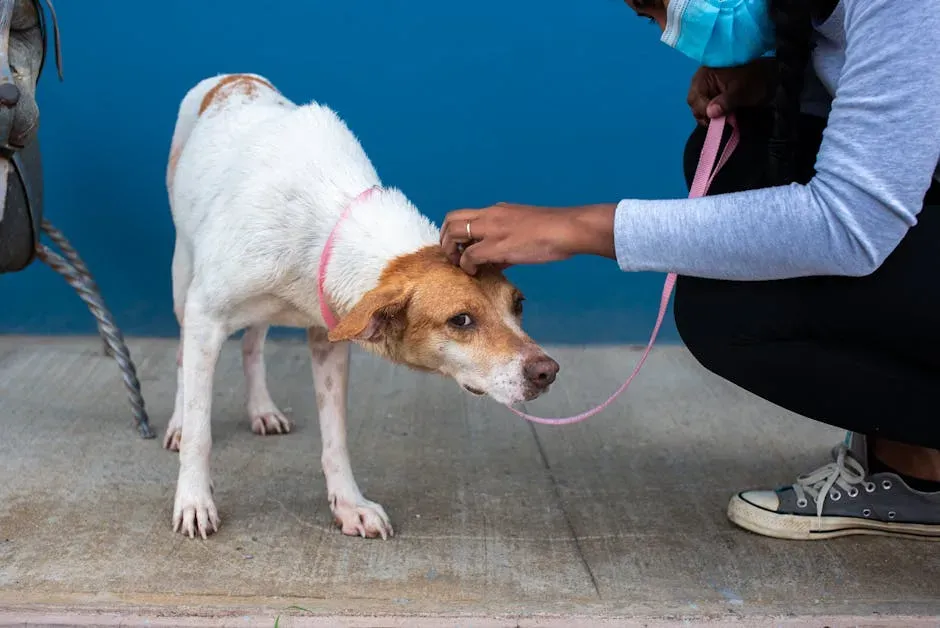
Not every dog reacts to angry and happy faces in exactly the same way, and experience plays a big role. A dog who has often been scolded or roughly handled by an angry person is more likely to find those expressions deeply aversive, sometimes to the point of showing fear or defensive behavior. On the other hand, a dog raised in a calm, predictable home might show milder avoidance and simply become wary when a face tightens or brows knit together.
Dogs are exceptionally good at forming associations: if certain facial expressions have repeatedly predicted bad outcomes – like being yelled at, grabbed, or ignored – those expressions become emotionally charged. This learning process is similar to how humans might flinch at a tone of voice that once signaled trouble in childhood. The science shows that while there is likely an innate sensitivity to threatening cues, an individual dog’s history with humans can amplify or soften that reaction.
Beyond Faces: How Dogs Blend Multiple Emotional Signals
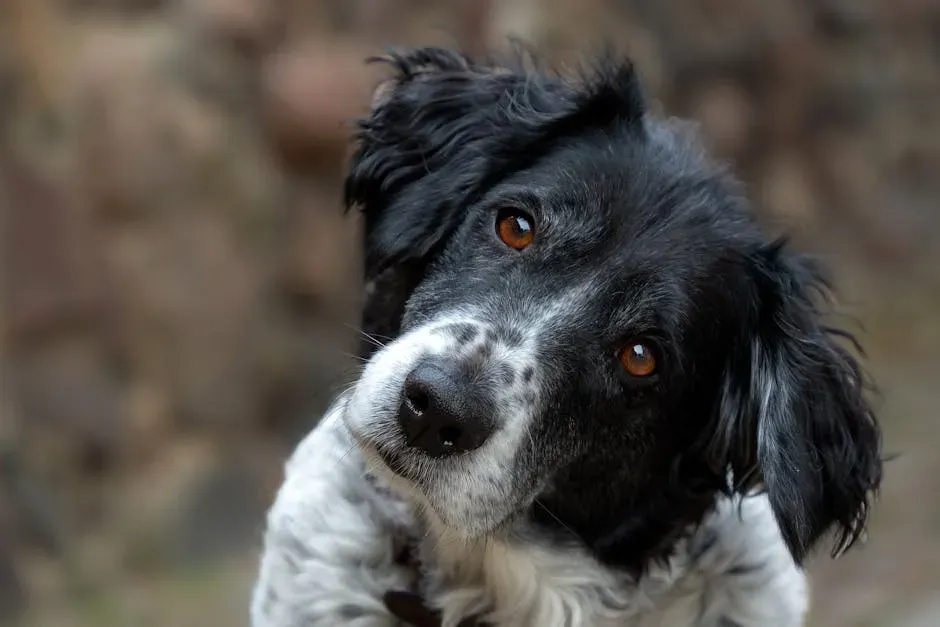
Although facial expressions are powerful cues, dogs are not relying on faces alone. Studies indicate that they integrate facial information with vocal tone, posture, and even scent to form a more complete picture of what a human is feeling. For example, when shown an angry face paired with a happy voice, or vice versa, dogs often look longer or show signs of confusion, as if the mismatch between channels stands out as strange.
In more natural settings, this blending of signals is even more complex. Your dog registers your steps on the stairs, the way your shoulders are set, how you close the door, and the smell of your stress hormones along with the look on your face. The angry half-smile you think is subtle might clash with your stiff body language and faster breathing, creating a composite emotional message your dog cannot ignore. To them, you are not a collection of separate cues; you are one moving, feeling whole.
What This Means for Your Relationship With Your Dog

Knowing that your dog can distinguish between your happy and angry expressions – and that anger feels aversive even from a partial view – should change how you think about everyday interactions. When you come home frustrated and think you are hiding it, your dog may still pick up enough from your face to feel uneasy. Over time, repeated exposure to tense, unhappy expressions around them can erode a dog’s sense of safety and predictability, especially if those expressions sometimes lead to harsh words or punishment.
On the positive side, this same sensitivity means your dog is incredibly responsive to warm, open, relaxed expressions. Soft eyes, gentle smiles, and a calm face can become as rewarding and reassuring as treats and toys. In my own life, I have watched a previously anxious rescue dog gradually start checking my face for emotional “weather updates,” visibly relaxing when she sees that my expression is calm instead of tight or dark. It is a humbling reminder that our inner world is not hidden from them the way we think.
Practical Ways to Use This Science in Everyday Life
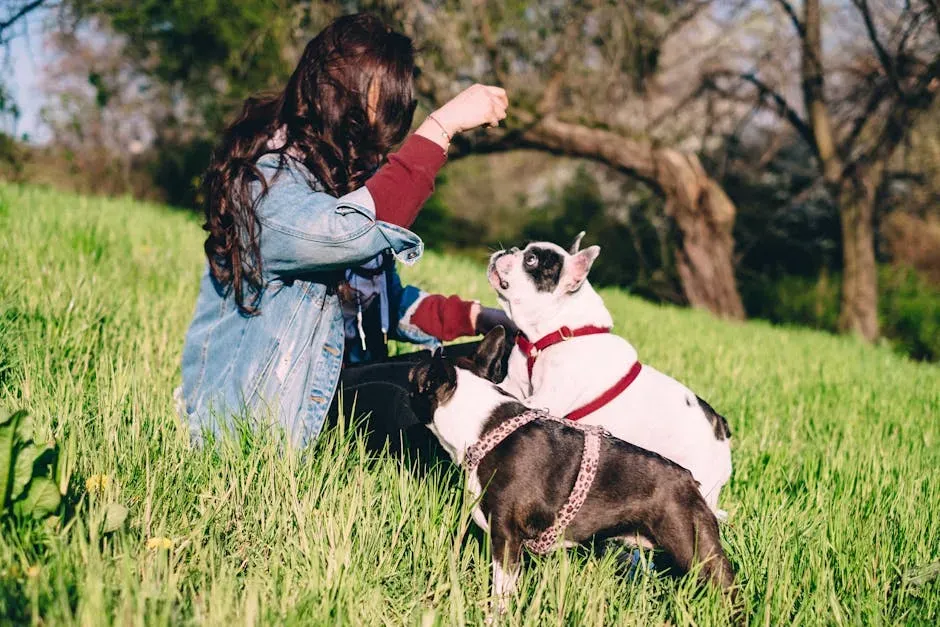
Once you accept that your dog pays close attention to your face, you can deliberately use that knowledge to support better training and a more secure bond. For instance, during training sessions, making sure your expression is consistent with your goal really matters: if you are trying to encourage a nervous dog to try something new, but your face is tense with impatience, the mixed signals will slow progress. Combining a genuinely relaxed, encouraging expression with rewards makes your emotional message clearer and safer to follow.
Similarly, when you are angry about something unrelated – traffic, work, your phone – it helps to consciously soften your face and body when you interact with your dog. They are not the cause of your mood, but they will still feel affected by it. Taking a moment to breathe, relax your jaw, and offer a gentle eye expression before asking your dog to do anything might sound small, yet over hundreds of repetitions it shapes their entire sense of what it feels like to live with you.
Do Dogs Really “Understand” Us – Or Are They Simply Avoiding Trouble?
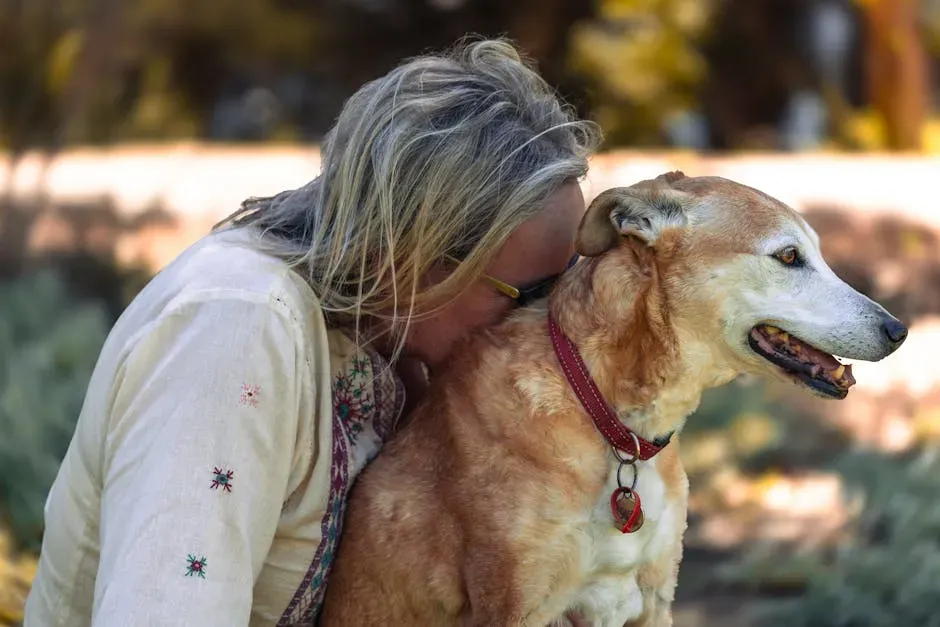
A big philosophical question under all this research is whether dogs truly understand human emotions in a rich, human-like way, or whether they are simply reacting to patterns that predict good or bad outcomes. The truth is probably somewhere in between. Dogs clearly form emotional associations with our expressions, and they also seem capable of linking those expressions to their own internal states, like safety, comfort, or anxiety.
We should be cautious not to project human-level reasoning onto them, yet it is also too simplistic to say they are just stimulus-response machines. Over many years of living with us, dogs have become specialists in human behavior, tuning into our faces the way we might tune into a close friend’s tone on the phone. Whether we call it understanding or finely tuned pattern recognition, the end result is the same: they experience our emotional expressions in a very real, visceral way.
Opinionated Conclusion: Your Face Is Part of Your Dog’s Environment
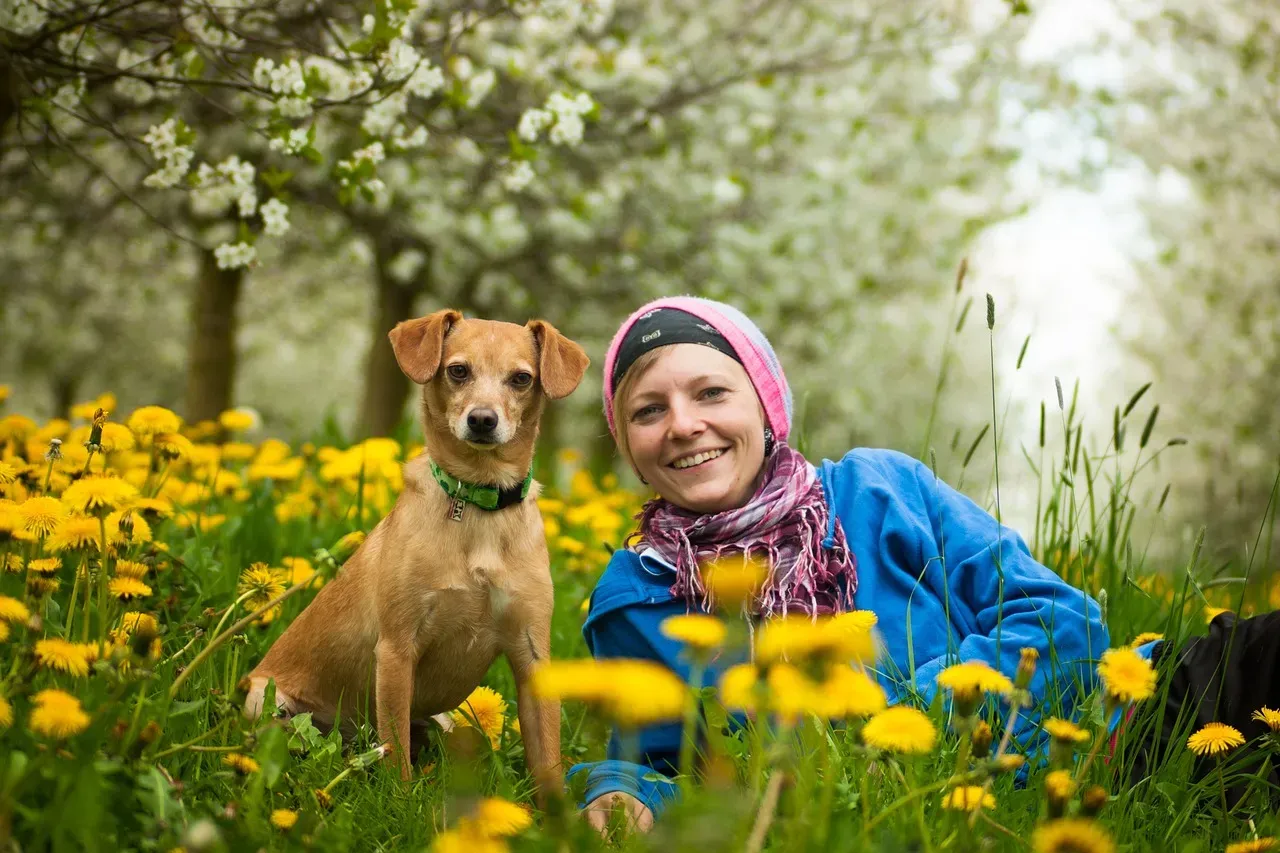
When you look at the science as a whole, one thing becomes clear: your face is not a neutral backdrop in your dog’s world. It is an active, powerful signal that can either build trust or chip away at it, moment by moment. In my view, we underestimate just how exhausting it can be for a sensitive dog to live with a human whose expression swings frequently from warmth to anger, sometimes over things the dog can never predict or control.
If dogs consistently find angry expressions aversive, even when only half of the face is visible, then we owe it to them to be more intentional about what our faces are saying. That does not mean faking happiness or never feeling frustration; it means recognizing that a creature who loves you is studying the lines around your eyes and the set of your mouth as if their safety depends on it. The question is not whether your dog can read your face – the evidence says they can. The real question is: what story do you want your face to tell them every day you share a life together?


