
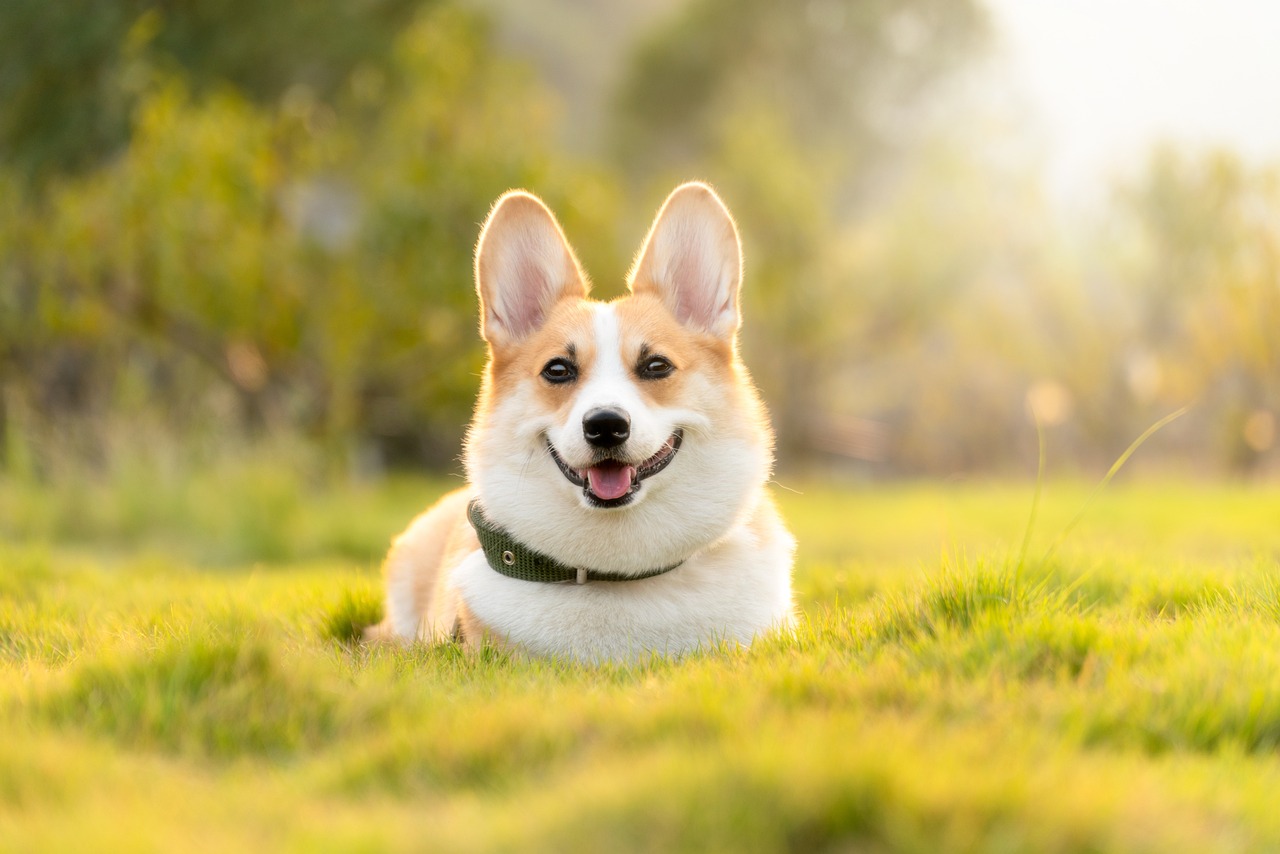
Some dogs seem to hit two years old and suddenly turn into little old professors, calm and serious, like they’re contemplating taxes instead of tennis balls. Others? They simply never get the memo that they’re “grown up.” They bounce, wiggle, play, and look at you with the same wide-eyed wonder they had as tiny pups, even when they’re technically well into adulthood.
If you’ve ever met a dog that still acts like an overexcited toddler at five years old, you know how hilariously exhausting and deeply endearing that energy can be. This article dives into seven dog breeds that are especially famous for keeping that puppy-like spirit for years. We’ll look at what makes them so eternally youthful, how their bodies and brains develop, and what kind of homes they truly thrive in – so you can decide if you actually want a “forever puppy” in your life.
Labrador Retriever: The Classic Goofy “Forever Kid”
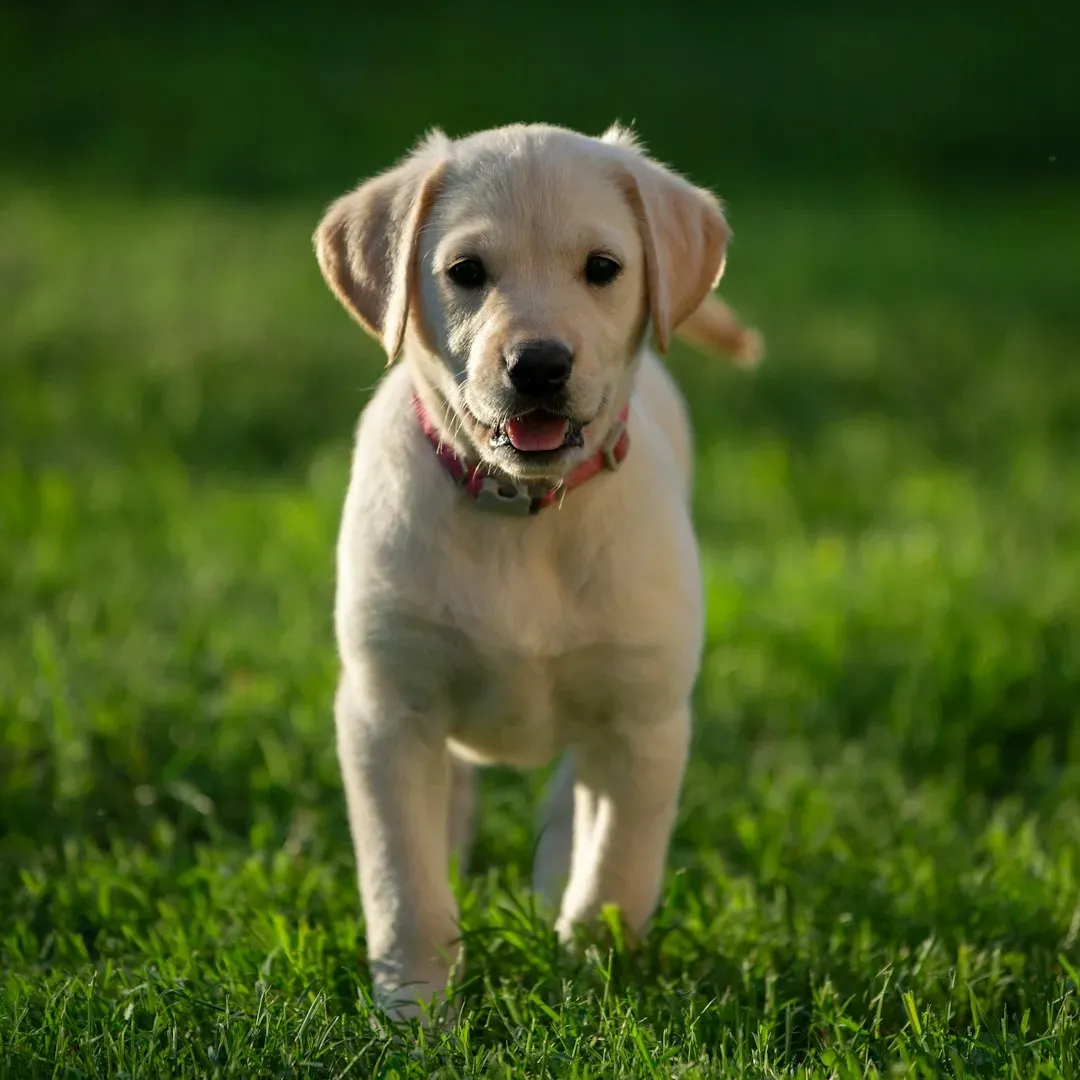
Labrador Retrievers mature physically into strong, athletic dogs, but behaviorally many of them feel like teenagers until at least three to four years old. They’re bred to be working retrievers with high motivation, energy, and sociability, and that combination often looks a lot like permanent puppy mode in the average home. Labs tend to be extremely people-focused, eager to greet every stranger, and always ready to play fetch, swim, or wrestle on the floor.
There’s also a biological reason they feel so bouncy for so long: as an active, sporting breed, they were selected for stamina, enthusiasm, and resilience. Those traits are phenomenal if you want a running partner or a dog for field work, but they can be overwhelming if you imagined a calm couch companion. With consistent training, regular off-leash exercise in safe spaces, and mental enrichment like scent games or puzzle toys, a Lab’s “puppy energy” becomes their greatest charm instead of a daily battle.
Golden Retriever: Eternal Sunshine in Dog Form
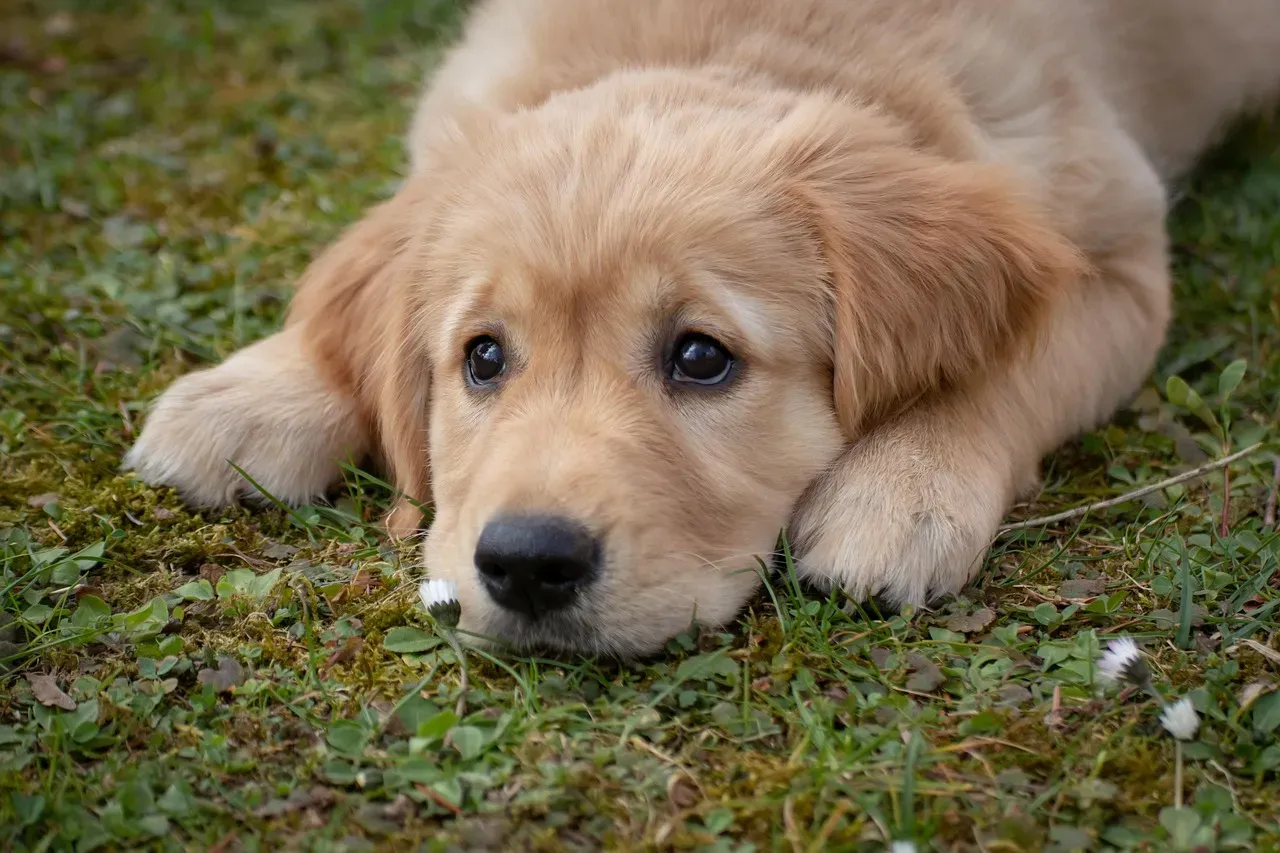
Golden Retrievers are often described as having a permanently soft, youthful expression, and their personalities usually match that look. Many Goldens stay playful, bouncy, and emotionally expressive well into middle age, greeting life with the enthusiasm of a child running into a theme park. Even as their joints age, a lot of them still light up when they see a ball, a lake, or their favorite human, and they often keep that silly, clownish streak that makes them feel like big, feathery puppies.
From a behavioral standpoint, Goldens were bred for both cooperation and high drive in the field, which means their brains are wired to engage, learn, and respond to humans. That drive, combined with their gentle temperament, can look like over-the-top friendliness and boundless affection, especially in social settings. To keep a Golden’s puppy-like nature healthy and manageable, they need consistent structure, obedience training rooted in positive reinforcement, and daily outlets for both their bodies and minds – think retrieving games, trick training, and even beginner-level dog sports.
Beagle: The Forever-Puppy Scent Detective
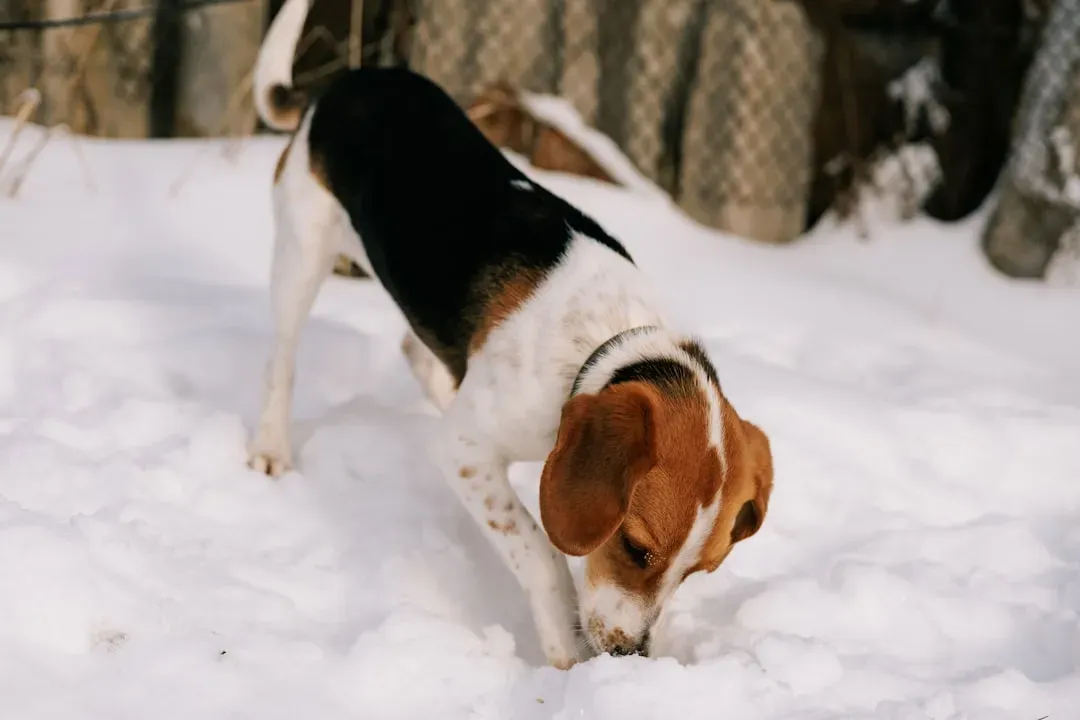
Beagles often stay compact, baby-faced, and wide-eyed, so people regularly mistake adult Beagles for youngsters. But it’s their behavior that really sells that puppy vibe: curious, easily distracted, stubborn in a mischievous way, and constantly on the hunt for the next interesting smell. They were bred as scent hounds to follow trails for long periods, so their brains are set up to chase novelty and stimulation, much like an energetic child in a candy store.
That same curiosity can mean Beagles are slower to settle into calm, predictable routines compared with some other breeds. Many stay busy, vocal, and playful well into adulthood, and they can get themselves into trouble if their environment isn’t set up thoughtfully. Secure fencing, plenty of sniff walks, and enrichment that taps into their nose – like food searches, tracking games, or scatter feeding in the yard – help channel that puppy-like energy in ways that feel satisfying rather than chaotic.
Boxer: The Bouncy Clown That Refuses to Grow Up
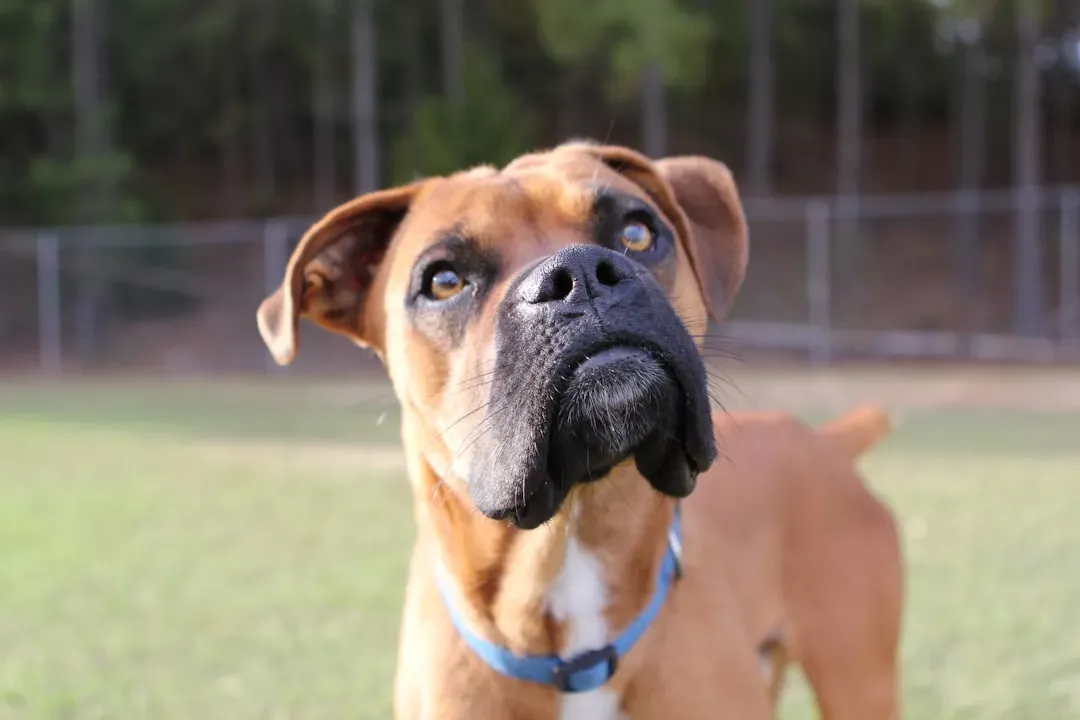
Boxers have a reputation among trainers and veterinarians as late emotional maturers, often keeping exuberant, puppy-like behavior until four or five years old. Their body language is big and dramatic: full-body wiggles, play bows, and joyful “zoomies” that can send coffee tables flying if you’re not careful. They were bred as working and guard dogs, combining strength and courage with high energy, which makes for a dog that is intensely physical and expressive.
Because the typical Boxer is so spirited and athletic, without enough structure they can come across as wild, impulsive, and overwhelming. Early socialization, consistent boundaries, and outlets like agility, flirt pole play, or tug can transform that same exuberance into something fun instead of frustrating. If you enjoy a dog that makes you laugh every day, leans on you like a best friend, and still behaves like a playful puppy at an age when many other dogs are calming down, a Boxer’s long-lasting youthfulness can be incredibly rewarding.
Cavalier King Charles Spaniel: Soft-Faced, Soft-Hearted “Baby”
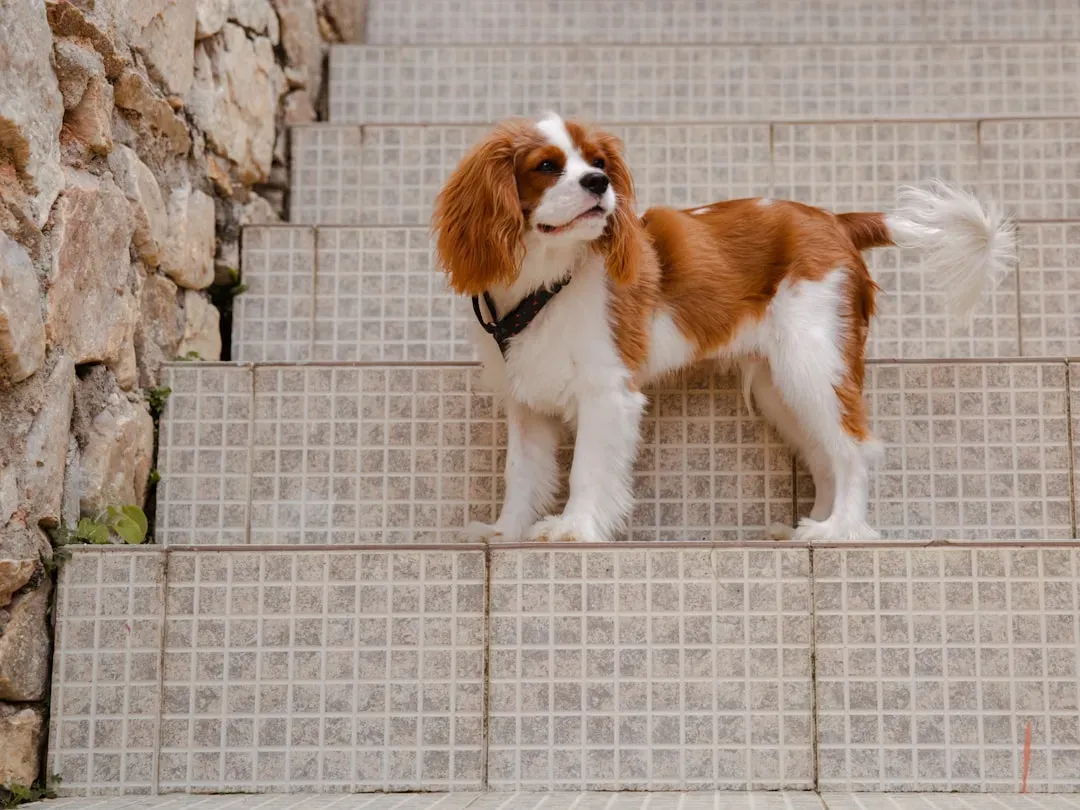
Cavalier King Charles Spaniels often keep a strikingly puppy-like appearance: big, round eyes, soft muzzles, and feathered ears that give them a permanently youthful look. But their personalities are just as important as their faces when it comes to feeling like a forever puppy. Many Cavaliers remain very affectionate, gently playful, and people-oriented throughout their lives, choosing human company over almost anything else and responding with joy to even small doses of attention.
Unlike some other puppy-like breeds that express their youth through chaos and high energy, Cavaliers show it through emotional dependency and sweetness. They often crave closeness, like a little child who always wants to be held, and they can be sensitive to being left alone too long. Regular companionship, gentle training, and moderate exercise – such as leisurely walks and short play sessions – help keep their puppyish charm balanced and healthy. For someone who wants a smaller dog that still radiates that young, loving, “hold me” vibe, Cavaliers are a strong fit, provided their health and emotional needs are taken seriously.
Corgi (Pembroke and Cardigan): Short Legs, Big Puppy Attitude
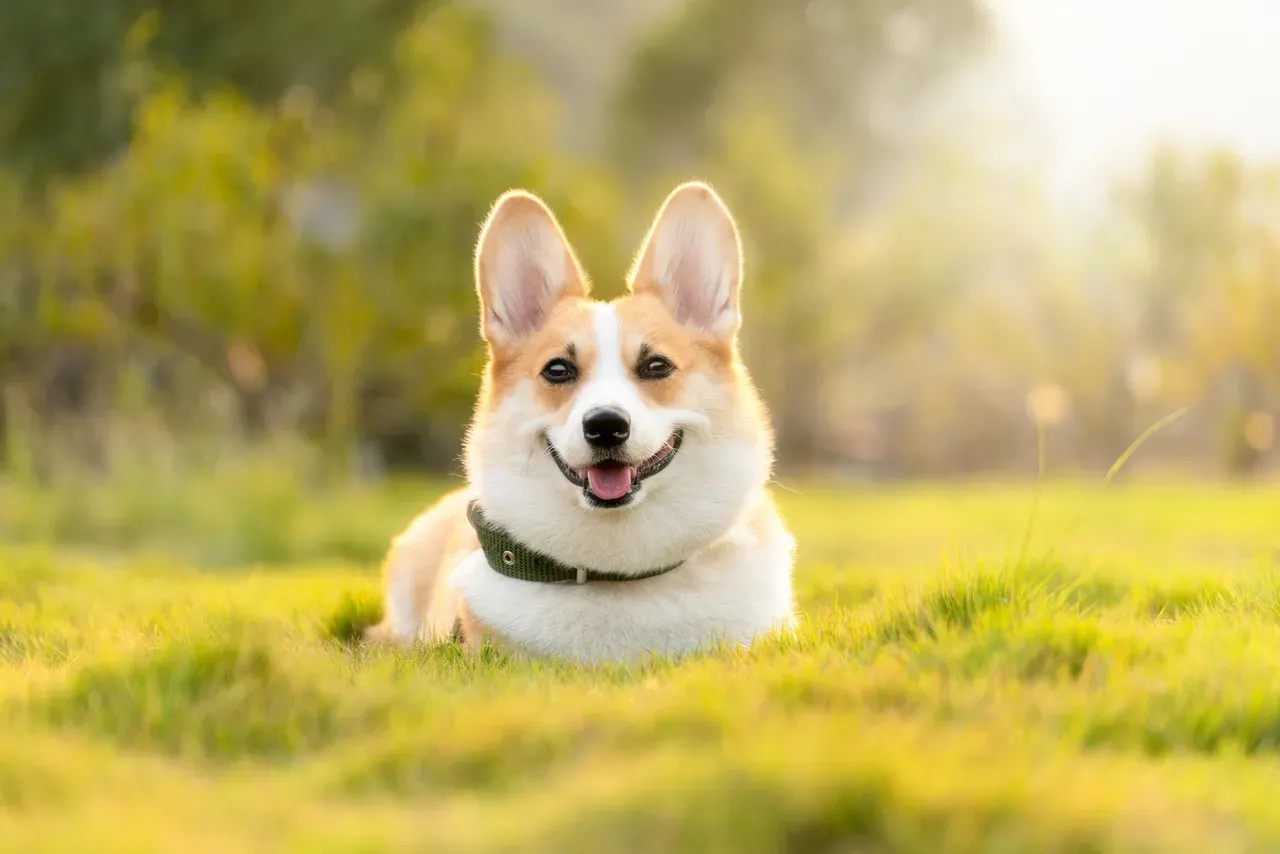
Both Pembroke and Cardigan Welsh Corgis are often mistaken for puppies long after they have reached adult size, partly because of their short legs and compact bodies. But beyond appearance, they carry a playful, cheeky, and sometimes downright bossy temperament that feels very much like a clever kid testing boundaries. They were originally herding dogs, meant to move cattle and think independently, and that heritage gives them a blend of intelligence, alertness, and spunk that does not fade quickly with age.
As adults, many Corgis still chase, nip at heels in play, steal toys, and make up their own games, which can be both hilarious and exasperating. They thrive with mental challenges such as puzzle feeders, basic obedience games, and even beginner herding or rally-style training. Without enough mental and physical outlets, that youthful spirit can turn into barking, herding family members, or guarding behavior. For owners who like a dog with a big personality in a small package, a Corgi’s long-lasting puppy attitude can be exactly the right kind of chaos.
Shiba Inu: The Fox-Faced, Forever-Teen Personality
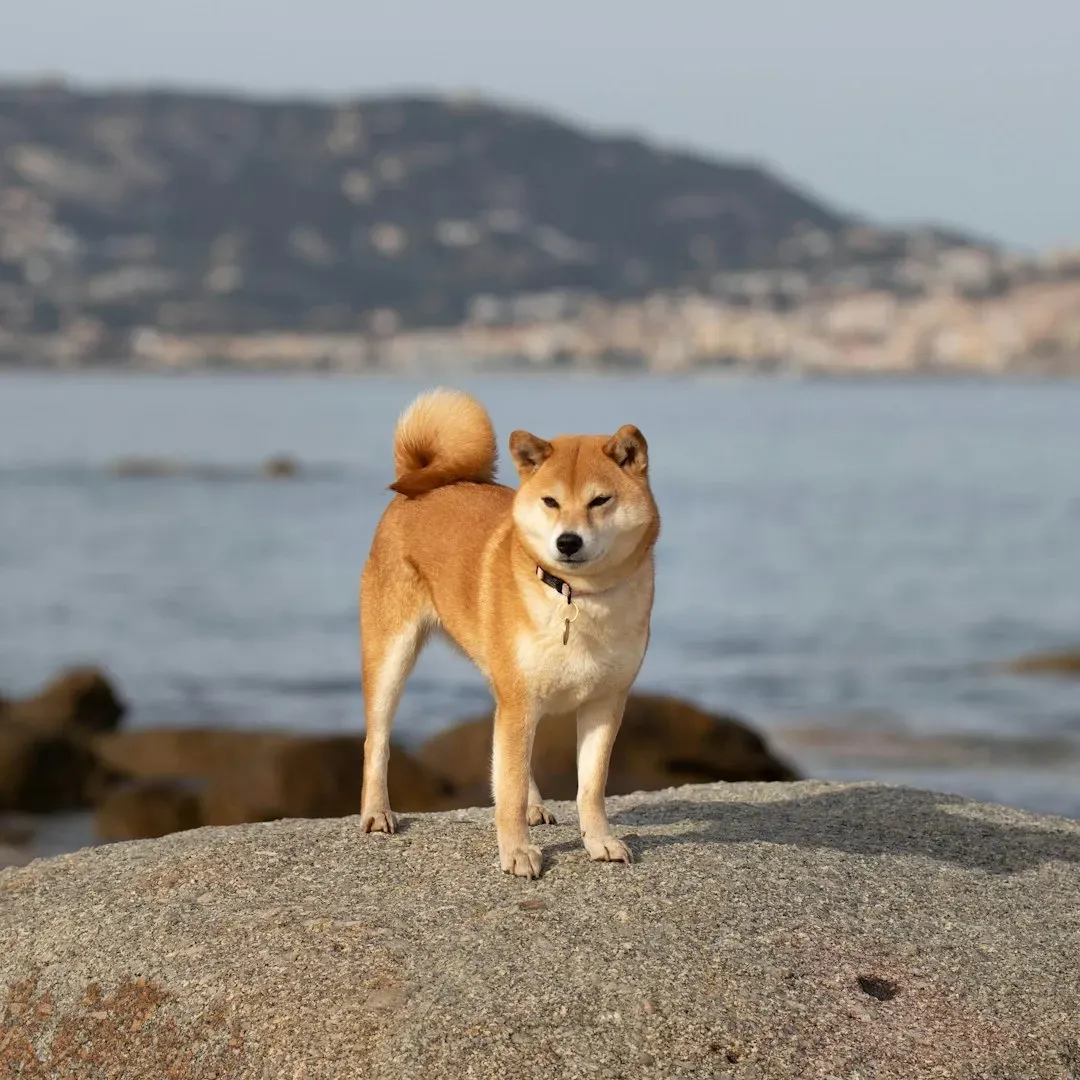
Shiba Inus keep a very youthful, fox-like appearance, with upright ears, curled tails, and expressive faces that stay almost toy-like well into adulthood. Behaviorally, many Shibas feel less like puppies and more like teenagers who never quite grow out of their independent streak. They are energetic, curious, and sometimes dramatic in how they respond to the world, from sudden bursts of zoomies to highly opinionated reactions when they dislike something.
Bred as small hunting dogs, Shibas are wired to make decisions quickly, move with agility, and rely on their own judgment, which can come across as stubborn or aloof. Yet, when they choose to engage, they can be silly, playful, and intensely charming, much like a teenager who occasionally remembers they actually like their family. To keep this youthful boldness manageable, they need early socialization, consistent training, and safe, secure environments, since many have a strong prey drive and love to explore. For owners who appreciate a dog with a strong sense of self and a playful, sometimes mischievous spirit, the Shiba’s forever-teen vibe is part of the appeal.
Border Collie: The Hyper-Focused “Gifted Kid” Who Never Slows Down
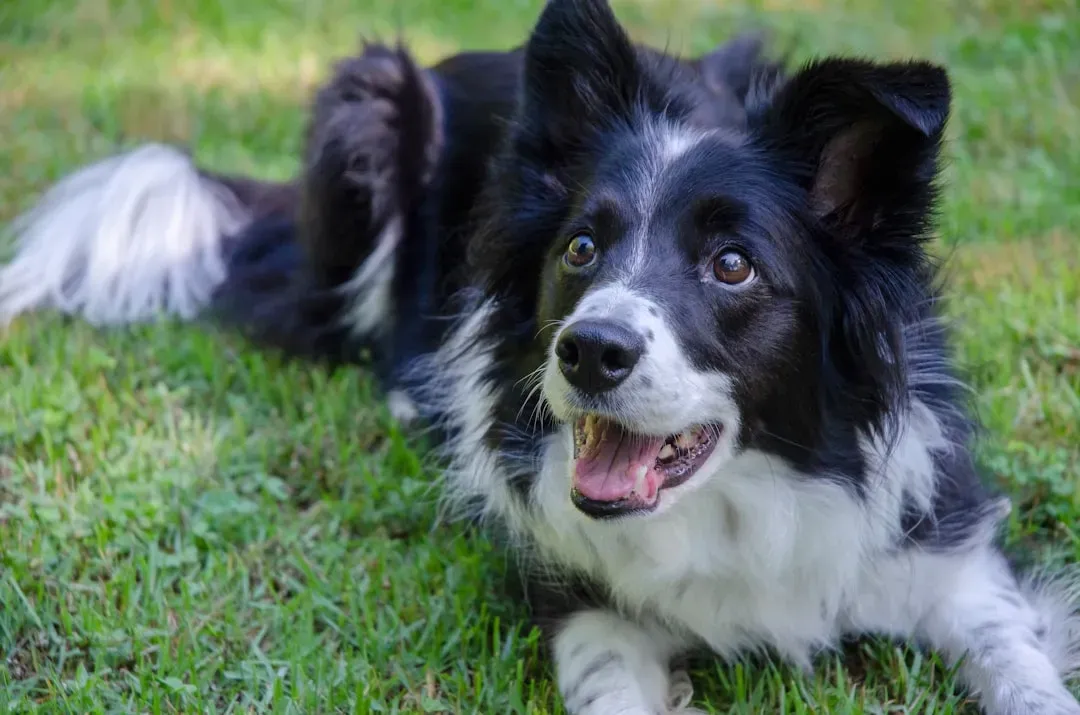
Border Collies might not always look like tiny puppies, but psychologically many of them never move into that calm, laid-back phase people expect from adult dogs. Instead, they behave like highly gifted, hyperactive children who always need something to solve, chase, or control. Bred to herd sheep for long hours, they have intense focus, stamina, and mental drive, and that engine does not magically shut off when they turn two.
Because their minds are so active, a Border Collie kept as a simple pet without real work can seem permanently restless, demanding, and on the verge of inventing trouble just for stimulation. That perpetual “puppy” feel is less about goofiness and more about relentless need for a job. They thrive on structured training, dog sports like agility or herding trials, and complex games that make them think. In the right home, that lifelong intensity is breathtaking, but for someone expecting a snuggly, low-key companion, a Border Collie’s eternal youth can feel more like a mismatch than a gift.
Conclusion: The Real Cost of a “Forever Puppy”
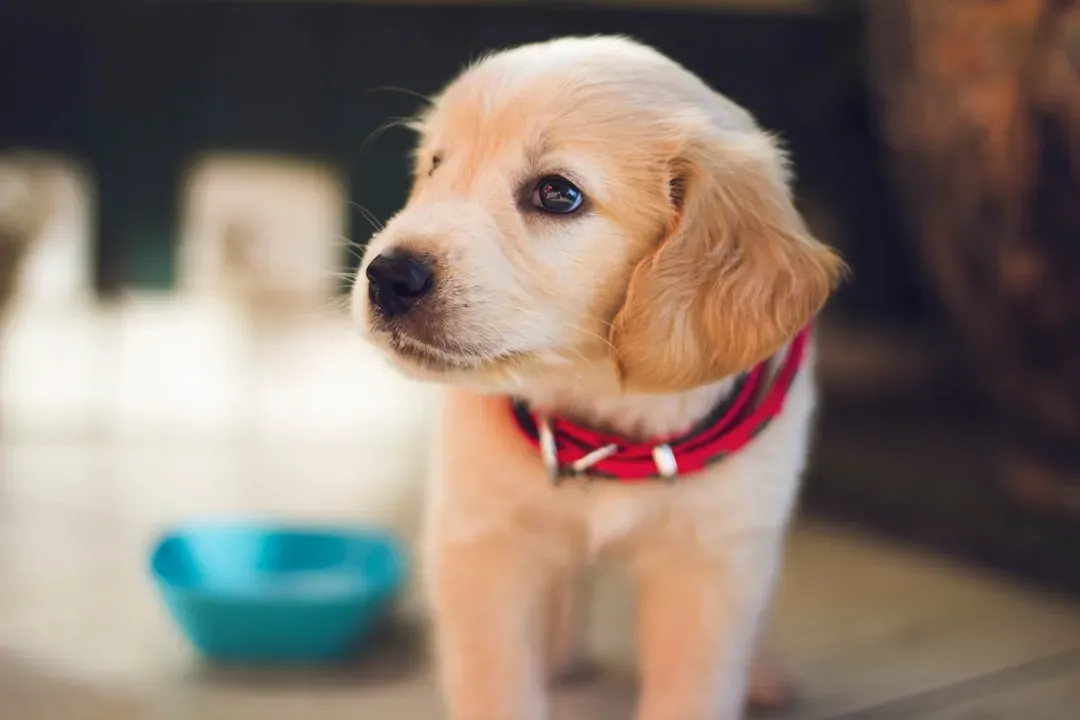
Wanting a dog that stays puppy-like is completely understandable; that joyful, silly, unfiltered energy is one of the best things about sharing life with a dog. But the breeds that keep that youthfulness the longest also tend to demand the most from us: more exercise, more training, more patience, and more creativity in how we meet their mental and emotional needs. A Labrador that never grows up, a Beagle that never stops following its nose, or a Border Collie that never stops thinking can be a delight – but only if we’re honest about the work involved.
In my view, calling these dogs “forever puppies” is both sweet and a little misleading; they are not toys that stay cute, they are athletes and thinkers who need a job and a partner. If you love the idea of years of games, adventures, and a dog that still acts delighted to see you like it is the first time, one of these breeds might be exactly right for you. But if you truly want calm evenings and a dog that is content with short walks and long naps, their puppy-like nature will probably feel like too much. The real question is not which dog stays young the longest, but which kind of “forever puppy” energy fits the life you actually live – what would you honestly choose?


