
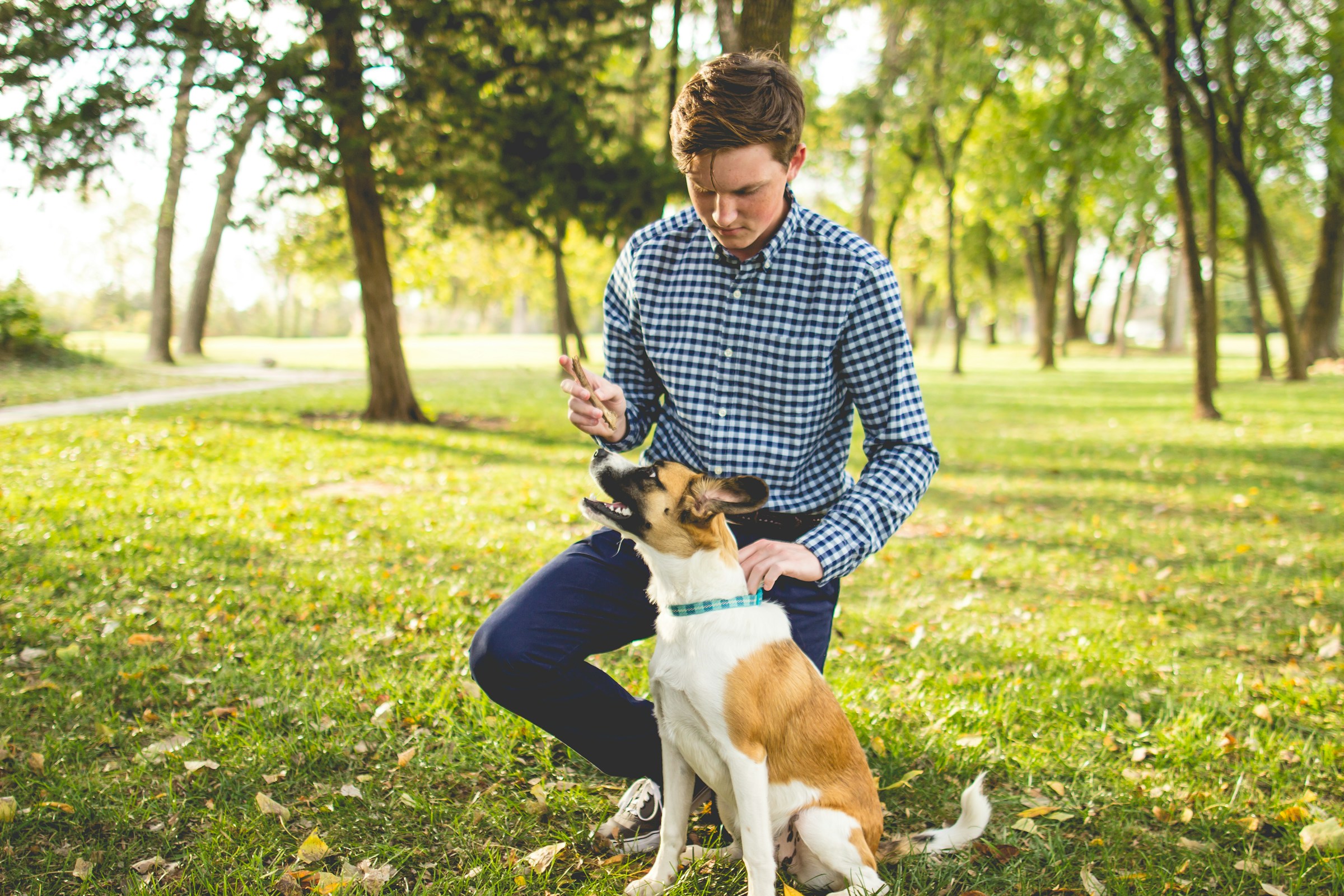
You can buy the fanciest bed, the trendiest harness, and the most expensive food on the shelf, but none of that automatically makes you a good dog parent. What actually matters shows up in the tiny, everyday patterns: how you respond when your dog is scared, how you handle “bad” behavior, and whether you see your dog as a partner or as a problem to manage. That’s where the real story of your relationship lives.
The tricky part? Most people are harder on themselves than they need to be. You might be doing better than you think in some areas and quietly dropping the ball in others. In this article, we’ll walk through seven solid signs that you’re genuinely doing right by your dog and three signs that could use some honest work. You’ll probably recognize yourself in more than one of these – and that’s the point. Good dog parenting is not perfection; it’s being willing to keep learning.
1. You Read Your Dog’s Body Language, Not Just Their Bark
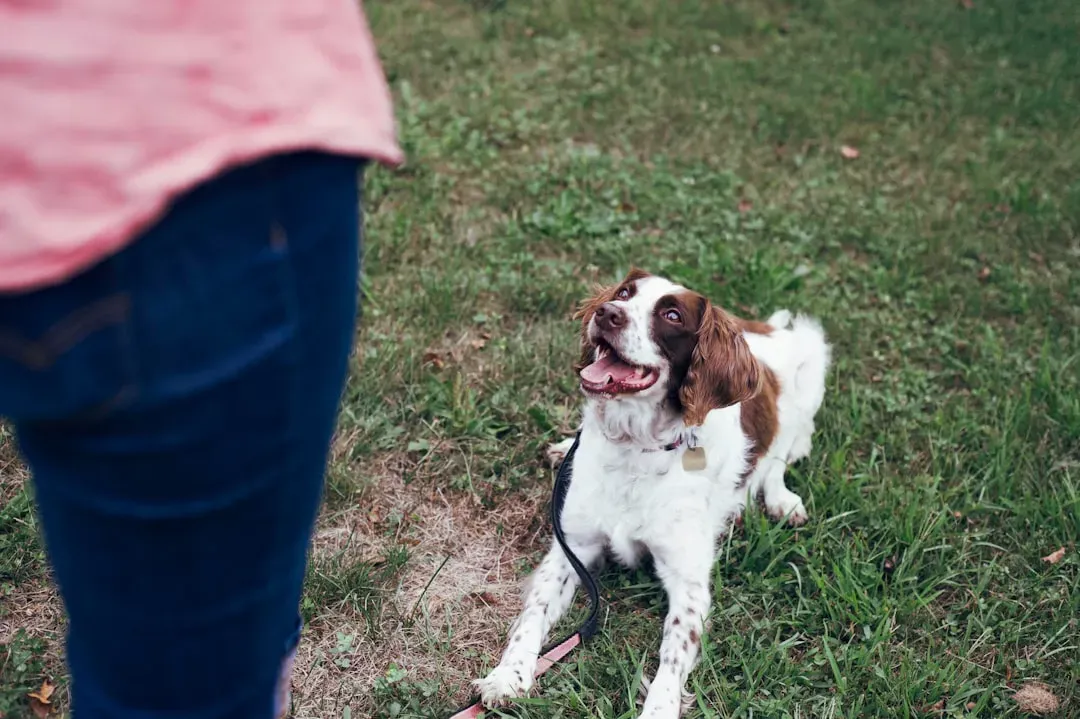
One of the clearest signs you’re a good dog parent is that you pay attention to your dog’s subtle signals, not just the obvious ones like barking or whining. You notice when their ears shift back slightly, when their tail goes from loose and wiggly to stiff, or when they start lip-licking and turning their head away. Instead of shrugging this off, you treat it as important information about how they’re feeling.
This is more than just “being observant” – it’s emotional literacy in another species. Research on canine communication shows that stress, discomfort, and fear often appear first in small body cues long before a dog growls or snaps. When you adjust what you’re doing based on those early signals – giving space, slowing down, or changing environments – you’re telling your dog that their feelings matter and that you’re safe to be honest with.
2. You Prioritize Positive, Science-Based Training Over Punishment
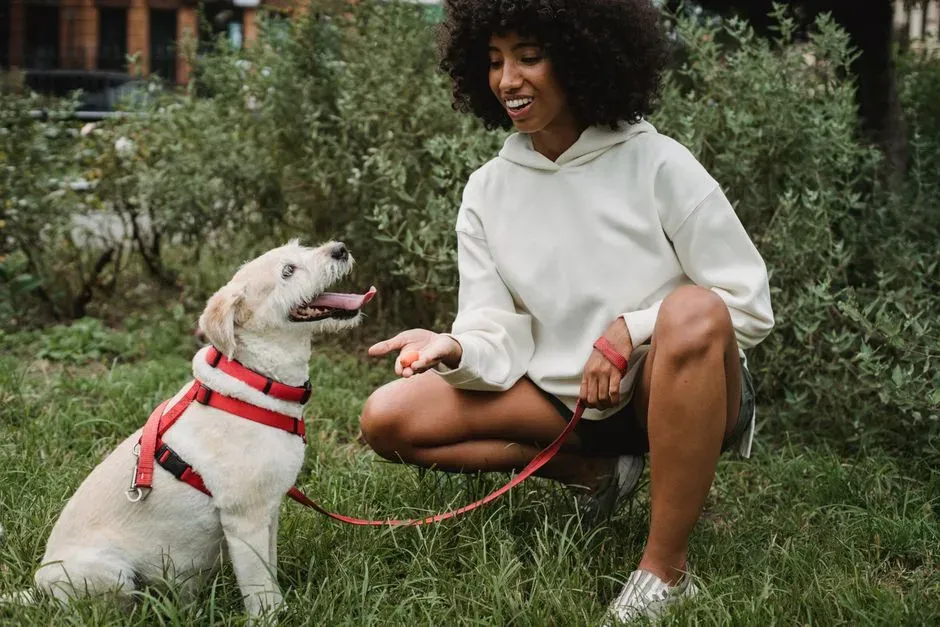
If your instinct is to reward the behavior you want instead of punishing the behavior you don’t, you’re already ahead of the curve. Modern animal behavior science consistently supports positive reinforcement and fear-free methods as the most effective and humane way to train. That means you use treats, toys, praise, and real-life rewards like going outside or getting on the couch to teach your dog what works.
Just as importantly, you’re skeptical of harsh corrections, yelling, leash pops, or “dominance” techniques that rely on fear or pain. You might make the occasional mistake in frustration (we all do), but you circle back and try to do better next time. Choosing methods that protect your dog’s mental and emotional wellbeing – rather than just forcing compliance – is a powerful mark of a good dog parent.
3. Your Dog’s Daily Life Is About More Than Just Surviving
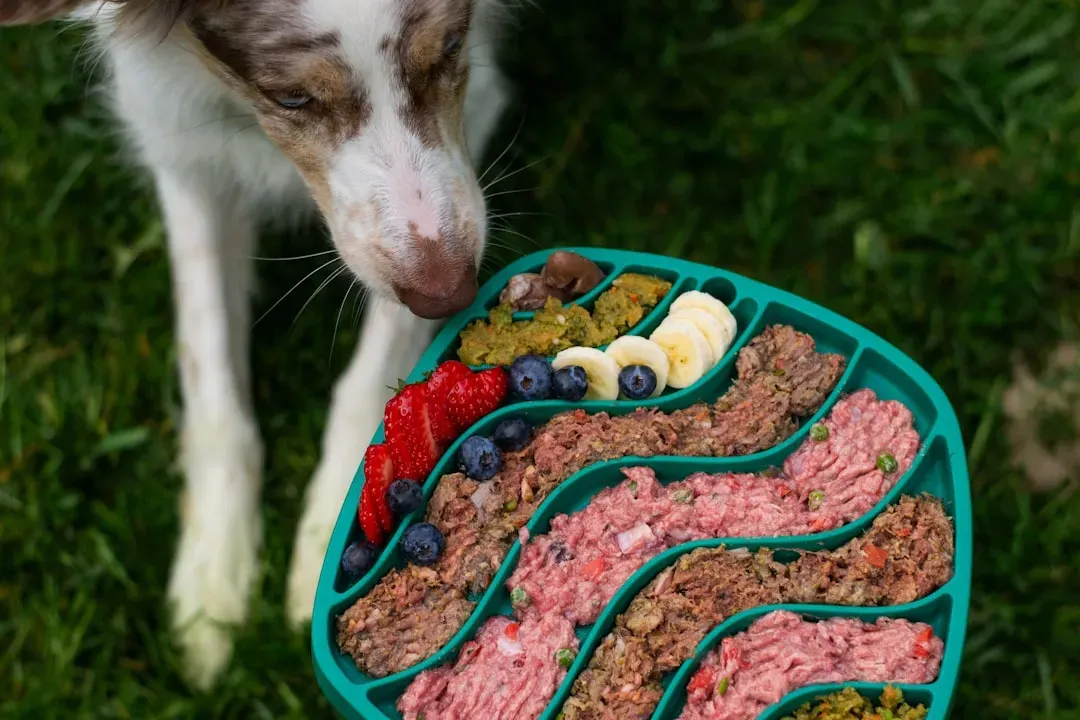
A roof and a food bowl are the bare minimum. If you’re thinking in terms of quality of life rather than just basic care, that’s a huge sign you’re doing this right. You plan walks that let your dog sniff, explore, and move at a reasonable pace instead of dragging them from point A to point B like a chore. You rotate toys, offer chews, puzzle feeders, or training games, and give them opportunities to use their brain.
Behaviorists often talk about “enrichment,” which basically means giving your dog safe ways to express their natural instincts – like sniffing, shredding, chewing, digging, chasing, and problem-solving. When you build this into your dog’s routine, you’re not just preventing boredom; you’re lowering stress and reducing the odds of “bad” behaviors that come from frustration. A dog whose life is rich, varied, and mentally satisfying usually acts and feels better overall.
4. You See the Vet as a Partner, Not a Last Resort

If you’re proactive about vet care rather than reactive, that’s a strong mark in your favor. Good dog parents keep up with routine checkups, vaccines, parasite prevention, and dental health instead of waiting until something is obviously wrong. You also watch for subtle changes: drinking more water, slowing down on walks, being grumpier, or licking one paw repeatedly. These small shifts can be early signs of pain or illness, and you don’t just hope they magically resolve.
Equally important, you’re not afraid to ask questions and advocate for your dog kindly but firmly. You seek clarity when something doesn’t make sense and are open to second opinions for complex issues. And when your vet recommends something evidence-based that’s in your dog’s best interest – even if it’s inconvenient or expensive – you do your best to make it happen or find a realistic compromise. Treating your dog’s health as a priority rather than an afterthought is a hallmark of responsible care.
5. You Respect Your Dog’s Boundaries and Personality

Not every dog is a social butterfly who wants to greet strangers, hug kids, or play with every dog at the park – and good dog parents accept that. You’re tuned in enough to know whether your dog actually enjoys certain situations or is simply tolerating them. Instead of forcing them to “just deal with it” at crowded events, loud cafes, or chaotic family gatherings, you protect their comfort and give them options.
Respecting your dog’s boundaries can look like saying no when someone wants to pet them, leaving a party early, or skipping the dog park because your dog prefers one-on-one play. It might mean giving them a safe room when guests visit or allowing them to choose when to cuddle and when to walk away. When you treat your dog like an individual with real preferences – not a prop or a toy – you’re showing deep, genuine care.
6. You Take Responsibility for Their Behavior in Public
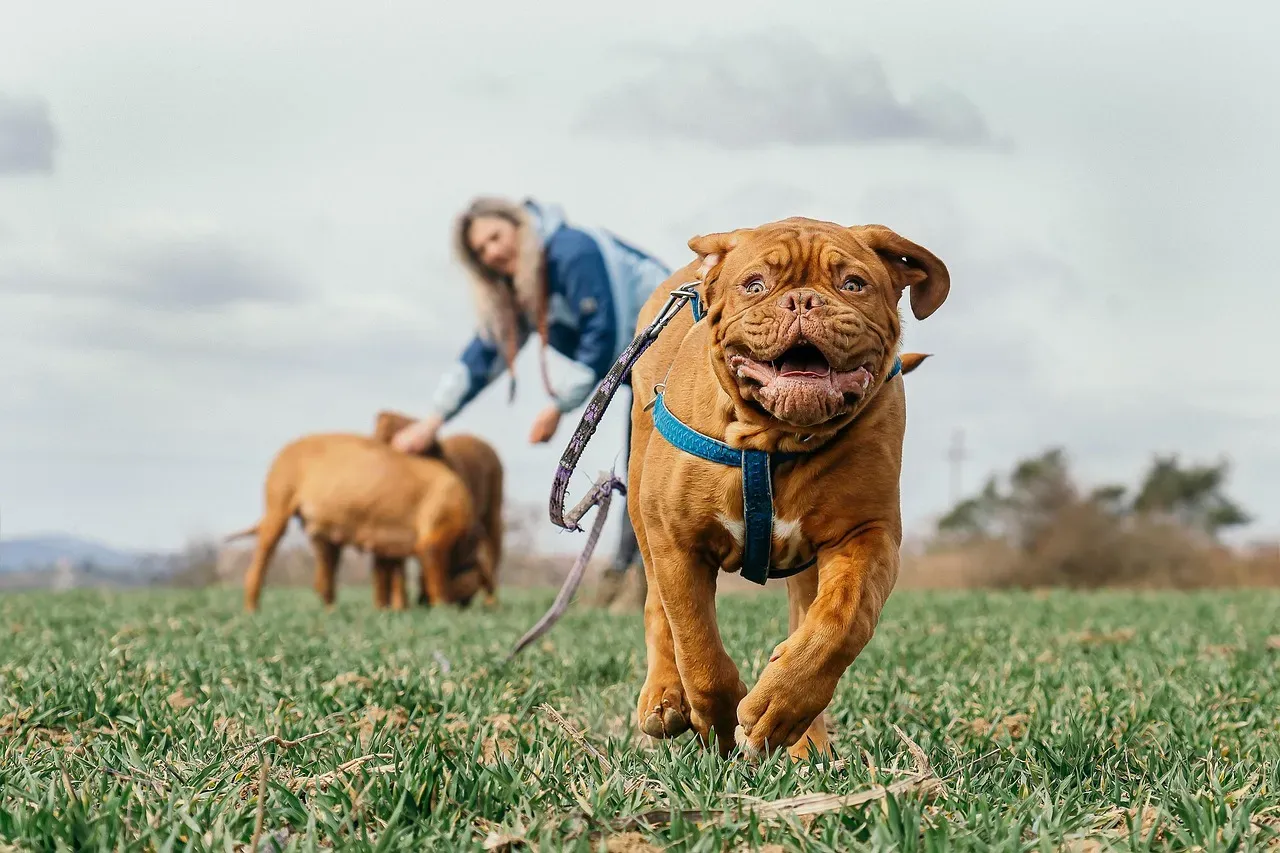
When something goes wrong – like your dog barking, lunging, or jumping – you don’t blame the world or claim your dog is just “being a dog.” Instead, you step back, create distance, apologize when needed, and use the experience as feedback for future training. This kind of ownership requires humility but also shows that you care about your dog’s reputation, safety, and the comfort of others. That mindset benefits your dog in the long run because it keeps doors open instead of getting them labeled as “that problem dog.”
7. You Adjust Your Life Around Your Dog, Not the Other Way Around

Having a dog will absolutely change your routine if you’re doing it thoughtfully. Maybe you turn down late-night plans because you know your dog has been alone enough that day, or you rethink a vacation because the boarding setup didn’t feel right. You might move apartments to get access to green space or choose a vehicle with your dog’s comfort and safety in mind. These decisions may seem small, but they reflect where your priorities really are.
Being a good dog parent doesn’t mean sacrificing every aspect of your life, but it does mean factoring your dog into big and small decisions. Dogs rely on us completely; they don’t get a say in where they live, who they live with, or what their daily schedule looks like. When you consistently keep their needs in the equation instead of treating them as an afterthought, you’re living the responsibility you signed up for, not just talking about it.
8. You Sometimes Confuse Love With “Unlimited Freedom”

Now for the signs that need work – starting with a big one: thinking that letting your dog do “whatever they want” is the same as loving them well. Allowing constant off-leash time without reliable recall, feeding endless table scraps, skipping training because “they’re just a baby,” or never setting boundaries might feel kind in the moment. But over time, it often leads to anxiety, reactivity, health problems, and even dangerous situations.
Healthy structure – like routines, rules around doors, supervised social interactions, and clear expectations – is not controlling; it’s comforting. Dogs tend to feel safer when they understand what works and what doesn’t in your world. If you realize you’ve been trying to make up for guilt or busyness by saying yes to everything, it might be time to rethink what real love looks like for a dog: safety, clarity, and consistency, not chaos dressed up as freedom.
9. You Rely Heavily on Outdated Myths and “Alpha” Ideas
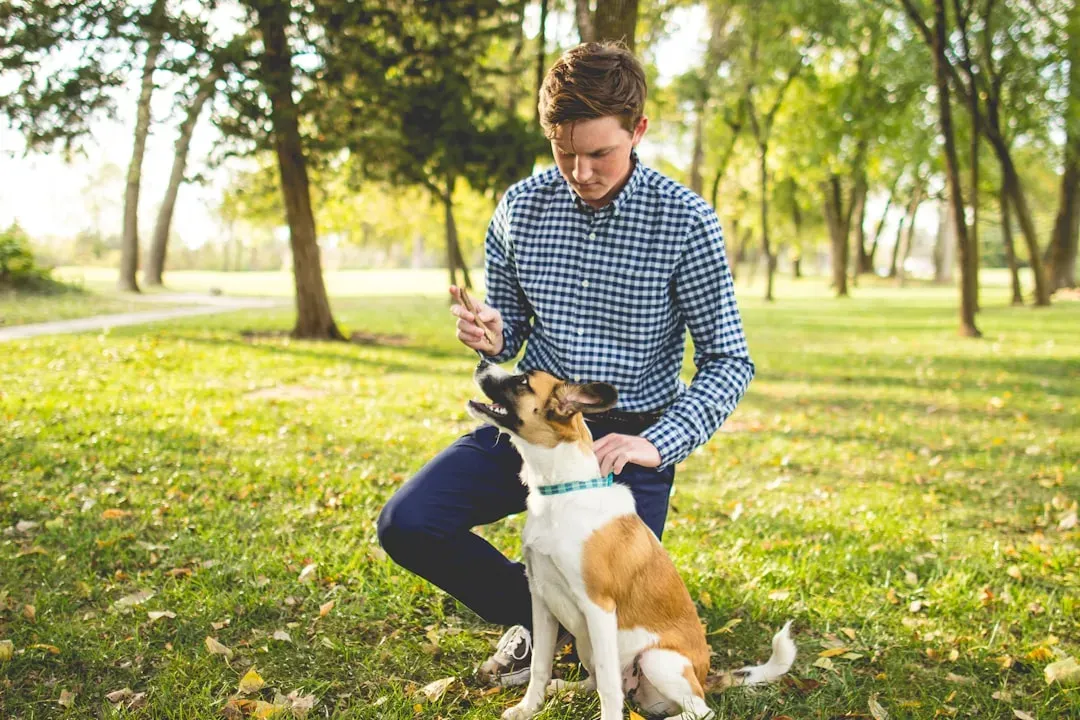
If your approach to your dog is guided mostly by old-school “pack leader” myths, this is a sign that needs serious updating. Ideas like never letting your dog walk ahead of you, always eating before them, or using physical force to “show who’s boss” come from misunderstandings of wolf behavior that even wolf researchers have moved away from. These beliefs can lead to unnecessary conflict, fear, and stress for your dog.
The good news is that this is fixable. There’s a huge amount of modern, science-based information available now from certified trainers and behavior professionals who focus on humane, evidence-backed methods. Shifting away from dominance thinking toward cooperation and communication can transform your relationship. If you catch yourself saying your dog is “stubborn” or “defiant,” that’s often your cue to look at the training plan, not your dog’s character.
10. You Ignore Early Red Flags in Health or Behavior
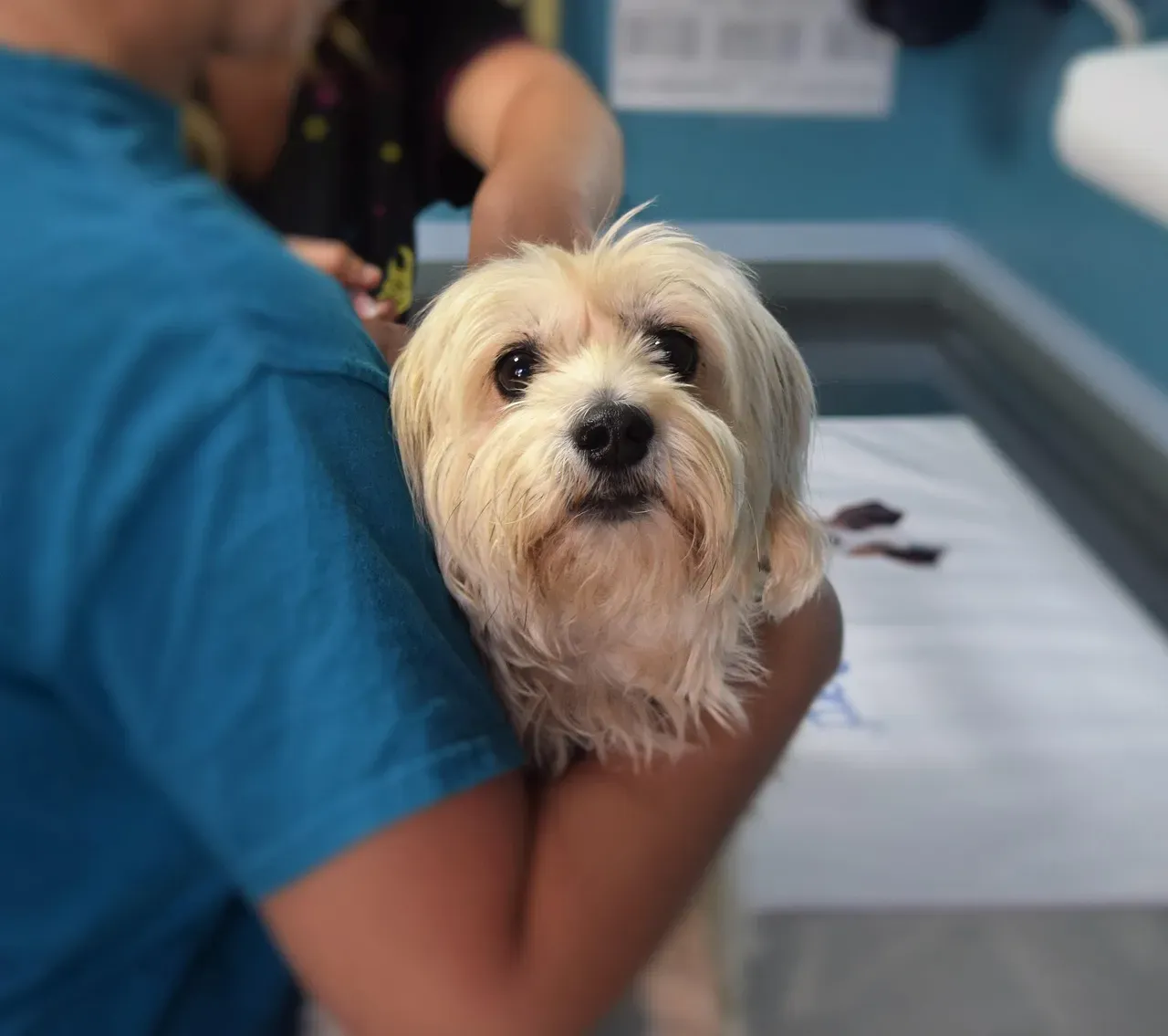
One of the most common ways loving owners accidentally let their dogs down is by dismissing early warning signs. A dog that suddenly stops jumping on the couch, lags behind on walks, growls when touched in certain spots, or “acts weird” around other dogs may not be misbehaving – they may be in pain or overwhelmed. Brushing this off as them being dramatic, naughty, or attention-seeking can allow minor issues to snowball into major ones.
Sometimes this comes from fear: fear of bad news, of vet bills, or of being judged. But facing those early signs almost always makes things easier in the long run. Getting a professional assessment – medical or behavioral – sooner rather than later can prevent suffering and make treatment or training far more effective. If you recognize that you tend to wait until things are truly bad before you act, this is an area where growth could radically improve your dog’s life.
Conclusion: Good Dog Parenting Is a Practice, Not a Personality Type
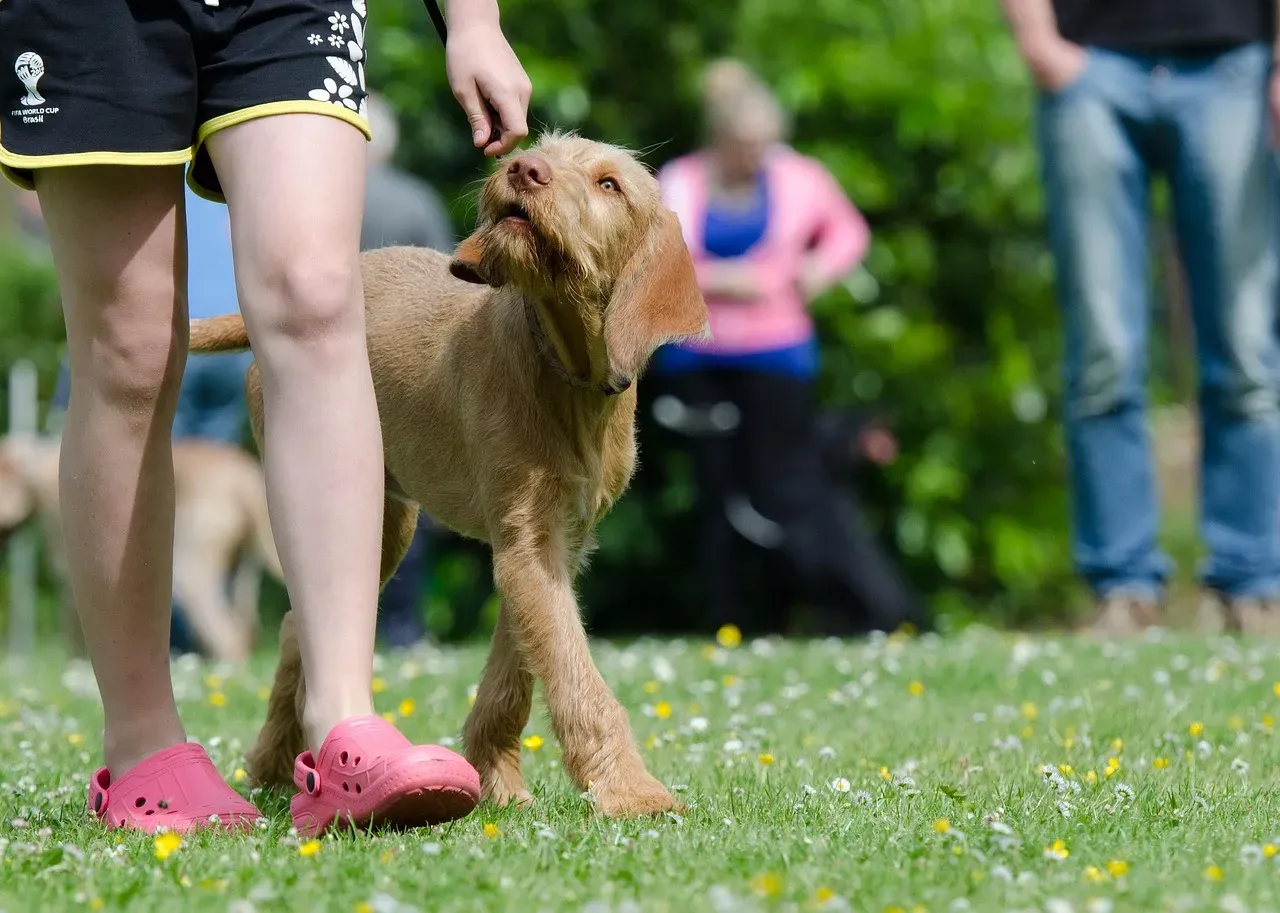
Being a good dog parent is not something you either permanently are or are not. It is a series of choices you keep making, some days effortlessly and other days through gritted teeth when you are tired, stressed, or overwhelmed. If you saw yourself in many of the “good” signs and also in some of the ones that need work, welcome to the club – that mix is basically the definition of a caring, imperfect human who is trying.
What matters most is not whether you’ve got everything right already, but whether you’re willing to adjust, learn, and take your dog’s experience seriously. Dogs forgive a lot when they feel safe, understood, and loved consistently over time. So the real question is not “Am I a good dog parent?” but “Where can I get just a little bit better for this animal who depends on me?” Which of these ten signs are you going to work on next?


