
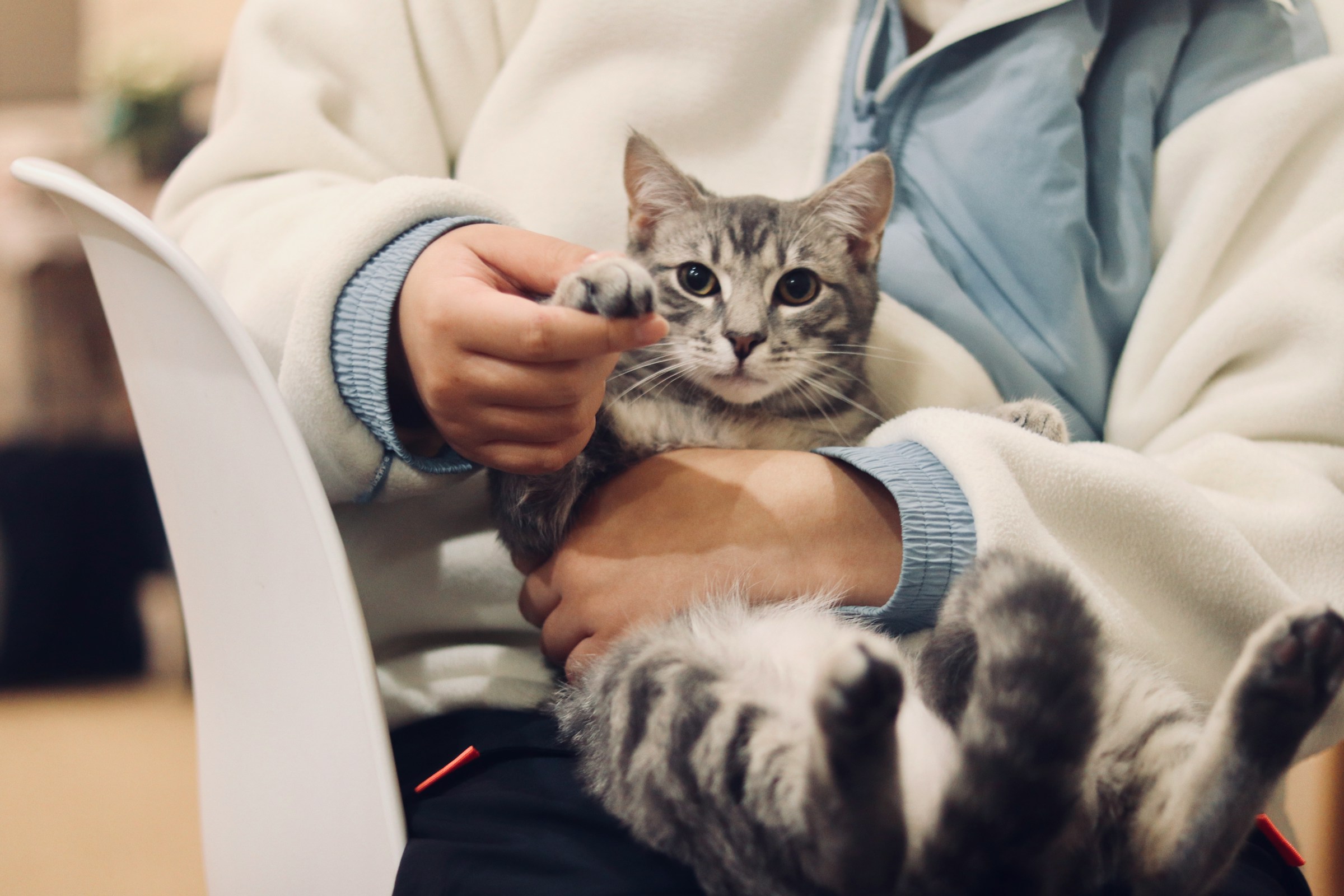
People often assume that when a cat gets older, it just “slows down” and stops caring. In reality, many senior cats are quietly shouting their love; they just do it in softer, subtler ways than they did as bouncy kittens. If you know what to look for, those slow blinks, careful head bumps, and creaky hops onto the couch can feel even more precious than any wild kitten zoomies.
I live with an older cat now, and I’ll admit there was a moment when I panicked, thinking she just was not that into me anymore. It took paying closer attention to realize she had simply traded flashy affection for gentle loyalty. Here are eight science-backed, heart-melting ways senior cats still show they love you, even if they no longer sprint down the hallway like tiny lions.
They Choose To Be Near You, Even If They Do Not Touch
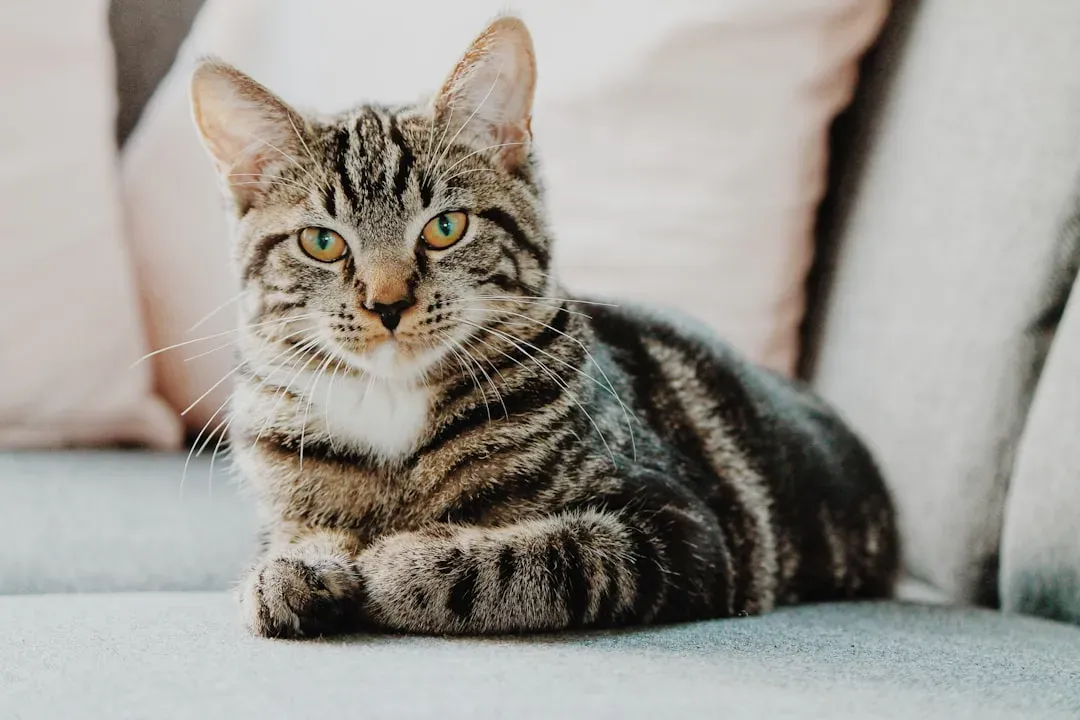
If your older cat chooses to settle in the same room as you, that is not an accident – it is a quiet declaration of trust. Senior cats often prefer predictable, calm environments, and if they consistently pick whatever room you are in as their safe spot, you have basically become their emotional home base. They might not drape themselves across your laptop anymore, but that careful spot by your feet or on the back of the couch says a lot.
Think of it like an older couple who can sit together in comfortable silence without needing to talk all the time. Your cat’s decision to share your space, even without constant contact, is often a sign of deep attachment. The body may be a little slower, the jumps a bit lower, but choosing your company is still one of the clearest ways an older cat says they love you.
They Blink Slowly And Hold Your Gaze
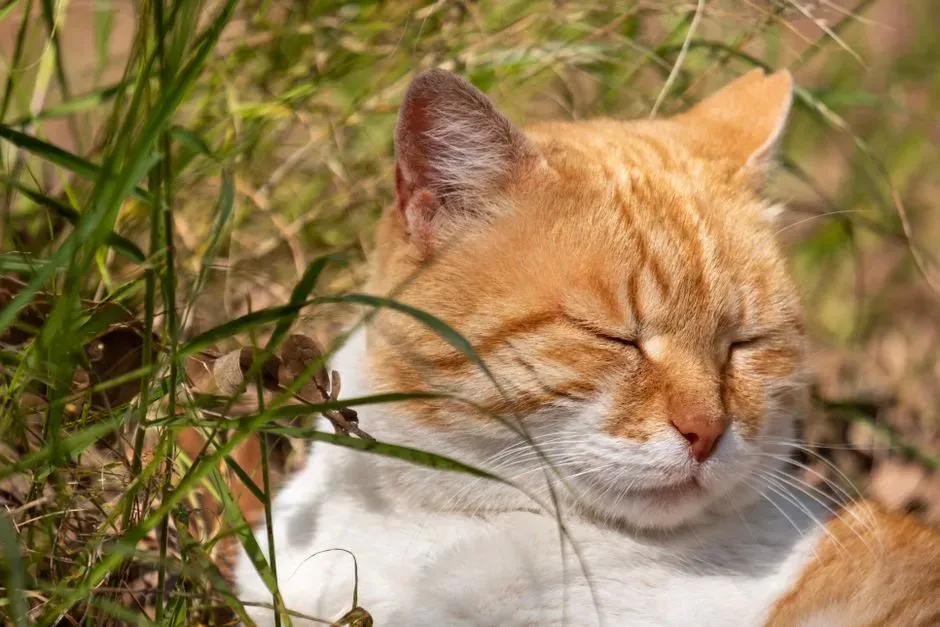
That strange, dreamy slow blink your cat gives you is not random – behavior studies suggest it is a feline version of a relaxed, friendly smile. When a cat lets its eyes go soft and slowly closes and opens them while looking at you, it is signaling that it feels safe, calm, and open in your presence. In cat language, holding eye contact without tension is a big deal, because staring is usually reserved for threats or hunting.
Older cats may not leap into your arms, but they often use slow blinks as a low-energy way to connect. Try gently blinking back, keeping your face relaxed and your movements soft. Over time, many senior cats will respond with more frequent blinks, almost like you are having a quiet, emotional conversation without a sound. It is a tiny behavior that can feel surprisingly intimate once you notice it.
Their Purrs Become Softer But More Meaningful
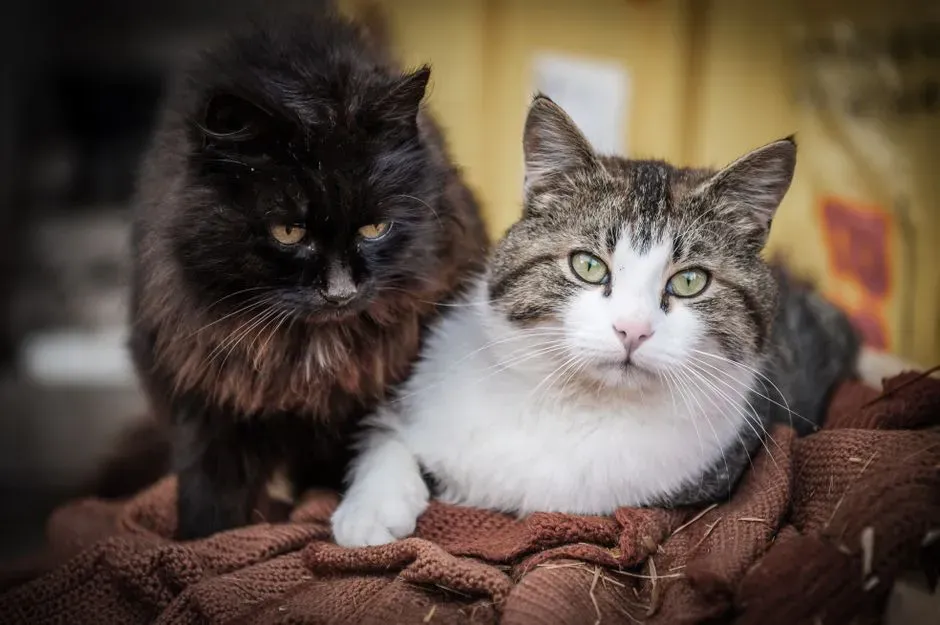
Purring in older cats can shift in volume or frequency, especially if they have joint pain, dental issues, or simple fatigue. That does not mean they have stopped loving you; it can just mean they are conserving energy. When your senior cat curls beside you and lets out a faint, rumbling purr, it is often deliberate, like a gently lit candle instead of a roaring bonfire. The message is still the same: you make them feel safe and content.
It is worth noting that cats also purr when they are stressed or in pain, likely as a self-soothing mechanism. This is why context matters so much. If your older cat purrs while relaxed, with loose muscles, half-closed eyes, and a comfortable position, that is strong evidence of affection and security. In a way, those quieter purrs can feel even more powerful, because you know they are sometimes pushing through age-related discomfort just to tell you they are happy you are there.
They Greet You, Even If It Is From The Floor
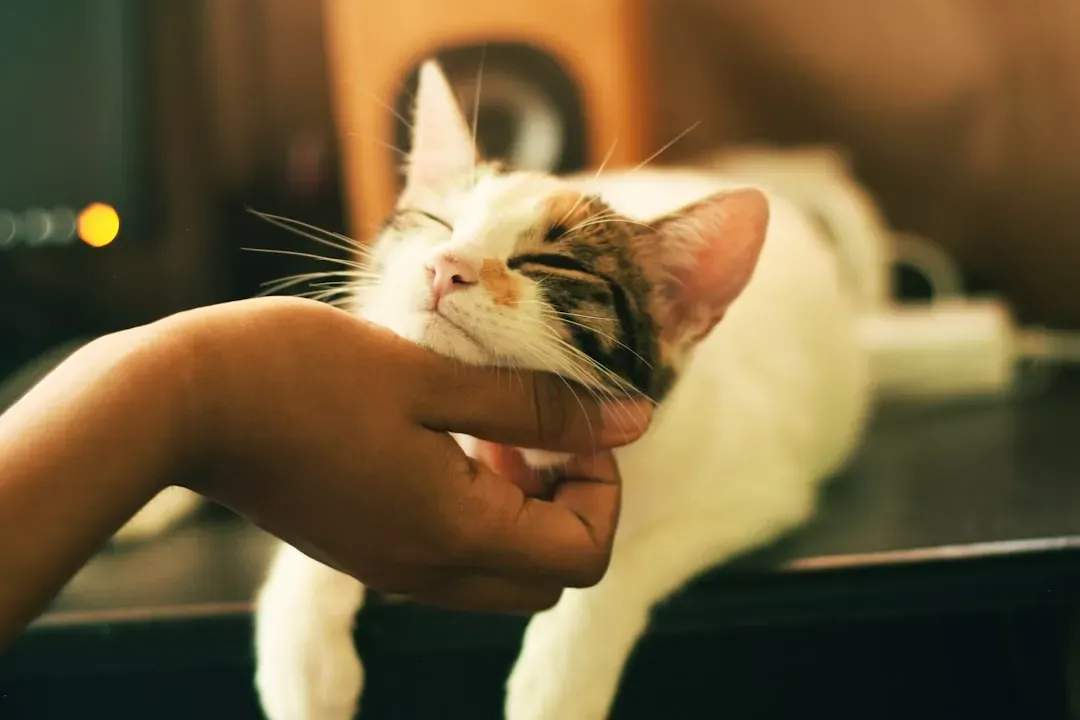
Maybe your senior cat no longer sprints to the door like a furry missile when you get home, but watch closely: do they at least lift their head, chirp, meow, or shuffle over when they hear your keys? That greeting, however modest, is a classic sign of social bonding. Cats are selective about who they bother to acknowledge, so if your older cat still makes the effort to react when you appear, that is love wrapped in slightly stiff joints.
Some older cats switch from dramatic greetings to more economical ones, like a short trill, a tail tip twitch, or a slow walk instead of a run. From a behavioral standpoint, any voluntary movement toward you, especially when they could just stay comfortable where they are, shows you still matter a lot. It is like a retired athlete giving a little wave instead of a cartwheel – the spirit is exactly the same.
They Sleep Near Your Scent
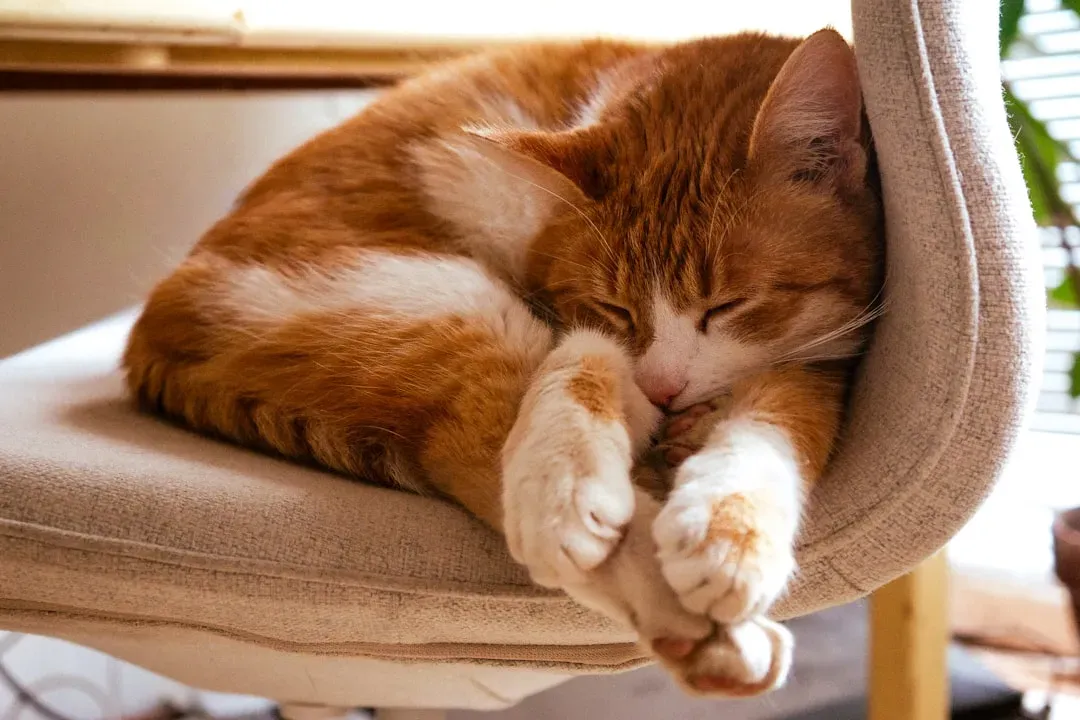
Cats rely heavily on scent to feel secure, and older cats can become even more attached to familiar smells as their world shrinks a bit with age. When your senior cat chooses your pillow, your worn sweater, or that permanent dent on the couch where you always sit, they are surrounding themselves with your scent on purpose. That smell is associated with safety, warmth, and routine, which are all crucial for aging animals.
From an emotional point of view, this is their way of cuddling you even when you are not there. They may not want chaotic snuggle sessions under the blankets anymore, but curling up on your side of the bed or napping on your laundry is a quieter, more practical form of closeness. It is similar to someone cherishing an old, soft hoodie that reminds them of a person they love – unglamorous, but deeply personal.
They Head Bump Or Rub Against You More Gently
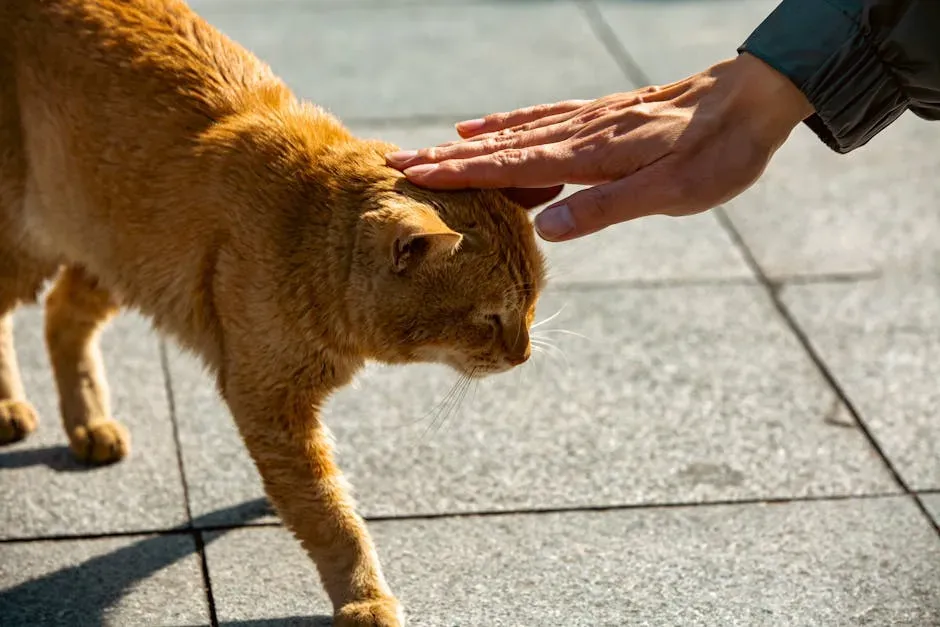
Head bunting, cheek rubs, and weaving around your legs are not just cute; they are scent-marking behaviors that signal social bonding. Cats have scent glands on their cheeks, forehead, and around their mouth, and when they bump or rub on you, they are essentially claiming you as part of their inner circle. Elderly cats may do this more slowly or less frequently, but that does not make it less meaningful. A soft, deliberate head bump in your direction is a huge compliment.
As cats age, arthritis or muscle stiffness can make big movements uncomfortable, so you might notice more subtle versions: a gentle nudge, a small lean into your hand, or a slow side rub along your leg. I have seen older cats walk up, pause as if calculating their energy, and then carefully press their forehead into a favorite human’s hand. That tiny, intentional action is their way of saying they still choose you, even if it costs them a bit of effort.
They Accept – Or Even Ask For – Gentle Touch
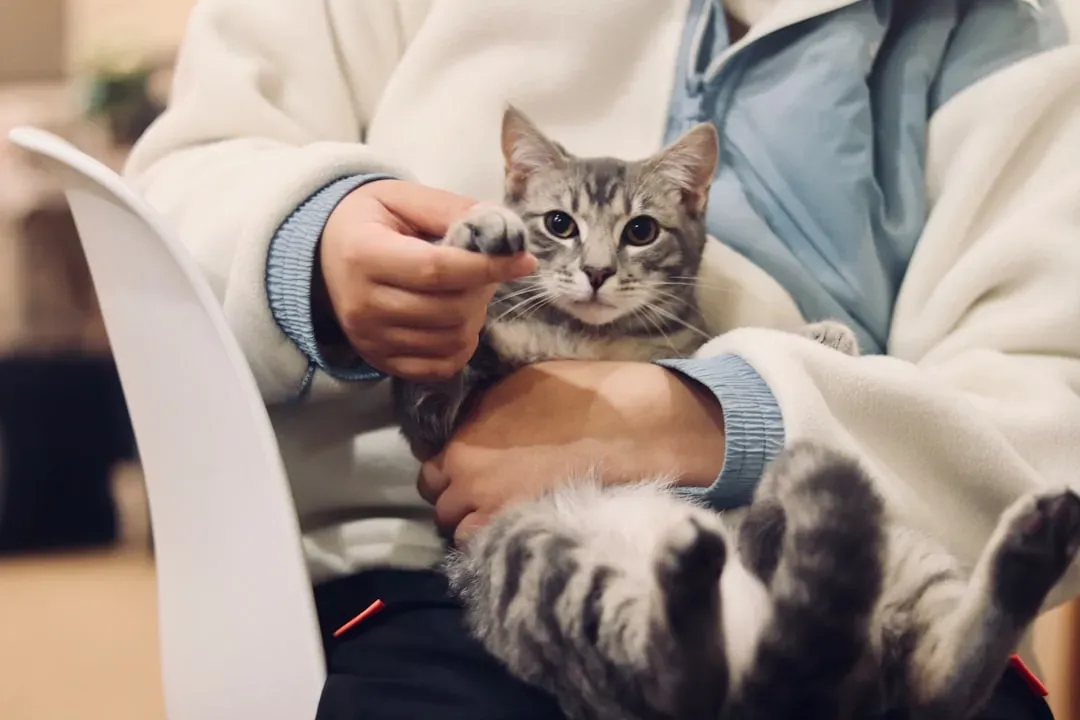
Many older cats become more sensitive to how and where they are touched, especially around painful joints or fragile areas. If your senior cat still seeks out petting, nudges your hand, or settles in when you stroke their favorite spots, that is a serious sign of trust. Remember, from a cat’s perspective, allowing touch means voluntarily becoming vulnerable, and seniors are often more cautious about that than younger cats.
You might notice your cat guiding you with their body language: leaning into your fingers when you scratch below the chin, turning their head for ear rubs, or stretching out a paw to keep your hand in place. When a senior cat essentially says “keep going” with their posture, they are not just tolerating physical contact – they are enjoying shared comfort time. That mutual adjustment, where you learn their limits and they keep coming back anyway, is a quiet, grown-up kind of love.
They Follow Your Routine And Check In On You
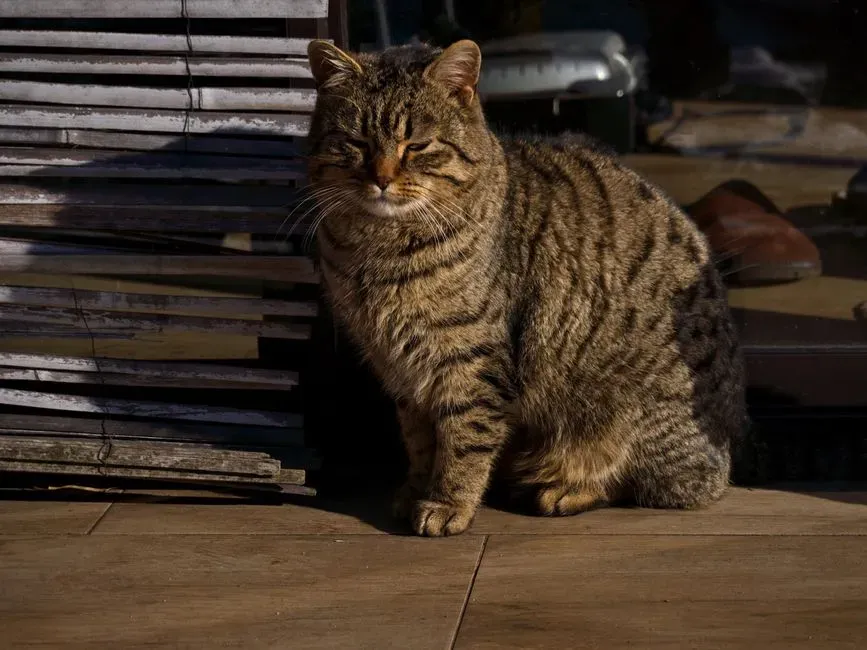
Cats are pattern experts, and older cats often become little routine managers. If your senior cat appears when you make coffee, pads down the hallway when you go to bed, or shows up in the kitchen almost like they are supervising, that attachment to your schedule reflects emotional bonding as much as habit. You are the predictable center of their day, and following you around is their way of staying connected and reassured.
Sometimes this looks like “creepy hallway staring,” but in reality, it is more like quiet companionship. Senior cats may not have the energy to play chase, but they will often shadow you from room to room, lie nearby while you work, or peek in when you are in the bathroom or shower. It is a bit like living with a tiny, furry roommate who insists on periodic wellness checks – annoying on the surface, but also incredibly sweet when you see it as love.
They Eat, Groom, Or Relax More Comfortably When You Are Around
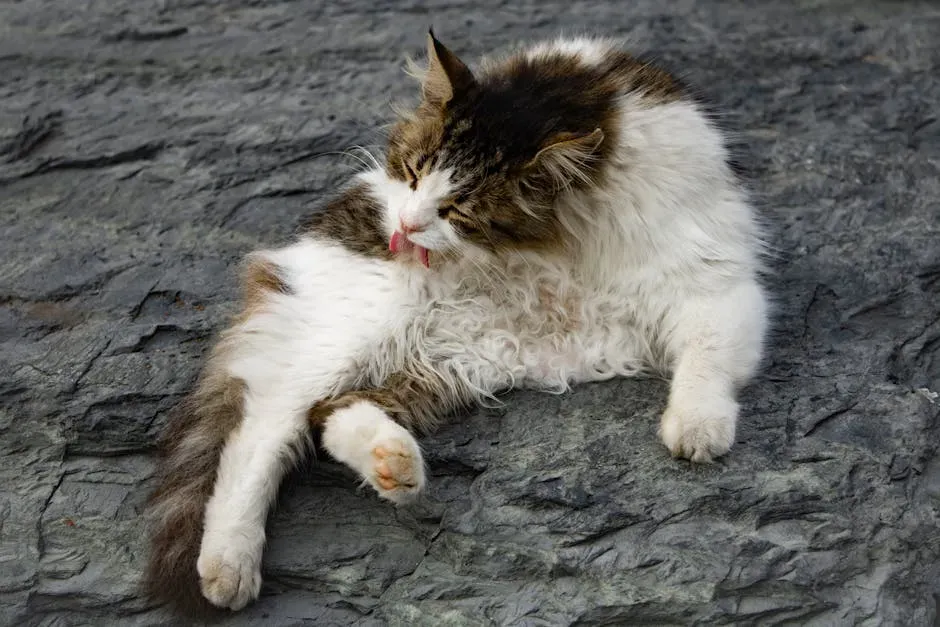
For many animals, eating and grooming are vulnerable activities, and they tend to save those for times and places where they feel secure. If your older cat chooses to eat more readily when you are nearby, starts a grooming session while sitting beside you, or visibly relaxes when you enter the room, that is a strong vote of confidence. Your presence is literally lowering their stress level enough to let them focus on self-care.
You might notice that your senior cat’s body language shifts when you appear: their shoulders drop, breathing slows, their tail softens, and their posture becomes more loose. That physical relaxation is not random; it is a sign that you are part of their emotional safety net. In a world that feels increasingly unpredictable as they age, you are the familiar constant that lets them let their guard down.
Conclusion: Senior Cat Love Is Quieter, But It Hits Harder
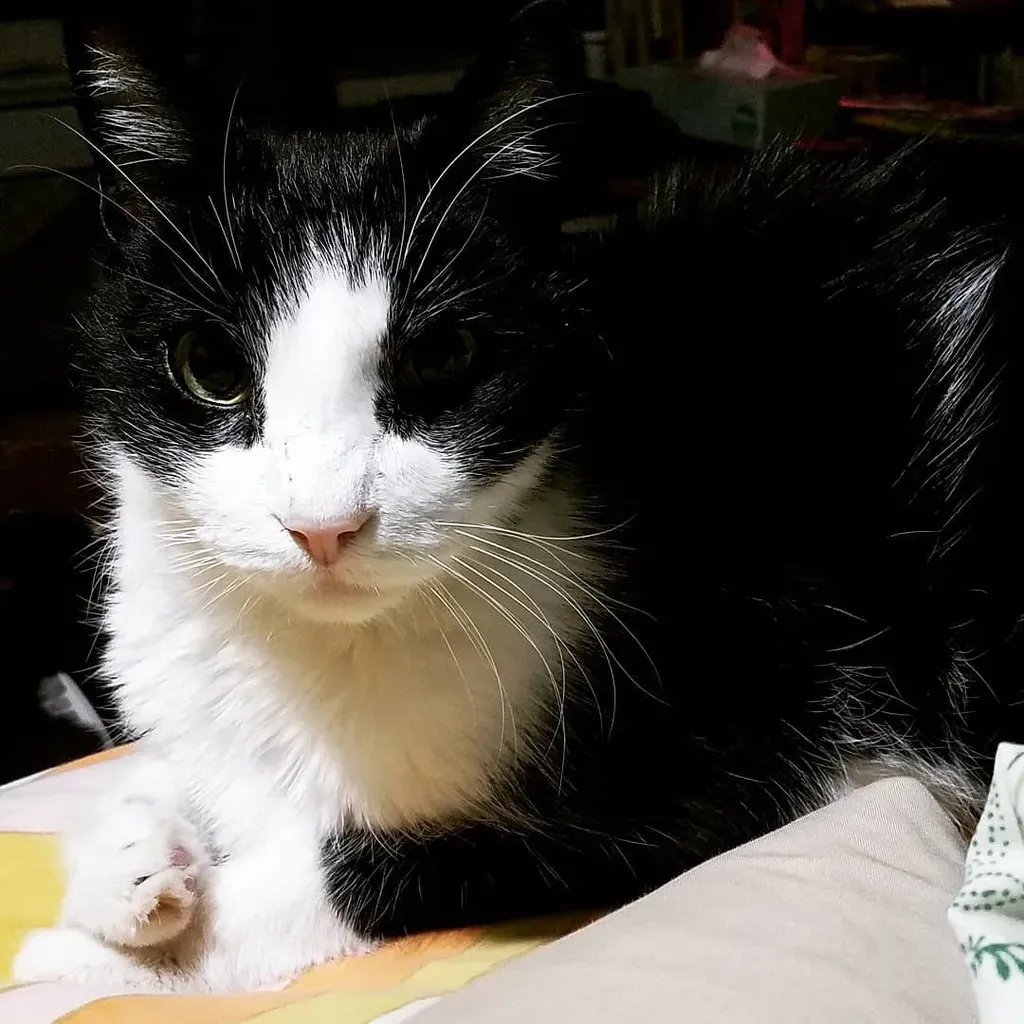
Living with an older cat can feel bittersweet. You lose some of the dramatic displays – the acrobatics, the wild zooms, the over-the-top lap dives – and if you are not paying attention, it is easy to mistake that calm for distance. But senior cat love is often deeper, more intentional, and oddly more human. It is love that says, “I trust you with my fragile body, my changing senses, and the final stretch of my life.” That is heavier than any cute kitten cuddle, and honestly, more moving.
My own opinion is that older cats do not love less; they just love wiser. They trim away the chaos and keep only the rituals and connections that really matter: the room they choose to share with you, that careful head bump, the soft purr when their bones ache but your lap is warm. If you start to see those quiet behaviors as what they really are – tiny, everyday declarations of trust – you might realize your senior cat has been telling you “I love you” all along. Which of their subtle habits will you look at differently the next time they wander into the room and just quietly sit near you?


