
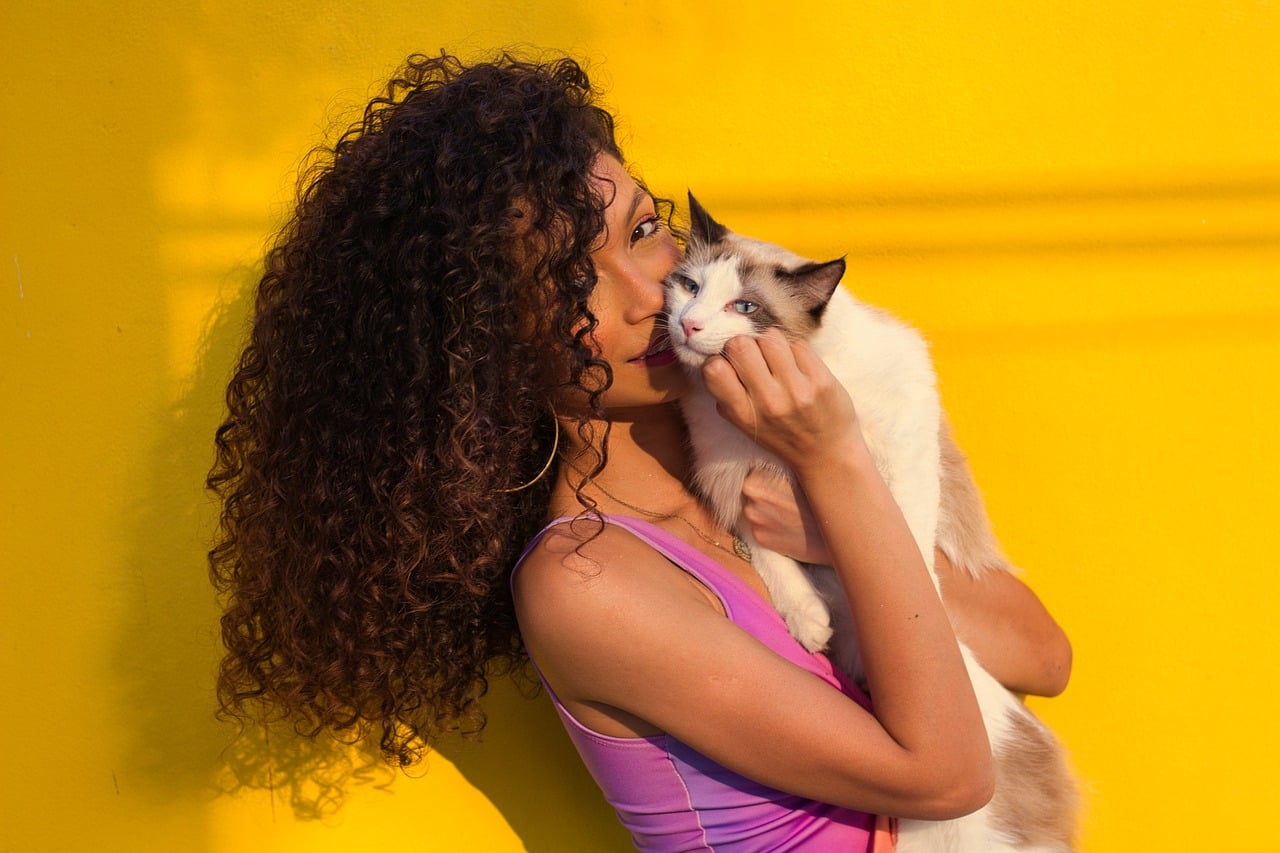
If you share your home with a cat, there’s a good chance you’ve wondered who’s actually running the place. You pay the bills, but they choose when you’re allowed to sit, sleep, and move. It can feel a little shocking when you realize your supposedly “domesticated” pet is quietly managing the household like a tiny, furry CEO.
From a scientific point of view, cats are not truly domesticated in the same way dogs are. Behavior research suggests they’ve adapted to live with us while still keeping a lot of their wild independence. That might explain why some cats behave less like pets and more like landlords. Let’s walk through the clearest signs your cat genuinely believes they’re the one in charge.
1. They Control the Doorways and Hallways
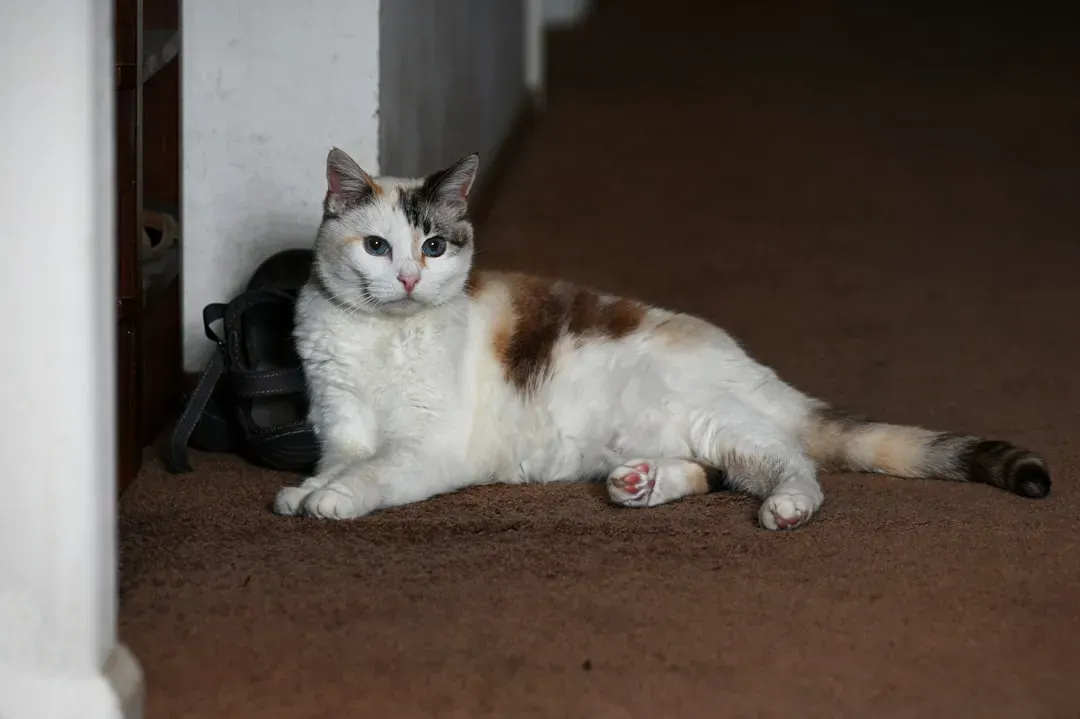
Ever tried to walk down the hallway and realized your cat has parked themselves right in the middle, refusing to move? That isn’t just laziness; it can be a subtle form of resource control. In the animal world, controlling access points, like doorways and paths, is a way of managing territory and deciding who goes where and when.
When your cat stops in front of you, makes you step over them, or runs ahead to block your path, they’re doing more than being cute. They’re positioning themselves like a gatekeeper. Over time, you might notice you automatically slow down or adjust your route, which basically means your cat has trained you to navigate their traffic rules.
2. Your Schedule Revolves Around Their Feeding Times
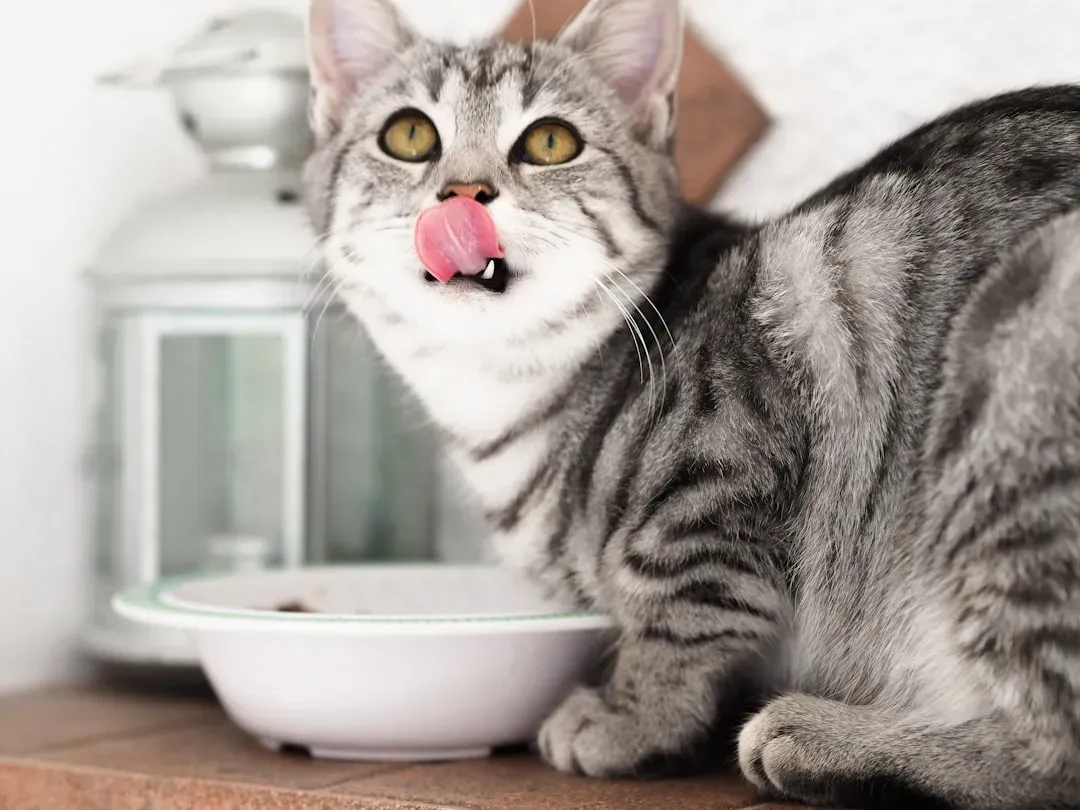
If your day starts and ends based on when your cat expects food, they’ve claimed a serious level of authority. Many cats learn quickly that meowing, pawing your face, or jumping on you at the crack of dawn gets them breakfast faster. From a behavioral standpoint, this is classic operant conditioning: they repeat the behavior because it reliably controls your actions.
Over time, you may find yourself planning errands, social events, or even sleep patterns around their meals or treat rituals. When you feel guilty for being “late” with their food, that’s another sign the roles have been quietly reversed. You think you’re feeding them; they think they’re managing staff.
3. They Decide Where Everyone Sits or Sleeps
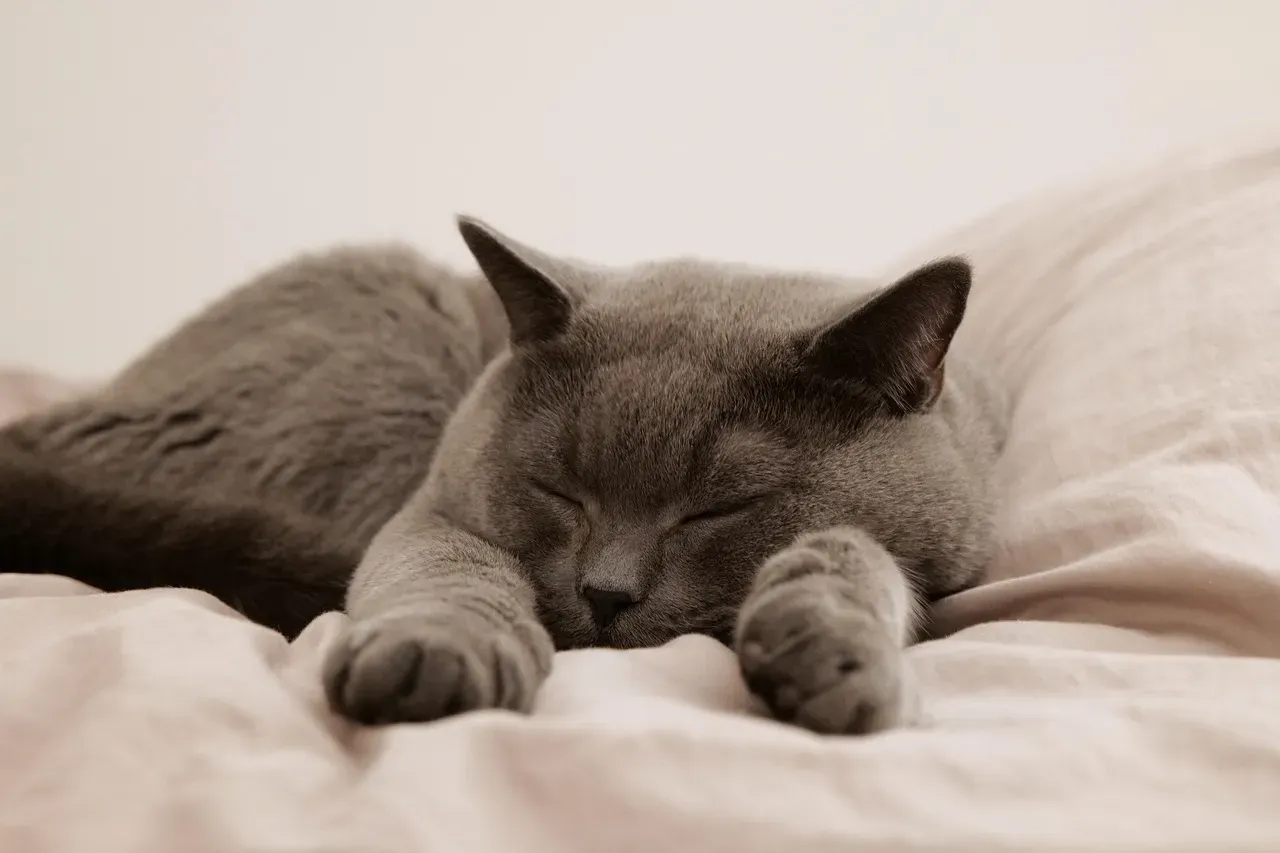
Pay attention to where your cat settles when you’re about to relax. Many confident, boss-like cats will claim the prime real estate: your favorite chair, the center of the bed, or the warm spot on the couch where you just got up. If you routinely sit on the edge, curl around them, or choose another seat to avoid disturbing them, they’re essentially calling the shots.
In multi-cat households, the most dominant cat often takes the best resting spots while the others adapt. When humans are involved, the same pattern can show up. If your cat sprawls sideways across the bed so you have to twist into a corner, they’re not being inconsiderate by accident. In their world, they’re the main character and you are the polite roommate adjusting around them.
4. They Patrol the House Like Security Staff
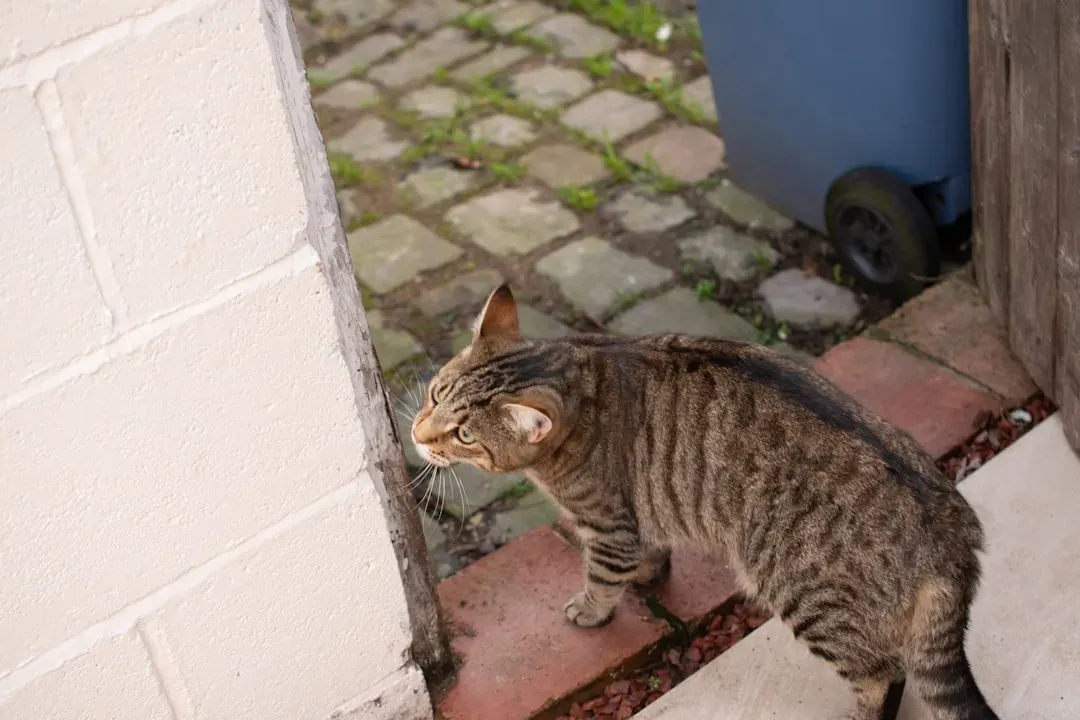
Some cats make it very obvious that they’re on patrol: they do regular rounds from window to window, check every room, and park themselves in elevated spots with a full view. This behavior is deeply wired; in nature, an animal that monitors its environment closely has a better chance of staying safe and keeping control of resources. In your home, it looks like a tiny security guard doing hourly inspections.
When the doorbell rings or something outside moves, a “boss cat” often positions themselves at a vantage point, tail flicking, ears sharp, watching everything. They might even put themselves between you and the source of the noise or insist on going to investigate first. You may think you’re watching over them, but from their perspective, they’re supervising the territory and keeping an eye on you as part of their domain.
5. They Interrupt You on Purpose (Especially When You’re Busy)
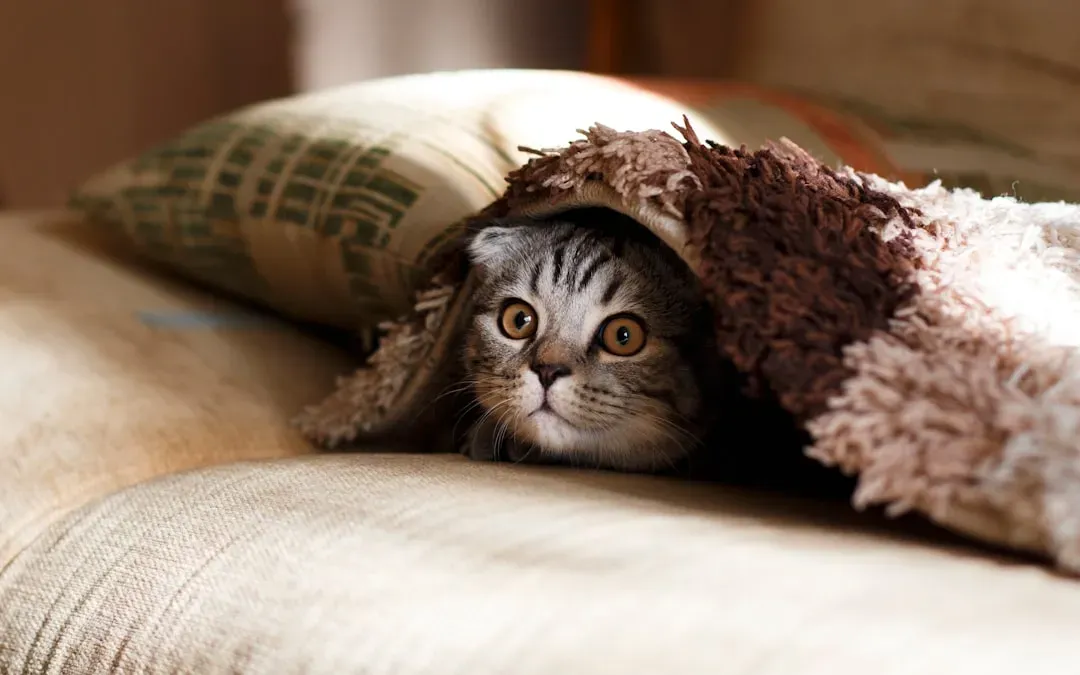
Working on a laptop? Reading a book? On a video call? That’s exactly when many cats decide to walk across the keyboard, flop on your notes, or plant themselves in front of the screen. On the surface, it seems like a random plea for attention, but there’s also a control element: they’re learning that they can redirect your focus any time they want.
In behavior studies, cats have shown they adapt their vocalizations and actions to get human attention more quickly. If pushing items off your desk or pawing at your face reliably makes you stop what you’re doing, your cat stores that information and repeats it. Over time, you may find yourself rearranging your workflow around their interruptions, which means they’re effectively managing your productivity like a very unprofessional supervisor.
6. They Treat You Like a Giant, Slightly Incompetent Cat
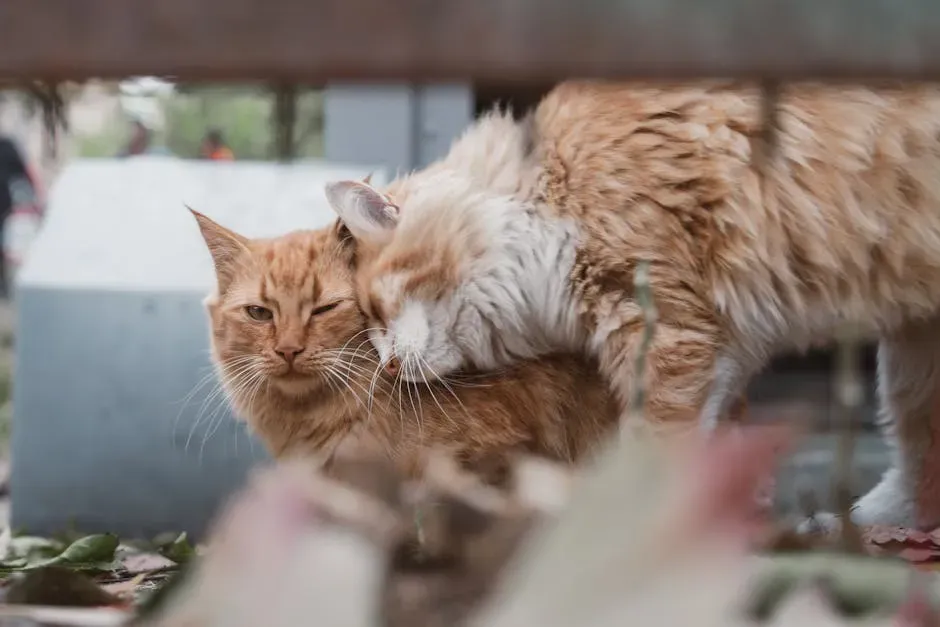
Many cats rub their faces against you, head-butt your legs, or wind around your ankles. While this looks affectionate (and it often is), it’s also a way of marking you with their scent. In the feline world, scent marking creates a shared group smell, which defines who is part of the in-group and whose territory it is. By covering you in their scent, they’re labeling you as “mine” in the nicest possible way.
Some cats even bring you toys or prey, whether that’s a stuffed mouse or an unfortunate insect. It’s easy to think they’re giving you a gift, but another interpretation is that they’re trying to teach or manage you, much like a mother cat showing a kitten how hunting works. It’s as if they’re thinking that you’re sweet, but you clearly need help functioning, so they’ll take charge of your education.
7. They Set the Rules for Touch and Affection
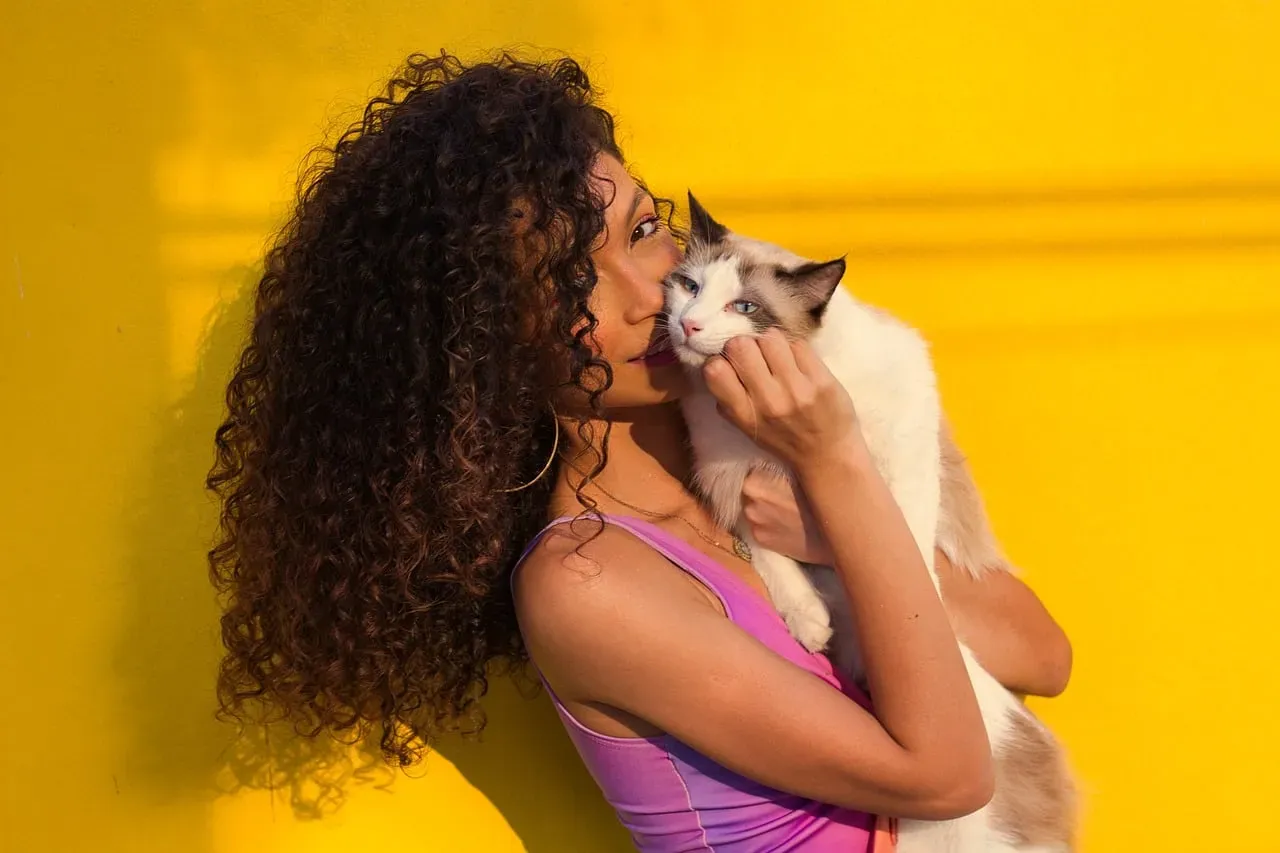
A cat that believes they’re in charge often insists on affection strictly on their own terms. They might demand petting by nudging your hand, but then abruptly end the interaction and walk away, leaving you hanging. That start-stop pattern might feel confusing, but it makes sense in a dominance framework: they control when contact begins and when it ends.
Many cats will also “permit” certain types of touch but not others. They may tolerate chin scratches, insist on cheek rubs, yet swat away your hand if you touch their belly. When you constantly adapt to their preferences, timing, and limits, you’re essentially following their rulebook. You can think of it as a contract you never signed but definitely live by.
8. They Enforce Quiet Hours and Wake-Up Times
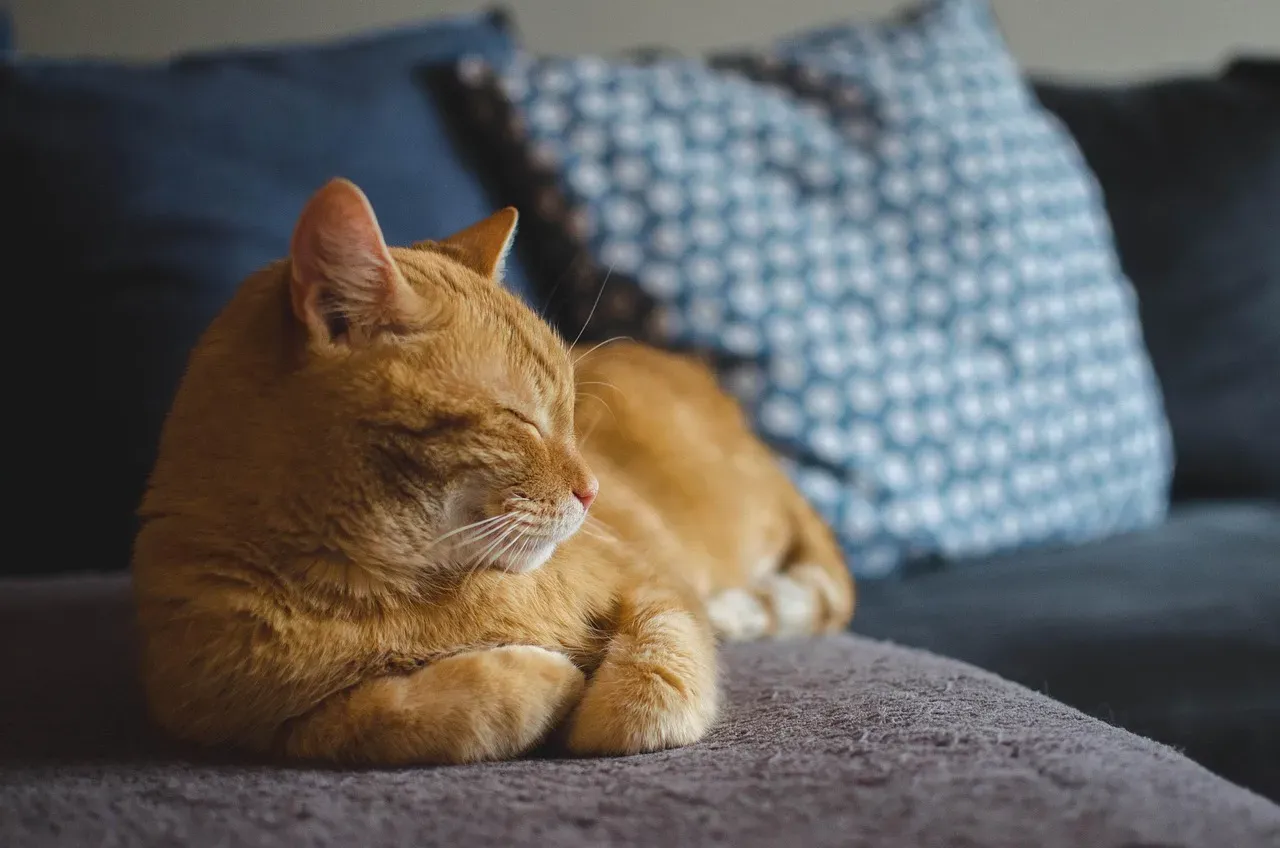
One of the clearest signs your cat thinks they own the place is when they dictate when the household is allowed to sleep or wake up. A cat that howls outside the bedroom door, paws at it, or jumps on you repeatedly at certain hours is not just restless; they’re enforcing their preferred schedule. If you give in even occasionally, they learn that persistence works.
On the flip side, some cats get irritated if people are too loud or active when they’ve decided it’s rest time. They may glare, grumble, or stalk off as if you’ve broken a rule. While we like to interpret this in human terms as “attitude,” it lines up with how territorial animals respond to unwanted disturbance. From their point of view, you’re not respecting the rhythm of their territory, and they’re not shy about letting you know it.
9. They Supervise You in Private Spaces
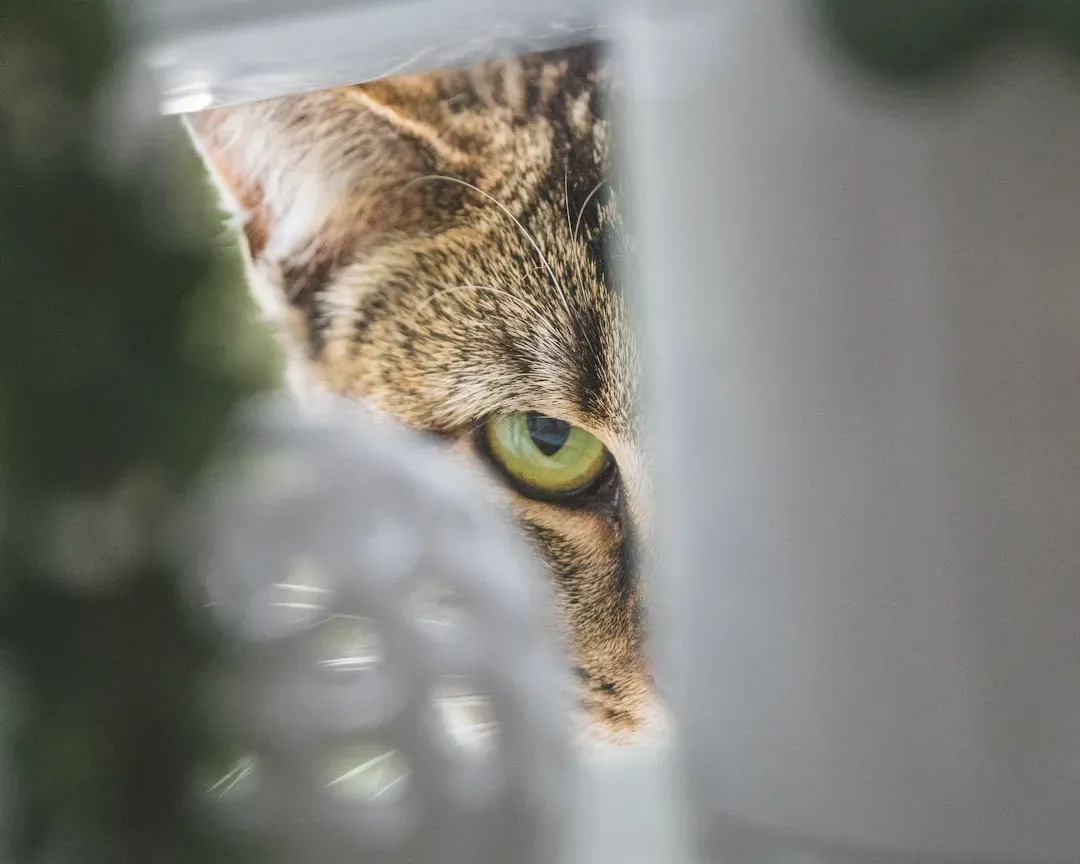
If your cat insists on following you into the bathroom, watching you shower, or sitting there while you brush your teeth, you might joke about having no privacy. However, that supervision behavior can also be a subtle power move. They’re observing your routines, monitoring your movements, and inserting themselves into every part of the household flow.
In behavior terms, some researchers suggest that cats form secure attachments to humans similar to those of young animals to caregivers, but with their own twist. The result is a mix of comfort-seeking and control. When your cat waits outside the door if you shut them out, or meows insistently until you let them in, it’s like they’re saying that closed doors are not part of their leadership plan.
Even the way they sit and stare can feel a bit like a judgmental manager checking whether you’re doing anything suspicious. You might laugh it off, but if you adapt by keeping the door open or rearranging your routine around them, they’ve quietly won that negotiation.
10. They Show Confident, “Owner-Like” Body Language
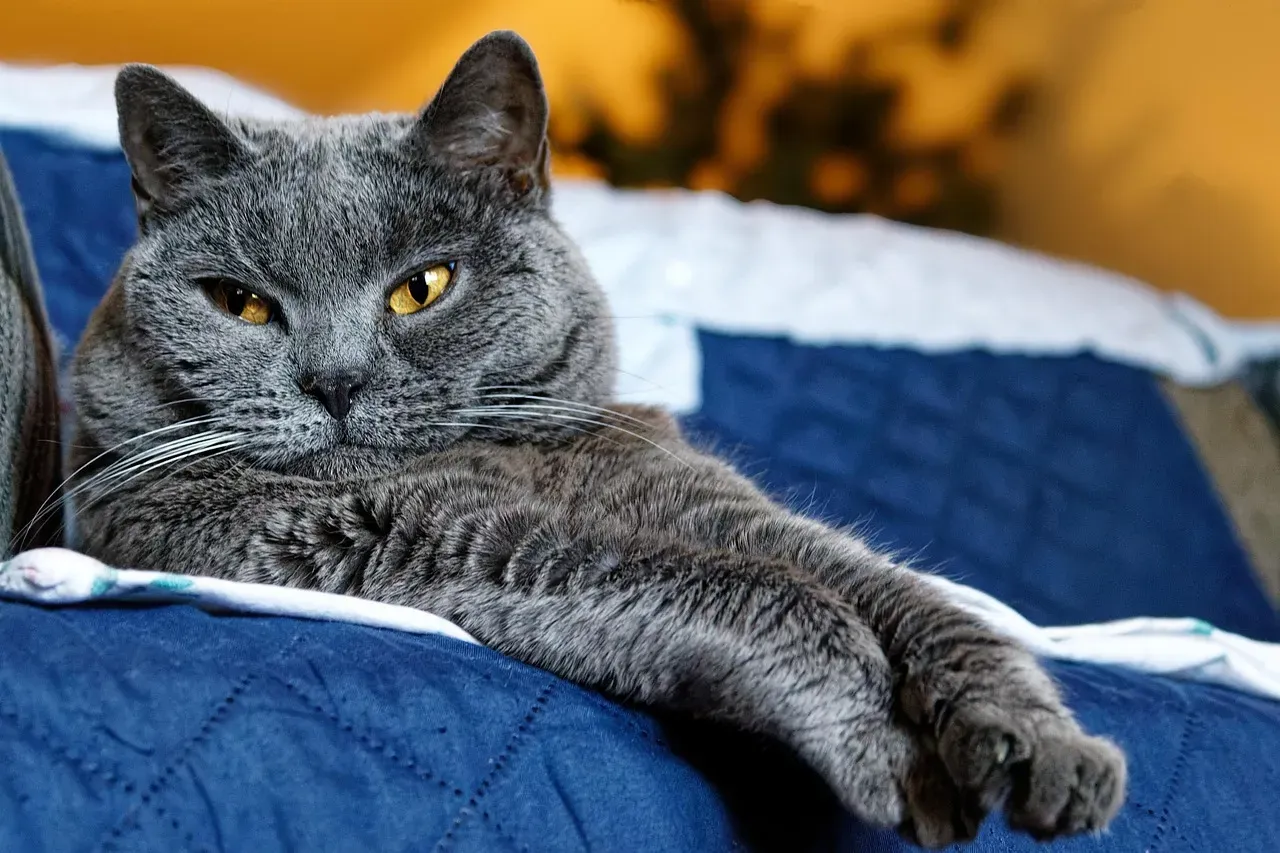
Body language reveals a lot about how cats feel about their place in the world. A cat that moves slowly and confidently, tail up like a flag, often feels secure and in control. If they walk directly through the center of the room instead of sneaking along the edges, claim high vantage points, and stretch out fully rather than curling into small shapes, those are all signs they feel like they own the space.
Even small details matter: a cat that calmly makes eye contact, blinks slowly, and then looks away is sending messages of relaxed confidence rather than fear or submission. When you combine that with all the other behaviors – controlling doors, routines, and resting spots – the overall picture is of an animal that doesn’t see themselves as a guest. In their mind, they are the resident, and you are the helpful, slightly clumsy cohabitant.
Conclusion: Living Happily Under Feline Management
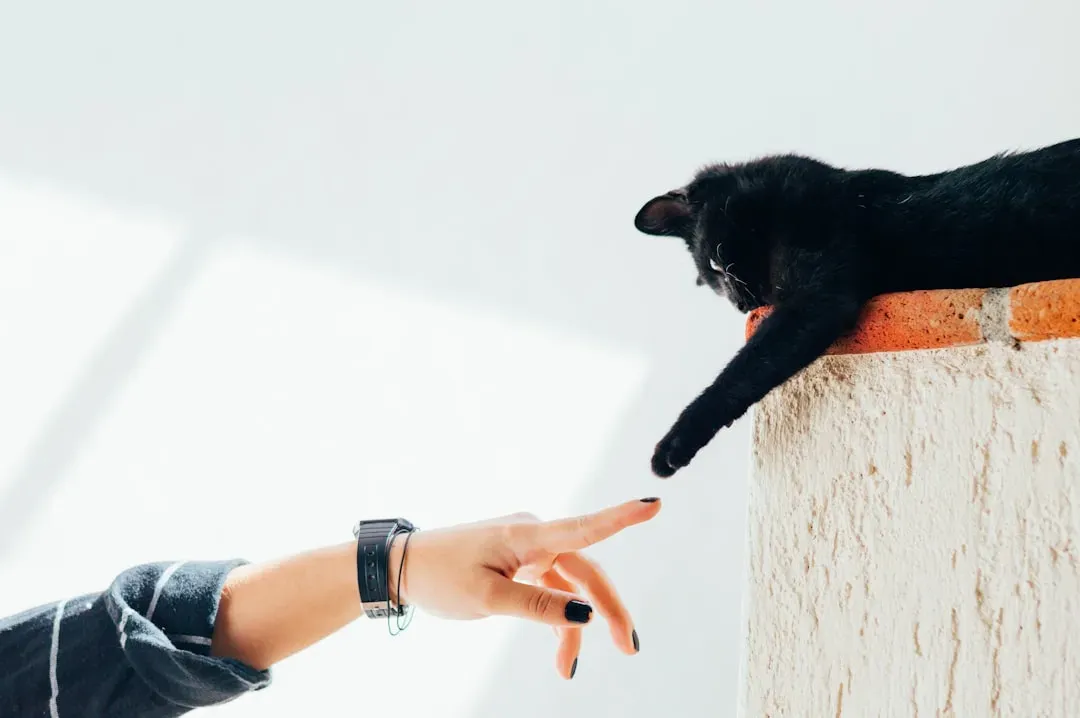
If you recognized your cat in more than a few of these signs, you’re probably not just a pet owner; you’re part of a tiny monarchy where the ruler sleeps sixteen hours a day and still somehow runs the show. From a scientific angle, this makes sense: cats evolved to be independent hunters, and domestication has been relatively recent and partial. What we see as bossy or hilarious is often just a modern twist on ancient survival strategies adapted to couches and Wi‑Fi.
I’ll admit, I kind of like it that way. There’s something strangely comforting about being “managed” by a creature that weighs ten pounds and still makes the whole household adjust to them. If we understand their behavior – where it comes from and why it works – we can set gentle boundaries without killing the magic. After all, the real question is not whether your cat thinks they’re in charge; it’s whether you secretly enjoy letting them be. Be honest: who do you think actually runs your house?


