
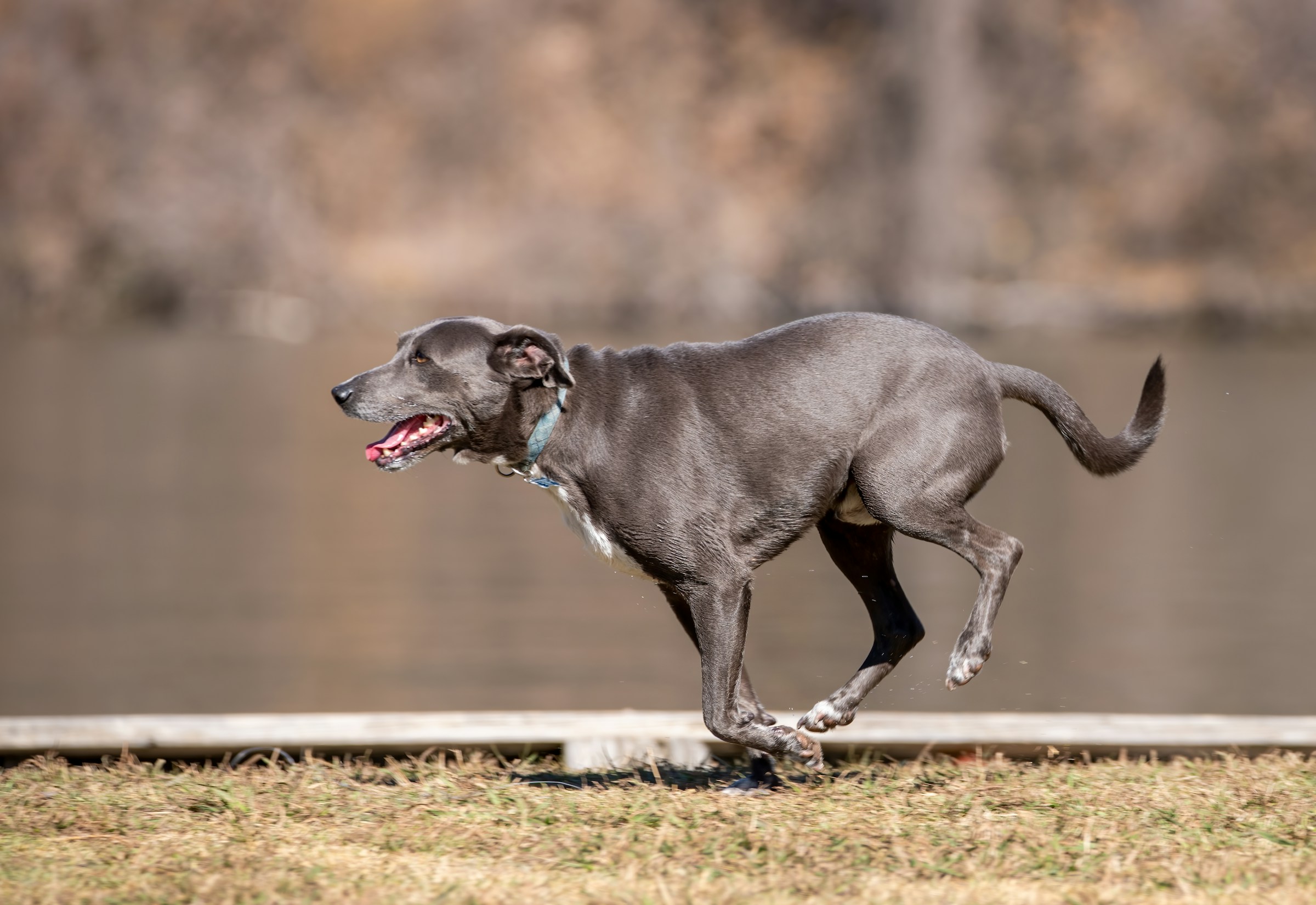
You know that feeling when your dog does something goofy and you suddenly think, “Please live forever”? Most of us assume love and good intentions are enough to guarantee a long, healthy life for our dogs. But many dogs lose years not because of dramatic accidents or rare diseases, but because of quiet, everyday mistakes that slowly chip away at their health.
What makes this tricky is that these mistakes often look totally normal: a slightly full food bowl, a missed walk here and there, skipping a dental cleaning to save money. Nothing seems urgent in the moment. Yet over time, these small choices can add up to arthritis, organ strain, chronic pain, and a much shorter healthy lifespan. Let’s walk through nine of the most common missteps and how to fix them, so your dog has the best chance to stay around (and annoying you in the cutest ways) for as long as possible.
1. Letting “Just a Little Chubby” Become the New Normal
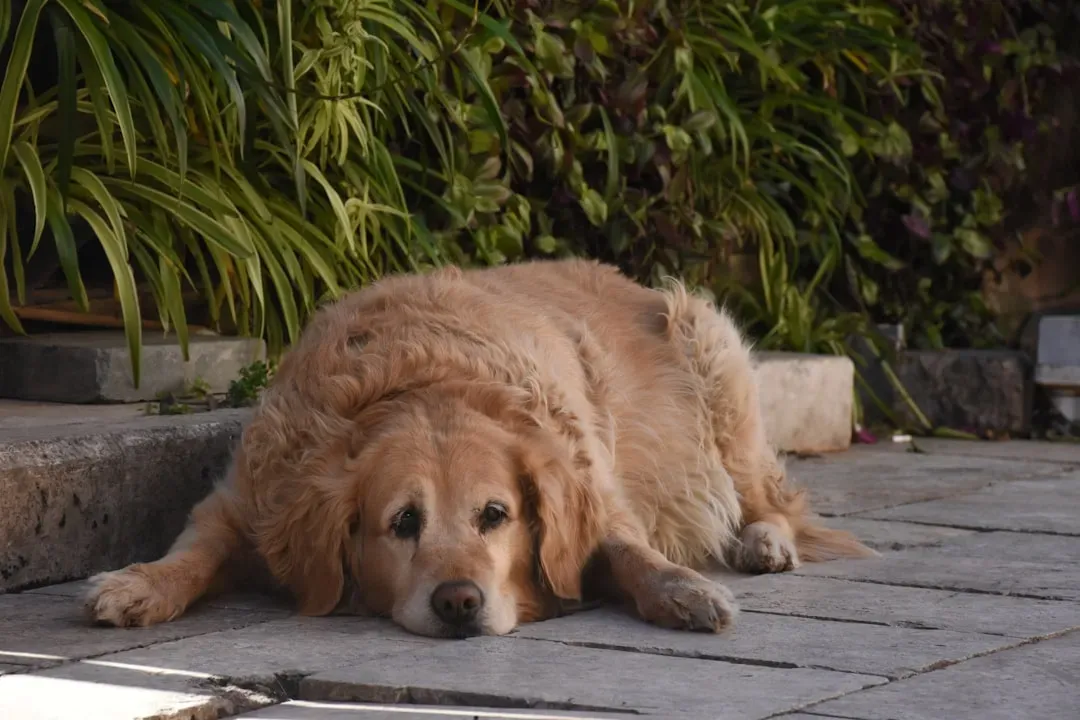
One of the most common ways owners accidentally shorten a dog’s life is by letting a few extra pounds slide. Many people think a slightly round dog looks cute and cozy, but extra weight is not harmless padding; it is active tissue that stresses joints, the heart, and metabolism. There is solid evidence that lean dogs tend to live longer, stay more mobile, and develop age-related diseases later than overweight dogs.
The problem is that our eyes adjust. When you see your dog every day, gradual weight gain is easy to miss, and social media is full of chunky dogs being framed as adorable instead of at-risk. A simple way to check: you should be able to feel your dog’s ribs without digging, see a waist from above, and notice a tuck-up behind the ribcage from the side. If that’s not happening, it is worth asking your vet for a target weight and a feeding plan now, not when arthritis or diabetes has already arrived.
2. Guessing the Diet Instead of Getting It Right
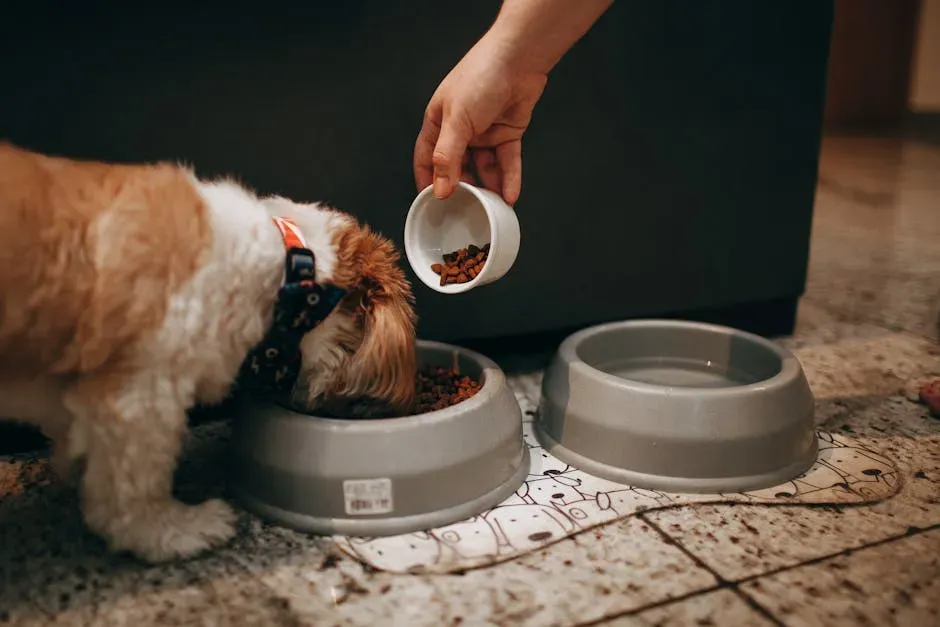
Feeding a dog looks simple, but modern nutrition is surprisingly complex, and guessing your way through it can quietly shave years off your dog’s health. An unbalanced diet, even if it seems “natural,” can lead to heart problems, weak bones, poor immunity, or organ strain over time. This is especially risky with homemade or trendy diets that are not formulated by qualified veterinary nutritionists, or with owners who change foods often based on marketing instead of needs.
On the other hand, high-quality commercial diets that meet established standards are tested and balanced to cover all essential nutrients for specific life stages. The key is not chasing buzzwords like “grain free” or “ancestral,” but choosing a reputable brand with real nutritional science behind it. If you want to feed fresh, homemade, or raw, a consultation with a veterinary nutritionist is worth its weight in gold, because small deficiencies or excesses repeated daily for years can be the quiet villains behind early disease.
3. Treating Exercise as Optional Instead of Non‑Negotiable
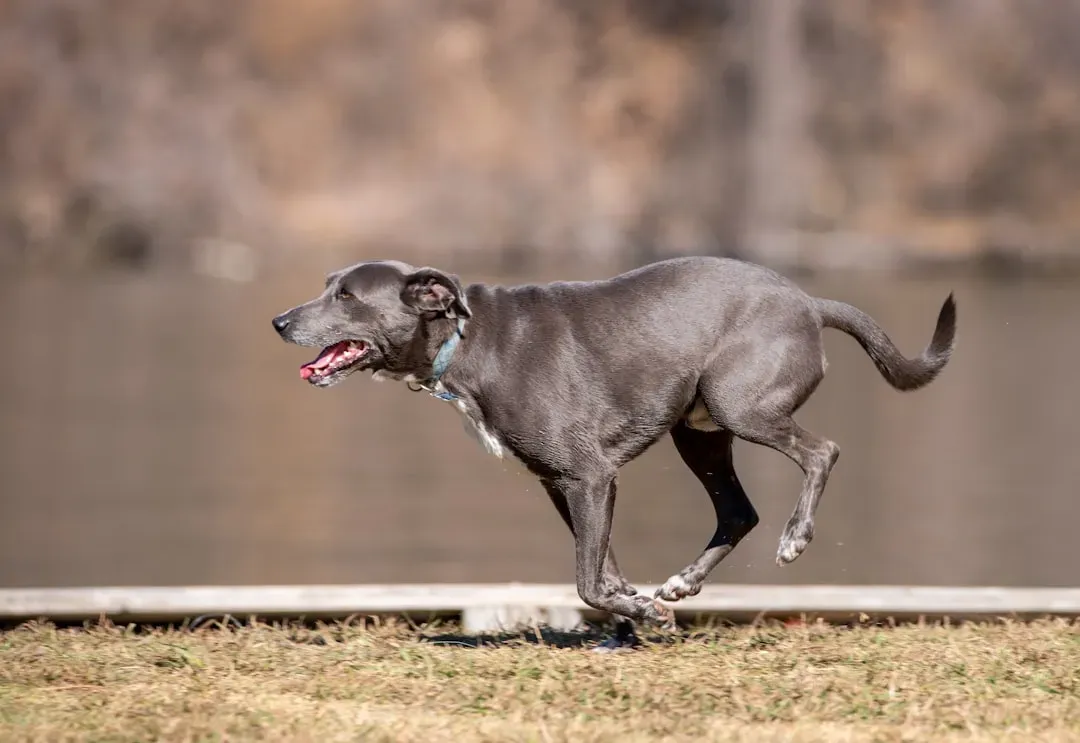
Dogs are built to move, not to live their lives rotating between the couch, the bed, and the food bowl. When daily exercise becomes a “nice to have” instead of a must, dogs silently pay the price in weight gain, stiff joints, weak muscles, and restless behavior that often gets mislabeled as “bad” or “anxious.” A dog that rarely gets its heart rate up is more likely to develop chronic disease earlier, much like sedentary humans.
What counts as enough movement depends on the dog’s age, breed, and health, but almost all dogs need more than a quick loop to the nearest patch of grass. Think of exercise like brushing teeth: you do it because the long-term damage of skipping it shows up years later. Structured walks, play sessions, scent games, and safe off-leash time where possible don’t just burn calories; they keep joints lubricated, circulation strong, and the brain engaged. The goal is consistency over perfection – better a daily 20–30 minutes than a big outing one weekend and nothing all week.
4. Underestimating Dental Care (Until It Is Too Late)
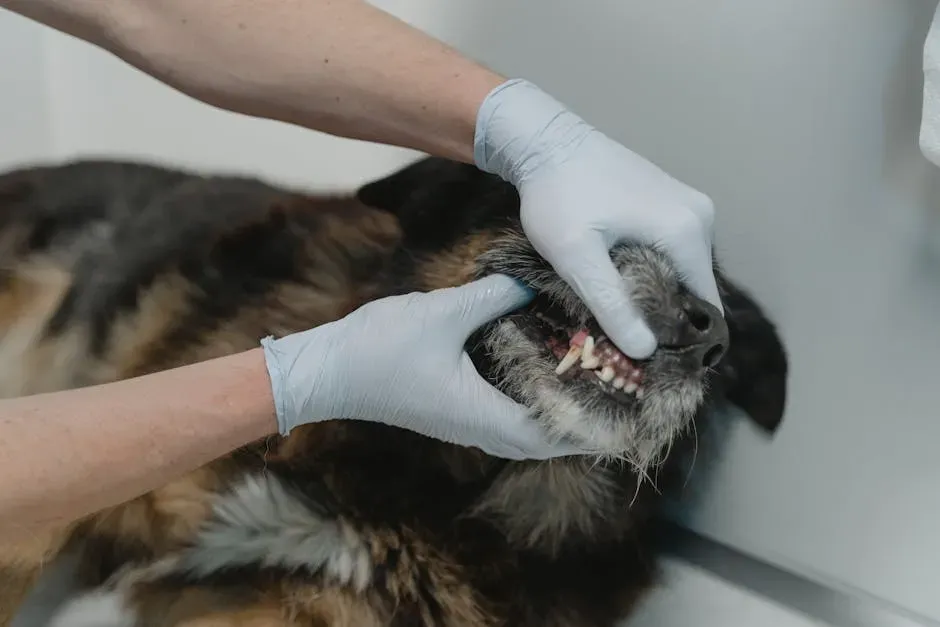
Many owners are shocked when they first learn how closely dental health is tied to overall health. Plaque and tartar do not just cause bad breath; they allow bacteria to inflame the gums, damage the tissues supporting the teeth, and potentially enter the bloodstream. Over the years, that chronic inflammation and bacterial load can contribute to heart, kidney, and liver problems. By the time a dog is obviously struggling to eat, the damage has often been building quietly for a long time.
Regular brushing with dog-safe toothpaste, dental diets or chews that are actually proven to help, and periodic professional cleanings under anesthesia can dramatically change this trajectory. Many people avoid dental procedures out of fear of anesthesia or cost, but postponing care can mean more extractions, more pain, and more risk later. Think of dental care not as a cosmetic extra, but as one of the core pillars of whole-body health, just like nutrition and exercise.
5. Skipping Vet Visits Because “They Seem Fine”
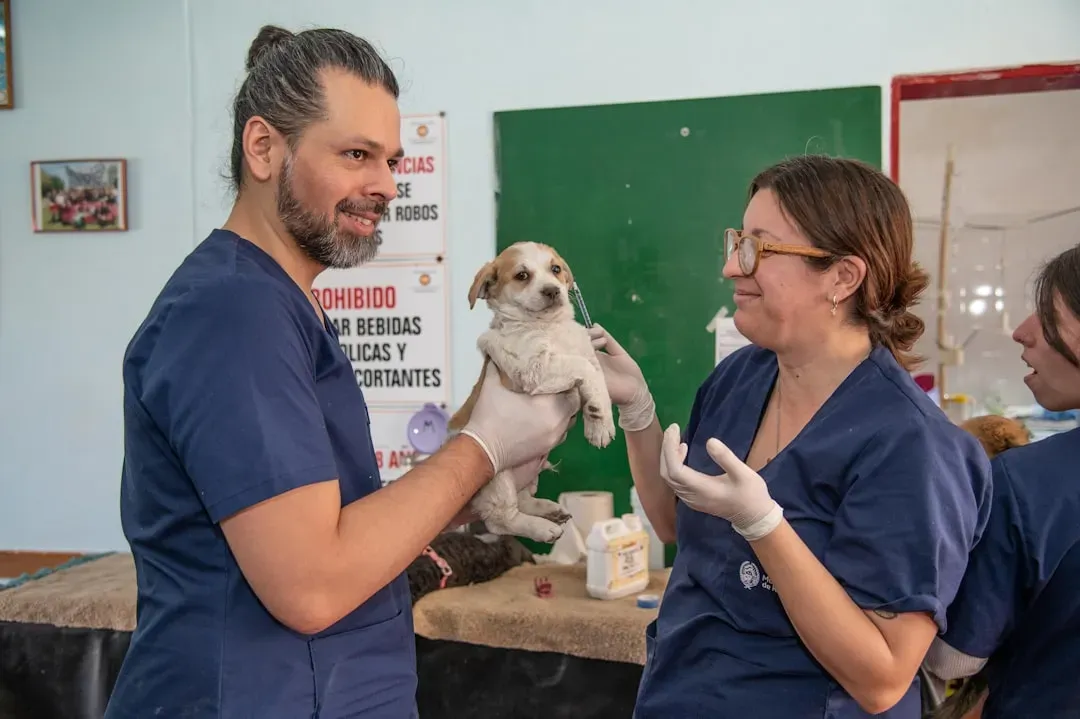
Dogs are masters at hiding discomfort, and many serious conditions start quietly, long before a dog limps, coughs, or stops eating. When yearly or twice-yearly checkups get skipped, owners lose the chance to catch things early when they are easier and often cheaper to treat. Problems like kidney disease, heart disease, dental infections, thyroid issues, or early arthritis can be simmering below the surface while a dog still acts “normal” at home.
Routine physical exams, weight checks, blood work, and parasite screening function like a dashboard for your dog’s internal health. They help track trends and spot deviations before they turn into crises. Waiting until something is obviously wrong before seeing a vet often means there is already significant damage. Regular preventive care might feel boring compared to dramatic interventions, but it is arguably the single most effective way to add healthy years to your dog’s life.
6. Ignoring Subtle Pain and Calling It “Just Getting Older”
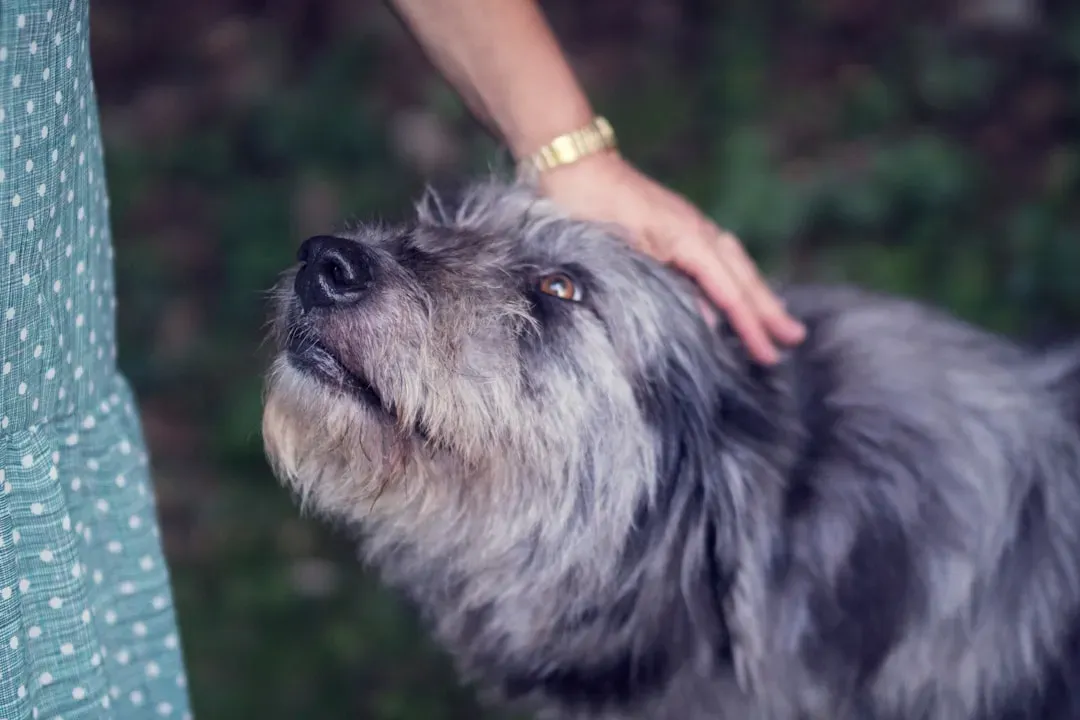
There is a heartbreaking myth that stiff, slow, or grumpy older dogs are simply “showing their age,” and that nothing can or should be done. In reality, a huge number of these dogs are living with chronic, treatable pain, especially from arthritis or undiagnosed injuries. Dogs rarely cry or whimper when they hurt; instead, they move less, hesitate on stairs, avoid jumping on the couch, lick or chew at joints, or withdraw from play.
Assuming this is normal aging robs them of comfort and mobility in what could be rich, active golden years. Modern veterinary medicine offers a wide toolkit: targeted pain medications, joint-support supplements, weight management, physical therapy, acupuncture, and environmental changes like ramps and non-slip mats. The earlier pain is recognized and addressed, the more function can be preserved. If your gut says, “She is not herself,” it is worth treating that as a red flag rather than a passing quirk of age.
7. Overlooking Mental Health and Boredom
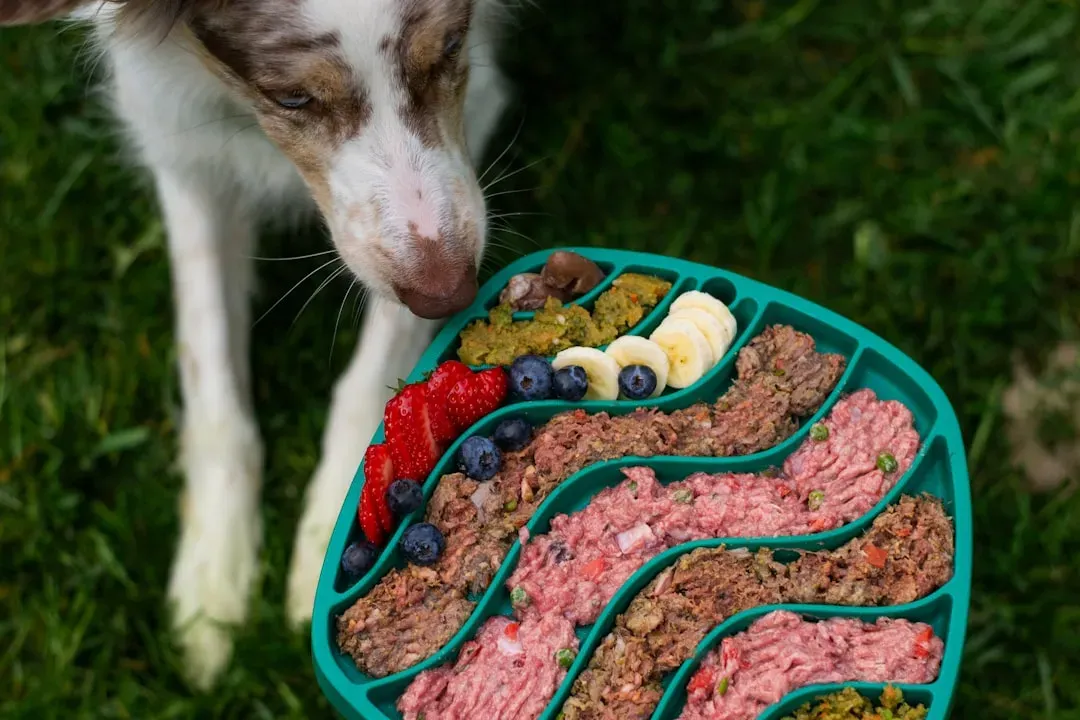
We talk a lot about physical health, but a chronically bored, stressed, or under-stimulated dog is not truly healthy either. Dogs are social, thinking animals that need more than food and a backyard. When they spend long hours alone, lack interaction, or never get to use their brains and noses, stress hormones can stay elevated, sleep can worsen, and behavior problems – like chewing, barking, or reactivity – often follow. Over time, this kind of stress can wear on the body, just like it does in people.
Enrichment does not have to mean elaborate gadgets. Food puzzles, sniff walks, simple trick training, rotating toys, playdates with appropriate dog friends, and more time simply hanging out with their humans can transform a dog’s daily experience. A mentally engaged dog is often calmer, easier to live with, and more resilient as they age. Think of a dog’s brain like a muscle: using it regularly helps keep it flexible, sharp, and better able to handle the changes that come with getting older.
8. Mismanaging Vaccines and Parasite Protection
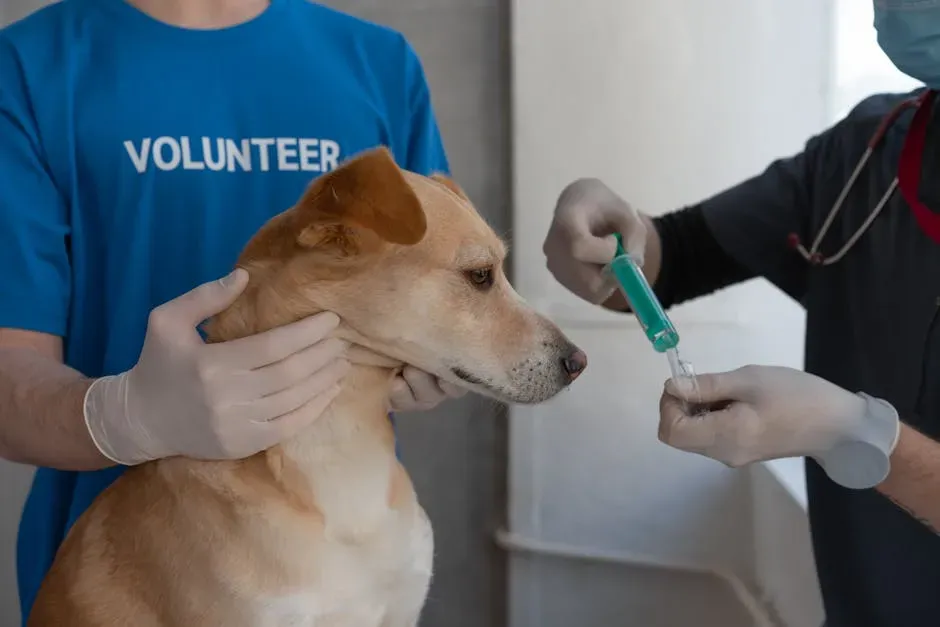
Some owners become understandably wary about “too many chemicals” or vaccines and swing too far in the other direction, leaving dogs under-protected against real threats. Serious diseases like parvovirus, distemper, leptospirosis, and rabies can still cause immense suffering and early death, and many are preventable with appropriate vaccination schedules. Fleas, ticks, heartworms, and intestinal parasites can also do far more damage than most people realize, affecting the blood, heart, and immune system over time.
At the same time, casually stacking every possible product and unnecessary booster without a plan is not ideal either. The sweet spot is working with a veterinarian to create a tailored plan based on your dog’s age, lifestyle, and local risk. That might mean core vaccines on recommended intervals, titer testing in some cases, and parasite prevention that is consistent but not random. Proper prevention keeps your dog from fighting battles it never needed to face, preserving energy and organ function for the normal wear and tear of life instead.
9. Forgetting That Safety Is a Health Issue Too

When people think about longevity, they often picture disease, not daily safety. Yet preventable injuries – from car accidents, dog fights, heatstroke, drowning, or toxins – can end a dog’s life in an instant or leave lasting damage that shortens their healthy years. Letting dogs ride loose in cars, roam off-leash near roads, or wander unsupervised around pools, balconies, or wildlife areas all carry risks that add up over a lifetime.
Simple safety habits can be incredibly powerful: secure fencing, leashes in busy areas, seat belt harnesses or crates in the car, supervision around water, avoiding walks on dangerously hot pavement, and keeping toxic foods and chemicals locked away. These may feel restrictive in the moment, but they dramatically lower the odds of a major, life-altering event. Think of safety not as paranoia, but as the quiet scaffolding that lets your dog enjoy freedom and fun for many more years.
Conclusion: Small Choices, Big Years

The quiet truth is that most dogs do not lose years because of one dramatic, unavoidable event. They lose them to a slow drip of small, fixable things: a bit too much food, not quite enough movement, dental care postponed, subtle pain ignored, boredom brushed off as laziness. The comforting flip side is that you do not need to be perfect or wealthy or obsessively strict to change this story – you just need to notice earlier and care consistently.
If you focus on keeping your dog lean, feeding a well-balanced diet, moving daily, protecting their teeth, seeing the vet before things look urgent, respecting their pain, nurturing their mind, managing disease risks wisely, and taking safety seriously, you are already doing more than many. No one can guarantee how long any dog will live, but we can absolutely stack the odds in their favor. Looking at your dog right now, which quiet mistake are you most ready to fix first?


