
If you grew up hearing that cats and dogs are sworn enemies, you’re in for a pleasant shock. Some cat breeds are so sociable, tolerant and even playful that they can become genuine buddies with the family dog, sharing beds, toys and sunny windowsills like furry little roommates.
Of course, every animal is an individual, and no breed comes with a guaranteed friendship contract. But if you love both species and dream of a drama‑free, mixed pet household, certain cat breeds really do tilt the odds in your favor. Let’s walk through ten of the most dog‑compatible cats and why they so often break the old “fighting like cats and dogs” stereotype.
1. Maine Coon – The Gentle Giant Who Thinks It’s One of the Dogs
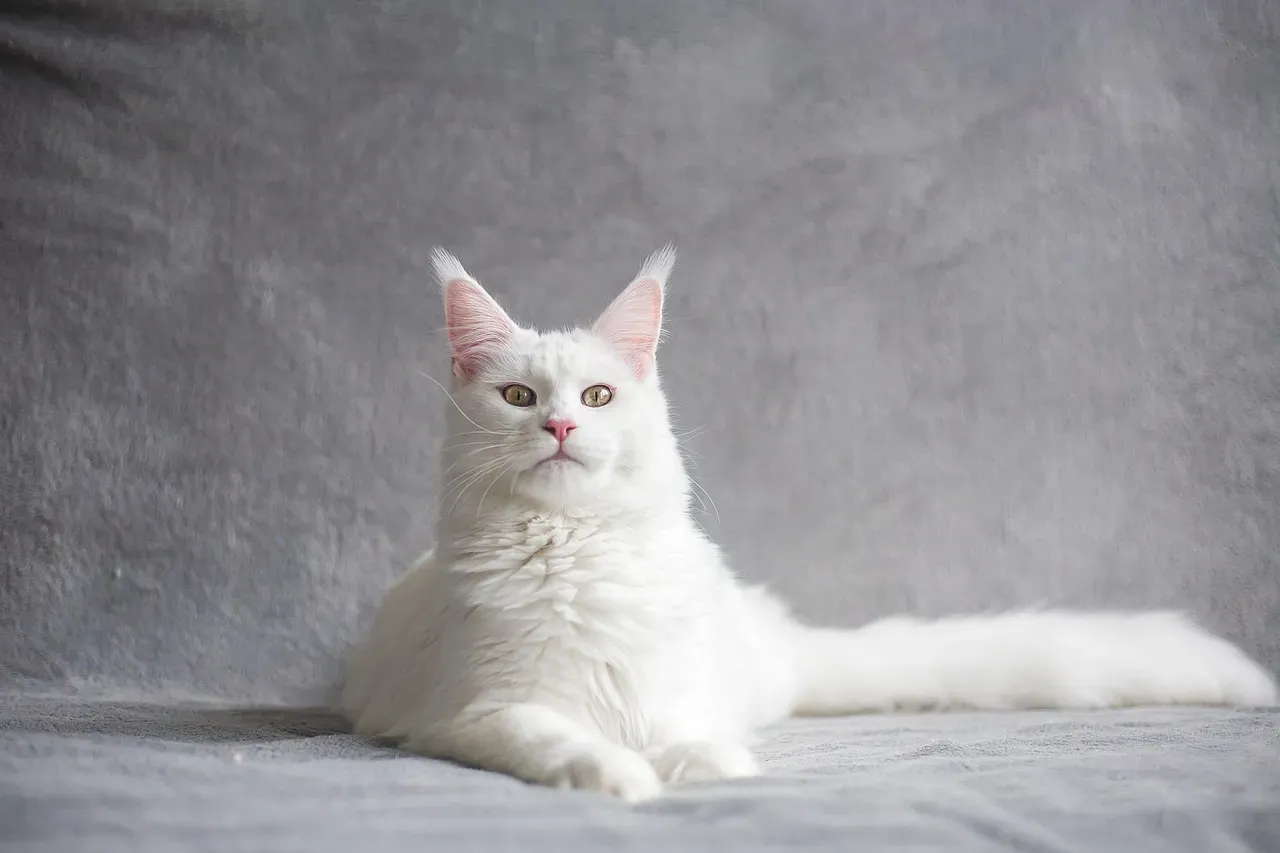
Maine Coons are often called gentle giants for a reason: they are large, laid‑back and usually much less fazed by boisterous dogs than smaller, more nervous cats. Their sturdy build and calm temperament mean they are less likely to panic if a friendly dog runs up to them with a wagging tail and a toy in its mouth.
Many Maine Coons enjoy interactive play and will even follow their humans and dog companions from room to room like a fluffy, shadowy entourage. Because they tend to be social and curious rather than skittish, they often adapt quickly to a dog’s routine, sometimes even learning to walk on a leash or join in on gentle games of chase. Think of them as the chill, big roommate who never overreacts when someone slams a door.
2. Ragdoll – The Relaxed Lap Cat That Rarely Picks a Fight
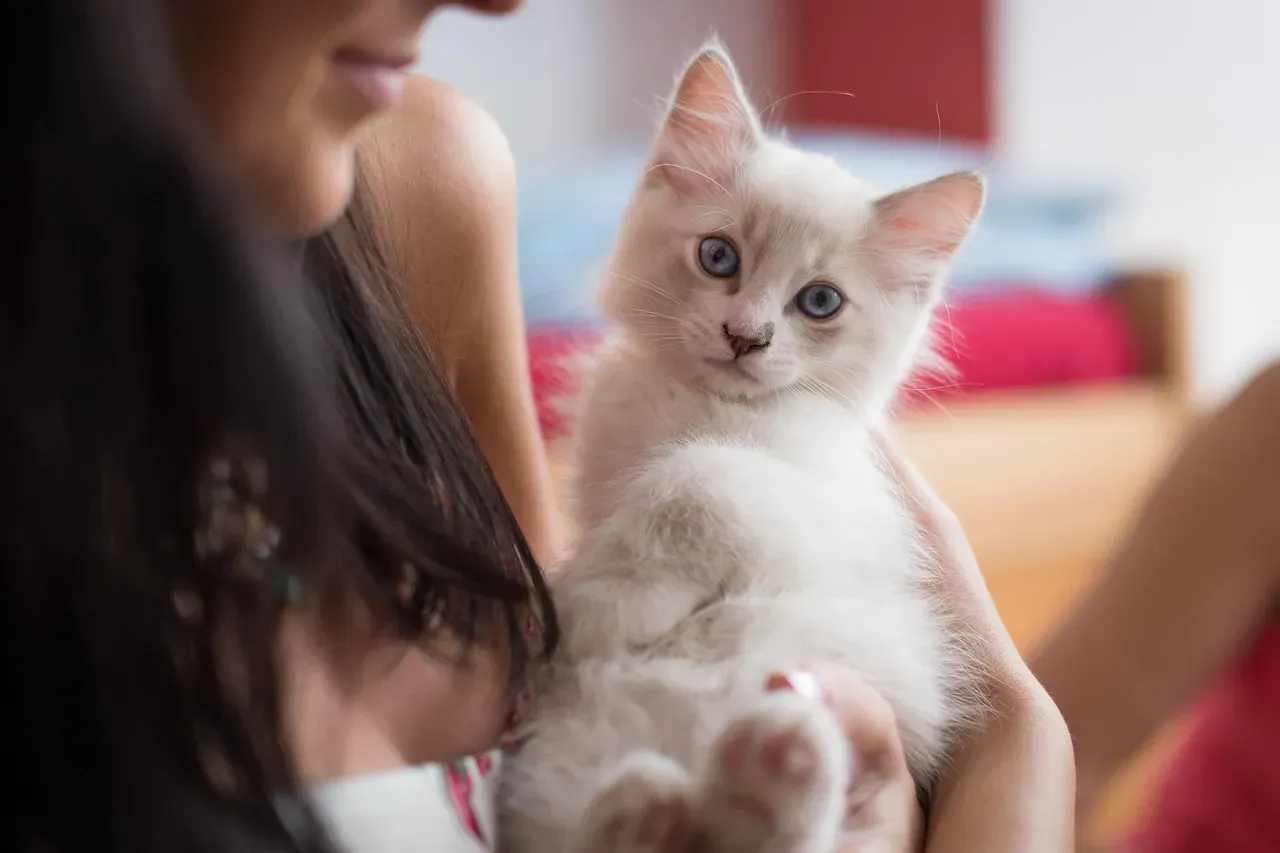
Ragdolls are famous for their relaxed, floppy nature and typically low aggression levels. When handled gently and introduced properly, they are far more likely to tolerate a dog’s attention than to swat first and ask questions later. Their tendency to stay calm can really help keep the overall energy in the home peaceful.
Because they are people‑oriented and enjoy being near their humans, Ragdolls often end up hanging out in the same spaces as the family dog. Instead of fleeing from a curious snout, many will simply walk away slowly or hop onto a higher surface if they need a break. If you have a respectful, moderately calm dog, a Ragdoll is often the kind of cat that will eventually nap within paw’s reach of their canine sibling.
3. Birman – The Sweet‑Natured Companion That Likes Company
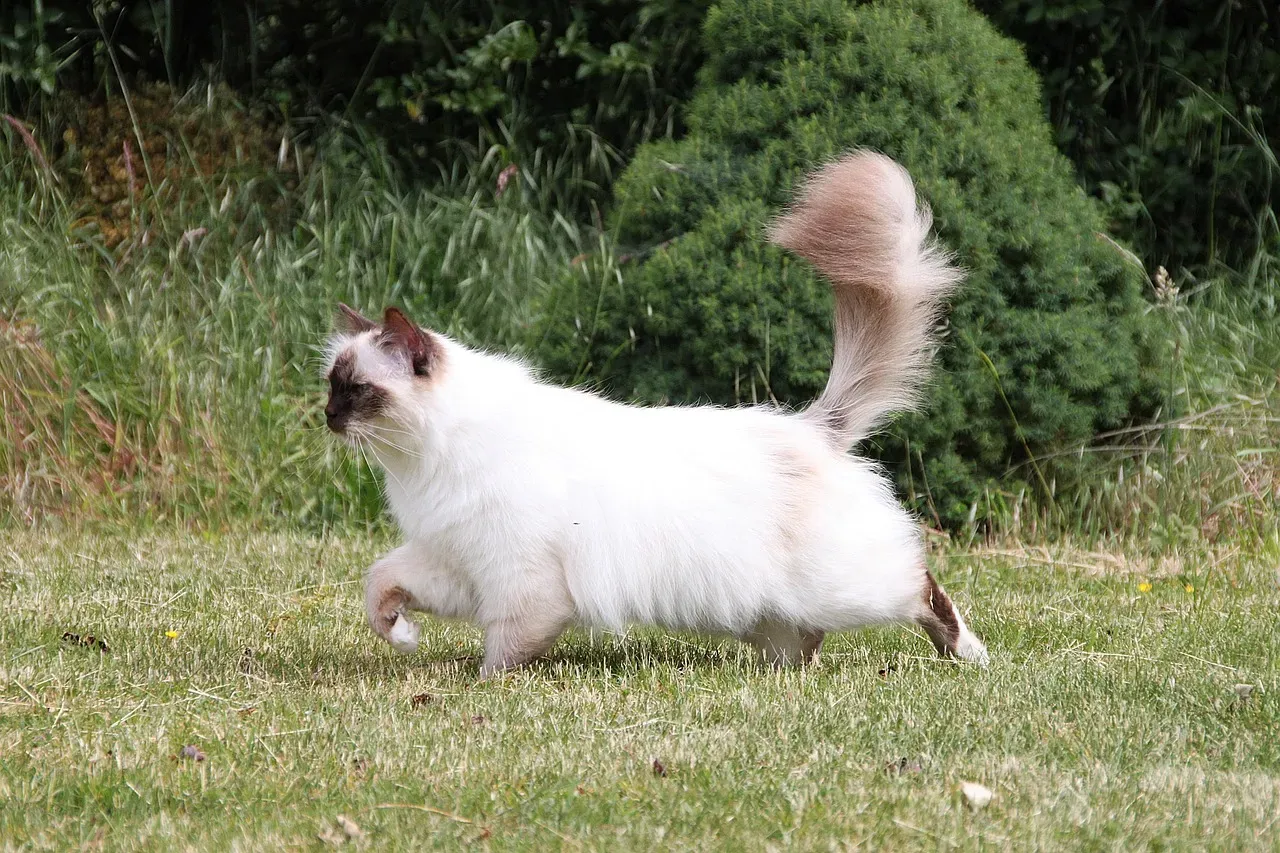
Birmans are typically gentle, affectionate cats that enjoy companionship, whether it comes in human, feline or canine form. They tend not to be overly territorial, which lowers the risk of them seeing a new dog as an automatic intruder. Instead, they often approach slowly, observe and then choose to coexist rather than clash.
Many Birmans are playful but not hyperactive, so their energy level can match nicely with easygoing dogs. They often appreciate shared routines, like lounging in the same sunny spot or investigating new smells together in the house. With their calm, people‑pleasing vibe, Birmans can act almost like the diplomat of the household, smoothing over tensions simply by being so mild‑mannered.
4. Siberian – The Adventurous All‑Weather Buddy
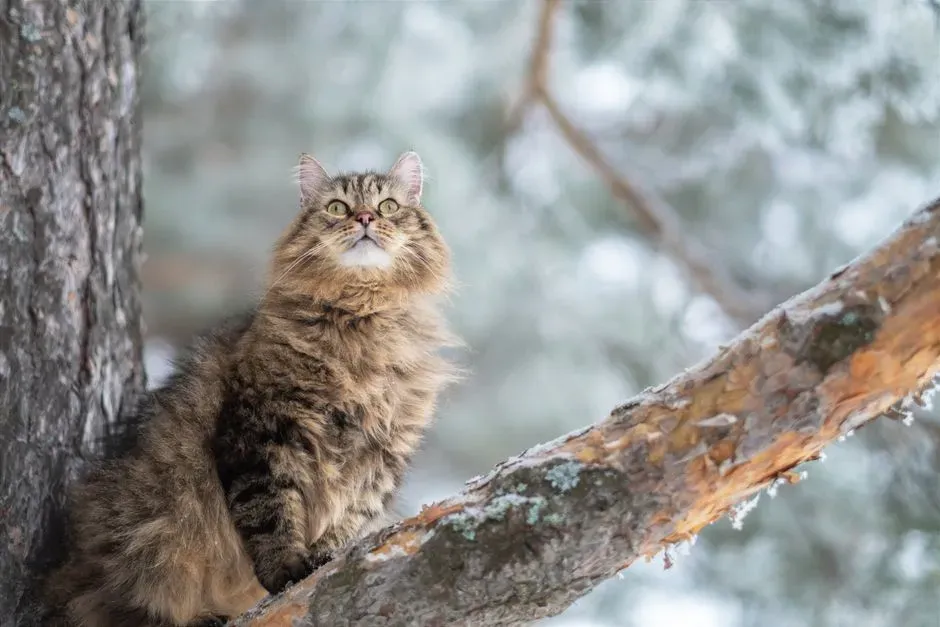
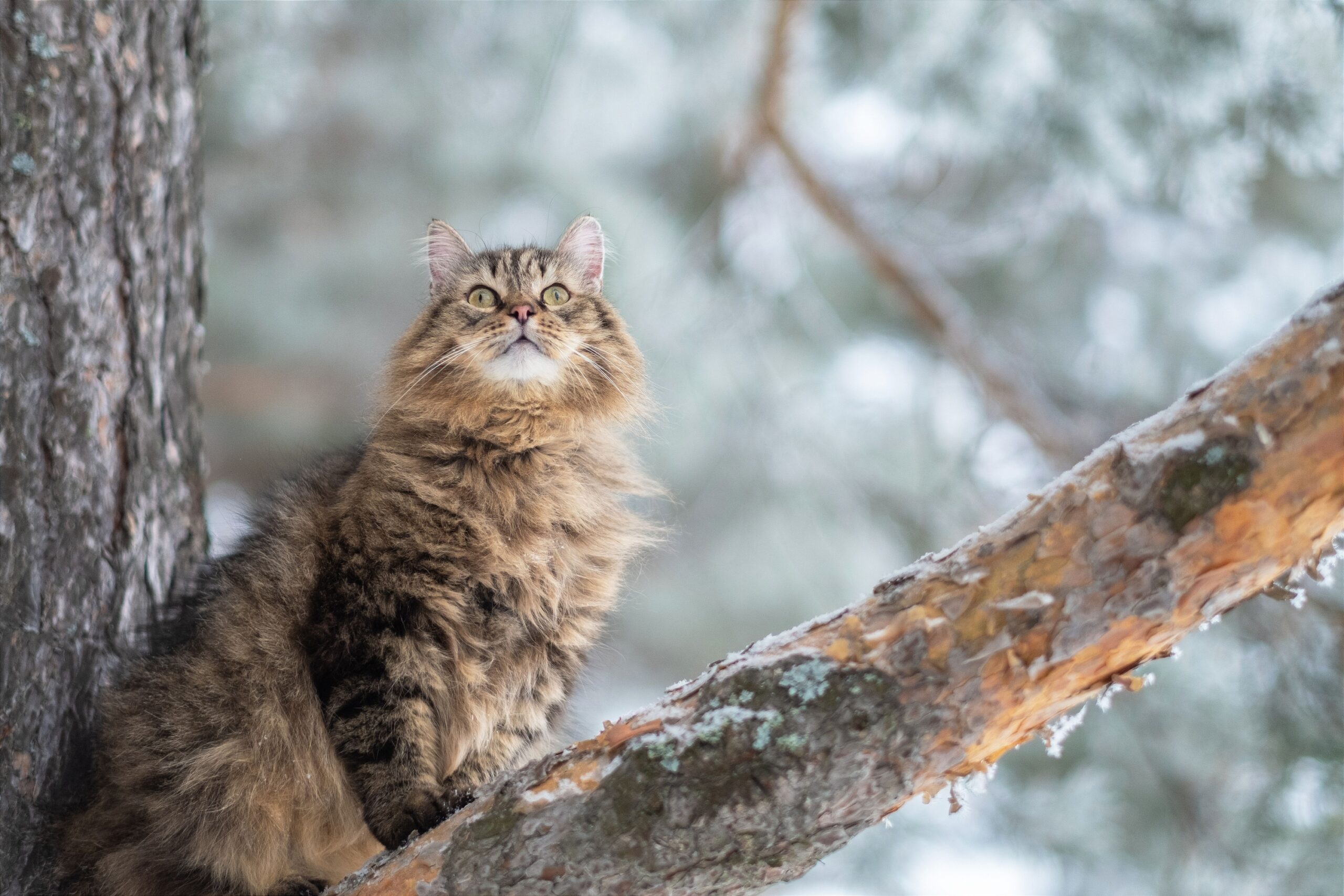
Siberian cats were historically farm and village cats, and that working‑background attitude still shows in their confidence and adaptability. They usually do not crumble under loud noises or active environments, which makes them better equipped to handle the presence of a lively dog. Instead of bolting, a Siberian often stands its ground and assesses the situation with calm curiosity.
Their playful, athletic nature can also sync surprisingly well with many dog breeds. Siberians often enjoy chasing toys, climbing and exploring, so a friendly dog can become more of a teammate than a threat. In the right household, you may end up watching them patrol the yard together like a tiny snow leopard and a small wolf on a joint mission.
5. Abyssinian – The High‑Energy Playmate Who Loves a Good Game
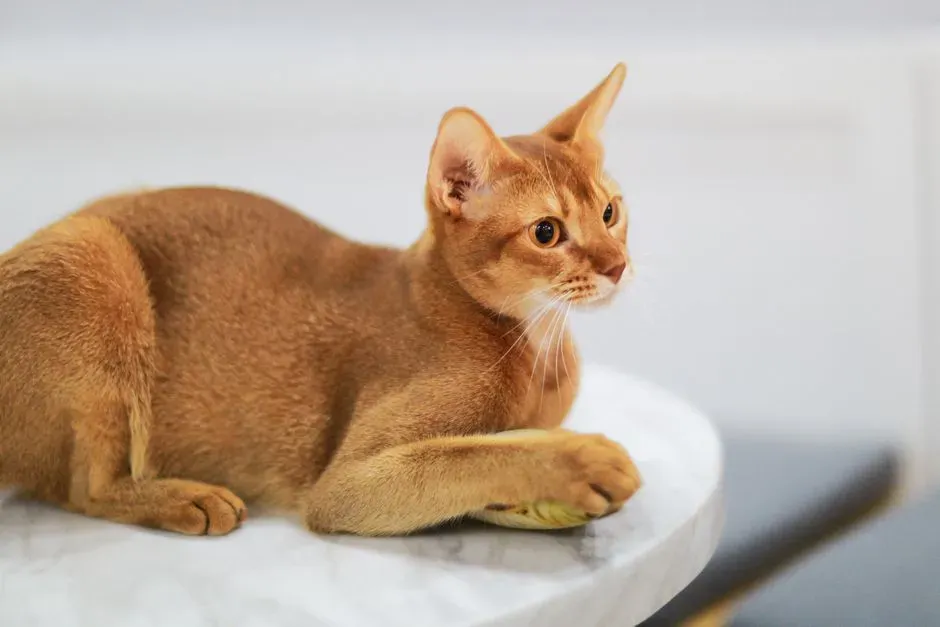
Abyssinians are one of the most active and inquisitive cat breeds, often compared to little acrobats. That high energy can actually be a big plus in a dog household, especially if your dog is playful and needs a buddy to chase and explore with. Instead of being intimidated by a dog’s enthusiasm, many Abyssinians seem to consider it an invitation to join the fun.
They are also highly social and usually enjoy being at the center of family life. You’ll often find an Aby perched somewhere with a perfect view of everything the dog is doing, ready to pounce on a toy or dash down the hallway. With careful introductions, their love of activity can blossom into a real cross‑species friendship, almost like two kids at the playground who find each other on the first day.
6. Burmese – The People‑Focused Cat That Treats Dogs Like Extra Family
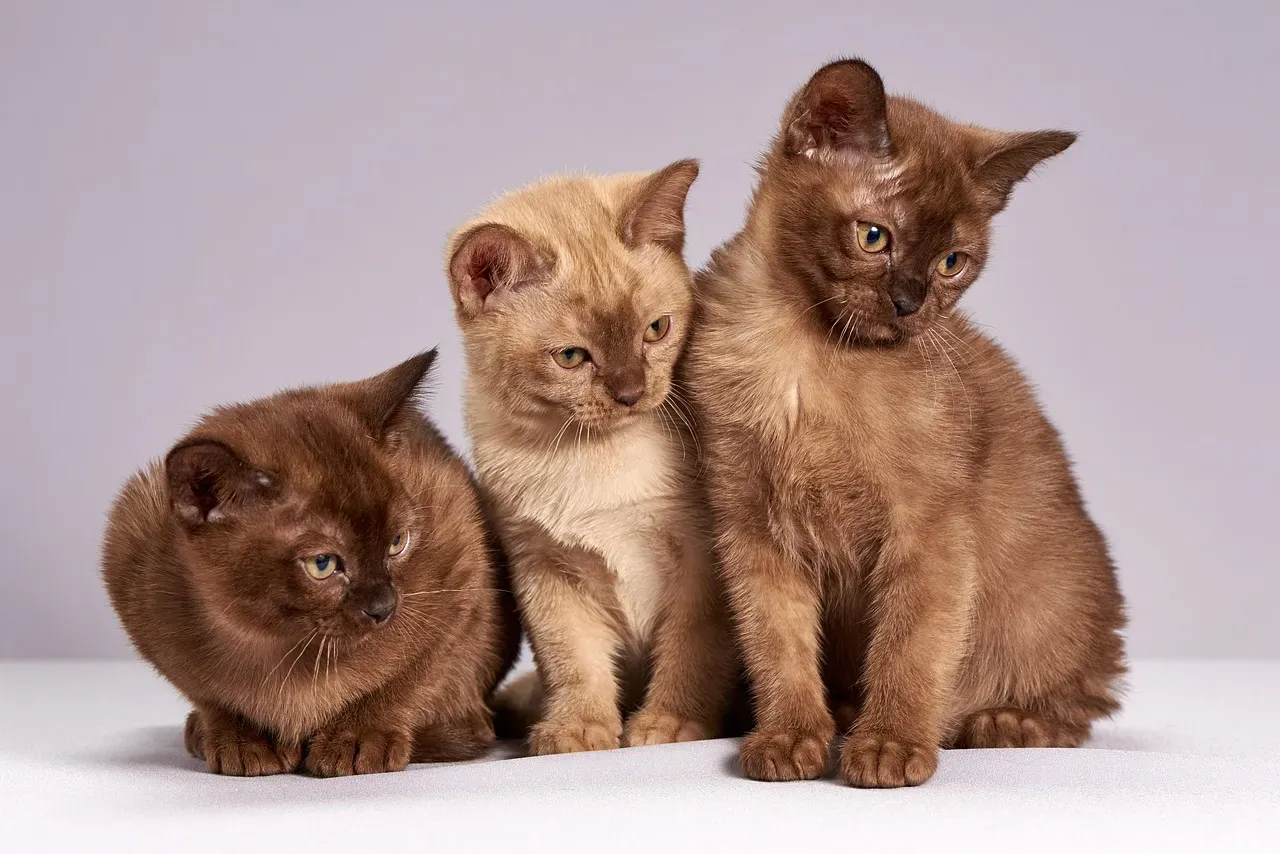
Many Burmese cats are extremely people‑oriented and dislike being alone, which makes them more inclined to accept any friendly creature in the home, including dogs. Rather than hiding away, a Burmese is more likely to trot out to see who has arrived and what everyone is doing, tail up and eyes bright. This confident approach often prevents misunderstandings with dogs who are simply curious.
Because they crave interaction, Burmese cats often appreciate the extra company a dog provides when their humans are busy or out of the house. You might notice them napping near the dog’s bed, sniffing the same toys or weaving around the dog’s legs at feeding time. Their “everyone is part of my team” attitude can slowly turn a cautious dog into a cat‑loving convert.
7. British Shorthair – The Unbothered Observer Who Keeps the Peace
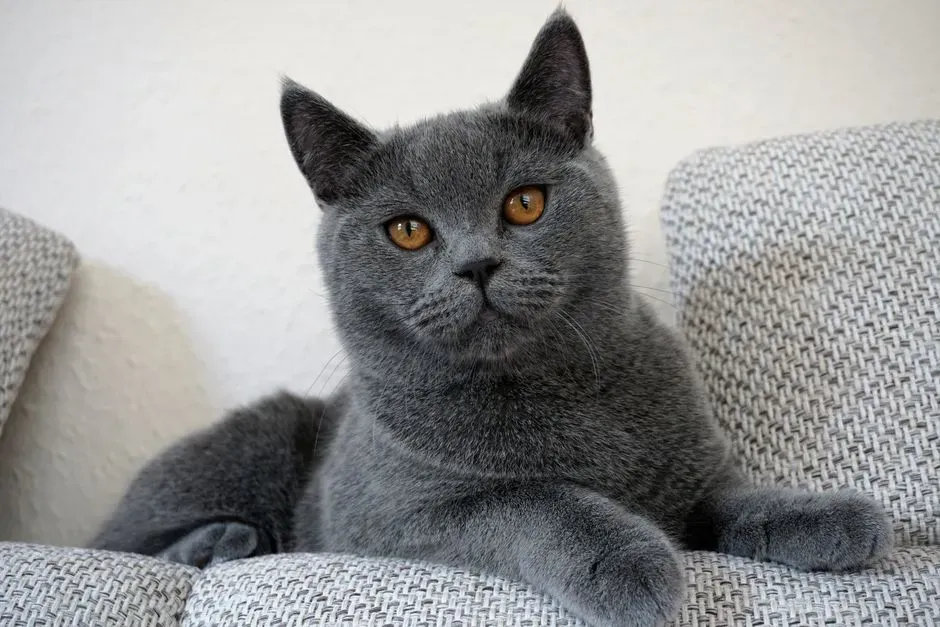
British Shorthairs are generally calm, solid cats that are not easily rattled by household chaos. They often prefer a measured, dignified approach to life, which means they are less likely to overreact if a dog bounces a little too close. Instead of sprinting away and triggering a chase, a British Shorthair may simply give a patient stare and step aside.
Their independence can also be a big asset in a mixed home. They do not usually cling to constant attention, so they can coexist with a dog without vying for the same cuddles every second. With enough vertical spaces and cozy hideaways, British Shorthairs often settle into a roommate style relationship with dogs: plenty of mutual respect, occasional shared naps and not much drama.
8. Norwegian Forest Cat – The Confident Climber That Holds Its Own
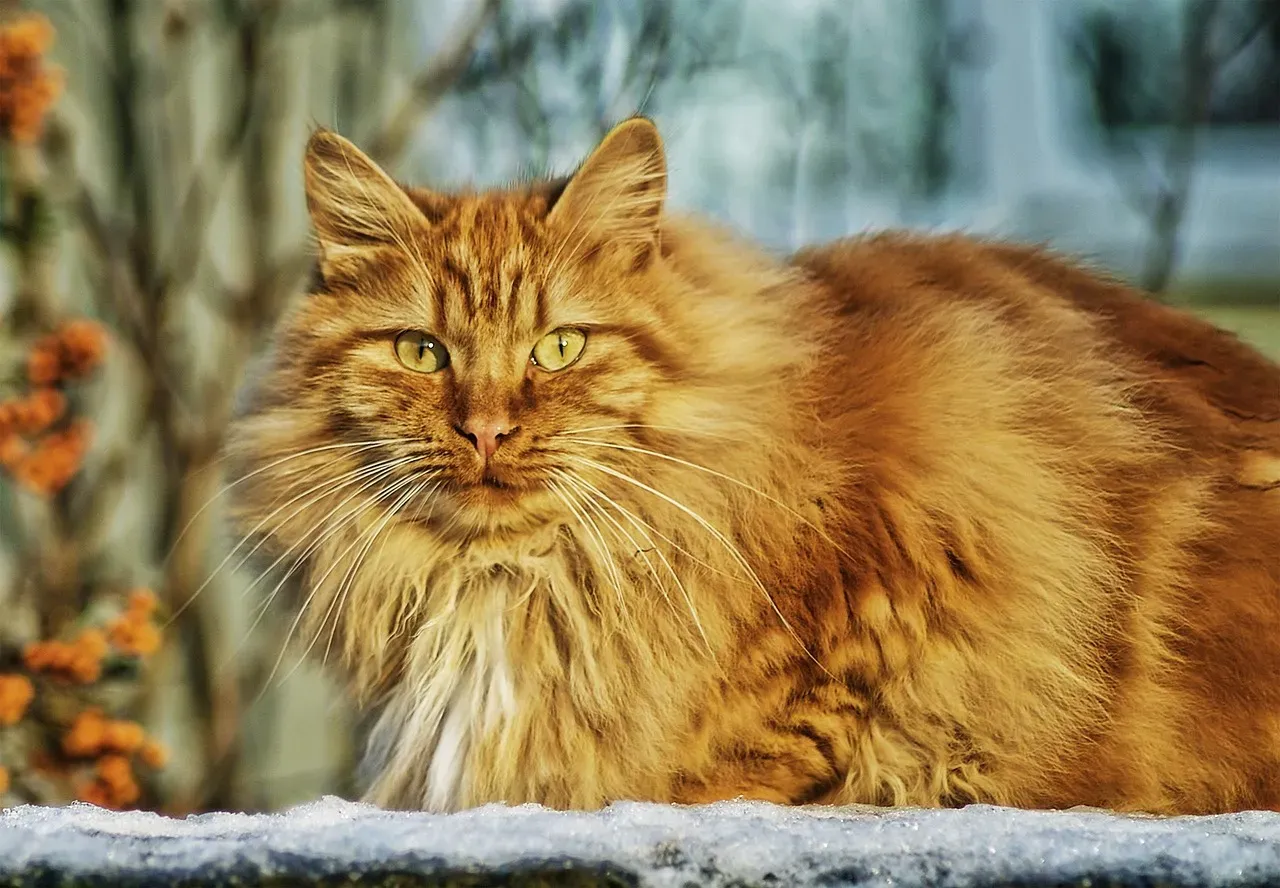
Norwegian Forest Cats are strong, athletic and confident, developed as outdoor and farm cats in cold climates. That heritage usually shows in a certain grounded, self‑assured personality that does not crumble around bigger animals. When introduced correctly, they tend to be curious about a dog rather than instantly fearful.
Their love of climbing and high vantage points also helps them feel safe around more energetic dogs. They can easily retreat to tall cat trees, shelves or windowsills when they want a break, still watching the action below. In many homes they become part of the “pack,” following their humans and canine friends around but always with the option to survey everything from above like a furry forest guardian.
9. Sphynx – The Social Butterfly That Hates Being Alone
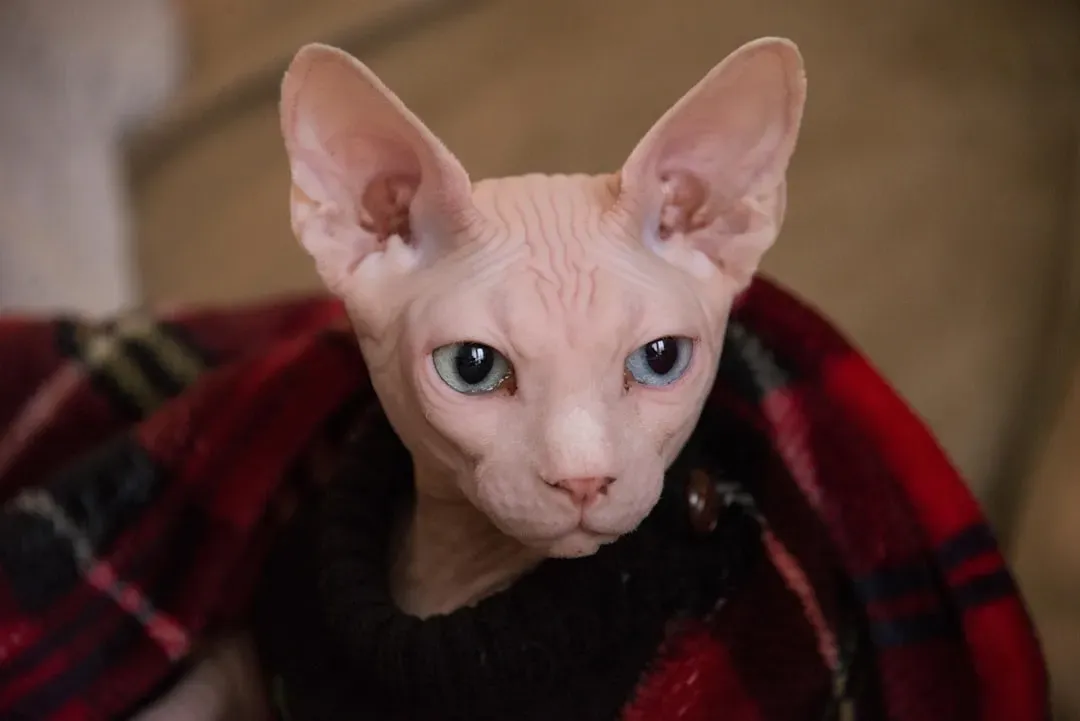
Sphynx cats are famously social and usually dislike solitude, which makes them especially likely to bond with any available companion, including dogs. Their strong desire for warmth and closeness often leads them to snuggle under blankets, on laps or yes, right up against a napping dog. For a friendly canine, that constant closeness can deepen the bond very quickly.
Because Sphynx cats are typically bold and outgoing, they rarely hide for long when a new dog arrives. They often walk right up for a sniff, inspect the newcomer and then stake out a spot nearby. That extroverted nature can be a game‑changer in multi‑pet homes, transforming potential tension into a kind of cozy, shared living arrangement where everyone piles up like a stack of living hot‑water bottles.
10. Tonkinese – The Playful Socialite That Bridges the Gap
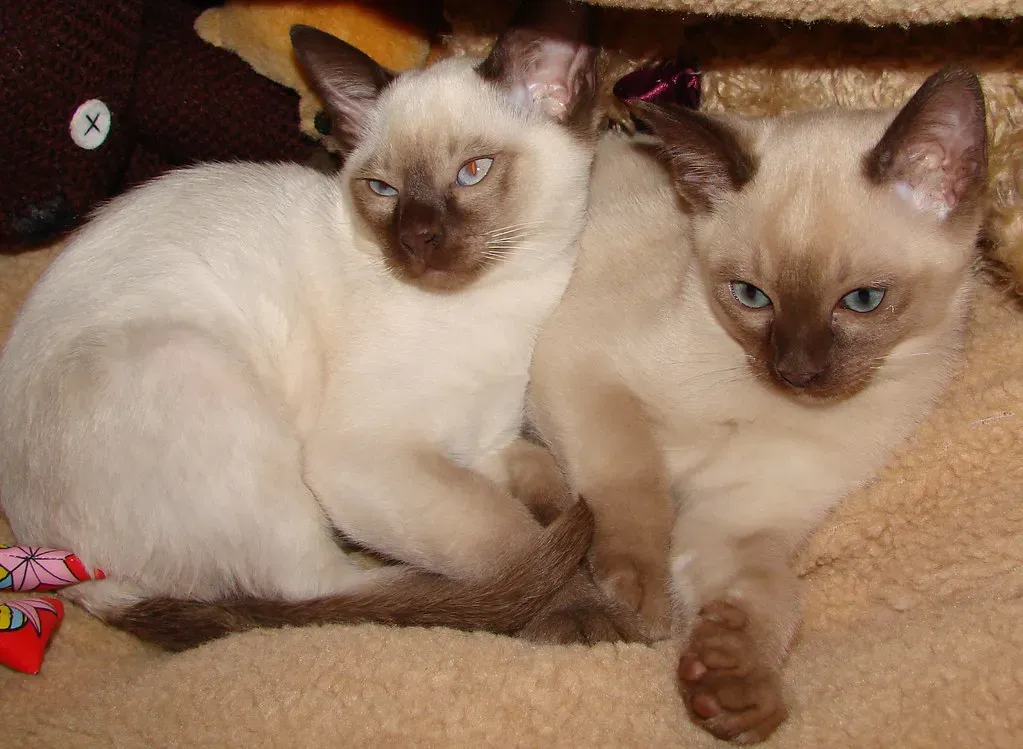
Tonkinese cats blend traits from Siamese and Burmese lines, and they tend to be playful, vocal and highly social. They thrive on interaction, which can make a friendly dog more of a blessing than a burden. Instead of getting annoyed by a canine partner, many Tonkinese happily join in on games, following the dog or chasing the same toys.
Their outgoing personality also means they are less likely to retreat into long‑term hiding when a dog joins the family. With patient introductions, they usually warm up, sometimes even initiating contact by rubbing against the dog or sharing a sun patch. In many ways, a Tonkinese can act like the outgoing friend who introduces two shy people and helps turn an awkward first meeting into a lasting friendship.
Conclusion – Breed Helps, but Personality Rules the Story
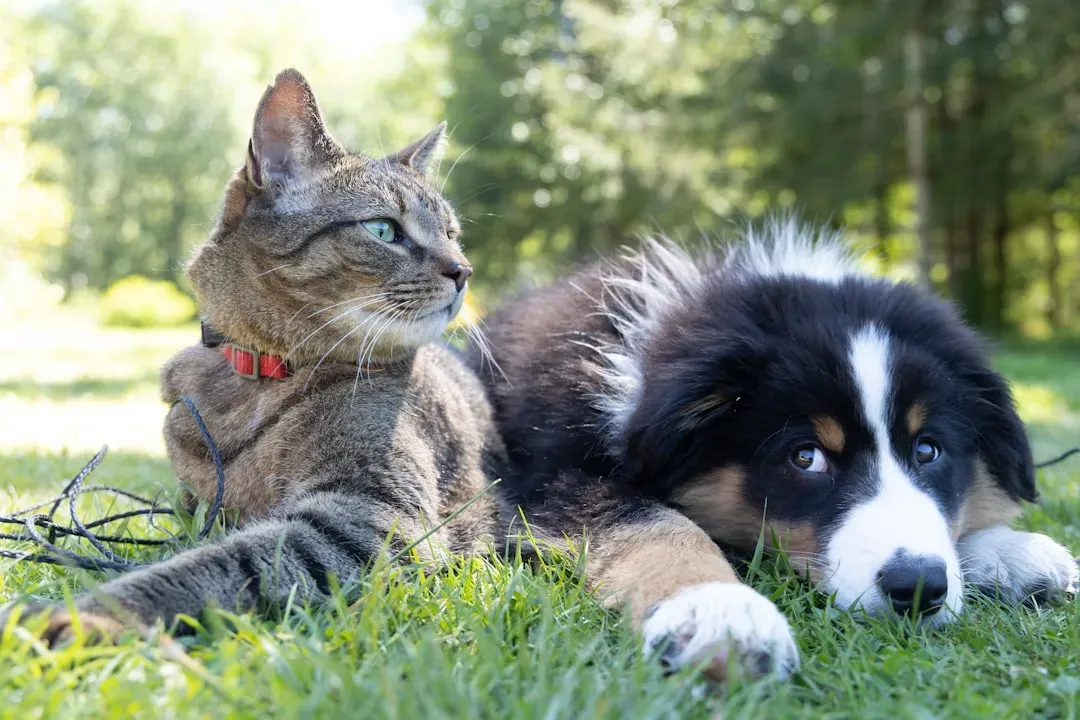
Looking at these breeds, it is tempting to believe that choosing the “right” cat automatically guarantees a perfect relationship with your dog. In reality, breed tendencies just stack the deck a little in your favor; the real outcome still comes down to each animal’s personality, past experiences and how thoughtfully you handle introductions. A calm mixed‑breed shelter cat might bond with your dog faster than the most carefully chosen pedigree if the chemistry is right.
If there is one opinion worth holding onto here, it is that we should stop assuming cats and dogs are natural enemies. With patience, slow introductions, plenty of escape routes and respect for each animal’s comfort zone, many pairs end up not just tolerating each other but genuinely enjoying life together. When you catch your dog and cat sharing a bed for the first time, it feels less like breaking a rule and more like discovering that the rule was never really true in the first place – does that surprise you as much as it surprised me?


