

Most dogs are experts at pretending everything is fine, even when it really isn’t. They can be wagging their tail one minute and quietly hurting the next. One of the biggest clues that something is wrong is sound: the little whimpers, groans, or sudden yelps that many of us brush off as “they’re just being dramatic.”
But those noises can be early warning signs that your dog is in real discomfort. Learning to decode them can literally be the difference between catching a problem early and facing a full-blown emergency. Once you hear these sounds differently, you’ll never be able to ignore them again – in a good way.
1. Sudden High-Pitched Yelps Out of Nowhere

Imagine you’re just chilling on the couch with your dog when they suddenly let out a sharp, high-pitched yelp and whip their head around as if something bit them. That kind of noise is often a red flag for acute pain – like stepping on something sharp, tweaking a joint, or feeling a sudden nerve pinch. It’s closer to a “pain alarm” than simple annoyance, especially if it seems to come out of nowhere.
If these yelps happen more than once, or your dog starts guarding a body part afterward (holding up a paw, tucking the tail, avoiding stairs), it’s time to pay attention. Repeated random yelps can point to things like back pain, arthritis flares, dental pain when chewing, or even internal issues. A single yelp might be a fluke; a pattern is usually a sign to call your vet.
2. Low, Repeated Whining That Just Won’t Stop

Soft, ongoing whining that seems to have no obvious trigger can be an underappreciated sign of discomfort. Dogs might whine when they are anxious, but they also whine when something hurts and they don’t know what else to do. It often sounds like a low, breathy complaint that stretches on, especially at night or when they’re trying to settle down to sleep.
If your dog keeps shifting positions, can’t seem to get comfortable, and whines when lying down or getting up, think pain first, not “they’re being needy.” Pair the sound with their body language: tense muscles, pinned ears, licking or nibbling the same area, or refusing to jump onto furniture they used to love. When whining is new, persistent, and out of character, it deserves a vet check, not just extra cuddles.
3. Groaning or Grunting When Getting Up or Lying Down

That little “oof” or groan when your dog flops onto the bed might seem cute or even relatable – we all make noises when we move, right? But frequent groaning or grunting, especially in older dogs or large breeds, can be a sign of joint or muscle pain. Think of it like the sound a person makes when their back is sore and they sink into a chair; it’s not just drama, it’s effort.
If your dog groans every time they lie down, stand up, or climb onto the couch, it can be a subtle clue that their hips, spine, or elbows are aching. This is especially important in breeds prone to arthritis or hip dysplasia. You may also notice they move a bit slower, take more careful steps, or avoid playing as hard as they used to. That groan can be their way of saying, “This hurts more than it used to.”
4. Excessive Panting That Feels “Wrong” for the Situation

Panting is normal after a game of fetch or on a hot day, but pain-panting has a very different vibe. It can be fast, shallow, and sometimes continuous, even when your dog is resting in a cool room. Their tongue may not hang out in the usual relaxed way, and their eyes might look wide or worried. You might also see their belly working harder with each breath.
Pain-related panting often comes with other clues: pacing, not wanting to lie down, suddenly seeking or avoiding touch, or staring at you like they’re asking for help. This can show up with problems like abdominal pain, back injuries, or serious conditions such as bloat or pancreatitis. When the panting seems out of proportion to the situation – or you catch yourself thinking, “This just feels off” – that’s your sign to call a vet, not just assume they’re hot.
5. Sharp Snapping or Growling When Touched in One Spot
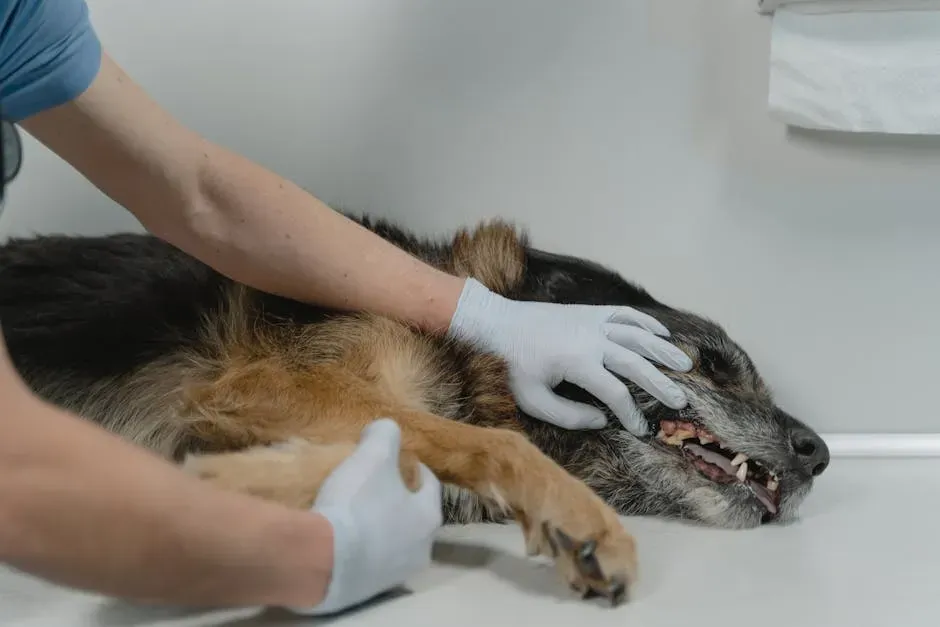
Some of the clearest “I’m in pain” sounds are actually warnings: a sudden growl, snap, or even a bark when you touch a particular area. Many friendly, gentle dogs will growl or air-snap when something hurts badly enough. It isn’t them turning mean; it’s a last-resort boundary because they’re scared you’ll make the pain worse.
If your dog has never been reactive to handling but suddenly growls when you touch their ear, lift a paw, or pick them up, that’s a major clue. Combine that with flinching, pulling away, or hiding, and you should assume there’s a physical cause. Punishing the growl is a bad idea; it just teaches them to skip the warning and go straight to a bite. Instead, back off, note what area triggered the reaction, and share that detail with your vet.
6. Quiet, Strained Whimpers During Movement or Activity

Not all pain sounds are loud or dramatic. Some dogs make soft, almost suppressed whimpers when they walk, jump, or go up stairs, like they’re trying to tough it out but can’t quite stay silent. You might only hear it when the house is quiet or when you walk right behind them. It can come out as a little whine on the exhale with each step or jump.
This type of sound is especially common with chronic pain, like arthritis, cruciate ligament issues, or long-term back problems. Dogs are masters at adapting to discomfort, so by the time you’re hearing these tiny noises, they’ve probably been hurting for a while. If your dog starts refusing walks, falls behind, or hesitates before doing things they used to love – and you hear those faint, strained whimpers – it’s time for a full pain workup, not “wait and see.”
7. Unusual Vocalizing at Night or When Left Alone

Nighttime can magnify pain. If your dog is usually calm but suddenly begins crying, howling, or restlessly vocalizing at night, that can be a sign that lying down or staying still is uncomfortable. Pain often feels worse when the world is quiet and there are fewer distractions, just like it does for humans. You may hear them pacing, whining by your bed, or shifting constantly and grumbling as they move.
Similarly, if a normally independent dog starts vocalizing excessively when left alone, especially an older dog, pain or cognitive changes could be part of the picture. They may not just be lonely; they may feel more vulnerable when they hurt and you are not around. Instead of assuming it’s purely separation anxiety, it’s worth ruling out underlying physical issues, particularly if this behavior appears suddenly later in life.
8. Changes in Bark: Hoarser, Shorter, or Reluctant to Bark

It’s easy to overlook changes in your dog’s bark, but their “voice” can tell a story about how they’re feeling. A painful dog may bark less often, cut barks short, or sound strangely hoarse or strained. If barking itself seems to trigger a brief whine, cough, or flinch, there could be pain in the throat, neck, or chest area. Sometimes, dogs with chronic pain also just get quieter overall, like they are too drained to be their usual loud selves.
Pay attention if your loud watchdog suddenly becomes oddly silent or if their signature bark now sounds flat and thin. Voice changes can be related to issues like throat irritation, neck injuries, respiratory problems, or even general malaise from ongoing pain elsewhere. When your dog stops “speaking up” the way they always have, it can be a surprisingly important clue that their body does not feel right anymore.
Opinionated Conclusion: When in Doubt, Believe the Sound
A lot of people still dismiss dog noises as attention-seeking or stubbornness, but that mindset is honestly outdated and unfair. Dogs do not sit around scheming how to manipulate us with fake pain sounds; if anything, they are more likely to hide discomfort than exaggerate it. If you start from the assumption that every unusual sound could be meaningful, you’ll catch problems sooner and spare your dog a lot of silent suffering.
In my view, it is always better to be the “overreactive” dog parent who calls the vet too early than the one who realizes too late that those little yelps and whines were serious. You know your dog’s normal soundtrack better than anyone else; when the music changes, listen. The next time your dog makes a strange or new sound, will you brush it off – or treat it like the message it probably is?


