
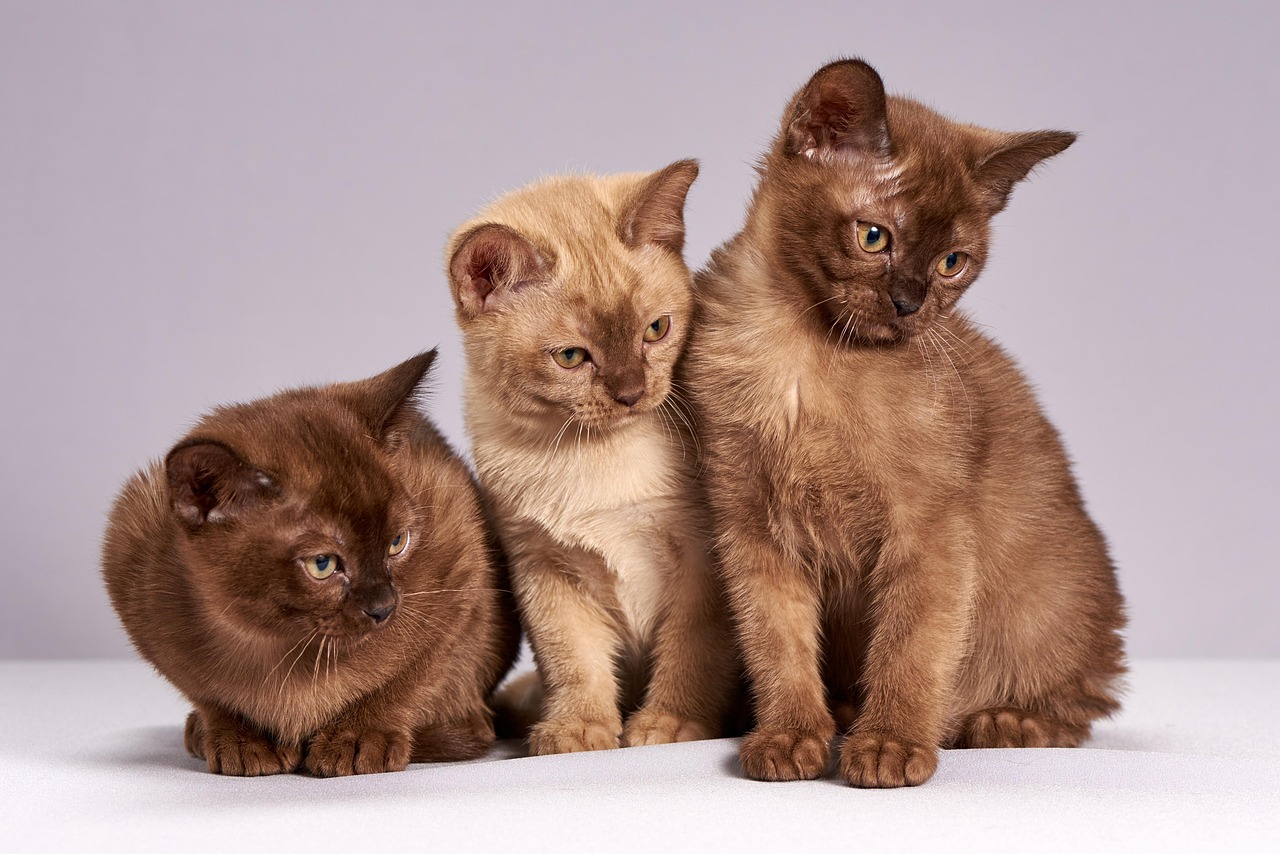
There is something quietly powerful about a purring cat on your lap. For many seniors, that soft warmth, the slow blink, and the familiar routine of caring for a pet can turn an ordinary afternoon into something deeply comforting. But not every cat breed is equally suited to slower-paced homes, changing mobility, or the need for calm, predictable companionship.
This is where choosing the right breed really matters. Some cats are high-octane acrobats; others are mellow, affectionate, and almost therapeutic to be around. In this guide, we’ll walk through seven cat breeds known for gentle temperaments, manageable care needs, and a special knack for bonding with older adults. You might be surprised which breeds make the list – and which one ends up sounding most like you.
Ragdoll: The Velvety Lap Cat Who Loves Being Carried
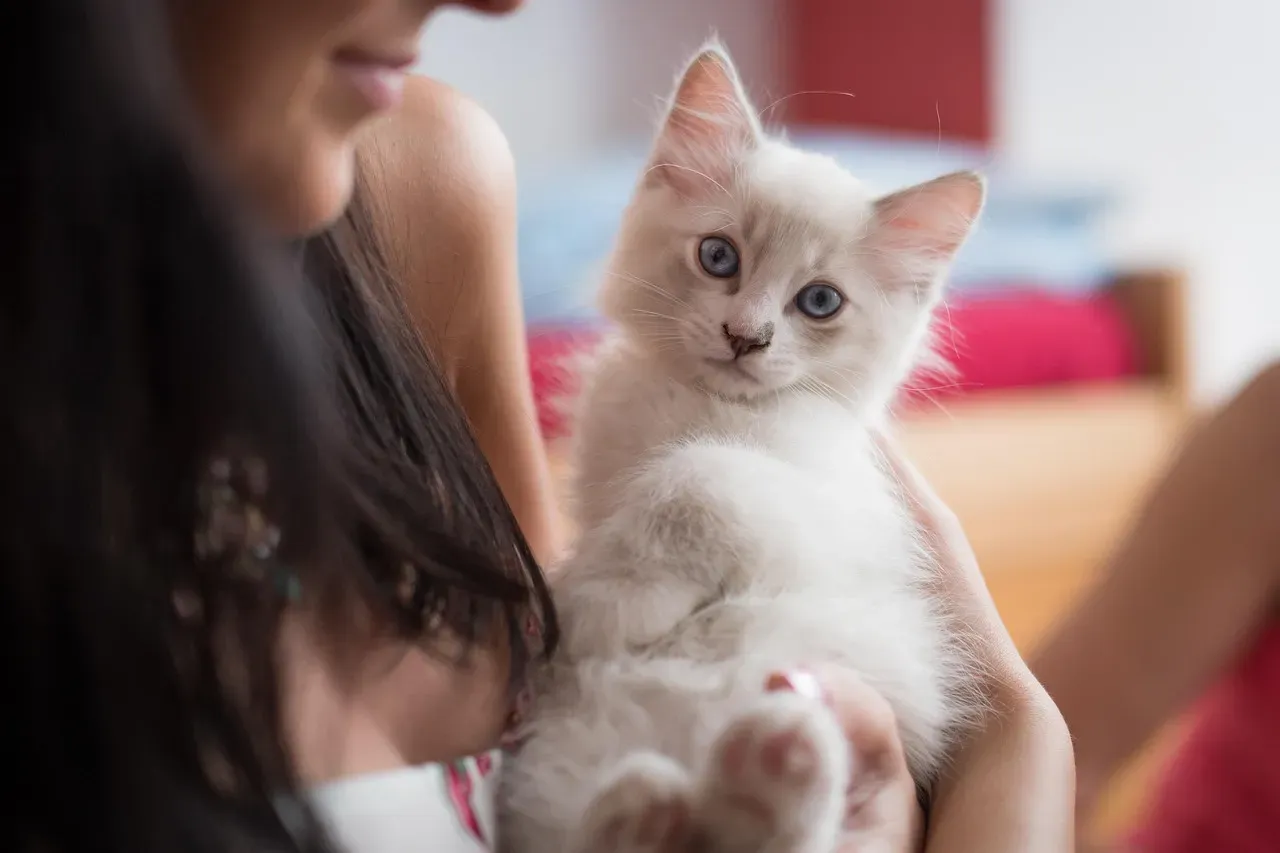
Ragdolls are often described as living teddy bears, and that is not an exaggeration. They are known for going limp when you pick them up, which is actually how they got their name. This relaxed body language, combined with their typically calm temperament, makes them a fantastic match for seniors who want a cat that enjoys handling and cuddling, not just tolerates it.
Ragdolls tend to be affectionate without being frantic, following their people from room to room like a quiet shadow. They are usually not big jumpers or high climbers, which can reduce worry about them knocking things over or getting into hard‑to‑reach spots. Their long coat looks dramatic but is surprisingly easy to maintain with regular brushing a few times a week, and many Ragdolls actually enjoy grooming sessions because it feels like extra attention.
British Shorthair: The Plush, Low-Drama Companion
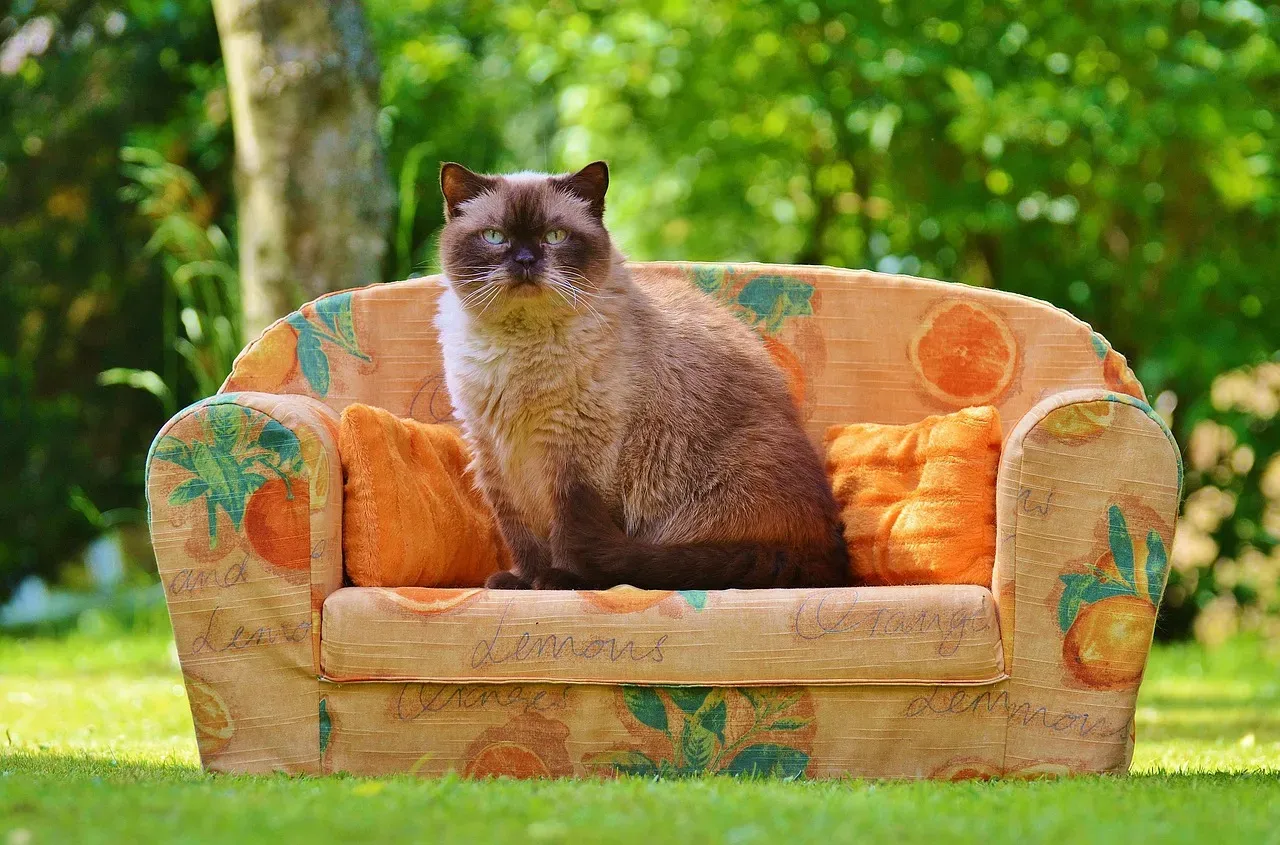
If you imagine a calm, slightly chubby, plush-looking cat watching the world from the sofa, you might be imagining a British Shorthair. This breed is famous for its sturdy build, round face, and dense, velvety coat. They are typically quiet, undemanding, and content to share space without constantly seeking attention, which can suit seniors who appreciate companionship but also value peaceful silence.
British Shorthairs are often independent yet deeply loyal. They may prefer to sit beside you rather than on you, like a polite house guest who never overstays their welcome. Their short coat requires relatively minimal grooming, and they are not usually hyperactive or destructive. For an older adult who wants a solid, predictable presence, this breed offers a steady, reassuring kind of affection that feels more like a longtime friend than an excitable new roommate.
Persian: The Slow-Paced Beauty Built for Quiet Homes
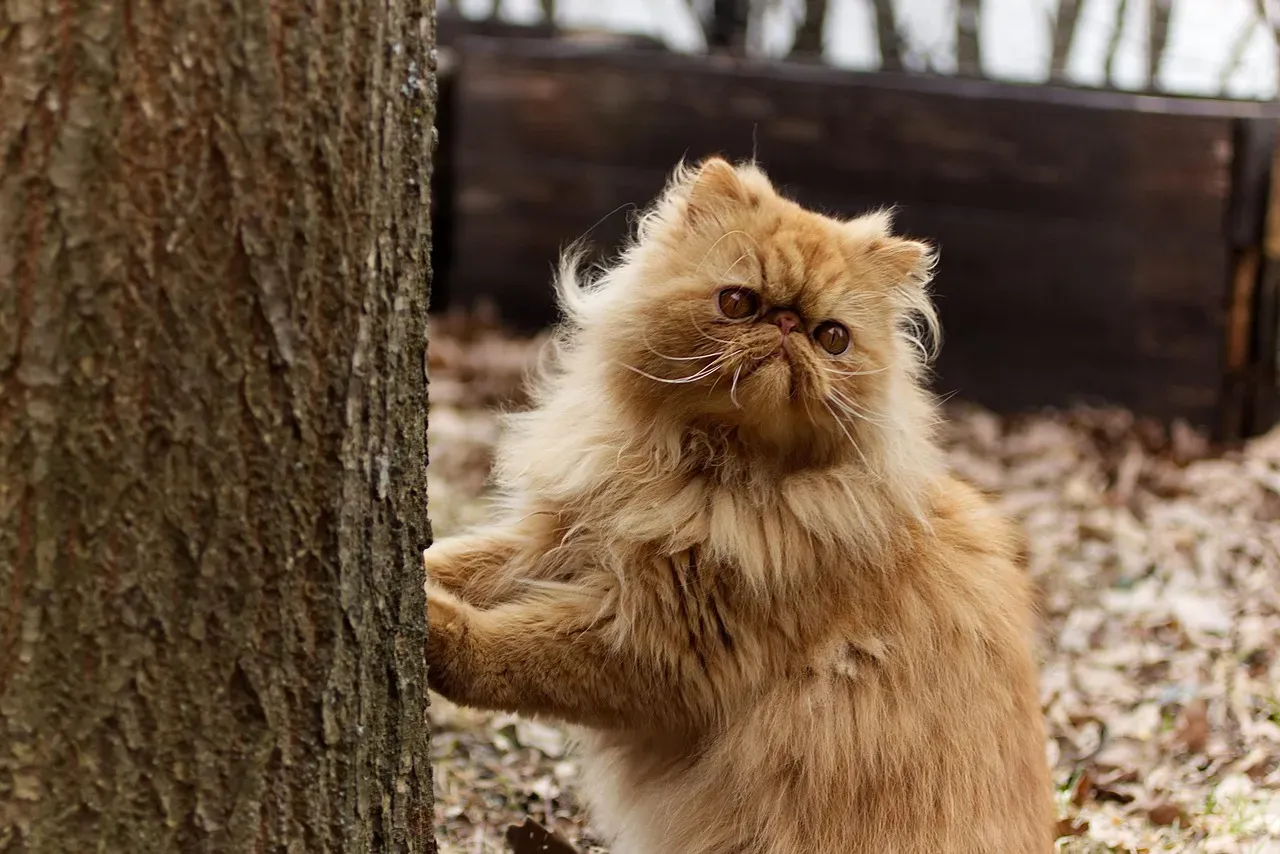
Persian cats are the classic image of feline elegance, with their long flowing coats and calm demeanor. They are generally gentle, unhurried, and very comfortable with a slow, predictable routine, which aligns well with many seniors’ lifestyles. Instead of racing around the house, a Persian is more likely to be found lounging in a sunny spot or curled up on a cushion, quietly watching the world go by.
The trade-off for that calm nature is grooming. Persians do require regular brushing to keep their long fur free of mats and tangles, and some may need help keeping their eyes and face clean. For many seniors, this grooming time becomes a soothing ritual – like combing a child’s hair or polishing a favorite piece of furniture. If a senior has limited dexterity, though, it may be wise to plan for occasional professional grooming or choose a lower-maintenance breed on this list.
Scottish Fold: The Sweet-Faced Listener With Folded Ears
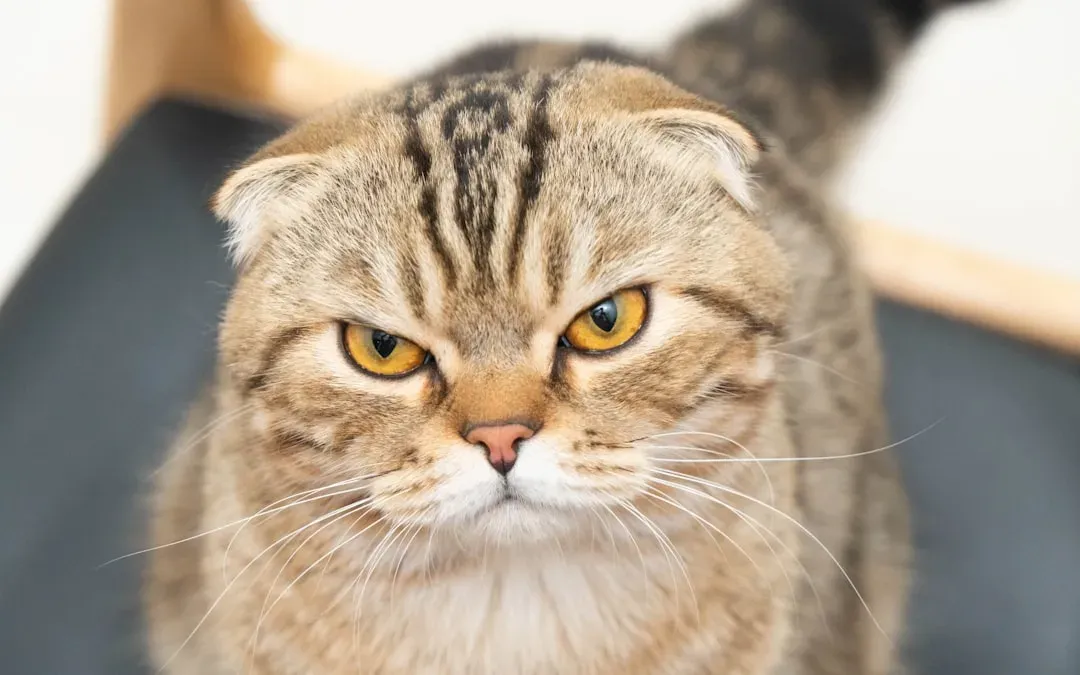
Scottish Folds are instantly recognizable by their folded ears, which give them a wide-eyed, owlish expression that many people find incredibly endearing. Beyond the looks, they are usually sweet, affectionate, and gentle in their behavior. Many Folds bond closely with their people and enjoy being nearby, whether that means sitting on the couch together or curling up on the bed.
Activity-wise, Scottish Folds are typically moderate: playful in short bursts but not relentlessly energetic. That balance can be ideal for seniors who enjoy interactive play with a wand toy or ball for a few minutes, then appreciate a long nap break. One important note: this breed can be prone to particular joint and cartilage issues, so it is especially important to work with a responsible breeder or reputable rescue and to consult a veterinarian about any stiffness or discomfort as the cat ages.
Burmese: The Social Butterfly Who Loves People Time
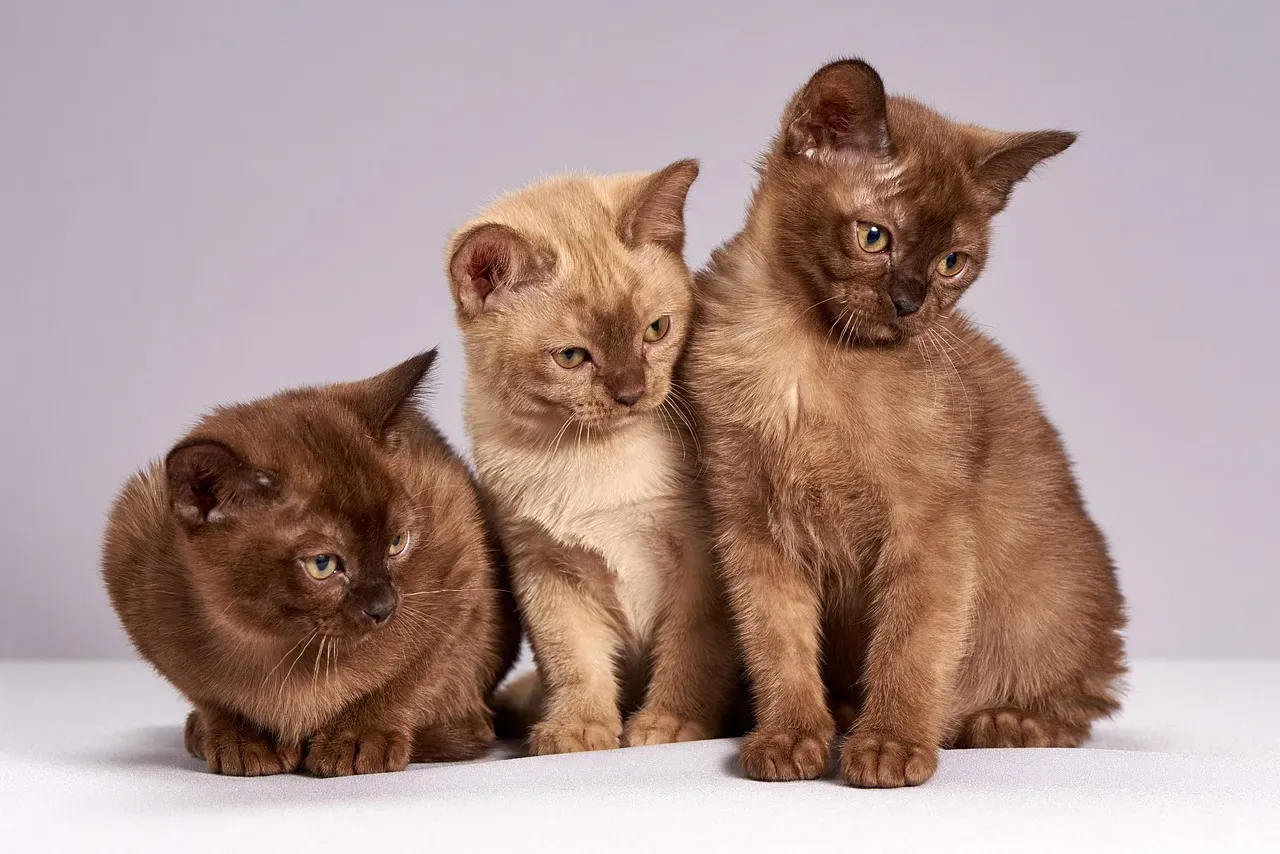
Burmese cats are often called “dog-like” because of how people‑oriented they are. They tend to follow their favorite humans around, join them on chairs, and even “help” with whatever is happening in the home. For a senior who lives alone or spends a lot of time at home, that steady, affectionate presence can ease loneliness in a very real way.
This breed is typically affectionate, curious, and playful, but their energy is wrapped in a very friendly package. They often adapt well to being handled, talked to, and included in day‑to‑day routines. Their short coat is low-maintenance, and they usually thrive on gentle, interactive play that does not require heavy lifting or intense activity from the owner. For someone who wants a talkative, engaged companion rather than a distant roommate, a Burmese can feel like adopting a tiny, furry extrovert.
American Shorthair: The Easygoing Classic House Cat
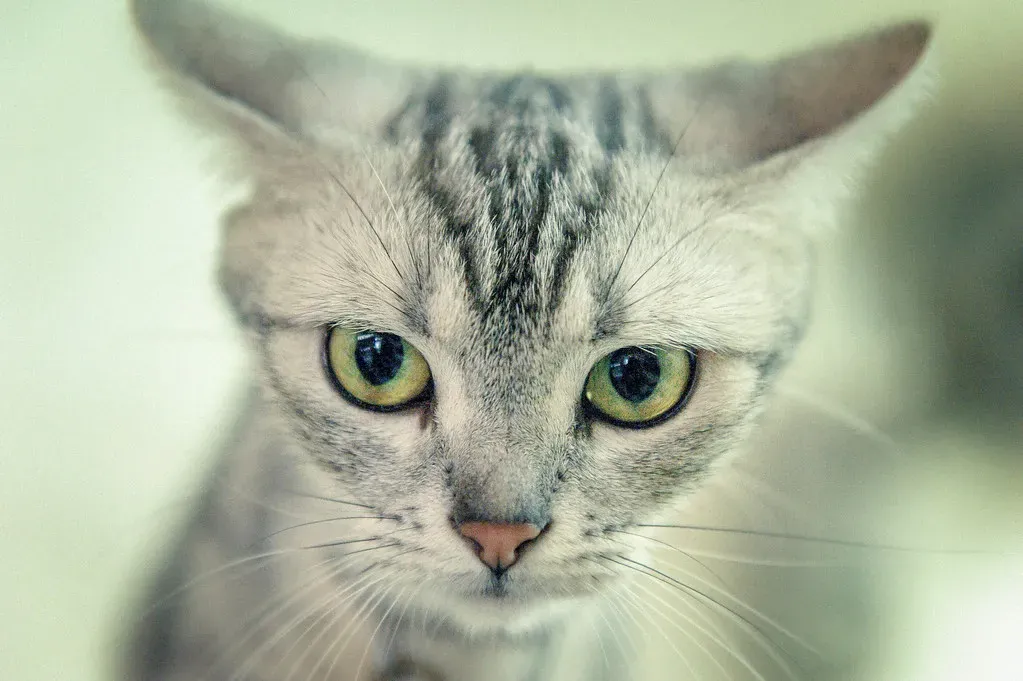
The American Shorthair may not always have the exotic looks of some breeds, but it makes up for that with a famously easygoing personality. Historically valued as reliable working cats, they evolved into steady, adaptable companions who generally handle changes and new situations without drama. That emotional stability can be reassuring for seniors who want a cat that rolls with life’s little ups and downs.
Their short, dense coat is straightforward to care for, and they tend to have moderate activity levels – playful enough to be fun, relaxed enough not to be overwhelming. Many American Shorthairs enjoy lap time but are also comfortable napping nearby if you are busy. In a sense, they are the “all-purpose” friendly house cat, making them a strong choice when someone wants a gentle companion but does not have very specific trait requirements beyond calm, kind, and manageable.
Birman: The Soft-Spoken Guardian With Gentle Paws
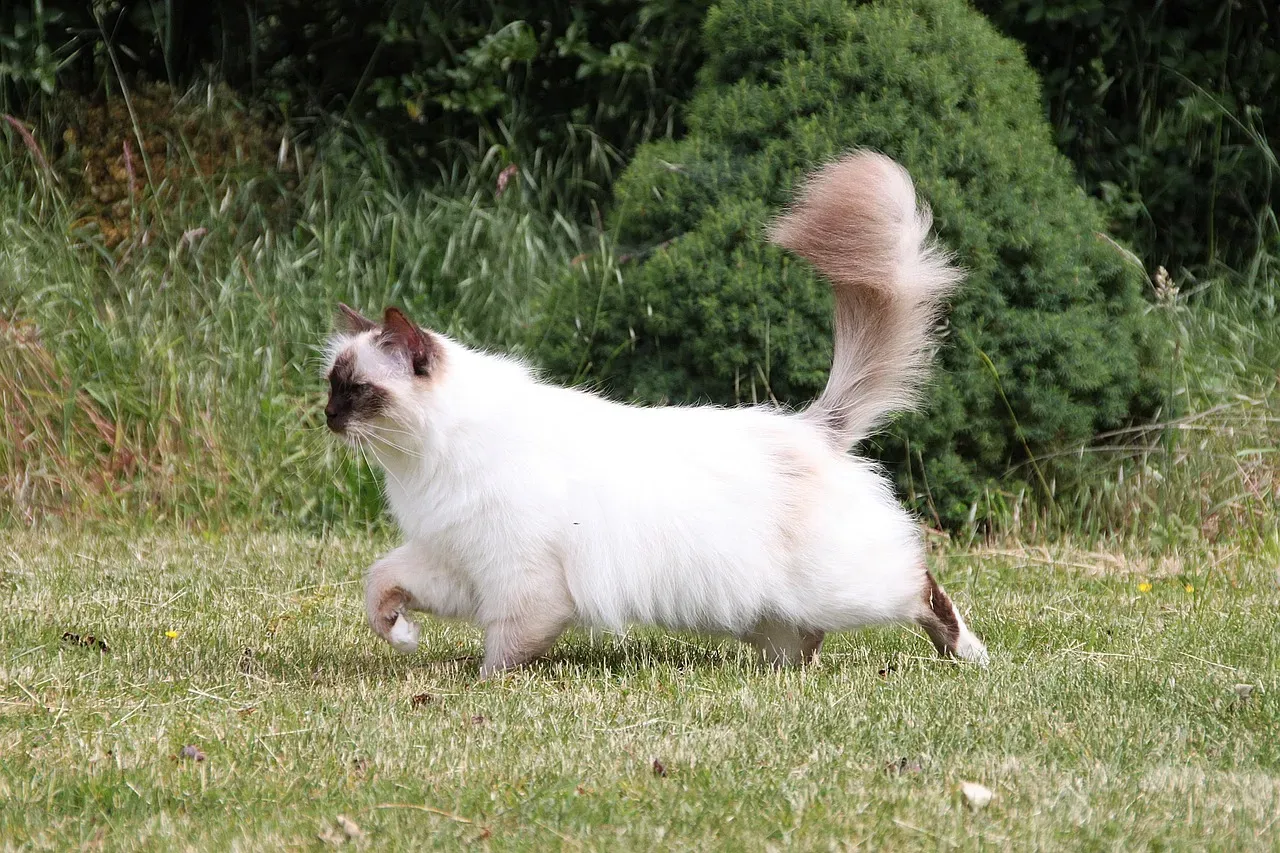
Birmans combine striking looks – blue eyes, pale bodies, darker points, and white “gloves” on their paws – with a naturally gentle temperament. They are often described as patient and affectionate without being demanding. For seniors, that means a cat that is happy to sit with you, cuddle, or follow you around, but is unlikely to pester you endlessly or become frantic if routines shift slightly.
Their semi-long coat feels luxurious but is generally easier to maintain than a Persian’s, often requiring less intensive grooming while still benefiting from regular brushing. Birmans are usually social with their families and may even greet visitors calmly, which can be a plus if friends or relatives come by. They tend to enjoy a relaxed home environment and are often content with soft play, quiet company, and lots of gentle petting, making them a very soothing choice for older adults.
How to Choose the Right Gentle Breed for You
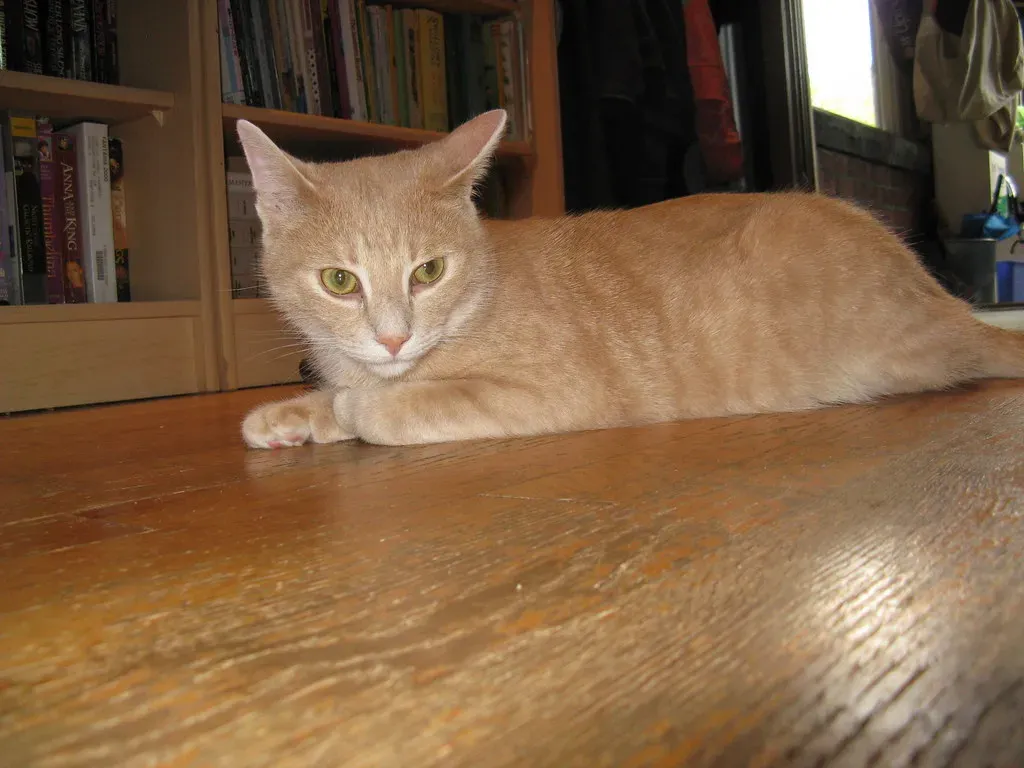
Looking at these breeds side by side, the right match really comes down to lifestyle, health, and personal preference. If you crave constant closeness and cuddles, a Ragdoll, Burmese, or Birman might feel like the best fit. If you prefer a more reserved, low‑maintenance companion who shares space without being clingy, a British Shorthair or American Shorthair may be more your style. Grooming tolerance matters too: Persians reward daily care with incredible beauty and calmness, but they are not the right choice for someone whose hands or shoulders tire easily.
In my view, the most important question is simple: which cat’s personality lines up with how you actually live, not how you wish you lived. A gentle cat can make a senior’s home feel warmer, safer, and more alive, but only if both sides are comfortable with the pace and responsibilities. Whichever breed you lean toward, taking the time to meet individual cats, talk openly with breeders or shelters, and loop in a veterinarian is worth every minute. After all, this is not just about picking a pet; it is about choosing a quiet little heartbeat that will share your days – so which gentle companion sounds like it belongs in your favorite chair?


