
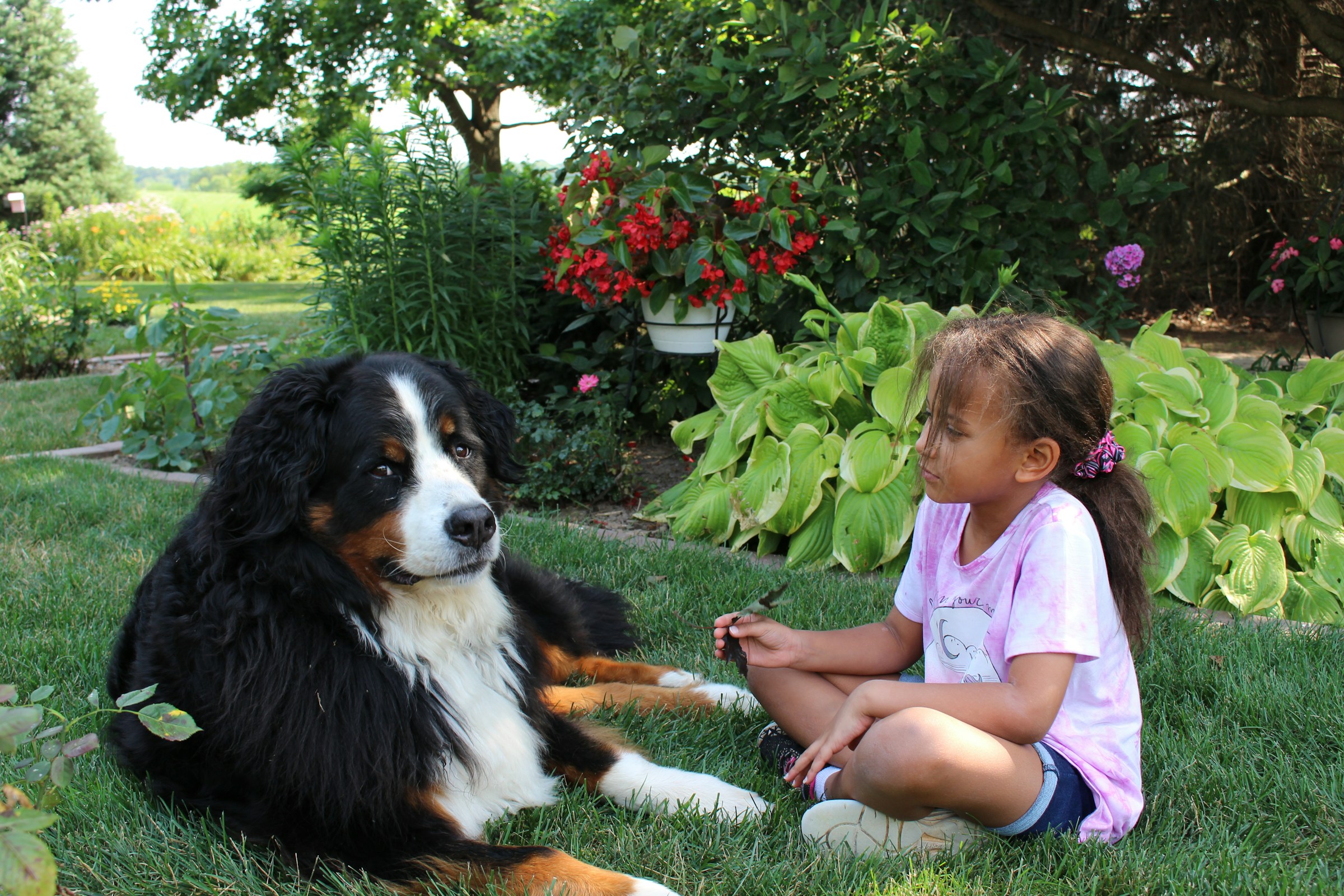
Every parent likes to believe they’re the one truly raising their child. The late nights, the discipline, the same lesson repeated for the hundredth time – that’s the story most families tell themselves. But there’s another figure in the house doing quiet, uncredited work every single day: the dog curled by the back door, waiting for someone to notice it’s not just along for the ride.
Child-development research keeps circling back to something a little uncomfortable to admit: dogs are shaping kids in ways no schedule, lecture, or screen-time rule ever could. Some of it shows up fast, in calmer nervous systems and steadier moods. Some of it doesn’t show up for decades, in how that kid eventually handles grief, love, or a brutal day. Here are 13 of the quiet ways dogs are doing parenting work most families never even clock.
#1 – They Teach Real Responsibility a Chore Chart Never Could
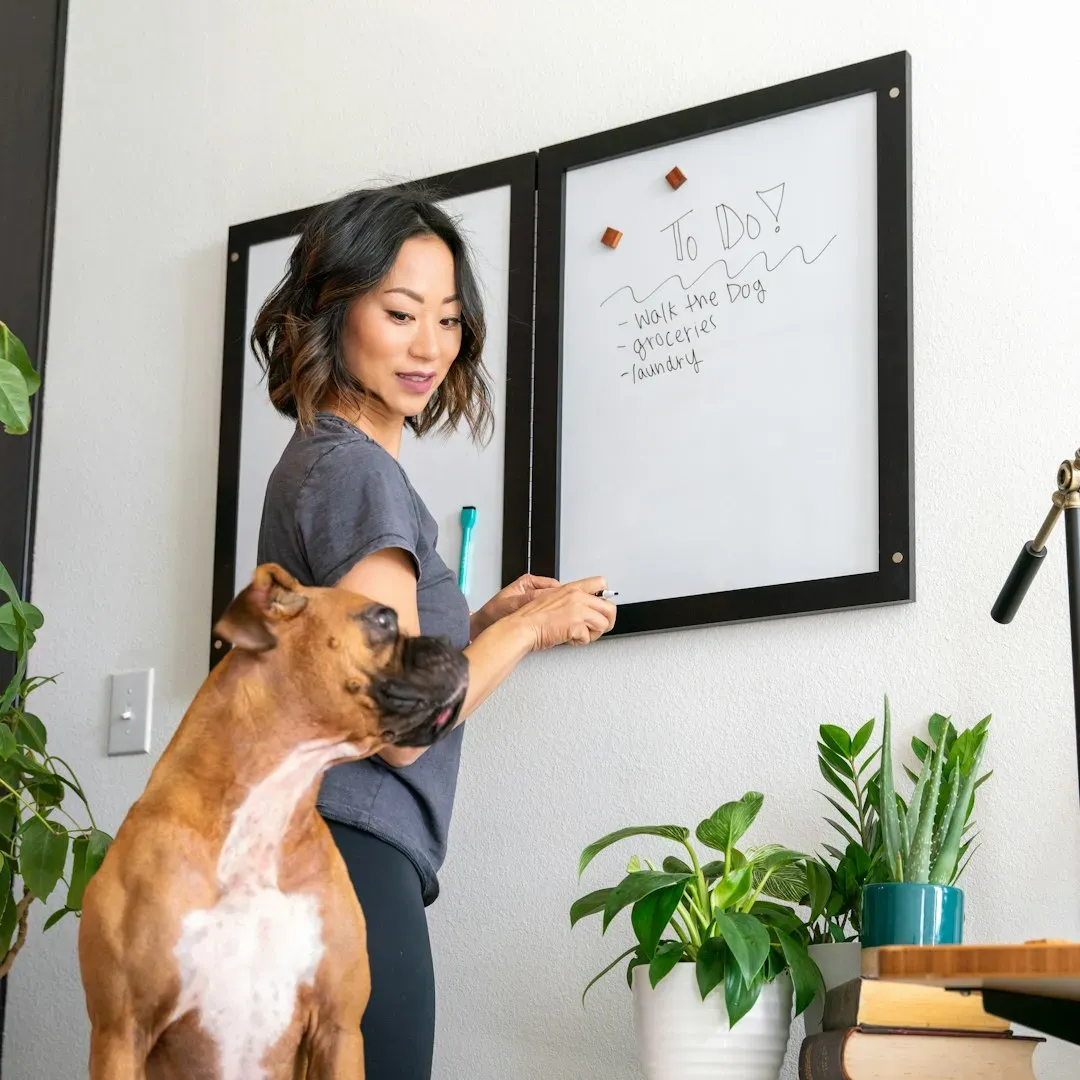
Parents love to announce that kids should have chores, but most chore charts die on the fridge within a week. A dog doesn’t let anyone off the hook that easily. It needs feeding, walking, and bathroom breaks on a schedule, whether a kid feels like showing up or not.
When a child helps meet a living creature’s daily needs, the consequences are instant and impossible to ignore: the dog paces, whines, or simply goes without. That feedback is far more convincing than another star sticker or an allowance negotiation. Over time, those small tasks quietly become identity – “I’m the one who fills the water bowl” – and that sense of ownership tends to bleed into homework, instruments, even how a kid treats a younger sibling.
#2 – They Teach Kids to Regulate Big Emotions in Real Time
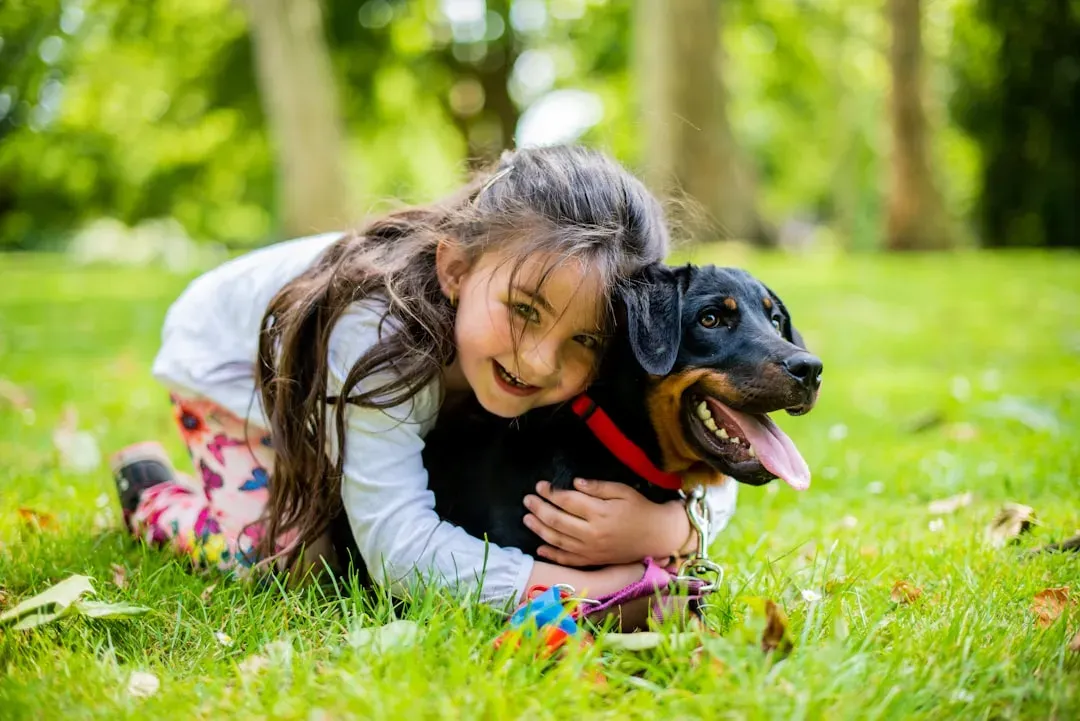
You can tell a child to “use your words” and “take a deep breath” all day long, but a dog actually forces the practice. Dogs read tone, volume, and body language instantly, and they don’t pretend otherwise. When a child screams or slams around the room, the dog often cowers, hides, or leaves – a live readout of exactly how big that emotional storm just landed.
Plenty of kids will soften their voice or slow their movements not because a parent nagged them to, but because they want their dog to come back and lean against their leg. And dogs are ridiculously forgiving on the other side of it: a kid can cry, sulk, or completely lose it, and the dog still curls up at bedtime like nothing happened. That unconditional return teaches something no worksheet can – you’re allowed to be upset and still be loved.
#3 – They Turn Shy Kids Into Confident Small Talkers
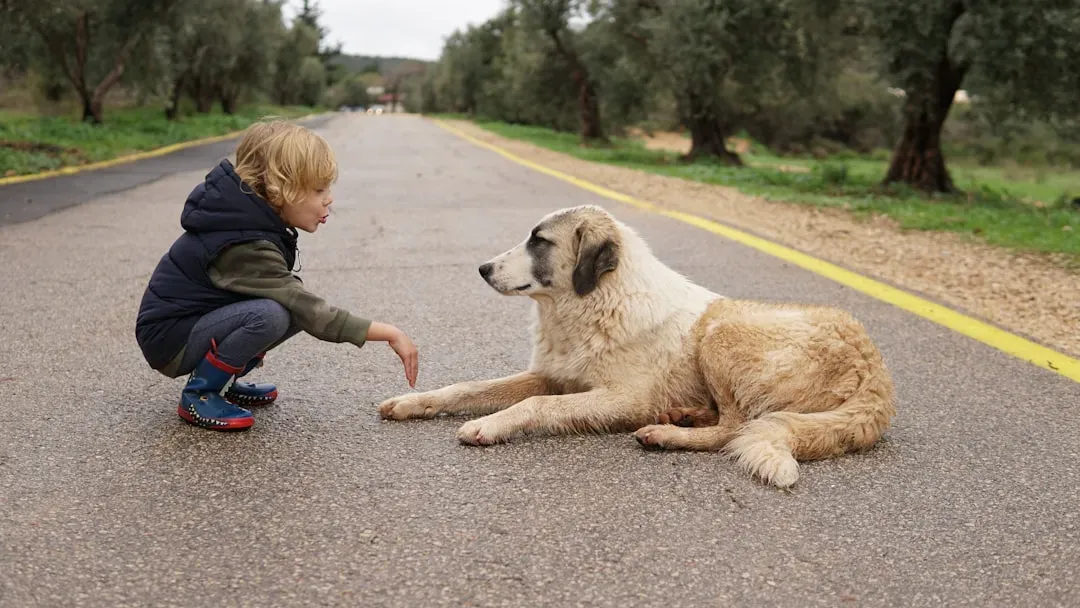
Most people assume social skills get built at school. For a lot of shy or anxious kids, the real training ground is a stranger on the sidewalk asking, “Can I pet your dog?” Suddenly there’s eye contact, a short exchange, a little explanation – “Her name is Luna, she’s friendly” – happening long before that same kid feels ready to talk to a classmate.
At the park or on the playground, a child with a dog often becomes the unofficial gathering point for other kids, without needing to be the outgoing one. The dog does the heavy lifting; the child just has to navigate turn-taking, gentle boundary-setting, and the occasional mild disagreement – real social practice with none of the usual pressure. A weekend social-skills workshop rarely does as much for a shy kid’s confidence as six months of ordinary walks.
Why It Stands Out
- Dogs give shy kids an easy, low-pressure conversation starter with strangers
- Regular park visits create natural chances to practice turn-taking and sharing
- Kids learn to read social cues from both the dog and curious passersby
- The pressure to “perform” socially drops when a dog is the center of attention
#4 – They Teach Empathy Without a Single Word
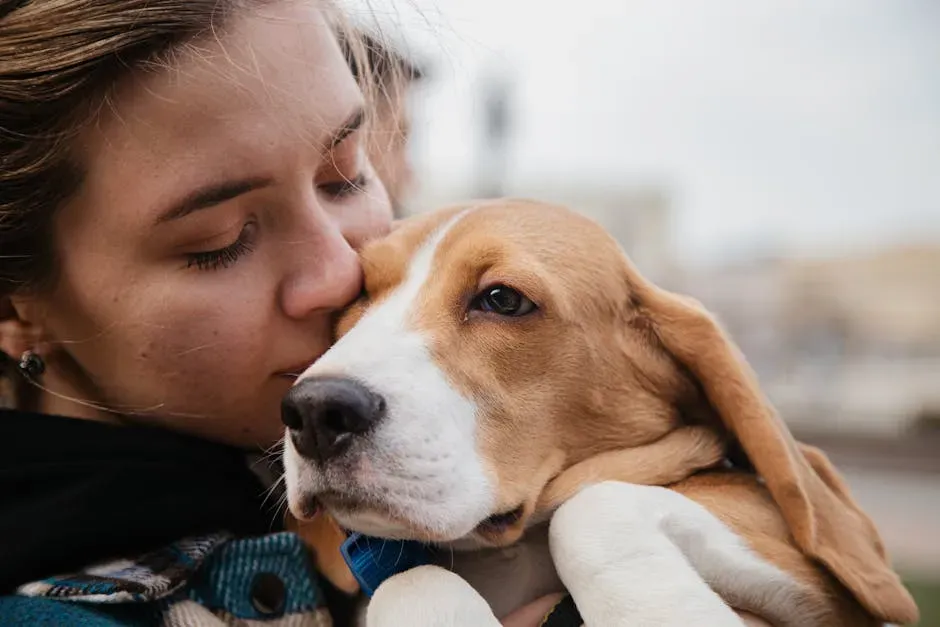
Schools talk about empathy constantly, but they almost always mean it in words – worksheets, discussion circles, vocabulary lists. Dogs don’t care about speeches. They communicate entirely through tail position, ears, pacing, and whining, and kids who grow up around them learn to read that language fast, because it’s the only one on offer.
Translating those signals – he’s scared, she’s excited, he wants space – is empathy stripped down to its rawest, most physical form. That skill doesn’t stay with the dog. Kids start noticing when a friend looks overwhelmed or a parent seems exhausted, and they respond the same quiet way their dog does with them: lowering their voice, offering something small, just sitting nearby. It looks like personality. It’s usually years of unspoken training from a creature that never once used language to teach it.
#5 – They Quietly Lower a Child’s Stress and Anxiety
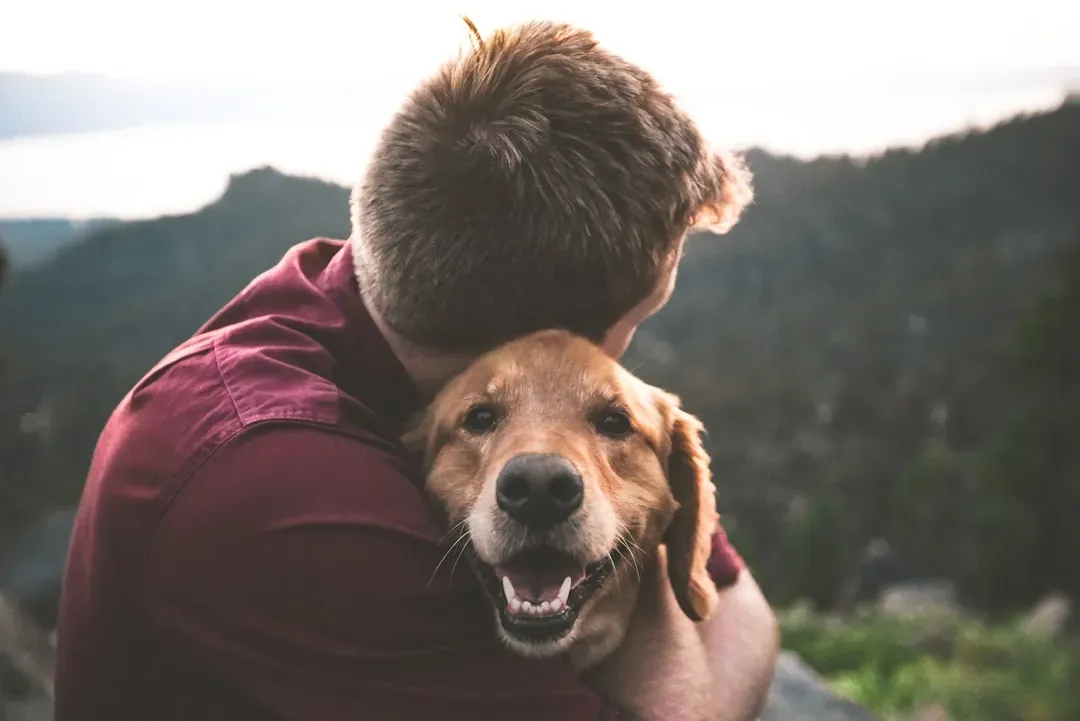
Families joke about the dog being “the emotional support animal,” but the physiology behind that joke is real. Petting a familiar dog has repeatedly been shown to lower heart rate and cortisol – the body’s primary stress hormone – in both kids and adults. That’s not just a nice moment; it’s a small, repeatable reset for a nervous system that’s constantly under siege from screens, homework, and social drama.
For a child who struggles with anxiety or sensory overload, the dog becomes a moving, breathing grounding tool. The weight of a dog against their legs, the repetitive motion of stroking fur, even the slow rhythm of its breathing can pull a racing mind back into the body. It’s not a cure for anything. It’s a daily buffer, and daily buffers are often the difference between stress that fades and stress that quietly compounds.
#6 – They Get Kids Moving Without Ever Saying “Exercise”
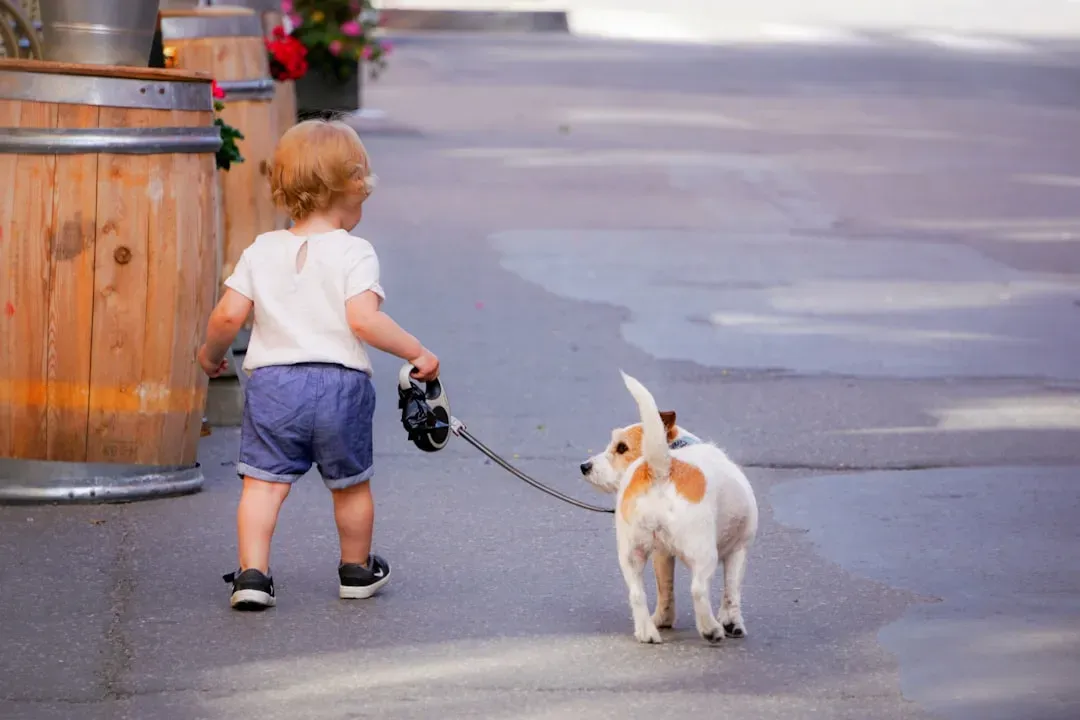
Parents wage endless battles over “go outside” and “put the phone down.” Meanwhile the dog just sits at the door with the leash in its mouth, solving the problem without a single argument. A child with a dog almost always moves more – short walks, backyard fetch, ridiculous chase games down the hallway – than a child without one, and it never registers as a workout.
That framing matters more than it sounds like it should. When movement is tied to joy instead of punishment, kids are far more likely to keep it as a lifelong habit rather than something they quit the moment no one’s watching. For a lot of families, the evening dog walk becomes the only stretch of the day where everyone’s actually together – venting about school, catching up, breathing air that isn’t recycled through a vent.
Fast Facts
- Health experts generally recommend kids get at least 60 minutes of physical activity a day
- A quick walk or backyard fetch session can cover a solid chunk of that goal
- Dog walks double as family time, not just cardio
- Movement tied to play tends to stick far longer than movement tied to obligation
#7 – They Teach Gentle Hands Faster Than Any Lecture
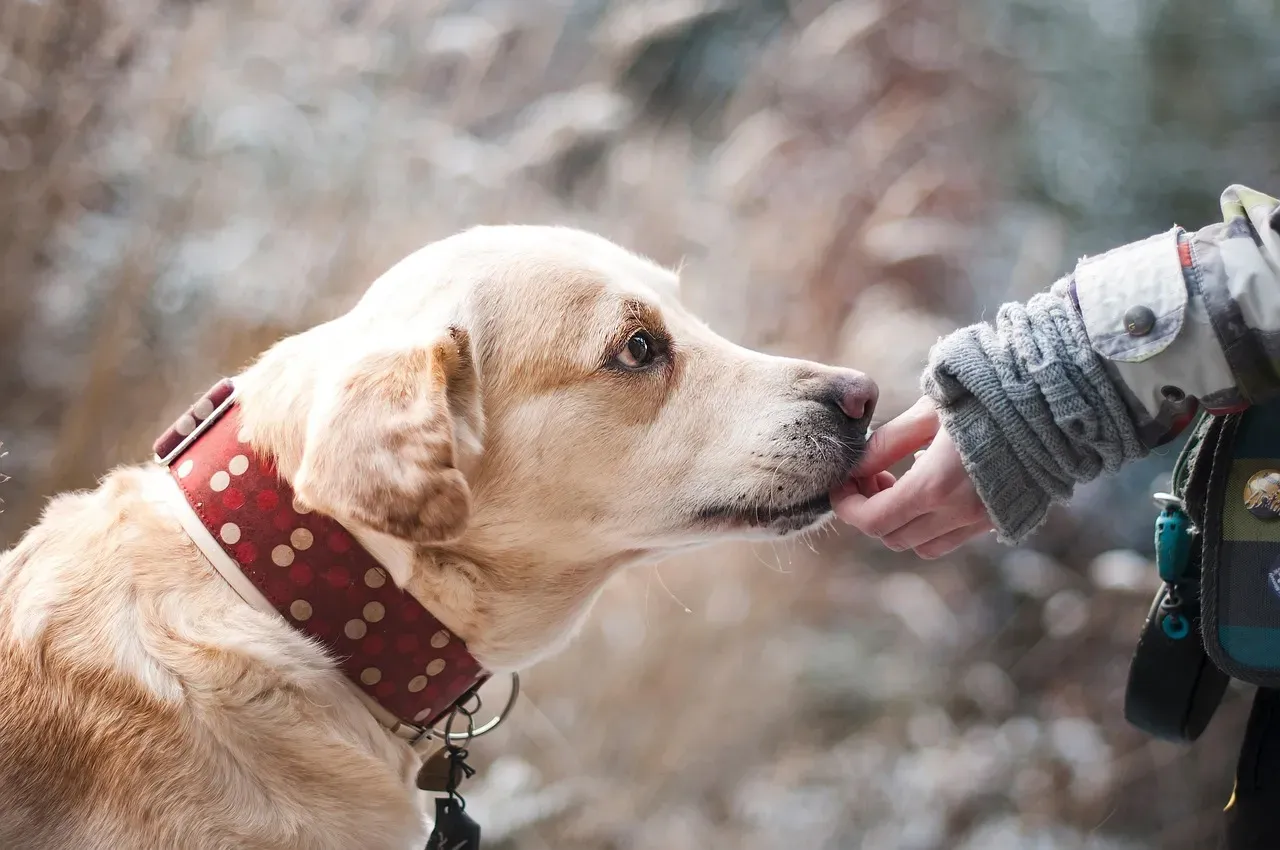
Some kids are simply rougher by nature – pushing, grabbing, hitting without quite meaning to. A dog is one of the few “siblings” who gives instant, honest feedback without holding a grudge afterward. Yank a tail or squeeze too hard, and a good family dog moves away, gives a warning look, or just stops playing altogether.
Kids figure out fast that gentle hands mean more fun and rough hands mean the game ends. That lesson doesn’t need a single parenting book behind it, and it sticks because the consequence is immediate, not lectured about an hour later. Kids who learn softer touch through a dog tend to carry it straight into how they treat younger siblings, friends, and even toys – because a dog never moralizes, it simply responds, and kids are wired to notice consequences far more than speeches.
#8 – They Give Kids Their First Honest Lesson in Loss
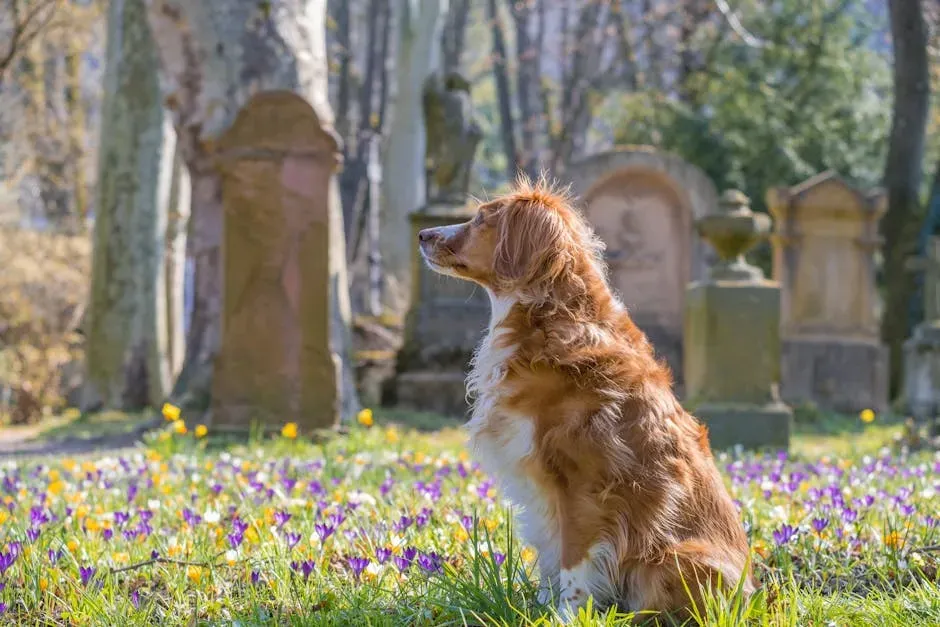
This is the part nobody wants to think about when they bring home a puppy: dogs don’t live nearly as long as we do. At some point, almost every child who grows up with a dog will face illness, aging, or death – and it’s often that child’s very first real encounter with what losing someone actually feels like.
It’s brutal, and it’s also strangely formative. Kids who walk through the vet visits, the medications, the final goodbye see up close that love doesn’t stop just because a body does. Parents model what mourning looks like – telling stories, keeping photos, maybe planting something in the yard – and that honesty teaches a kid that grief is survivable, not something to be shielded from forever. A lot of adults who struggle badly with loss later in life never got that gentler, earlier practice run.
A dog is the only thing on earth that loves you more than he loves himself.
Josh Billings
#9 – They Strengthen Immune Systems From Day One
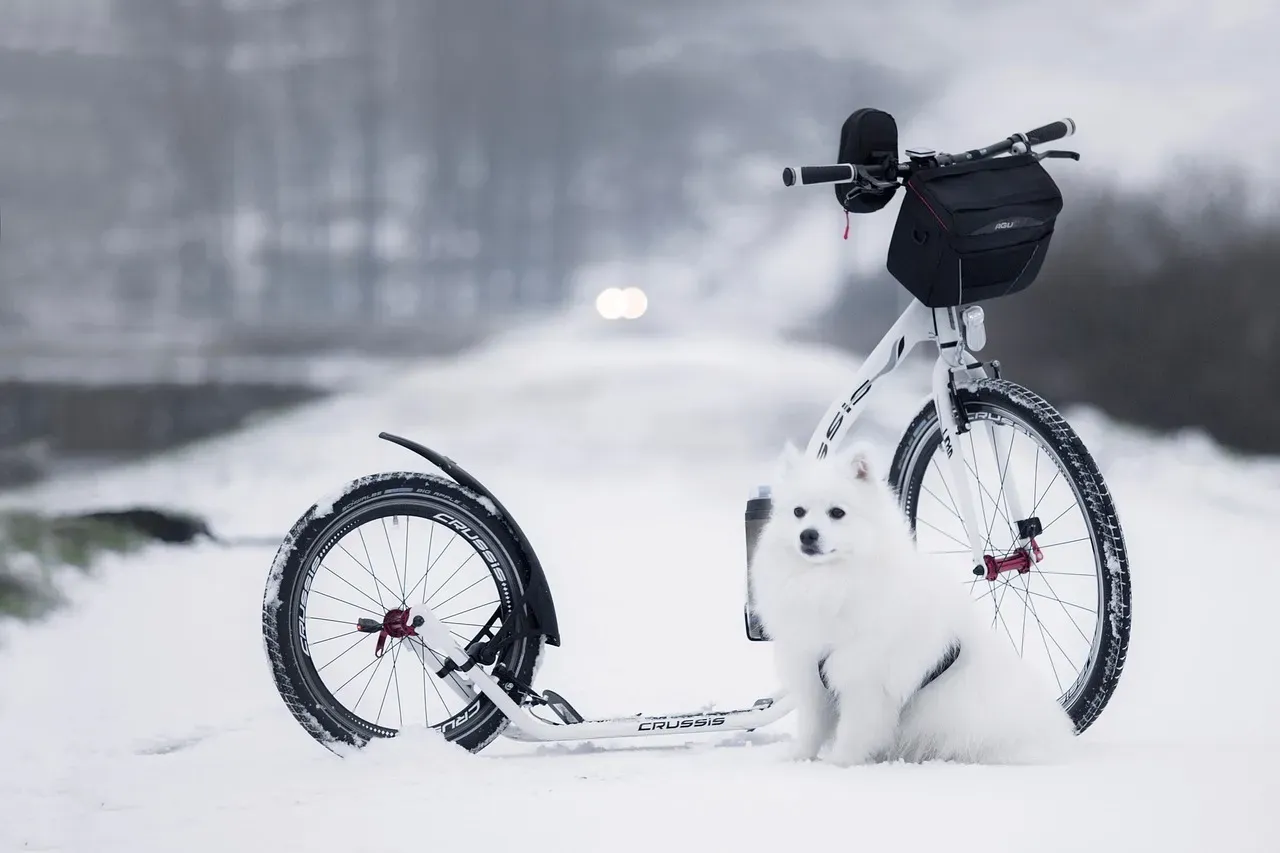
This is where the internet loves to argue. Some parents still believe a spotless, fur-free home is the healthier one. Large-scale studies keep suggesting the opposite: children who grow up with a dog in the household, especially during that first year of life, often show lower rates of certain allergies and asthma. Not guaranteed, not universal – but statistically real.
Early exposure to dog dander and the outdoor germs dogs track in appears to help train the immune system rather than leave it primed to overreact. That pushes back hard against the over-sanitized, antibacterial-wipe version of childhood that can leave a young immune system confused rather than resilient. Severe allergies are a separate conversation for a doctor, of course, but for most kids, sharing space with a dog isn’t dirty – it’s biologically useful in a way plenty of grandparents still refuse to believe.
Worth Knowing
- Multiple pediatric studies have linked early-life dog exposure to lower rates of certain allergies
- Kids raised with dogs during infancy often show reduced asthma risk later on
- Dog dander and outdoor bacteria appear to help “train” a developing immune system
- Severe pre-existing allergies still warrant a conversation with a pediatrician first
#10 – They Give Kids a Safe Place to Practice Nurturing
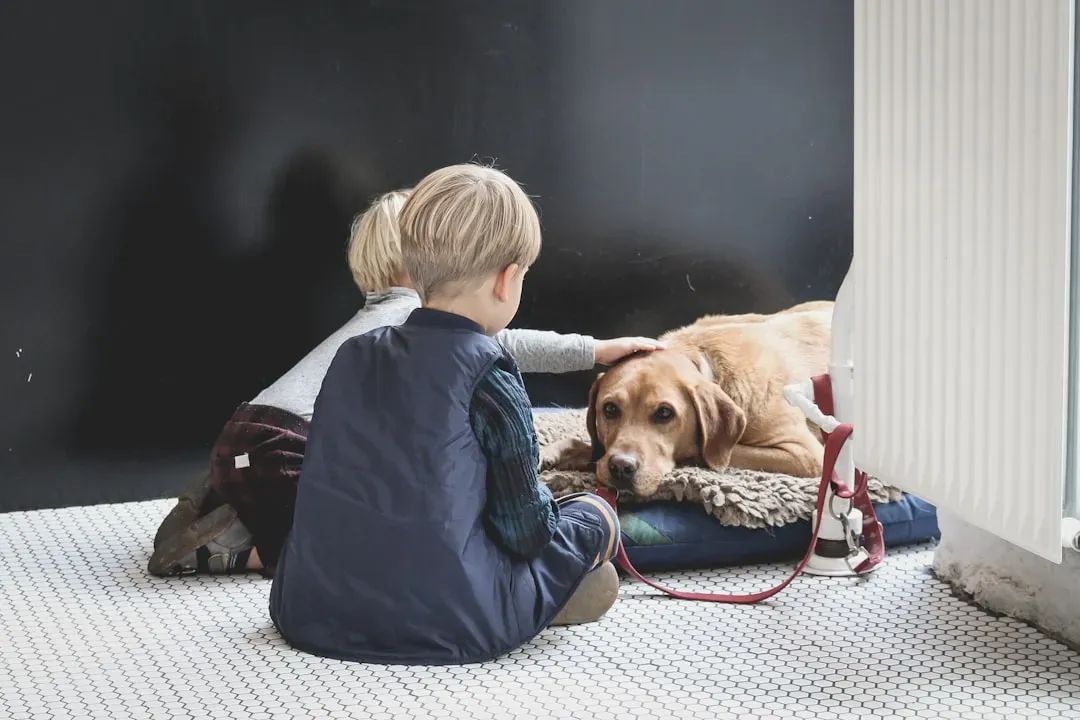
Parenting advice constantly asks whether a child is being nurtured enough. The quieter, more interesting question is where that child gets to practice nurturing someone else. Dogs answer it. Kids pour care into them – picking out toys, adjusting blankets, sitting through thunderstorms together – and get instant, honest feedback the moment the dog relaxes or curls up closer.
That loop doesn’t care about gender roles the way humans do. A dog rewards whoever shows up with care, which means the “tough” or guarded kid in the family often softens first toward the dog – baby talk, gentle petting, silly little songs – long before that same softness shows up with people. It’s not a small thing. It’s a rehearsal space for every relationship, caregiving role, and eventually parenting decision that kid will ever make.
#11 – They Show Up When Bullying Makes School Unbearable
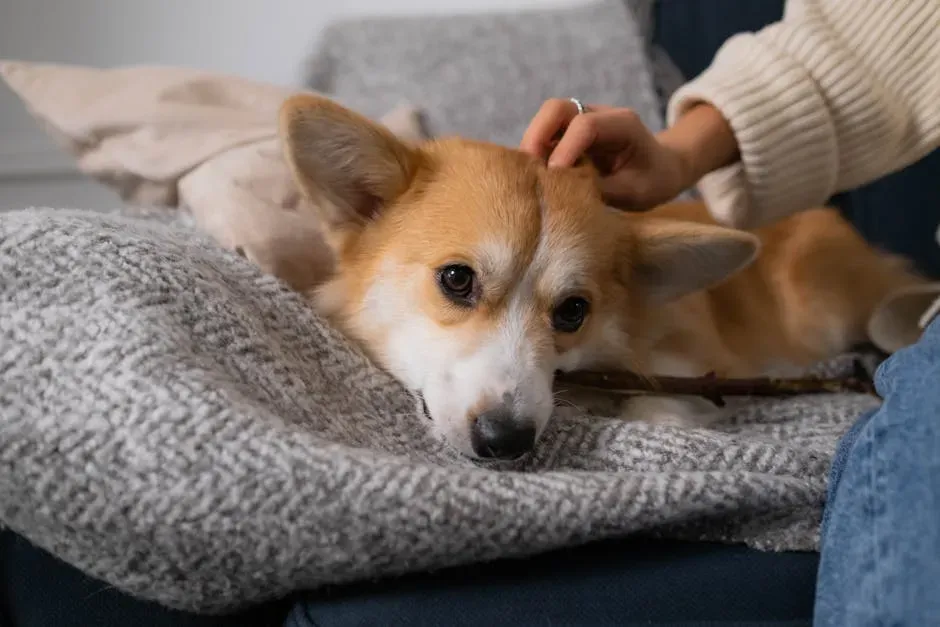
This is one of the quietest, hardest truths about growing up with a dog: on some of the worst days, the dog is the only one who shows up without questions. When a child comes home bullied, excluded, or humiliated, the dog doesn’t ask what happened. It just climbs into their lap, wags, or nudges a toy toward them.
Parents sometimes underestimate how much that matters, focusing instead on school meetings and policy conversations that matter but take time. Meanwhile the kid just needs to cry into warm fur without narrating the whole story first. Dogs don’t offer bad advice or interrogate the details – they offer contact, routine, and the same greeting at the door every single day. That constancy won’t fix bullying, but it can be the thin line that keeps a kid’s sense of worth intact while the adults sort everything else out.
#12 – They Become the Quiet Glue Holding Family Memories Together
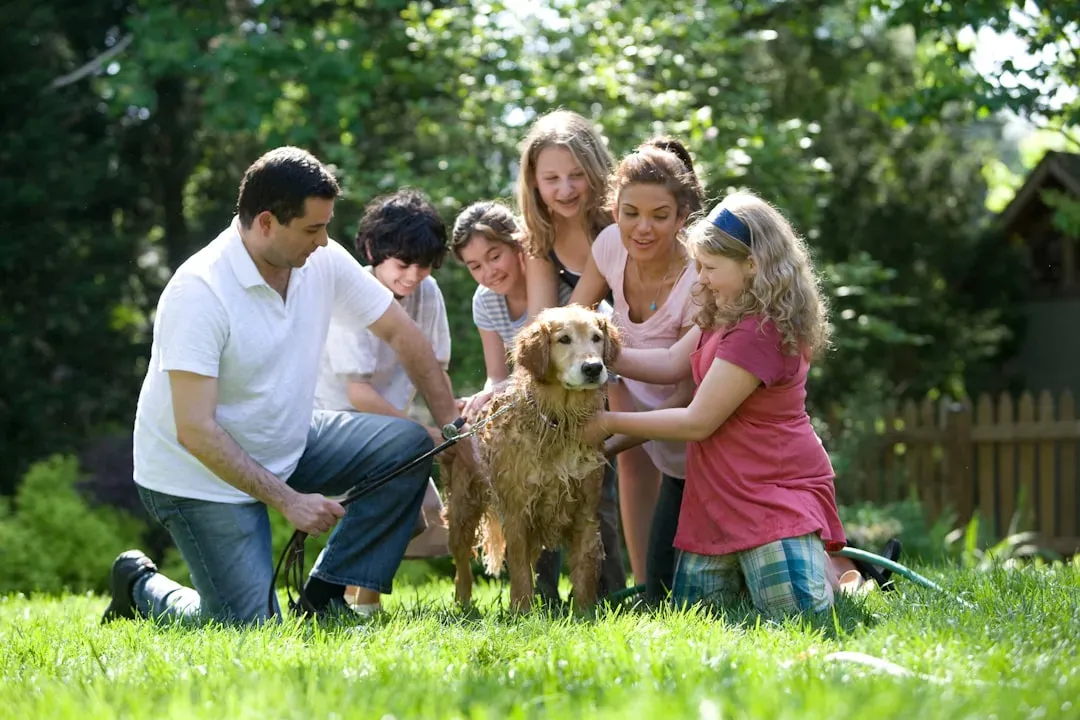
Every family says they want more quality time, then scatters into separate rooms and separate screens the moment dinner ends. Somehow the dog becomes neutral ground anyway. Walks, feeding time, vet visits, weekend hikes – all of it technically revolves around the dog, but it’s the family that ends up bound together by it.
Kids will remember singing to the dog in the car or watching movies with its head in their lap long after they’ve forgotten half the toys they owned that same year. Even mid-fight siblings will call a truce to give the dog a bath together. A moody teenager who won’t sit still for family dinner will happily sprawl on the floor tossing treats for twenty minutes straight. Nobody plans those moments, and that’s exactly why they stick.
At a Glance
- Daily walks turn into built-in family catch-up time
- Vet visits and grooming days often become shared little adventures
- Even reluctant teens usually make an exception for dog-bath duty
- Photos and videos of the family dog often outnumber every other keepsake
#13 – They Offer a Love Parents Simply Can’t Fake
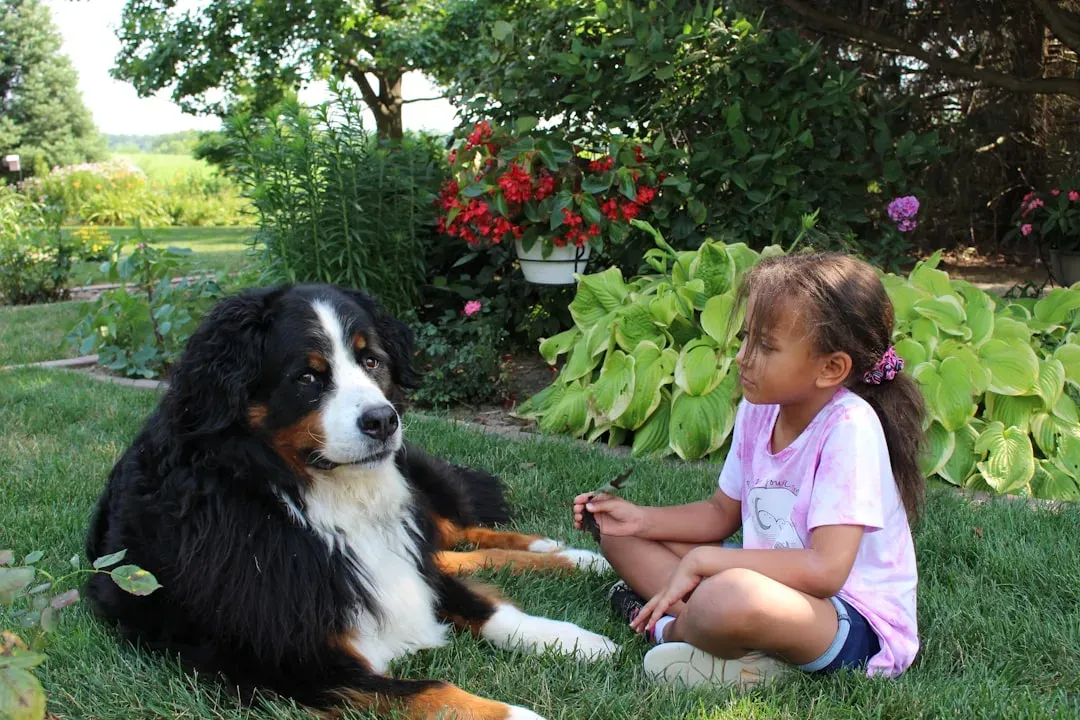
This one stings a little to admit. Parents want to be everything to their kids, but they can’t be – they have to enforce rules, hand out consequences, manage grades, keep the lights on. A dog doesn’t care about report cards or clean rooms. It only cares that the child exists and came home.
Kids need both kinds of love: the structured, sometimes-frustrating love of a parent, and the uncomplicated, zero-conditions adoration of a dog. For a child who feels misunderstood, neurodivergent, or simply “too much,” the dog is sometimes the first being that convinces them they’re enough exactly as they are – no performance required. A parent can say “I love you no matter what” a thousand times; the dog just acts it out, every single day, without saying anything at all.
The Bottom Line
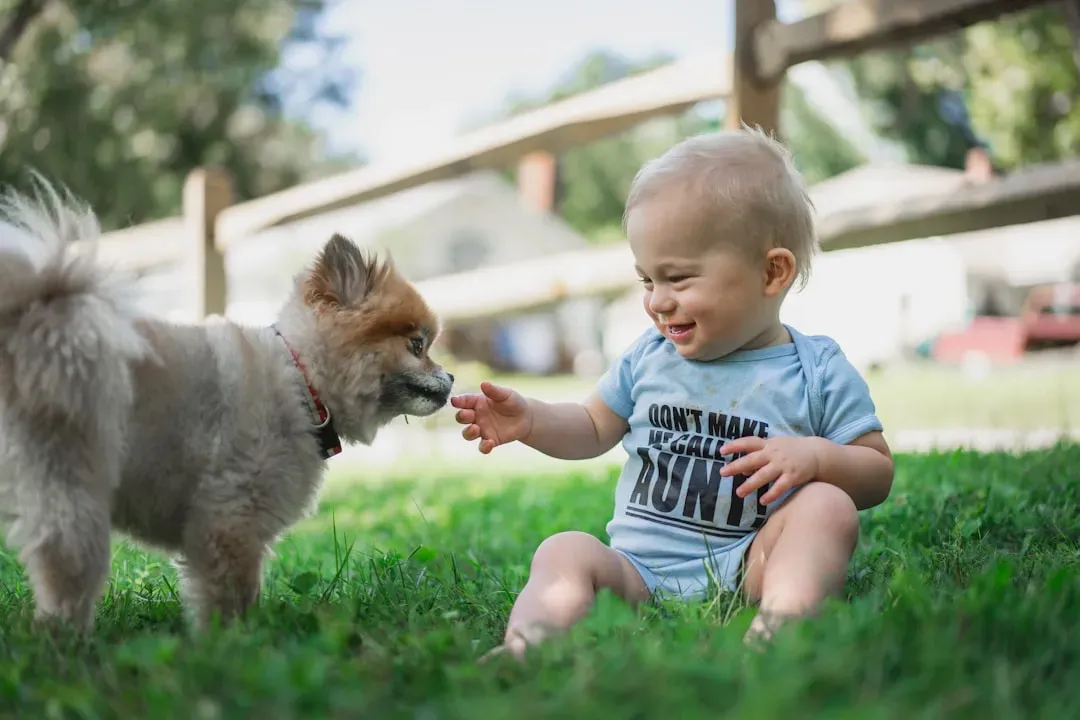
Dogs aren’t furry sidekicks in childhood photo albums. They’re quiet co-parents, and the evidence keeps pointing the same direction – from immune systems and activity levels to empathy, grief, and resilience, kids who truly grow up with dogs are being shaped by something bigger than “a pet.”
Not every family can or should have one – allergies, money, and time are real constraints, not excuses. But treating a dog as a cute extra rather than an active force in how a child turns out misses the point entirely. In a lot of homes, the dog is quietly doing more daily emotional work than the adults give it credit for, and often more than every gadget, tutor, and program the family pays for combined. If you grew up with one, you already know this in your bones. If you’re raising kids alongside a dog right now, you’re watching it happen in real time, whether you’ve noticed yet or not.


