
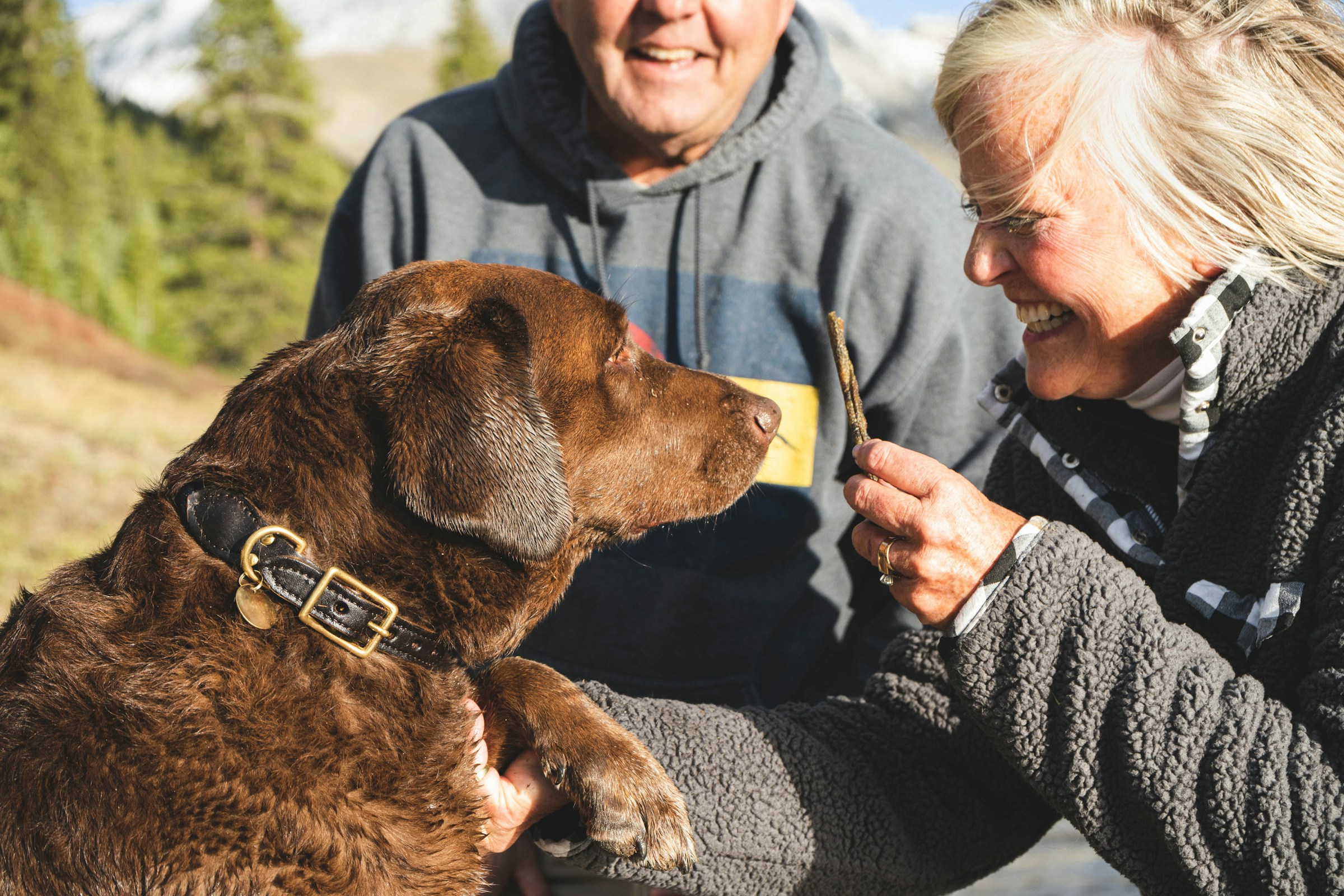
Ask a grandparent about their grandchild’s report cards and you’ll get a vague shrug. Ask them about the family dog, and suddenly they’re leaning forward, laughing, maybe even tearing up a little.
That dog wasn’t “just a pet.” It was the background noise of an entire childhood – paws on the kitchen floor, fur on school uniforms, quiet comfort on the nights everything felt too big. Grandparents remember more about that dog than anyone expects, and not always the Hallmark version. Some memories are chaotic. Some are heartbreaking. A few still start arguments at Thanksgiving. Here are the 15 moments grandparents say never really fade.
#1 – The Day the Dog First Met the New Baby
Grandparents rarely forget the exact second “the dog” became “their grandchild’s dog.” They remember hovering nervously as the baby carrier came through the door, watching the dog sniff, pace, or freeze.
Many admit they were more anxious about that introduction than about holding the newborn. They watched the tail, the ears, that first curious lean toward the bundle that suddenly smelled like the whole house was about to change. Some dogs slid straight into protector mode, sleeping by the crib from night one. Others hid under the table for a week, overwhelmed by crying and new routines. Grandparents remember who said, “They’ll be best friends, just wait,” and who muttered, “This is a mistake.”
#2 – The First Time the Dog Guarded “Their” Kid
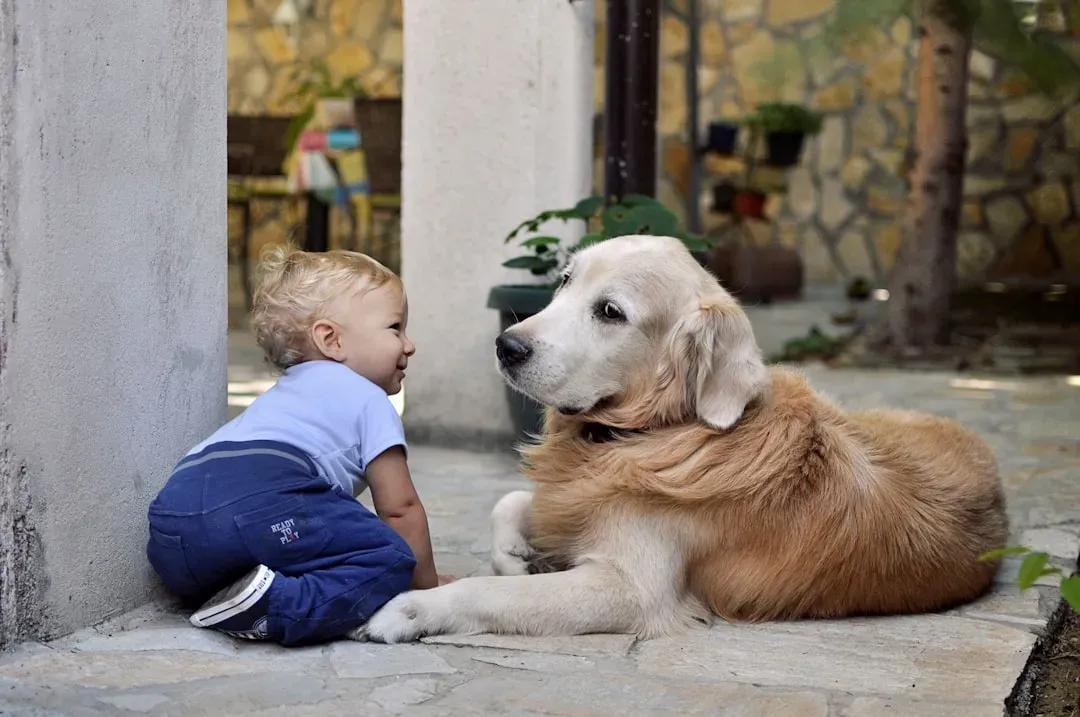
Ask a grandparent and they can usually tell you the exact story when the dog clearly chose a side: the child’s. Maybe it planted itself between the toddler and a stranger at the park. Maybe it stepped in front of a bigger dog on a walk.
Some still swear the dog knew the difference between “normal noise” and “danger” long before the adults did. That shift from pet to bodyguard is burned into memory. They remember the quieter versions too – the dog checking on the kid’s bedroom at night, sleeping closer when the child was sick, growling only when someone’s tone got too sharp. While parents were buried in schedules and bills, grandparents had the time to notice those patterns. They still talk about them.
Why It Stands Out
- Dogs often sense shifts in a child’s tone, posture, or breathing before adults notice anything is wrong.
- Protective behavior tends to intensify around toddlers and infants, the most vulnerable family members.
- Many grandparents say the “guarding” instinct showed up quietly, in small acts rather than dramatic ones.
- Herding and guarding breeds often show this instinct earliest, but any loyal dog can develop it.
#3 – The Messiest, Funniest Disaster They Secretly Loved
Every family dog has at least one legendary crime scene, and grandparents usually tell it with more joy than anyone else. Maybe it was the Thanksgiving turkey dragged off the counter, the science project shredded across the hallway, or the diaper explosion the dog wore like war paint.
What’s wild is how clearly they recall the laughter that followed, not the chaos. They remember which parent freaked out, which kid cried, and who tried to defend the dog with, “They didn’t know!” Years later, they’ll admit they were hiding in the next room laughing while pretending to be stern. That disaster became family folklore, retold every time someone says, “Remember when…?”
#4 – The Way the Dog Waited at the Window or Door
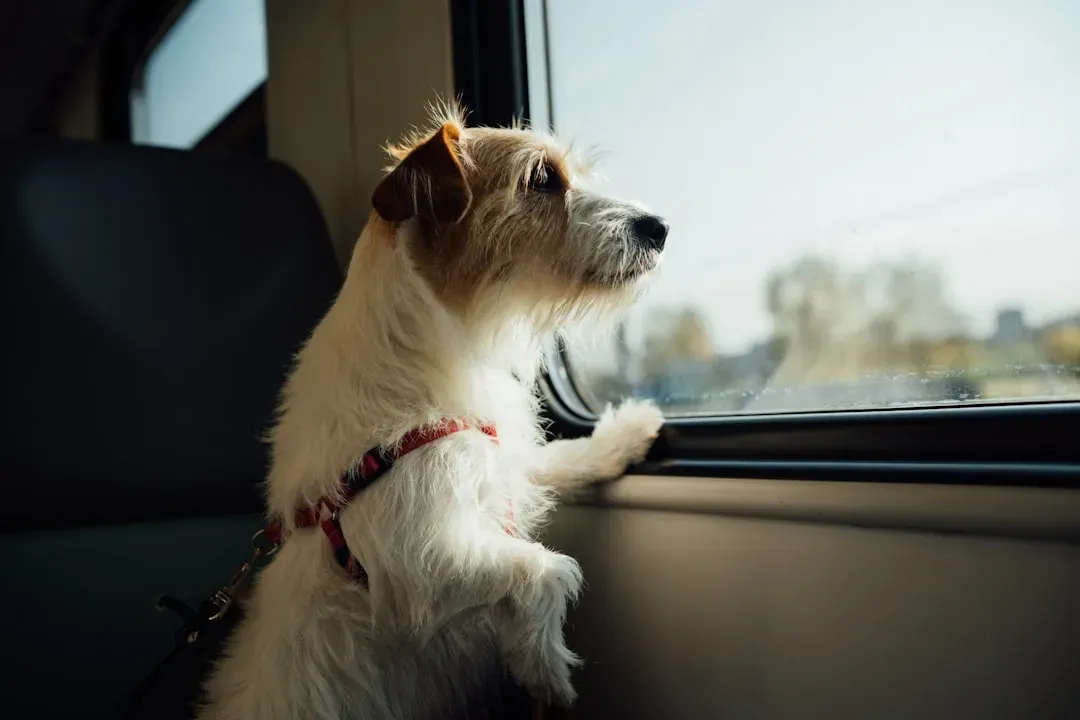
Grandparents notice routines everyone else is too busy to see. One of the clearest: the dog’s daily ritual of waiting for “their” kid to come home. They remember the exact spot by the window, the scratched part of the door frame, the time the pacing would start.
Some grandparents quietly used that ritual to track whether their grandchild was late, anxious, or unusually quiet coming in. It wasn’t just sweet – it was information. If the dog exploded into zoomies, school had gone fine. If the greeting was soft and the kid sank straight into the fur instead of talking, grandparents filed it away: something happened today. That silent check-in between dog and kid became a weather report for the whole house.
#5 – The Nights the Dog Refused to Leave Their Grandchild’s Side
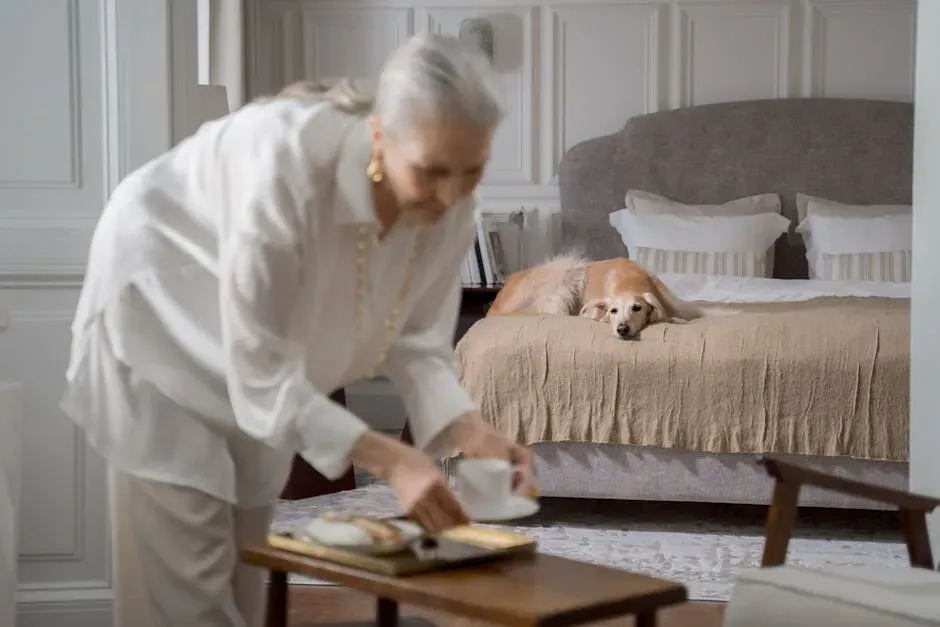
Ask a grandparent what really stuck, and they rarely say birthdays. They say sick nights – the dog curled on the floor near the bed when a fever spiked, refusing to move even after everyone else finally gave up and slept.
One of the most common stories: the dog ignoring food and walks until the child started to feel better. To a grandparent, that wasn’t coincidence – that was proof of something deeper. Some still talk about the nights thunder or nightmares hit hard and the dog climbed onto the bed like it had a job to do.
A dog is the only thing on earth that loves you more than he loves himself.
Josh Billings
Grandparents didn’t hear every whispered secret into that fur, but they felt the shift. The dog became an emotional first responder long before anyone called a friend or a parent.
#6 – The Little Rituals Only They and the Dog Ever Noticed
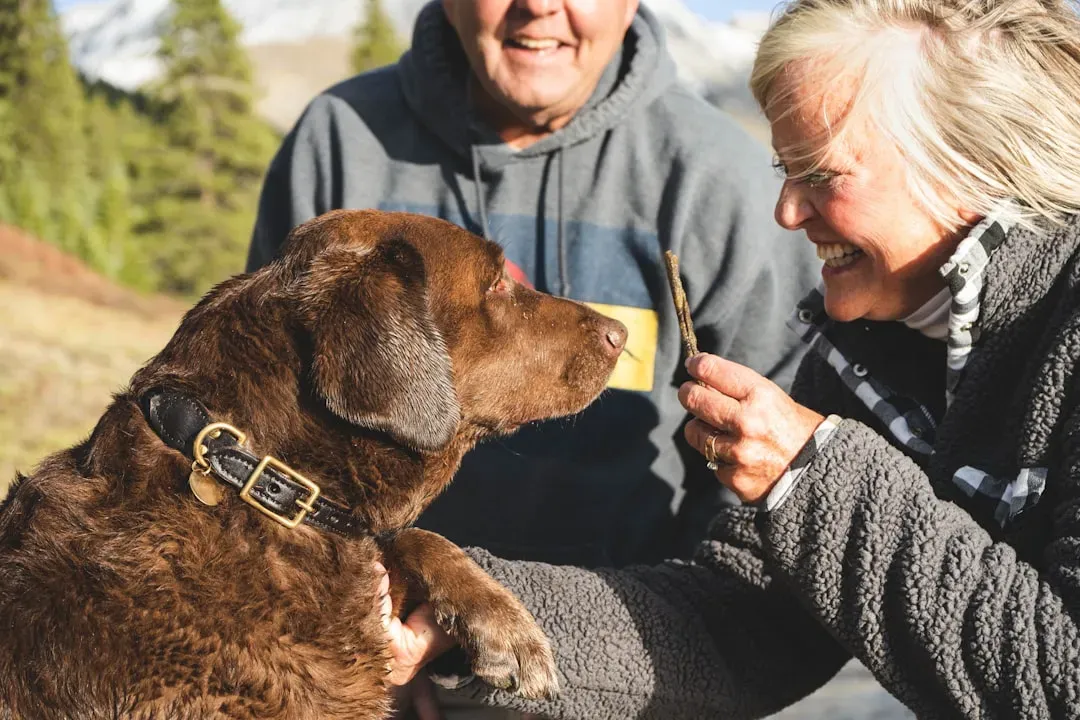
Most people assume the big events stand out most, but grandparents often remember the small, repeatable habits – the way the dog sat for a specific cartoon theme song, or waited for a crust of toast every single morning.
They can still picture the exact motion of a small hand reaching down from a high chair with contraband snacks. These weren’t accidents; they were carefully negotiated pacts between kid and dog. Grandparents watched them form in slow motion – the same toy fetched after school, the same corner of the couch surrendered every night, the same goodbye pat before the bus. They noticed when the rituals changed too, like when the teen stopped sharing cereal but still scratched the same ear on the way out.
#7 – The First Real Responsibility Their Grandchild Ever Took On
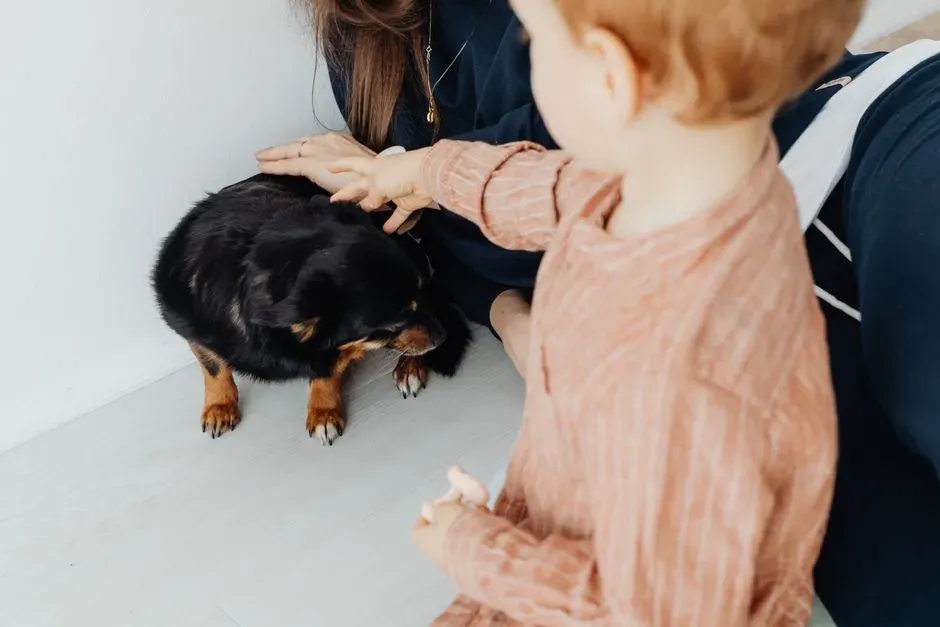
For many grandparents, the family dog is where they watched a kid stop being “little” for the first time. They remember the moment walks, feeding, or brushing stopped being chores forced by adults and became something the child chose to do.
Some grandparents even say the dog taught their grandchild responsibility more effectively than any lecture ever did. They remember which grandchild took the job seriously, which one tried to bribe a sibling into covering for them, and which one made an elaborate chore chart that lasted exactly three days. They also remember quietly double-checking water bowls, or sneaking out for an extra walk when the novelty wore thin – while still noticing the progress in muddy shoes and tangled leashes.
Quick Compare
- Forced chore: Feeding only happens after repeated reminders from a parent.
- Real responsibility: The child checks the water bowl without being asked.
- Forced chore: Walks get skipped the moment no one is watching.
- Real responsibility: The child chooses a walk over screen time, even reluctantly.
#8 – The Wild Backyard Games No Parent Would Have Allowed
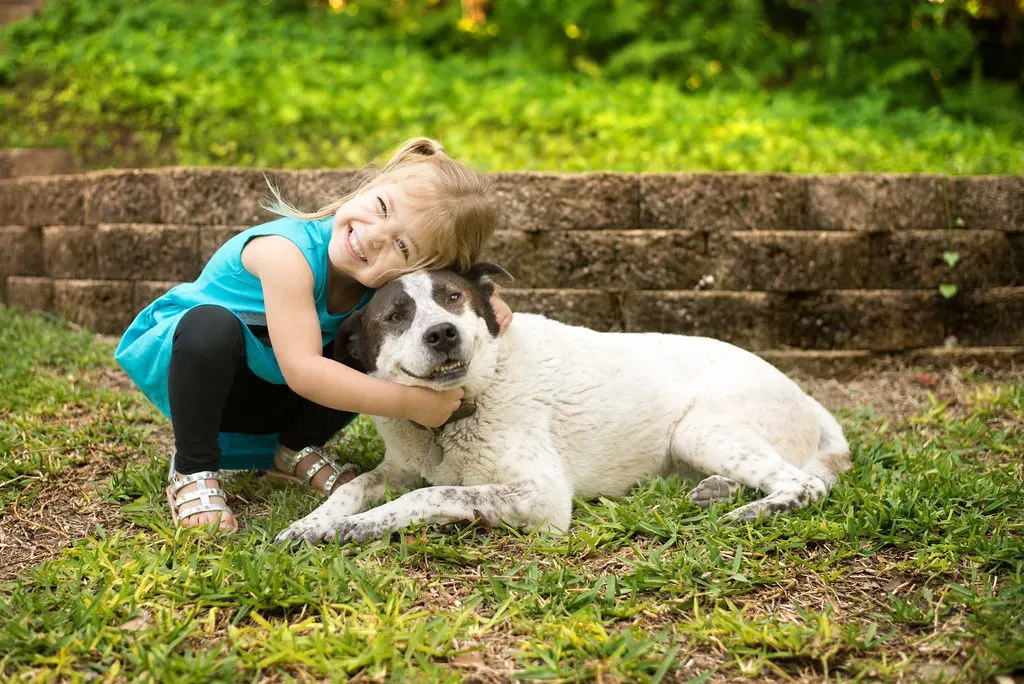
Grandparents are often the only ones who sat still long enough to watch the full chaos of kid-and-dog play. They remember backyard obstacle courses built from trash cans and lawn chairs, improvised “agility training,” and chase games that would’ve made any cautious parent nervous.
Some still insist the dog understood the rules of those invented games better than any visiting adult did. They recall the mismatched costumes, the capes tied around the dog’s neck, the way both kid and animal came back inside absolutely filthy and completely happy. While parents shouted, “Don’t let the dog lick your face!” grandparents just filed the moment away – this was childhood in its purest, unsupervised form.
#9 – The Late-Night Confessions Shared Only with the Dog
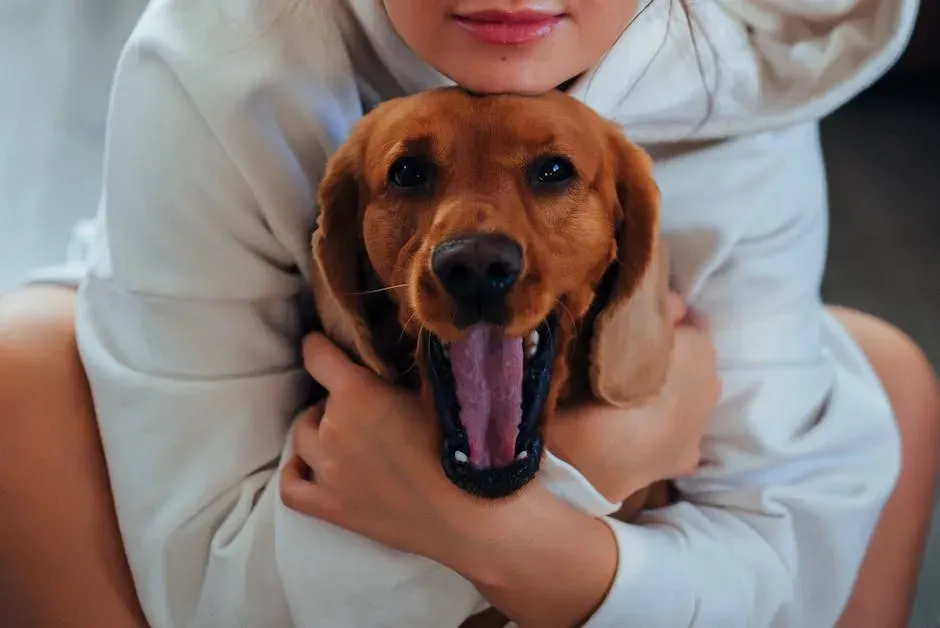
Most families underestimate how many secrets got whispered into that dog’s fur. Grandparents don’t. They saw the kid sneak off to the dog’s bed after a rough day, or sit on the back steps with a face buried in fur, saying nothing to anyone else.
Grandparents often say they first suspected something was wrong at school, or in a friendship, when the dog started getting more cuddles than usual. They remember hovering just out of sight, catching one-sided conversations – apologies, teacher rants, crush drama, early fears about growing up. The dog said nothing, just stayed. Grandparents know they weren’t the first line of emotional support in that house. The dog was.
#10 – The Soundtrack: Paws, Collars, and Middle-of-the-Night Clicks
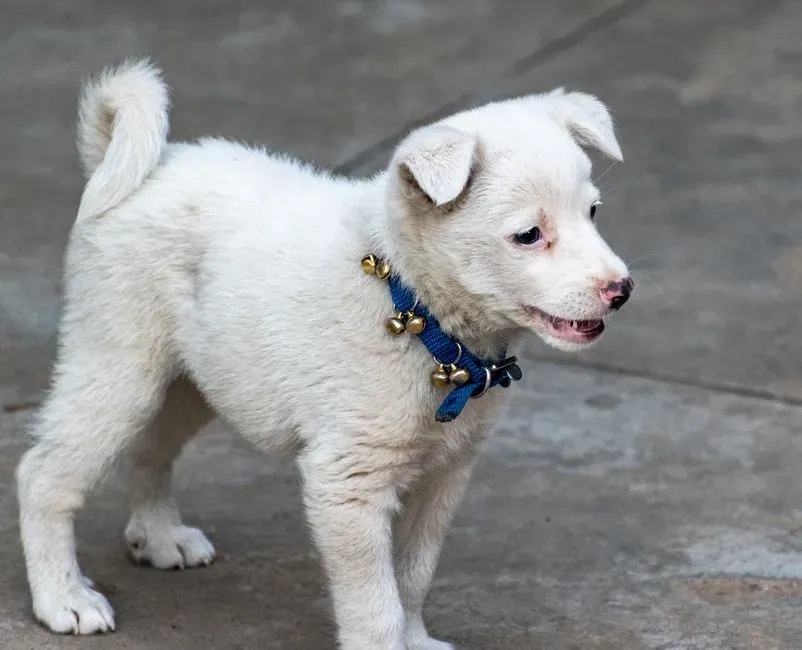
What grandparents remember isn’t just what the dog did – it’s what the dog sounded like. The click-click of paws on hardwood. The jingle of a collar when the fridge opened. The soft whine outside a closed bedroom door.
Many say they still “hear” those sounds in a now-silent house years later. That audio backdrop is how they measure entire eras of childhood. They remember waking to a particular kind of pacing that meant, “Someone needs to go out,” and hoping it wasn’t the kid or the dog getting sick that night. They can still tell the difference between excited scratching to go outside and panicked scratching during a storm – a whole language spoken through a door.
#11 – The First Time the Dog Couldn’t Keep Up
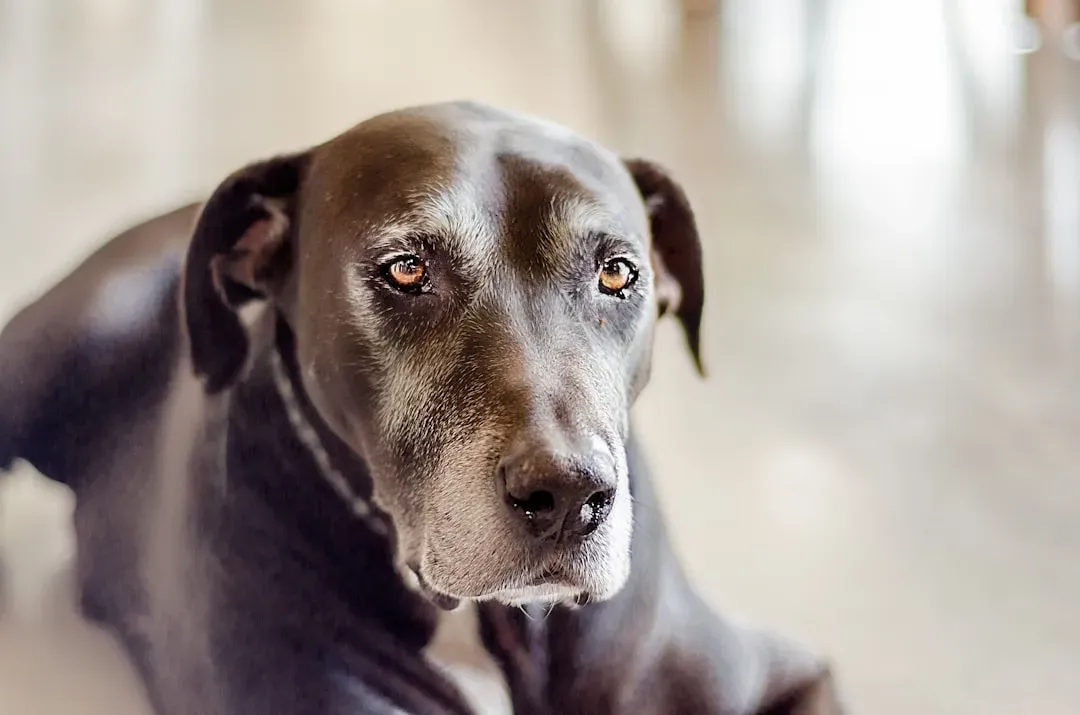
While most people focus on puppy zoomies, grandparents remember the opposite moment – the first time the dog didn’t make it up the stairs quickly, or stopped halfway through a once-easy loop around the yard.
That moment, when the child suddenly realized their “forever” dog was aging, is seared into grandparents’ minds. They watched a carefree kid notice, maybe for the first time, that time moves in one direction. They remember the stiff joints, the grey creeping into the muzzle, the shorter walks and longer naps. Grandparents often became the quiet advocates for slowing down – “Let them rest,” “Don’t tug so hard,” “It’s okay if they don’t want to play right now.”
Worth Knowing
- Grey hair around the muzzle and eyes is often one of the first visible signs of a dog’s aging.
- Slower stair climbs, shorter walks, and longer naps are common signs a dog is entering its senior years.
- Most dogs are considered “senior” by around age seven, though it varies by breed and size.
- Joint stiffness after rest, especially in the morning, is one of the earliest changes families notice.
#12 – The Teen Years: When the Dog Became the Only One Who “Got It”
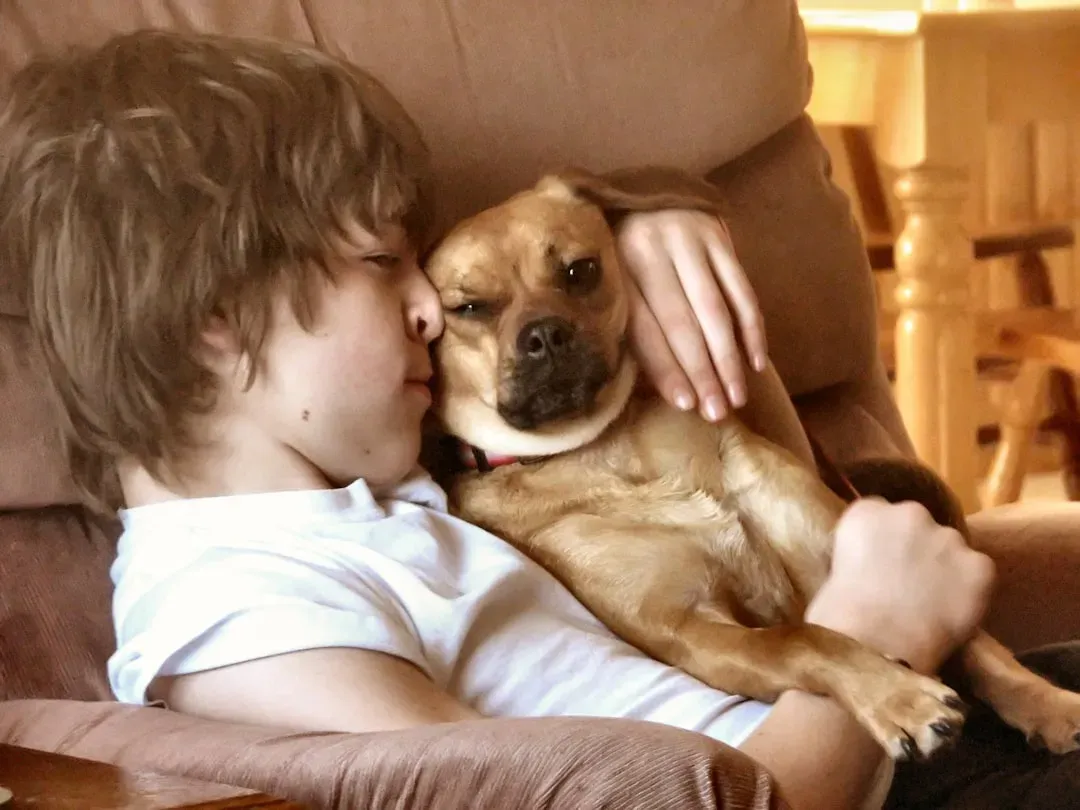
There’s a phase grandparents talk about when the once-chatty kid barely speaks to adults – except, oddly, to the dog. During the slammed-door teenage years, the dog becomes the one constant that doesn’t judge, lecture, or scroll past.
Grandparents often noticed that even when teens pulled away from the family, they still slept with a hand on the dog’s back or took late-night walks “just to get out.” They remember the slammed door, then footsteps, then the soft creak of the dog’s bed and a muffled, “Hey, buddy.” To grandparents, it was obvious: the dog was holding the emotional line so the rest of the relationship could survive the turbulence. Some will argue that without that dog, those years would’ve been rougher for everyone – and they’re not entirely wrong.
#13 – The Day Everyone Knew It Was Time to Say Goodbye
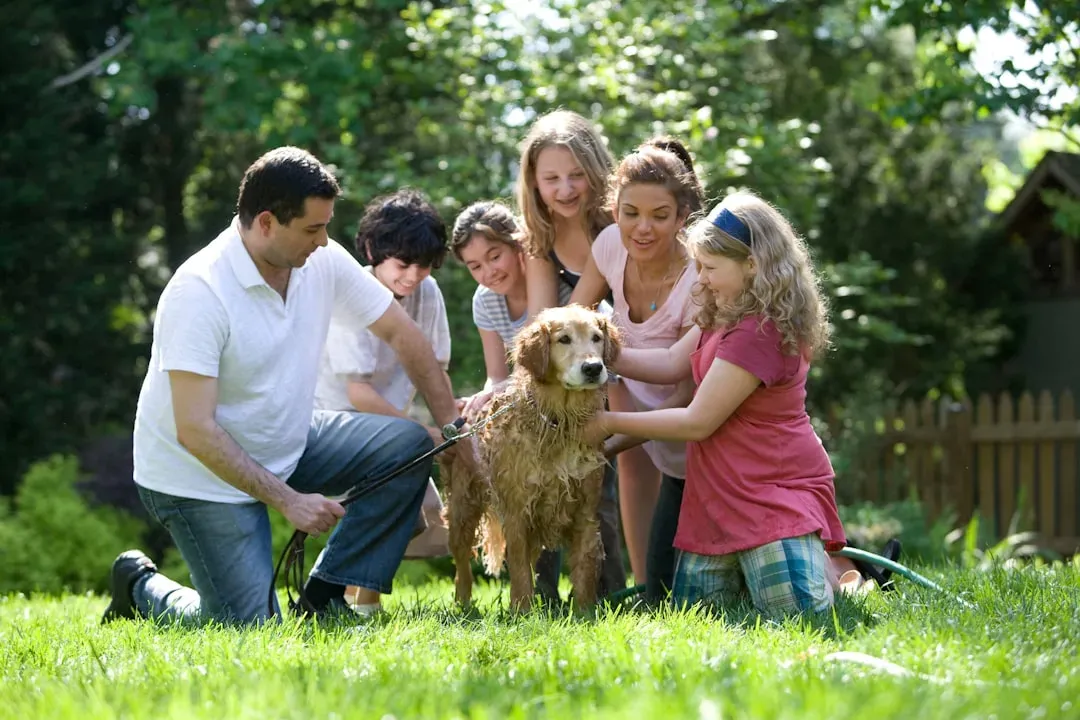
This is the chapter grandparents wish they could skip, but never do forget. They remember the vet appointments, the whispered adult conversations in kitchens, the hesitant “Do we tell the kids now or later?” debates.
For many grandparents, the family dog’s last day is the clearest memory of the entire childhood. Who stayed in the room, who couldn’t, who held the collar until the very end – they can replay all of it. They also remember the small mercies: favorite food allowed just this once, extra blankets, a hand resting on fur long after the breathing stopped. Some families made that moment gentle and honest. Others rushed it, or softened it into “just a sleep.” Grandparents usually have strong opinions about which approach was kinder, and they carry quiet guilt or pride about how it went.
#14 – The First Holiday or Visit Without the Dog There
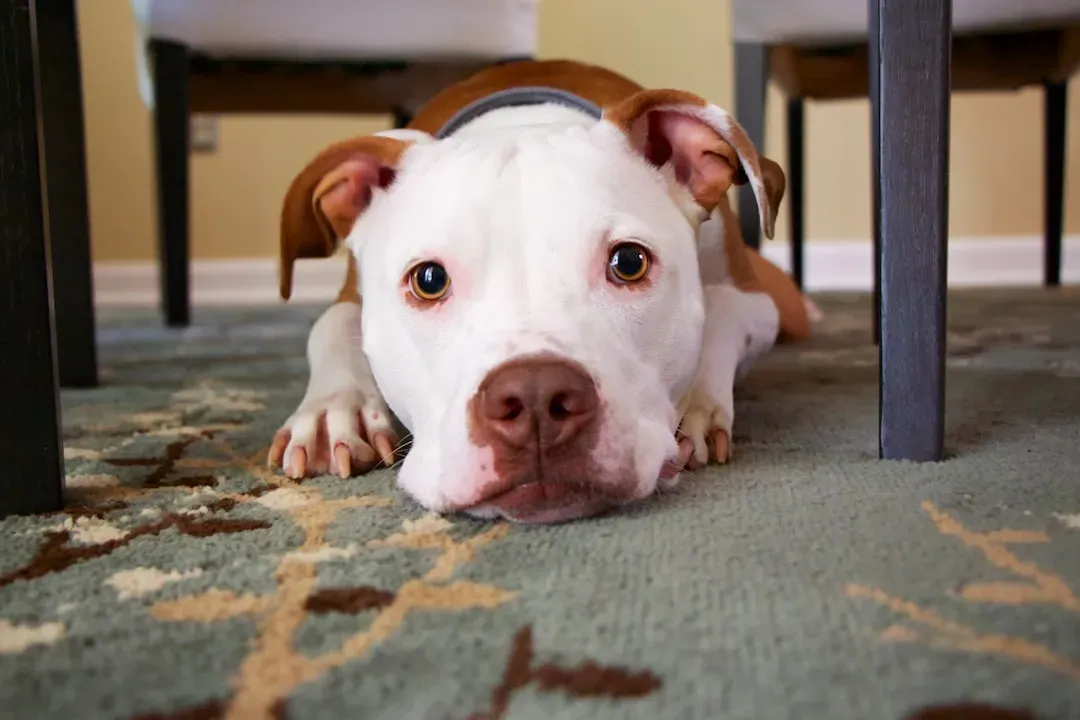
If you want to know when the loss really hits a grandparent, it’s not the vet’s office – it’s the next holiday. They walk into the house and instinctively brace for the sound of scrambling paws that never comes.
They notice the empty corner where the dog bed used to sit, the clean but strangely bare spot by the back door, the missing fur on their pants after sitting down. The silence has its own presence. They watch their grandchild reach for a treat jar that’s gone, or glance at the spot where a tail used to thump under the table. That’s usually when the stories start spilling out – “Remember when he stole the ham?” “Remember how she knew exactly which present was hers?” Grandparents often lead that storytelling, not to reopen the wound, but to keep the dog from disappearing into the blur of “when the kids were little.”
At a Glance
- The first holiday without a pet is often harder emotionally than the day it passed.
- Empty routines, like a missing food bowl or leash by the door, tend to trigger the sharpest reminders.
- Storytelling about the pet is a common, healthy way families process loss together.
#15 – Realizing That Dog Defined an Entire Era of Childhood
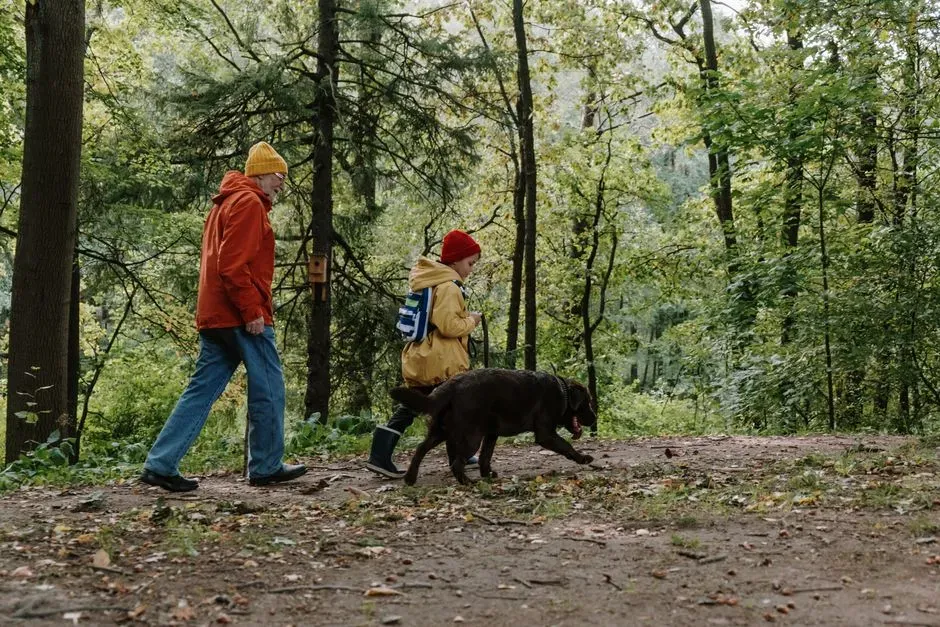
With distance, grandparents don’t just remember isolated stories – they remember eras. There was “before the dog,” “the dog years,” and “after the dog.”
They quietly admit that when they think about their grandchild’s childhood, the dog is the fastest way to time-travel straight back into it. One glimpse of an old collar, a photo, or a similar breed on the street, and suddenly they’re back in that noisy, messy, love-filled house. They see how that dog anchored the routines – the morning chaos, the after-school decompression, the late-night comfort. Maybe more clearly than the parents or the now-grown kids themselves, grandparents can see how much of that child’s emotional education – love, responsibility, grief, loyalty – ran straight through one animal. In their minds, that dog was never a side character. It was a supporting lead in the story of a growing human being.
The Bottom Line
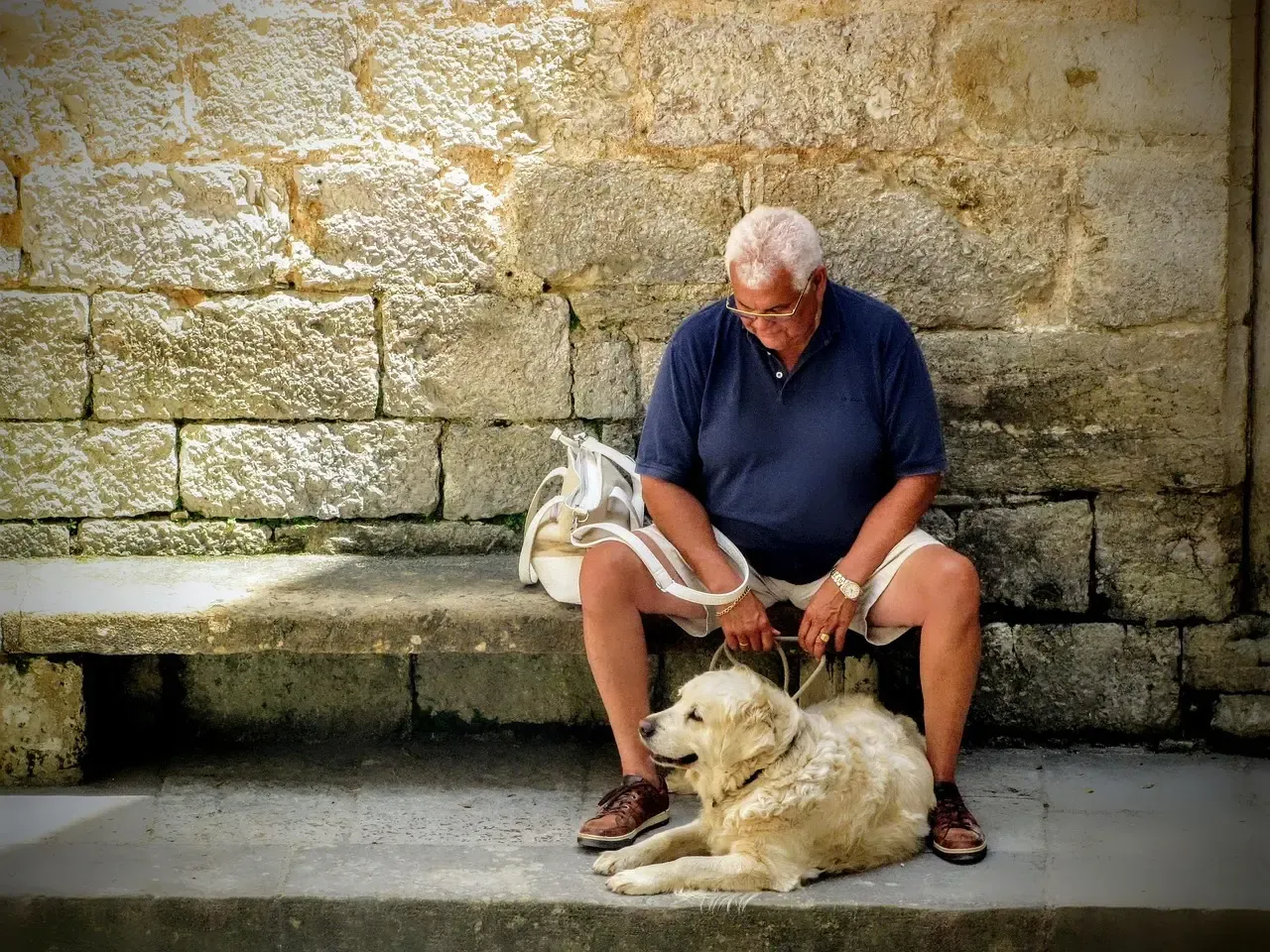
When grandparents talk about the dog their children and grandchildren grew up with, they’re not just reminiscing about a pet. They’re mapping an entire era of family life onto one heartbeat that padded across the kitchen floor.
The first meeting with the baby, the late-night sick vigils, the awkward teen confessions, and the final goodbye all orbit around that same set of paws. Some people roll their eyes and say, “It was just a dog.” Grandparents know better. That dog carried emotional weight most adults never fully acknowledged at the time.
Here’s the uncomfortable truth underneath all of it: how a family treated that dog, especially at the beginning and at the end, is often exactly how they handle love and loss in everything else. Did we nail the moments your family still talks about, or did we miss one that only your grandparents remember? Drop it in the comments.


