
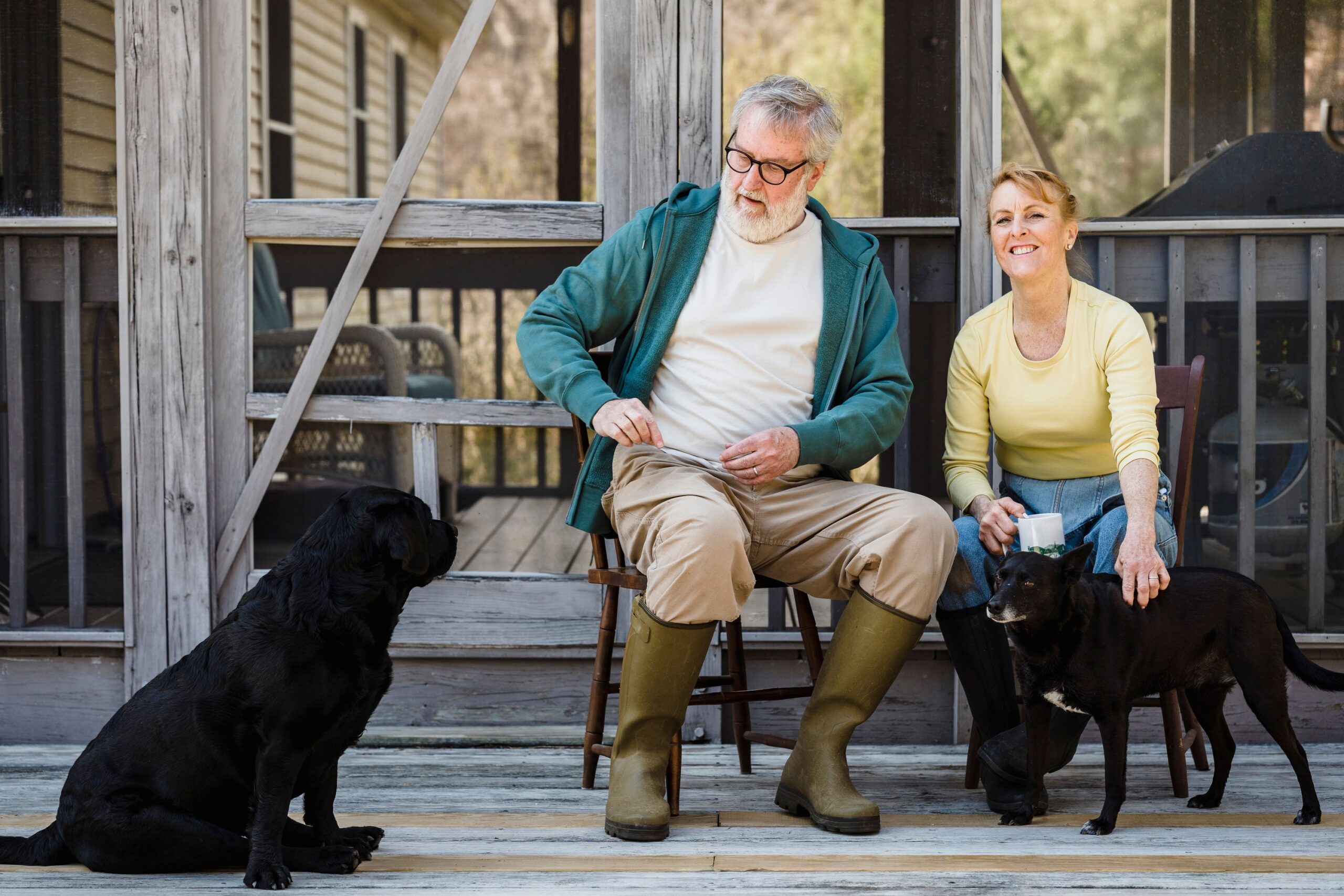
There’s a quiet moment in almost every dog lover’s life when it hits you: the zoomies are slower, the leash gets less use, and the ball that once launched your dog across the yard now just earns you a gentle tail wag. It can feel bittersweet, even a little scary, to realize your best friend is entering their senior years.
But here’s the part most people underestimate: your aging dog’s emotional life does not “wind down” the way their body does. In many ways, their need for you actually deepens. They may not chase frisbees for an hour anymore, but their brain and heart are still wired for connection, comfort, and routine. Understanding that shift is one of the kindest things you can do for them.
1. Slower, Softer Attention Instead of High-Energy Play
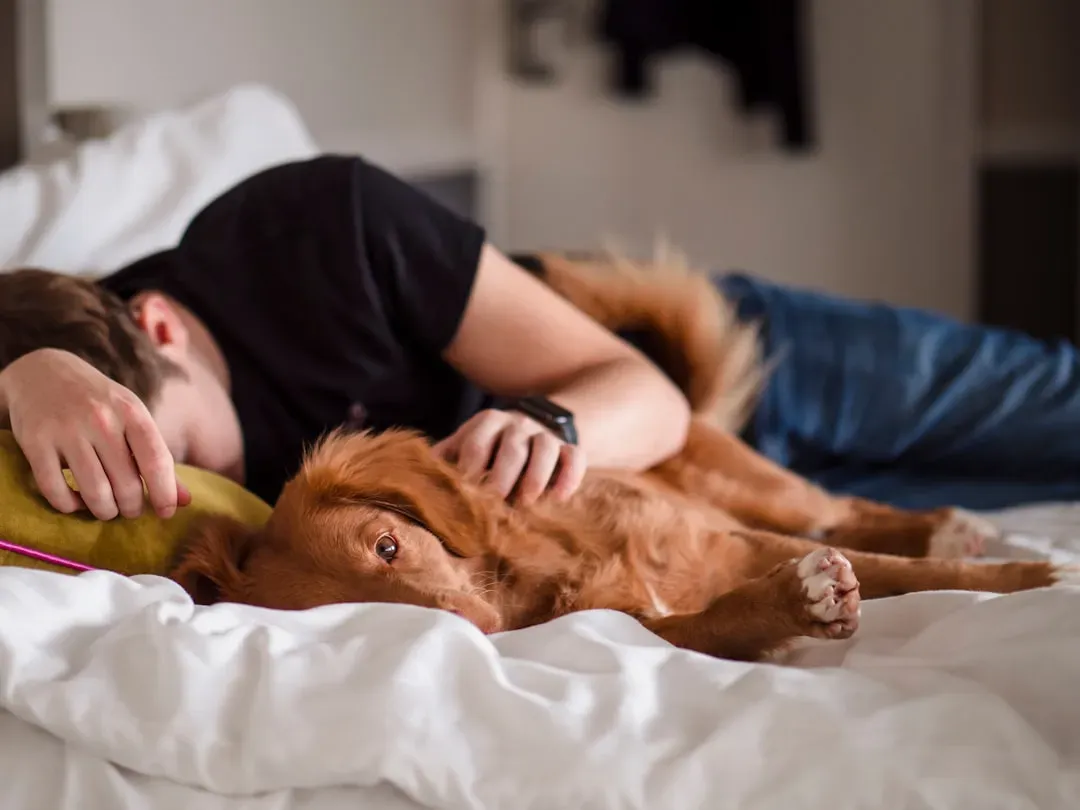
When running, jumping, and wrestling become uncomfortable, many dogs quietly swap those needs for something else: calm, focused attention. They still crave interaction, but in a form that doesn’t make their joints ache or leave them panting. That could be gentle ear rubs on the couch, relaxed brushing sessions, or simply lying next to you while you scroll your phone or read.
Think of it like changing the “channel” of your relationship rather than turning the TV off. Where you once played intense fetch, you might now offer long, slow chest scratches while you talk to them in a warm voice. You’re not doing “less” for your dog because you’re no longer sprinting around the yard together; you’re doing something different that respects what their body can handle while still honoring how badly they want to feel seen by you.
2. Gentle, Predictable Routines to Feel Safe
One of the most underrated things an aging dog wants is simple predictability. As hearing dulls, eyesight clouds, and mobility changes, the world can feel more confusing and less controllable. Consistent routines around meals, potty breaks, sleep, and even when you typically leave and return home help their nervous system relax. Familiar patterns are like emotional handrails for a senior dog.
This might look like feeding at the same times each day, keeping furniture in the same place so they don’t bump into things, and using the same route for short, easy walks. You can also add “verbal routines,” such as always using the same simple words before bedtime or before you gently help them onto the couch. To us, it can feel like a small detail; to an older dog, that predictability says: you are safe, this is home, you know what’s coming next.
3. Mental Stimulation That Fits Their New Pace
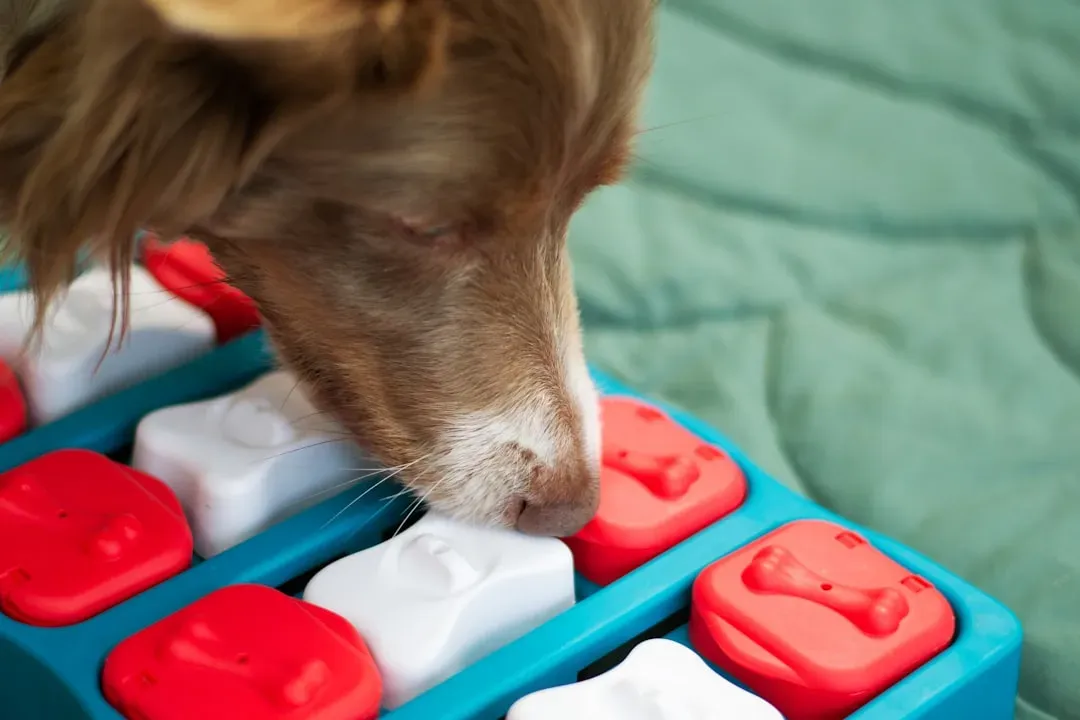
Many people assume a dog’s brain just “slows down” with age and needs less to do, but that’s not quite true. The type of stimulation changes: they usually need shorter, easier, more accessible enrichment, not none at all. Their brain still lights up when they solve a simple problem, sniff something interesting, or get to use their senses in a way that feels engaging but not exhausting.
You can swap long, intense training sessions for tiny bursts of low-impact game time. Try food puzzles that aren’t physically demanding, snuffle mats, or very easy scent games where you hide a few treats in plain sight. Even a short session of gently practicing old cues like “sit,” “shake,” or “touch” at their own pace gives them a sense of competence and keeps those neural pathways active, a bit like crosswords for a human grandparent.
4. Comfort for Their Aging Body: Beds, Ramps, and Warmth
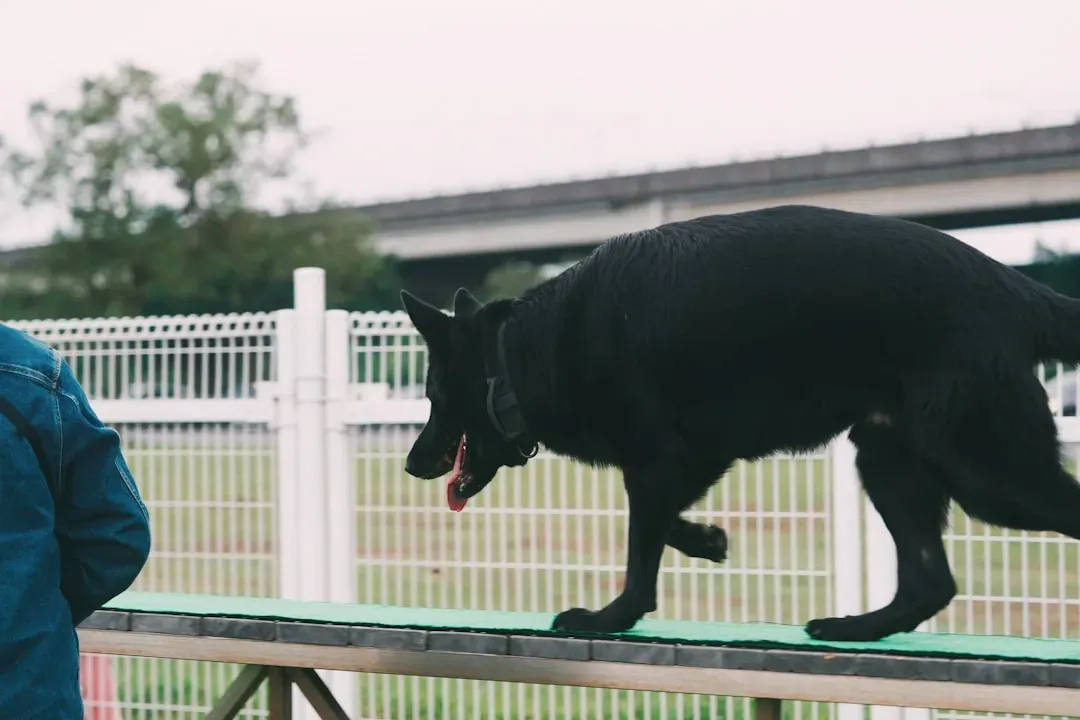
As dogs get older, their bodies often hurt more than they show, especially if they have arthritis, past injuries, or joint issues. They may not whine, but you’ll see subtle signs: hesitating before jumping into the car, needing to “circle” longer before lying down, or choosing the floor over a favorite couch because the climb is too much. What they want from you here is simple: make life softer, easier, and kinder on their body.
Orthopedic beds, non-slip rugs, ramps or stairs to reach the couch or bed, and help with getting in and out of the car can be game changers. Warmth matters too; many senior dogs feel better with a slightly warmer sleeping spot, a cozy blanket, or keeping them out of drafts. Think of yourself as your dog’s personal accessibility designer, modifying their environment so they do not have to constantly push through discomfort just to do the things they enjoy.
5. Short, Satisfying Outings Instead of Marathon Walks
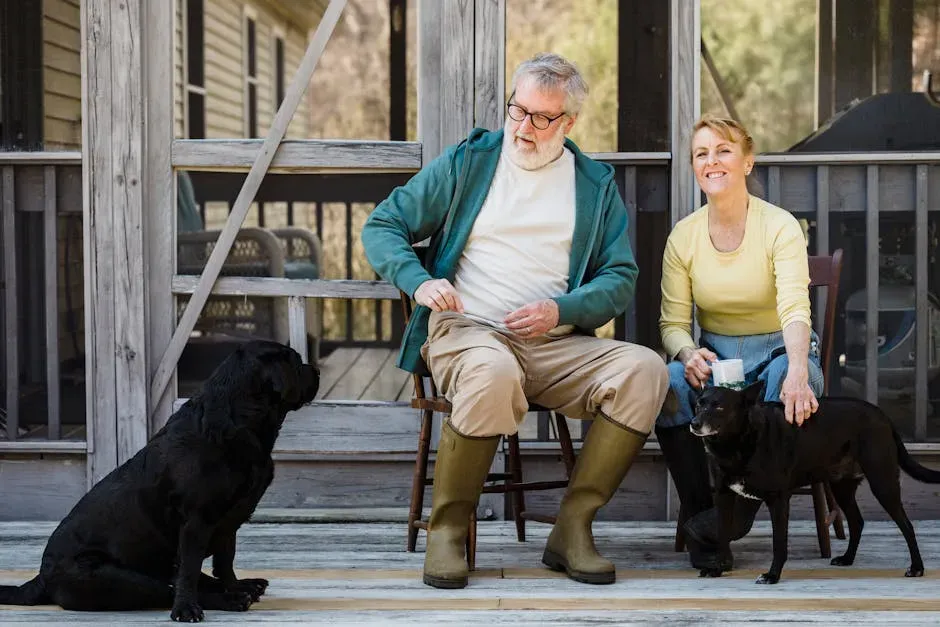
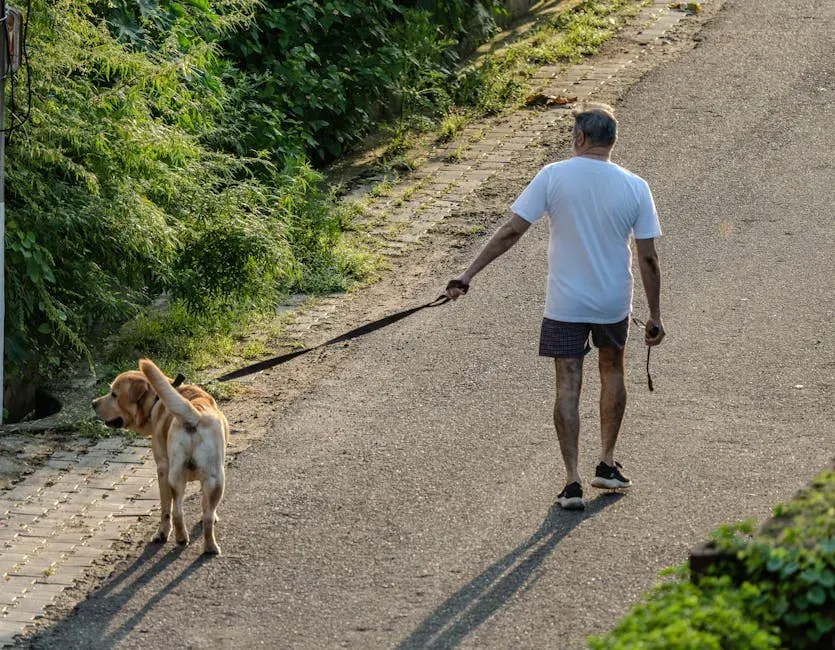
Your older dog might not want to hike for an hour, but that doesn’t mean they’re ready to retire to the backyard forever. Most still deeply enjoy getting outside for fresh air, new scents, and a little movement, just in smaller, more manageable doses. In fact, for many seniors, the sniffing is the main event; the distance barely matters.
Try shifting the goal of your walks from covering ground to collecting smells. Take very short strolls where they’re allowed to move slowly and sniff freely, even if you barely make it down the block. If even that’s too much some days, a “car ride field trip” to sit in a quiet park or by an open window with new smells drifting in can scratch a similar itch. The message you send is powerful: I still want to experience the world with you, even if we do it in smaller circles now.
6. Patient Communication When Their Senses Start to Fade
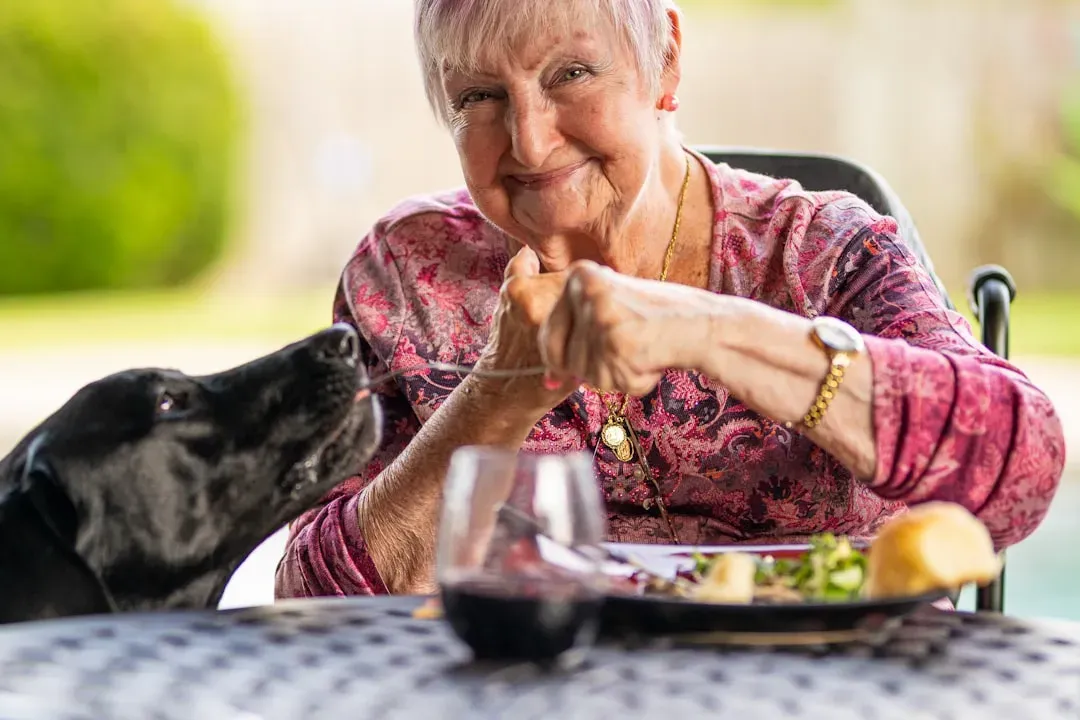
Hearing and vision often dull with age, and this can be surprisingly stressful for dogs. Imagine suddenly realizing you do not always hear your name, or that shadows and steps are harder to judge. An older dog wants you to adjust how you communicate with them, rather than assuming they are “ignoring” you or becoming stubborn. They are often not being difficult; they are simply not receiving information the way they used to.
You can help by using more visual and tactile cues if hearing is fading, and more clear, low-frequency verbal cues and touch if sight is weakening. Approaching from the front instead of behind, gently touching their shoulder before you move them, and turning on more lights in dim areas can all help. Your patience here is huge: slowing down, avoiding sudden loud corrections, and giving them a moment longer to process gives them dignity and reduces anxiety during a stage when their own body sometimes surprises them.
7. Emotional Presence: Reassurance, Not Pity
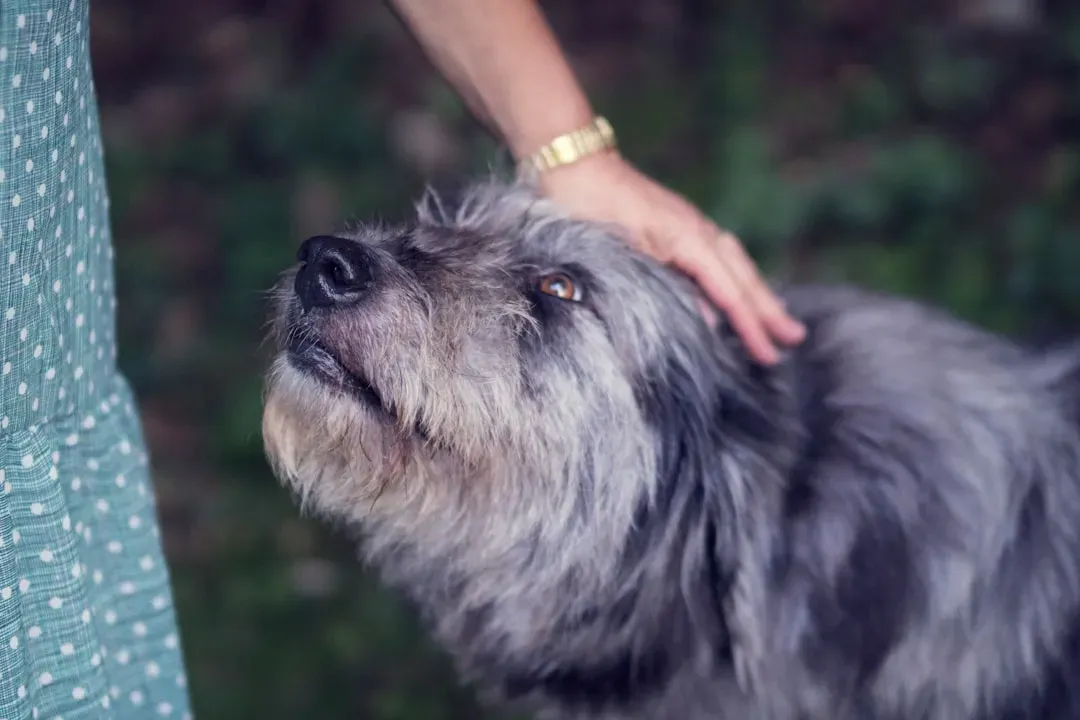
Maybe the most important thing an aging dog still wants from you is emotional steadiness. They pick up on your mood more than most people realize. If you treat them like they are already gone, hovering with constant sadness or pulling away because it hurts to watch them age, they feel that. What they need instead is your calm, reassuring presence: the same companionship they have always offered you, reflected back to them.
This does not mean pretending aging is not happening; it means you meet it with gentle acceptance rather than panic. Talk to them like you always have. Laugh with them. Celebrate the small joys that are still very real for them: a good smell, a tasty snack, a nap in a sunbeam. You are allowed to feel heartbroken privately, but when you are with them, the greatest gift is to let them feel like they are not a burden or a tragedy, but still your dog, still loved, still part of the family’s daily rhythm.
Conclusion: Growing Old Together, Not Just Watching Them Age
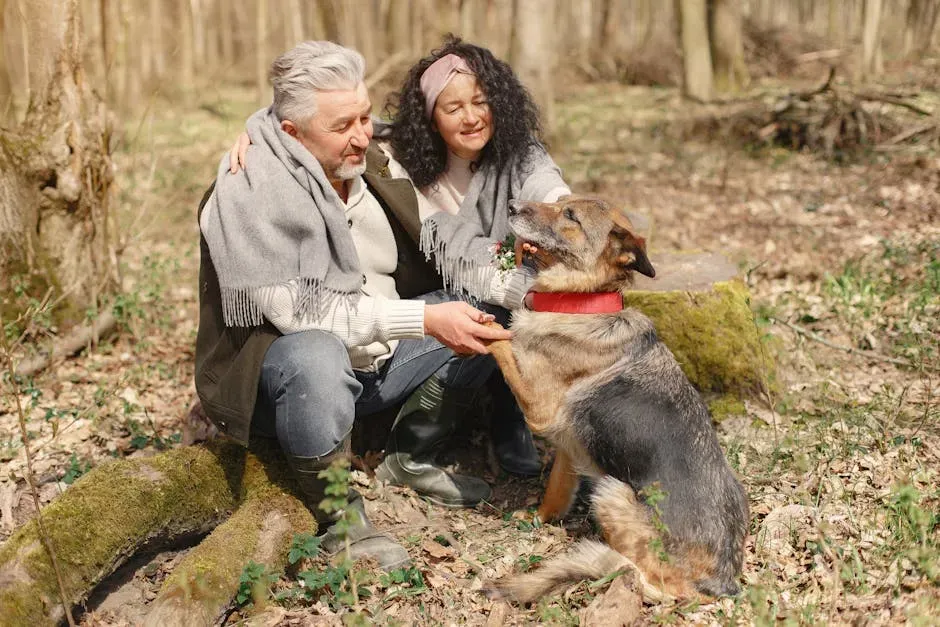
I think one of the sneakiest myths about senior dogs is that the relationship is mostly about loss: fewer walks, fewer years ahead, fewer big adventures. But when you really pay attention, it becomes clear that this season is also full of “more” in its own way. More eye contact, more quiet rituals, more chances to show up for them the way they spent their younger years showing up for you without question.
When walks and play become harder, your aging dog is not asking you to step back; they are asking you to lean in differently. To trade speed for softness, distance for depth, and spectacle for everyday tenderness. If you let yourself, you might find that these slower, gentler years are some of the most meaningful you ever share together. Looking at your dog right now, what is one small way you could make their today a little easier and a little more loved?


