
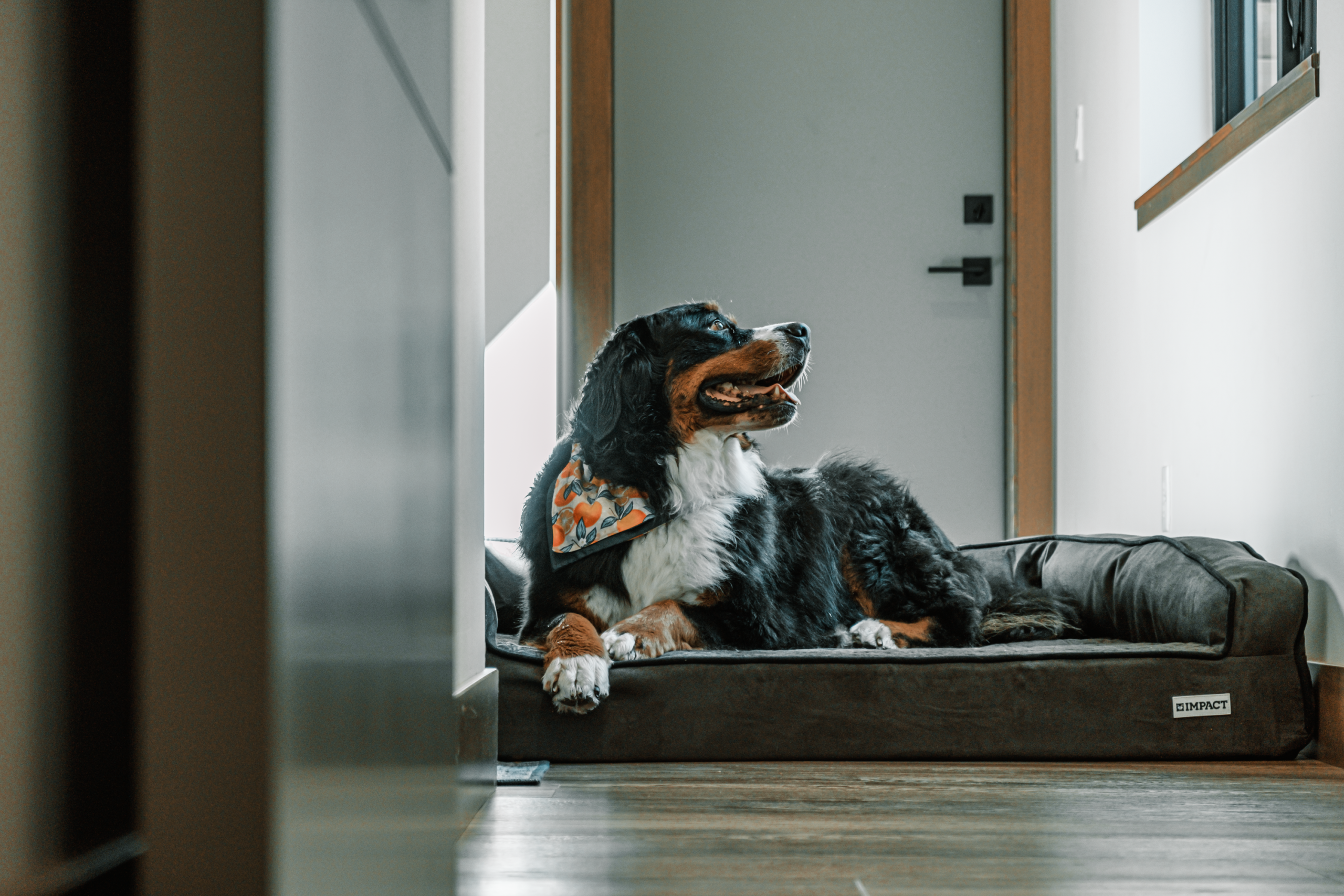
You wake up one morning and realize your dog does not bounce out of bed quite as fast as before. Your knees feel a little stiff too, and suddenly it hits you: you are not just raising a dog anymore, you are aging together. That can be a little bittersweet, but it can also be incredibly beautiful if you both get the support you need.
Getting older with a dog is like walking side by side on a slightly slower, softer version of the life you used to share. The games change, the routines shift, and new health issues pop up, but the bond between you often gets deeper and calmer. With a few smart, science-backed adjustments, you can make those later years more comfortable, safer, and actually more connected than ever – for both of you.
1. Rethink Your Home Layout to Protect Aging Joints
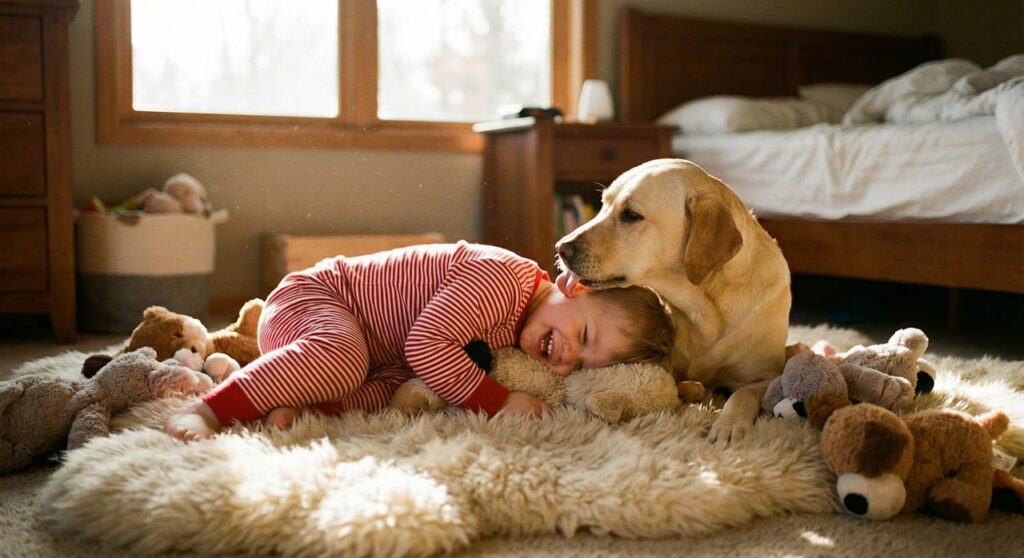
As dogs age, the smooth hardwood floors and steep stairs that never mattered before can suddenly become daily obstacles. Older dogs are more prone to arthritis, joint pain, and muscle loss, which makes slipping, jumping, and climbing a lot harder and more risky. If your own knees, hips, or back are not what they used to be, you feel that same hesitation in your body when you face stairs or have to bend and lift.
A simple way to support both of you is to treat your home like you are designing it for comfort and safety, not just aesthetics. Add non-slip rugs or runners in slippery areas like hallways and near the couch or bed where your dog jumps up or down. If stairs are a struggle, consider baby gates to block risky areas and use ramps or low steps to help your dog onto the bed or sofa so you do not have to lift their full weight every time. These changes are small but can prevent painful falls – for you and for them.
2. Switch to Joint-Friendly Exercise Instead of High-Impact Play
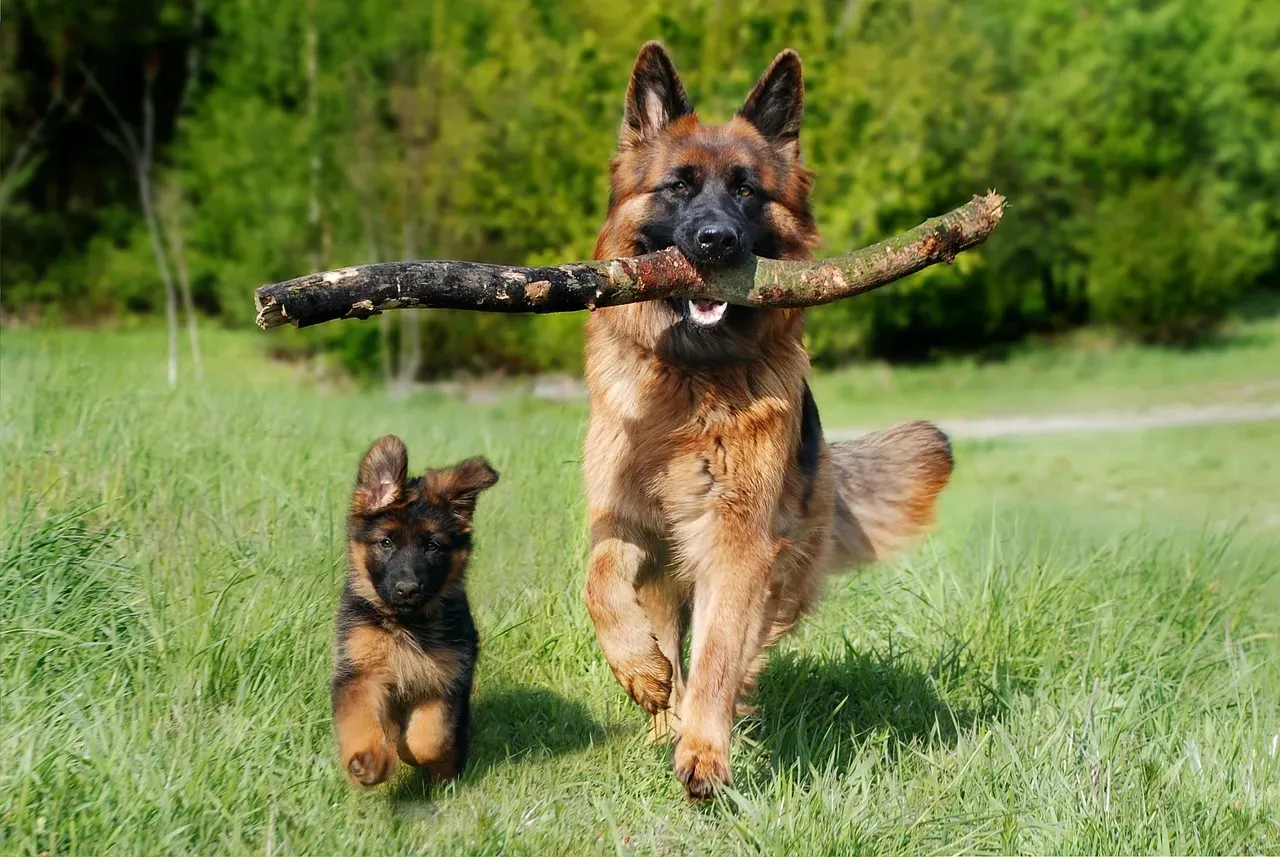
Many people feel guilty when they can no longer take their dog on long runs or wild hikes like before, but aging bodies – human and canine – often do better with low-impact, consistent movement. Older dogs commonly develop arthritis, spinal issues, or reduced muscle strength, and pushing them to jump, twist, or sprint can worsen those problems. If you are dealing with your own joint pain, fatigue, or balance issues, intense exercise probably does not feel great to you either.
Instead, think of movement like gentle maintenance rather than performance. Short, frequent walks on soft ground, slow sniff walks around the block, or leisurely park loops are often better than one long, exhausting outing. Swimming can be a fantastic option for dogs that enjoy water and for owners with joint problems, because it supports the body while still giving a good workout. The key is regular, moderate activity that keeps muscles working without overloading tired joints – for both of you.
3. Upgrade Food, Bowls, and Mealtime Routines for Senior Bodies
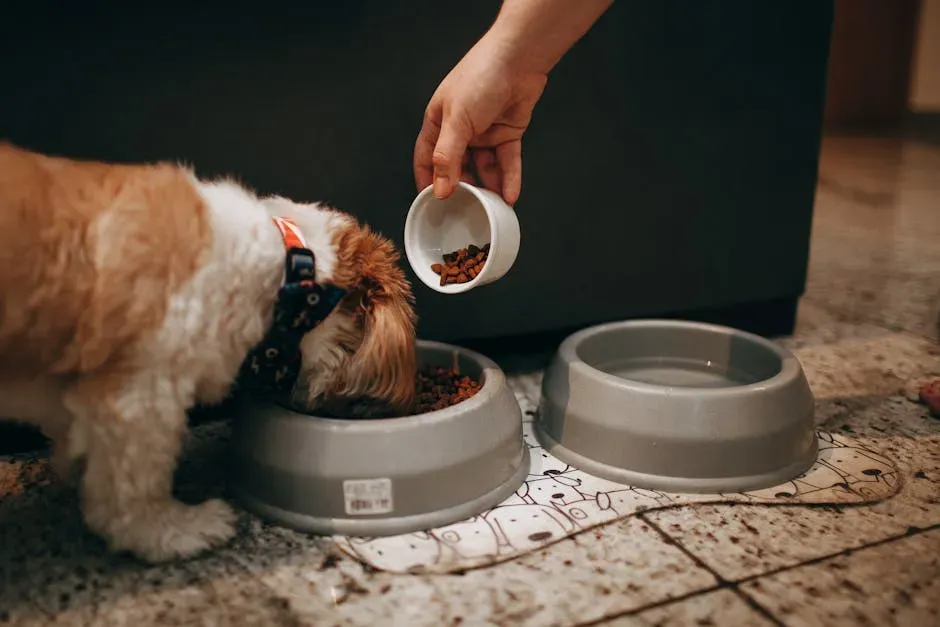
As dogs age, their nutritional needs can change dramatically, and the same is often true for humans. Older dogs may need fewer calories but more high-quality protein to maintain muscle, along with careful management of conditions like kidney disease, heart issues, or diabetes. You might also be adjusting your own diet for blood pressure, cholesterol, blood sugar, or digestive comfort, so mealtime becomes a shared opportunity to support long-term health.
Practical tweaks can make everyday feeding easier and safer. Elevated bowls can help large or arthritic dogs who struggle to bend down, and they also save your back from constant bending. If your dog tends to overeat or seem hungry all day, talk with your vet about senior formulas, joint-support diets, or portion control strategies, the same way you might speak to your doctor or nutritionist about your own meals. Turning food time into a mindful, health-focused routine for both of you can quietly become one of the most powerful habits you share.
4. Prioritize Preventive Vet and Medical Checkups – For Both of You
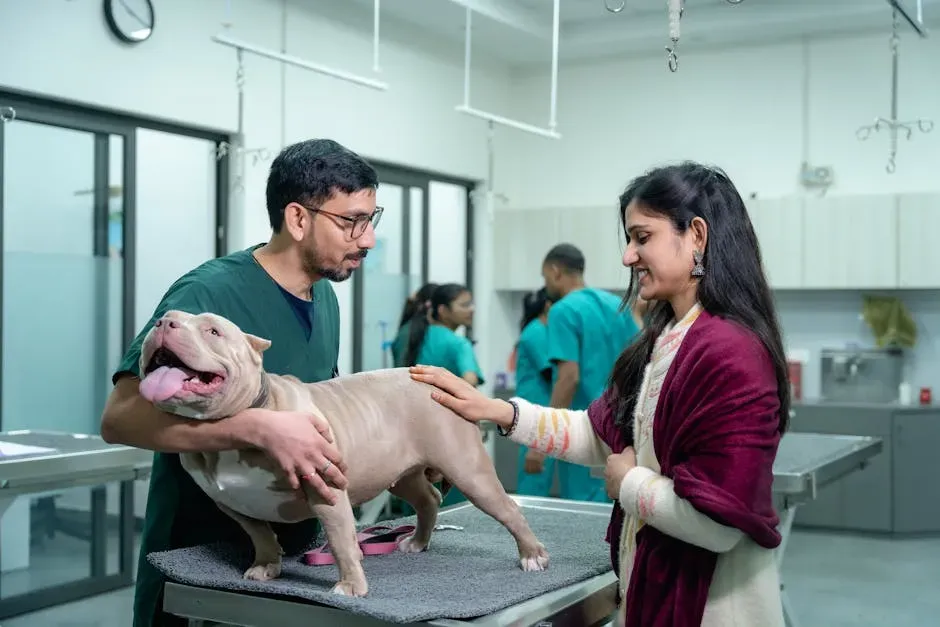
One of the hardest parts of having a senior dog is that problems often appear quietly and gradually. Subtle behavior changes – slowing down on walks, drinking more water, getting restless at night – can be early signs of arthritis, organ disease, cognitive decline, or pain. People do the same thing: we normalize aches, fatigue, and sleep issues for far too long, and by the time someone insists we see a doctor, things may have progressed.
Making parallel health checkups a routine is a powerful way to protect both of you. Schedule regular senior wellness exams for your dog and keep up with screening tests recommended by your vet, such as blood work, urine tests, or blood pressure checks. At the same time, commit to your own preventive care – yearly physicals, eye exams, dental visits, and screenings based on your age and risk factors. When you think of vet appointments and doctor visits as a joint project for your shared future, it feels less like a chore and more like an act of loyalty to each other.
5. Create a Slower, More Predictable Daily Rhythm
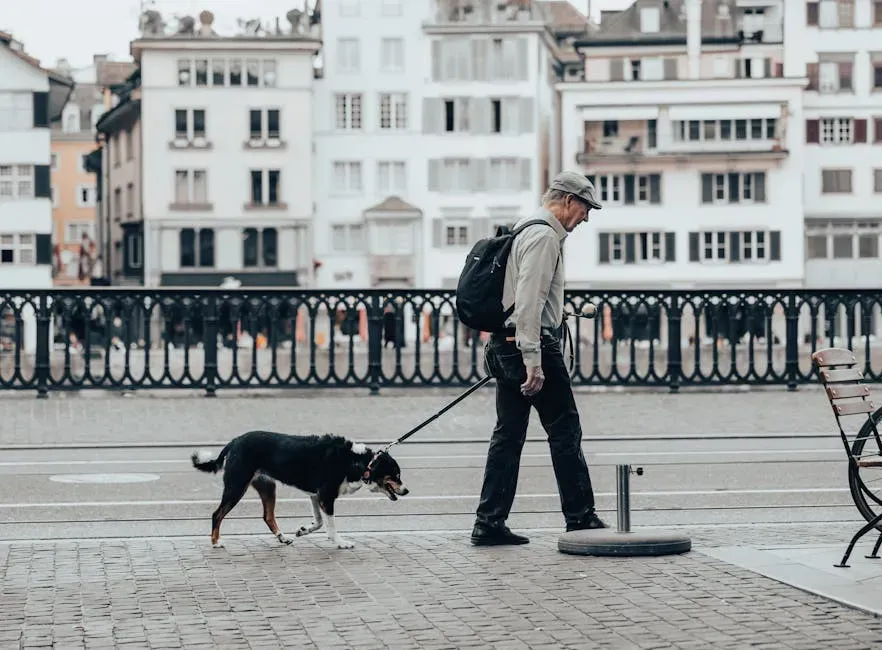
Older dogs thrive on routine, and honestly, so do older humans. As energy levels change and bodies get a bit more fragile, sudden schedule shifts can be stressful and exhausting. Senior dogs may feel more anxious when routines change, and they often need more time to wake up, go outside, eat, and settle down. You might find you are less tolerant of chaos as well, preferring calmer, more predictable days.
Designing a stable daily rhythm helps both brains and bodies relax. Keep feeding, walks, medications, and bedtime around the same times each day when you can. Build in more breaks and quiet moments instead of trying to cram in too many demanding activities. A slower routine does not mean a boring life; it just means you are choosing depth and comfort over constant speed, which is often exactly what aging minds and muscles need.
6. Support Aging Senses: Vision, Hearing, and Cognitive Changes
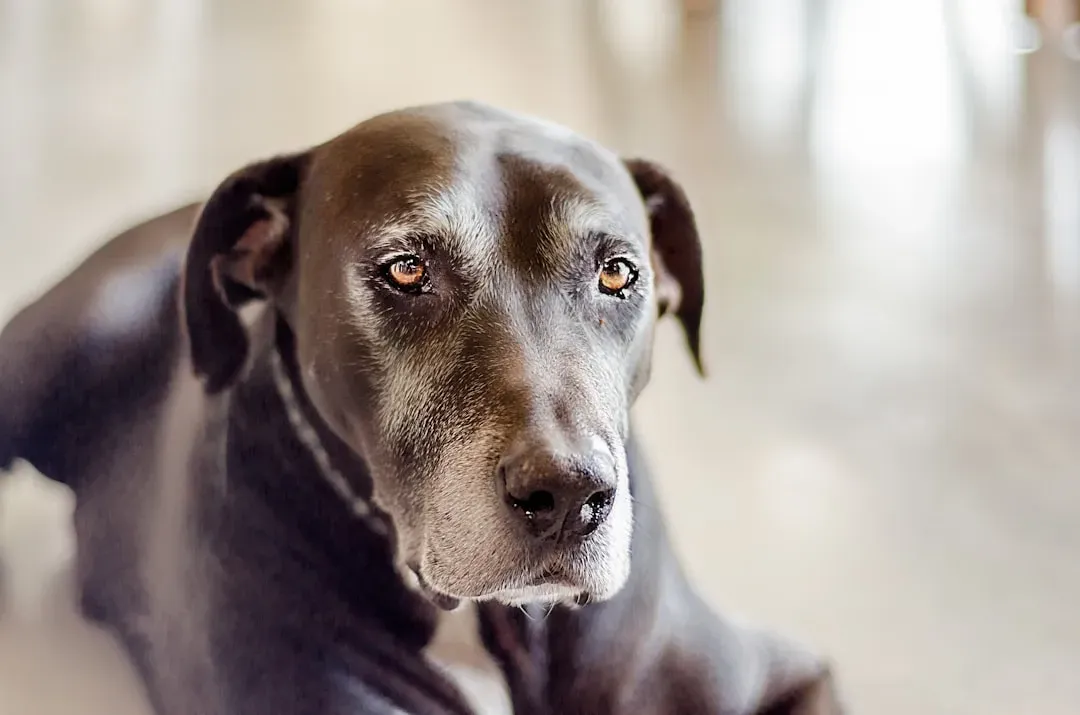
One of the most emotional shifts in older dogs is when their senses start to fade. You might notice they do not come when you call as quickly, or they bump into things in low light, or they seem confused in unfamiliar places. Humans experience similar changes: reading glasses, difficulty hearing in loud restaurants, or feeling overwhelmed in busy spaces. It can be scary, frustrating, and easy to misinterpret as stubbornness or misbehavior in dogs.
There are many gentle ways to support those changes. Keep furniture layouts consistent so your dog can navigate by memory, use nightlights in hallways, and avoid suddenly waking or startling a sleeping dog, especially if their hearing is reduced. Use more hand signals and touch cues rather than relying only on voice, and keep training sessions short, simple, and positive. Mental games like easy scent searches, puzzle feeders, or simple new tricks can keep their mind working without overloading them – and they are surprisingly fun for humans, too, especially if you enjoy small, low-pressure challenges.
7. Adjust Sleeping Arrangements for Maximum Comfort and Rest
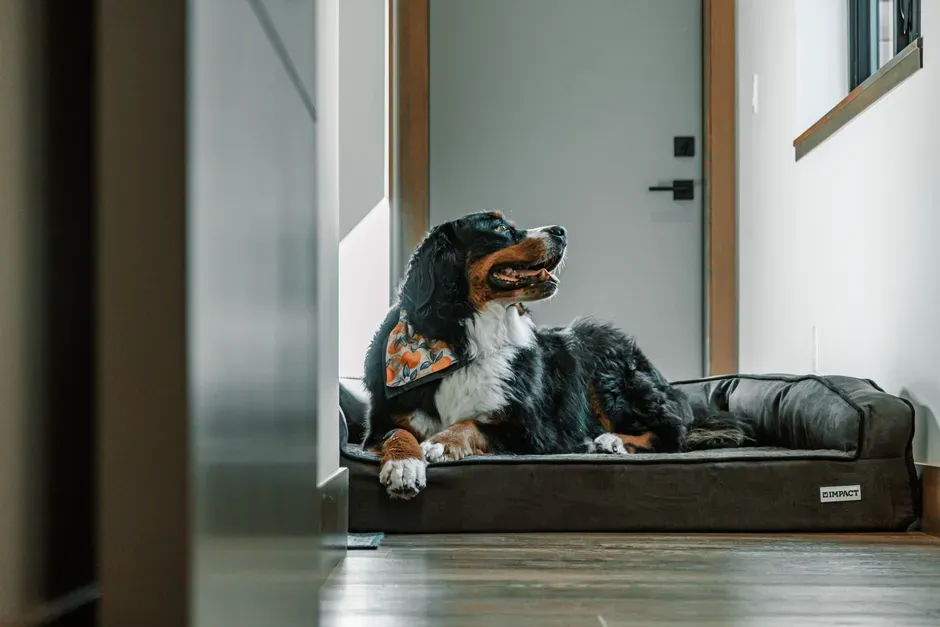
Sleep often becomes more complicated with age for both dogs and humans. Older dogs may pace at night, need to go out more often, or struggle to get comfortable due to joint pain or temperature sensitivity. At the same time, many people notice more restless nights, achy mornings, or the feeling of never being fully rested. Poor sleep can make pain, anxiety, and health issues feel worse for everyone.
Thoughtful sleep setups can make a big difference. Invest in a supportive, orthopedic-style dog bed placed away from drafts but not too far from where you sleep, since separation can increase anxiety. Consider adding extra blankets in winter and cooler mats or well-ventilated spots in summer. If your dog has trouble jumping on the bed and you still want them close, ramps or floor-level beds can let you share a space without risking injury. Finding a nighttime arrangement that lets both of you rest more deeply may be one of the most underrated kindnesses you can offer each other.
8. Share Gentle Enrichment Instead of High-Energy Entertainment
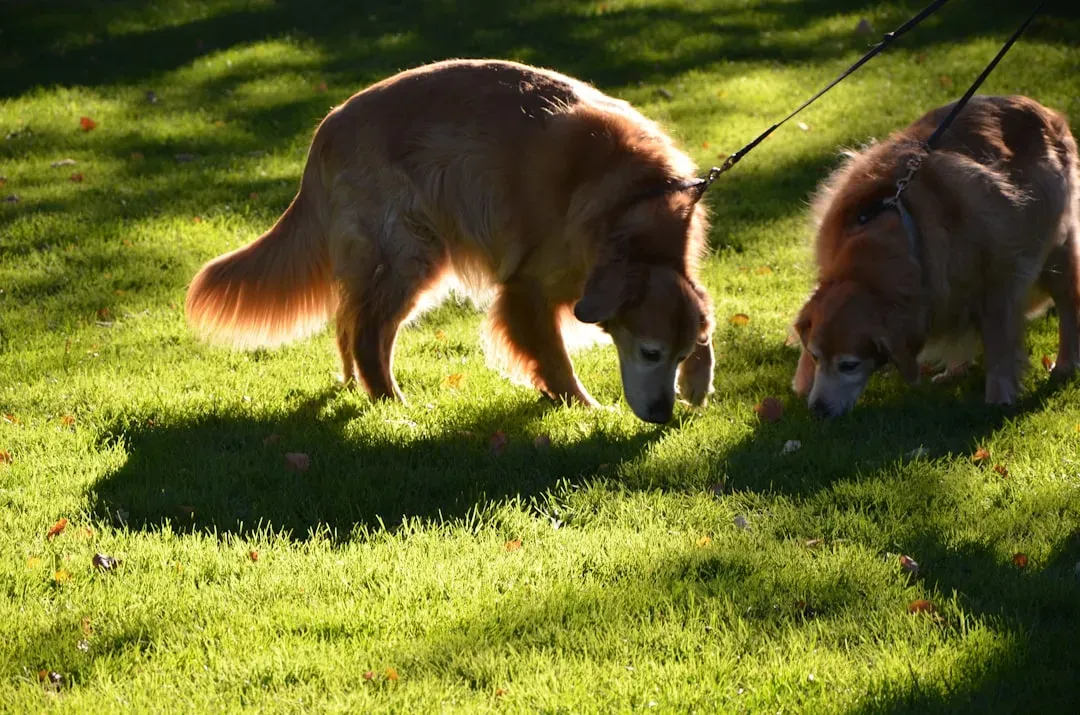
When your dog was younger, mental stimulation probably looked like fast games of fetch, hyper play sessions, or busy dog parks. As they age, high-intensity environments can become overwhelming or even unsafe, especially if vision, hearing, or mobility are declining. Many older humans also find they prefer calmer, more meaningful activities over loud, crowded, or physically demanding events.
Gentle enrichment can keep your dog’s world interesting without wearing anyone out. Slow sniff walks where your dog leads and explores at their own pace are like reading a long, detailed novel for them. Low-effort games at home – like hiding treats in different rooms, offering safe chew toys, or short training refreshers – can give their brain a workout while you sit comfortably nearby. You might enjoy pairing these with your own quiet rituals like listening to a podcast, stretching, or reading, turning your shared downtime into something mentally rich instead of just empty space.
9. Plan Ahead for Medical Decisions and End-of-Life Care
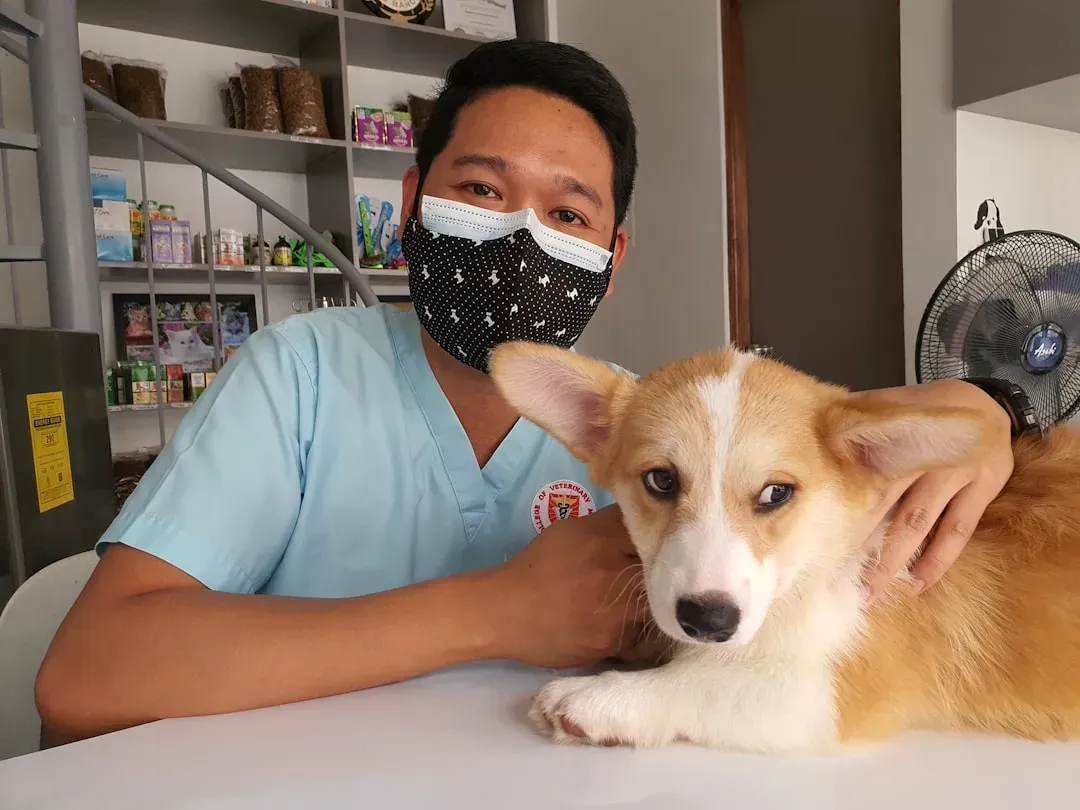
This is the part most people want to avoid, but planning ahead can be one of the greatest acts of love you ever offer your dog and yourself. Aging brings eventual decline, and at some point decisions about treatments, comfort measures, and quality of life will appear. The same is true for humans, and many of us delay thinking about it until a crisis hits, when emotions are high and clear thinking is hardest.
Having thoughtful, calm conversations with your veterinarian before things get urgent can guide you when the time comes. Discuss what good quality of life looks like for your dog, what signs might mean their comfort is slipping, and what options exist for pain management or palliative care. At the same time, consider your own advance planning – who would care for your dog if something happened to you, how you want your health decisions to be handled, and what really matters to you at the end of life. It is not morbid; it is a way of protecting the love you share from being overshadowed by confusion or panic during the hardest moments.
Conclusion: Growing Old Together Is Not Just Sad – It Is Sacred
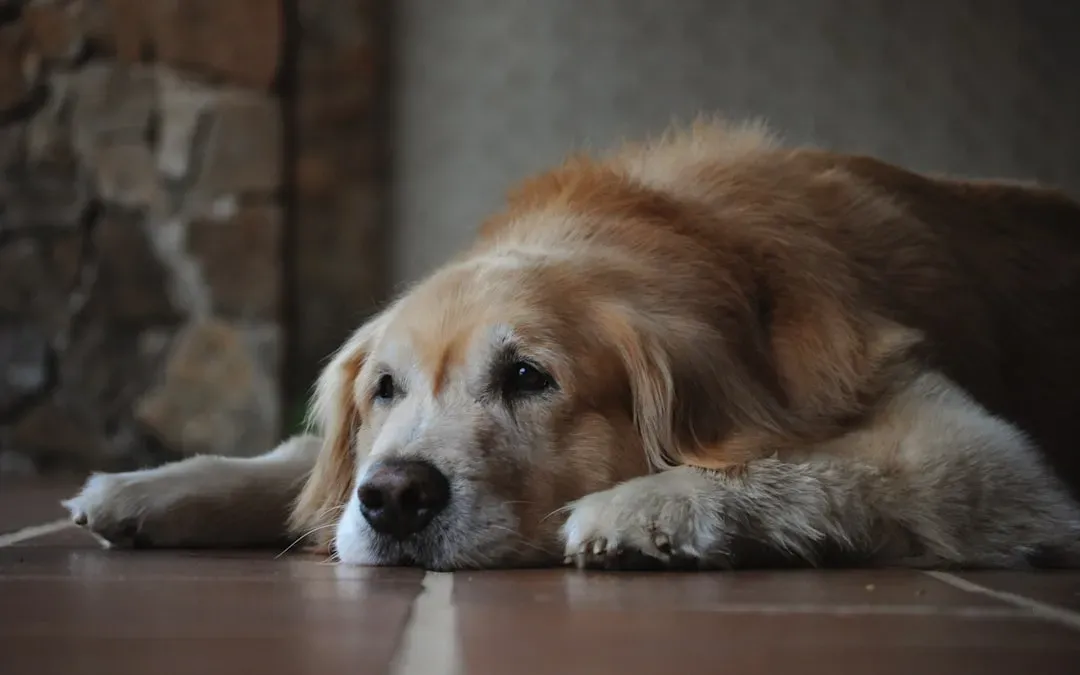
Growing older alongside your dog can feel unfair at times: the slower walks, the extra vet bills, the new worries that creep into quiet moments. But with the right adjustments, it can also be one of the most meaningful chapters of your relationship. You are not just a pet owner anymore; you are a teammate navigating the same life stage, adapting your home, your routines, and your expectations so that both of you can live with as much comfort and dignity as possible.
In my view, the goal is not to cling to the past version of your dog or yourself, but to honor who you both are now: softer, maybe a bit creaky, but often wiser and more deeply bonded. When you redesign your life so that you both feel safer, more supported, and more understood, aging together becomes less about loss and more about quiet, everyday devotion. As you look at the dog lying beside you, snout a little whiter and eyes a little cloudier, it is worth asking: what small change could you make this week that would make their days – and yours – a little kinder?


