

You know that slightly offended look your dog gives you when you’re late for dinner or skip the usual morning walk? That is not just guilt‑tripping or drama. More and more research suggests dogs quietly build mental timelines of our days, and when we break the script, it really does rock their world.
This does not mean your dog can read a clock or think in words the way you do, but their brain is constantly tracking patterns: sounds, light, smells, and your micro‑habits. Put together, those create a kind of emotional schedule your dog lives by. Once you see your routine through their eyes, so many “random” behaviors suddenly make sense.
The Science Behind Dogs And Predictable Patterns

One of the most powerful ideas in animal behavior is that brains love patterns, and dogs are world‑class pattern spotters. Long before science started catching up, dog people knew their pets “just seemed to know” when the kids came home or when it was time to go out. Modern studies using things like brain imaging and controlled timing experiments now back this up: dogs’ nervous systems tune themselves to regular cues in their environment and attach emotion to them.
Think of your dog’s brain as constantly asking two questions: “What usually happens now?” and “How do I feel about it?” When breakfast consistently follows your alarm, or a walk always follows you putting on a certain pair of shoes, the dog’s brain starts pre‑loading an emotional response. Over time, these links become so strong that the cue itself (the alarm, the shoes, the car keys) can trigger excitement or anxiety before anything actually happens.
How Dogs “Tell Time” Without A Clock
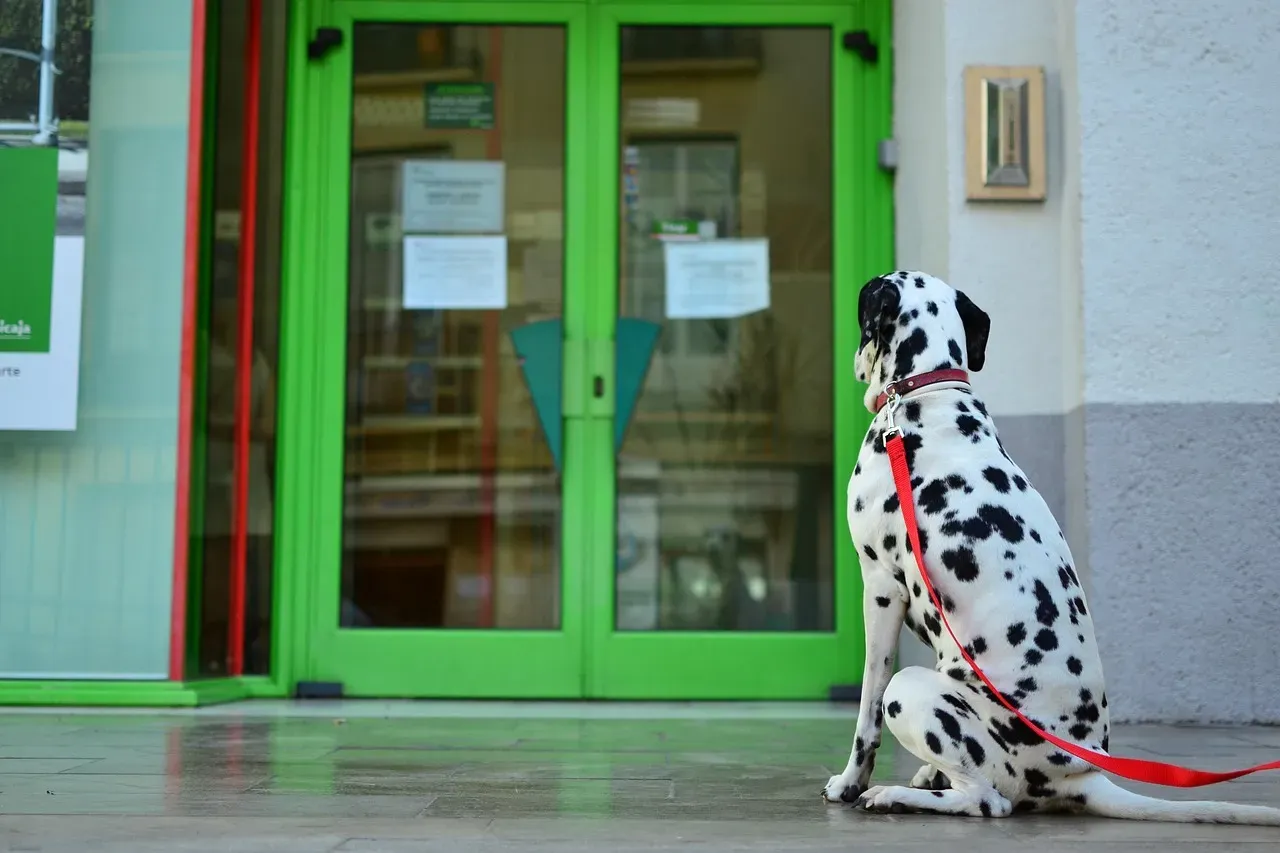
It is tempting to imagine dogs mentally reading “7:00 PM = dinner,” but what is really happening is more complex and, honestly, more impressive. Research suggests dogs use a mix of body rhythms, environmental changes, and learned cues to estimate when something is due to happen. Things like light levels, household noise, traffic sounds outside, even the smell of meals cooking all layer into a rough internal sense of time.
There is also evidence that dogs can pick up on regular intervals, so if you always leave for work for roughly about eight hours, your dog is not counting the hours one by one, but their body clock, hunger, and prior experience create a fuzzy countdown. When that stretch gets longer or shorter than usual, some dogs show visible stress: pacing, whining, or waiting by the door much earlier or much later than you expected.
Why Tiny Changes In Your Routine Feel Huge To Your Dog

From a human perspective, leaving ten minutes later for work or eating dinner on the couch instead of at the table feels like nothing. For a dog, that “nothing” can mean their entire mental script just glitched. If your dog has linked the sound of the coffee machine with you getting dressed, and then the leash, and then the walk, skipping one step can feel like a movie that suddenly jumps to the wrong scene.
This is not about dogs being fragile; it is about their brains being optimized for survival through predictability. In the wild, predictability can mean knowing when prey is active or when danger usually appears. In your living room, it turns into knowing when the mail carrier comes or when you usually take a break to play. When you start shifting things around without warning, many dogs experience that as uncertainty, and uncertainty is stressful.
Signs Your Dog’s Expectations Have Been Disrupted

When your dog’s mental expectations clash with reality, their behavior often tells the story long before you realize you changed anything. You might see restlessness at times they’re usually calm, or sudden clinginess when you are trying to work from home on a day you normally go out. Some dogs vocalize more, others go the opposite direction and seem withdrawn or “off,” almost like their personality shrank a little for the day.
You might also notice ritualized behaviors ramp up: circling by the door at the “usual” walk time even if you are clearly not getting ready, staring at the food bowl if dinner is late, or bringing you toys when they expect play. These are not manipulative tricks. They are your dog’s way of saying, “This is the chapter that is supposed to happen now, right?” When you see those patterns, you are looking directly at their invisible mental schedule.
When Routine Helps And When It Accidentally Creates Anxiety

Routine is one of the greatest kindnesses you can give a dog. It builds a sense of safety because the world becomes somewhat predictable: meals show up, walks happen, rest times are respected. Dogs who know roughly what to expect often relax more deeply, learn faster, and show fewer stress behaviors. A solid routine is like giving them the outline of each day so they are not constantly bracing for surprises.
But there is a twist: if your routine is extremely rigid, some dogs become so tightly attached to it that any deviation feels like disaster. I have seen dogs that panic if a walk is ten minutes late, or who cannot settle if their person lies down on the couch at a time usually reserved for being out of the house. In those cases, the very predictability that once felt soothing can start to fuel anxiety, because the dog has never practiced flexibility.
Practical Ways To Make Changes Without Stressing Your Dog Out
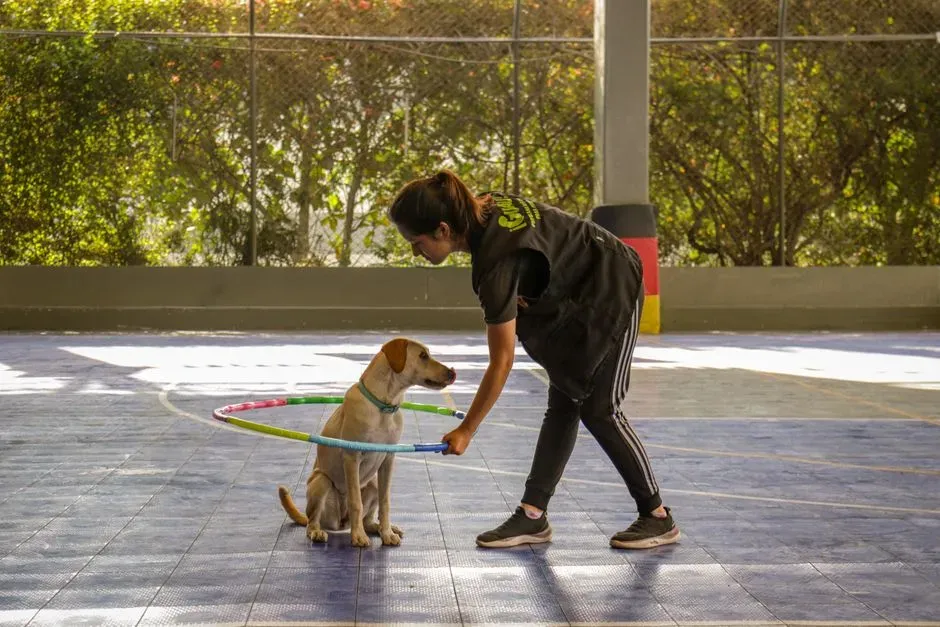
The good news is you do not have to live like a robot to keep your dog emotionally balanced. If you know a change is coming – new job hours, a move, a partner moving in – you can deliberately “stretch” your dog’s expectations in small, gentle steps. That might look like feeding within a reasonable window instead of at a precise minute, or doing walks in slightly different orders or at slightly shifted times so your dog learns that variety still leads to good things.
Pairing changes with extra predictability in other areas can also help. If your work hours get chaotic, you might anchor the day with a very consistent morning and bedtime ritual: the same short game, the same cue for sleep, a predictable wind‑down. This gives your dog reliable emotional landmarks even when the middle of the day is messier. It is like telling them, “The route might change, but the starting point and home base are the same.”
What This Means For Separation, “Bad” Behavior, And Guilt
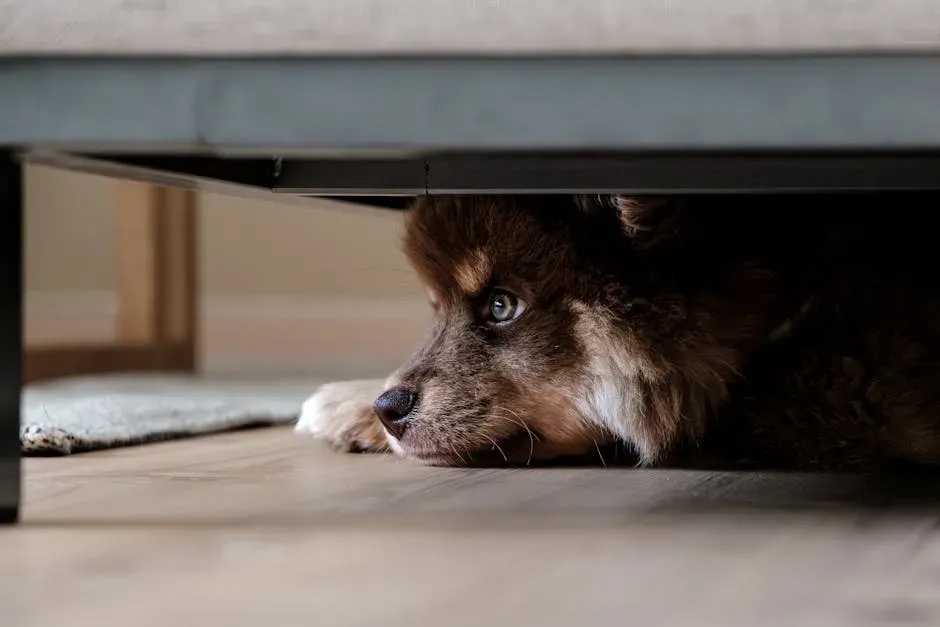
Understanding that your dog builds mental expectations makes so‑called “bad” behavior look very different. A dog that chews the couch when you work late is not being spiteful; from their perspective, a huge, unexplained hole just opened in the middle of the daily story. Barking, scratching at doors, destroying objects that smell like you – these are often frantic attempts to cope with that gap, not acts of revenge.
This view also softens the guilt many people feel when life gets messy and routines fall apart. Instead of beating yourself up, you can ask a more useful question: “How clear and consistent have I been about what my dog can expect, and how can I support them through this change?” That mindset shift turns chaos into a training opportunity, because every adjustment becomes a chance to teach your dog, slowly and kindly, that not every broken pattern means something terrible.
The Emotional Bond Hidden Inside Your Daily Habits
Underneath all the science, there is something disarmingly tender about the way dogs organize their world around us. Your offhand habits – the half‑finished cup of coffee, the sound of your keys, the way you stretch before standing up – become emotional anchor points in their day. In a way, your routine is the soundtrack of their life, and they learn every beat by heart.
Personally, I remember realizing this when a small change shattered my own dog’s expectations: I once skipped our usual late‑night walk after a brutal workday, assuming he would not care. He spent the next hour pacing and checking every door, clearly waiting for “our scene” that never came. Watching him, I felt both guilty and amazed: this was his way of saying that what felt small to me was a chapter his whole day had been building toward.
Conclusion: Respect The Script, But Teach Flexibility
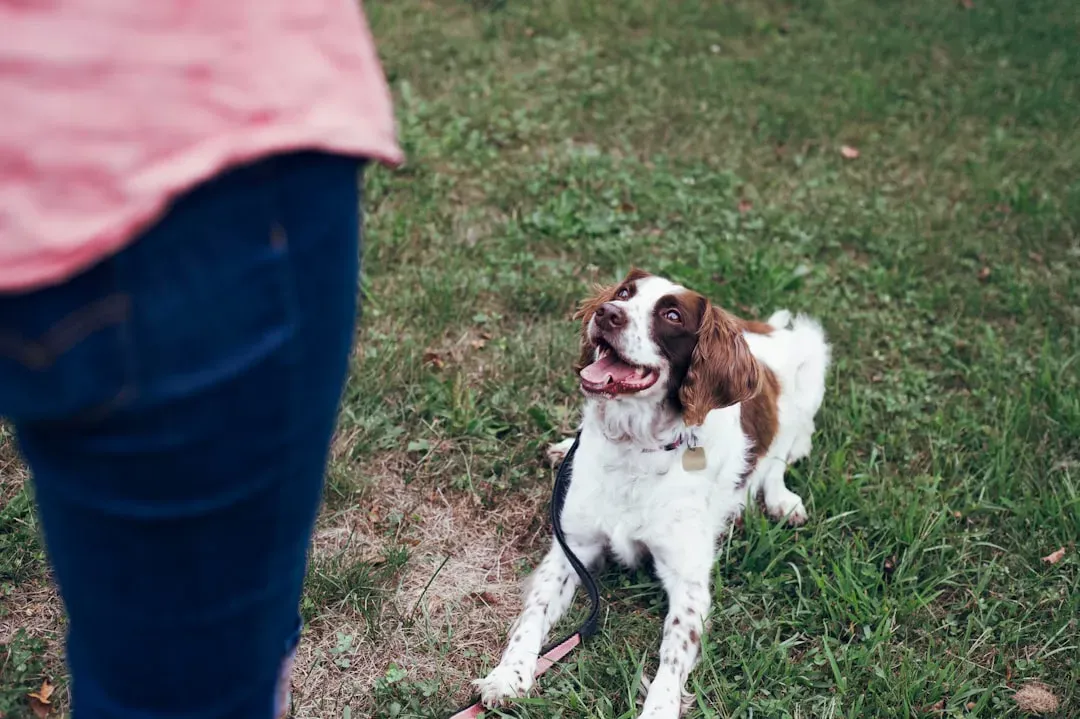
When you see your day through your dog’s eyes, your routine stops being just a list of tasks and becomes a story they are quietly trying to follow. Studies on timing, conditioning, and canine cognition all point in the same direction: dogs are not passively drifting through time; they are actively predicting it, slotting your habits into a mental outline of how life is supposed to go. That is why the tiniest changes sometimes unleash surprisingly big feelings.
In my view, the most responsible thing we can do is hold both truths at once: protect the comfort of routine, but deliberately build in enough gentle variation that our dogs do not crumble the first time life throws a curveball. We owe them respect for the invisible expectations they carry, and we also owe them the skills to cope when the script changes. Next time your dog looks confused when you break pattern, will you shrug it off – or pause and ask what story they were expecting to live through with you today?


