
There is a moment every dog lover quietly fears but rarely talks about: the final breath of a beloved companion. If you have ever wondered what you should do in those last seconds, why some people press their forehead to their dog’s head or muzzle, or whether it even matters, you are not alone. It sounds simple, almost too simple, yet it carries a weight that can shape how you grieve, how you remember, and how your dog spends their final heartbeat.
I still remember kneeling on a vet’s floor, heartbeat racing, palms shaking, forehead resting gently on a tired old head that had followed me through breakups, moves, and bad haircuts. I did not have a script or a spiritual plan; I just did what felt instinctively right. Only later did I realize how powerful that small gesture really was – for my dog and for me. This article is about that exact moment: why you might want to choose it, what it can mean emotionally and psychologically, and how to do it in a way that is gentle, grounded, and deeply human.
The Quiet Power Of Being Physically Close At The End
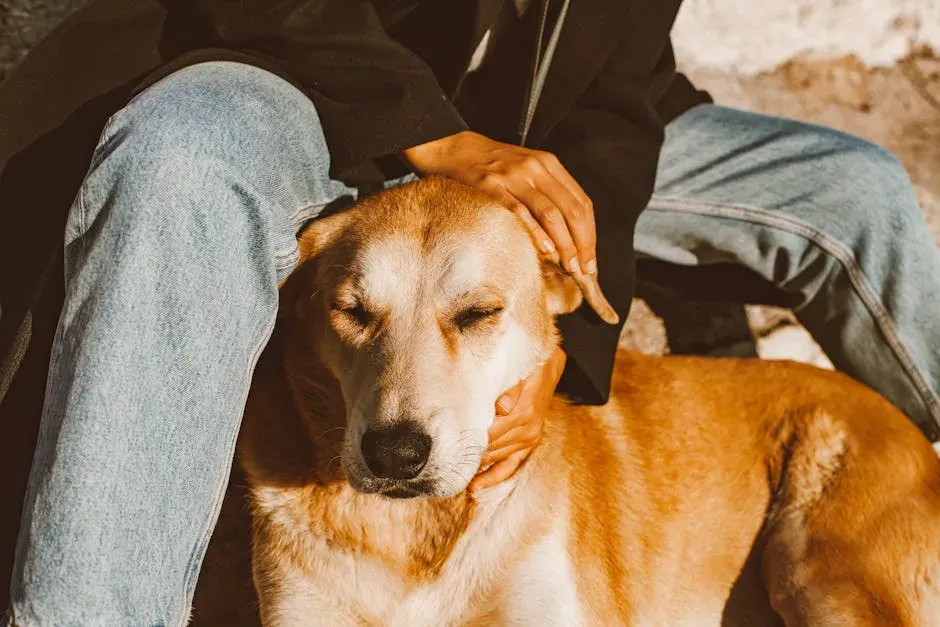
When a dog is dying, the world narrows to a very small space: a blanket on a floor, a metal table at the vet, the corner of a familiar couch. In that tiny space, your presence becomes the most important thing in the room. Pressing your forehead gently to your dog’s head is one of the most intimate ways to say, without words, that you are fully there, not halfway scrolling your phone or emotionally checked out because it hurts too much.
Dogs are incredibly tuned into our bodies: our scent, breathing, heart rate, the tiny shifts in our muscles. In their final moments, that physical contact can act like an anchor. Your touch, your warmth, the steady weight of your head against theirs can help create a sense of safety and familiarity in a moment that might otherwise feel strange or frightening. You are not just watching them go; you are going right to the edge of life with them and refusing to let them face that threshold alone.
Comfort, Familiar Scents, And A Calmer Passing
From a dog’s perspective, the world is a swirling tapestry of smells and body language. Your scent is one of the first things they learn as a puppy and one of the most consistent parts of their daily reality. Pressing your forehead to your dog’s head brings your scent, your breath, and your skin right up close, which can be deeply soothing when everything else is fading. It is like turning up the volume on the one signal they have known their entire life: you.
Many veterinarians and vet nurses notice that dogs tend to relax more when their people touch them gently and speak softly during euthanasia or natural passing. While we cannot read their minds, we do see tangible signs – softer muscles, slower movements, easier breathing – that suggest they are less distressed. Forehead-to-forehead contact adds another layer of comfort, creating a cocoon of familiarity in those final seconds. Even if it does not change the medical outcome, it can change the emotional experience – for the dog and for you.
Helping Your Own Heart Process The Goodbye
As much as we focus on what our dogs feel, those last moments are also a massive emotional shock for us. Grief is not only about what happens after; it starts the minute you realize the end is coming. Leaning in and pressing your forehead to your dog’s can serve as a kind of emotional commitment: you are choosing to be fully present, not to shy away from the hurt or dissociate because it is overwhelming. That choice matters later, when your brain starts replaying those final minutes on a loop.
People often regret the things they did not do more than the things they did. Being physically close, touching your dog, and feeling their last breath against your skin can reduce that haunting sense of unfinished business. You know, with absolute clarity, that you showed up. You did not leave them with strangers or stand on the other side of the room, too scared to look. That memory – painful but wholehearted – can form a sturdier foundation for grief, one that says: it hurt, but I did right by them.
Creating A Ritual That Honors Your Bond
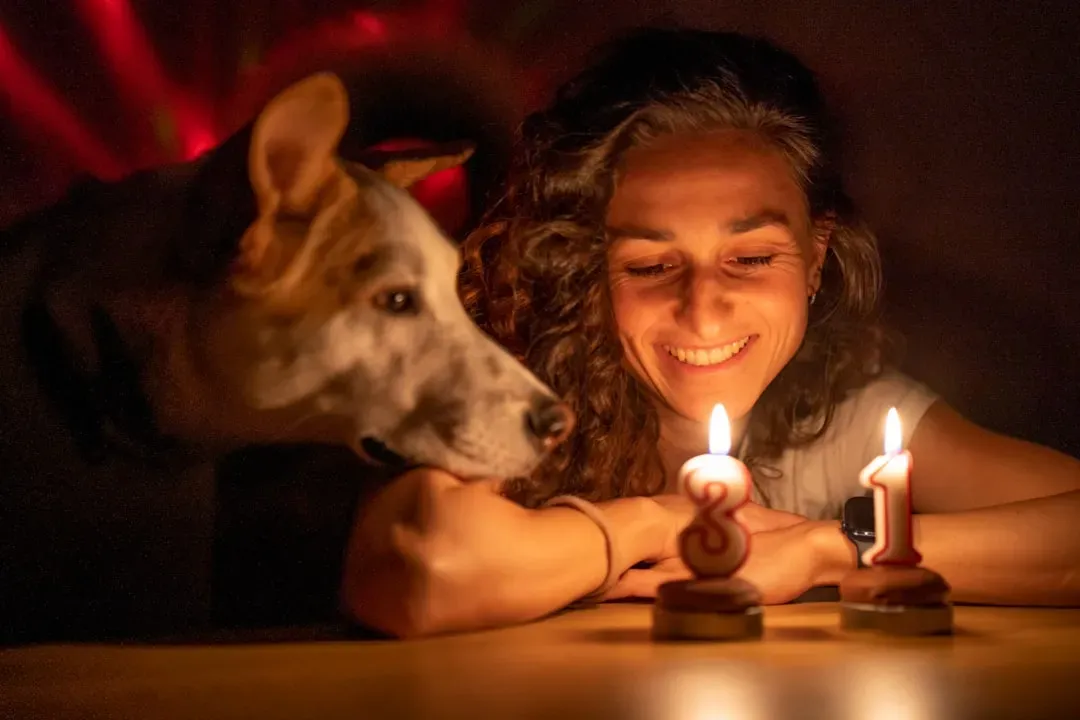
Humans have always used rituals to handle the biggest moments in life: births, weddings, funerals, even first days of school. With pets, though, we often skip ritual entirely and treat their passing as something to silently endure instead of something to intentionally mark. Pressing your forehead to your dog’s in their last moments can become a deeply personal ritual, especially if you pair it with quiet words, a familiar phrase, or simply a shared silence.
Rituals do not need candles, music, or Instagram-worthy aesthetics to be real. They just need intention. Choosing this gesture as “what we do in our family when a dog leaves” can transform a chaotic, terrifying moment into something slightly more structured and bearable. You may still sob, shake, or feel like your chest is splitting in half, but wrapped around that rawness is a clear, deliberate act of love that says: this is how we say goodbye in this house.
Facing Death Instead Of Looking Away
Modern life trains us to look away from death. We push it into hospital rooms, closed doors, polished euphemisms. With pets, that tendency can show up as handing them to the vet and waiting outside, or choosing not to be present because we fear the image will haunt us. Yet, ironically, it is often the act of staying – not leaving – that brings more peace in the long run. Pressing your forehead to your dog’s head is a symbolic refusal to look away from reality, even when it is brutal.
There is a quiet kind of courage in saying: I will be here for the whole thing. That courage does not look glamorous. It looks like mascara-streaked cheeks, trembling hands, maybe a shaky voice whispering nonsense because you cannot think straight. But courage is not the absence of fear; it is willing to love loudly in the middle of it. Going forehead to forehead with your dog is a physical manifestation of that choice: if they have to walk through this door, you will at least walk them right up to it.
Strengthening The Stories You Will Carry After
After your dog is gone, what you are really left with are two things: practical remains and living memories. The practical part – ashes, a paw print, a collar – takes up space on a shelf. The memories live in your body. The image of yourself with your forehead pressed to theirs can become one of those central memories, a snapshot your mind returns to again and again. Over time, that image may shift from feeling like the worst moment of your life to one of the most meaningful.
When people talk about past dogs, they rarely focus only on the first day; they often come back to the last day too. They describe the way the dog looked at them, how they held them, what they did or did not do. By choosing to be physically and emotionally close in those moments, you are shaping a story you will carry for decades. Instead of remembering yourself as distant or frozen, you get to remember yourself as someone who showed up with everything you had, head bowed, heart open.
How To Do It Gently, Safely, And In Your Own Way
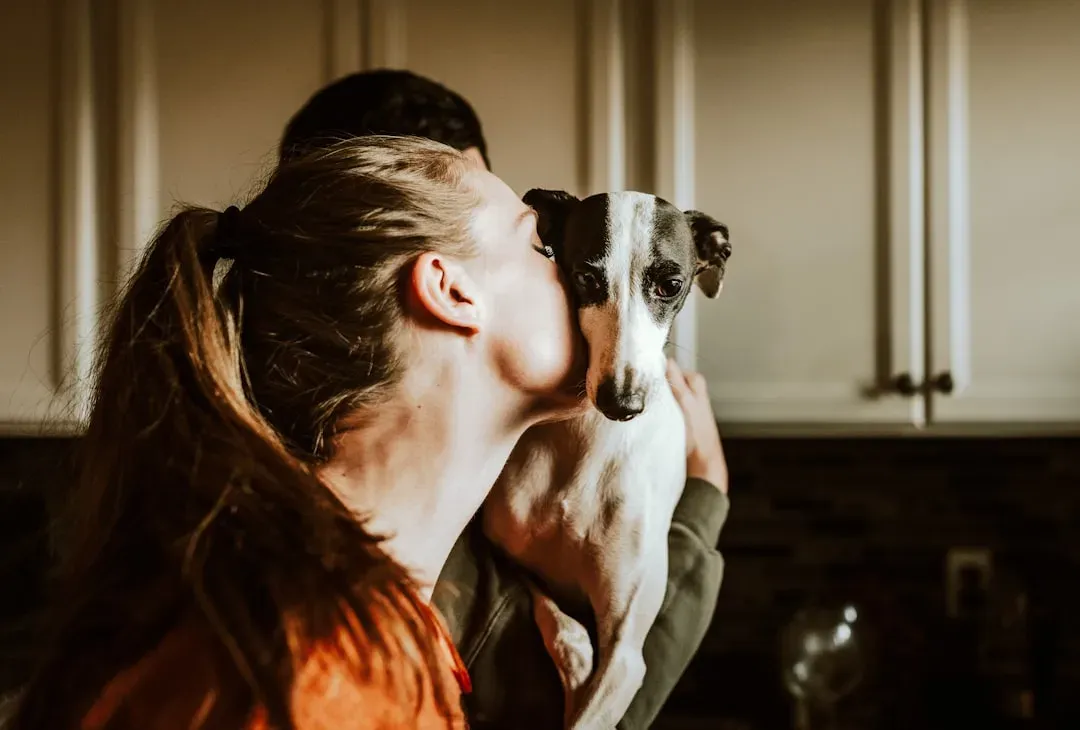
Pressing your forehead to your dog’s during their last breath does not have to be dramatic or staged. It can be incredibly simple: kneel or sit so you are stable, lean in gently, and rest your forehead lightly on their head, muzzle, or even the side of their face. You do not need to press hard; this is about closeness, not pressure. If they seem uncomfortable, you can shift to touching your forehead to their neck or shoulder, or even resting your cheek against them instead.
If you are at a vet clinic, ask the team ahead of time if you can be that close and if they can give you space to do it in your own time. If you are at home, dimming the lights, putting down a favorite blanket, or playing soft background sounds can help make the environment calmer. There is no single right script – some people speak, others stay quiet, some pray, others just breathe. The important part is that the gesture feels true to you and kind to your dog, not like something you are forcing because you read about it online.
Conclusion: A Small Gesture That Says Everything
In the end, pressing your forehead to your dog’s as they breathe their last is not magic, and it is not required. Your dog will not love you less if you cannot bring yourself to do it, or if circumstances do not allow it. But when you can, this tiny act becomes a powerful way of saying the things words never quite cover: thank you, I am here, you are safe, you can go. It ties together a lifetime of shared naps, walks, routines, and unspoken loyalty into one final, concentrated moment of connection.
Personally, I think we underestimate how much we need this as humans – how healing it can be to know we did not abandon our friend in their most vulnerable moment. If love is really about showing up, then there are few purer expressions of it than leaning in, touching head to head, and staying until the very last breath leaves their body. One day, when the sharpness of the grief softens, you may look back on that choice and see not just heartbreak, but a rare kind of quiet bravery. If your dog could choose, would they want you close or far away?


