
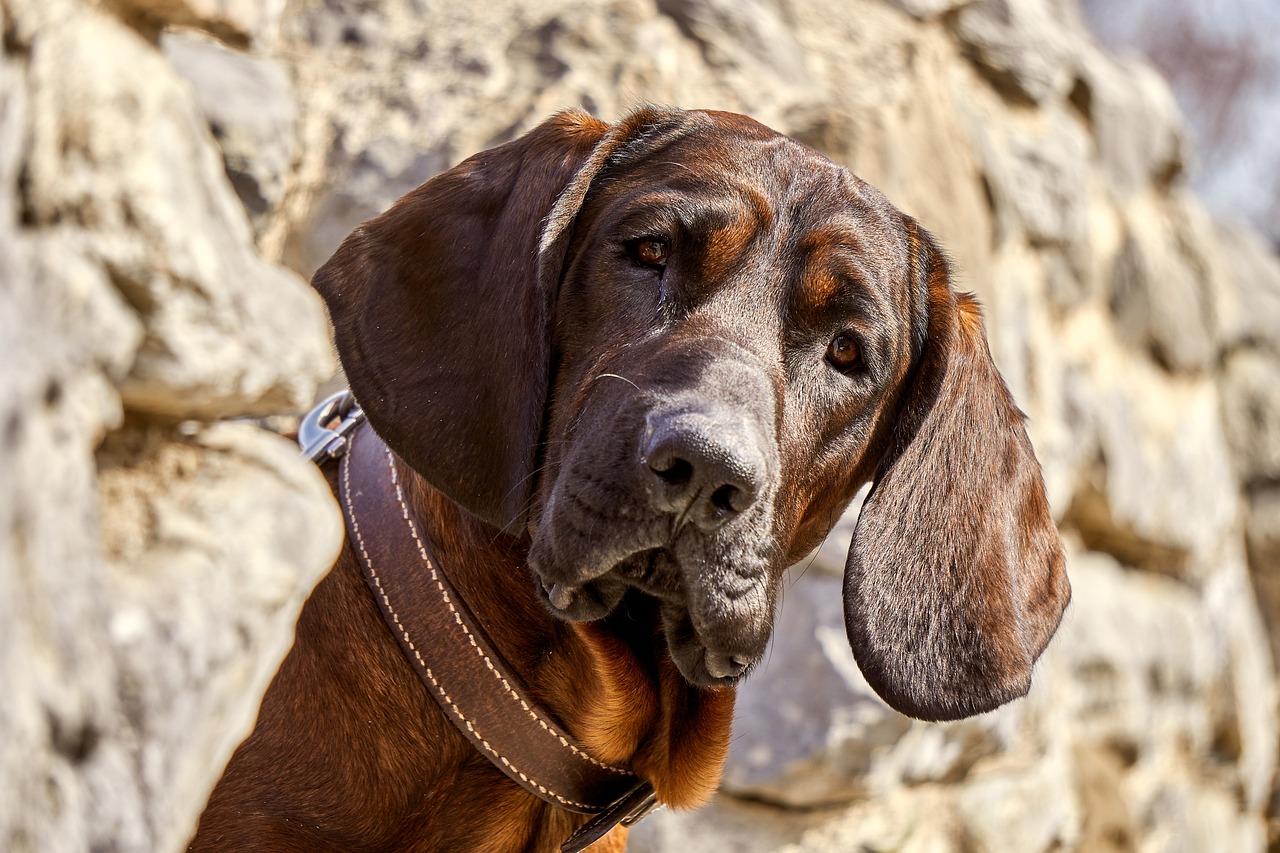
There’s a moment many dog parents never forget: that final, lingering look. It’s the kind of gaze that seems to reach straight into your chest and twist, a mix of trust, confusion, softness, and something you can’t quite name. People talk about it for years afterward, wondering what their dog was trying to say in those last few seconds. Were they asking you for help? Saying goodbye? Making sure you were going to be okay?
I still remember holding my own dog’s face in my hands at the vet, his eyes locked on mine in a way they never had before. It felt like a whole conversation without a single word. Science will tell you we can’t know exactly what’s going on in a dog’s mind in that instant, and that’s true. But we do know a lot about how dogs communicate with us, especially with their eyes. When you put that together with what we understand about attachment, comfort, and the end of life, a clearer, deeply moving picture starts to emerge.
That Final Look Is About Connection, Not Just Pain
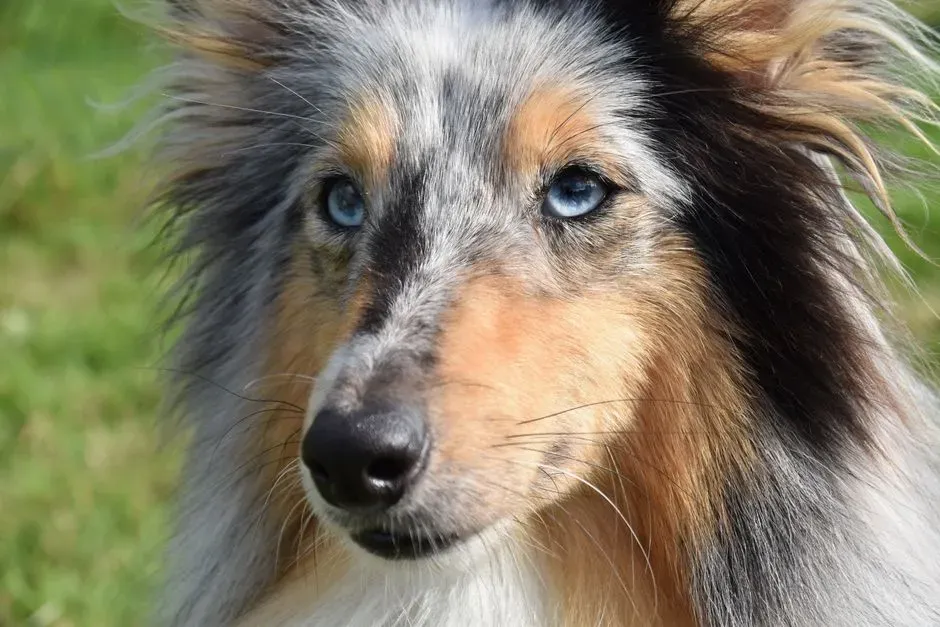
One of the most powerful things we know about dogs is how strongly they bond with their humans. Studies of the dog–human relationship show that for many dogs, their person is a secure base, a bit like a parent figure. When a dog is confused, hurting, or scared, they often look to their person the way a child looks to a trusted adult. That last look often happens in a moment of intense emotion, and it is usually rooted in that deep need to connect with the one they trust most.
That doesn’t mean your dog is dramatically “knowing they are dying” in a human way or trying to put the weight of the world on your shoulders. It’s more grounded and simple: in a moment of discomfort or change, they’re seeking you out as their anchor. They’re using the same behavior they’ve always used when they’re uncertain: checking in with you, asking silently for reassurance, reading your face. It is connection, not just pain, that pulls their eyes to yours.
Your Dog May Be Seeking Comfort and Safety One Last Time
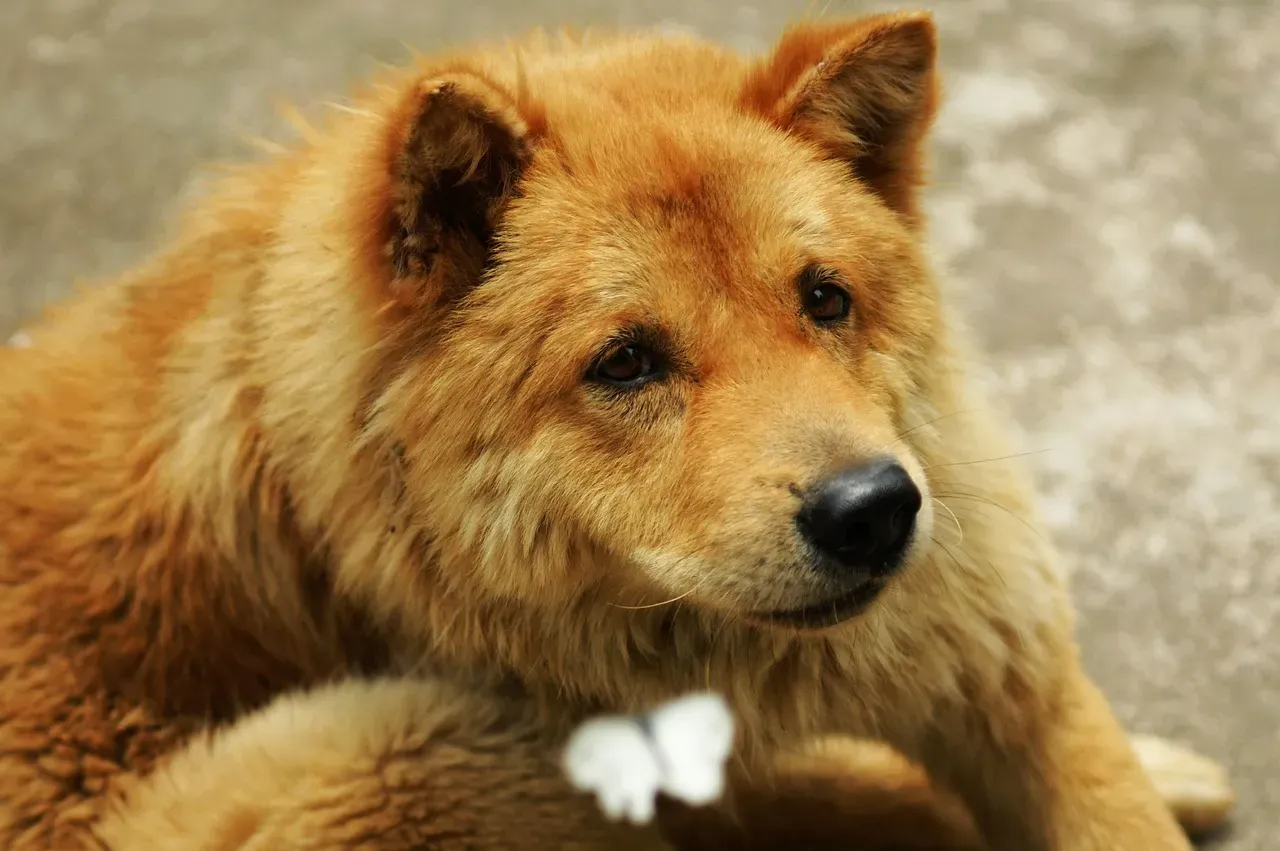
Dogs are experts at using eye contact to get emotional reassurance. Think about the way your dog looks at you during a thunderstorm, fireworks, or a stressful vet visit. That gaze is often their way of saying, “Are we okay? Am I safe?” At the end of life, whether it’s in a clinic, at home, or in an emergency, your dog may feel strange physical sensations or confusion, and instinctively turn to the one thing that has always meant safety: you.
In that context, that last look is very likely your dog’s way of leaning on you emotionally, even if their body can’t move much. Your voice, your scent, your touch, and yes, your eyes, are familiar and calming. To them, your presence is the closest thing to a safe den they’ve ever had. So when they look up at you like that, it isn’t just heartbreak; it’s also them wrapping themselves in the comfort you’ve given them their whole life.
They Are Reading You Just As Much As You’re Reading Them
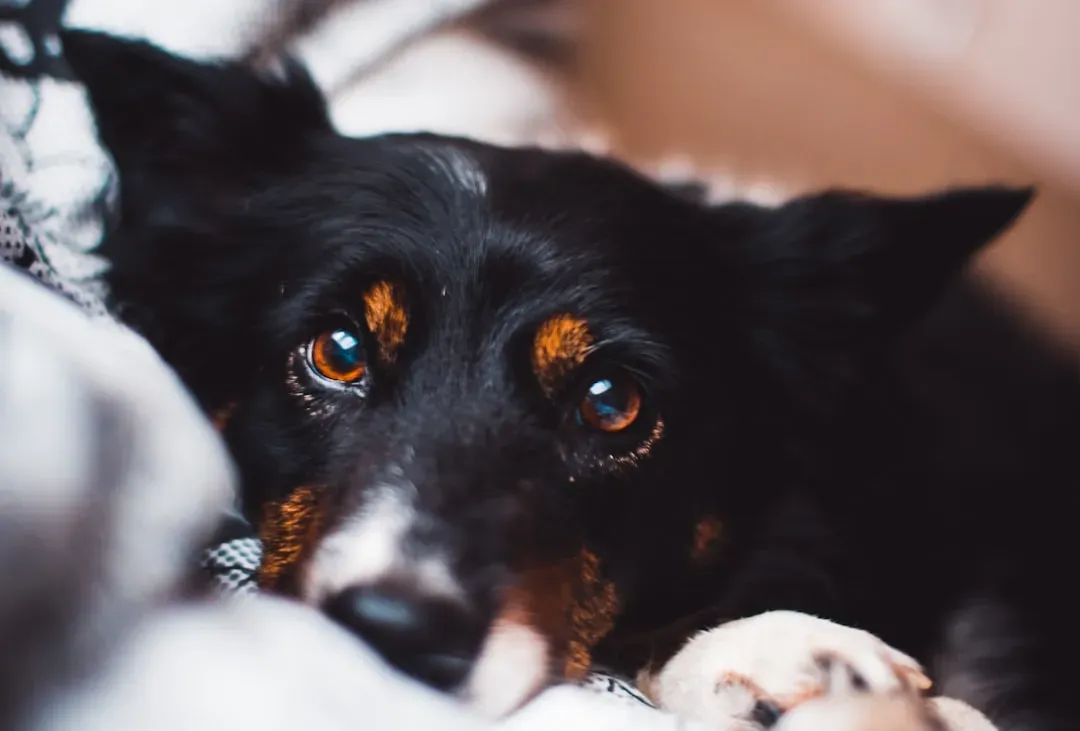
We like to think we’re watching our dogs, but dogs are watching us right back. They’re strangely good at reading human facial expressions and body language. Research has shown that many dogs can tell the difference between relaxed and tense human faces, and they adjust their behavior in response. When your dog looks at you in their final moments, they may be searching your face for cues: Are you calm? Are you distressed? Are you still “with” them?
This doesn’t mean you have to be perfectly composed; that’s not realistic, and your dog has seen you cry before. But it does mean your emotional state is part of that silent conversation. Often, that last eye contact is your dog checking in one more time: “What’s happening? Are you still here with me?” A soft voice, gentle touch, and steady presence can be your answer. Even if your heart is breaking, your dog will feel the familiar rhythm of you choosing them, again, right to the end.
The Gaze Can Be a Sign of Trust, Not Fear
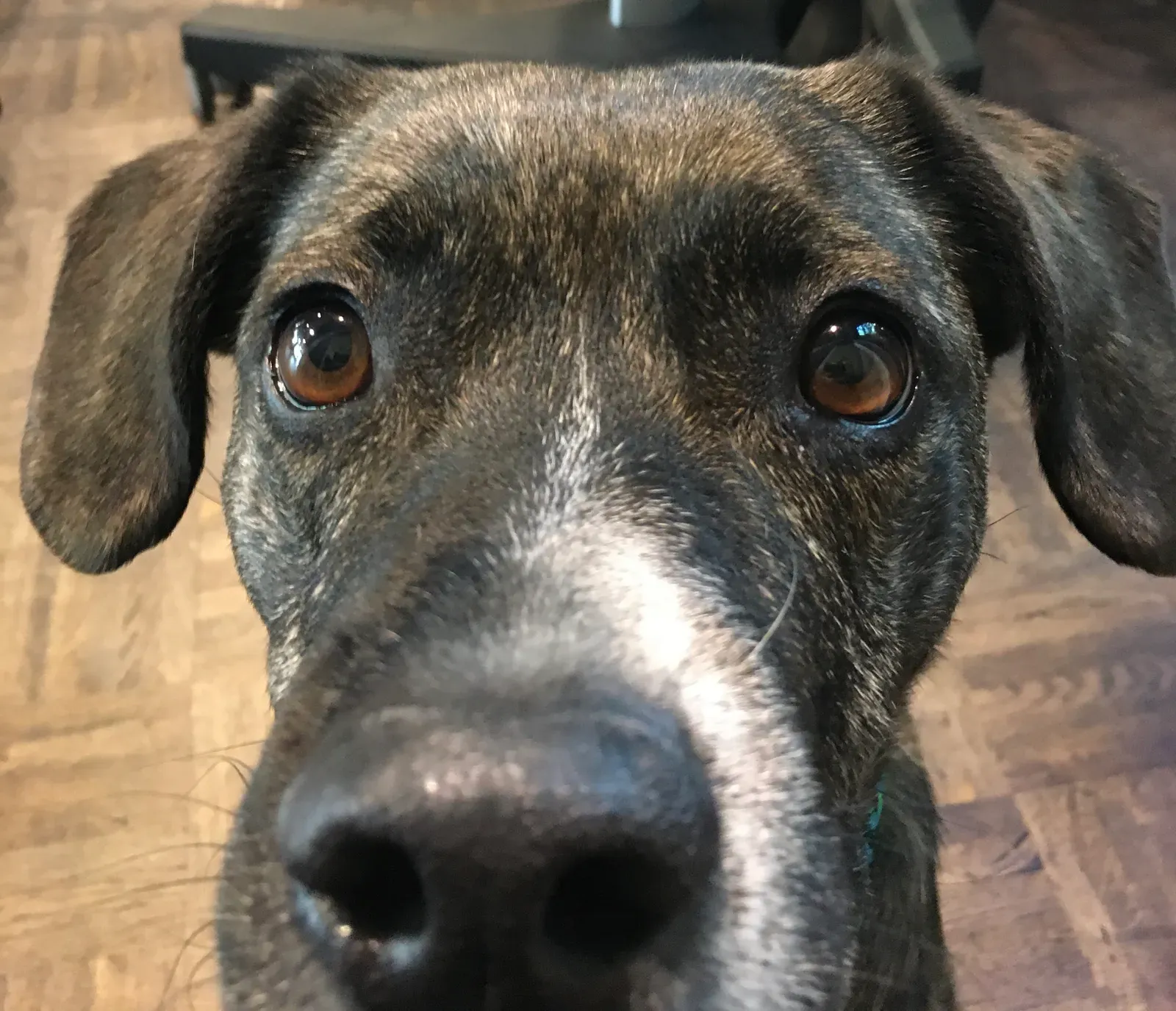
There’s a common fear that the last look is your dog panicking or begging you not to let this happen. While dogs can certainly feel fear and stress, especially if they are in pain, that deep, steady gaze we often remember is just as often about trust. This is the look of a dog who is allowing themselves to be vulnerable in your hands, the way they always have. They are letting you do something they cannot understand, but they are doing it in your presence, not hiding from you.
Think about the times your dog let you trim their nails, clean their ears, or give them a bath they clearly did not enjoy. They tolerated it because their trust in you outweighed their discomfort. End of life decisions work along the same emotional line, even though the stakes are much higher. That unwavering lock of the eyes can be your dog’s way of staying with you, allowing you to guide them through something frightening, because on some level they trust that you’re doing what you believe is right for them.
We Project a Lot Onto That Moment – and That’s Human
Here’s the hard truth: we do not have hard scientific evidence that a dog is consciously saying goodbye in a way that matches the human idea of a farewell. What we do have is a lot of emotion, love, and grief that rush into any memory of that last look. The human brain hates uncertainty, so we fill the gaps. Some people feel sure their dog was forgiving them. Others feel their dog was pleading with them to stop. Others feel a quiet, peaceful gratitude. Those interpretations say as much about us as they do about the dog.
And that’s not necessarily a bad thing. Grief is messy and deeply personal, and it’s natural to search for meaning in a single, unforgettable moment. What’s important is to remember that your dog’s inner world is simpler and more present-focused than ours. They are not replaying their whole life, listing regrets, or weighing moral questions. They are doing what they have always done: responding to how they feel in their body and who is right in front of them. That knowledge can soften some of the crushing guilt that often sneaks into how we remember their eyes.
What You Can Do In That Moment to Reassure Them
If you haven’t gone through this yet, or if you’re supporting someone who will, it helps to know there are practical ways to meet that gaze in a loving, grounded way. Staying close so your dog can see, hear, and smell you is one of the most powerful things you can do. Speak in the same tone you use when you comfort them, not a rushed or panicked voice. Many dogs relax noticeably when they hear familiar words and feel a familiar hand on their fur.
You can also manage the environment: dimmer lights, as little chaos as possible, and items that smell like home can all help. Ask your vet about options to keep your dog’s stress and pain under control; modern veterinary medicine is very focused on minimizing suffering at the end. In that last look, being present, emotionally honest, and physically close is far more important than saying the perfect words. Your dog is not grading your performance; they’re simply taking comfort in the person they’ve trusted all along.
Letting That Last Look Change How You Remember Their Life
That final gaze can overshadow everything else for a while, like the last scene in a movie that makes you forget the whole journey. But your dog’s life was not defined by a few minutes in a clinic or on a blanket at home. When you look back on that moment, you can choose to see it not just as the instant you lost them, but as proof that you were there, that you stayed, that you did not let them face the unknown alone. In a world where so many animals die without anyone by their side, that matters more than we like to admit.
Over time, many people find that the raw pain of remembering that look fades into something quieter, almost sacred. It becomes a reminder not only of how much it hurt to say goodbye, but how deeply you got to love. The fact that you still feel it says your bond was real and powerful. You don’t have to decide exactly what your dog was “trying to tell you” in that instant to honor it. You can simply let it stand as a shared moment of connection at the edge of a boundary neither of you fully understood.
Conclusion: That Look Is Real Love, Not a Test You Failed
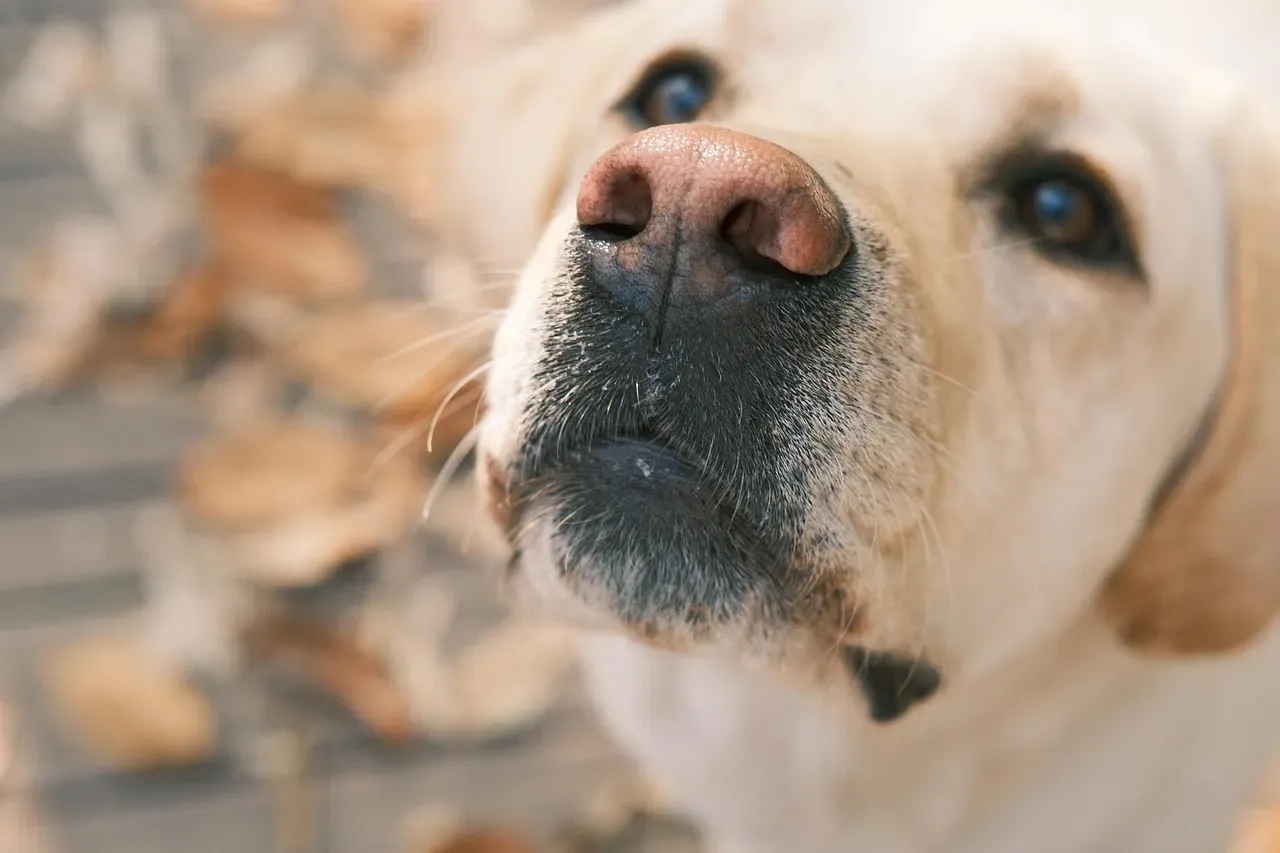
My own opinion, after reading the research, listening to countless stories, and sitting through that moment myself, is this: that last look is not a moral exam you either pass or fail. It is not your dog accusing you, or demanding you rewrite the past, or measuring whether you did everything perfectly. It is a living, breathing animal doing what they have always done best with you: seeking connection, safety, and familiarity when things feel scary or strange. And you, by being there and meeting their eyes, are answering in the only language that truly matters to them: presence.
If anything, that look is proof that you were their person until the very end, that the relationship you built over years was strong enough to hold even this. You are allowed to feel broken and guilty and unsure; that just means you cared deeply. But when you think back on their eyes, try letting this thought sit beside the grief: in their final moments, your dog chose to look at you. That is not failure. That is love, uninterrupted. When you remember that gaze, what if you let it remind you not only of how they left, but of how fully they lived with you?


