
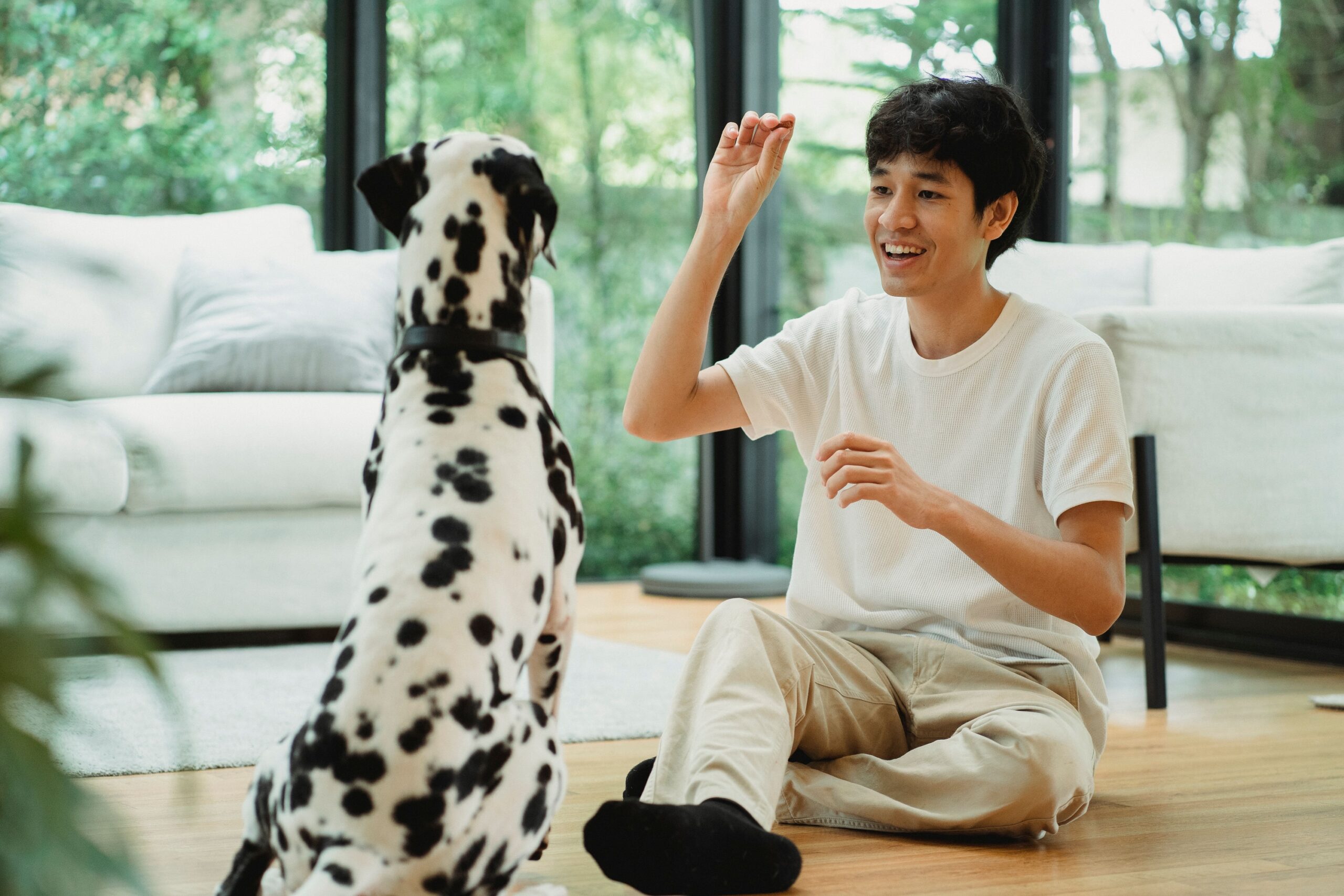
You know that moment when you lean in to hug a dog, and instead of looking adoringly into your eyes, they quietly turn their head away or angle their body to the side? A lot of people take that as a snub or assume the dog’s just distracted. But modern behavior research is painting a very different, much more touching picture: that small movement might be your dog’s polite way of saying, “I’m a little uncomfortable, but I don’t want any trouble.”
Once you see it this way, you can’t unsee it. Those subtle head turns, side steps, and slow blinks stop looking like disinterest and start looking like emotional intelligence. Dogs appear to be using their bodies almost like a soft-spoken language, especially when things feel tense. And honestly, when I started paying attention to this with my own dog, it completely changed how I read him – and how guilty I felt about all the times I misread his silence as stubbornness.
Why That Tiny Head Turn Is Actually a Big Deal
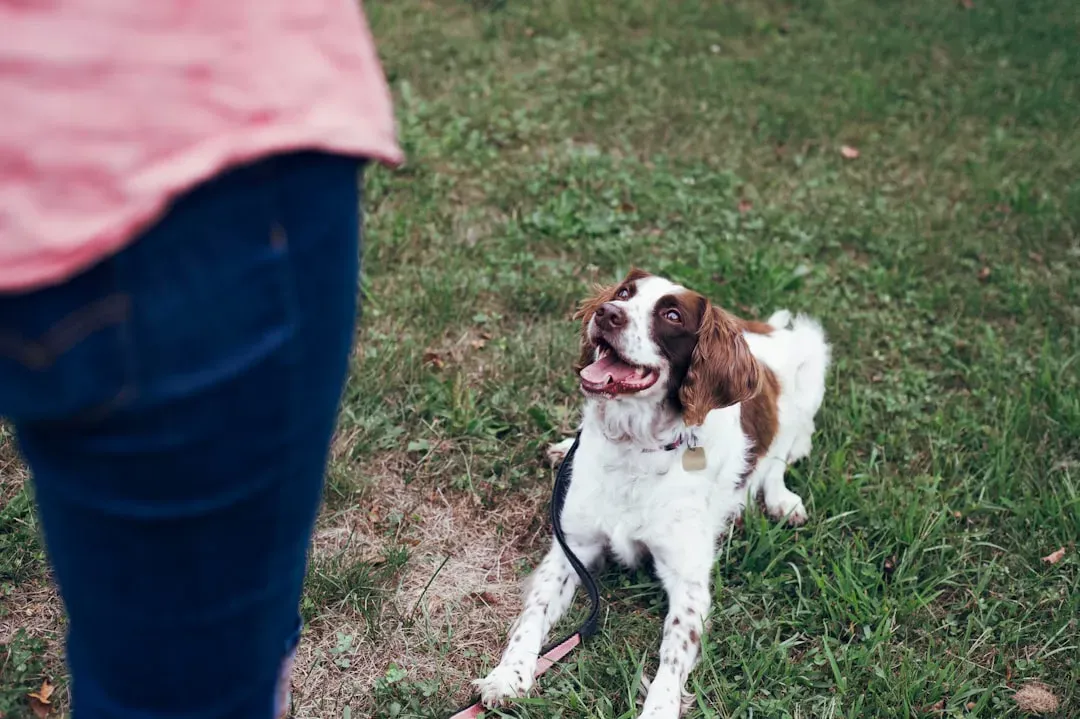
Here’s the surprising twist: what looks like a dog “tuning out” is often the exact opposite. In many tense or slightly overwhelming situations, dogs turn their head or body away as a deliberate social signal. It’s a way of telling whoever is in front of them – human or dog – that they’re not a threat and they don’t want conflict. Instead of barking, growling, or snapping, they choose a quieter, more diplomatic move.
Body turns, slight averting of the eyes, or shifting the shoulders sideways are part of what many trainers and behaviorists call calming or de‑escalation signals. These behaviours tend to show up when the dog feels pressured: a child hugging too tightly, a stranger leaning over them, another dog staring intensely. Seeing that head turn as a choice rather than a glitch makes you appreciate just how hard dogs try to keep things peaceful long before they ever “act out.”
Dogs Are Communication Nerds, Not Spacey Goofballs
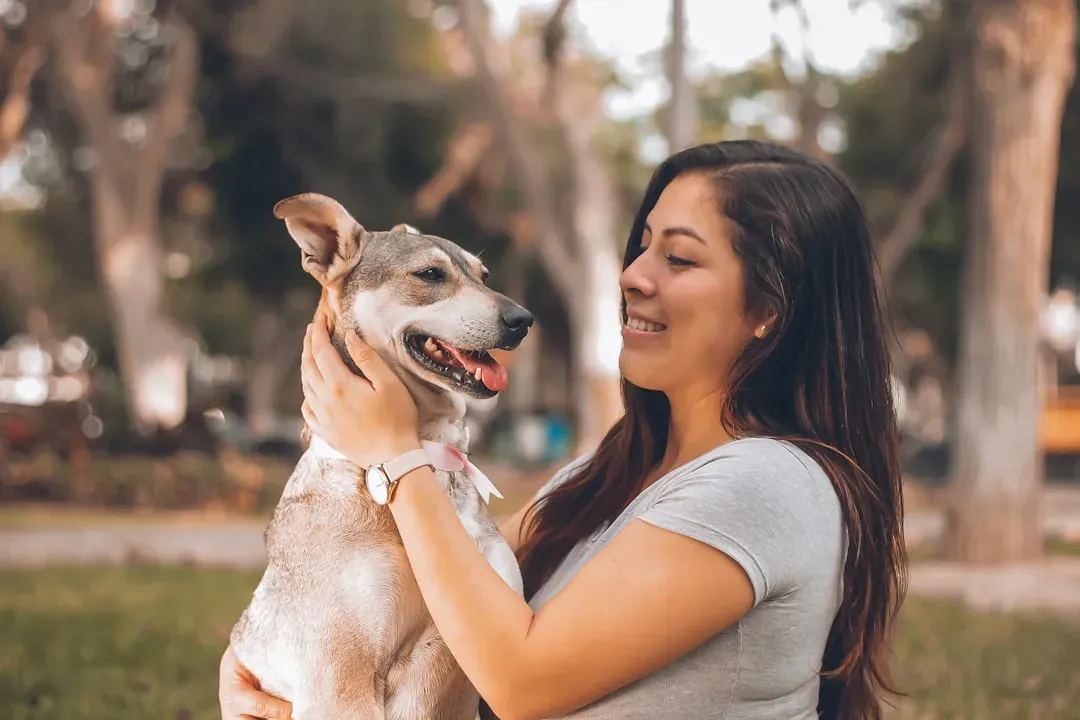
We love to joke that dogs are always distracted – the classic image of a dog ignoring you until it hears the magic word “treat.” But when researchers and experienced observers slow down video of dog interactions, a different story jumps out. Dogs are constantly adjusting their posture, gaze, and distance in response to tiny shifts in the social atmosphere, in ways that are far too consistent and context‑dependent to be random.
Head turns and body angling show up most predictably when there’s tension: being restrained for a vet exam, being hugged around the neck, or facing another dog that’s a bit too direct. That pattern strongly suggests intention, not daydreaming. If a behavior shows up most often at the exact moments when a dog might reasonably want to defuse a situation, it’s far more likely to be communication than coincidence.
Turning Away as a Built‑In “I Come in Peace” Signal
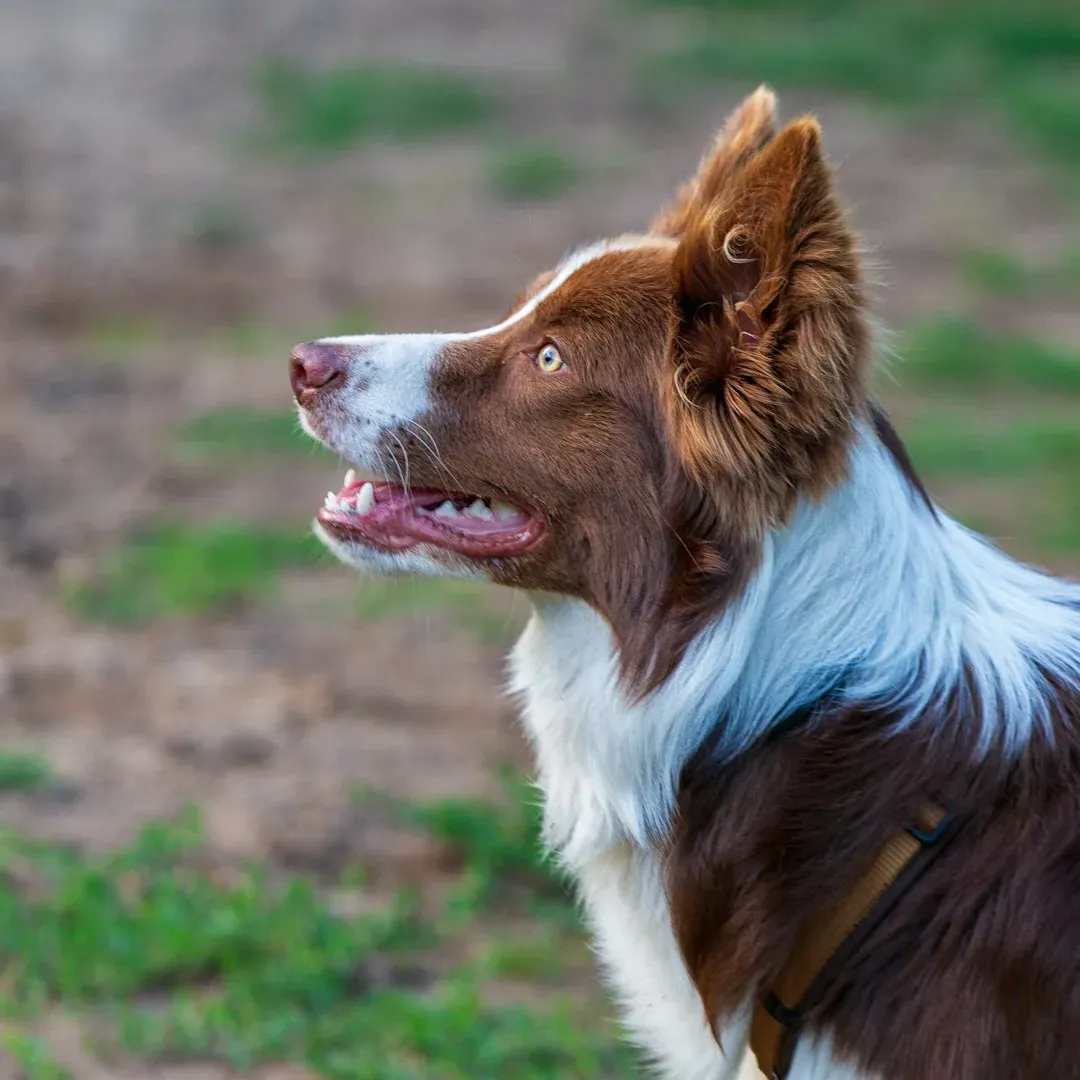
In the animal world, facing head‑on with stiff posture is often the language of challenge or threat. So it makes perfect sense that turning the head or presenting the side of the body works as the opposite: a clear, non‑verbal “I’m not here to fight.” When a dog slowly rotates their head, shifts their body, or steps sideways instead of straight forward, they are essentially lowering the emotional temperature of the interaction.
Think of it like someone approaching you with their hands open and slightly to the side, instead of marching up forehead‑to‑forehead. That small difference can change your whole sense of safety. Dogs seem wired to read and send these nuances. By breaking eye contact a bit and softening their profile, they show submission, politeness, or a desire to avoid conflict – all without a sound. It’s quiet diplomacy at its finest, delivered through muscle and movement.
Not Looking at You Does Not Mean Not Loving You
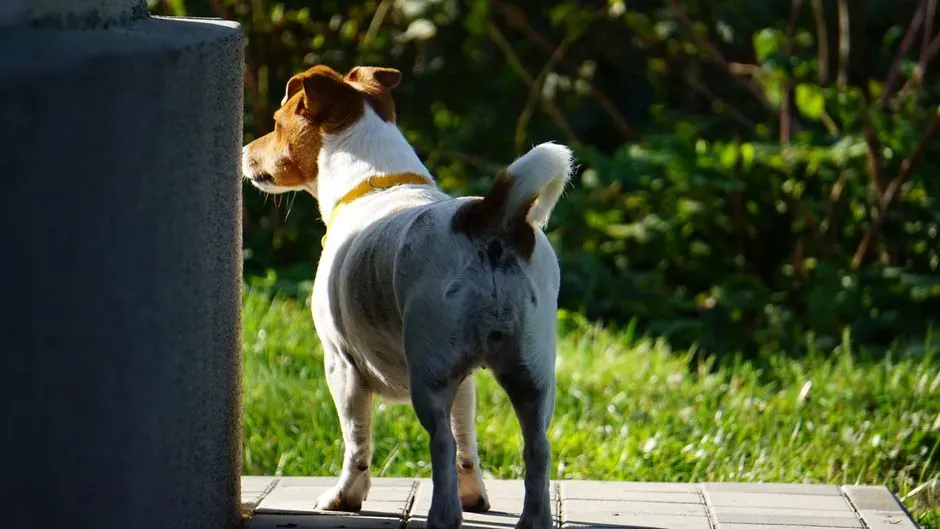
Here’s where a lot of heartbreak and misunderstanding sneaks in. Humans tend to equate eye contact and facing someone directly with affection and attention. When a dog turns away, many people interpret it as rejection, stubbornness, or a lack of bond. In reality, in dog language, directness can be very intense, especially in close quarters. Turning away might actually be the dog’s way of keeping the relationship smooth and safe.
If you’ve ever wrapped your arms around your dog for a big hug and felt them gently twist their head away or do a slow blink, there’s a good chance they’re saying, “I care, but this is a bit much for me right now.” That is not disconnection; that is emotional honesty. The most loving thing we can do is listen to that honesty, loosen the hug, give a bit more space, and let affection happen in a way that feels safe for both sides.
How to Recognize These Subtle Signals in Real Life
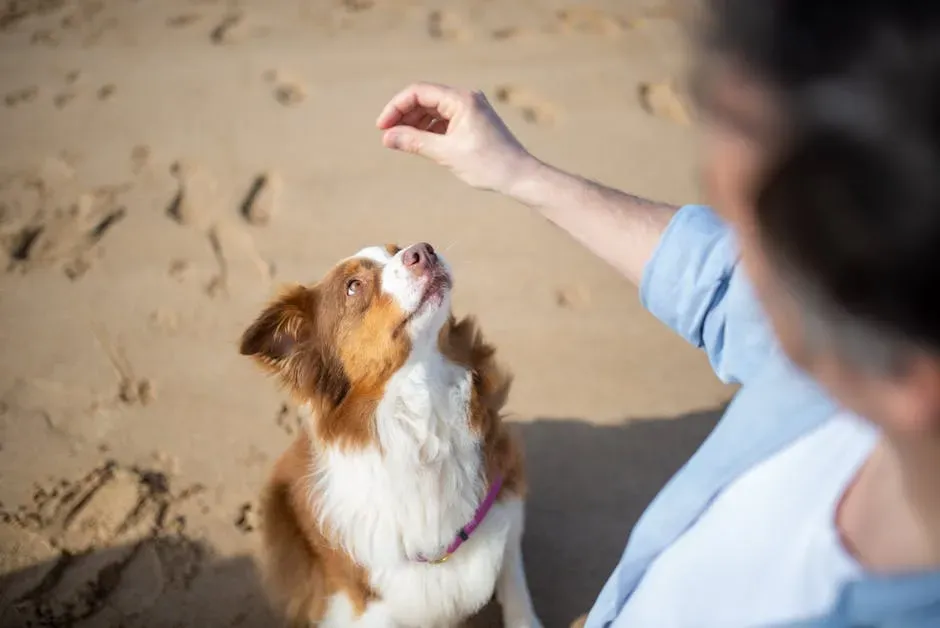
Once you start looking for it, this behavior pops up everywhere. Your dog might turn their head away when a stranger leans over them, when a camera is shoved in their face, or when a child approaches at full speed. You’ll see it in dog‑to‑dog greetings too: one dog arcs their body, looks slightly away, or sniffs the ground as the other approaches. These are the social brakes, tapped lightly to avoid a crash.
A helpful habit is to watch your dog’s whole body, not just whether they obey a cue. Are their ears slightly back, mouth tight, tail a bit stiff, and then – head turn? Do they sidestep your reach or give you a quick side glance before looking away? That combo is your translation key. When you read it accurately, you can intervene early: step in between them and an overwhelming toddler, ask a stranger to give more space, or simply pause the interaction so your dog feels heard instead of cornered.
Listening to This Body Language Can Prevent Bites and Breakdowns
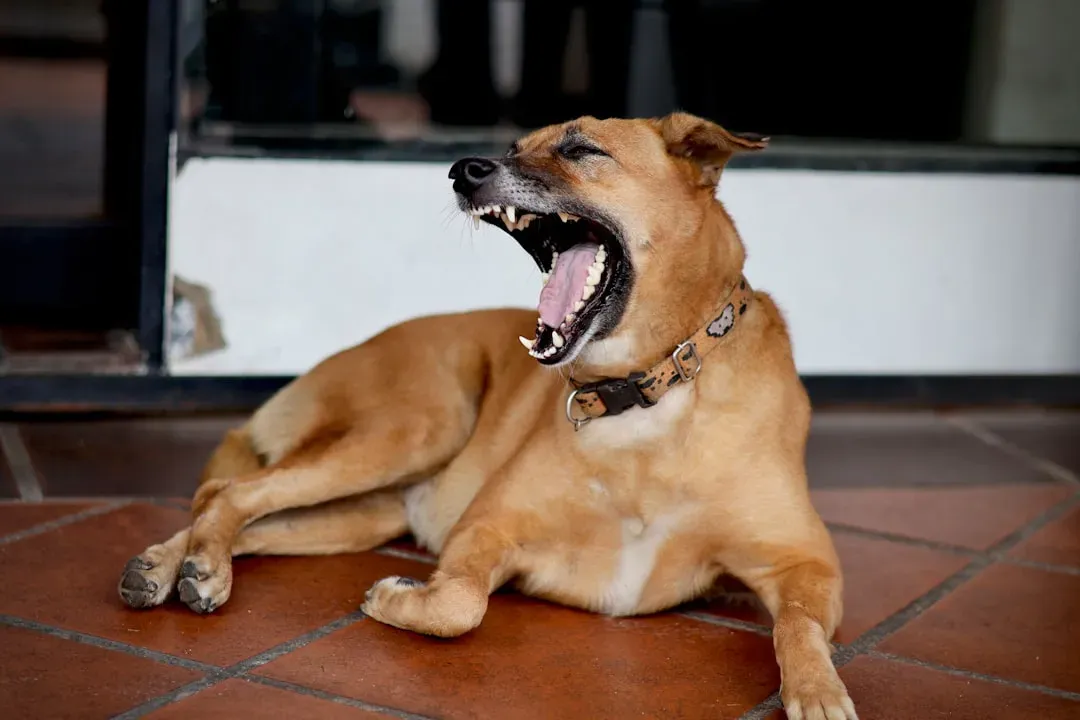
Most dogs do not “suddenly snap” out of nowhere. Before the growl or bite, there’s usually a whole chain of quieter warnings: yawns, lip licks, stiffening, and yes, head and body turns. When those early signals are ignored or misunderstood as disinterest or disobedience, the dog is left with fewer tools to cope. The next step up the ladder is often something louder – and scarier – because the quiet option did not work.
By recognizing that turning away is a deliberate, peacekeeping signal, we can step in long before things escalate. That might mean stopping a child from hugging a dog that’s repeatedly looking away, asking a vet to slow down, or removing a dog from a crowded, noisy space. In my opinion, this is where responsibility truly lives: not blaming the dog for “reacting,” but admitting that we missed the multiple polite notices they were sending before they ran out of emotional room.
Why This Changes How We Should Treat and Train Dogs
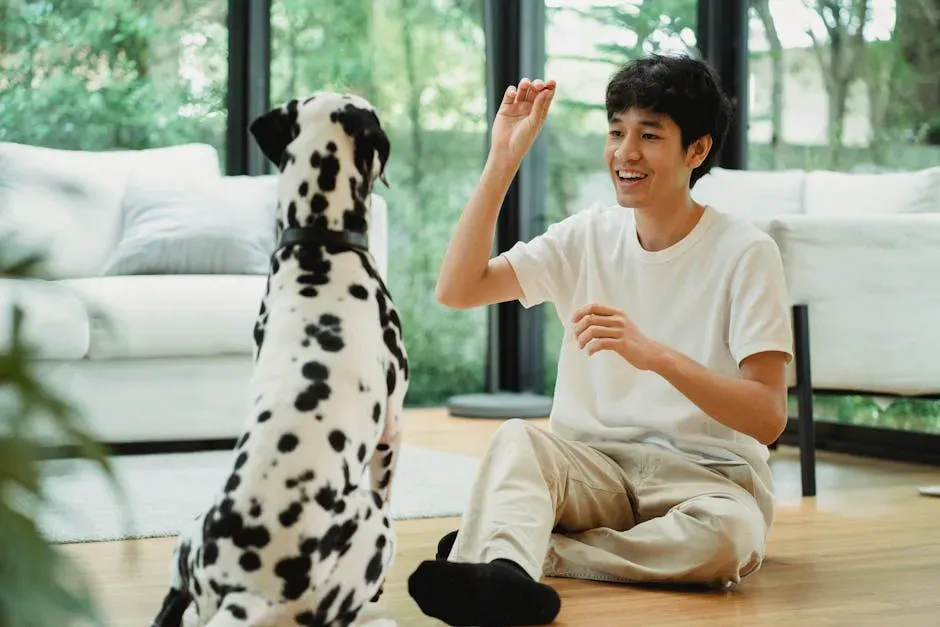
Seeing head and body turns as communication instead of inattention forces a pretty uncomfortable re‑evaluation of how we interact with dogs. If a dog averts their head when we lean in and we label it “ignoring,” we’re likely to respond with more pressure: repeating cues louder, tightening the leash, or forcing contact. But if we take it as “I’m trying to keep this calm,” our response shifts to curiosity and care instead of control.
Personally, I think this is where modern dog guardianship needs to go. We owe dogs the dignity of being heard when they say “no thanks” in the softest ways they know. Training built on respect for these subtle signals – giving breaks, adjusting environments, teaching consent to handling – tends to create dogs that are more relaxed, more trusting, and ironically, more responsive. When we stop mistaking politeness for defiance, the relationship stops being a tug‑of‑war and starts looking a lot more like a conversation.
Conclusion: Turning Away Is Not Disrespect – It’s Emotional Wisdom
The more we learn about how dogs use their bodies to communicate, the more obvious it becomes that those quiet head and body turns in tense moments are not random glitches. They are measured, deliberate signals: I am uncomfortable, but I choose calm; I am close, but I mean no harm. Calling that inattention is like calling someone rude because they lowered their voice in an argument instead of shouting back. It completely misses the grace in the gesture.
My own opinion is that we underestimate dogs not because they are simple, but because their wisdom is subtle. They have been trying to keep the peace with us for thousands of years, whispering with their shoulders and eyes while we demand louder, clearer words. If we start treating those tiny turns as the diplomatic language they truly are, we don’t just prevent conflicts – we finally meet dogs halfway in the conversation they have been having with us all along. Next time your dog turns away in a tense moment, will you see disobedience, or will you see a quiet act of courage?


