
14 Abilities in Rescue Dogs Specialists Concede They Have Never Satisfactorily Explained to Anyone Who Asks
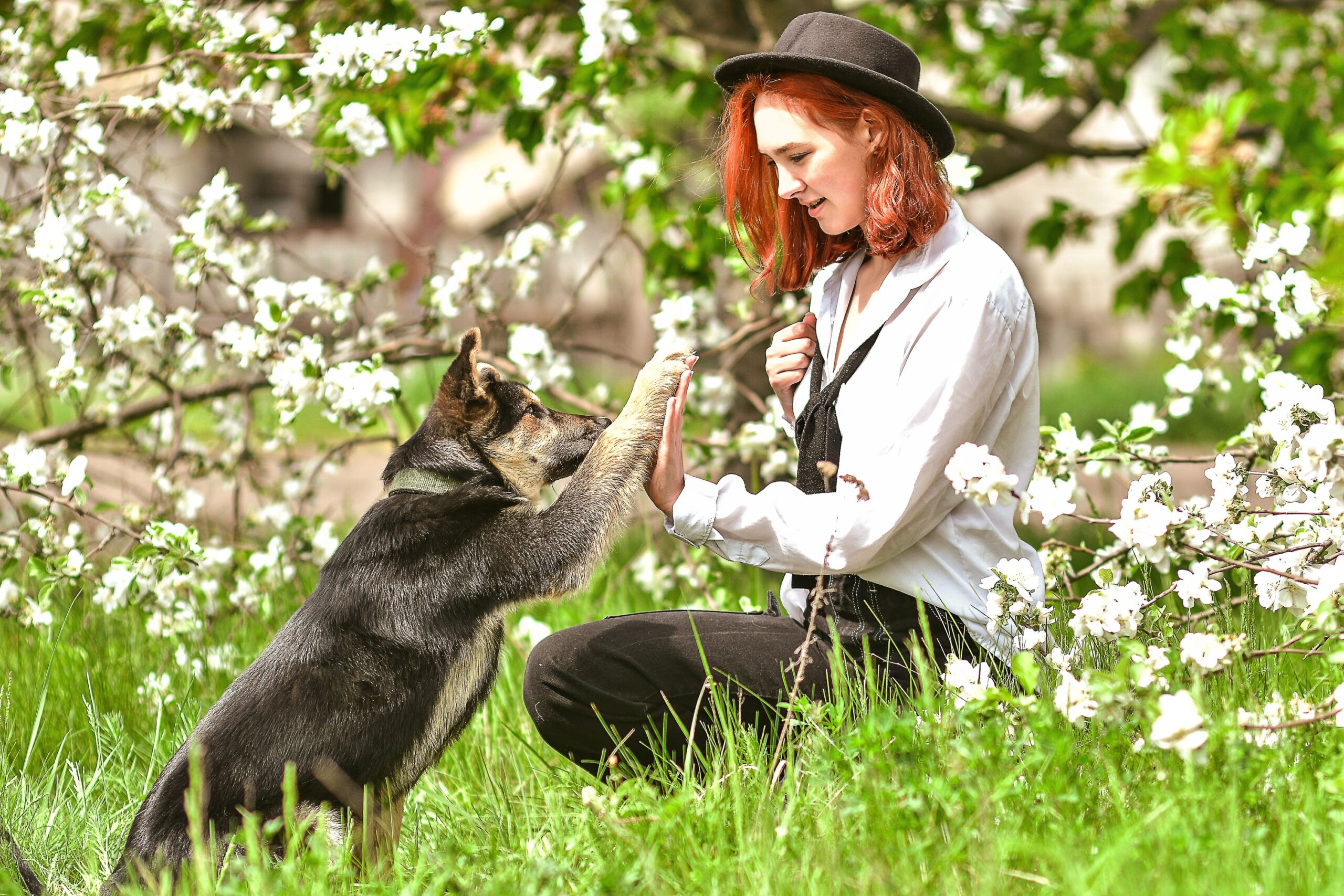
Most people think rescue dogs are just “broken” animals lucky enough to land somewhere safe. But the trainers who spend their lives with these dogs tell a very different story – one they almost never say out loud in front of adopters. These dogs show a menu of abilities so specific, so eerily tuned to human beings, that even the specialists who work with them every single day can’t fully explain what they’re watching.
We can throw scientific-sounding words at it – trauma adaptation, scent detection, pattern recognition – but none of those phrases quite capture what it feels like to actually live with one of these dogs. What follows isn’t a list of party tricks. It’s fourteen patterns that keep showing up in shelters, foster homes, and living rooms across the country, and by the end, you may never look at your own rescue the same way again.
#1 – Their Uncanny Sense of “Emotional Time”
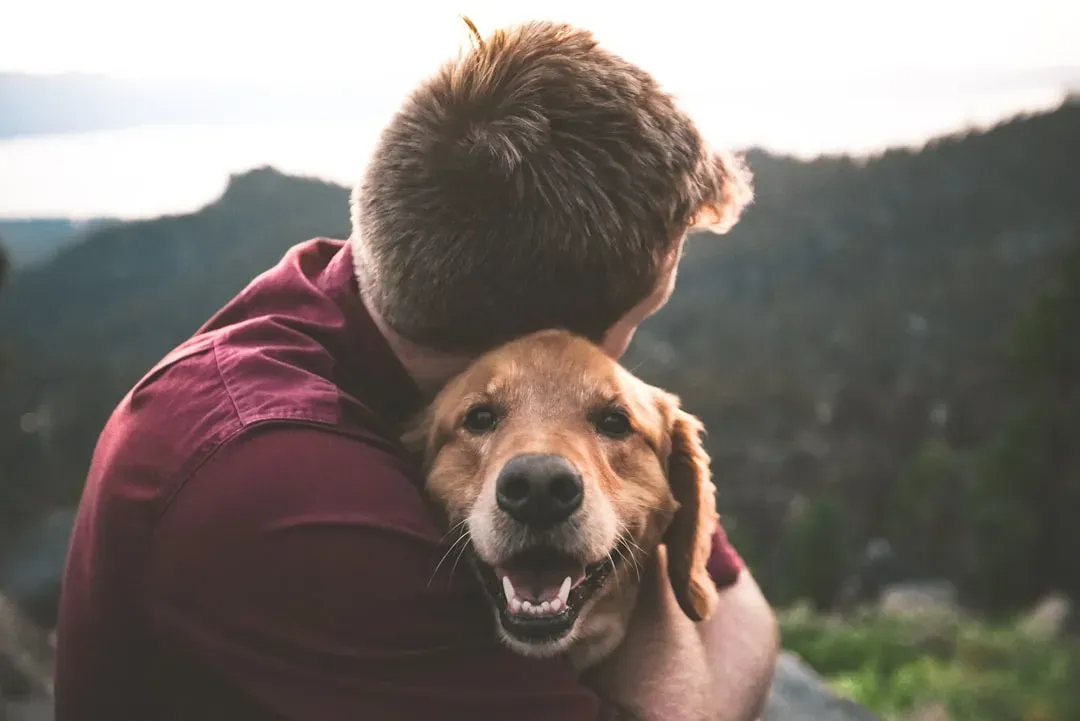
Rescue specialists quietly admit something they rarely say on record: some dogs seem to know exactly when you’re about to fall apart, often hours before you do. It’s not just “dogs sense sadness.” With many rescues, there’s a strange timing to it. They’ll shadow you all morning on a day when, by afternoon, the bad news hits. They’ll crawl into your lap before the panic attack starts, not during it.
Behaviorists try to pin this on subtle shifts in cortisol, breathing, or micro-movements. The problem is those explanations don’t fully match what foster families describe. These dogs change their routine before yours does, and they act concerned even when you’re convinced you’re “fine.” Many owners report the dog getting clingy on a completely normal day, right before a breakup, a layoff, or a health scare nobody saw coming. It feels less like reacting and more like anticipating.
#2 – The Way They “Map” a New House Overnight
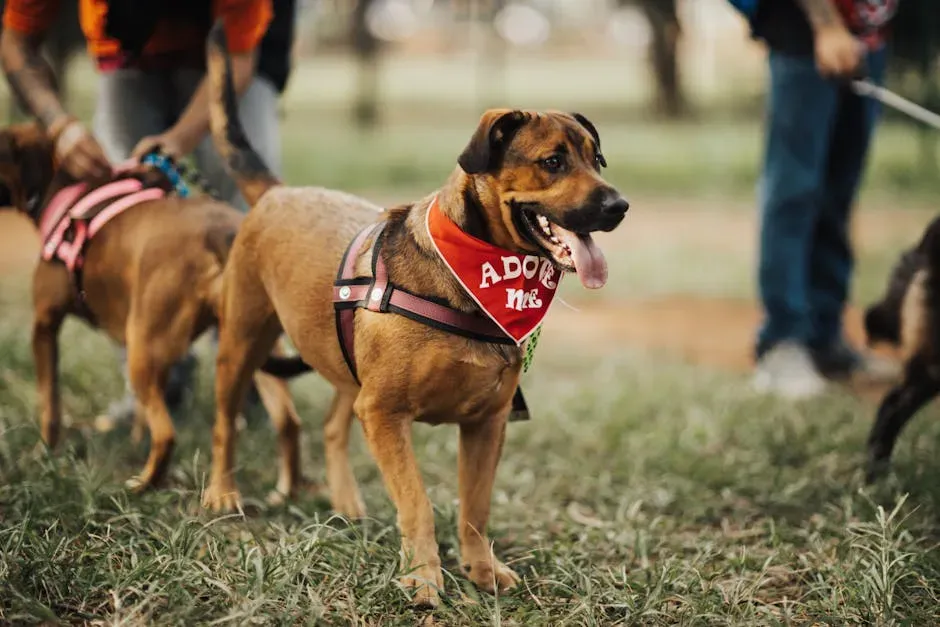
Ask any foster coordinator: a rescue dog can walk into a brand-new house and, within 24 hours, behave like they’ve lived there for months. It’s not just about finding the food bowl. Many will memorize every escape route, hiding spot, and vantage point faster than a human toddler ever could, even dogs who have bounced through multiple homes, cars, and shelters.
Two patterns stand out. First, they learn “zones”: safe zones under your desk, neutral zones in the hallway, danger zones by the front door when the delivery truck pulls up. Second, they wire those zones directly to specific people. If you work from home, they shadow your path; if you leave, they patrol the spots you appear from. Some will even check windows and doors in a specific order, like they’re running a security sweep. They’re not just exploring. They’re auditing.
At a Glance
- Safe zones: under desks, behind furniture, low quiet corners
- Neutral zones: hallways, open floor space, transition rooms
- Danger zones: front doors, delivery windows, unfamiliar entry points
- Security sweeps: doors and windows checked in a consistent order
#3 – Their Ability to “Edit Themselves” Around Different People

Most people assume dogs are either friendly or not. Rescue dogs blow that myth up. Many show a freakishly precise ability to change their entire personality depending on who just walked into the room – goofy and loud with you one minute, careful and almost restrained with a toddler or an elderly person the next.
Trainers label this “context-dependent behavior,” but even they admit the level of nuance is hard to explain. Some rescues will roughhouse with adults but instantly soft-mouth toys around kids. Others avoid every stranger except the one who just had surgery and can’t move easily. Some even match your energy: come home wired and angry, and they go still; come home exhausted, and they lean in and barely move. It’s as if they’re constantly rewriting the script for each human in their life.
#4 – Their Almost Surgical Memory for Specific Sounds
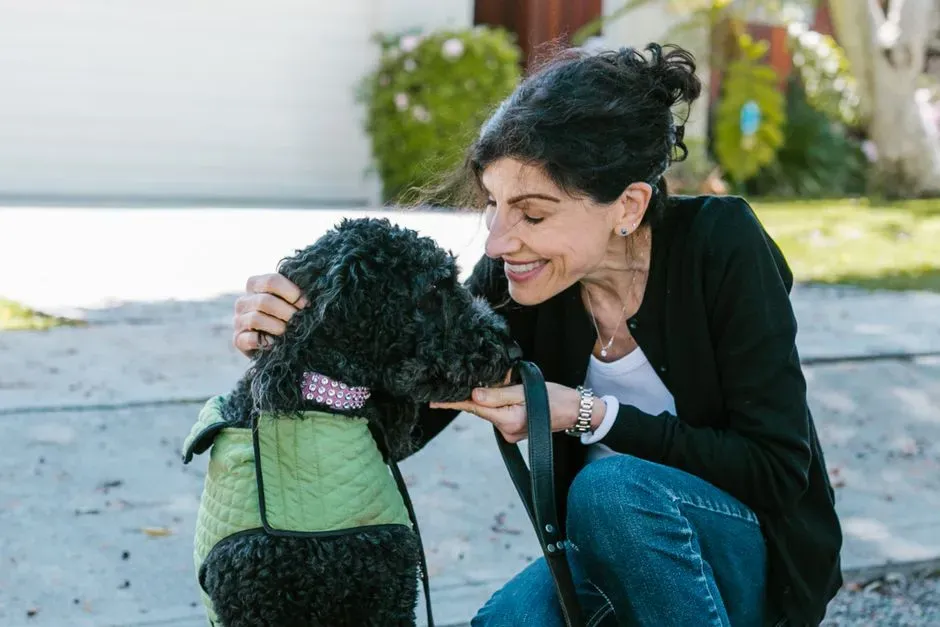
Every dog hears well. But many rescues remember sounds in a way that borders on eerie. Trainers tell stories of dogs who react instantly to a single ringtone, a specific car door slam, or one person’s footsteps from half a block away, even if they haven’t heard that exact sound in years.
The strange part is what they ignore. A rescue might bolt to the door at the faint jingle of keys that match a former owner’s pattern, or shake at one particular male voice pitch while staying completely relaxed around every other man. Specialists fall back on basic conditioning explanations, but these dogs don’t generalize – they file specific sounds into “safe,” “danger,” or “mine,” and the file never seems to get deleted, even years and countries later.
#5 – The Way They “Read” Doors, Gates, and Barriers
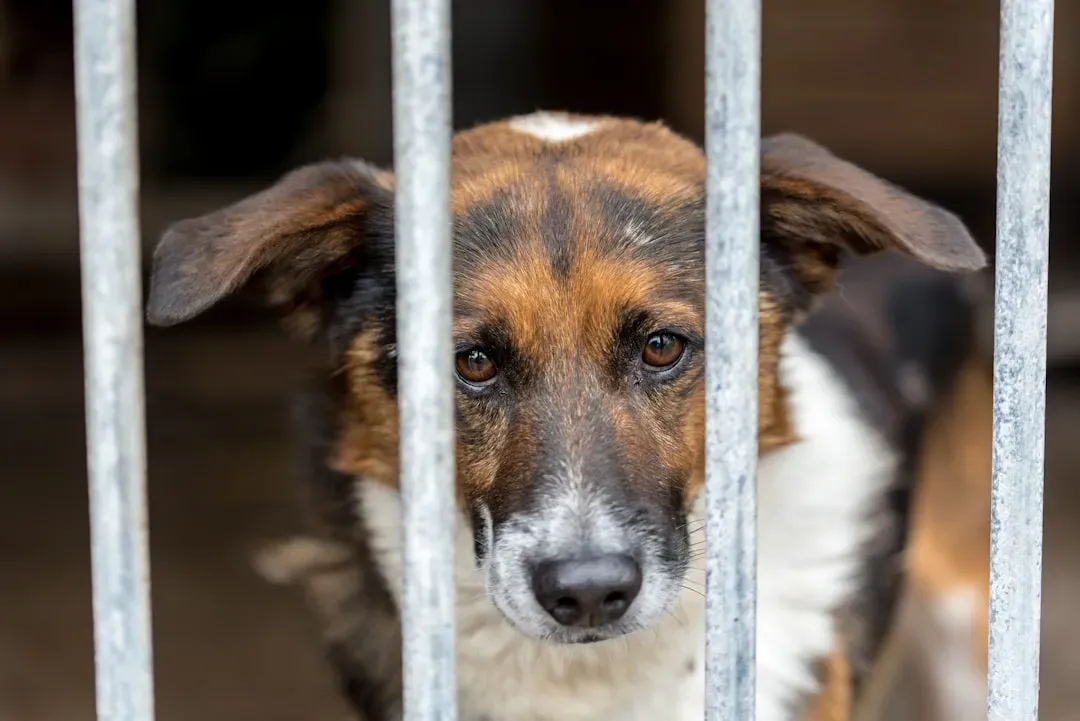
Most people joke that rescue dogs are escape artists. Specialists see something deeper: some of these dogs seem to understand the logic of barriers in a way that goes way beyond trial and error. They notice which doors latch, which gates stick, which windows are never locked, and given a week in a new house, they’ll usually test exactly the weak points you never thought about.
What stumps pros isn’t just that they escape – it’s how they test. They’ll watch humans closely for a few days to learn which handle turns, then try the quietest methods first: paws, nose, slow pressure, only escalating if that fails. You can watch them think. They’ll pause, glance back at you, then try a new tactic, like they’re running an internal checklist. It feels less like scratching and more like problem-solving.
#6 – Their Instinct to Protect “The One Who Chose Them”
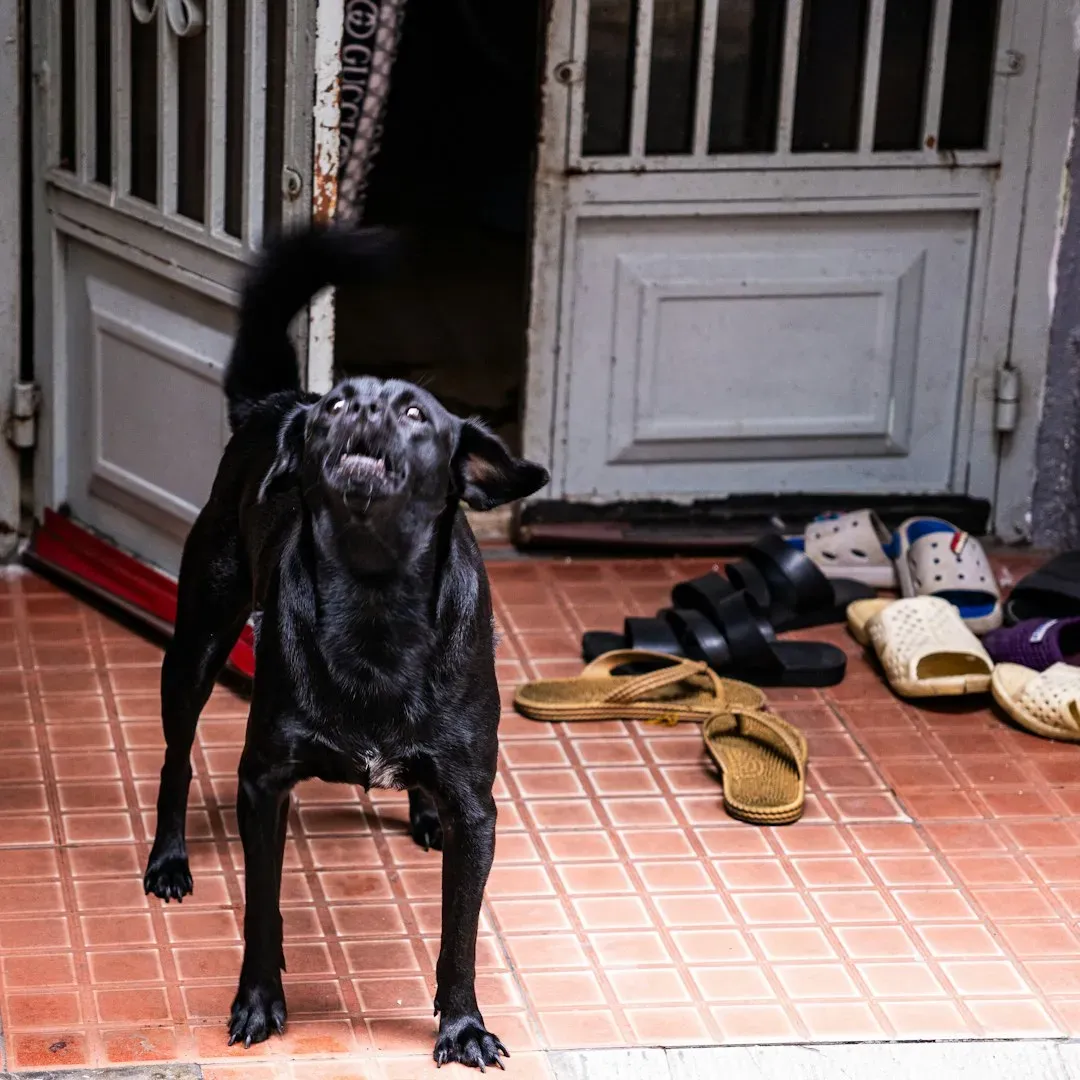
Dogs bond; that’s not controversial. But rescue workers often notice a sharper, more targeted loyalty in certain rescues, one that goes beyond normal attachment. Once they’ve decided “you are my person,” they will place themselves between you and anything they read as a threat – physical, emotional, even digital.
Some will sit between you and your laptop during a heated online argument. Others wedge themselves between you and an aggressive stranger in a way that feels calculated, not hysterical. What confuses experts is the selectivity: these same dogs might ignore a typical “guard dog” trigger like a delivery driver, then snap to full alert the second someone raises their voice at you in a certain tone. It doesn’t always come from training. Many of these dogs arrive as “untrained,” yet within weeks they’re running a quiet protection detail nobody taught them.
Why It Stands Out
- Positions themselves between their person and a perceived threat
- Reacts to tone and intensity, not just the presence of a stranger
- Often ignores routine visitors like delivery drivers or neighbors
- Protective behavior frequently shows up with no formal training
#7 – Their Weird Talent for Finding the Quietest Human in the Room

Ask anyone who works adoption events: if a truly shut-down rescue is sitting in the corner, nine times out of ten they will not run to the loud, enthusiastic dog-lover in the center of the room. They drift, almost magnetically, toward the quiet person who isn’t even trying. Specialists see it so often it’s become a running joke – if you don’t want a dog today, stand still and look away, because that’s exactly who they’ll choose.
These dogs will bypass outstretched hands to sit beside the one person quietly staring at their phone, and they seem to gravitate toward calmer heart rates and less erratic movement. Science can call it body-language reading. Fine. But no one has nailed down why rescues do this so much more dramatically than many well-bred, well-socialized dogs. Years of chaos seem to tune them into safety signals the average dog never had to learn.
#8 – Their Ability to “Rewrite” Trauma on Their Own Timeline
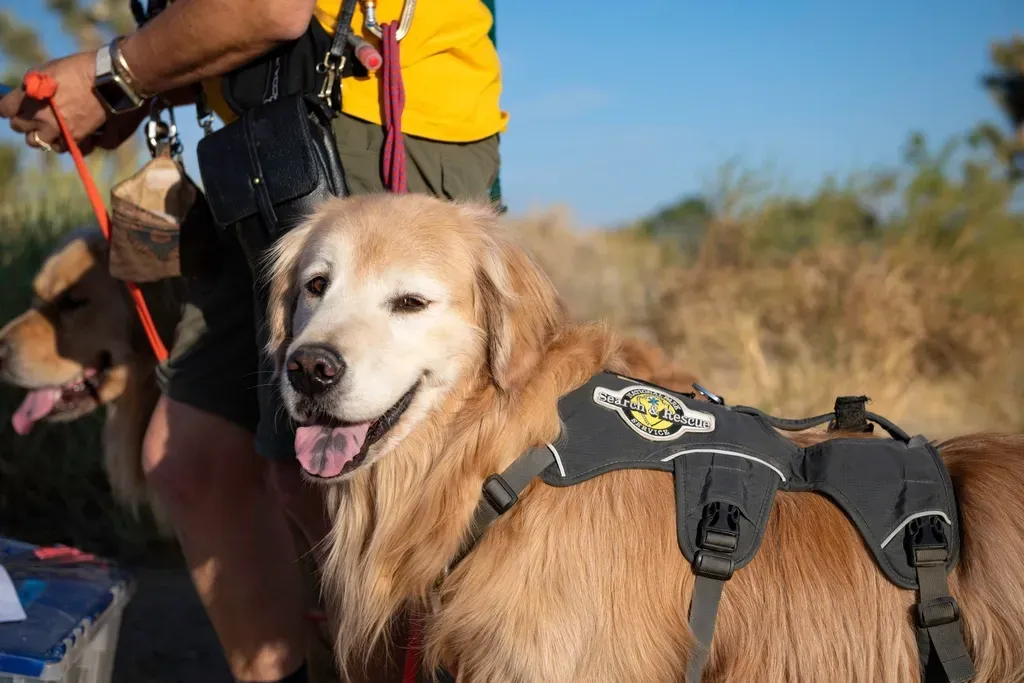
Textbook behavior science says a bad experience creates fear, and fear needs slow, careful desensitization. In rescue dogs, that’s only half the story. Some will be terrified of, say, men in hats for months, then one day simply decide they’re done with that fear and walk straight up to a man in a hat like it never happened. No structured program. No slow plan. Just done.
Specialists struggle with this because it breaks the standard model. These dogs sometimes skip every intermediate step and jump straight from panic to curiosity, testing their own triggers by walking toward them and then checking back with their person for reassurance. One theory is that once a dog feels truly secure, its brain re-files old memories under “no longer relevant.” Nobody has proof of that. We can’t yet explain why some triggers evaporate overnight while others cling for years, but foster homes see this self-driven healing constantly.
#9 – The Way They “Audit” New Dogs, and Are Usually Right
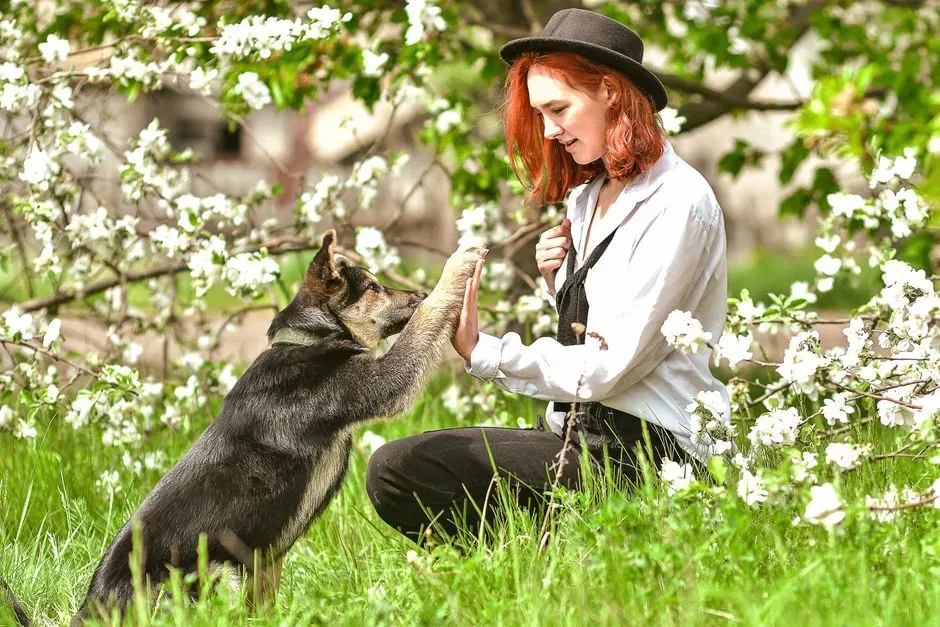
Bring a new dog into a home with a rescue already in it, and watch the rescue first. Specialists will quietly admit they treat many rescues as canine lie detectors. These dogs often clock another dog’s true temperament long before humans or even shelter staff do, staying relaxed and loose with dogs who later prove stable, and going wary or stiff around ones who eventually show resource guarding, reactivity, or bullying.
It’s not foolproof, but the pattern is real enough that some fosters actually use their resident rescue as an informal temperament tester, and shelters pay attention to who veteran rescues willingly share space with. What’s strange isn’t that they read dog body language – all dogs can. It’s that rescues seem to grow more selective as they stabilize, as if they’ve set an internal rule: I’ve lived through chaos, and I’m not doing that again.
Quick Compare
- Stable newcomer: resident dog stays loose, relaxed, curious
- Future conflict brewing: resident dog stiffens and watches from a distance
- Likely resource guarder: resident dog quietly avoids shared spaces
#10 – Their Rituals Around Sleep, and Who They Let Near Them

Sleep is the most vulnerable state for any animal, and rescue dogs treat it like a calculated risk. Many perform elaborate, consistent rituals before they’ll actually close their eyes in a new home: circling a specific spot, checking the doors, almost “counting” family members with their eyes before settling in. Specialists see this pattern constantly and still can’t fully explain why it varies so much from dog to dog.
Some dogs will only sleep deeply if every family member is home and accounted for. Others nap anywhere during the day but insist on sleeping with their back to a wall at night. Most striking is who they allow to touch them while asleep. A dog might flinch from petting while awake, then fully relax into contact once they’ve drifted off beside a chosen person – or the reverse, affectionate all day but startling violently if anyone approaches them in deep sleep.
#11 – Their Ability to Track “Invisible” Routines

Here’s where things get genuinely strange. Rescue dogs are famous for loving routine, but not just the obvious ones like walk time. Many lock onto patterns you don’t even realize you have. You might think your schedule is chaotic, but your rescue will still sit by the door on the exact days you usually work late, or wait by the bathroom five minutes before you brush your teeth.
Specialists describe dogs who start pacing ten minutes before a recurring weekly meeting the owner forgot was even on the calendar, or who head to the kitchen seconds before a blood sugar crash, long before any alarm or symptom appears. We can blame subtle environmental cues – phone alerts, posture shifts, changes in household noise – but the precision is unnerving. It often feels like they’ve reverse-engineered your entire life into a timeline only they can see.
Fast Facts
- Some dogs track weekly patterns, not just daily walk or meal times
- Pacing or door-watching can precede events the owner forgot about
- Behavior shifts sometimes appear before visible physical symptoms
- Likely cues: posture, scent, noise, and subtle household changes
#12 – The Way They “Audit” Your Mood Against Your Words

Most dogs read tone; that’s basic. Rescue dogs, though, seem to notice the gap between what you say and what you actually feel, and they side with the feeling every time. Tell yourself you’re “fine” while radiating stress, and watch what your rescue does. They often respond not to your words or even your volume, but to an undercurrent you didn’t think you were broadcasting.
They may ignore you when you use a cheerful voice but are secretly furious, then turn clingy hours later, not during a loud argument but in the quiet, resigned aftermath. Specialists suspect this is a hyper-tuned sensitivity built in chaotic homes where words meant nothing and energy meant everything. These dogs seem to have learned that the truth isn’t in speech – it’s in heartbeat, breathing, and micro-tension. You cannot lie to them about how you’re doing. They already know.
#13 – Their “Once in a Lifetime” Bond That Ignores All the Rules
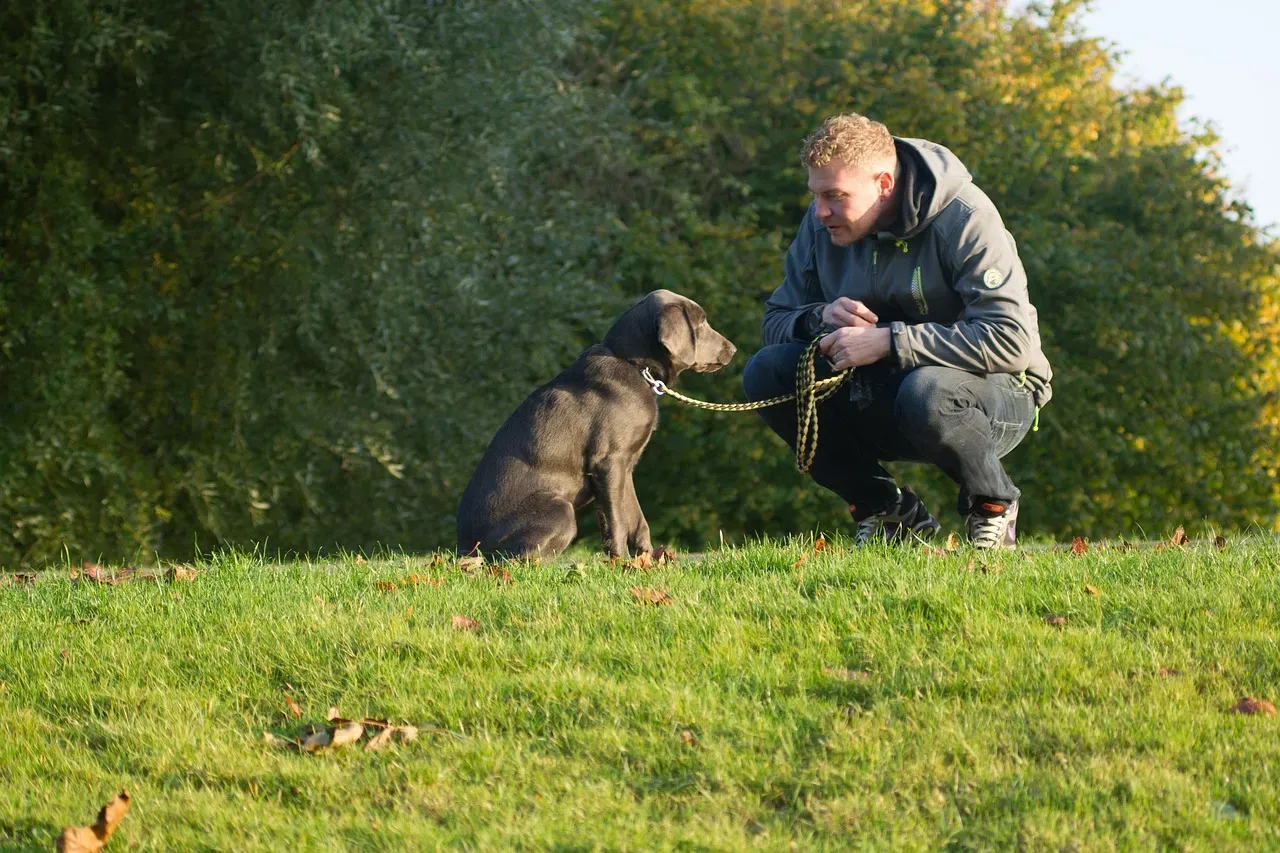
Here’s the part most pros get awkward about, because it sounds unscientific. Every long-time rescuer can name one dog who broke every prediction: the one who should never have trusted humans again, yet glued themselves to a single person with a devotion that made no behavioral sense. Severe neglect, multiple homes, sometimes even aggression – and then, one day, they pick someone and become the gentlest, most attuned companion in the house.
What’s impossible to explain neatly is the selection process. The chosen person often isn’t the handler, the trainer, or even the self-described “dog person” in the family. Sometimes they don’t especially like dogs at first. Yet the dog insists, waiting outside the bathroom, following down the hallway, resting their head on that one specific knee during movies.
Dogs are not our whole life, but they make our lives whole.
Roger Caras
Experts can talk attachment styles, trauma bonds, or oxytocin loops, but none of those phrases capture the lived weirdness of a dog quietly deciding you are its entire universe, for reasons nobody can fully name.
#14 – The Quiet Way They Seem to Know When It’s Time to Go
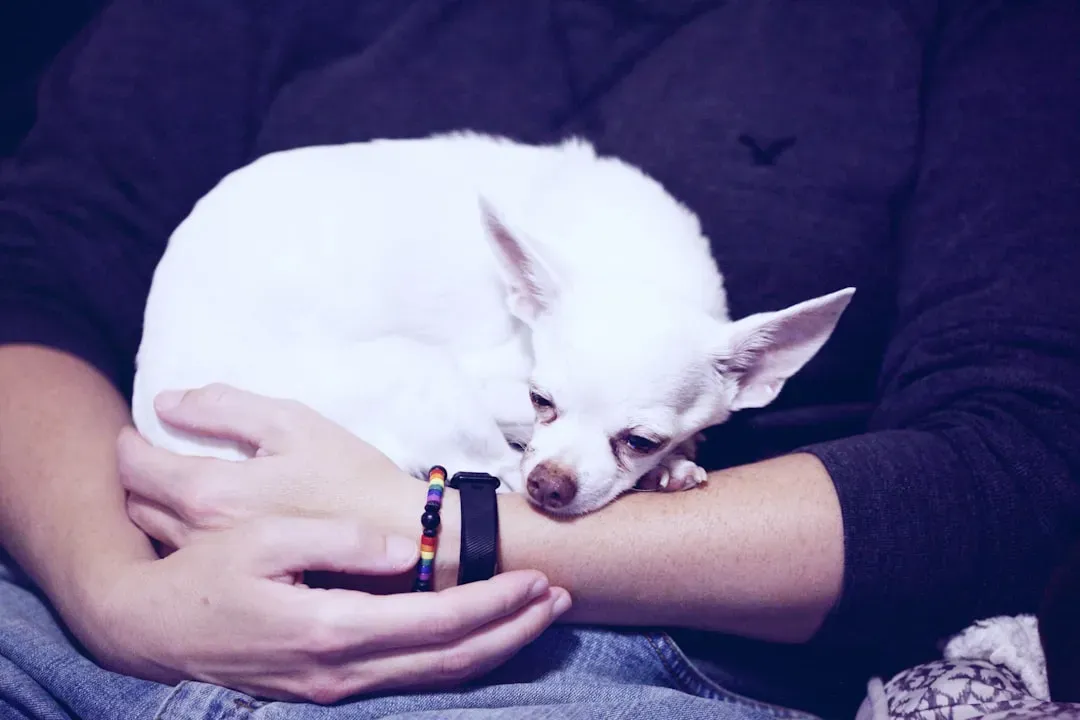
This is the one specialists really hate talking about, because there’s no comfortable explanation. Again and again, people with rescue dogs report the same unsettling pattern: in the last days, or even hours, of their life, some dogs change their behavior in ways that feel like preparation. Not just getting weaker, but acting deliberate.
Rescue workers describe dogs making one last slow lap of every room, smelling each family member’s bed, or seeking out the one person they were always distant with, as if closing a loop. Others insist on being outside under a certain tree, or suddenly tolerate being held after years of avoiding close restraint. We know bodies shut down and behavior shifts as a result. But there’s an added layer people who witness it never quite shake: it feels intentional, like a silent goodbye. No one can prove dogs understand death the way we frame it. Yet in rescue after rescue, the end rarely looks random. It looks, uncomfortably, like awareness.
The Bottom Line
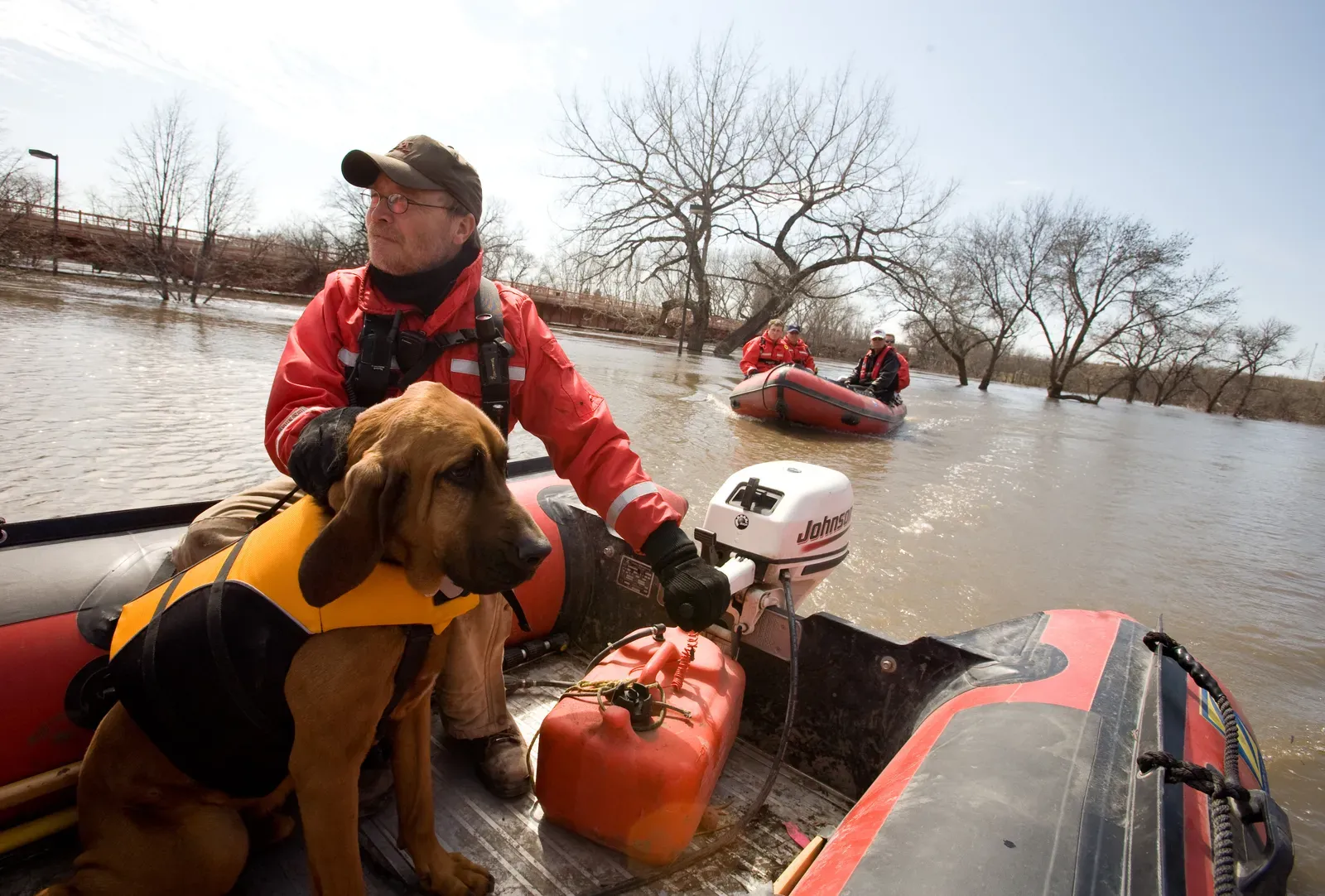
Rescue dogs are not projects we “fix.” They are complex, relentlessly observant beings whose abilities routinely outrun our best explanations. From the way they map our houses overnight to how they call out our fake “I’m fine,” these dogs keep showing skills that standard behavior charts smooth over or flat-out ignore.
Most people still talk about rescues like damaged goods. That framing is outdated and, frankly, a little insulting to the animal in front of you. In practice, they’re often the most adaptive, emotionally literate creatures in the room, and sometimes the only ones willing to notice what we’re really feeling underneath the performance we put on for everyone else.
You don’t have to romanticize them into angels. But you also can’t reduce them to trauma cases and training protocols, because the data simply doesn’t cover everything they do. Which of these abilities have you actually watched a rescue dog pull off – and which one do you still, honestly, refuse to believe?