
17 Behaviours a Shelter Dog Offers the Volunteer Who Visited More Than Once and No Other Person
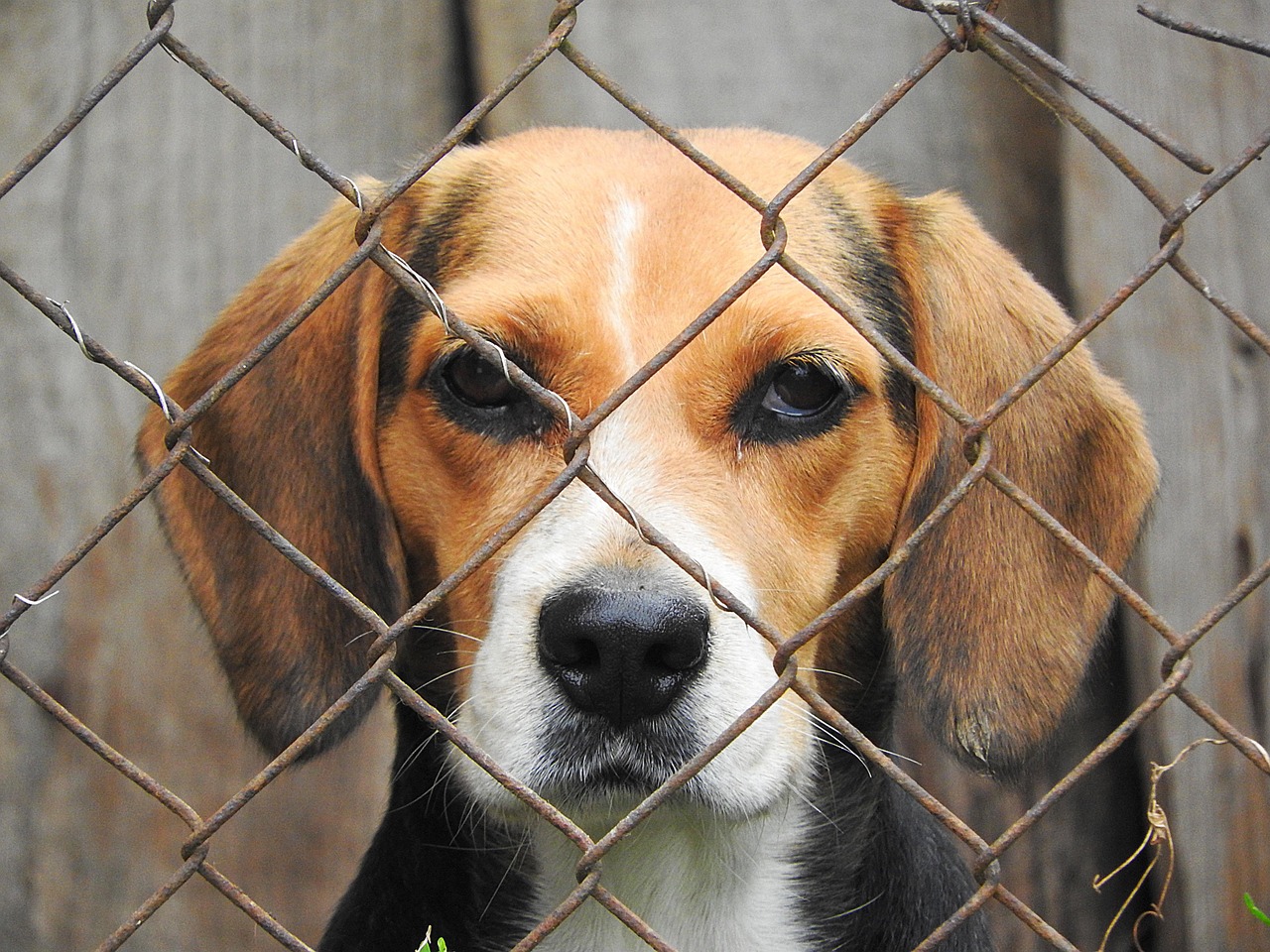
Most people assume every shelter dog treats every visitor the same, tail wags and all, as long as there’s a treat involved. Long-time volunteers and shelter behaviorists know that’s not even close to true. Dogs figure out fast who’s just passing through for a photo op, and who actually keeps coming back.
Once a dog realizes you’re not a one-time visitor, something shifts, and it’s a shift almost nobody else in the building will ever get to see. Some of these changes are subtle. Others are the kind of heartbreakingly obvious moment that makes a volunteer tear up in a hallway. Here’s what actually happens, one visit at a time, when a shelter dog quietly decides you’re the person worth waiting for.
#17 – The “You Again?” Tail That Starts Mid-Visit… Then Starts at the Door
Most visitors get a polite wag the second they step into the kennel row. It’s generic. It’s for anyone with a pulse and a treat pouch.
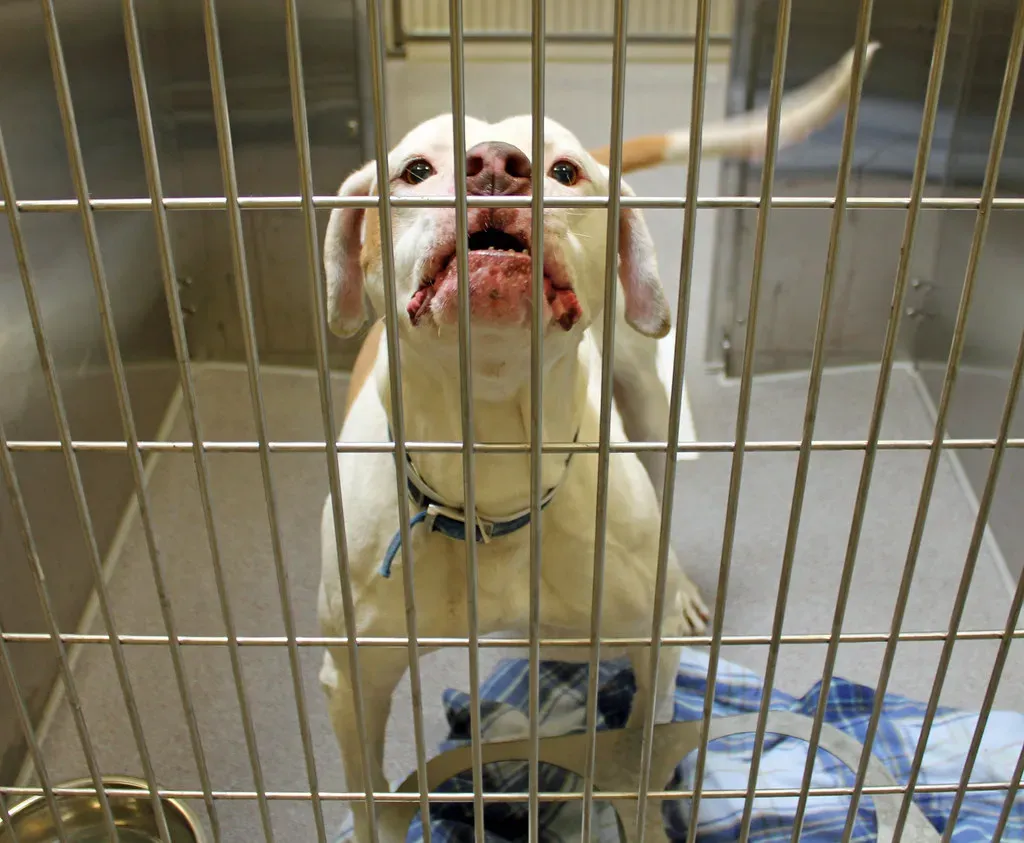
But after you’ve shown up a second or third time, plenty of dogs switch to something far more specific: they start saving their biggest, wildest tail wag just for you. At first it kicks in once you’re standing at the kennel door. The more consistently you show up, though, the earlier that recognition starts firing.
Staff notice it constantly. A dog that barely lifted its head for strangers suddenly stands, stretches, and breaks into a full-body wag the moment your voice hits the hallway. That’s not random affection; it’s basic association and emotional memory doing exactly what it’s built to do. You became the one person whose presence has never ended badly, no needles, no restraint, no sudden exit, just walks, treats, and a calm tone.
You might not notice the difference until you watch how the same dog reacts to everyone else. The dog exploding with joy for you might stay flat, silent, or wary the second another visitor walks by. But #16 hits even harder.
#16 – The Quiet “Lean” That Says, “You’re My Safe Place”
Most people assume a nervous dog will lean on anyone willing to stand still. That’s not how it works. The slow, full-weight lean is almost always reserved for the one person a scared dog has quietly decided is safe.
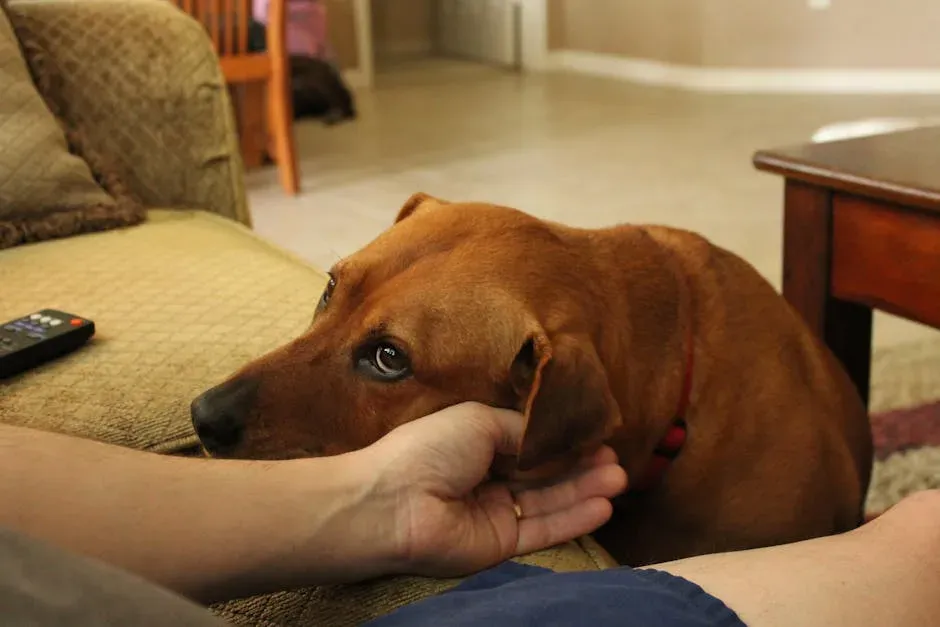
Once you’ve visited more than once, many dogs start testing this on you specifically, not on strangers. You’ll see it most in anxious or undersocialized dogs. On visit one they might pace or flinch from touch. On visit two or three, after the same predictable routine, we go out, we walk, we come back, nothing scary happens, you’ll feel it: that deliberate drift of their shoulder or hip into your leg.
They’re not just being cute. They’re outsourcing their nervous system to you, letting your steadiness do the work theirs can’t. Shelter staff sometimes joke that the lean is the unofficial adoption application.
They’ve watched the same dog shy away from adopter after adopter, then flatten itself against the one volunteer who kept coming back. People love to call it “the dog choosing you,” and while that’s not magic, it is real, measurable trust. Still, #15 goes somewhere even more bittersweet.
#15 – The “Volunteer-Only” Zoomies That Never Show Up on Meet-and-Greet Day
Everyone wants to meet the happy, playful version of a shelter dog. The brutal truth is that a lot of them are too shut down, too overstimulated, or too scared to ever show that side to a stranger.
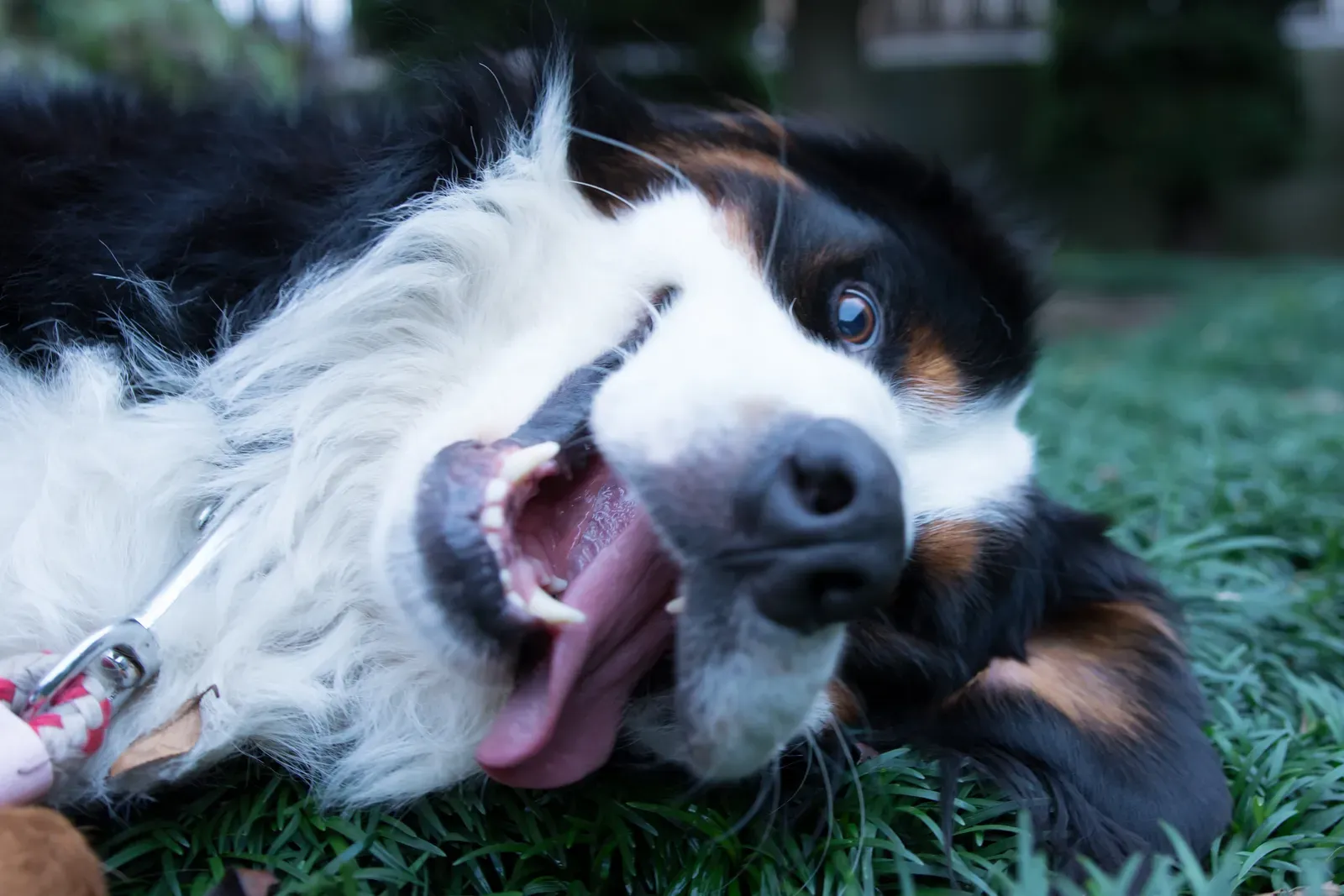
But once you’ve shown up several times, you’ll often unlock something nobody else in the building gets to see: the ridiculous, uninhibited zoomies that only happen when it’s just the two of you. On early visits, the dog might move stiffly, sniff obsessively, or just pull at the leash.
Then one day, in the same yard, with the same routine, they suddenly explode into big looping circles, play bows, and goofy side-hops, and they only do it once the gate closes and it’s just you there. To someone walking in off the street, that same dog still looks shut down and unremarkable.
This is where it gets quietly tragic. Adopters will say, “we want a dog that’s already playful,” never realizing the dog they just walked past has already shown that exact joy, just not for them. Volunteers end up seeing two different animals: the flattened, polite version everyone else meets, and the chaos goblin who trusts them enough to look completely ridiculous. #14 is where that trust starts turning into something else entirely.
#14 – The Way They Start Ignoring Everyone Else When You’re Nearby
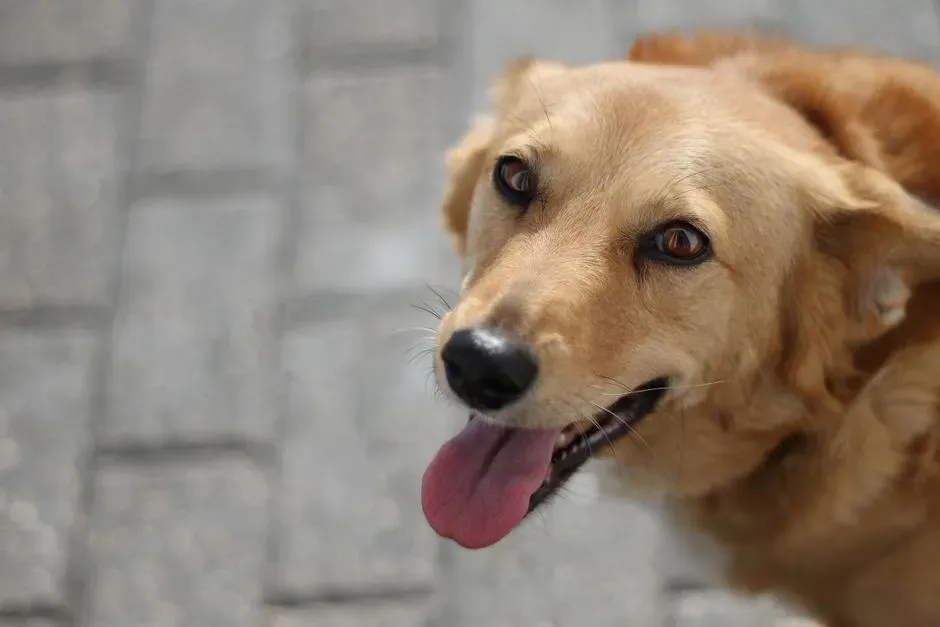
Most visitors assume a dog that runs to the front of the kennel for them is “bonding.” In reality, a lot of dogs are just desperate for any contact at all, from anyone.
The more often you show up, though, the more many dogs start treating everyone else as background noise the second you’re around. Watch closely early on: a dog might ping-pong from person to person, jumping at every passing human. After a few sessions with you specifically, something shifts.
Someone else might clap, whistle, or baby-talk at the gate. Instead of sprinting over, that same dog flicks an ear, glances at them, and then looks back at you, waiting for your signal instead. That’s selective attention, and it’s learned, not accidental.
Behaviorists point out that dogs naturally prioritize whoever gives them consistency over chaos. You walk them the same way, talk the same way, put them back the same way, and that predictability quietly outranks a stranger holding treats. The uncomfortable part is that sometimes a dog will flat-out snub a potential adopter because they’re laser-locked on you instead. #13 shows up somewhere you’d never expect to look.
#13 – The New, Softer Eyes That Don’t Show Up in Intake Photos
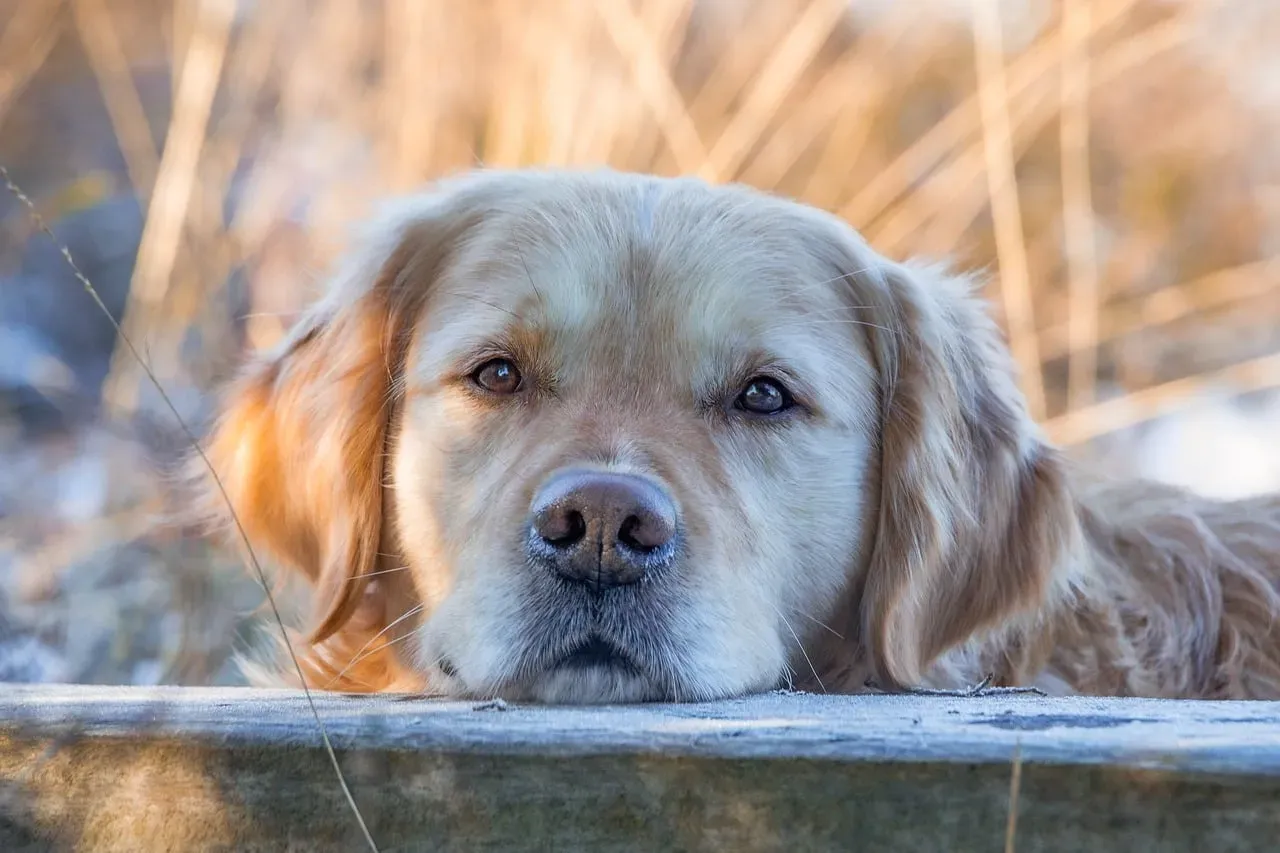
Intake photos and early kennel pictures often show what shelter staff call “hard eyes,” wide, glassy, hyper-vigilant. Scroll any shelter’s adoption page and you’ll see it on nearly every profile.
But once the same dog has had a handful of calm, repeat interactions with one volunteer, that same face can genuinely look like a different dog when it’s you behind the camera. The brow softens instead of furrowing. Blinks get slower, less startled. The dog starts offering tiny sideways glances paired with a relaxed, loose mouth.
Quick Compare
| Signal | With a New Visitor | With Their Trusted Volunteer |
|---|---|---|
| Eye contact | Wide, wary, avoidant | Soft, brief, relaxed glances |
| Blink rate | Fast, startled | Slow, easy blinking |
| Mouth | Tight, closed | Loose, slightly open |
| Body | Braced, stiff | Loose, weight settled |
Importantly, this shift doesn’t always happen around staff doing medical checks or cleaning, even familiar staff. It’s not about familiarity alone, it’s about positive predictability specifically tied to you. Your presence has never once led to restraint, needles, or loud chaos, so the eyes soften first, often before the tail or body language even catches up.
This is exactly why volunteers quietly send their own phone pictures to the adoption team. They know the dog’s real expression, the one that might actually get it adopted, only shows up when a trusted face is holding the camera. #12 is where that trust turns almost physical.
#12 – The Way They Start Copying Your Pace and Movements
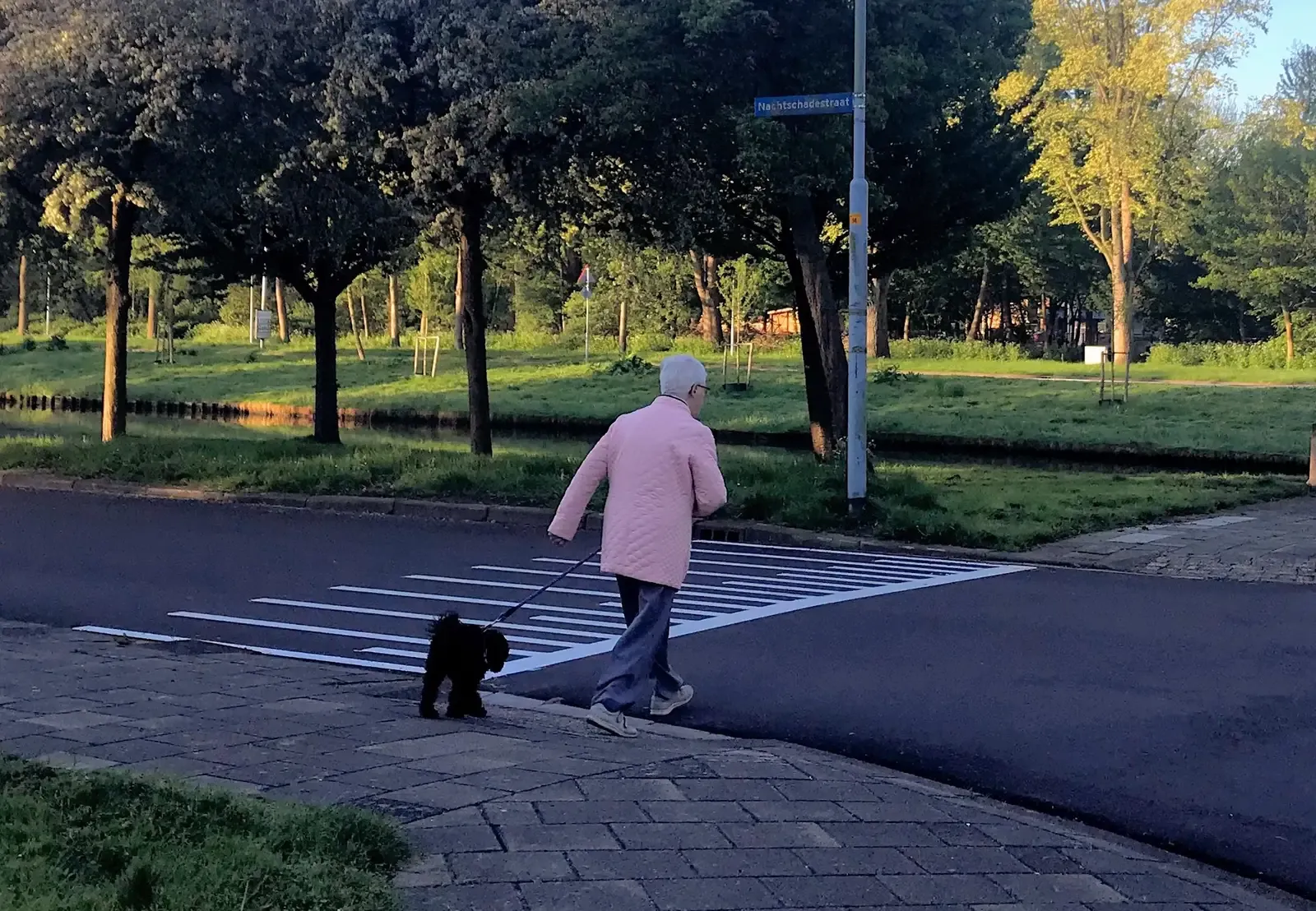
A lot of casual visitors assume leash pulling is just “how the dog is.” Regular volunteers know better. After a handful of walks with the same human, many dogs start subtly syncing to that person’s pace, and they don’t necessarily do it for anyone else yet.
The pattern usually builds in stages. Visits one and two, the dog drags, zigzags, or slams to a stop at every smell. Visits three through five, they start checking in more, glancing back, shortening the leash themselves without being told.
By visit six or beyond, they naturally adjust when you slow down or speed up, often with zero explicit training involved. Treats and handling matter, sure, but consistency matters more, because the dog has learned you’re never going to yank, jerk, or go randomly tense on them.
Staff will sometimes comment, “he only walks nicely with you,” which is flattering and a little painful at the same time, since it means that calm hasn’t generalized to anyone else yet. People love the idea of a dog “choosing” them, but they rarely notice how much work the dog is quietly doing to learn its person. #11 proves that trust even has its own sound.
#11 – The Special Greeting Noise They Don’t Use on Anyone Else
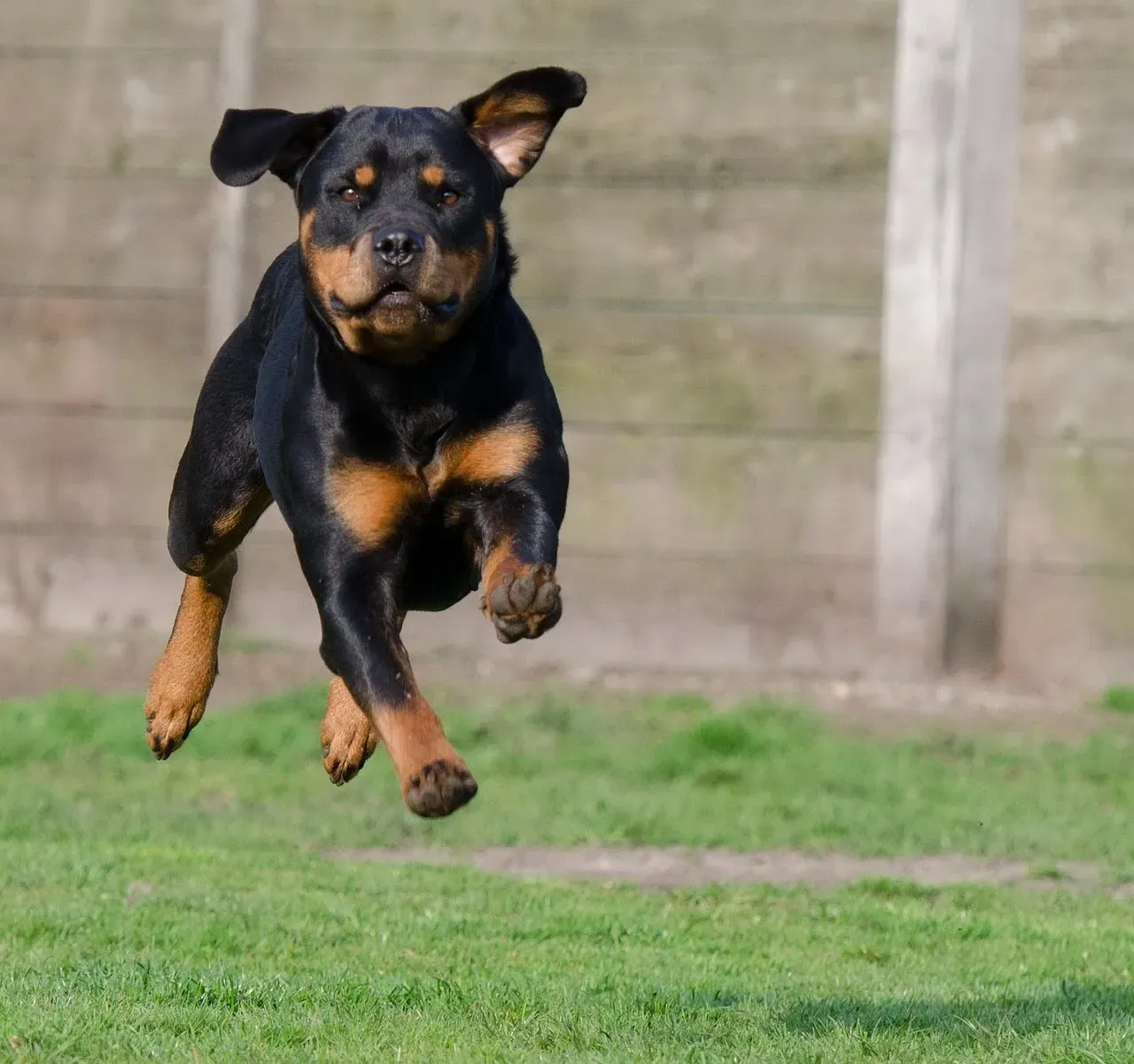
Most dogs bark in a shelter. Some whine. A few go completely silent and shut down. But visit often enough, and you’ll notice something strange: a dog that had one generic kennel bark suddenly develops a specific sound it uses only when it sees you.
It might be a high-pitched yip, a weird half-howl, or a soft “woo-woo” you never hear at any other time, from anyone. Shelter workers see this constantly. A dog that’s mostly quiet will, the second a familiar volunteer walks in, start vocalizing like it’s narrating an entire conversation.
To everyone else, that same dog stays shut down or reactive. To you, it sounds like they’re giving a TED Talk. Is this reading too much into it? Not really, dogs are experts at association.
You show up, good things happen, and they start pairing your specific footsteps, scent, and voice with a predictable, safe pattern. Over time that turns into a distinct vocal hello, and sometimes an equally distinct frustrated whine the moment they see you leave. #10 gets even more physical than that.
#10 – The Sudden Comfort With Touch in “Forbidden” Zones
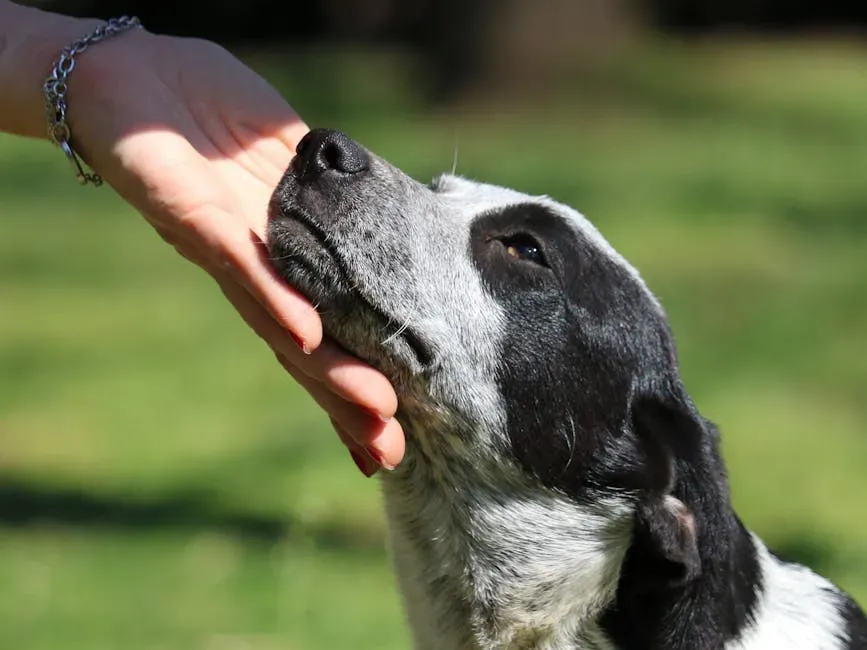
One of the most striking shifts long-term volunteers notice involves handling. At intake and during early visits, many shelter dogs flinch or freeze the second anyone touches sensitive areas: paws, tail base, collar, belly.
Yet after enough calm, repeat sessions, the same dog will suddenly tolerate, or even seek out, that exact contact from their regular volunteer. What’s wild is how selective this gets. A dog might roll over and offer you their chest and belly, then snap upright the instant a new person reaches in the same way.
Or they’ll let you lift a paw to check a nail, but yank away from a vet tech doing the identical motion cold. That’s not the dog “being dramatic.” It’s textbook trust, built one slow, predictable rep at a time, because you never once pushed past their threshold.
Their nervous system quietly filed you under “safe hands.” Someone who rushes, corners, or restrains without that shared history simply doesn’t get the same pass. Ironically, adopters often never see this side during a ten-minute meet-and-greet and walk away assuming the dog is “too skittish,” while you’ve already watched what they’re like once they decide someone is safe. #9 shows just how much they’re reading you back.
#9 – The Way They Start Checking Your Face for Answers
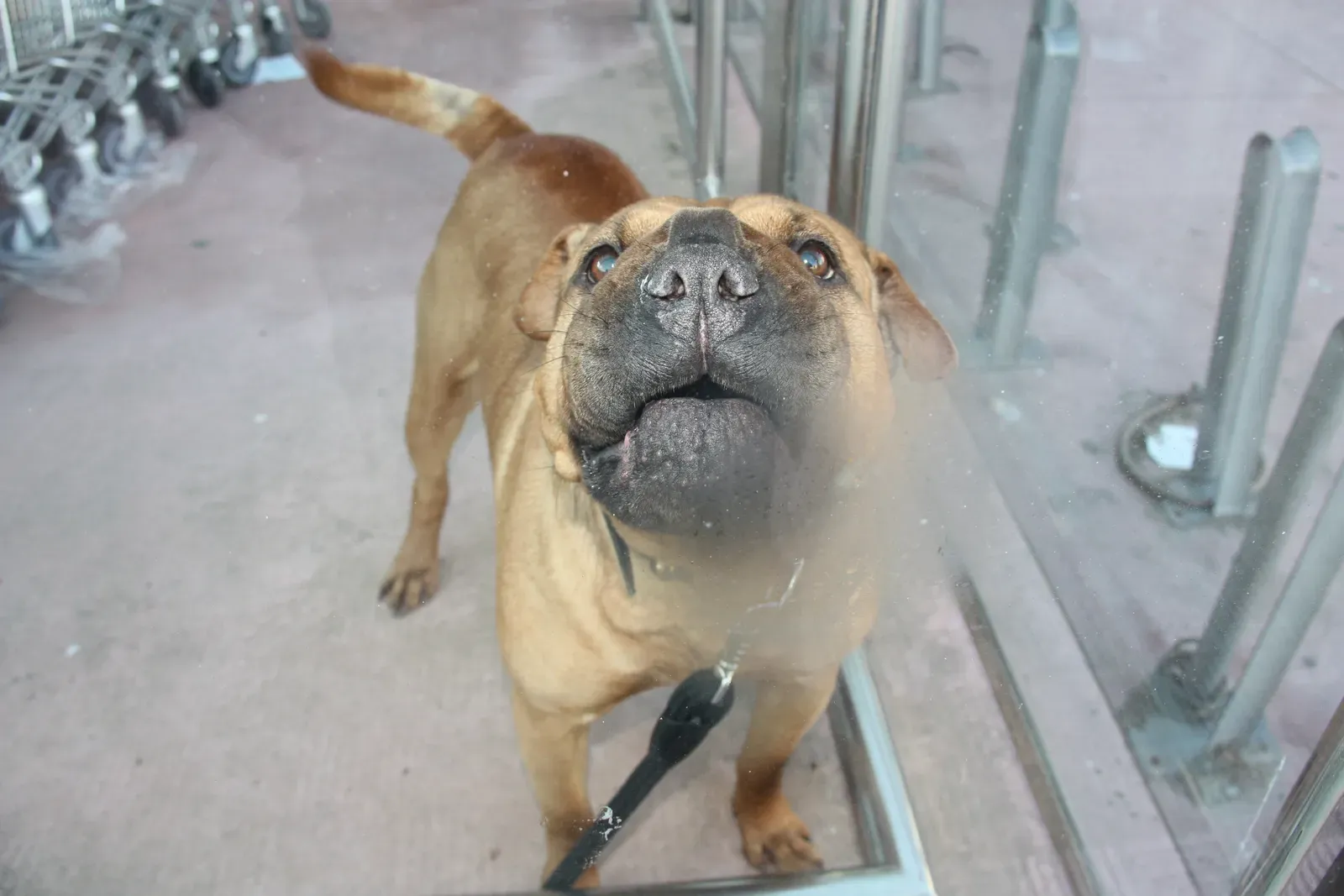
Most people underestimate how closely dogs read human faces. In a loud, chaotic shelter, a lot of dogs avoid eye contact altogether just to cope. Then, once you’ve become a repeat visitor, they start scanning your expression every single time something confusing happens.
A door slams. Another dog explodes into barking. A cart rattles down the hall. Instead of spiraling into panic, the dog glances straight at you, silently asking, is this bad? If your face stays relaxed and your voice stays casual, you’ll often watch their body decompress within seconds.
Fast Facts
- Dogs routinely check human facial expressions for cues, a process often called social referencing.
- A calm tone and relaxed posture can visibly lower a stressed dog’s tension within seconds.
- Repeated, predictable exposure to the same person speeds up trust far more than one-off visits.
- Dogs that regularly check in with a trusted human tend to explore more freely and recover from stress faster.
Shelter staff frequently notice that with “their” volunteers, dogs recover from stress faster and explore more freely. That’s not a coincidence, that’s co-regulation. You’ve become their emotional thermostat.
The rest of the world can be total chaos, but if your eyes say we’re fine, they start to believe it. It’s exactly this behavior that later gets described as “Velcro dog” in a forever home. The difference is, you watched the blueprint being built back in the kennel run. #8 reveals a side of trust most adopters are warned to avoid entirely.
#8 – The Half-Hearted Resource Guarding That Quietly Disappears Around You
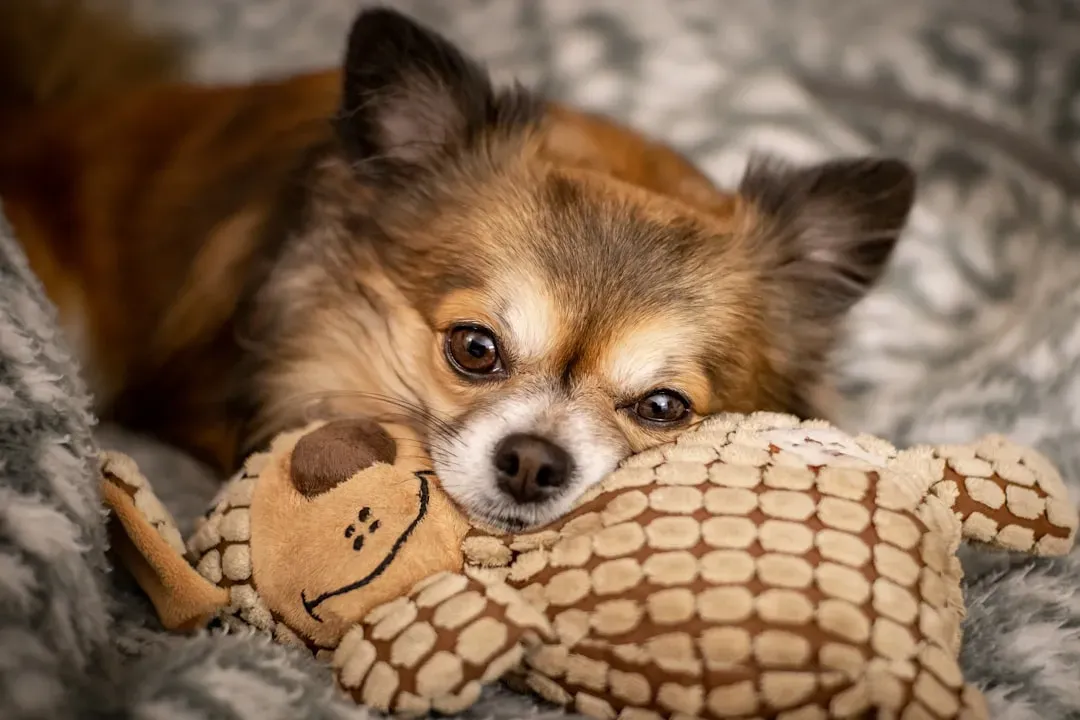
Resource guarding, growling over food, toys, or chews, is a legitimate red flag for adopters, and it should be. But here’s something most people never witness: a dog that guards intensely with strangers can, over a few consistent, pressure-free visits, noticeably soften that behavior with the one volunteer they trust.
To be clear, you don’t “love it out of them,” and you should never test or provoke it to find out. What actually changes is the baseline. With you, the dog learns you never rush their bowl or snatch their toy, good things happen when you’re near their resources, and you consistently walk away instead of challenging them.
Over time, intense guarding might soften into a side-eye and a quiet chew. Or they’ll pause, glance at you, and resume eating instead of stiffening up. Try the exact same approach as a brand-new person, and you might get the full growl right back.
This selective improvement is exactly why responsible shelters insist on proper behavior assessments instead of relying on one volunteer’s experience. But it’s also proof the dog isn’t “broken,” they’re just specific about who has actually earned their trust. #7 flips the whole dynamic around.
#7 – The Strange Way They Start Guarding You From the Kennel
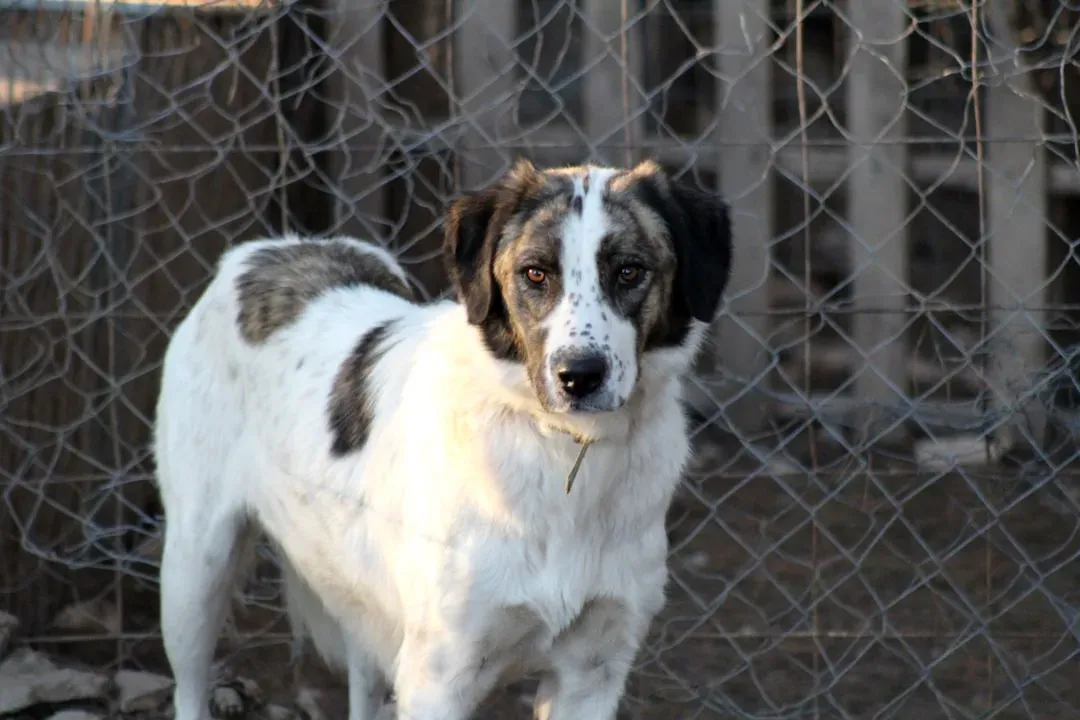
People love to romanticize the idea of a dog “protecting” them. In a shelter, that instinct can get messy fast. Once a dog decides you’re part of their tiny safe circle, some will shift from guarding objects to guarding proximity to you, especially near their own kennel.
You’ll notice it in small moments. Another dog passes, and your previously neutral pup stiffens or barks only when they’re standing right next to you. A stranger approaches you at the kennel door, and the dog plants itself between you and the gate. They relax the moment you step away, but stay tense if that other person lingers.
It can look flattering on the surface, but it’s actually a meaningful behavior note. They’re not “being noble,” they’re struggling with over-attachment and limited coping skills in a high-stress environment, and you became a resource worth defending.
Good volunteers take this seriously and flag it to staff instead of quietly enjoying it, because that protective streak needs managing before adoption, not encouraging. Still, the fact that they drew that line around you specifically says everything about how different your visits have become to them. #6 is proof they’ve memorized more than just your face.
#6 – The “I Know the Routine” Antics That Only Happen When You’re On Duty
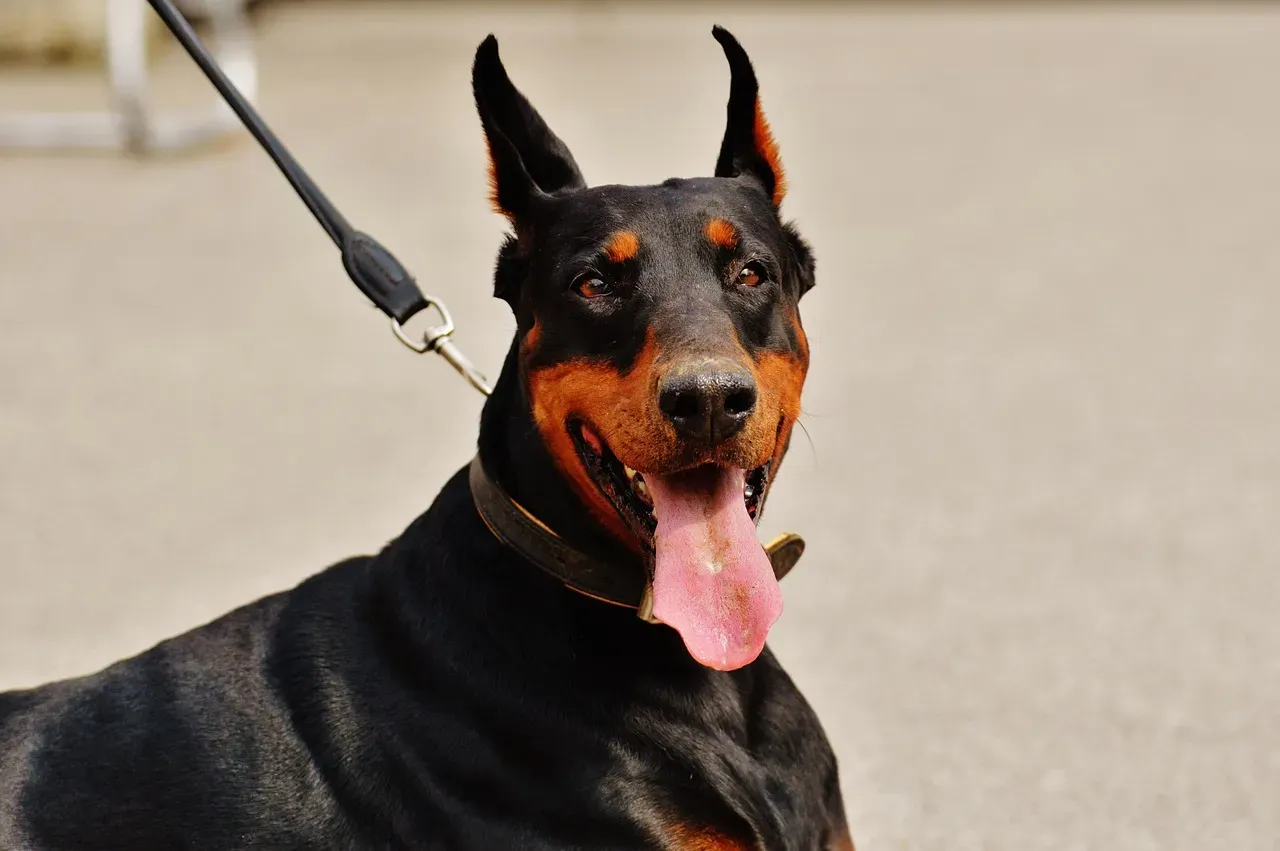
Routine is everything to a stressed dog. Once you’ve visited more than once, they start memorizing not just what you do, but exactly how you do it, and they only run that script when you’re the one holding the leash.
Maybe you always stop at the same patch of grass before turning left, sit on the same bench at the halfway mark, and give water from the same bucket before heading back inside. After a week or two, watch what happens the second you clip the leash on.
Your dog might drag you eagerly toward “your” bench, or stop dead at “your” sniffing spot, even when you’re actively trying to switch things up. Another volunteer can take that same dog out and get absolutely none of it.
Some people find this annoying, “he listens for you but not for me,” but it’s actually a huge compliment coming from a dog’s brain. They’ve carved out one small, reliable pocket of predictability inside total chaos, and you’re sitting right in the center of it. #5 is the moment volunteers say hits them the hardest.
#5 – The First Real Nap They Take in Front of a Human
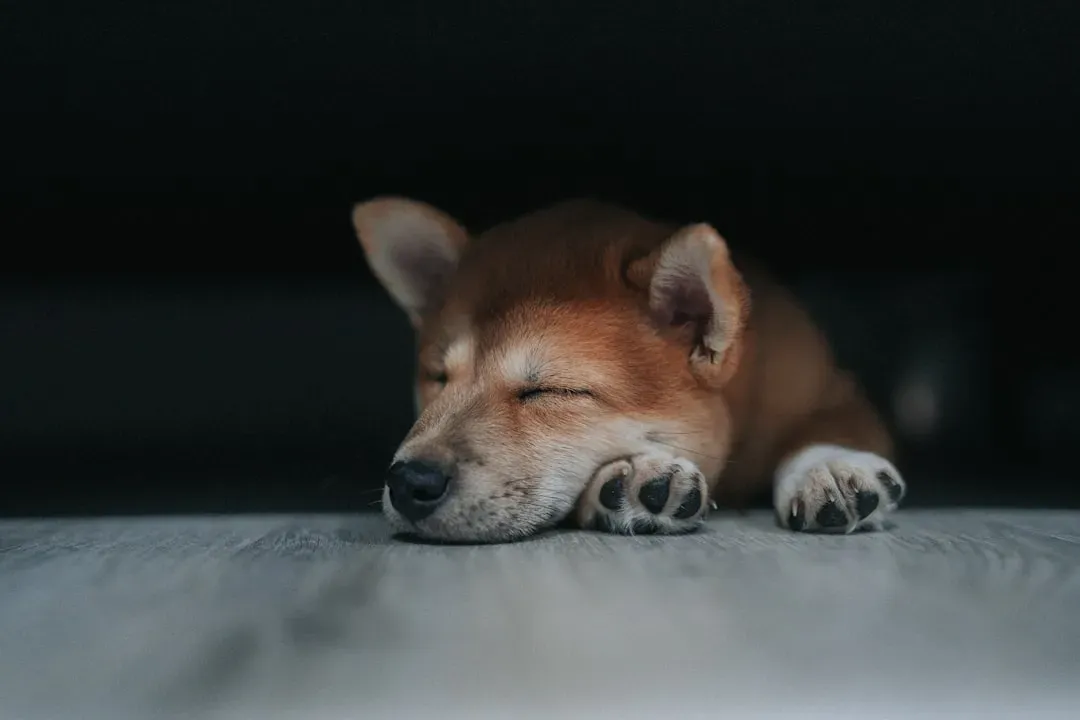
Shelter dogs sleep, but they rarely truly rest. There’s a real difference between collapsing from exhaustion and actually choosing to relax your whole body, close your eyes, and drift off while a human sits nearby.
That second version often doesn’t happen until a dog has watched the same volunteer repeat the same calm behavior across several visits. You’ll notice the micro-signs first: less pacing when you sit down, a longer and deeper sigh.
At a Glance: How Trust Usually Builds
- Visit 1: Cautious, distant, minimal eye contact
- Visits 2-3: Brief tail wags, tolerates closer contact
- Visits 4-6: Leaning, softer eyes, syncing your pace
- Visit 6+: Real naps, zoomies, selective recall, door-watching
Then, one day, instead of staying semi-upright and hyper-alert, they flop onto their side, tuck their legs, and let their breathing settle into a slow, steady rhythm, with you still sitting right there.
For a lot of volunteers, this is the moment that actually gets them. The dog that never stopped scanning the door has finally decided you’re safe enough to let their guard all the way down. Try the same thing with a stranger hovering at the gate, and you’ll usually watch them pop right back up. In a place where every sound could mean a move, a fight, or a procedure, falling asleep next to you is the closest thing a shelter dog has to handing over its armor. #4 is where that trust starts talking back.
#4 – The Selective Recall That Only Works on Your Voice
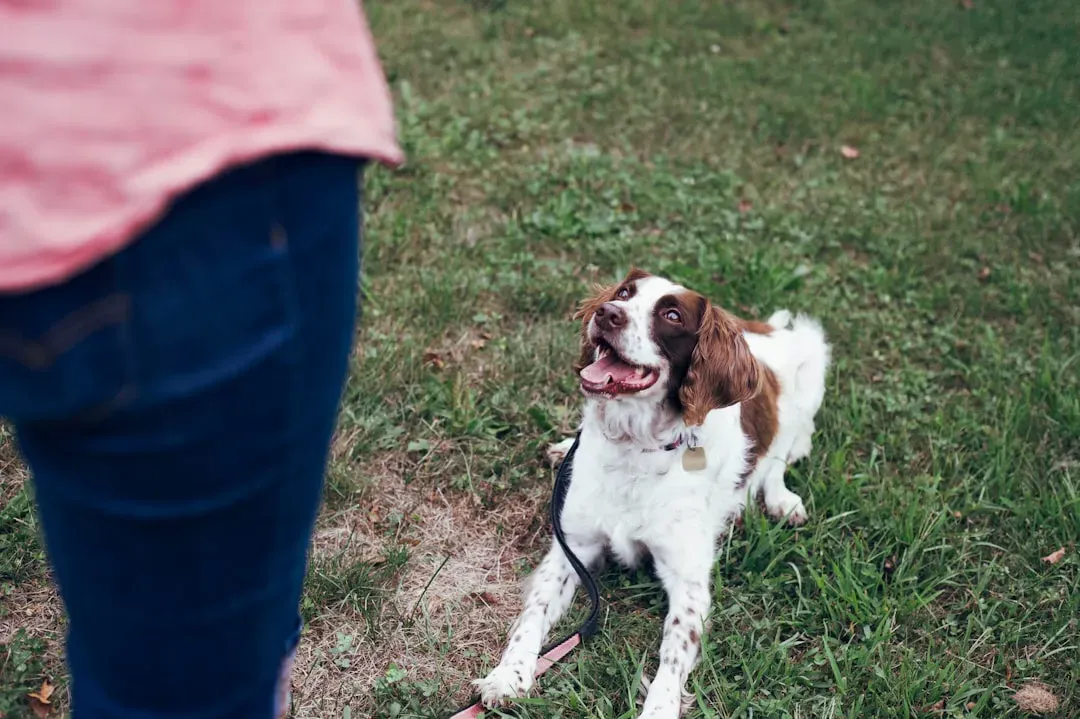
Ask any regular volunteer and they’ll tell you: there’s always that one dog who “doesn’t come back” for anyone else, and then wheels around at full speed the second they hear one specific person call their name. Recall in a shelter yard is often volunteer-specific, not dog-specific.
Why? Because recall was never really about the word, it’s about the history behind it. With you, the dog has learned that coming when called means a predictable tone and body posture, no sudden grabbing or leash popping, and often an extra treat or a few seconds of calm affection.
Other people might shout, chase, or sound tense, especially if time is short, and the dog reads every bit of that. So they “ignore” those calls, then sprint in gleefully the moment your calm voice shows up instead.
This is where online narratives get it backwards. People love saying, “he only listens to me because I’m special.” The less romantic, more honest truth is that you built a pattern that made coming back worthwhile and safe, while in the dog’s eyes, everyone else is still an open question. #3 is the one that quietly breaks volunteers.
#3 – The Desperate Pause at the Door When You Have to Leave
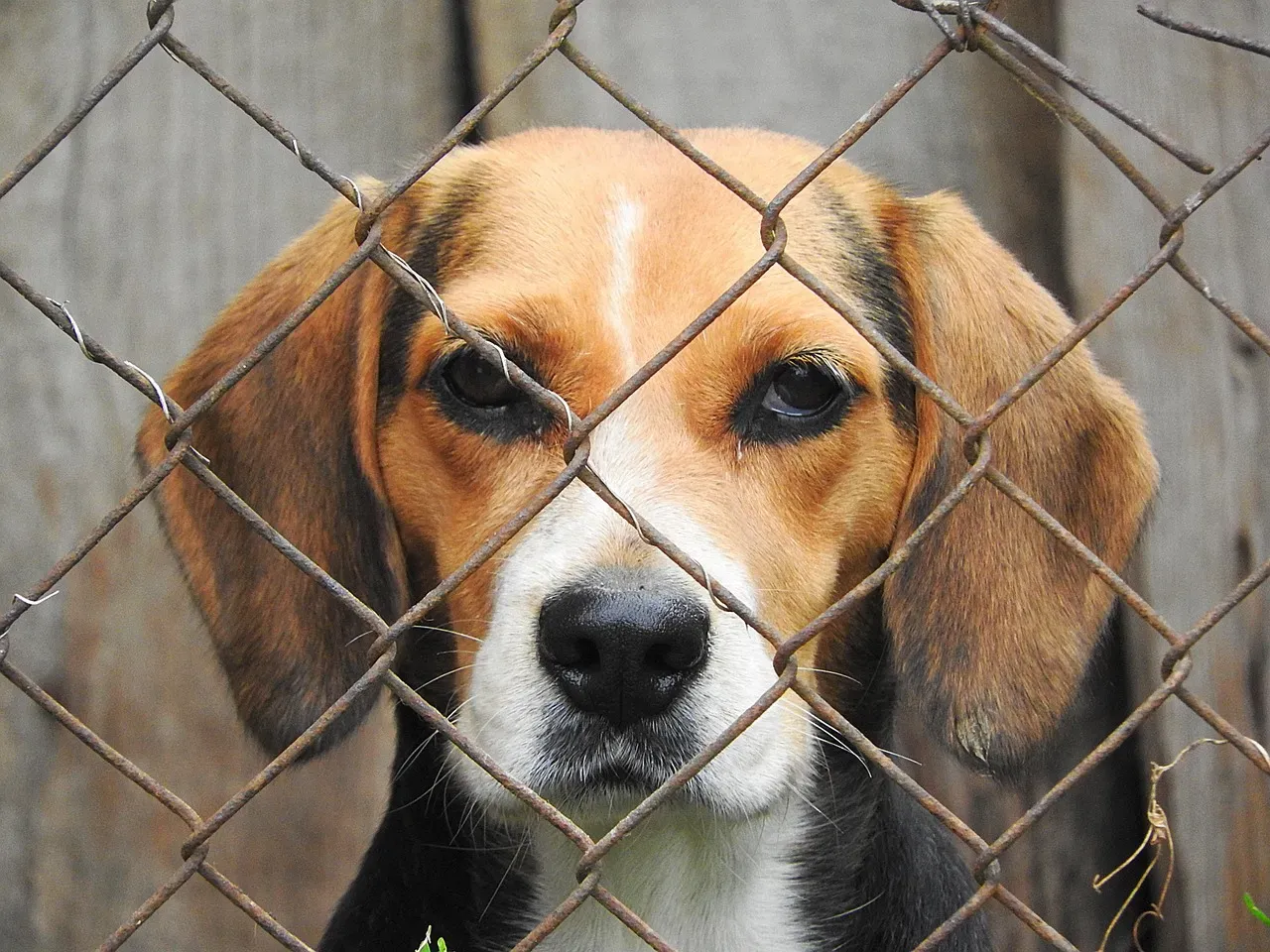
One behavior hits volunteers harder than almost anything else: the way a dog, after finally bonding with them, hesitates at the kennel door as if stalling the inevitable goodbye. They didn’t do this on day one. They do it now, because they finally understand the routine.
Here’s how it usually unfolds. On early visits, the dog zooms straight back inside the second the door opens, because the kennel is the familiar part. Later, once walks with you have become the best part of their entire day, that same dog plants all four paws right at the threshold, looks back at you, and lingers.
They sniff, they circle, they lean into you one more time. They’re not confused, they’re delaying the part where you disappear again.
To staff, it’s a bittersweet sign. The dog has finally found comfort in a human, but that comfort ends the second visiting hours are over. It’s part of why some shelters quietly prioritize getting “volunteer-bonded” dogs in front of adopters faster, because that pause at the door can slide into real anxiety if it drags on too long. Still, that small, heartbreaking hesitation is 100% for you, not for any random visitor who happens to walk by. #2 is where the whole mask comes off.
#2 – The “Shelter Dog” Mask That Drops the Second You Walk In
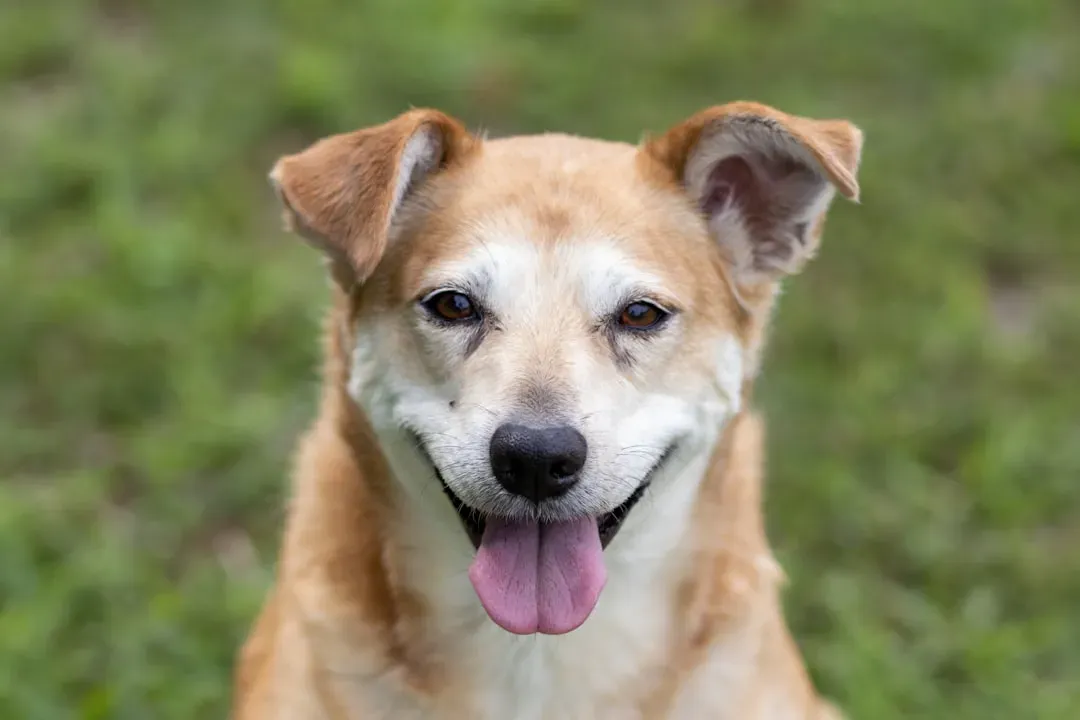
Many dogs wear a kind of mask inside the kennel, a public persona that’s part coping mechanism, part self-protection. They might look hyper, shut down, “reactive,” or eerily still. Spend enough repeat time with the same dog, and you’ll sometimes witness a transformation that only ever activates in your presence.
Staff see it constantly. A dog that spins and barks nonstop at the front of the kennel for strangers will quietly retreat to the back, tail wagging gently, the second you appear. Or it works the opposite way, the dog that hides from everyone else bounds straight forward and brings you a toy it never shows another soul.
What’s actually happening is context-specific behavior, and you are the context. With you, the dog has experienced a repeated pattern of safety: no harsh handling, no raised voices, no unpredictable demands. So their nervous system finally lets them access their “home version” for a few minutes, playful, curious, affectionate.
It’s why you can honestly tell adopters, “he’s different outside the kennel,” and mean every word of it. You’ve seen the real dog underneath. Almost nobody else in that building ever will. And #1 is the one that quietly gets under every volunteer’s skin.
#1 – The Subtle, Devastating Way They Start Watching the Door For You
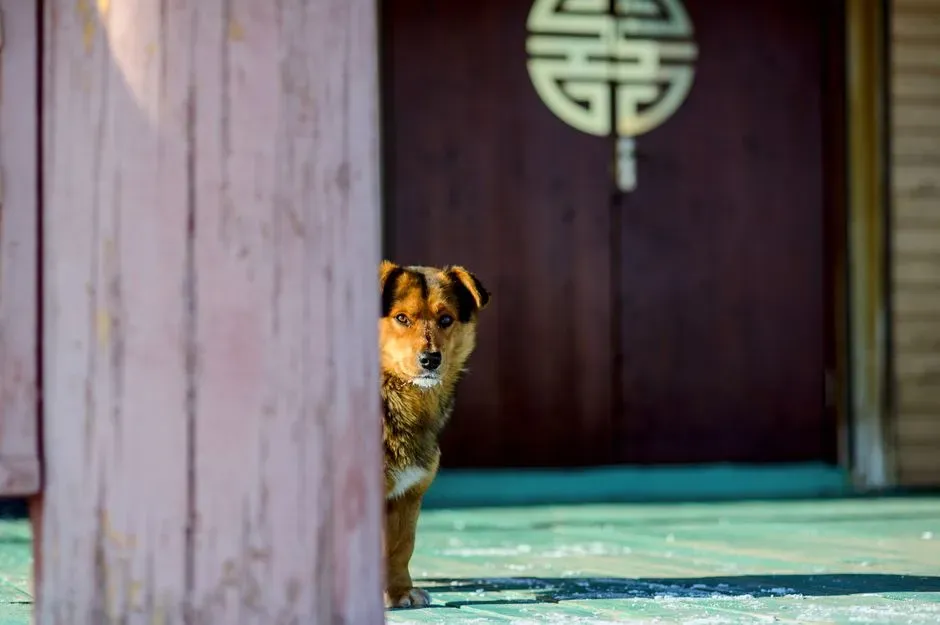
This is the behavior almost no casual visitor ever recognizes, but every seasoned volunteer can spot instantly: the dog that has quietly added “scanning for you” to its daily routine. Not for any human. For the one who actually comes back.
You’ll see it most clearly when you’re running late. The dog that used to sleep straight through visiting hours now pops up at every footstep that sounds even remotely like yours. They rush to the front of the kennel around certain times of day, then visibly deflate when it turns out to be someone else.
Staff will mention it almost in passing, “she’s been getting up more when people walk by your side of the hall.” It’s not magical, soulmate-level stuff, it’s pattern recognition tangled up with hope. You became the exception to their rule that people disappear.
In a place where animals are constantly arriving, moving, and vanishing, you were the rare constant. And here’s the honest, slightly heavy part almost nobody says out loud: when a dog starts structuring its entire day around waiting for one specific volunteer, that’s both a deep compliment and a real responsibility. You’re not just “someone who loves dogs” anymore. To that one dog, you’re living proof that not everyone leaves forever.
The Bottom Line
Shelter dogs don’t hand out trust like free samples. They ration it, test it, and, more often than not, save the deepest parts of themselves for the one person who bothered to show up twice.
The tail that only explodes for you, the lean that never happens for strangers, the zoomies, the softened eyes, the door-watching, none of it is random. It’s what happens when an animal living in constant uncertainty finally clocks one human as predictably, boringly safe.
Worth Knowing: How to Become a Shelter Dog’s Trusted Person
- Visit consistently, even briefly, rather than occasionally for long stretches.
- Keep your tone, pace, and body language predictable every single time.
- Let the dog set the pace for touch and closeness, never force it.
- Never test or provoke guarding behavior to see how the dog reacts.
- Treat small signs of trust, a lean, a soft glance, a nap, as real progress worth celebrating.
This isn’t a fairy tale about a dog “choosing” you. It’s a blunt reminder: if you want a different kind of dog to show up, you have to be a different kind of human first. Visit again. Be consistently, unglamorously reliable. Respect their limits. Let trust take exactly as long as it needs to take.
My honest opinion, after going through what volunteers describe over and over, is this: the dogs that watch the door aren’t broken or needy, they’re just finally allowed to hope again, and that hope is fragile enough to deserve better than a one-time visitor. So the real question isn’t whether shelter dogs are capable of this kind of loyalty. It’s whether you’re willing to be the person worth being loyal to.