
Animal Psychology Says When Your Dog Paws at Your Hand Repeatedly Without Breaking Eye Contact They Are Using the Most Direct Communication Signal in Their Repertoire – Not Manipulation
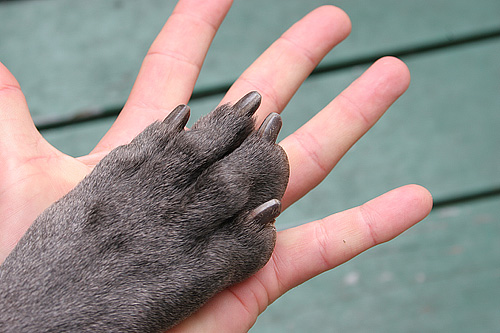
You know that moment: you’re trying to text, drink your coffee, or just stare into space, and suddenly there’s a paw on your hand… then another… and those eyes locking right into yours. It feels intense, almost like your dog is trying to telepathically beam a message into your brain. A lot of people laugh it off as their dog being dramatic, needy, or even manipulative. But animal psychology paints a very different, and honestly much deeper, picture.
When a dog repeatedly paws at your hand while holding eye contact, they are not running some sneaky emotional scam. They are pulling out one of the clearest, boldest communication tools they have. This is not subtle background noise in dog behavior; it’s more like a flashing neon sign that says, in dog language, “I am talking to you right now.” Once you start to see it that way, it stops being annoying and starts feeling a little bit sacred.
The Myth of the “Manipulative” Dog
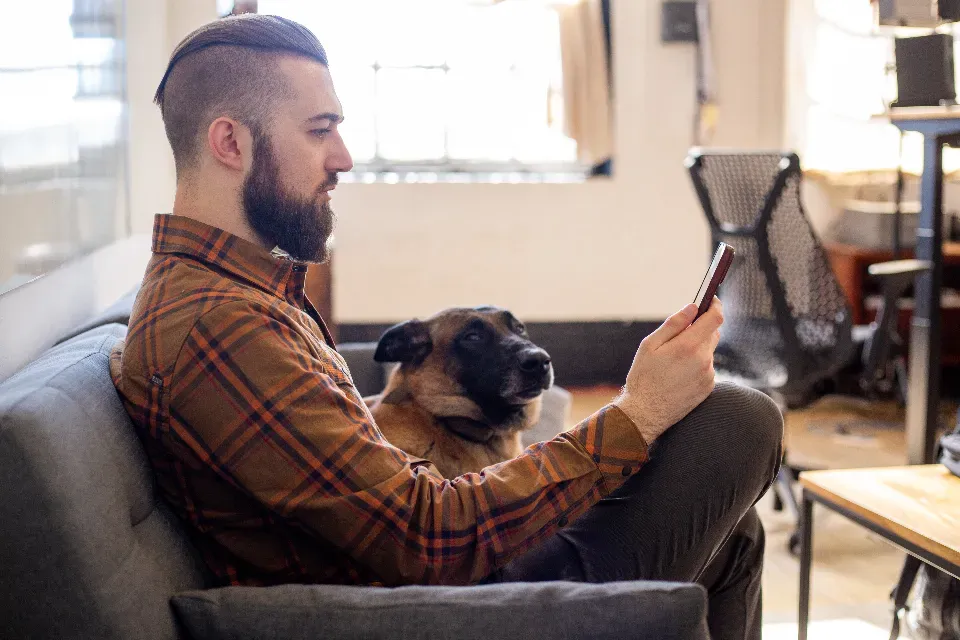
It’s surprisingly common to hear people say their dog is trying to manipulate them: manipulating them for treats, for attention, for a spot on the couch. That word sounds playful on the surface, but underneath it suggests intent to deceive, to trick, to control you in some sneaky way. When we slap the label of manipulation on a dog’s pawing and staring, we risk misreading a very honest emotional signal as something shady.
Dogs are incredibly good at learning what works with humans, but learning that a behavior gets a result is not the same thing as plotting. Your dog discovering that pawing your hand makes you look at them is like a toddler discovering that saying your name in a louder voice makes you turn around. That isn’t manipulation; that’s communication plus reinforcement. Seeing it through that lens makes the behavior feel less like a power struggle and more like a clumsy but earnest attempt to connect.
Why Eye Contact Plus Pawing Is Such a Big Deal
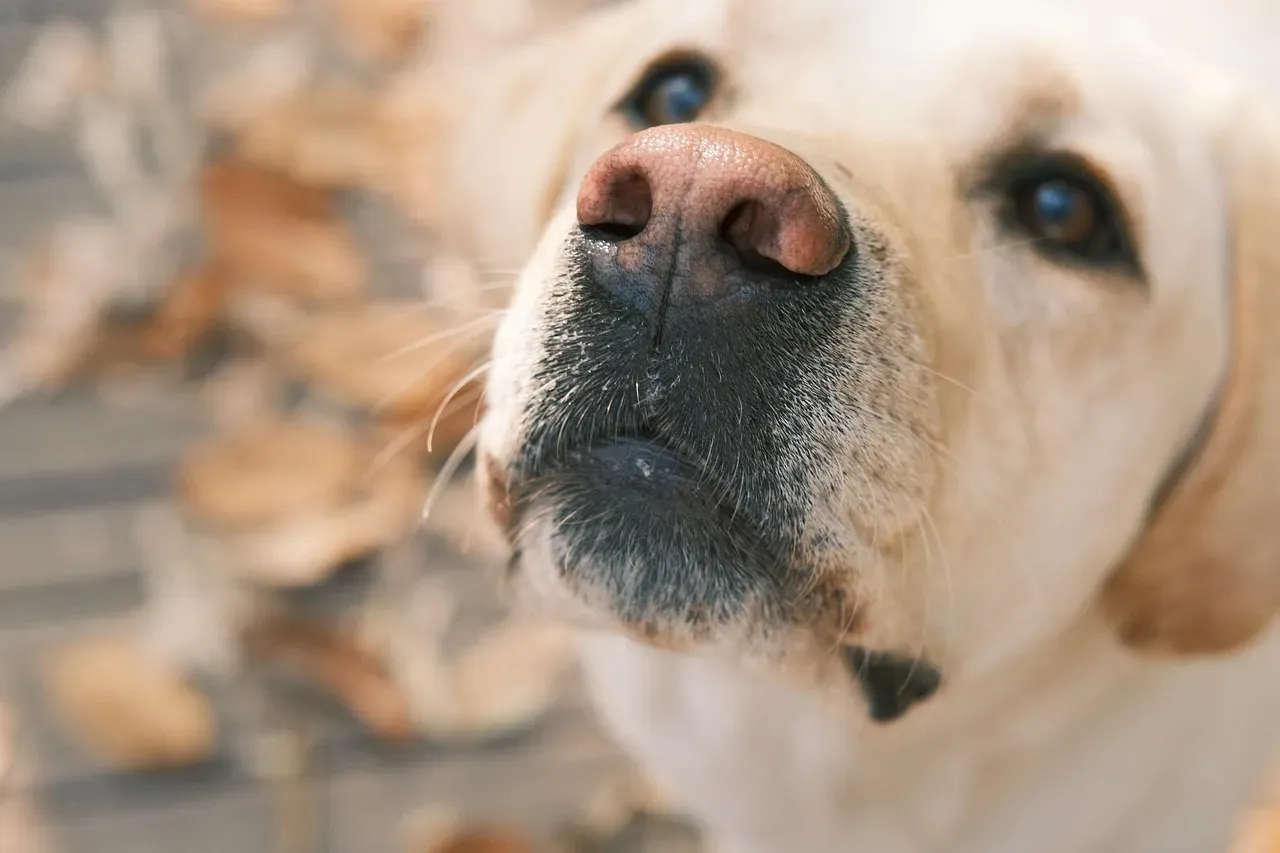
When your dog stares straight at you and paws your hand, you’re watching two communication channels firing at the same time: visual and tactile. In the canine world, direct eye contact is often a high-intensity move. Among dogs, staring can sometimes mean threat or challenge, but with humans, many dogs learn that soft, sustained eye contact is deeply rewarding and bonding. Add a physical touch – like a paw on your skin – and they’re basically underlining the message in bright red ink.
This combo of eye contact and pawing is not random. It’s a strategy that has worked over and over for your dog in your shared history together. Food appeared. The leash came out. You laughed and scratched their chest. The brain remembers. Over time, this becomes one of their most direct “buttons” to press for connection. Think of it less as your dog “working” you and more as your dog using their clearest, strongest way to say, “You. Me. Now.”
What Animal Psychology Actually Suggests They’re Saying
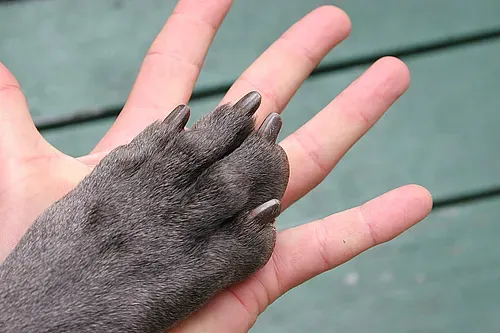
From a behaviorist point of view, repeated pawing with eye contact is usually about seeking something specific: attention, touch, play, comfort, or help. Dogs are masters at turning vague internal states – boredom, loneliness, unease – into external behaviors that get results. So that insistent paw might be your dog saying, in the only language they have, “I need you to notice something” or “I need you to notice me.” It is much closer to a heartfelt knock on the door than a con artist’s trick.
There is also an emotional weight behind this signal. Dogs that feel secure with their humans are more likely to be this direct. They have learned that reaching out to you, literally and figuratively, is safe and effective. Many nervous or shut-down dogs don’t dare to ask so boldly. So when your dog plants that paw on your hand and stares into your eyes, they are not just asking for something; they are revealing a strong belief that you matter and that you will respond. That is trust in action.
How This Behavior Develops: From Puppy Paw Swipes to Adult Signals
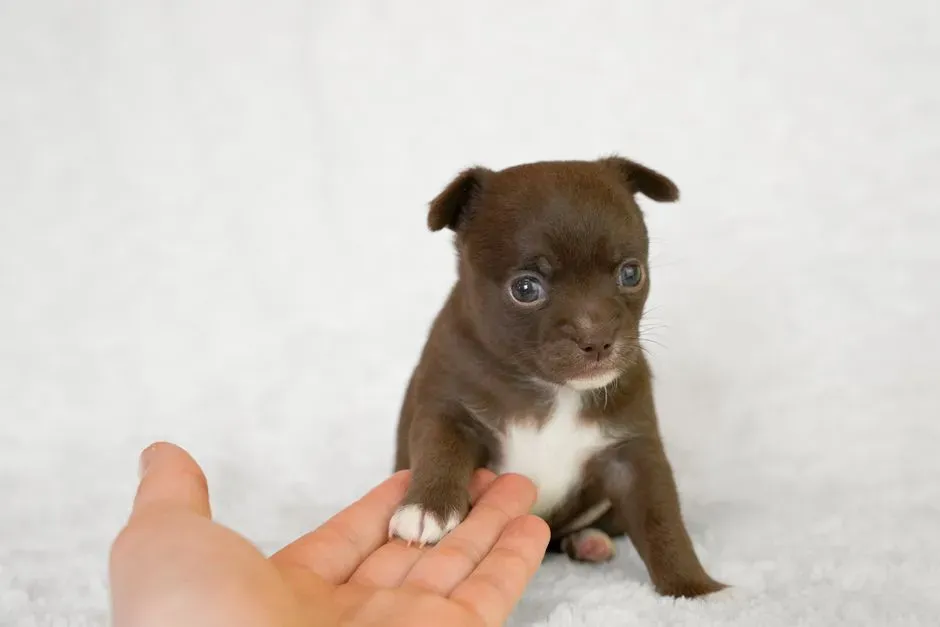
Think back to how puppies interact with their world: they paw at their littermates, at toys, at their mother. Pawing is one of the first motor patterns puppies use to explore and get reactions. When that same puppy moves into a human household, the rules change, but the paw remains. If pawing your leg or hand leads to laughter, verbal attention, or treats, the puppy’s brain quietly stores that connection and strengthens it over time.
As the dog matures, this “random” pawing becomes more targeted and deliberate, especially when paired with eye contact. Maybe it started as clumsy swats at your sleeve during play, and now it shows up during quieter moments: when you’re on the couch, when you’re sad, when you’ve been ignoring them too long. It evolves from a general “do something!” into a more focused “do something for me, right now, please.” This is learning, not manipulation – your dog discovering which of their natural movements can carry the clearest meaning in your shared language.
Emotional Context: It’s Not Always About Treats
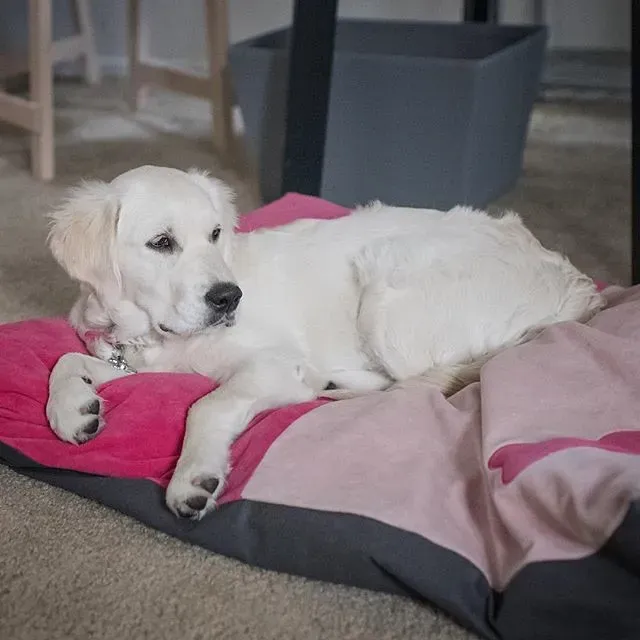
Sure, sometimes the paw is about snacks or play, but there are many times when the context screams something deeper. Dogs often paw and stare when their person is crying, stressed, or moving differently due to illness or fatigue. From an emotional standpoint, your dog is sensitive to changes in your body language, breathing, and scent. Pawing your hand while locking onto your face can be their way of checking in, asking for emotional clarity, or offering comfort the only way they know how.
I’ve seen dogs who would ignore a dropped piece of food but rush in to paw and stare the minute their person’s voice wavered. You can feel that difference in your gut when it happens. It doesn’t feel like begging; it feels like someone reaching out. That’s why reducing the behavior to “attention seeking” misses the real point. Of course it is attention seeking – connection always is. The real question is: what emotional need is sitting underneath that paw?
How You Respond Shapes the Meaning
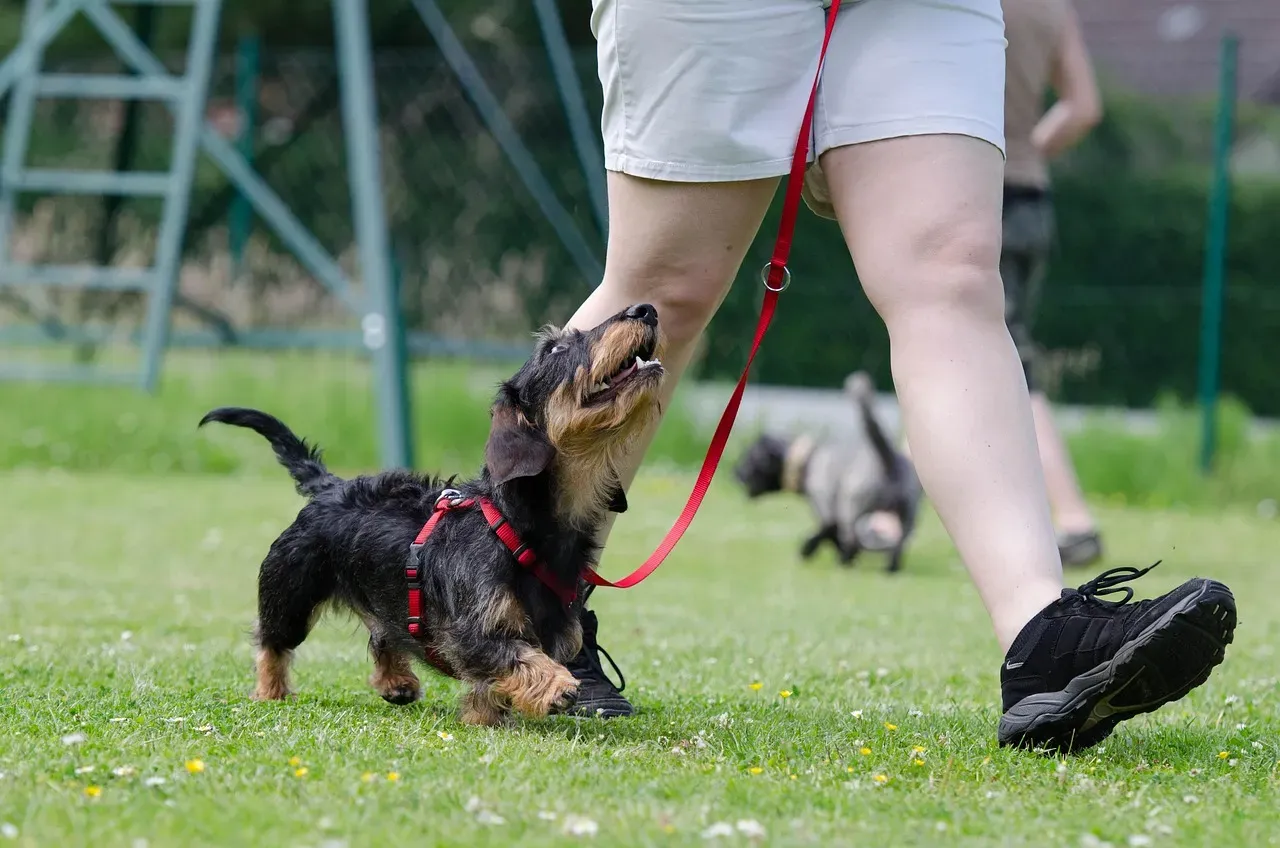
Here’s where our role becomes huge. Your reaction to that paw and eye contact teaches your dog what this signal means in your relationship. If you always respond by snapping, pushing their paw away, or ignoring them, the signal gets fuzzier and sometimes more frantic. The dog may escalate – more pawing, vocalizing, pacing – because the need is still there and the line of communication feels jammed. That can create a cycle of frustration on both sides.
If, instead, you treat that paw and gaze as a clear, honest question, you can respond in a way that builds trust and clarity. Maybe you say their name, make eye contact back, and give gentle petting. Maybe you lead them to their bed and give a chew toy. Maybe you stand up and take them outside. The point is, you are answering. Over time, your dog learns that this direct signal does not need to become chaotic to work. It becomes a calmer, cleaner moment of “you asked; I heard you.”
When Pawing Becomes Excessive: Communication Meets Boundaries
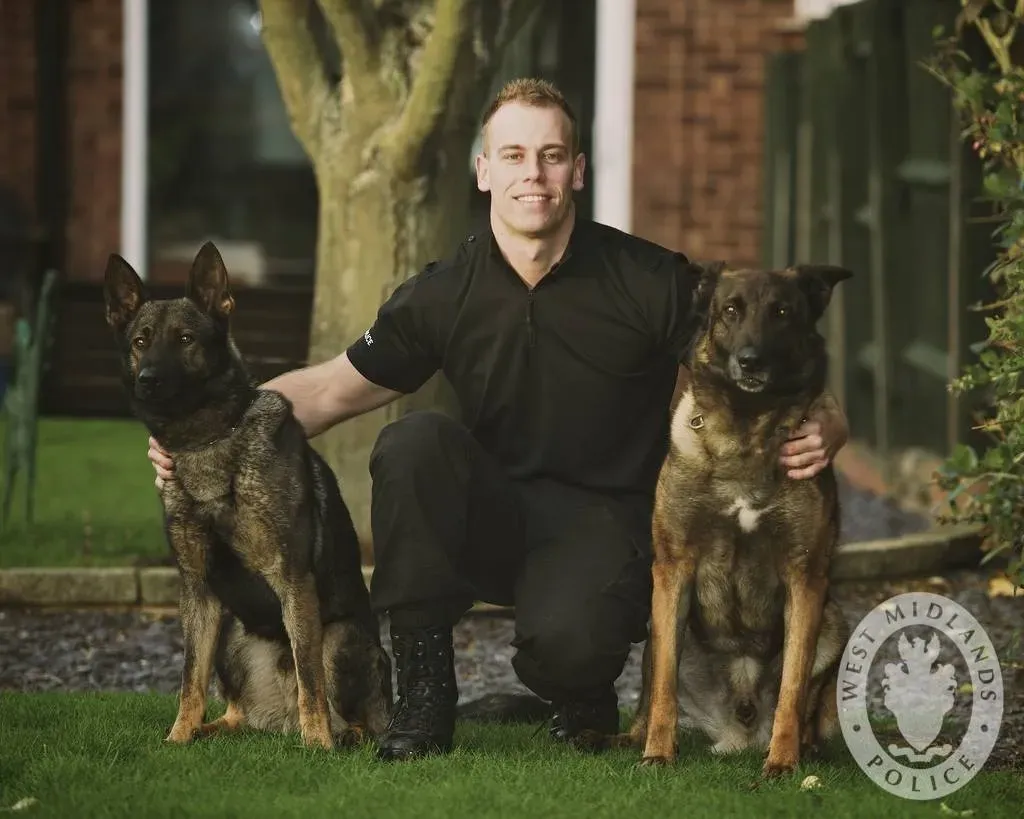
None of this means you have to accept nonstop pawing every minute of the day. A behavior can be emotionally meaningful and still need boundaries. If your dog is pawing obsessively, scratching you, or interrupting everything you do, that can signal unmet needs like lack of mental stimulation, inconsistent routines, anxiety, or simply a pattern you accidentally reinforced too strongly. The behavior is still communication, but now it is also a clue that something in your lifestyle or training needs adjusting.
Healthy communication with a dog includes teaching them that sometimes the answer is “not right now” without shaming or punishing the signal itself. You can gently remove their paw, ask for a different behavior like “settle” on a mat, and then reward that calmer behavior. Over time, the message you send is powerful: you are allowed to talk to me, and I will listen, but we also live by shared rules. That balance of respect and structure is what turns this intense paw-and-stare moment from a constant interruption into a meaningful conversation that fits your life instead of running it.
Conclusion: Stop Calling Honesty Manipulation
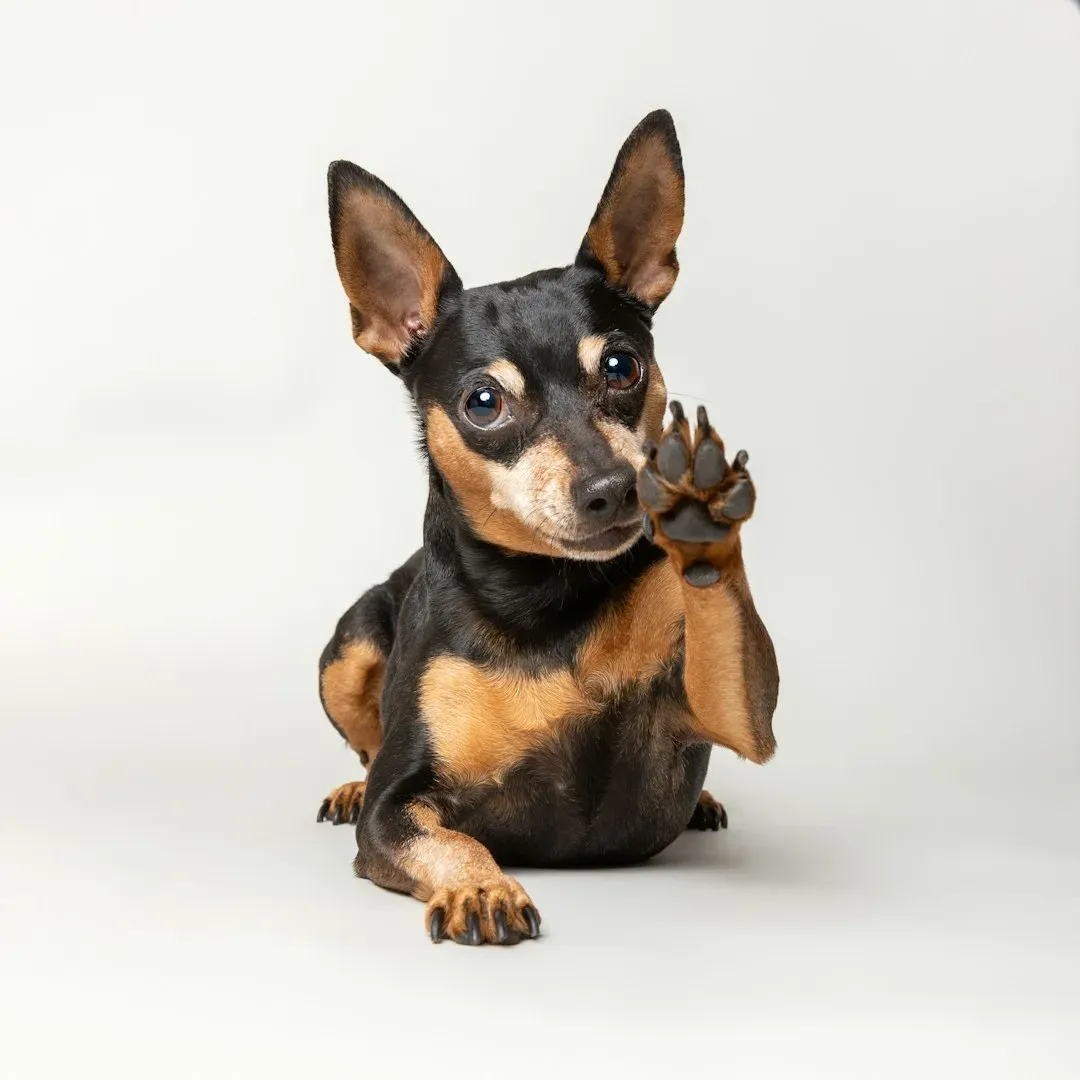
When I see a dog plant their paw on someone’s hand and hold that deep, searching gaze, I don’t see a schemer working the system; I see an animal being startlingly honest in a world that rarely slows down to listen. This is communication at full volume from a creature that lives almost entirely through body language and shared routines. We asked dogs to join our homes and our hearts, and then we get irritated when they use the clearest signals they have to reach us. That disconnect says more about us than it does about them.
So here is my opinion, plain and simple: calling this behavior manipulation is lazy. It lets us dodge the responsibility of paying attention. The next time your dog paws at your hand without breaking eye contact, try assuming, just for a moment, that they are telling the truth about how they feel and what they need. Answer them, even if the answer is gentle and firm. You might be surprised at how much calmer, kinder, and more connected your life together feels when you stop treating their honesty like a trick. When those eyes lock onto yours and that paw presses down, what story are you going to tell yourself about what it means?