
12 Things Your Dog May Remember About You Long After the Moment Has Passed
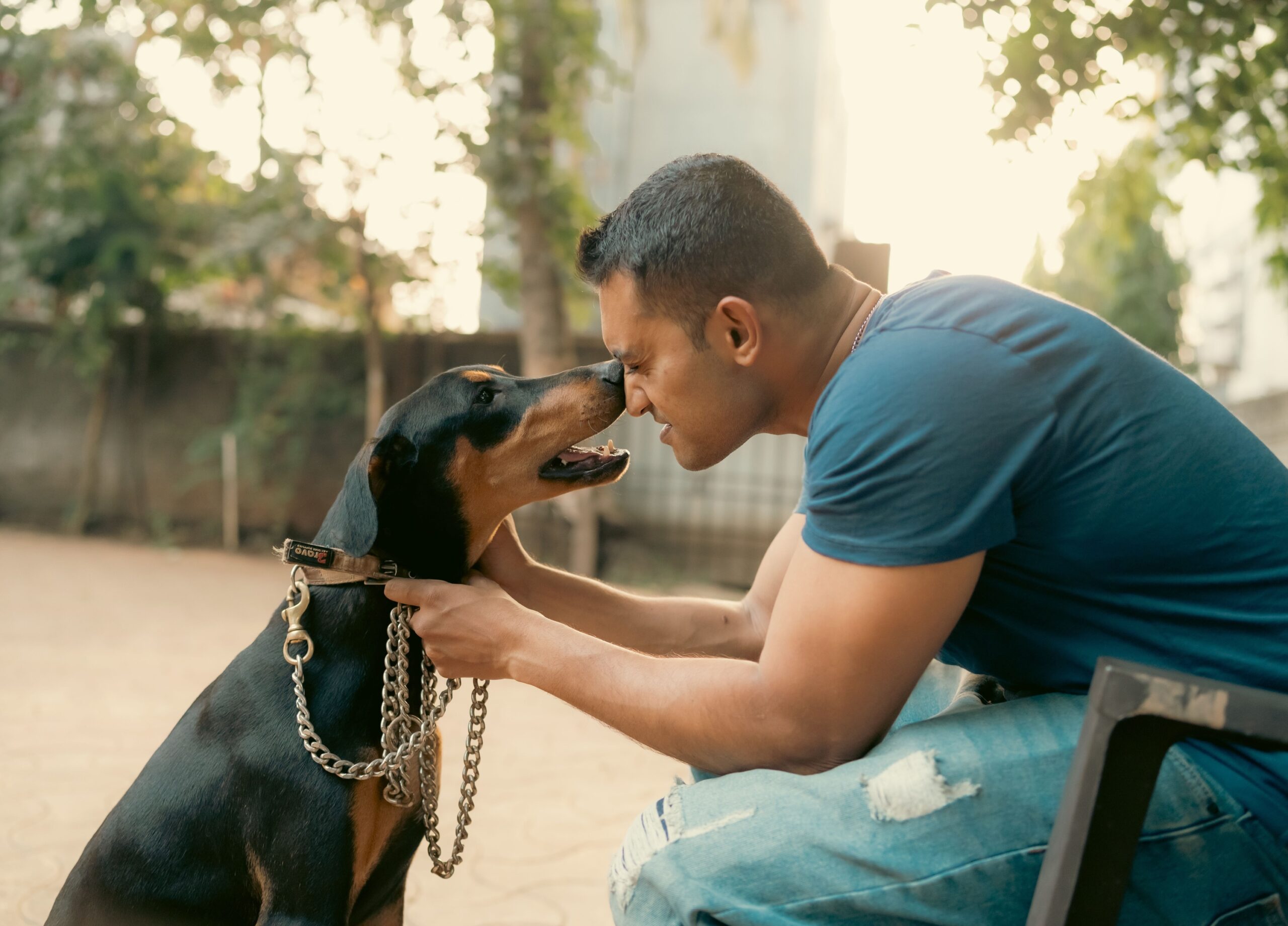
There is something both heartwarming and a little unsettling about realizing your dog might remember tiny moments you have already forgotten. A rushed goodbye at the door, the time you raised your voice, the rainy afternoon you spent on the couch together – to you, they blur into everyday life, but to your dog, they can become emotional snapshots that stick. Dogs do not remember life like a highlight reel of dates and details the way humans do, yet they store powerful impressions of how you made them feel.
I still think about the look my own dog gave me the first time I came home after a week away – excited, confused, almost offended – and I am convinced he filed that week under “mom disappears sometimes.” That experience made me pay closer attention to how dogs form emotional memories. While science is still piecing together exactly how their memory works, there is a lot we already know about what tends to linger in a dog’s mind. Here are twelve things your dog may quietly carry with them long after the moment has passed.
The Sound Of Your Voice In Different Moods
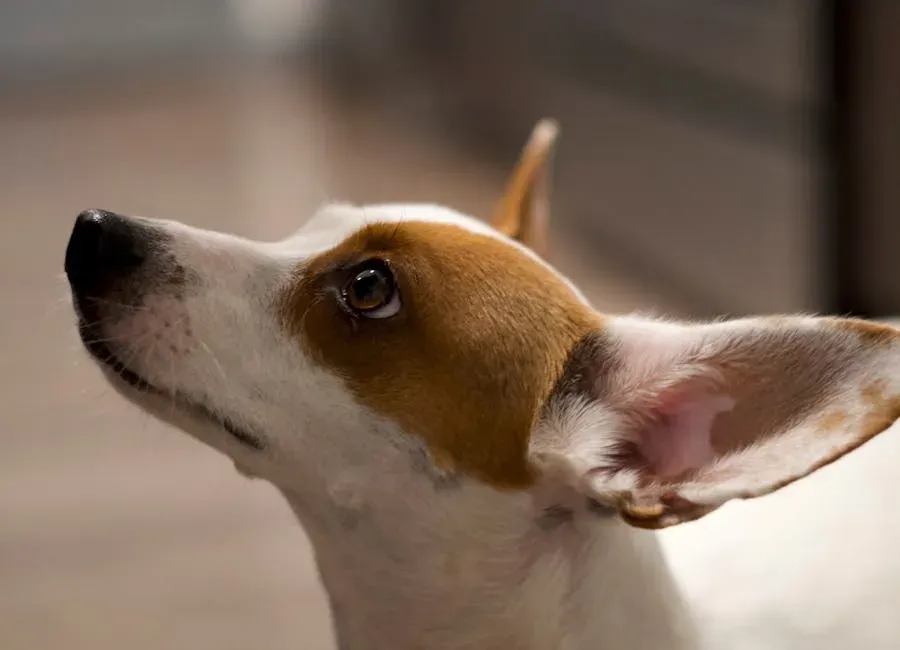
One of the most powerful things your dog remembers about you is how your voice sounds when you are calm, happy, stressed, or angry. Dogs are impressively good at recognizing tone and emotional patterns, and they can learn to associate certain vocal moods with safe, comforting outcomes or with tension and conflict. Even if they do not understand every word, they absolutely pick up on whether your sound means good news, bad news, or “something is off.”
Over time, your dog may remember that your soft, singsong voice often comes with cuddles, walks, or treats, while a sharp or frustrated tone might predict scolding or chaos. That does not mean you have to be perfect or never get annoyed, but it does mean your overall pattern matters more than any single moment. The emotional “vibe” of your voice becomes part of who you are in your dog’s memory, like a soundtrack they can recognize across a crowded room.
How You React When They Are Scared
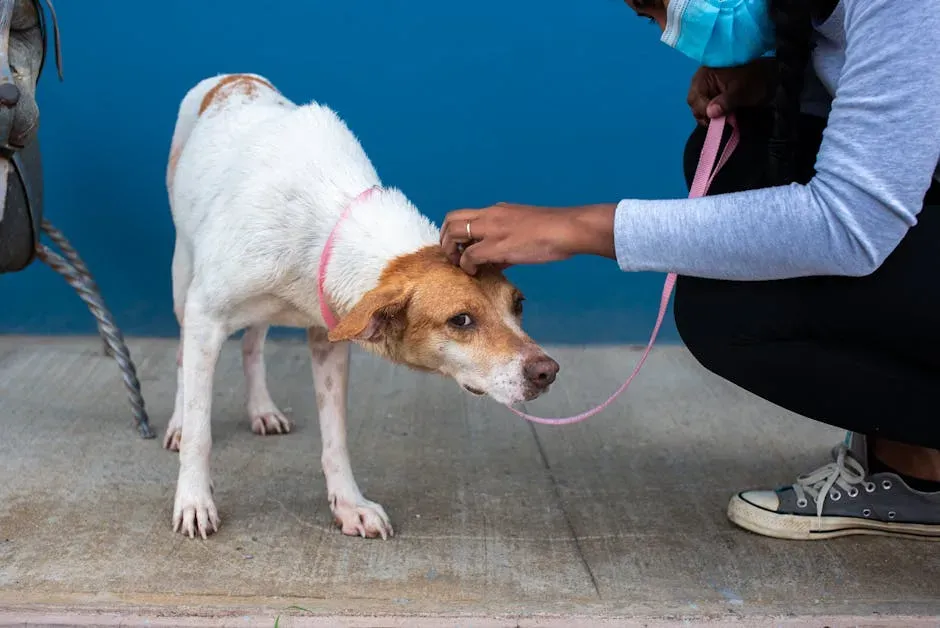
Moments of fear carve especially deep grooves into a dog’s memory, and what you do in those moments can stick with them for a long time. Think about fireworks, thunderstorms, vet visits, or a sudden loud crash in the kitchen – your dog’s brain is on high alert, and it is quietly noting whether you are a source of comfort or another source of stress. If you stay calm, speak gently, and offer a safe place, your dog is more likely to remember you as their anchor when the world feels scary.
On the flip side, if fear is met with yelling, punishment, or being ignored, a dog can remember that feeling of being alone with their panic. They might not recall the specific date or what exactly fell in the kitchen, but the “template” of that moment can come back the next time something similar happens. Over time, they are not just learning to fear noises or situations; they are learning what kind of support to expect from you when fear hits.
The Times You Lost Your Temper
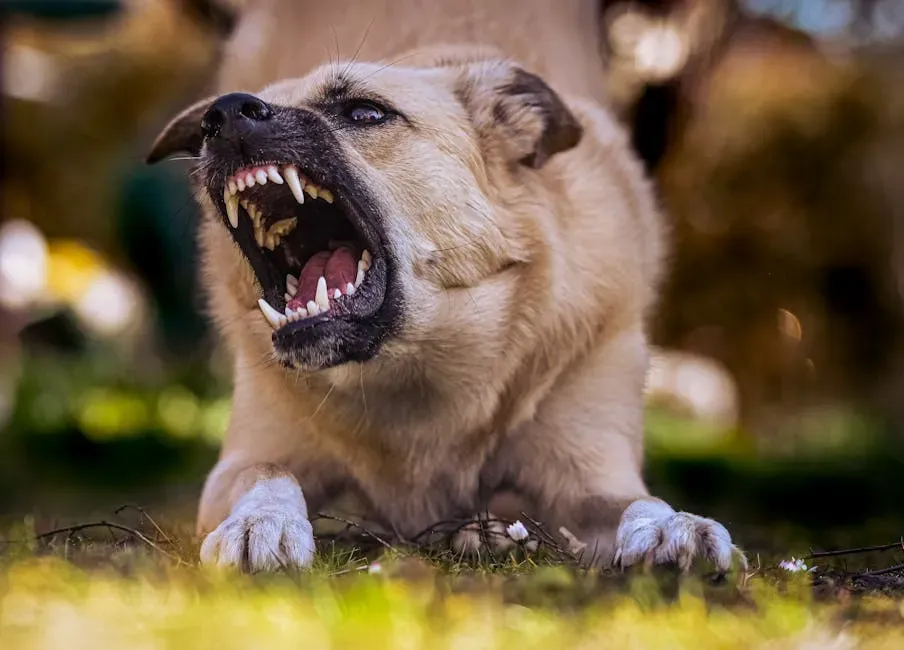
Nearly every dog guardian has a moment they wish they could redo – snapping after a long day, shouting when the trash gets raided, slamming a door a little too hard. Dogs are generally forgiving, but that does not mean those flashes of anger evaporate from their memory. Strong emotions, especially when paired with scary body language, can leave a strong imprint, even if it was just for a few seconds.
A dog that has experienced unpredictable anger may remember you as sometimes safe, sometimes dangerous, and that uncertainty can show up later as flinching, avoidance, or anxiety around conflict. The good news is that calmer, kinder moments also leave memories, and they can gradually outweigh the bad. Being willing to notice your own reactions, apologize with affection and gentle behavior, and change the pattern going forward is not just for your conscience – your dog really does feel the difference.
Your Daily Routines And Little Rituals
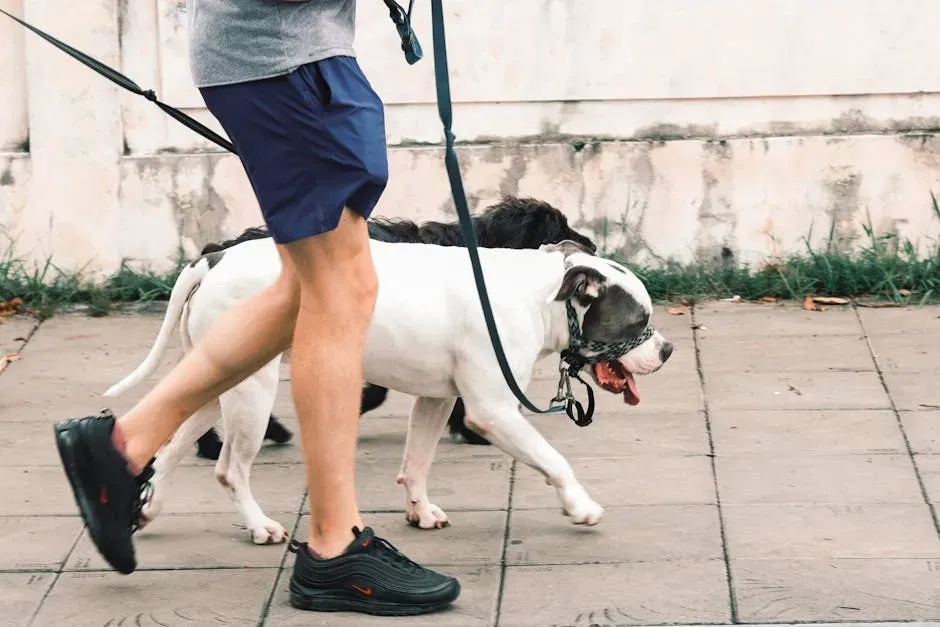
Dogs are incredible at remembering routines, especially the ones that involve you. The sound of your alarm, the jingle of your keys, the way you always put on the same jacket before walks – these things become mental bookmarks in your dog’s day. They might not know it is “5 p.m.,” but they know “this is when we usually go out” or “this is when she sits on the couch and I curl up beside her.”
These rituals become more than habits; they are a form of emotional structure that your dog leans on. If a routine suddenly disappears or changes drastically, your dog may feel unsettled and confused because the familiar pattern they remembered is gone. On the other hand, when these little rituals stay consistent, they build a sense of trust: your dog remembers you as someone whose actions make the world feel safe and predictable.
The Way You Touch Them
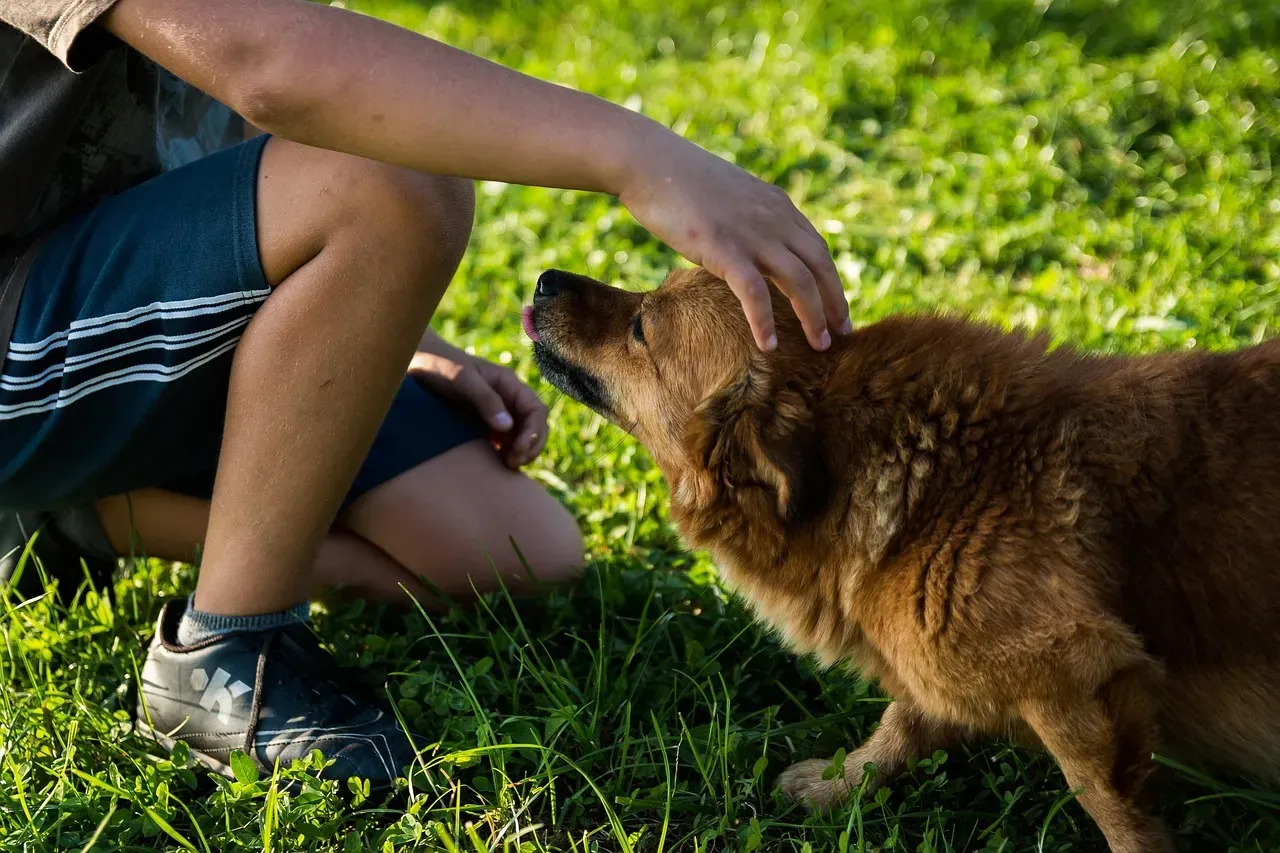
Dogs remember how it feels to be handled, and they build strong associations with your style of touch. Gentle scratches behind the ears, slow chest rubs, or a careful brushing session can become deeply soothing memories that relax them even when you are not there. Many dogs will lean into the exact kind of touch they enjoy most, almost as if replaying their favorite memory with you on a loop.
But touch can also be something a dog learns to fear. Rough handling, forced hugs when they are uncomfortable, grabbing their collar abruptly, or punishing physical contact can linger in their body memory. Even if you see it as minor, your dog may remember specific gestures as threatening and react nervously when you repeat them. Choosing to be mindful and respectful with your hands teaches your dog that your touch, in their memory, equals comfort, not conflict.
Moments When You Really Paid Attention
Dogs are often craving one thing more than toys, treats, or fancy gear: your focused attention. The times you put your phone down, get on the floor, and actually engage can stand out in their memory like bright little beacons. Playing a silly game, teaching a new trick, or just sitting there talking to them as if they understand every word all send the same message – you matter to me right now.
When attention is rare or always half-distracted, your dog may still love you, but their emotional memories are more about longing than fulfillment. They remember waiting at the door, watching you work, or following you from room to room without much payoff. By creating pockets of pure, present attention, you give them mental moments they can come back to, just like you might think fondly of that one perfect afternoon with a friend.
Times You Left – And Times You Came Back
Separation and reunion are a huge part of your dog’s emotional world, and those experiences leave strong memories. For a lot of dogs, there is an entire inner storyline built around you leaving the house and returning. If you always rush out the door in a flurry of stress or ignore your dog when you come back, they will remember those exits and entrances as a bit cold or confusing.
On the other hand, predictable departures and calm, happy reunions can help a dog feel more secure about your comings and goings. They learn that while you disappear, you also always return, and usually with a particular tone of voice, body language, and ritual greeting. Those repetitive patterns become emotional landmarks, comforting reminders that even when you are not physically present, you belong to them, and you tend to find your way home.
How You Handle Their Mistakes

Every dog messes up sometimes: accidents on the carpet, chewed shoes, counter surfing, or ignoring a recall. What sticks with them is less the mistake itself and more how you respond. A dog punished harshly for normal dog behavior may start to associate you with unpredictability or fear, even if you only react like that occasionally. They remember the tension, the raised voice, the scary energy more than the specific rule they broke.
When you respond with patience, redirection, and fair boundaries, you create a very different kind of memory. Your dog can learn that “oops” moments lead to guidance, not terror. Over time, this shapes how safe they feel telling the truth with their body language around you – whether they come when called even when they know they messed up, or whether they avoid you and shut down. In their internal record book, your handling of their worst behavior says more about you than your praise during their best moments.
The Places You Went Together
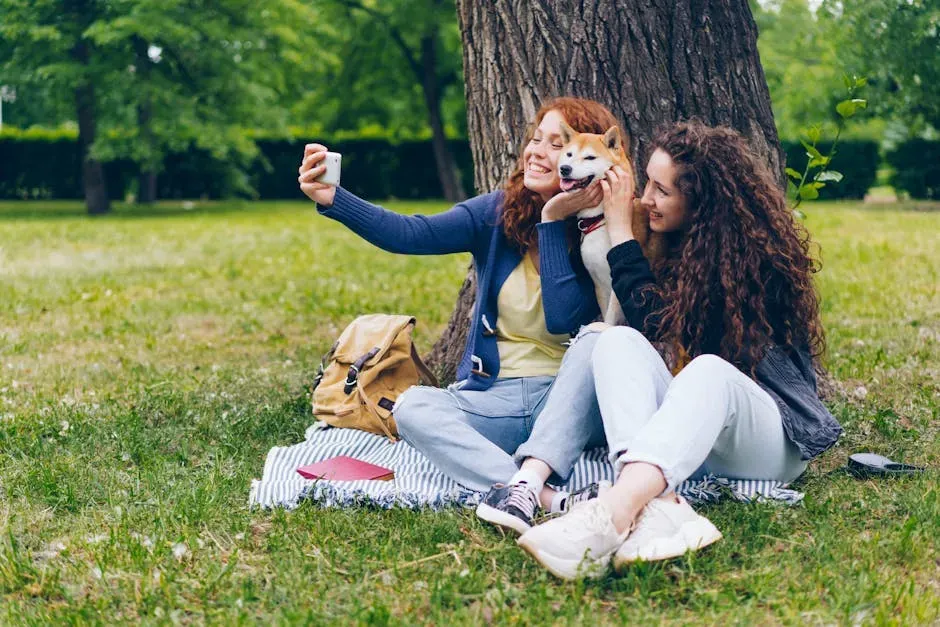
Dogs may not remember place names, but they absolutely remember the feelings tied to specific locations you visit together. The park where you always play fetch, the café patio where they get bits of scrambled egg, the quiet trail you walk on weekend mornings – these become shared memories that seem to light them up as soon as you arrive. Even the route there, the turns you take, the smells along the way, can trigger excited recognition.
There is another side to this, too. The vet’s office, a boarding facility, or a loud, chaotic dog park where they felt overwhelmed can become etched in their memory as places of stress. Since you are the common factor, how you support them in those environments matters a lot. With your calm presence and patient guidance, even a scary place can slowly be rewritten into a more neutral or even positive memory in your dog’s mind.
The Times You Were Sick, Sad, Or Struggling
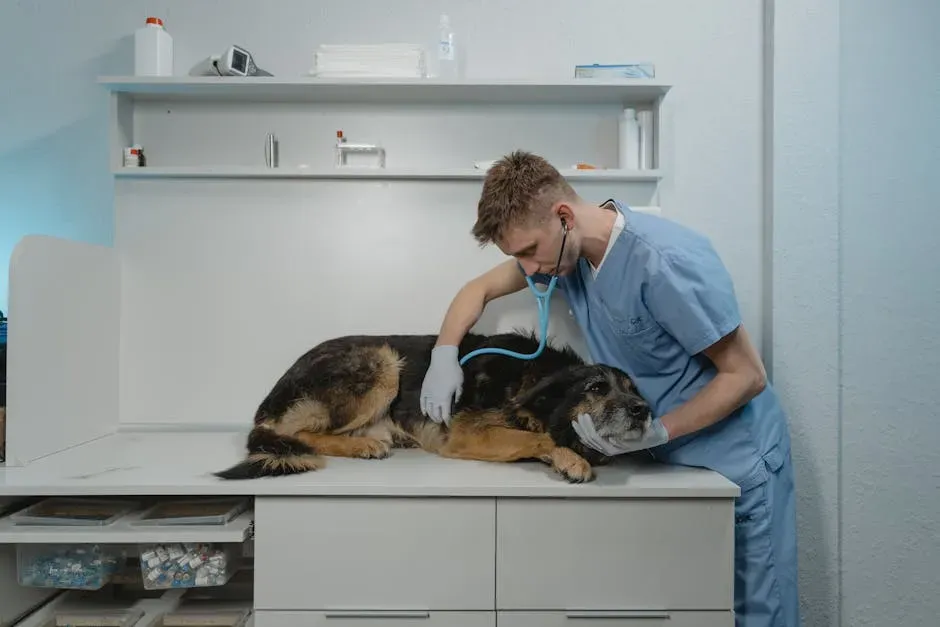
Dogs are surprisingly sensitive to changes in your energy, smell, movement, and routine when you are unwell or emotionally drained. Many will remember the time you stayed in bed for days, cried on the couch, or moved slowly around the house. They may not understand why, but they often adjust their behavior in ways that show they noticed something important was happening. Those days can file themselves away under “my human needed me” in a dog’s emotional memory.
I still remember sitting on the floor during a rough week and feeling my dog come lean his full weight against my back, as if holding me up. That kind of moment can shape how you see each other going forward: you as a vulnerable, not-always-in-control being, and your dog as a quiet witness. In their own way, they remember that you, too, are sometimes shaky and in need, and that they had a role, however small, in getting you through it.
The Smell Of You And Your Home
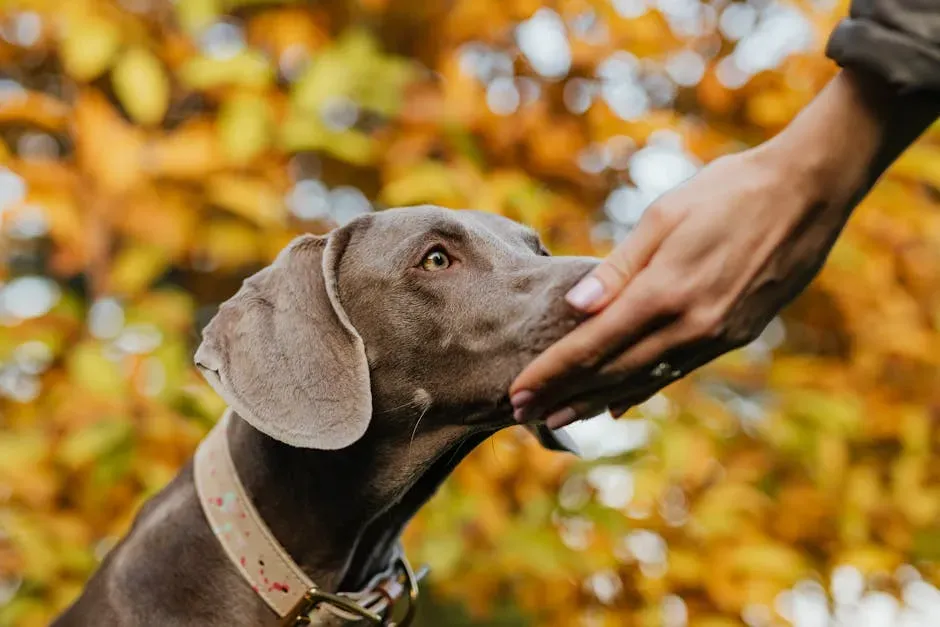
For dogs, smell is what sight is to us, and your scent is one of the strongest, most enduring pieces of you they will ever store in their memory. Your dog can likely recognize your smell on your clothes, shoes, pillow, and even in rooms you have not been in recently. That familiar scent can be deeply comforting when you are not around, almost like an emotional stand-in for your presence.
They also remember the overall smell landscape of your home: cooking flavors, laundry detergent, the garden outside the window, even the scent of other animals that live with you. When something about that scent world changes abruptly – a new house, new people, or new pets – your dog may spend a lot of time sniffing and processing, comparing it to the olfactory memories they have banked. In their mind, smell is the thread that ties you, your history together, and the place you share.
The Feeling Of Belonging To You
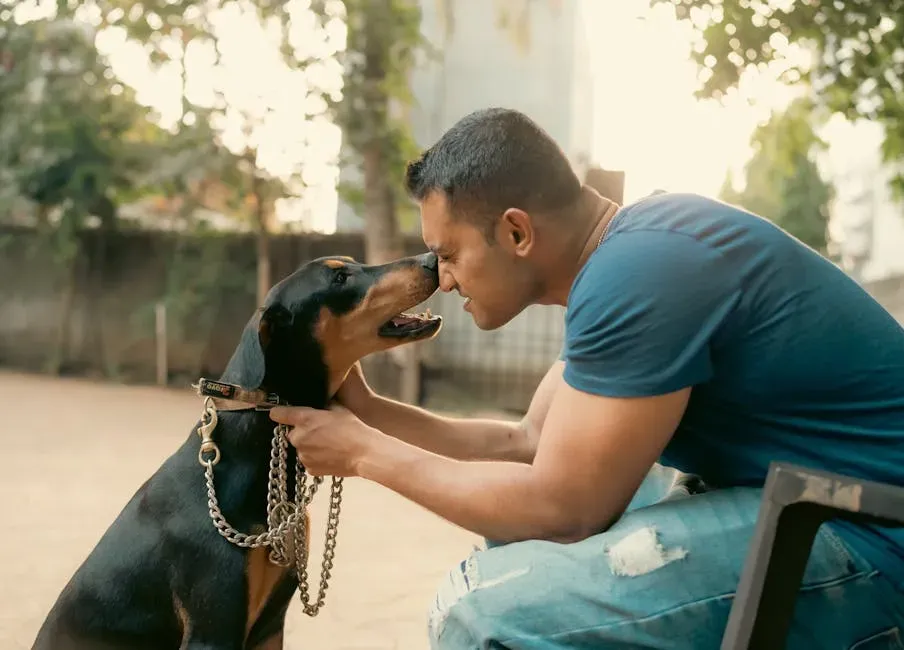
Underneath all the specific memories, there is a bigger, quieter one your dog carries: the overall feeling of what it is like to belong to you. This is not one single event, but the sum of thousands of small daily experiences – how often you show up, how you respond when they need you, the safety of your routines, the warmth of your touch, and the emotional climate of your home. Over time, that collection of moments becomes your dog’s deep, gut-level memory of “my person.”
When that feeling is mostly safety, connection, and gentle structure, your dog carries a kind of internal home with them wherever they go. When it is mostly chaos, loneliness, or fear, they carry that, too. You cannot control every moment, and you will absolutely make mistakes, but your dog will remember your overall pattern far more than any single perfect or imperfect day. In a way, you are always writing yourself into their memory with each ordinary interaction.
Conclusion: The Legacy You Leave In Your Dog’s Heart
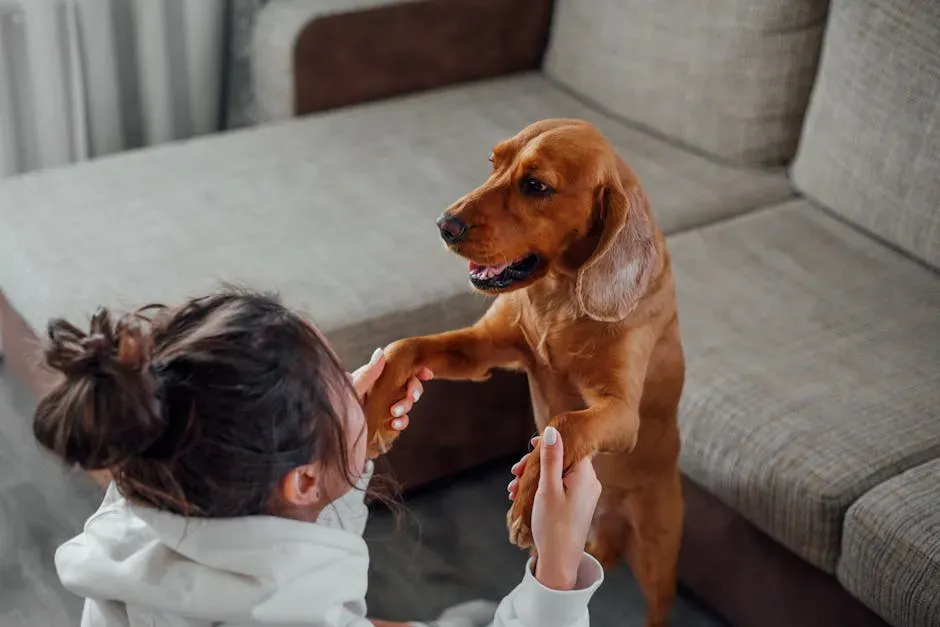
The more I learn about what dogs likely remember, the more I am convinced that the most important things are not the big, cinematic moments at all. It is the repeated, everyday ways you show who you are when no one is watching. Your dog probably will not remember their birthday presents or that one expensive harness, but they will remember whether you were gentle when they were scared, whether you listened when they were trying to tell you something, and whether life with you felt mostly safe or mostly confusing.
That realization is both humbling and liberating. You do not need to be a perfect trainer, buy every new toy, or stage Instagram-worthy adventures to matter enormously in your dog’s inner world. You just need to choose, over and over, to be someone they can trust, even when you mess up. In the end, your dog’s longest-lasting memory of you will probably not be a single moment at all, but a feeling – and that feeling is being shaped today, in the tiny choices you are making without even thinking about them. When your dog looks back on their life with you, what do you hope that feeling will be?