
10 Things That Can Make a Rescue Dog Realize This Human Isn’t Going to Send Them Away
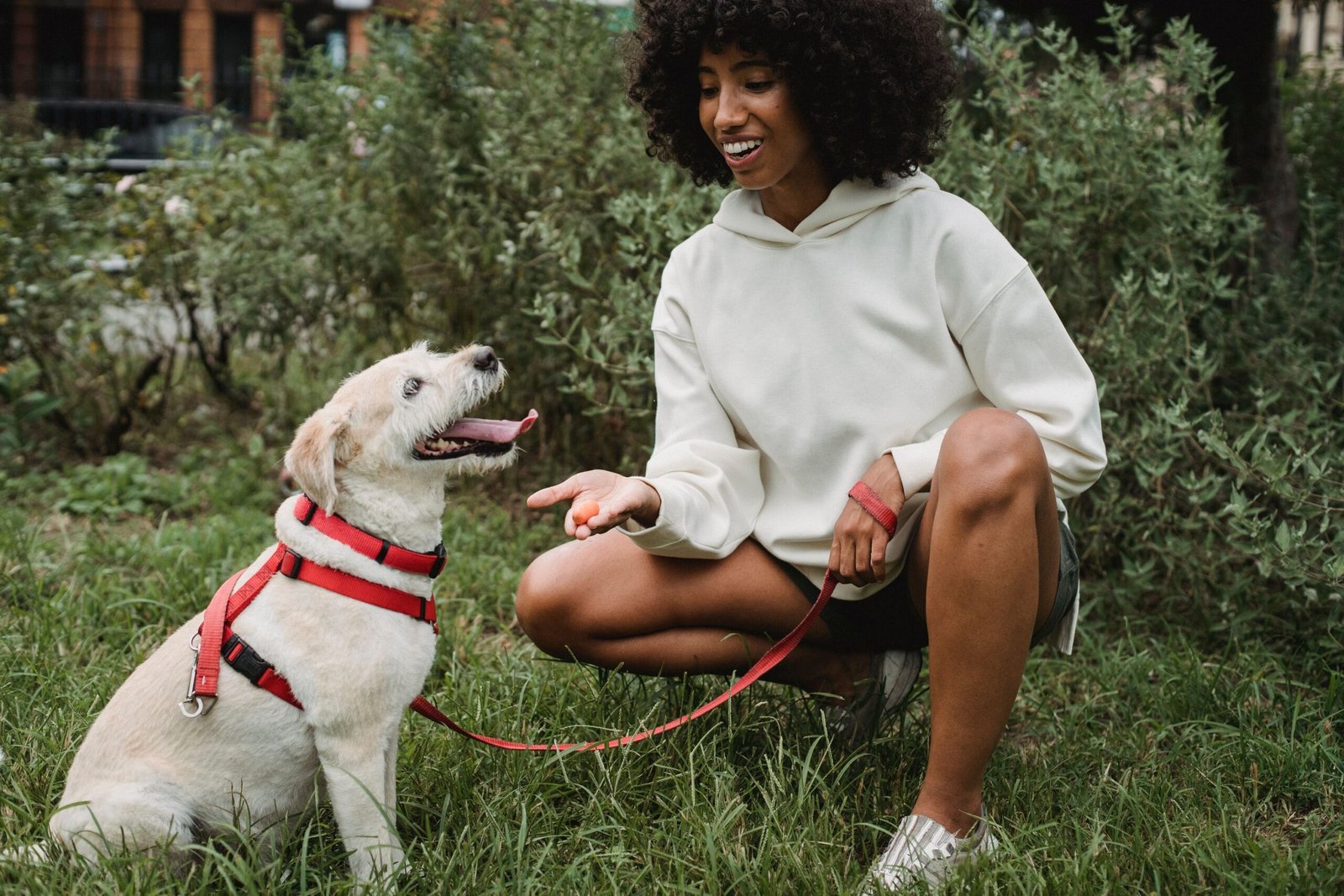
The first time a rescue dog really relaxes around you, it almost feels like watching someone exhale after holding their breath for years. Their shoulders soften, their eyes stop scanning every corner, their body melts into the couch or your lap as if they’re finally saying, “Okay… maybe I’m safe now.” That moment doesn’t happen by accident. It’s built, quietly and slowly, through a hundred tiny choices you make every single day.
Many rescue dogs come with invisible suitcases packed with confusion, grief, and fear of being left again. You can’t unpack it for them, but you can show them, over and over, that you’re not just another stop on the way to somewhere else. Here are ten powerful things that help a rescue dog finally believe that you are their forever person – not the next person who will send them away.
1. Showing Up the Same Way, Every Single Day
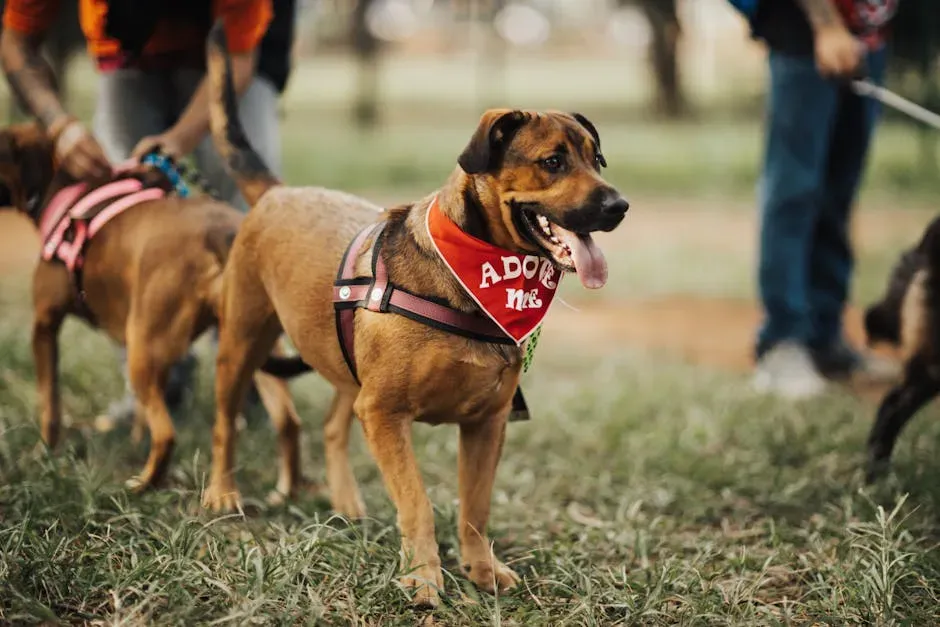
For a rescue dog, predictability is magic. When you feed them at roughly the same times, walk them in a similar rhythm, and keep bedtime consistent, you’re sending a quiet but strong message: “You can count on me.” Dogs learn patterns quickly, and when every day used to mean a different home, different rules, and sometimes no food at all, a simple, steady routine feels like a miracle.
Think of it like this: if your life had been a never-ending game of musical chairs, the sound of a stable routine is like the music finally stopping with you firmly in your seat. When breakfast always appears, when the door opens for walks instead of abandonment, when night after night they curl up in the same place with you nearby, their nervous system starts to stand down. Stability is the first language of trust, and for many rescue dogs, it’s the very first proof that this time, they’re not being passed along.
2. Letting Them Set the Pace With Affection
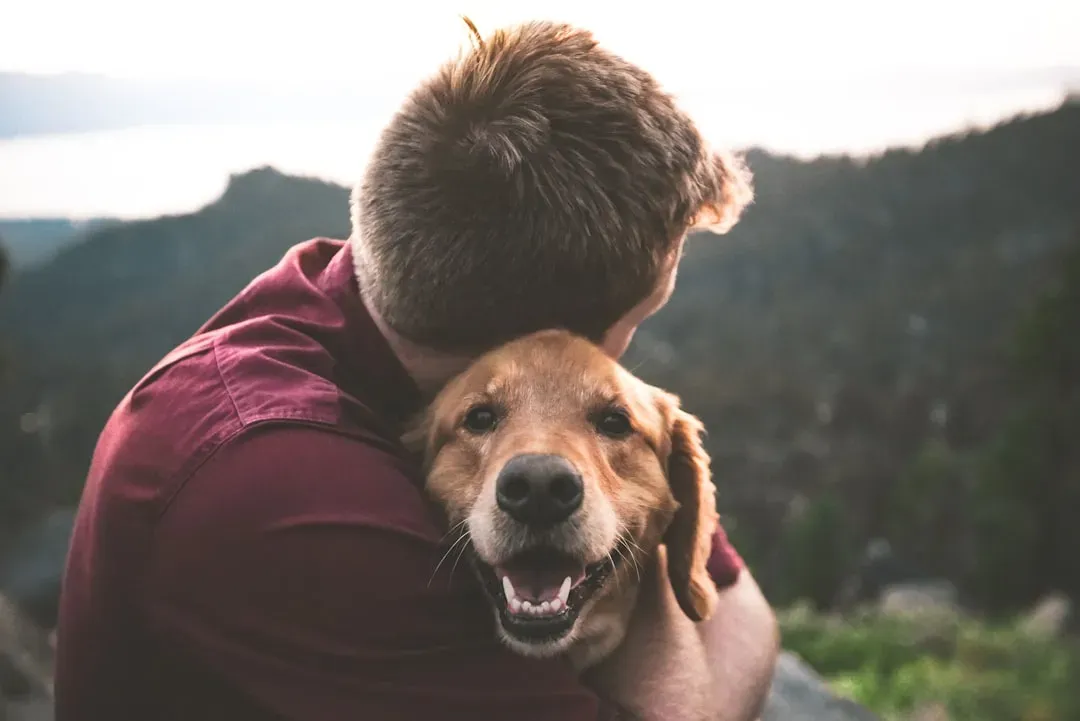
It’s tempting to scoop a rescue dog into a big hug and try to “love the fear out of them,” but many of them just aren’t ready for that. When you let the dog choose how close to be – whether that’s across the room, at your feet, or finally nudging your hand – you’re telling them their boundaries matter. That’s huge for an animal who may have had zero say in anything before.
Some dogs will climb into your lap on day one; others might take weeks before they dare to sniff your hand without flinching. When you resist pushing and instead reward every tiny sign of bravery with calm praise, soft words, or a tossed treat, you’re building a bridge instead of a cage. Over time, the dog realizes you’re not going to force touch, trap them, or punish them for needing space – and that’s often when they choose you all on their own.
3. Using Gentle, Consistent Training Instead of Harsh Corrections
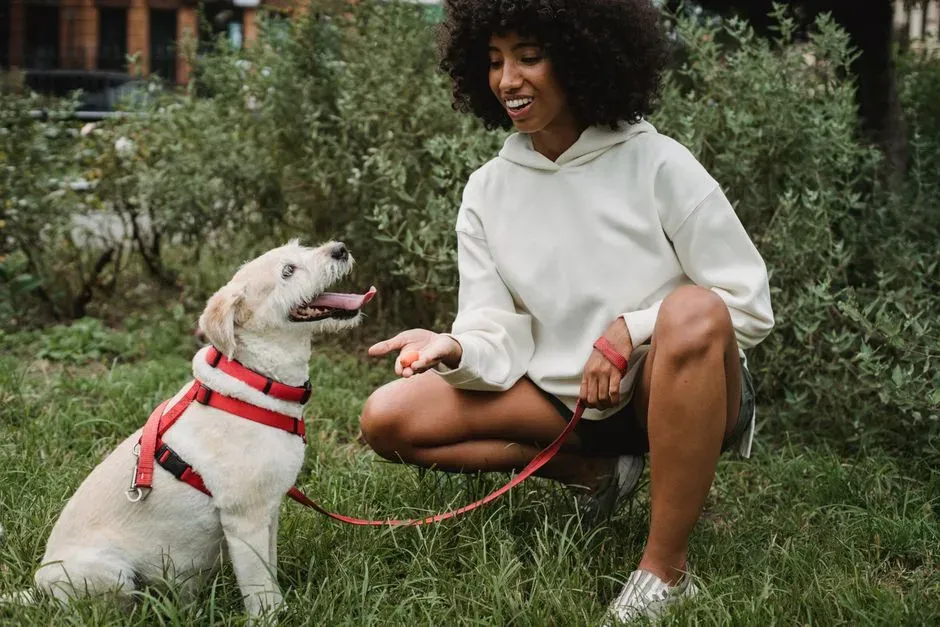
Many rescue dogs land in shelters because no one ever taught them how to live in a human world, then punished them for failing tests they didn’t even know existed. When you use positive, reward-based training and skip the yelling, leash jerks, or intimidation, you flip the script. Training stops being a scary exam and becomes a fun game where trying pays off.
Simple things like rewarding them for sitting before walks, marking calm behavior instead of only reacting to “bad” behavior, and keeping your voice steady teach them you’re safe to make mistakes around. Imagine learning a new language with a teacher who laughs with you instead of shouting every time you mispronounce a word – that’s the difference your style of training can make. A rescue dog who feels safe during training quickly learns something profound: this human is not out to break me; they’re here to help me.
4. Respecting Their Fears Instead of Forcing “Confidence”
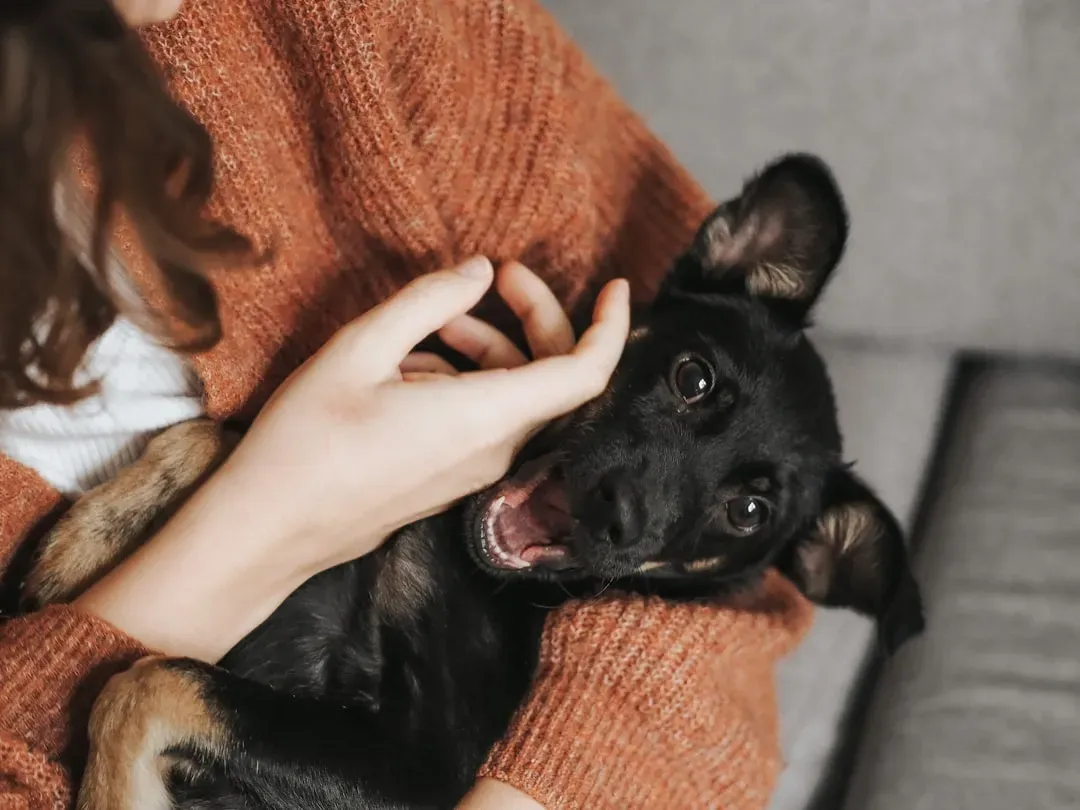
Fearful behavior in rescue dogs is often brushed off as stubbornness or disobedience, but underneath is usually a scared animal trying to survive. When your dog freezes at the doorway, shrinks at loud trucks, or panics around men in hats, your reaction matters. Dragging them forward or “flooding” them with the scary thing can confirm their worst belief: people won’t protect me, they’ll push me.
On the other hand, if you pause, move back, give them space, and slowly build positive experiences at their pace, they begin to see you as their advocate, not their enemy. You’re no longer just the person holding the leash – you’re the safe harbor when the world feels too big. Every time you say “We don’t have to go there today” with your actions instead of your words, that dog learns that you won’t sacrifice their comfort just to prove a point. That is a powerful way to show you’re not the human who walks away when things get hard.
5. Creating a Safe, Quiet Place That Is Always Theirs
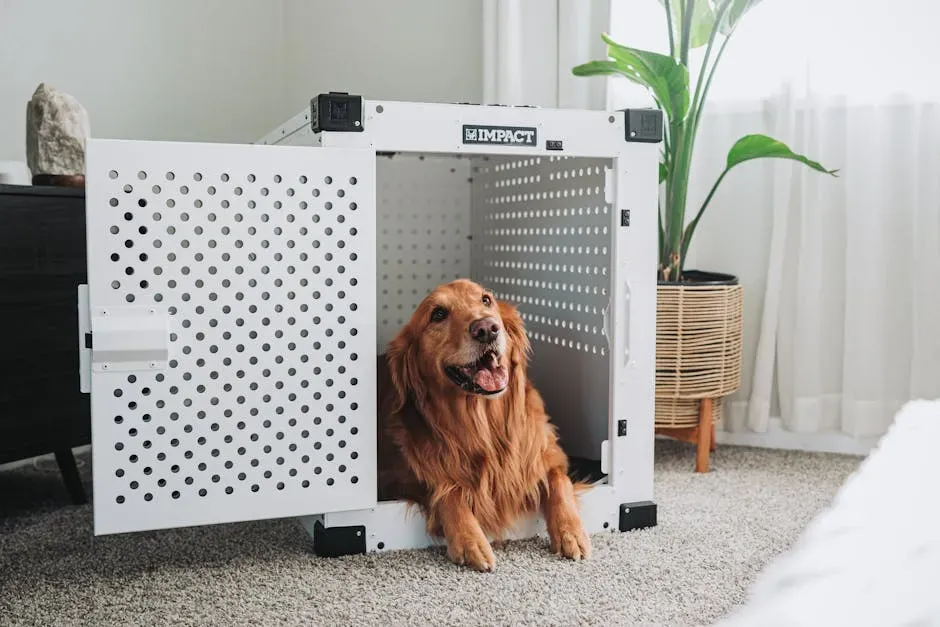
One of the simplest but most powerful things you can do for a rescue dog is give them a specific spot that is always safe: a crate with the door open, a corner with a bed and blanket, a cozy nook away from chaos. When a dog realizes there is a place where no one yells, grabs, or disturbs them, their stress levels can start to drop. It’s their “do not disturb” sign in a language they instantly understand.
Over time, you’ll often notice that when they’re overwhelmed, they choose that spot instead of spiraling into frantic barking or pacing. And here’s the key: when you respect that choice and don’t drag them out or pester them while they’re there, they learn that in your home, safety is predictable. For a dog who might have had nowhere to hide in a loud shelter or chaotic past home, this tiny territory can feel like owning their own small planet.
6. Feeding Them Reliably – And Making Mealtimes Feel Good
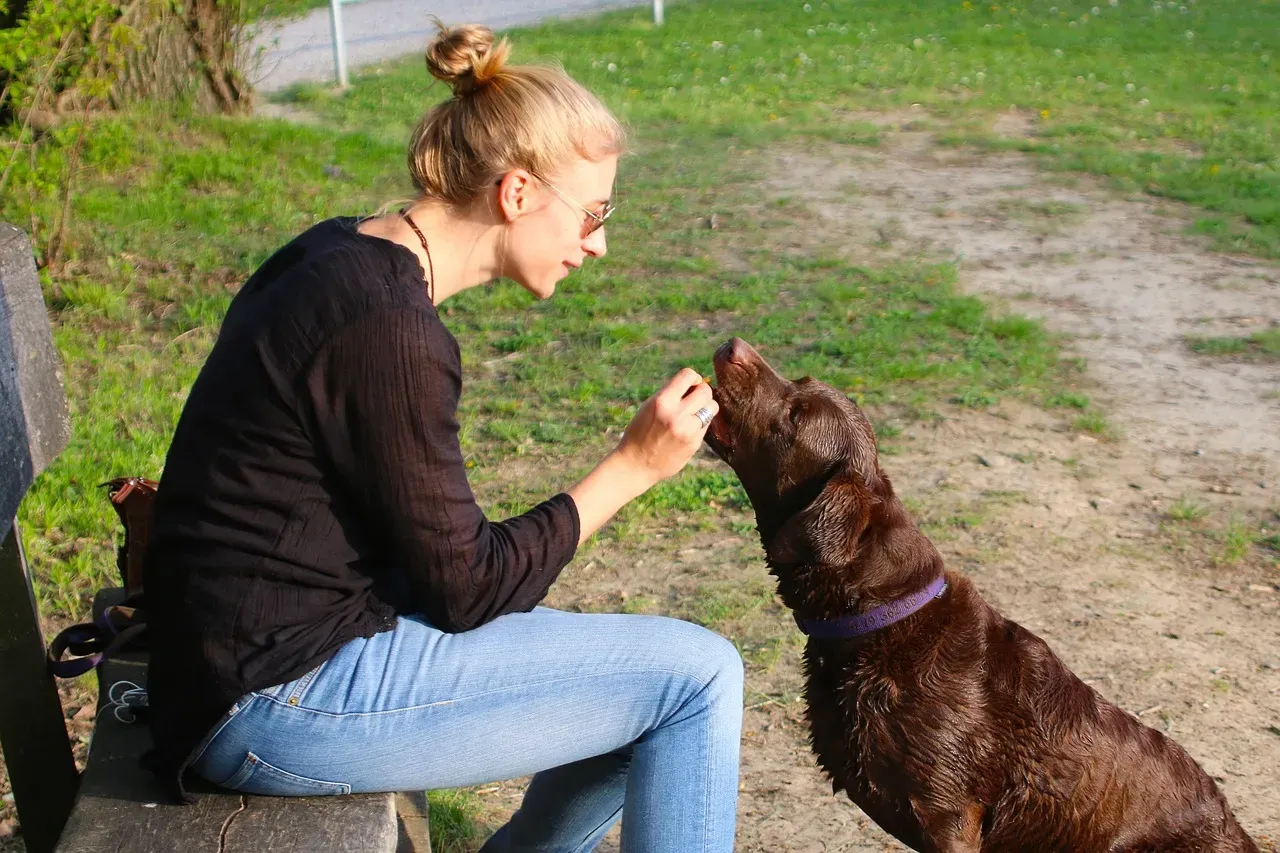
Food is more than nutrition for a rescue dog; it’s proof. Proof that they’re not forgotten, that their needs matter, that scarcity is no longer the rule. When meals show up consistently, in the same bowl, in the same place, it creates a powerful association between you and relief. Many dogs who were once underfed or competing with other animals will watch every move you make at first, as if waiting for the food to disappear.
Over days and weeks, as they realize the bowl always comes back, their body language starts to change. They may eat more slowly, stop guarding, or even walk away and come back later – something a dog worried about losing food would never dare try. When you add in calm praise, perhaps a special treat during training, or a stuffed toy on tough days, you become the source of not just survival, but comfort. That is often when the fear of being “sent away” starts to loosen its grip.
7. Showing Patience During Setbacks and “Bad Days”
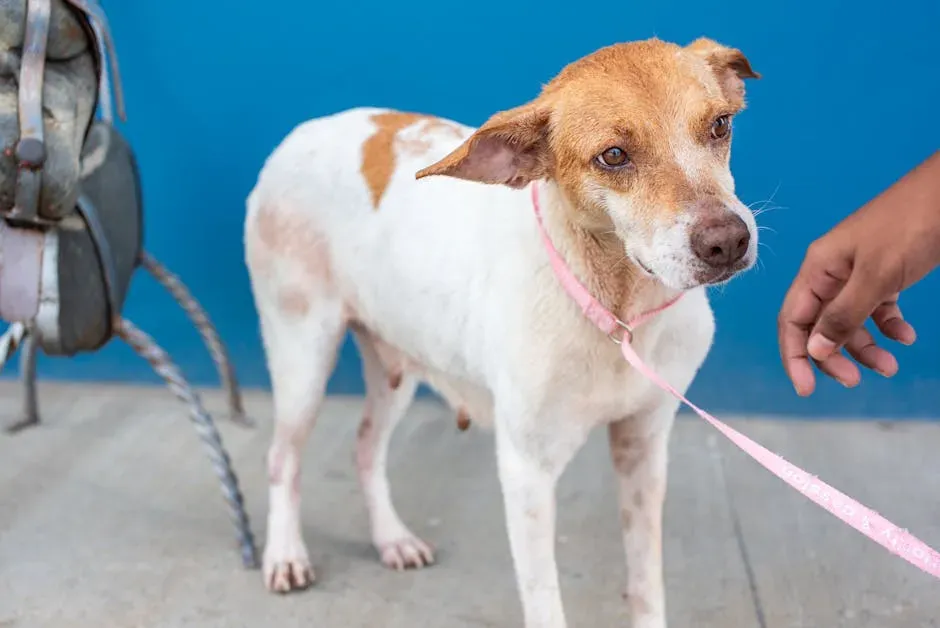
Progress with a rescue dog almost never moves in a straight line. One day they’re walking beautifully on leash, the next day they’re barking at every bike like they’ve never seen one before. How you react to those regressions is one of the clearest signals of whether you’re a temporary stop or a forever home. If every mistake leads to shouting, punishment, or threats of “back to the shelter,” they learn that your love is conditional and fragile.
But when you take a breath, reset, maybe shorten the walk or return to easier training, you’re teaching them something they may never have experienced before: it’s okay to struggle here. I’m not getting rid of you because you had a bad day. Dogs may not understand all your words, but they absolutely understand your energy and consistency. Patient humans stand out in a rescue dog’s life like a lighthouse in a storm – and that steady glow is how they finally dare to attach.
8. Staying Calm When They’re Overwhelmed or Reactive
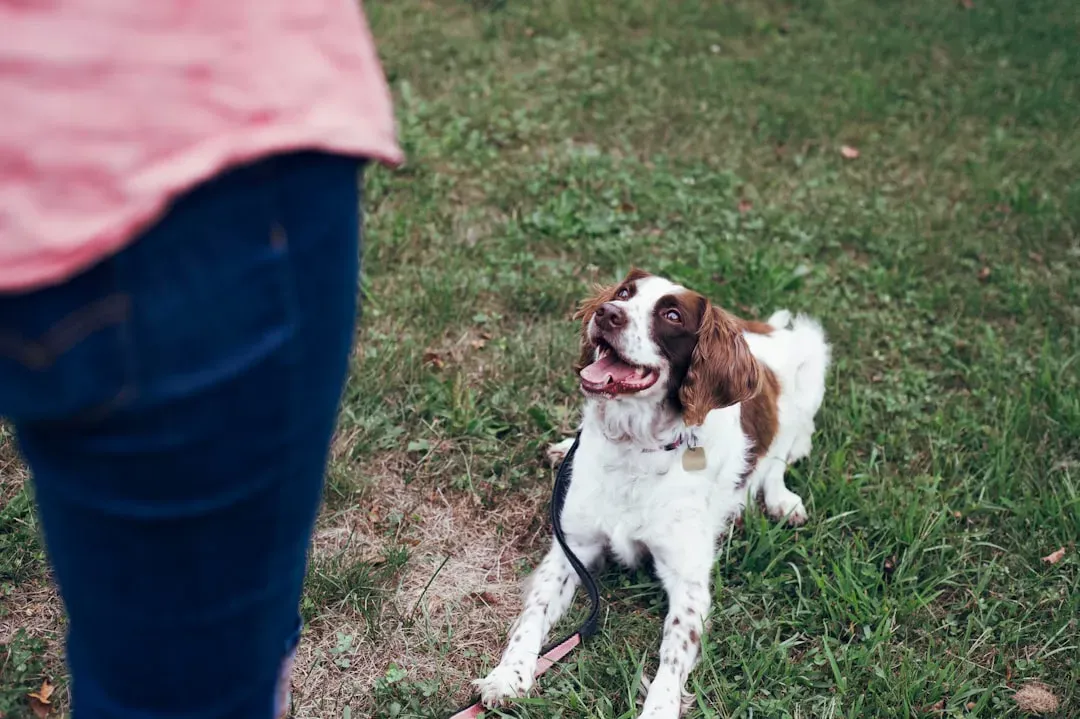
Many rescue dogs come with big reactions: barking explosions at other dogs, sudden lunges at skateboards, or intense whining when left alone. Those outbursts can be embarrassing or scary, and it’s easy to meet fire with fire – yelling, yanking the leash, or radiating panic. Unfortunately, that just confirms for the dog that the world really is as dangerous as they fear, and their human can’t handle it either.
When you instead keep your voice low, body loose, and start calmly moving them away from the trigger, you become the calm center of the storm. They start to realize that whenever things get intense, you don’t abandon them emotionally or physically – you guide them out. Over time, a dog that once melted down might glance back at you instead, looking for direction. That moment, when they check in instead of checking out, is a clear sign that they see you as the stable one who stays, not the one who disappears when things get hard.
9. Reading Their Body Language Like a Real Conversation

Rescue dogs often arrive in our lives feeling like no one has ever truly listened to them. Their language is movement – ears, tail, eyes, stiffness, yawns, lip-licks – tiny signals that say “I’m nervous,” “I’m curious,” or “Please slow down.” When you start to notice and respond to those signals, you’re doing more than just “good dog handling”; you’re telling them they finally live with someone who pays attention.
That might look like crossing the street when they start to tense at a crowd, inviting a guest to sit down and ignore the dog until the dog approaches, or ending a play session when they seem overwhelmed. In practice, you are having a real back-and-forth: they whisper discomfort, and you adjust. Over time, that two-way communication becomes the opposite of being sent away. Instead of being shut down or shuffled around, they’re included, heard, and considered – a radically different life than the one many rescues knew before.
10. Simply Staying – Through Holidays, Moves, and Everyday Life
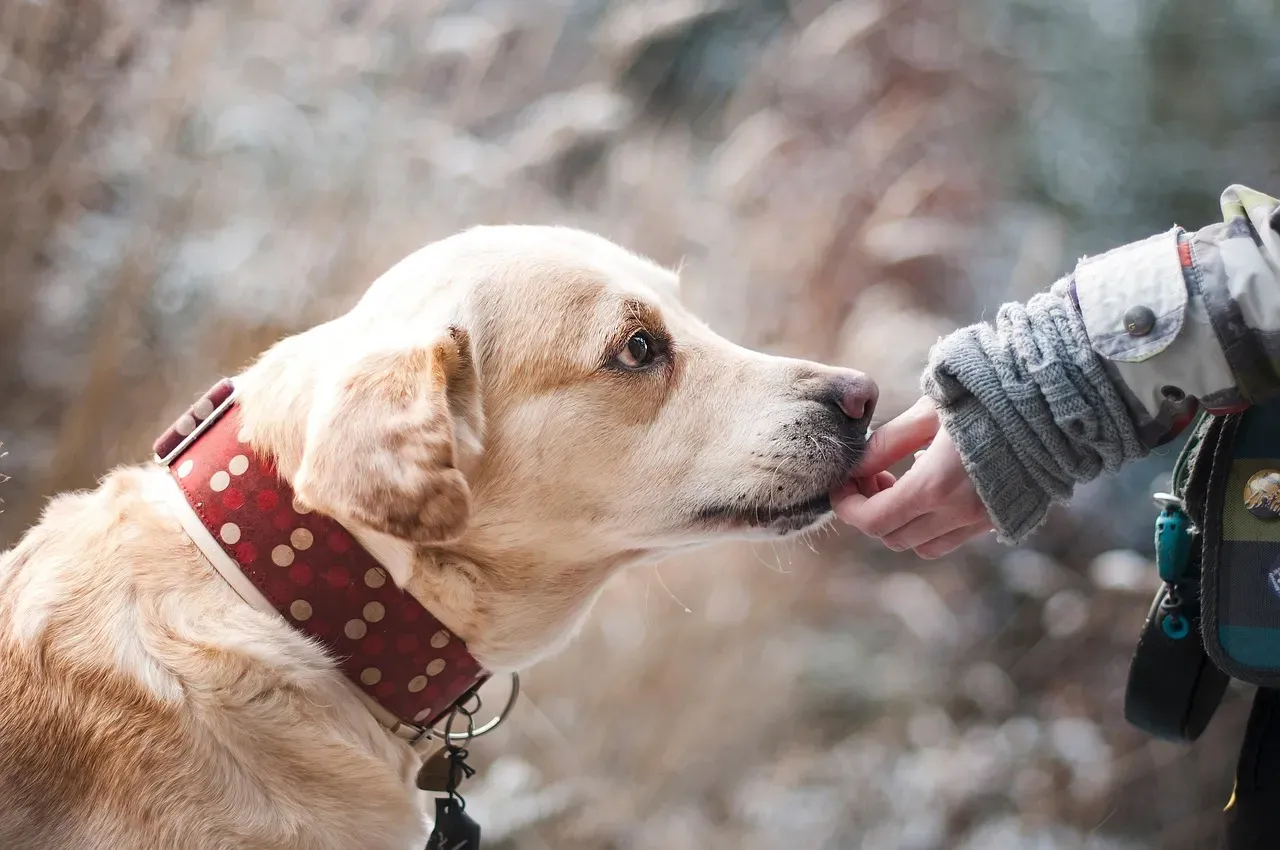
At the end of the day, the single biggest thing that convinces a rescue dog you’re not going to send them away is the most ordinary: you keep being there. You’re there on the boring Tuesdays, the chaotic weekends, the days you’re tired or stressed. You’re there when visitors come and go, when furniture moves, when suitcases appear and then get unpacked again, with the dog still in the home where they started. Every season that passes without another abandonment chips away at old expectations.
One day you’ll realize they no longer bolt to the door when you pick up your keys or flatten when you bring in a suitcase. Maybe they just lift their head from their bed, give you a sleepy blink, and go back to sleep, fully trusting that you’re coming back. That quiet, ordinary trust is the loudest proof of all. It says: “I believe you. I believe you’re my person. I believe I’m finally home.” And in my opinion, that is the most sacred promise we can make to a rescue dog – and the one we owe them most fiercely to keep.
Conclusion: The Quiet Work of Proving You Mean Forever

Rescue dogs don’t relax into forever homes because of one grand gesture; they do it because of a thousand small, consistent choices that say the same thing over and over: “You’re safe. You belong. I’m not going anywhere.” In a world that often treats animals as disposable, choosing to be endlessly patient, predictable, and kind is a quietly radical act. It’s not always glamorous or Instagram-ready. Sometimes it’s just cleaning up accidents without drama, walking in the rain, or sitting on the floor beside a shaking dog who isn’t ready to be touched yet.
If you ask me, the real measure of a good dog guardian isn’t how quickly they “fix” their dog, but how willing they are to love an animal through the messy middle, when progress is slow and trust is still fragile. When you commit to that, you stop being just another chapter in a sad story and become the final, healing ending. And really, what could be more powerful than turning “I’m scared you’ll send me away” into “I know you’re my home, no matter what”?