
One Day Your Dog Will Play With Their Favorite Toy for the Last Time – And You Probably Won’t Know It Was the Last
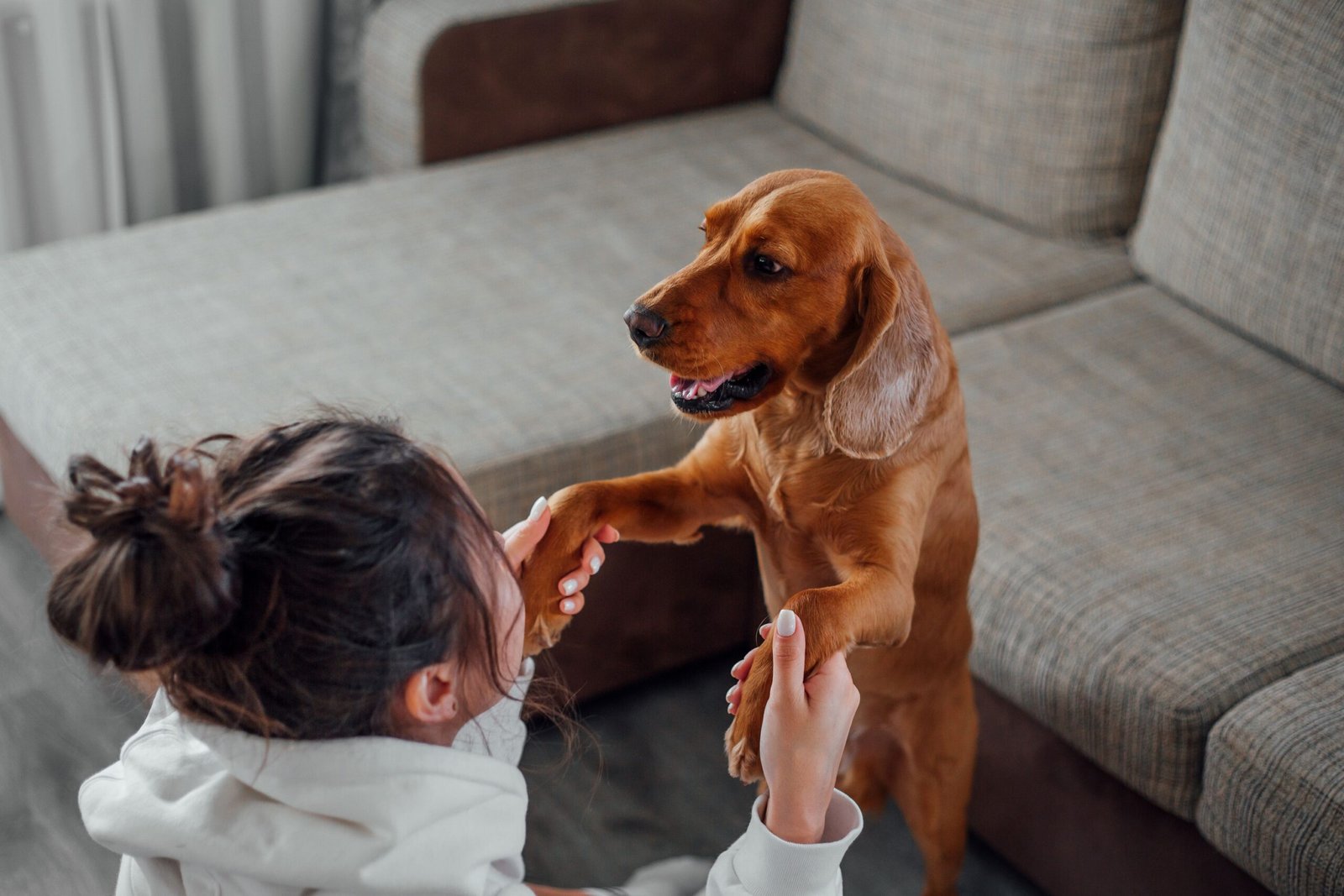
I still remember the day I found my old dog’s favorite tennis ball at the back of a cupboard, years after she was gone. It was dusty and half-deflated, and it hit me like a punch to the chest: at some point, she had carried that ball into the yard, dropped it, trotted away, and never came back to it. There was a last fetch, a last pounce, a last goofy shake. And I had no idea it was the last moment while it was happening.
That tiny, ordinary memory changes how you look at all the “little things” your dog does right now. The zoomies in the hallway, the ridiculous way they toss a stuffed duck in the air, the impatient paw on your leg because you are not throwing the toy fast enough. None of those moments arrive with a label saying: this one is the final round. This is why thinking about “the last time” is heartbreaking, but also quietly powerful. It can reshape how present you are with your dog today, without drowning you in dread about tomorrow.
The Quiet Truth About “Last Times” You Never See Coming
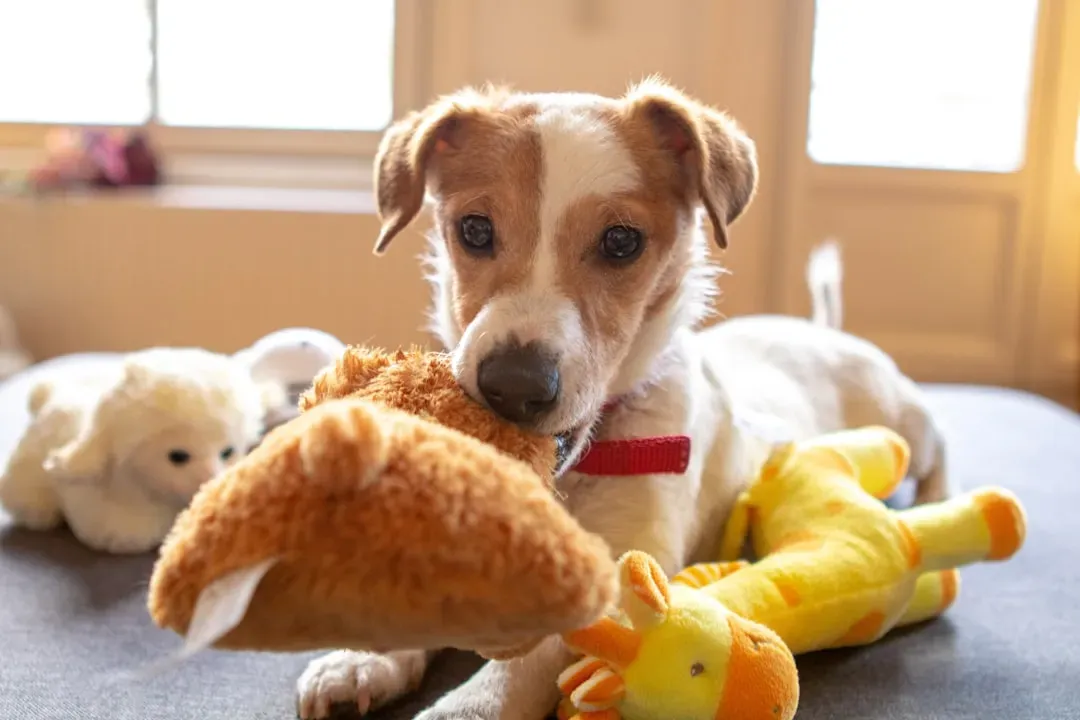
There is something almost cruel about the way “last times” usually work: they do not come with dramatic music or a big speech, they just slip by disguised as an ordinary day. Your dog does a familiar thing – nudges their favorite toy into your lap, rolls on their back with it clutched between their paws – and you respond on autopilot, half-distracted, assuming there will be a hundred more chances. Only later, sometimes years later, do you realize there was a moment that closed a chapter in your life together and you walked right through it without noticing.
This is not a failure of love; it is simply how being human works. Our brains cannot function if we treat every fetch, every squeak, every wag as a potentially sacred relic. We normalize the things we see every day, even when we adore them. The quiet, uncomfortable truth is that almost all of your dog’s “lasts” will be invisible in real time. Paradoxically, once you accept that, you can stop obsessing over counting their remaining days and instead focus on being truly there for the days you actually have.
Why a Simple Toy Becomes a Huge Part of Your Dog’s World
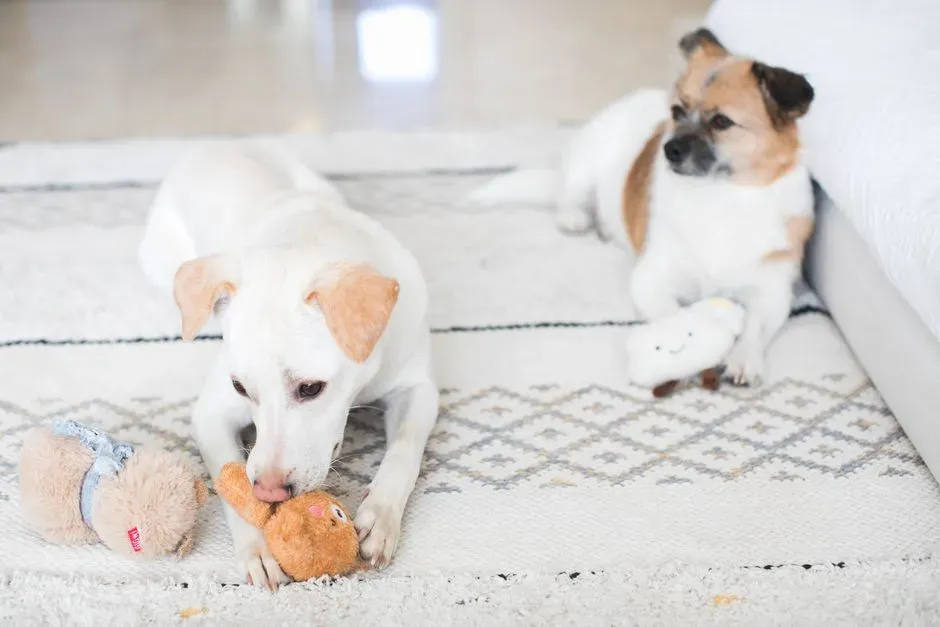
It might seem dramatic to get emotional over a battered rope or a one-eyed plush duck, but for your dog, that object can be a small universe. Dogs build routines and emotional comfort around certain toys, using them to burn energy, express instinct, and even soothe anxiety. That slobbery ball is not just rubber; it is chase, triumph, bonding, safety, and habit all rolled into one. You see a simple toy, but your dog experiences a ritual that anchors their day.
Behaviorists have noticed that dogs often show consistent preferences for particular toys or types of play, a bit like how kids replay the same game over and over because it makes the world feel predictable. When your dog drags out the same ragged toy daily, they are not just bored and repetitive; they are reaffirming something that feels reliably fun and safe in their world. Realizing that makes the idea of “the last time” with that toy hit differently. You are not just watching a dog chew on fabric; you are watching a very personal happiness ritual slowly run its course.
Subtle Signs Your Dog’s Play Is Changing (And Why It Matters)
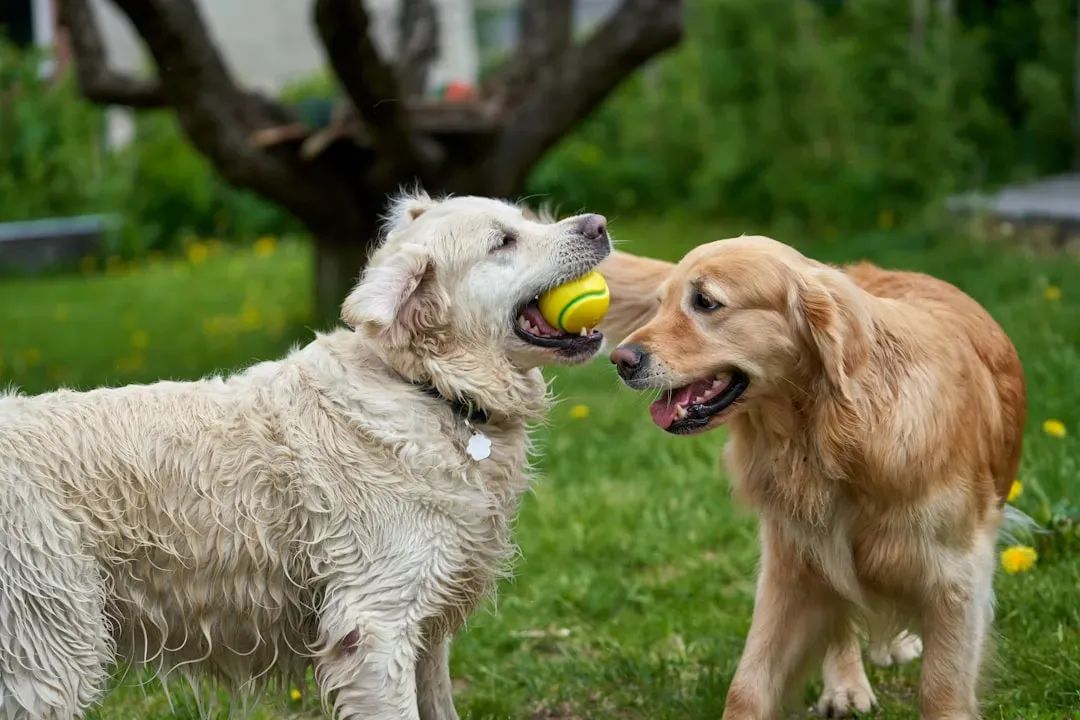
Most dogs do not just abruptly stop playing one day; their style of play usually shifts gradually, and the changes can be really easy to miss. They might start choosing softer toys instead of hard rubber, or they will bring the toy to you less often and settle for chewing it quietly beside you. Maybe they chase the ball but come back slower, or they lie down halfway through a game that used to go on forever. It is not that they do not love the game anymore; it is that their body and energy are changing, step by small step.
These subtle shifts are worth noticing, not because you need to panic about aging, but because they are early invitations to adapt. Maybe you shorten fetch sessions and stretch out cuddle time, or you switch from long sprints to easy nose-work games that let them “hunt” treats without exhausting their joints. When you pay attention to these micro-changes, you are not fighting the passage of time, you are honoring it. You are saying: I see you changing, and I am changing the way we play so you can still feel like yourself.
The Emotional Gut-Punch of Finding That Toy After They Are Gone
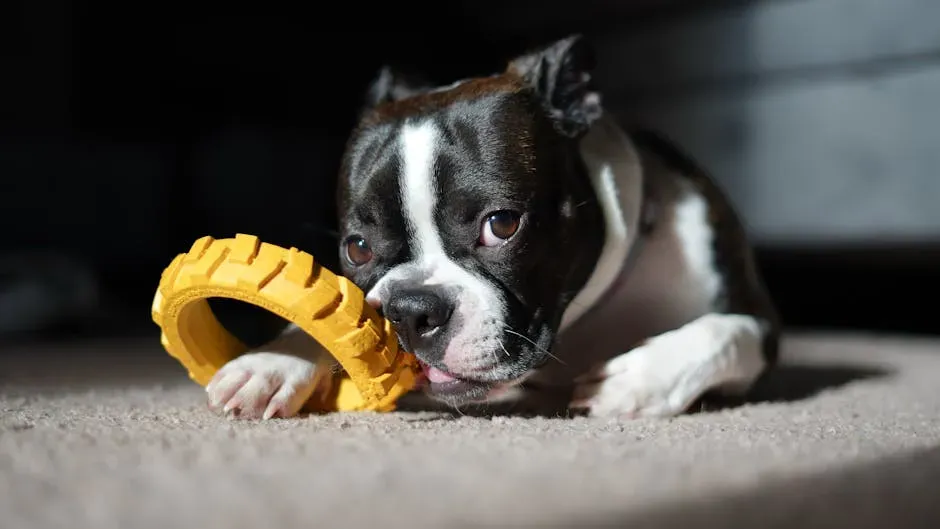
For many people, the real heartbreak does not hit at the vet’s office or during the final goodbye; it shows up months or years later, in a closet, under a bed, behind the couch. You move an old box and there it is: the toy. Maybe it still smells a little like your dog, or it has teeth marks only they could have made. In a second, all the silly, chaotic, ordinary moments tied to that object come rushing back – the times you laughed, the times you were annoyed, the times you were too busy to play and told them “later.”
That little object can trigger grief that feels out of proportion to its size, and honestly, that is logical. The toy is a physical anchor to a version of your life that no longer exists. It represents routines you did not know you were losing in real time. There is no shame in crying over a chew toy or keeping it in a keepsake box. It is not about clinging to the past forever; it is about allowing yourself to recognize how big a role those small, repetitive moments actually played in the story of your life with your dog.
How Thinking About “The Last Time” Can Make Today More Beautiful (Not Bleaker)
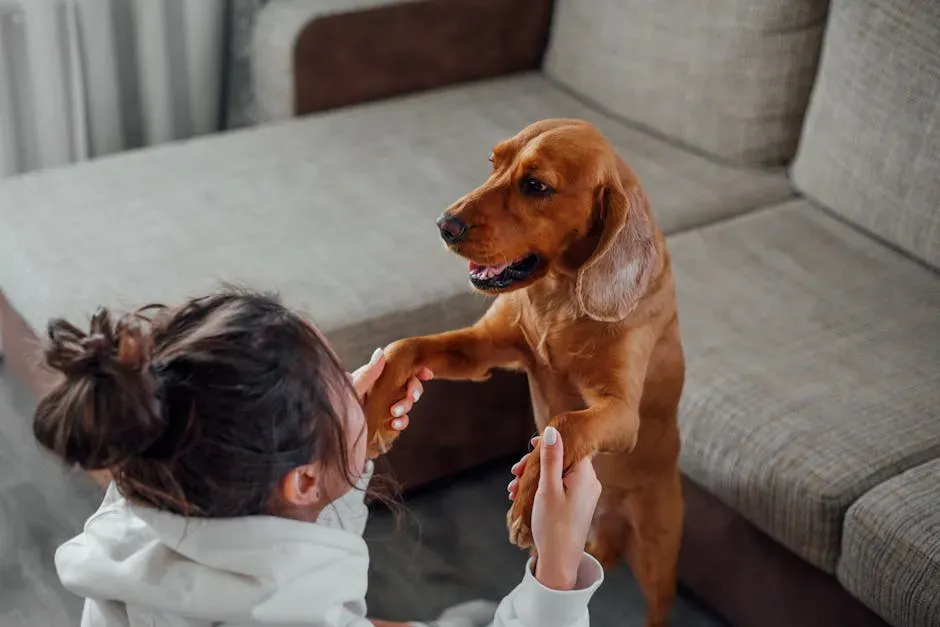
It is easy to assume that thinking about “the last time” will only make you anxious and sad, but it can quietly do the opposite when you handle it gently. When you realize that any random game of tug could be the last or the hundredth-to-last, suddenly it is a bit harder to scroll your phone while absentmindedly yanking on the rope. You look your dog in the eyes more. You notice the way their ears flop when they shake the toy, or the ridiculous grunt they make when they finally flop down, satisfied.
This awareness nudges you toward a kind of everyday mindfulness that is not about perfection or constant intensity, but about tiny shifts: choosing to say yes to one more fetch, laughing instead of getting annoyed at the squeak, taking a two-minute break from your inbox to toss the toy down the hallway. We cannot live every moment like a movie montage, and that is fine. But we can raise the average quality of our presence just a bit, and that is where the real magic happens. Most dogs do not need grand gestures – they need your attention, your voice, and your willingness to show up in the boring, repetitive, beautiful moments.
Practical Ways to Honor Your Dog’s Favorite Toy While They Are Still Here
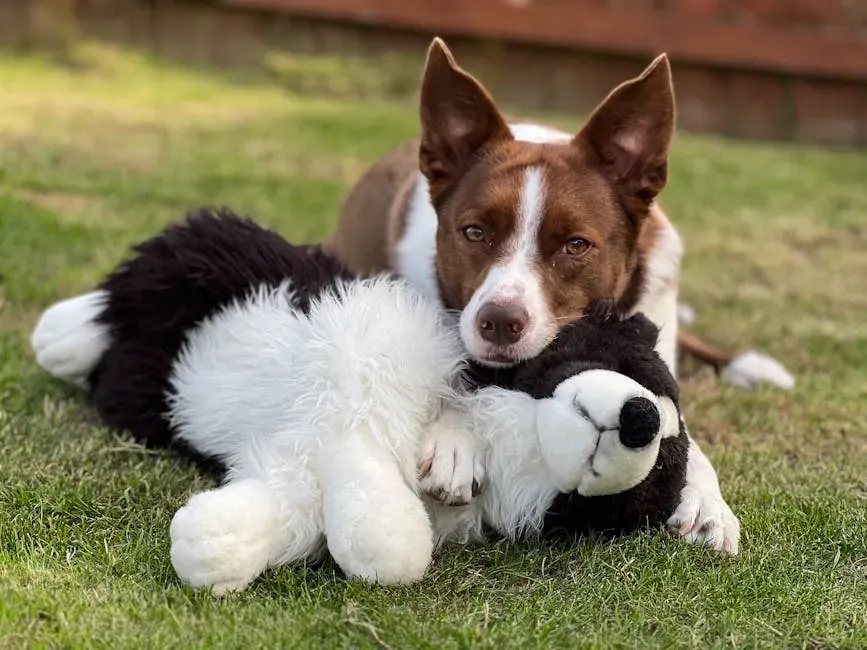
If this all feels a little heavy, it helps to turn the emotion into small, concrete actions. One simple idea is to occasionally snap a quick photo or short video of your dog playing with their favorite toy, not as a staged photoshoot, but as a casual “this is our life right now” snapshot. Capture the silly angles, the blur of their tail, the mess on the floor. Those raw, unfiltered images often end up meaning far more than the perfectly posed ones, because they show what your days actually looked and felt like.
You can also build tiny rituals around that toy while your dog is still here: a “bedtime toy check” where you laugh as they carry it to their bed, a special game on lazy Sunday mornings, or a quick tug session after work to mark the transition from stress to home. None of this needs to be Instagram-worthy or elaborate. The point is not to create pressure to perform as the perfect dog parent; it is to mark these small, recurring joys as something worth noticing. Later, when the toy is just an object in a drawer, you will know you really used it while you had the chance.
When Play Fades: Letting Go Without Letting Regret Take Over
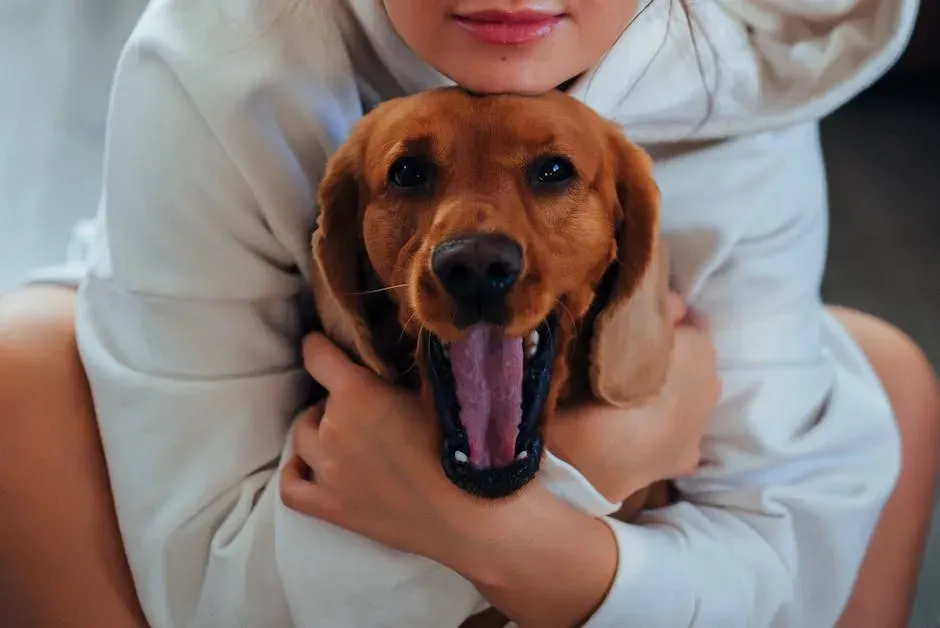
At some point, whether because of age, illness, or simple changing preferences, your dog will not play with that toy much anymore. Maybe they walk past it without interest, or they choose to curl up next to you instead. It is easy to interpret this shift as pure loss, but in many ways it is a quiet graduation. Your dog is not failing at being a dog; they are just moving into a different chapter where comfort, closeness, and softer activities matter more than high-energy games.
This is where many of us get trapped in regret loops, replaying all the times we were tired or busy, wishing we had said yes more often. The truth is, guilt does nothing for your dog, and it does nothing for you. What matters now is how you respond to who they are today. If their joy has shifted from tug-of-war to just lying with their head on your lap, then that is where the love needs to go. You cannot undo the “last time” you missed, but you can absolutely show up for the next moment they offer you, even if it looks different than before.
Opinionated Conclusion: The Toy Was Never Just a Toy
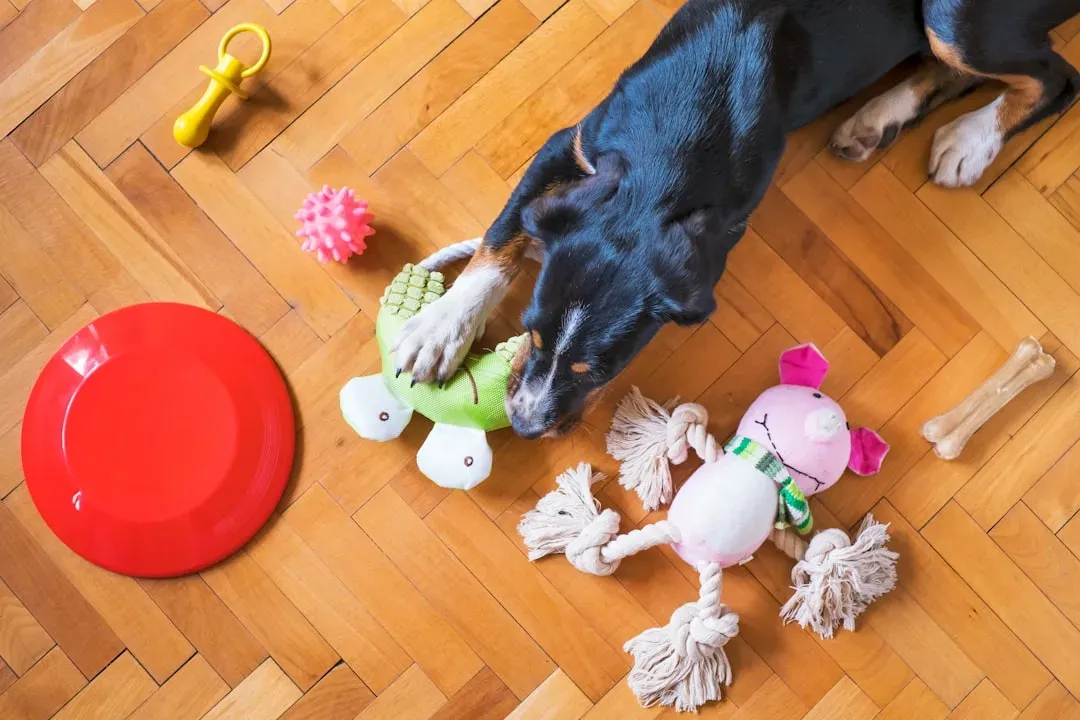
I honestly think we underestimate how sacred the smallest parts of our routines with dogs really are. That chewed-up toy you keep tripping over is not clutter; it is a physical embodiment of a living relationship happening in real time. One day, your dog will pick it up, drop it, and never return to it again, and chances are you will be too busy counting emails or rehearsing tomorrow’s to‑do list to realize that a tiny era just ended. That is not a moral failing. That is simply how being alive works: we only recognize some of our most precious moments after they have quietly passed.
If there is any stance worth taking here, it is this: stop treating the “little” games as background noise in your day. They are the main story, whether you acknowledge it or not. You do not need to turn every fetch into a ceremony, but you can give yourself permission to linger, to laugh harder, to watch more closely. Because someday, that favorite toy will just be an object sitting in a drawer, and the only thing that will matter is whether you really showed up while it was still part of your dog’s living joy. When you step over that toy on the floor today, what if instead of rolling your eyes, you picked it up and asked, just this once, “Do you want to play?”