
9 Reads a Dog Has Quietly Worked Out Whose Day It Is Meant to Be Shadowing
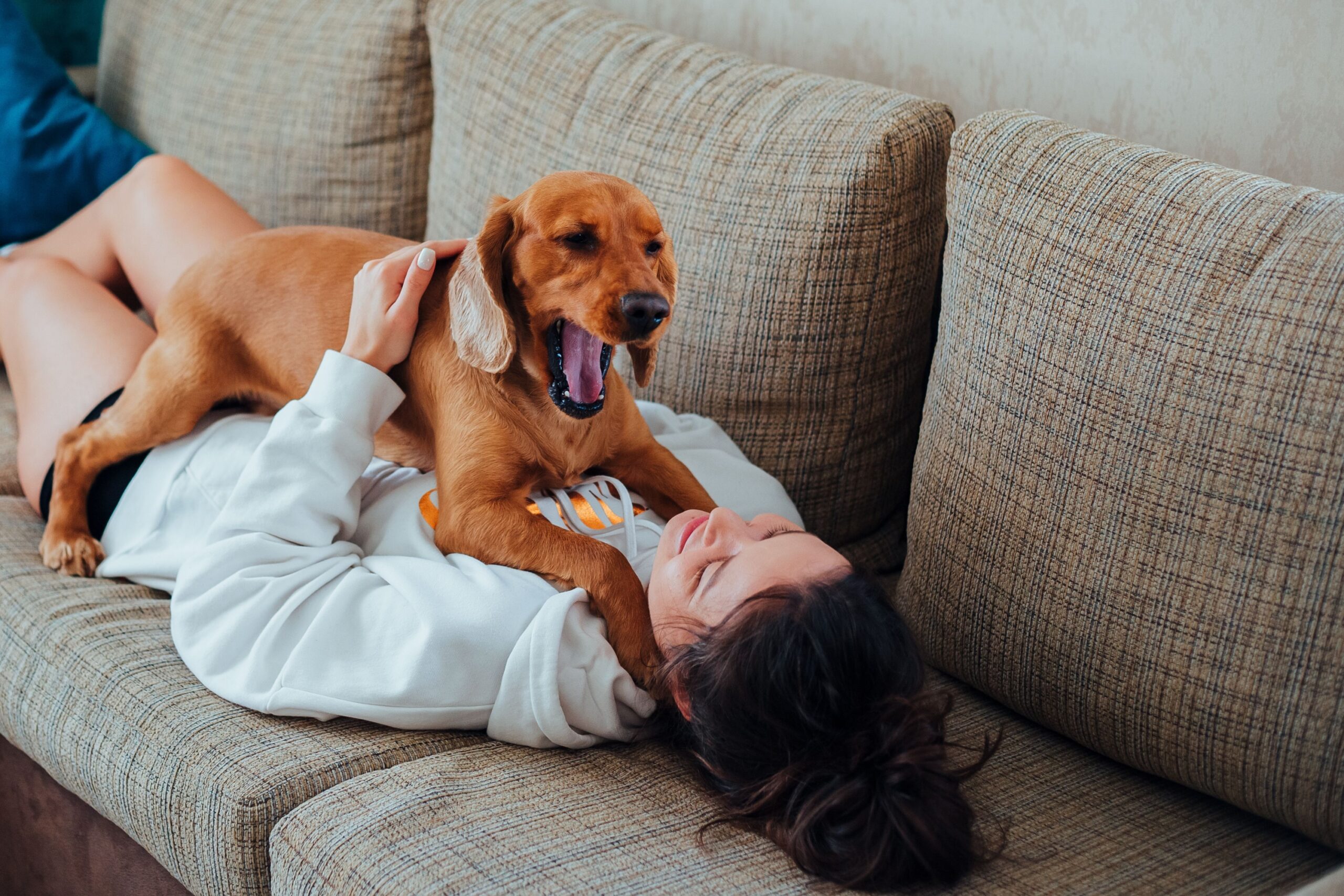
You probably think your dog just follows whoever grabs the leash first, or whoever smells like breakfast. That’s the story most people tell themselves, and it’s almost entirely wrong.
Inside multi-person households, dogs are running a quiet, invisible schedule – tracking routines, moods, even the tension in an argument – and then “assigning” themselves to one person for the day like a self-appointed emotional bodyguard. It’s not affection on autopilot. It’s a decision. And once you know the signs, you’ll never look at your dog’s daily choices the same way again.
#1 – The “First Check-In” Test Right After Waking Up
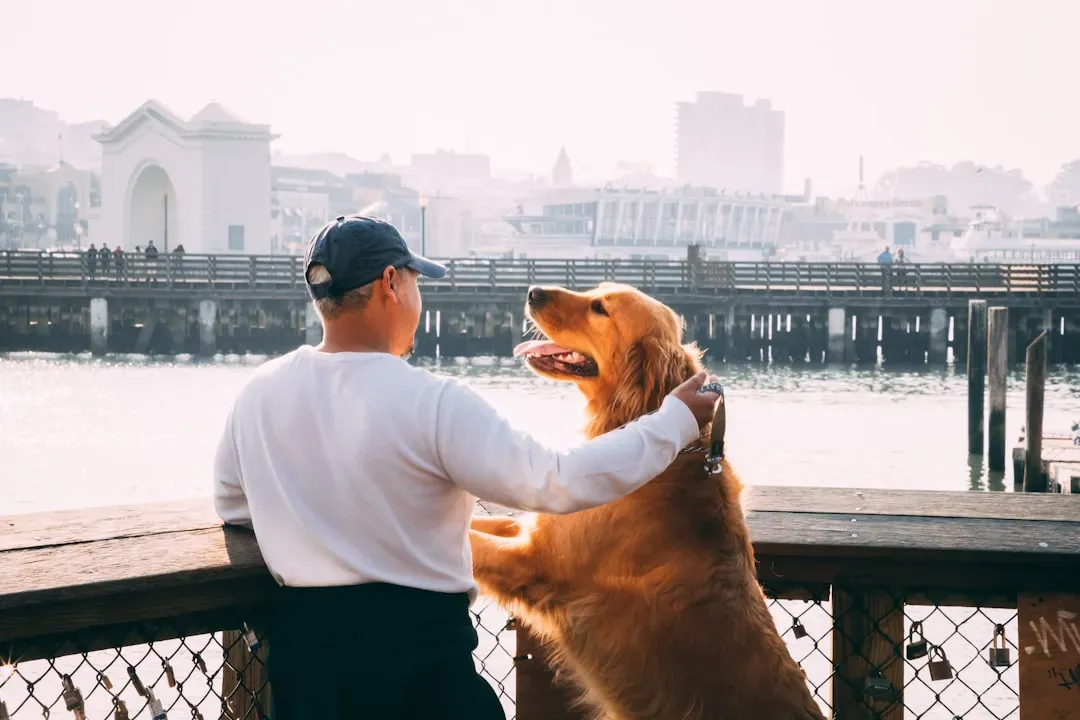
One of the clearest tells is who your dog checks on first thing in the morning. This isn’t about who they slept closest to – it’s about who they’ve decided needs monitoring that day. Watch the sequence: stretch, shake off, yawn, and then a straight line to one specific bedside, work chair, or bathroom door.
Dogs don’t burn their first burst of morning energy on someone random. That first check-in is a priority scan, and if they nose your hand before anyone else’s, congratulations – you’re on today’s schedule. Watch for the lingering too. A quick house patrol might happen, but they’ll camp out noticeably longer with one person: by their feet while they brush their teeth, staring them down in the kitchen, parked outside the shower door. It looks innocent. It’s actually your dog quietly stamping “assigned” on your forehead.
Fast Facts
- Morning “check-ins” often happen within the first few minutes of waking, before food or bathroom breaks.
- Dogs lean on scent, sound, and body language to decide who gets the first look of the day.
- A longer lingering stay, versus a quick sniff, signals a stronger “assignment” for that day.
- In multi-dog households, it’s common for different dogs to choose different people on the very same morning.
#2 – The “Shadow Walk” From Room to Room
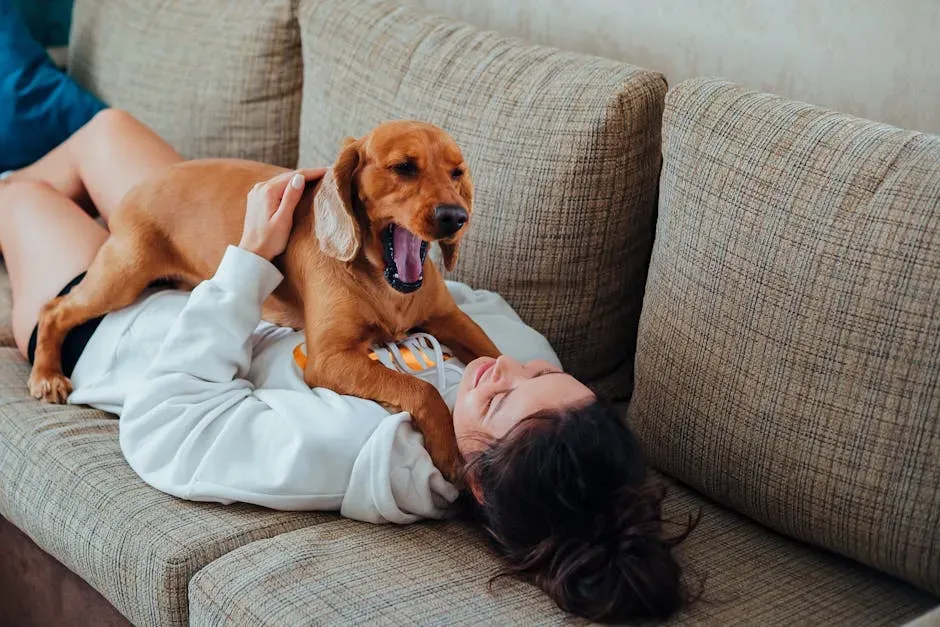
Everyone talks about velcro dogs, but almost nobody asks the real question: why is the dog stuck to this person today and not the other one? When a dog has picked its human for the day, it doesn’t just follow casually – it trails them like a security detail. Kitchen, laundry room, garage, it doesn’t matter. Even a trip to take out the trash suddenly comes with a four-legged escort.
Here’s the nuance that separates real shadowing from garden-variety following: plenty of dogs trail whoever’s cooking or whoever’s busiest. But genuine “this is my person today” shadowing isn’t about the activity – it’s about proximity. Sit down, they settle. Stand up, they stand. They’re not angling for treats or play; they’re reading you like a live status report. They’re not chasing the loudest or most fun person in the house. They’re following whoever, in their head, “needs handling” that day.
#3 – “Work Mode” Loyalty: Desk, Couch, or Craft Table
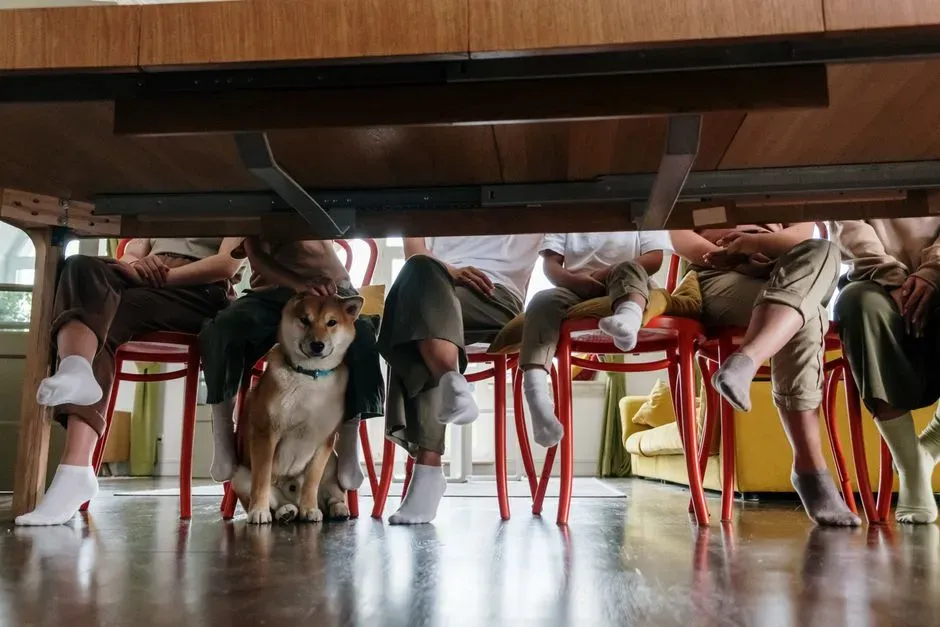
Most people assume their dog just lies wherever the comfiest pillow happens to be. Look closer. On days your dog has chosen you, it won’t just hover nearby – it’ll set up base camp exactly where you’re getting work done. Under the desk, jammed beside the gaming chair, wedged against the end of the couch where you’re doom-scrolling emails. On your day, your dog becomes an unofficial coworker who never clocks out.
The positioning gets oddly specific too. Some dogs plant themselves between you and the door, like a receptionist screening interruptions. Others fold themselves into cramped, uncomfortable corners just to stay in monitoring range – they’ll trade comfort for closeness every time. And here’s the real tell: when someone else calls them away for play or a walk on “your” day, they hesitate, glance back at you, and only leave once they’re sure you’re okay. That pause is the proof. Today’s loyalty is contract-bound.
Worth Knowing
- Dogs often pick uncomfortable, tight spots over cozy ones just to stay within arm’s reach of the chosen person.
- Positioning between you and the door is a common “gatekeeping” posture, especially in watchful or guarding-leaning breeds.
- Hesitation before leaving for a walk or play is a subtle but reliable loyalty signal.
- Work-mode shadowing tends to intensify during stressful or high-focus tasks, not relaxed ones.
#4 – How They React the Second Your Mood Shifts
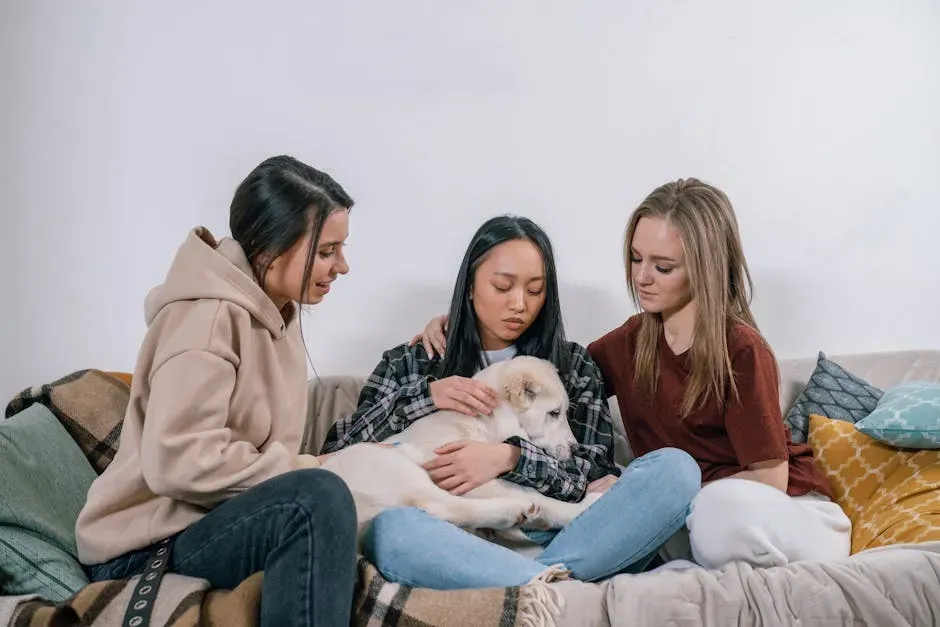
This is the part that gets uncomfortably real. Dogs are brutally good at reading human emotion, and they absolutely use that skill to decide whose day it is to shadow. Anxious before a big presentation? Exhausted after a night shift? Just hung up from a tense phone call? Watch your dog. If they drift toward you, slow their movements, and offer soft eye contact or a gentle lean, that’s not random comfort – that’s assignment confirmation.
Raise your voice and they might step closer instead of retreating. Sigh one too many times and they’ll cross the room to press against your leg. Many dogs even shift their entire energy level to match the person they’ve chosen – going calm for someone stressed, or turning bouncy for someone who’s flat and needs a nudge back to life.
Dogs are not our whole life, but they make our lives whole.
Roger Caras
Some trainers will tell you this is just pattern-based learning, nothing mystical about it. Maybe. But try explaining that to anyone who’s watched a dog silently pick the saddest person in the room and refuse to leave their side.
#5 – Who They Escort to the Door and Back
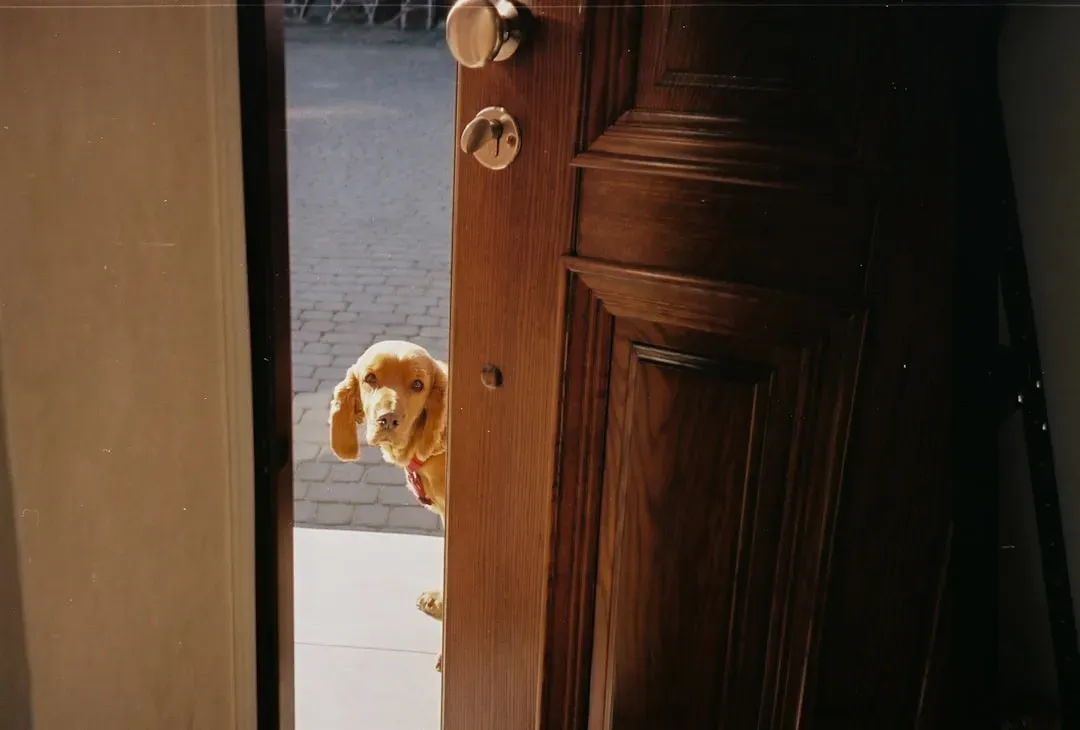
Door routines reveal more about your dog’s inner ranking system than almost anything else in the house. Dogs don’t get excited randomly – they run specific farewell and welcome rituals with whoever they’ve mentally flagged for the day. On your day, your dog insists on escorting you to the door: pacing, nudging, watching you tie your shoes like they’re running a final security check before you’re cleared to leave.
The real giveaway isn’t the goodbye, though – it’s the return. On days you’re the chosen human, the greeting is extra intense and sticky. They might ignore other family members walking in at the exact same time, slam straight into you and circle harder than usual, or immediately turn and lead you deeper into the house, like they’re reattaching an invisible leash. If you come home and your dog abruptly abandons whoever they were with to re-glue themselves to you, that’s textbook shadowing confirmation – and households often see this “door devotion” rotate day by day.
At a Glance
- Departure rituals: pacing, nudging, or “supervising” shoe-tying right before you leave.
- Return rituals: ignoring other family members to greet the chosen person first.
- Rotating devotion: many households see the “door person” change from one day to the next.
- Extra-intense reunions usually signal a full-day assignment, not just a one-off greeting.
#6 – Who They Choose During Conflict or Chaos
Here’s the harsh one: dogs take sides in household tension, and it often exposes exactly whose day it is to shadow. When voices rise or an argument spikes the energy in the room, your dog doesn’t stay neutral. Watch closely – they’ll drift toward one person specifically, sometimes sitting at their feet, sometimes physically placing themselves between that person and the source of the stress.
During chaos, the chosen human becomes the dog’s anchor. They’ll keep that person in their sightline even without touching them, follow them into another room if they step away, and only relax once that specific person relaxes – not when the noise in the house actually stops. This isn’t resource guarding. It’s social alignment, and it’s uncomfortably close to a dog voting with its paws. If your dog leans on you or retreats with you during a heated moment, it’s already picked its side – and it usually matches who it decided to shadow that morning.
#7 – Sleep Placement: The Nighttime Report Card
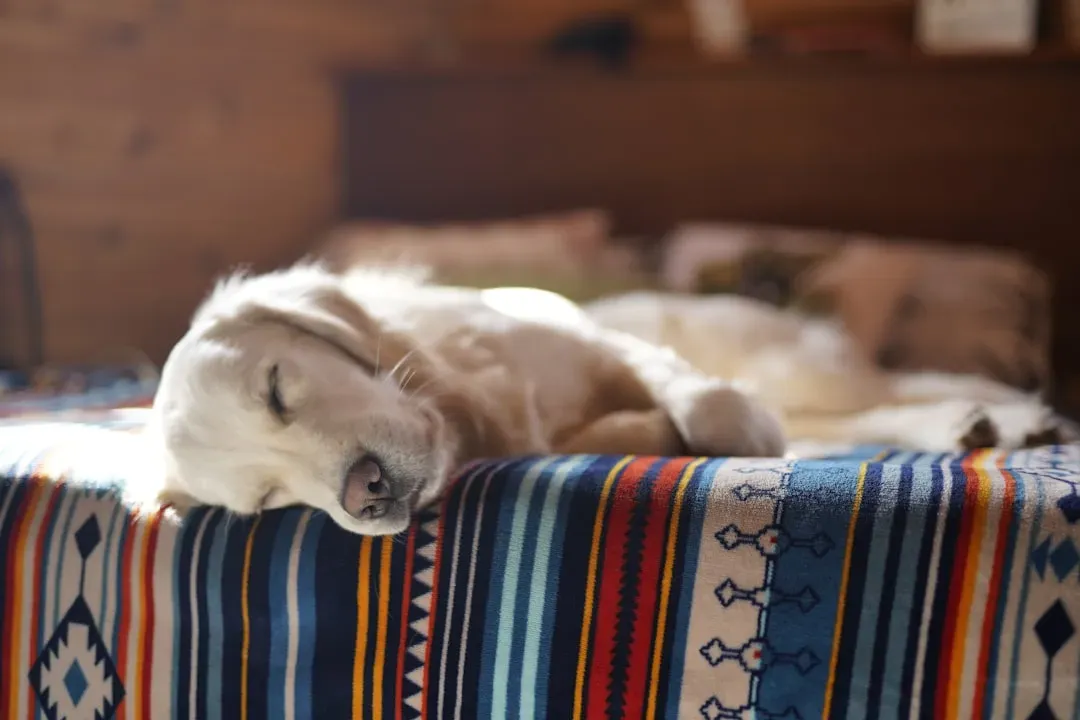
Sleep is vulnerable time, and dogs treat it that way. Where they choose to settle at night is often the strongest retroactive clue about whose day it really was. Even crate-trained dogs or ones banned from the bed will tell you the story through positioning. Did they sleep by your door instead of the hallway? Did they curl against your side of the bed instead of your partner’s?
On days a dog has quietly been assigned to you, they’ll often close the loop by ending the night exactly where they started the morning – near your body, your scent, your breathing. A dog who normally sprawls across the living room rug might suddenly wedge itself into the narrow strip of floor by your nightstand. It looks like a downgrade. To them, it’s security detail. If they wake up, shift, and resettle closer to you even after being disturbed, you’re the one thing they’re keeping track of in the dark.
#8 – The “Ignoring Everyone Else” Phenomenon
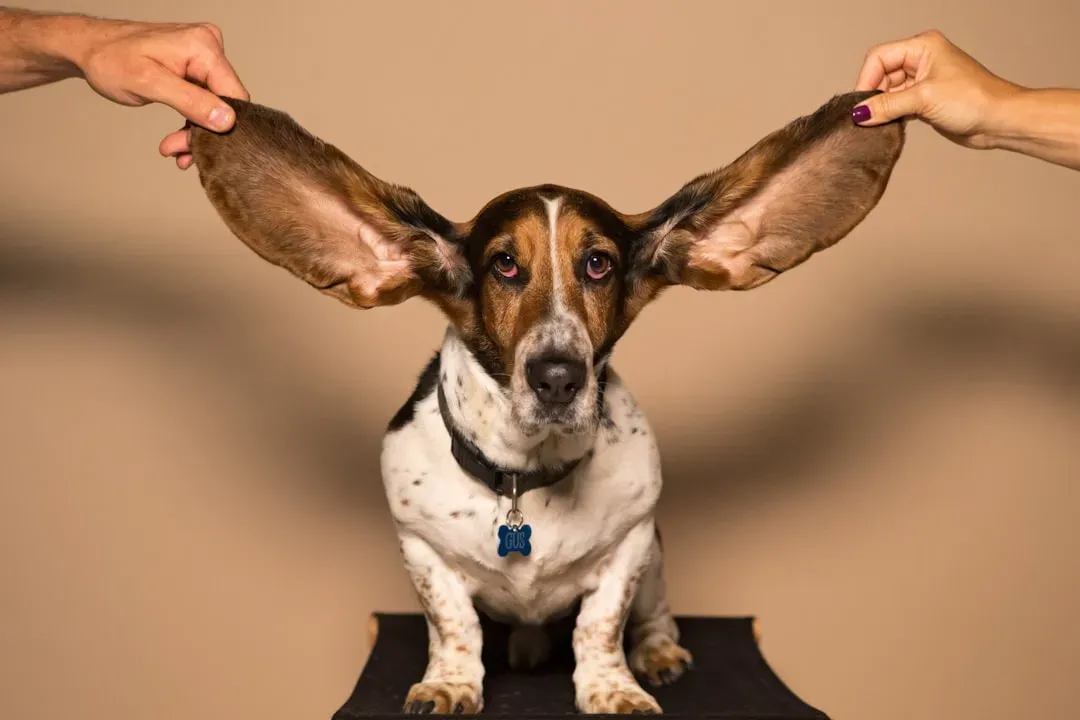
Most people measure affection in licks and tail wags, but often the loudest sign your dog has chosen you is who they actively tune out. On your day, family members can call your dog’s name, pat their leg, wave a toy – and the dog responds politely, briefly, then snaps its attention right back to you. It’s not rudeness. It’s laser focus. The bandwidth is already spoken for.
This shows up clearest in busy households. Someone opens the treat jar and your dog will absolutely investigate – then return straight to your feet, your side of the couch, the doorway where you’re standing. The speed of that snap-back is the giveaway. People get defensive about this, insisting they’re the “favorite,” while the dog spends entire days orbiting someone else. The truth is less flattering and more interesting: dogs don’t crown one eternal favorite. They rotate micro-favorites based on need, energy, and whatever’s happening in the house that day.
Why It Stands Out
- Selective attention reflects focus, not favoritism – it’s about who needs monitoring that day.
- A quick “snap-back” after a distraction is a stronger loyalty signal than constant, clingy attention.
- Rotating micro-favorites explain why the household “favorite” title shifts over time.
- Even a treat jar rarely breaks the chosen person’s pull for long.
#9 – The Ritual That Only Happens With You
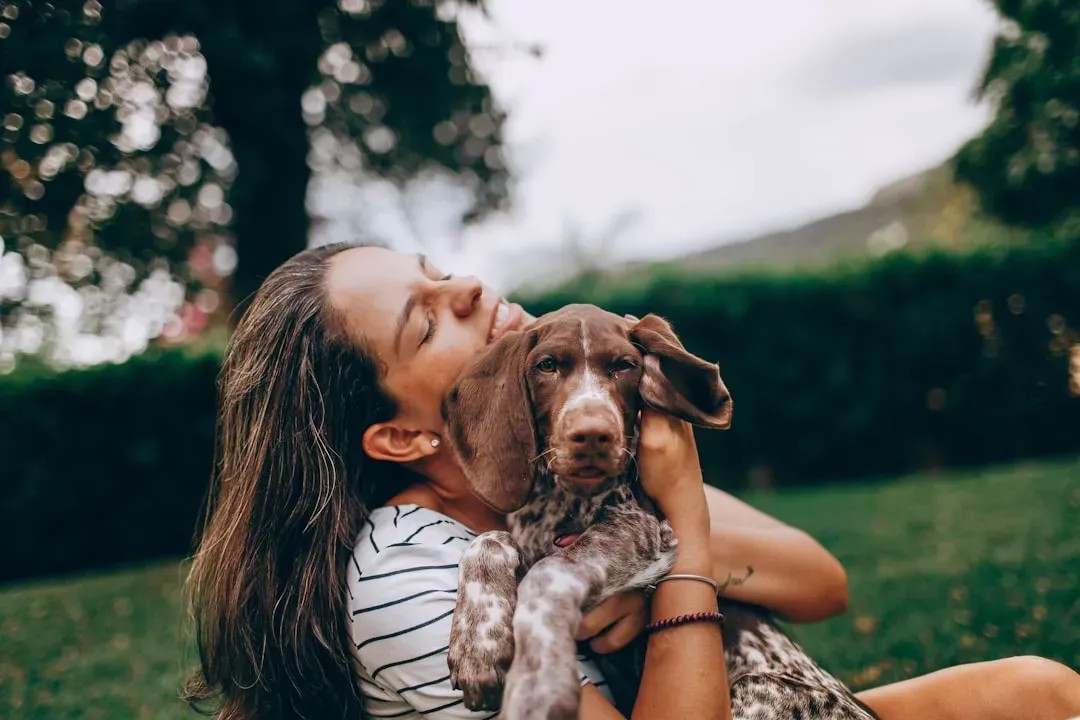
Here’s the sign most people miss completely: your dog has one small, specific ritual reserved almost exclusively for you, and when it shows up early in the day, it usually means you’ve been picked. It might look mundane – bringing only you a certain toy without actually wanting to play, nudging your elbow the moment you sit in one exact chair, pawing your leg every night around the same time, or doing a little spin only when you say a certain phrase.
These aren’t generic tricks. They’re personal, almost like an inside joke between the two of you. On your day, the ritual happens more often, earlier, or more intensely – and strangely, your dog often won’t offer that same behavior to anyone else in the house, no matter how much those people love them or try to copy your exact cues. That exclusivity is the proof. If you’ve ever thought, “they only ever do that with me, and especially on the days they won’t leave my side,” you weren’t imagining it.
Dogs aren’t randomly affectionate – they’re quietly strategic. Day by day they clock the routines, the moods, the tension, the person who suddenly seems fragile, and they assign themselves like a furry caseworker taking on a new file. The morning check-in, the all-day shadow, the desk vigil, the chaos alignment, the sleep placement, the ritual meant only for you – none of it is background noise. It’s a pattern, and once you see it, you can’t unsee it.
Personally, I think we sell dogs short here. They’re not choosing a favorite. They’re choosing a responsibility. Some people insist their dog loves everyone in the house exactly the same, and maybe in some houses that’s true. But the evidence in most homes says otherwise – on any given day, your dog has already picked someone to watch over, and they’re hoping you’re paying enough attention to notice. So next time it’s clearly your day, ask yourself honestly: are you treating it like a chore, or like the quiet privilege it actually is?